Clunkmeister
-
Posts
7,203 -
Joined
-
Last visited
Content Type
Profiles
Forums
Events
Gallery
Everything posted by Clunkmeister
-
1929 Fokker Super Universal
Clunkmeister replied to Clunkmeister's topic in LSM 1/35 and Larger Work In Progress
Gazz, Gazz, Gazz.... sigh. The 20s certainly was a rapidly developing period in aircraft design. From open cockpit DH.9a’s in 1920, 15 years later we had the DC-2 and DC-3, completely modern transcontinental capable airliners. But to get there, we needed development. The late 20s Fokkers were the bridge. Construction still based on the past, but aerodynamic, capability, performance, reliability, and comfort approaching modern day standards. The Standard Universal, with its open cockpit, was still firmly old timey, but with very small tweaks, the bigger Super Universal was thoroughly modern. And the Soper was a warplane. It was produced in Japan and flew well into WW2.- 67 replies
-
- 6
-

-

-
- fokker
- super universal
- (and 5 more)
-
1929 Fokker Super Universal
Clunkmeister replied to Clunkmeister's topic in LSM 1/35 and Larger Work In Progress
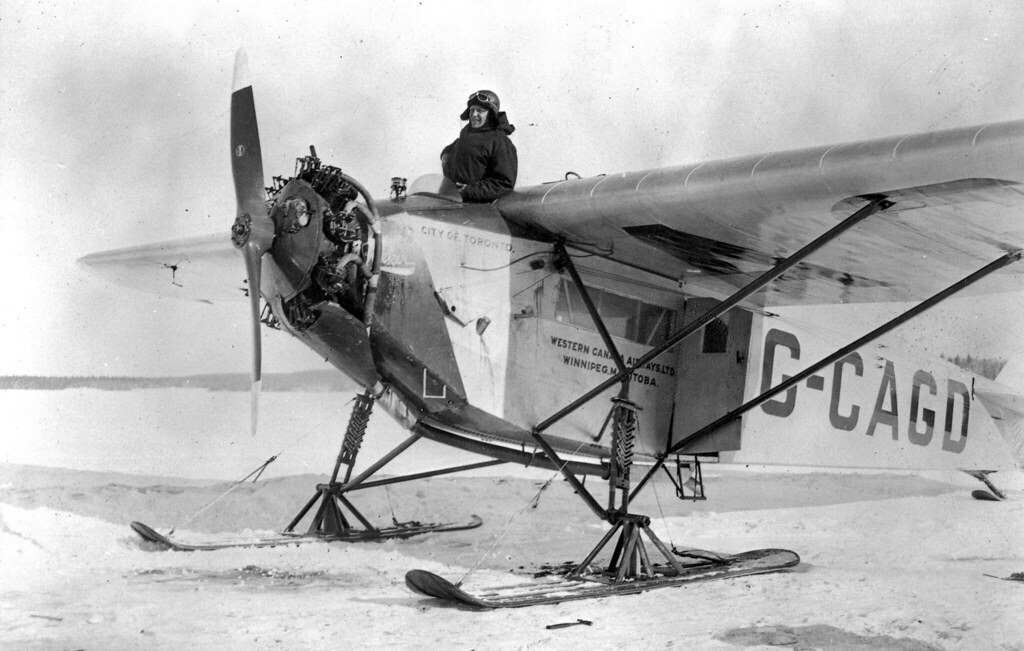
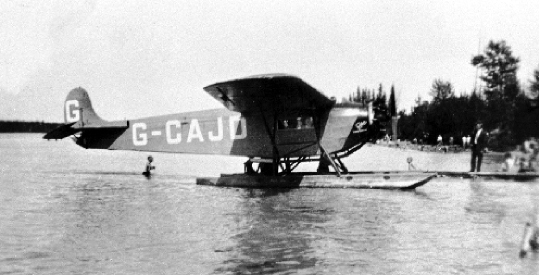
Winnie, the Charon Lake aircraft was a myth when I was flying up there. It was rumored to be a STANDARD Universal, not a Super. G-CAJD. That open cockpit must have been a JOY to work in when it was 50 below at altitude. I’d have never hacked it. Maybe when I was 25, but not now. i just did a search on “The Ghost of Charron Lake”, and indeed it is a Standard Universal. It broke through the ice and was abandoned and left where it was. When the ice melted in the spring, it flew down to its final resting spot, practically undamaged. Which makes it all the more unique, is because the Standard Universal is absolutely extinct in this world and a restored aircraft would be priceless. Theres a lot of Fokkers up in the north to this day. Long forgotten and left where they lay. You certainly are aware of the fun times up north available to all that stick it out for longer than a week. You chopper guys are crazy. The crap y’all do for pennies makes me shake my head. I was always worried about running one of y’all down when joining the pattern at some Unicom gravel strip. Y’all are darn near bloody invisible. Especially end on. Of course we relaxed when we got much over 2000 ft. Then it became swarms of 185s and Otters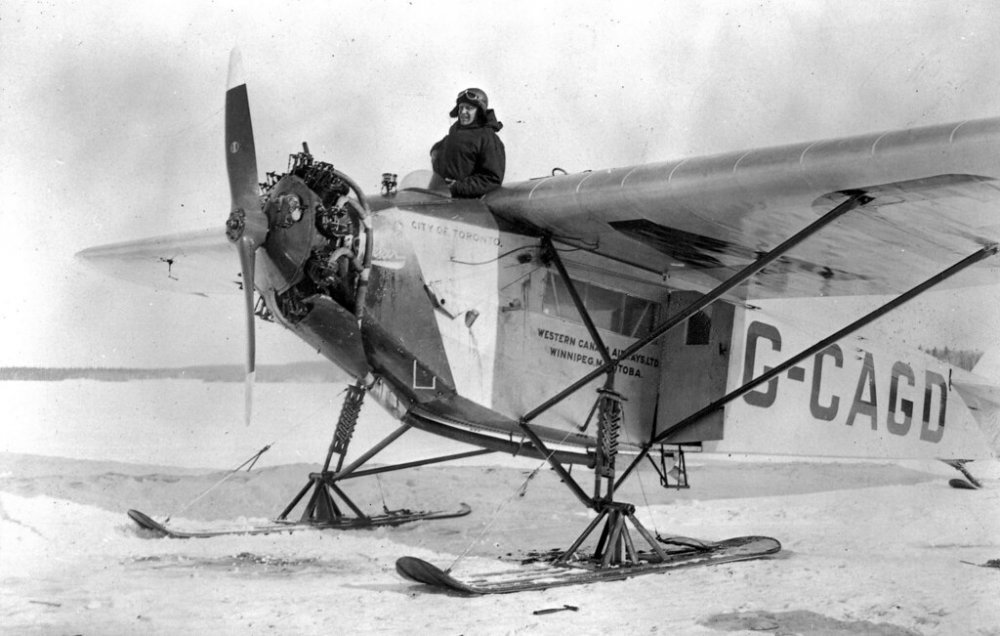
- 67 replies
-
- 6
-
-
-
- fokker
- super universal
- (and 5 more)
-
Takom 1/35 V2 Rocket
Clunkmeister replied to JeroenPeters's topic in LSM 1/35 and Larger Work In Progress
Way, way, waaay too much information here. -
Takom 1/35 V2 Rocket
Clunkmeister replied to JeroenPeters's topic in LSM 1/35 and Larger Work In Progress
That goes for me as well -
1929 Fokker Super Universal
Clunkmeister replied to Clunkmeister's topic in LSM 1/35 and Larger Work In Progress
My wife watches it. I just think it’s stupid- 67 replies
-
- 4
-
-
- fokker
- super universal
- (and 5 more)
-
1:32nd scale - Bristol M1.c
Clunkmeister replied to sandbagger's topic in LSM 1/35 and Larger Work In Progress
Awesome attention to detail, and the research on this little gem must be insane! -
I checked one night and here was one single Like left. Any guesses to who used them all? Leaving one single lonely little Like is rude. Almost like leaving one half a spoonful of ice cream on the bottom of the gallon pail.
-
An internal/external of an Avro Lancaster bomber
Clunkmeister replied to HaraldJoergens's topic in Walkarounds
Just to add to the list of future flyable Lancs, FM104, which was the subject of my conversion build a year or two ago is in the middle of a full restoration and return to flight status. FM104 is being restored to it's final 1964 scheme, and hopefully within several years, we will see a spiffy White and Silver Lanc 10MR grace the skies again. She spent way too many years stuck on a post, so this is very good news indeed. -
Guys, I'm looking into adding a few features, one of which should make Harv incredibly happy. MORE LIKES! Harv has run us completely out of Likes on several occasions, so we will be increasing the Like Tank from 22,500 per day to over 450,000! And more emojis or emoticons, or whatever they call them, along with different "Like" options. No biggie, but little things like that go a long ways to making it "fun" for others.
-
Happy Birthday to Father Time!! Primordial dust. Love ya, buddy!
-
1929 Fokker Super Universal
Clunkmeister replied to Clunkmeister's topic in LSM 1/35 and Larger Work In Progress
My guess would be about 5 minutes after delivery to the customer. I can see that fancy upholstery getting yanked and plywood benches with ropes for seatbelts bolted to the floor. Plus fake woodgrain panels for the sidewalls. I'd almost put money on there being more than one northern home with some oddball art deco wicker basket chairs inside that nobody has a clue about where they came from. Who knows, they might end up on the television, featured on "Antique Roadshow" someday. But with history telling us how much of a penny pincher Tony Fokker was, maybe he sold these things to the Northlanders for a $10.00 discount without the fancy fabrics.- 67 replies
-
- 4
-
-

-
- fokker
- super universal
- (and 5 more)
-
Das Kamel - Hansa Brandenburg W.12
Clunkmeister replied to DocRob's topic in LSM 1/35 and Larger Work In Progress
It seems the witch was already here at my shop.
-
Of all the stupid things, I struggled with the canopy fit on my first one of these. I let my guard down for 10 seconds and ended up creating myself 10 days needless work.
-
Looks great, John. This kit will throw you a curve every now and then Clever, eh? But in your defense, you're always chasing the little things with this. I think it's gonna be one of those great builds.
-
Silver Wings Hawker Hart
Clunkmeister replied to BlrwestSiR's topic in LSM 1/35 and Larger Work In Progress
Crazy??? My ex says I'm something like the south end of a northbound mare...- 39 replies
-
- 5
-
-
-
- silver wings
- hawker
- (and 1 more)
-
1929 Fokker Super Universal
Clunkmeister replied to Clunkmeister's topic in LSM 1/35 and Larger Work In Progress
Phil, I certainly get passionate about the models I really, really want to build. Unique subjects, overlooked aircraft types, and subjects that had an impact in my life are those types. A regular 109 or Spitfire doesn't do it for me, but this, a Fairchild 71C, Seafang, Bristol Freighter, all unique subjects that light my fire. A Blackburn Buccaneer and a Hawker Henley can get my juices flowing as well. But I also hear the big Fokker F.10 calling as well.- 67 replies
-
- 7
-
-
- fokker
- super universal
- (and 5 more)
-
RR Spey powered RAF Phantom conversion
Clunkmeister replied to Wingco57's topic in LSM 1/35 and Larger Work In Progress
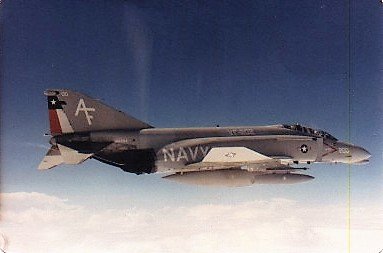
I'm suitably impressed with this, Cees. This is truly amazing, actually. I've never been a Phantom fan, but of all of them, the Spey powered version did it the most for me. Just so much more hulking and mean looking. Your ability to foresee problem areas is way beyond my meager paint-by-number abilities, then to actually turn those thoughts into actions that work is simply mind boggling. I'm still futzing around with models resembling four cornered shipping crates, and you're dealing in curvy ladies. Amazing work, Sir!- 414 replies
-
- 6
-
-
- conversion
- phantom
- (and 1 more)
-
1929 Fokker Super Universal
Clunkmeister replied to Clunkmeister's topic in LSM 1/35 and Larger Work In Progress
Me too, Hubert. The F.10 used a full wheel, and it was of a similar vintage. And a wheel would certainly have been beneficial.- 67 replies
-
- 3
-
-
- fokker
- super universal
- (and 5 more)
-
1929 Fokker Super Universal
Clunkmeister replied to Clunkmeister's topic in LSM 1/35 and Larger Work In Progress
One other thing we see is that as expected, aviation is evolutionary in nature, not revolutionary. These Fokkers have advanced greatly since the Dr.1, D.Vll, and D.Vlll were knocking Allied airplanes from the sky over Belgium, but not so much as to be unrecognizable as Fokkers. Tony Fokker and Robert Noorduyn absolutely OWNED the commercial airliner market in 1929. Ford was a far distant second place. Fokker Trimotors would carry more, fly farther, more economically, and easily run and hide from the draggy old Fords. Not until the early 30s wooden wing failures on trimotors due to improper storage and care by the users did the metal Fords gain any decent following. It also led to the development of purpose built metal airliners from Boeing, the Model 247, and Douglas, the DC-1, 2, and 3.- 67 replies
-
- 6
-
-
-
- fokker
- super universal
- (and 5 more)
-
1929 Fokker Super Universal
Clunkmeister replied to Clunkmeister's topic in LSM 1/35 and Larger Work In Progress
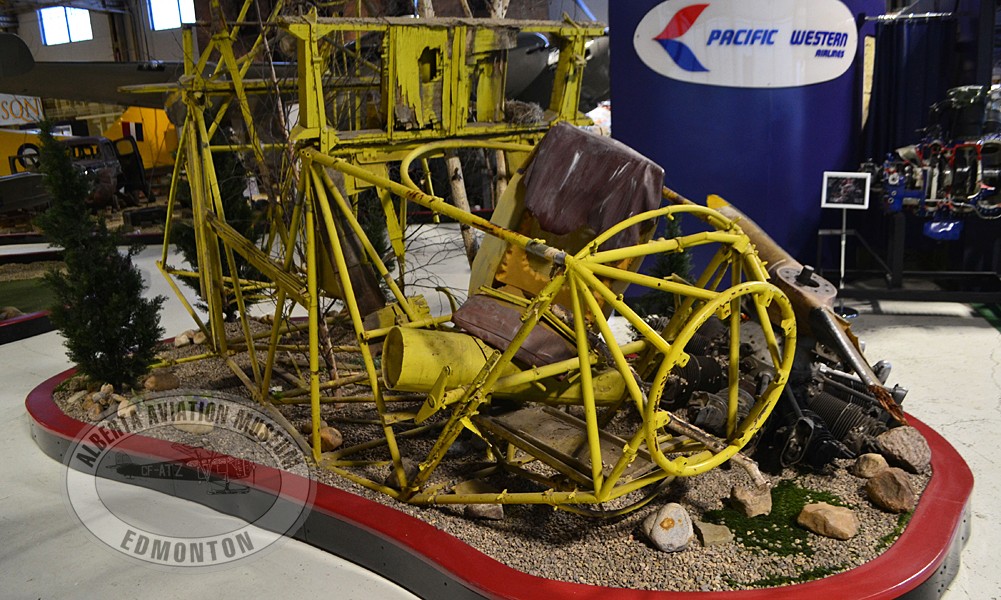
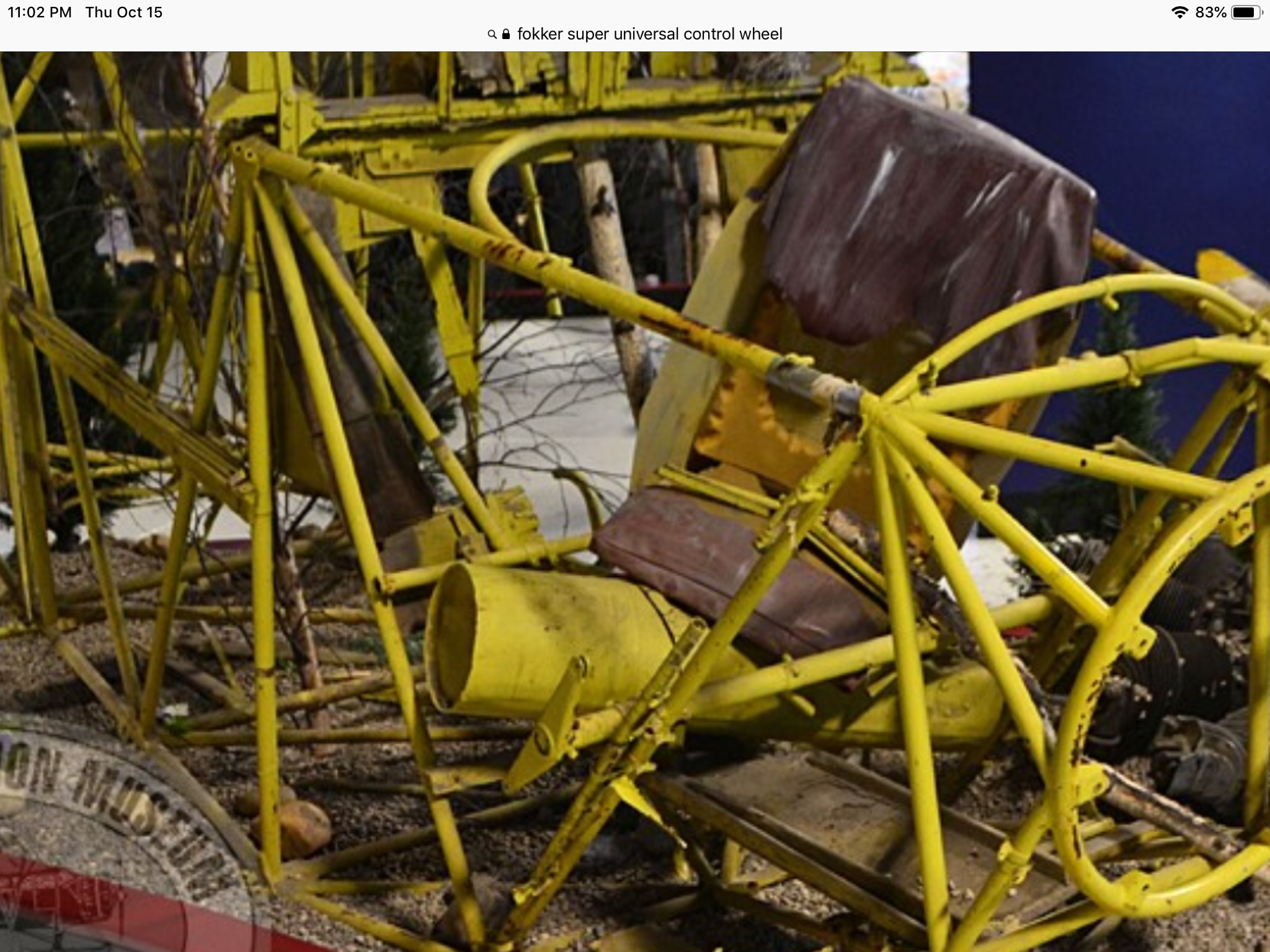
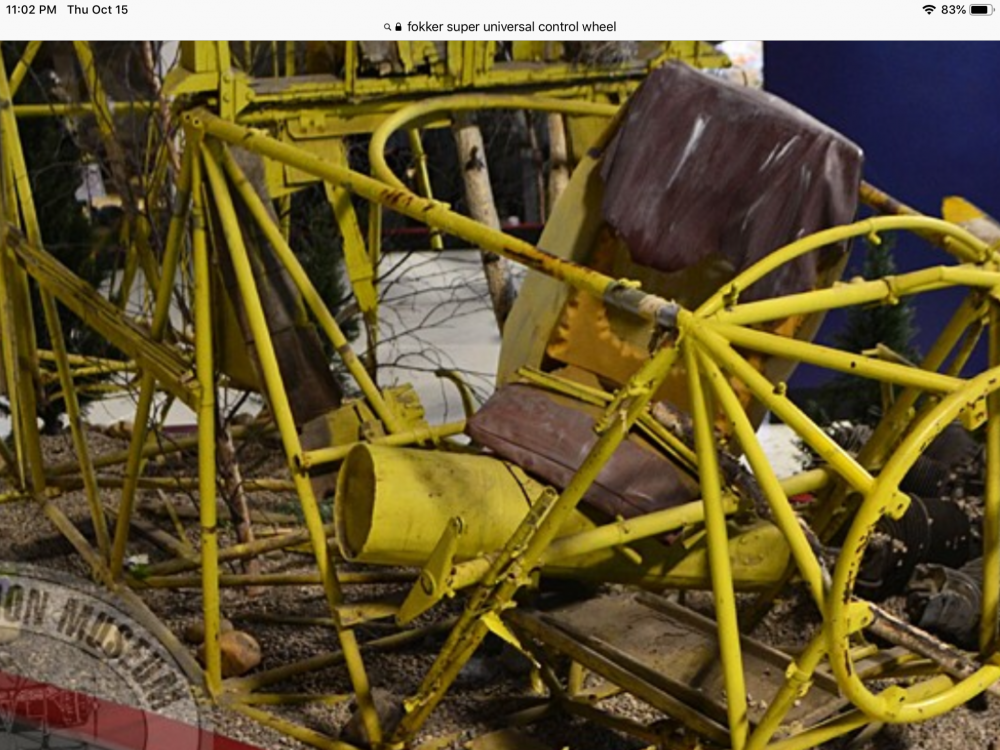
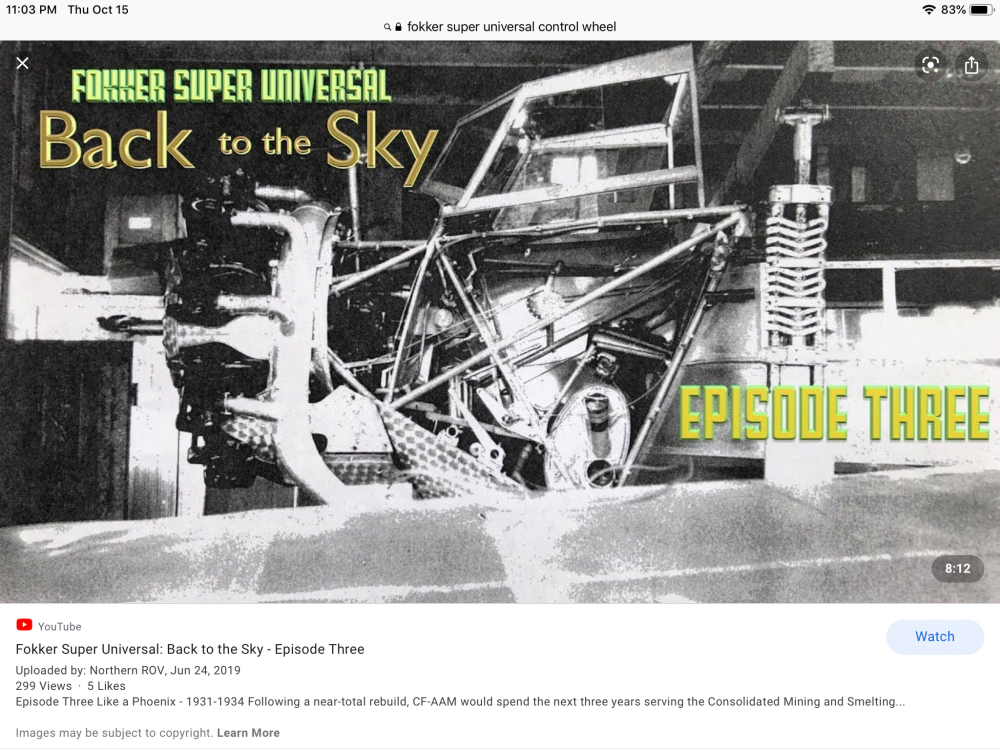
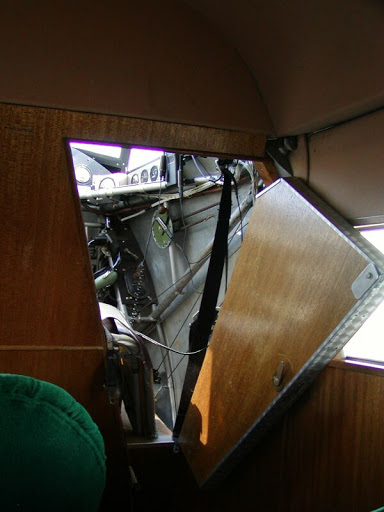
A clue to the cockpit layout is shown at the museum display of a crash scene at a museum in Alberta. We see a SINGLE basic leather pilot seat atop the engine oil tank, footboards like a Gladiator, Hurricane, Stearman, T-6, and PZL.11, and the elevator actuator tube out the sides of the fuselage for the elevator cables. But no sign of a wheel, yoke, or stick, though. Drat!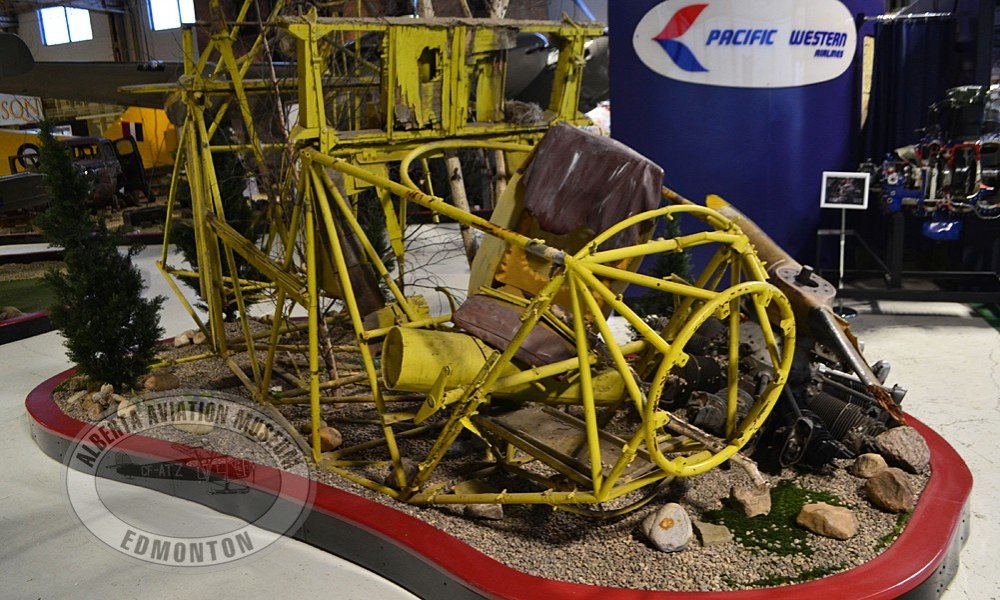
- 67 replies
-
- 6
-
-

-
- fokker
- super universal
- (and 5 more)
-
1929 Fokker Super Universal
Clunkmeister replied to Clunkmeister's topic in LSM 1/35 and Larger Work In Progress
PHere’s most all the interior pics I’ve found so far. Along with Martin’s panel pic. The cabin pic is a Fokker factory pic, and you can see that Fokker and Noorduyn went to town making the cabins look like Pullman berths. I expect these Canadian workhorses soon lost the fancy broadcloth interiors in favor of plywood floors and interior walls, and hard leather benches.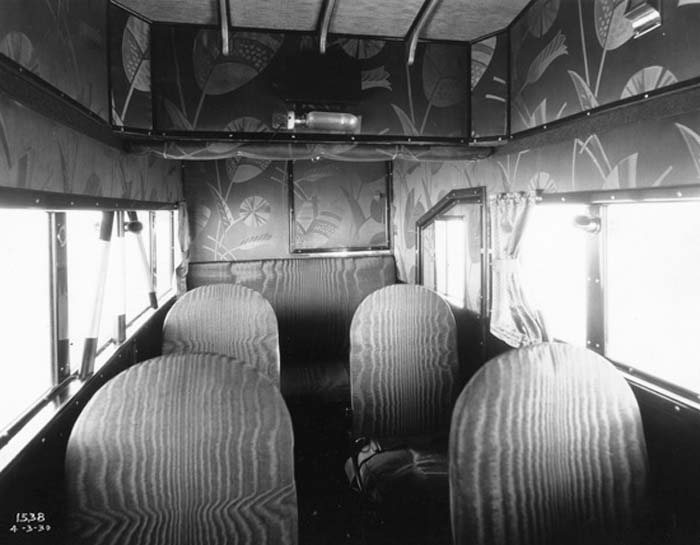
- 67 replies
-
- 5
-
-
- fokker
- super universal
- (and 5 more)
-
1929 Fokker Super Universal
Clunkmeister replied to Clunkmeister's topic in LSM 1/35 and Larger Work In Progress
Carl, From what I understand, a 3D printer shoots a very small line of liquid plastic onto a bed, and builds it up, pass after pass, until the end product is achieved. As a result, 3D prints have a “grain”. Material is added, not removed, so the interior is often hollow. As a result, you can “break through”, as I did, but the magic of Milliput saves my day again. Also, that is what accounts for the ‘grain’ on the surface of the parts, which needs to be treated like a pebbly surface on a bad low pressure injection kit and needs to be knocked back and the surface scribed with prototypical surface details such as panel lines, inspection panels, gun service bays, etc. In it’s hobby form, using less than NASA grade printers, it’s not a perfect art. Yet. But in a few years, watch out! In the meantime, it’ll give you good forms to base a project on. Consider it an already cut out vacuform kit. You need to open it up, prep and detail the surfaces, then scratchbuild all the details such as cockpit, engines, gear bays, landing gear, etc, etc, etc. plus, you’re on your own for clear parts. The Fokker has all flat clear parts, so it’ll be a nice, fairly basic project.- 67 replies
-
- 3
-
-
- fokker
- super universal
- (and 5 more)
-
1929 Fokker Super Universal
Clunkmeister replied to Clunkmeister's topic in LSM 1/35 and Larger Work In Progress
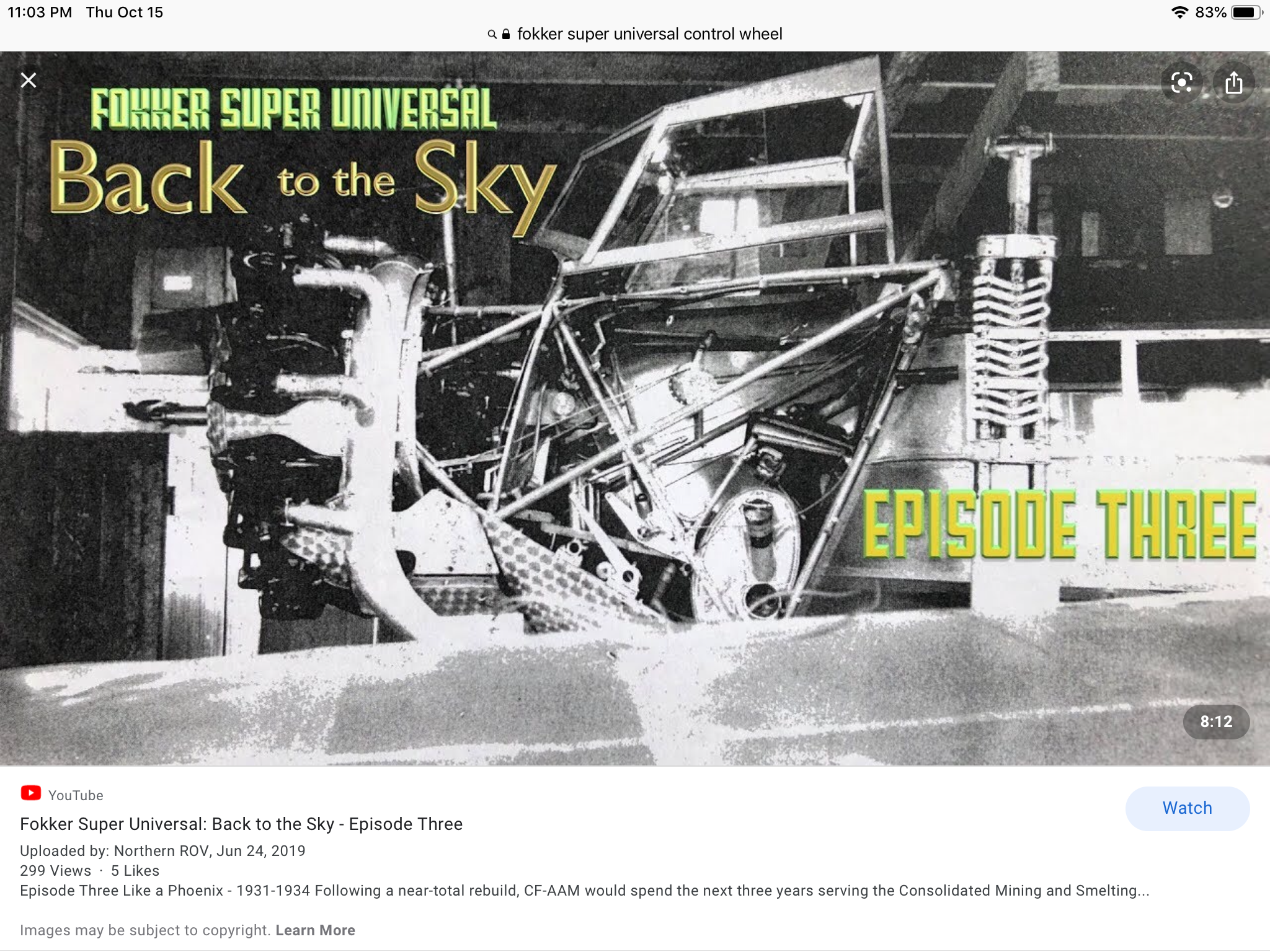
So am I to assume that the channel to the left of the hand pump is the stick? I have no clue if I’m dealing with a wheel, a yoke, or a stick.... And if it’s a stick, it sure seems like it’s set up for single pilot operation, with a pilot sitting dead center.- 67 replies
-
- 2
-
-
- fokker
- super universal
- (and 5 more)
-
1929 Fokker Super Universal
Clunkmeister replied to Clunkmeister's topic in LSM 1/35 and Larger Work In Progress
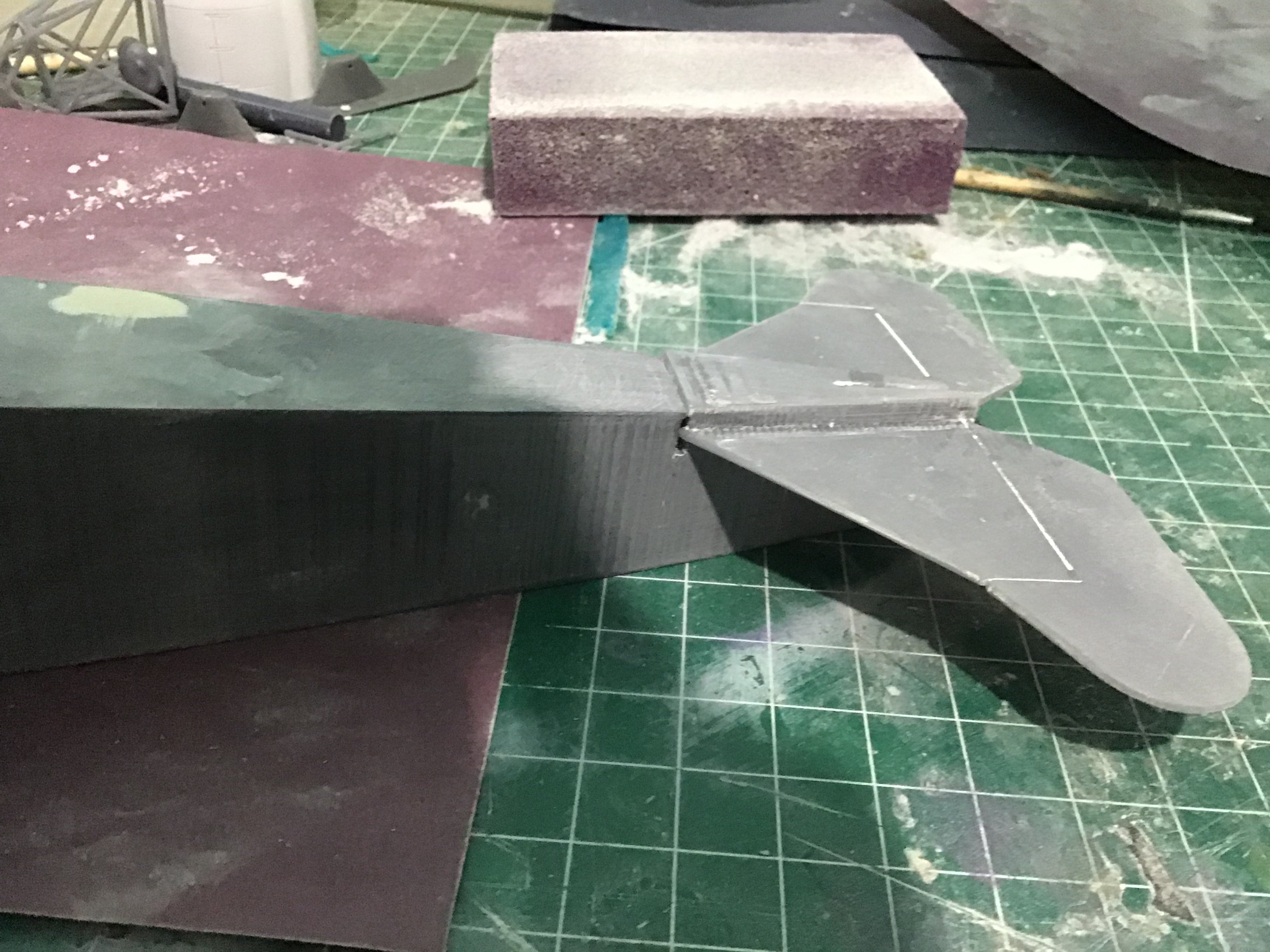
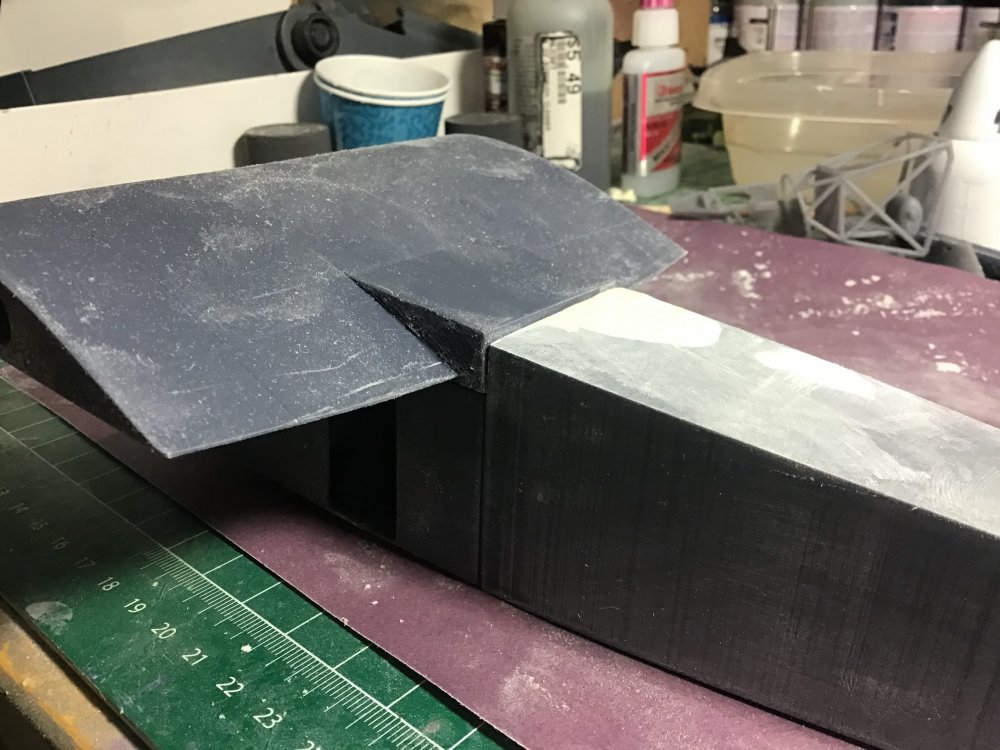
Same on the tail: sand down the front of the tail fairing to match the fuselage height, which will give it its noticeable dogleg.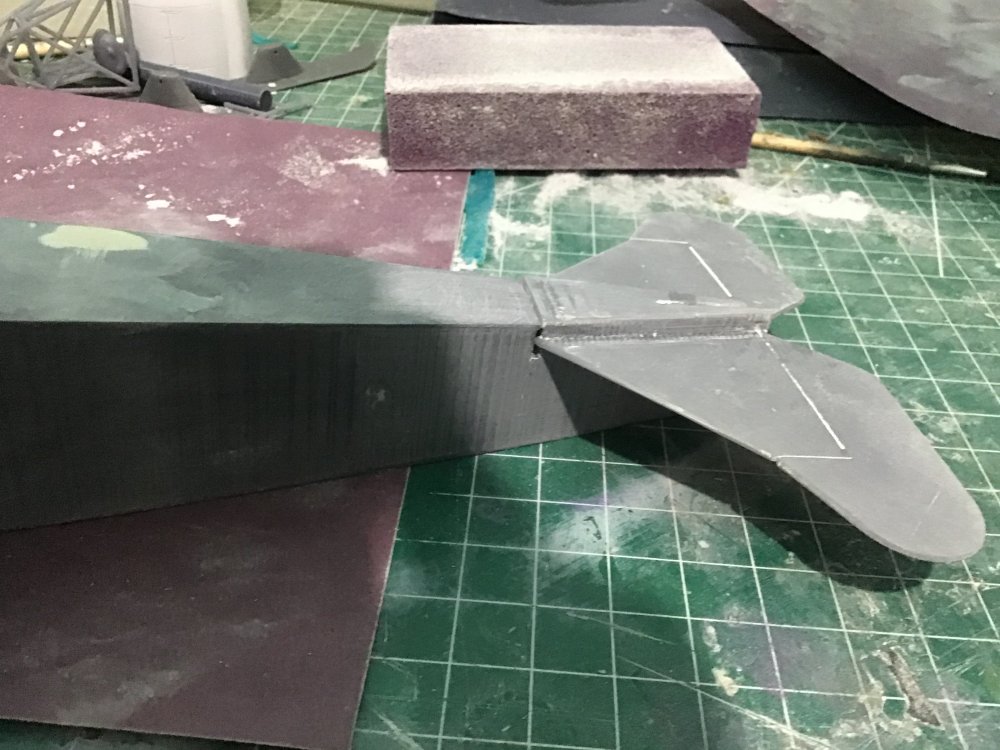
- 67 replies
-
- 5
-
-
- fokker
- super universal
- (and 5 more)
-
1929 Fokker Super Universal
Clunkmeister replied to Clunkmeister's topic in LSM 1/35 and Larger Work In Progress
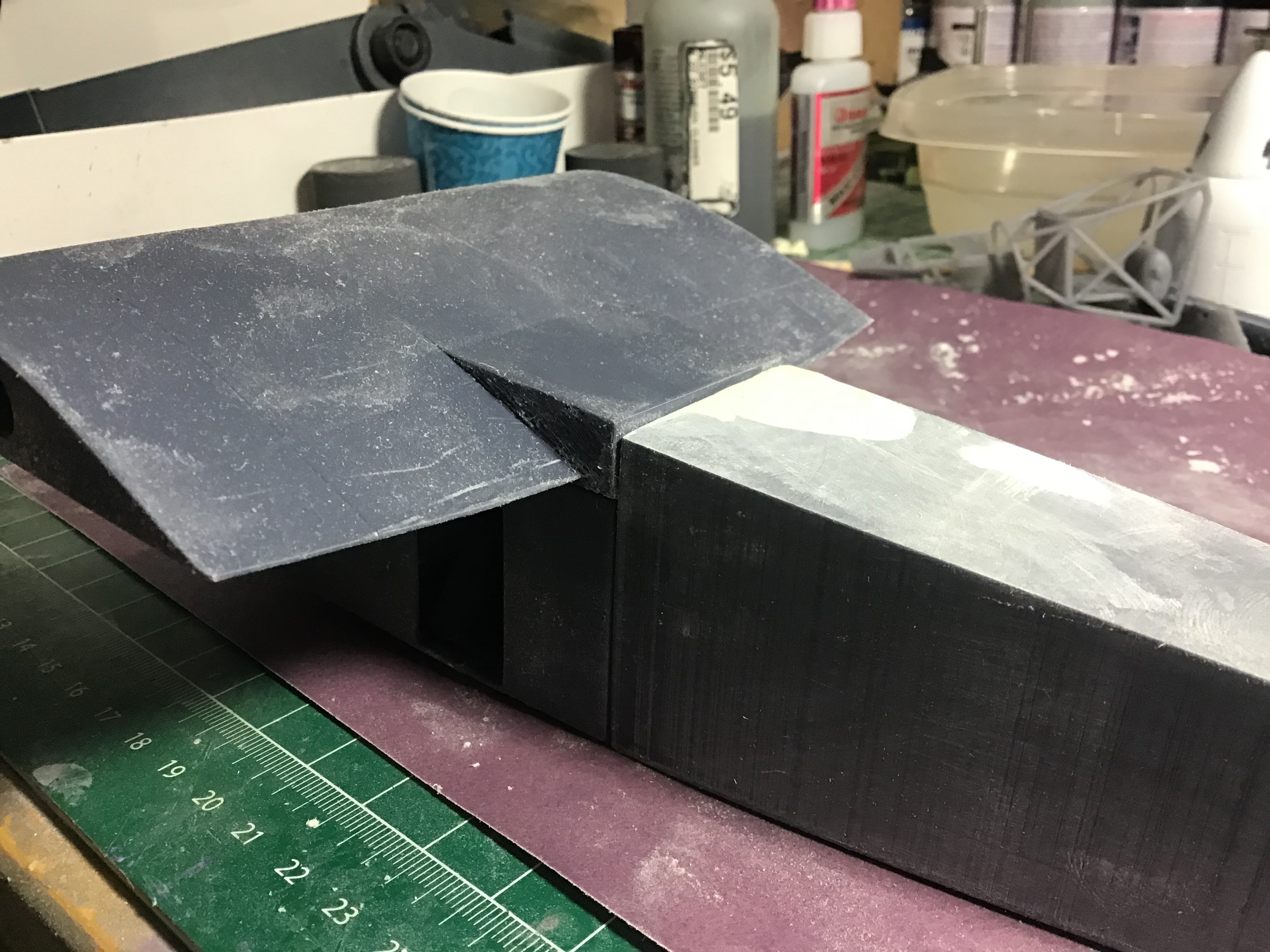
You see what I’m trying to do here? Sand down the tailcone, then sand the relief section in the wing fillet to intersect the tailcone as seen in the pics. These pics better illustrate it.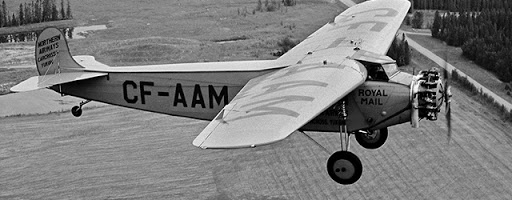
- 67 replies
-
- 6
-
-
- fokker
- super universal
- (and 5 more)