
DocRob
-
Posts
7,127 -
Joined
-
Last visited
Content Type
Profiles
Forums
Events
Gallery
Everything posted by DocRob
-
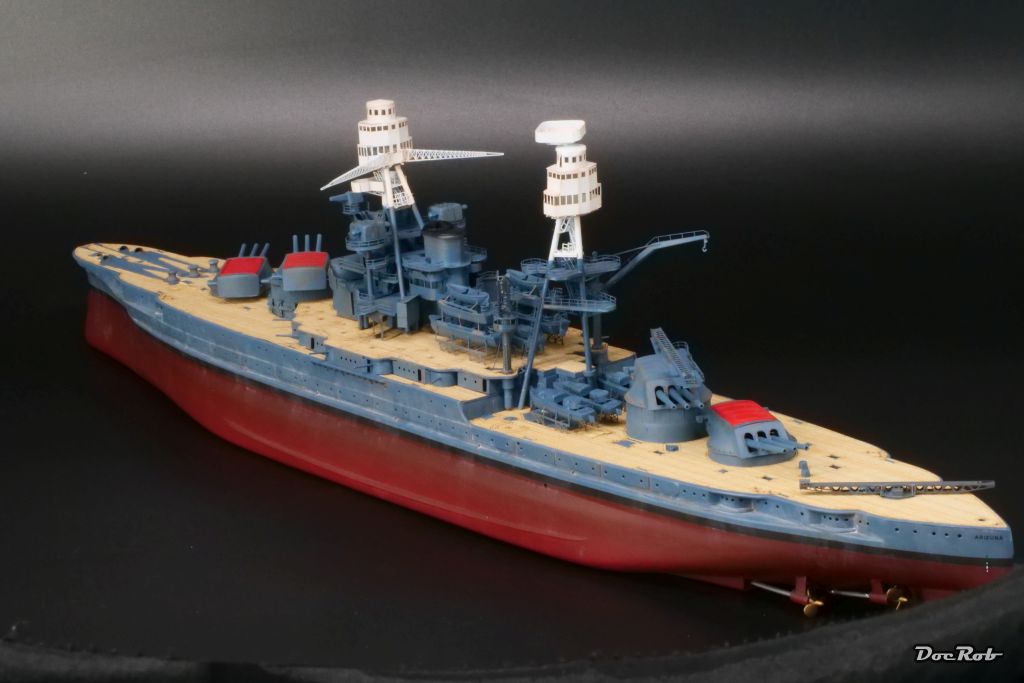
Muchas gracias amigos, I continued with lots of PE ladders and storage boxes for the decks, while the black CA cured, in which I dipped the undersides of the gun shields. Through capillarity, the tiny triangle struts were fixed in place. Seems, I have to look into some Youtube channels more frequently, when there are so interesting builds and builders. Cheers Rob
- 329 replies
-
- 3
-

-
- uss arizona
- eduard
- (and 1 more)
-
I (not) used some of the Yahu IP's and most of them were great, much better printed than Eduard. Exceptions were the IP's for the 1/32 Tamiya F4U and 1/32 Dauntless, which got yellow dials printed on, which is wrong. I used the modified kit parts instead, with the Tamiya Corsair. Your Mossie panel looks very good on first sight. Cheers Rob
-
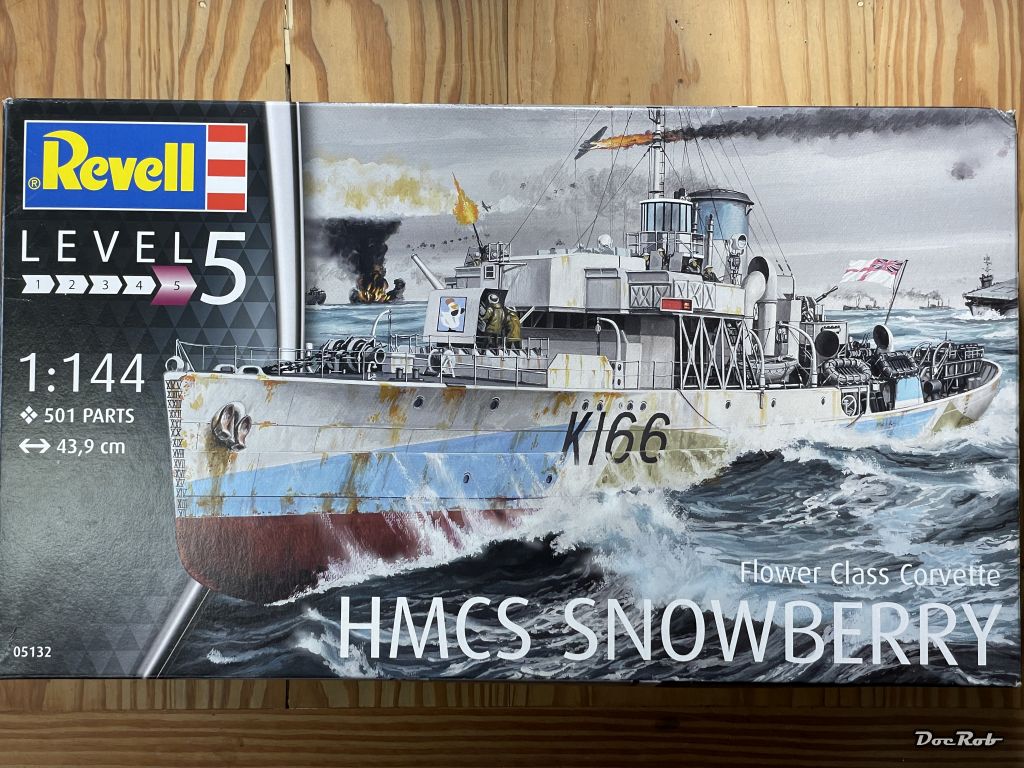
Thank you Carl and Kevin, I generally think, a larger scale is easier to handle and that's why I bought the 1/144 Flower Class Corvette and will add the big Pontos set. The build is seemingly taking forever, but what's even taking longer, is Eduards substitute pollards to get here. In early February, I contacted them, then storage reshuffle, falsely declared package and therefore returned and now, when I need them, the replacements haven't come in sight. Well they are slower than me, that's a surprise . Cheers Rob
- 329 replies
-
- 3
-
-
- uss arizona
- eduard
- (and 1 more)
-
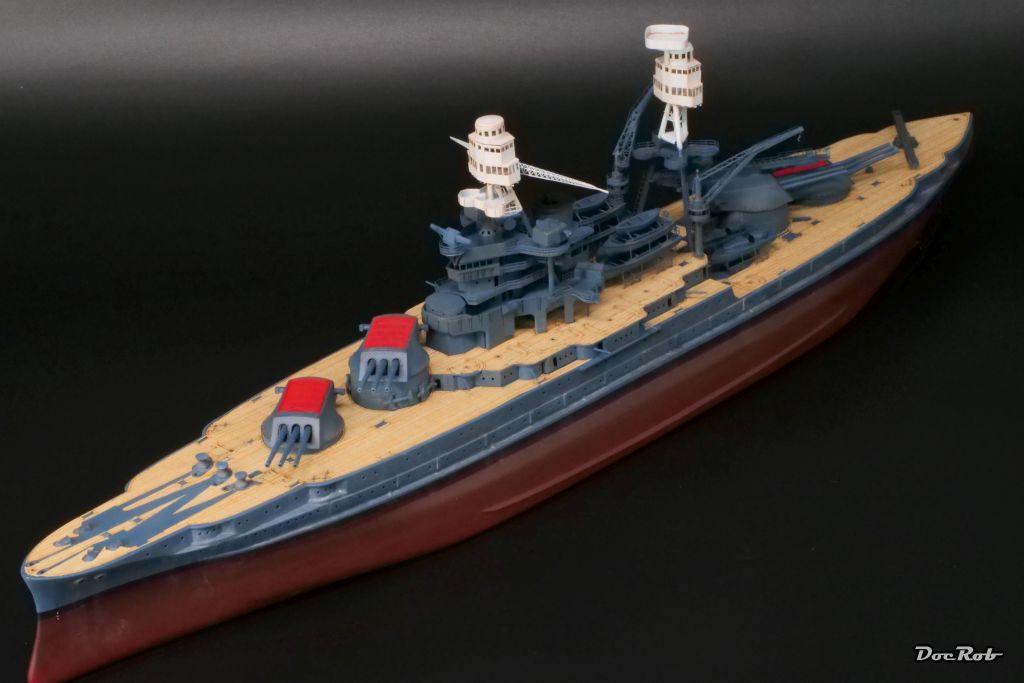
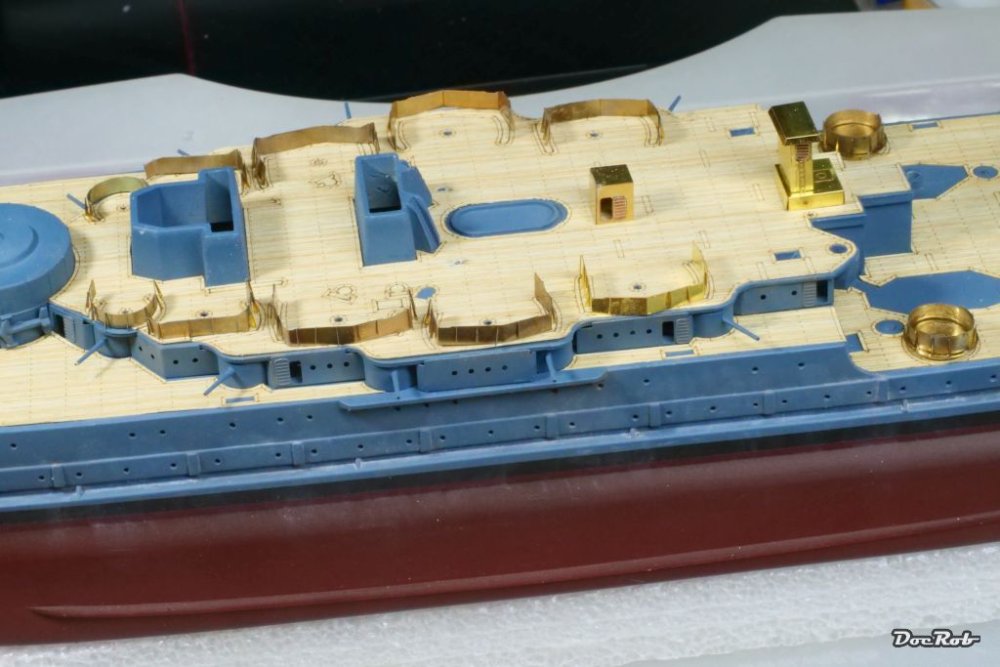
Slowly pacing through the on deck applications. This build is testing my patience a lot and the last nagging bit are the gun shields for the middle artillery. They are made by PE and the enforcing struts, tiny triangles needed to be bent in place. I dreaded this part of the build, because the first shield, I tested, lost a lot of the tiny struts through breaking. The others, I annealed had less broken parts, but still some. Some of the sensible struts were too long and had to be shortened with unshivering hands. Nothing is glued, because the parts will be airbrushed off the deck. You will notice, that I left the cut out deck segments in place, which would have to be removed for the original plastic. Leaving them, will look more convincing, I hope. Cheers Rob
- 329 replies
-
- 8
-
-
- uss arizona
- eduard
- (and 1 more)
-
I couldn't believe it myself Hubert, normally we have between 80% and 90% humidity, when there is no Kalima (Sahara wind). I wouldn't have thought, it can go that low with the surrounding Atlantic Ocean, which evaporates with the strong sunshine. Possibly the evaporation covers the 6% exclusively . Cheers Rob
- 329 replies
-
- 3
-
-
- uss arizona
- eduard
- (and 1 more)
-
Thank you Peter and Chris, I slowly move on with the on deck applications, producing the delicate PE gun shields for the middle artillery at the moment, as well as hatches, ladders, winches, searchlights, ... As the humidity dropped to 6%, an all time low, I guess, I have to wait with the continuation of adding these assemblies, because the wooden deck is still curling up and un adhering itself. I have to wait for some more humidity, to evaluate the damage. The air here is dryer even, than my Martinis are . Cheers Rob
- 329 replies
-
- 5
-

-
-
- uss arizona
- eduard
- (and 1 more)
-
I have a Pontos set reserved, lets see how it works out, as it's sometimes a bit complicated to get stuff to my place. After USS Arizona, I'm not that much concerned about the complexity of the brass. I like the addition of turned brass parts and that's why I haven't considered Eduard's PE. I had my eyes onto the 1/72 Revell kit as well, with the GLS stuff. I decided it's too big for me and I hope the plastic is a bit more up modern standards with the 1/144 kit. I also have no idea, about how well the GLS PE is designed. I learned from my Arizona build, the worse the plastic, the better should be the PE. Cheers Rob
-
have another boxing of the Hobby Boss kit and added some Friul tracks for the FT17, because the kit tracks seem to be a bit delicate to assemble. I also added some resin parts and decals from FT ModelTrends to the package, as I will build mine in a version of the Republican army of the Spanish Civil War. Cheers Rob
-
I always use this trick, when I hold the CA-ed parts together in strange arrangements with my hands cramping up. I used it mostly for the second planking of my wooden sailing ship build, but it seems, all the humidity is gone with this kind of dryness.
- 329 replies
-
- 2
-
-
- uss arizona
- eduard
- (and 1 more)
-
Thank you Mike and Gary, In the moment progress is slowly, as I assemble all the remaining on deck applications, like gun shields boat racks, etc. I had the strange sensation today, that the self adhesive wooden deck slightly curled and lifts in places, but that's no wonder, I guess with a humidity at 10% at the moment along some un seasonal heat. I never had such dryness before and besides itching eyes and dry skin, the CA takes forever bonding. It will stay like this for some days with the addition of storm from Wednesday on . Cheers Rob
- 329 replies
-
- 2
-

-
- uss arizona
- eduard
- (and 1 more)
-
What is on your bench right now ? Share a picture :)
DocRob replied to Martinnfb's topic in Modelling Discussion
Now get out, you can't get away with it . Cheers Rob -
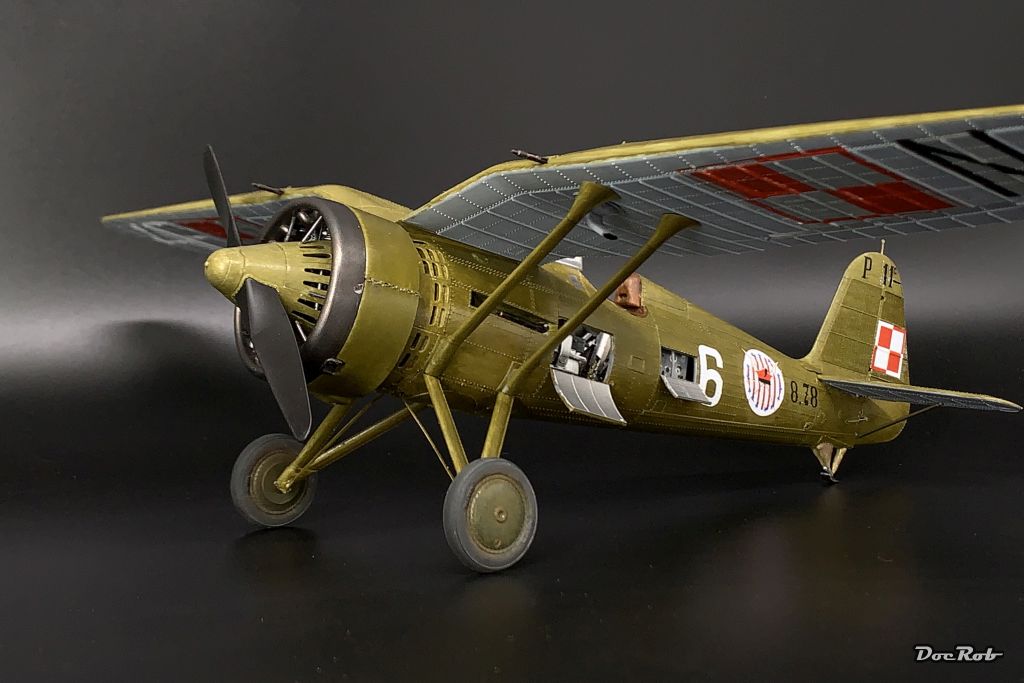
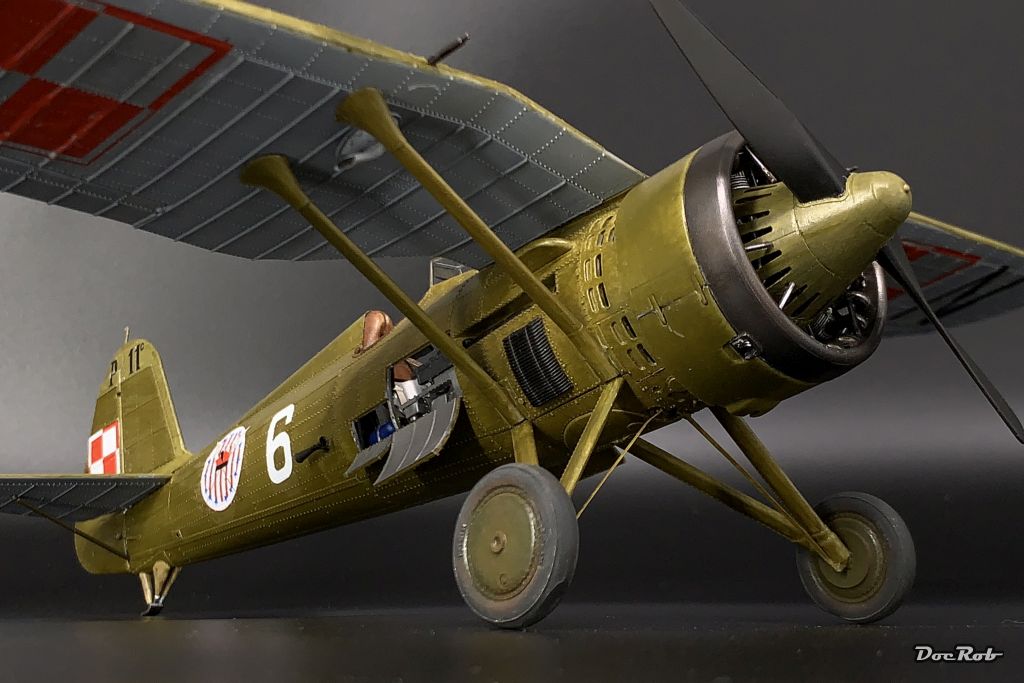
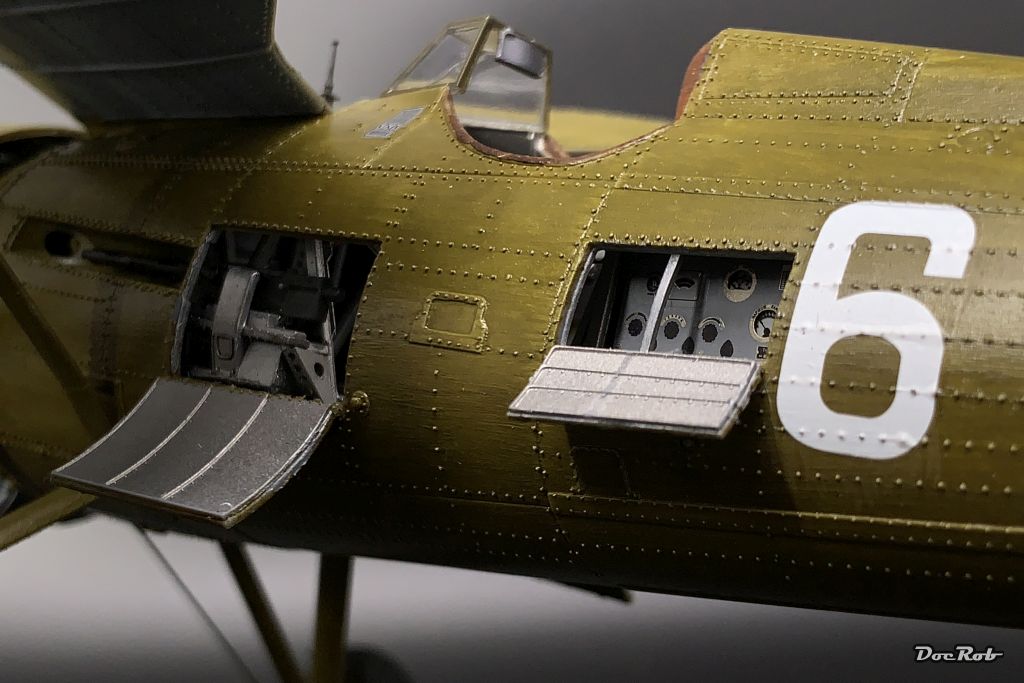
I second Hubert concerning most of Eduard's printed PE. The IP's often look rasterized, but I've seen exceptions, where the print was dense and correct color wise. Well, Yahu, they are printed(?) way better, with no visible distortion and they have a good 'glass' effect for the bezels. For my PZL and some other builds, I liked them a lot, but I found them lacking in US panels, like the Corsair and Dauntless, where most of their instruments have yellow printed dials, which should be mostly white. Anyway Peter, you might try, how much of the IP will be seen after installation, maybe you can get away with what you have and use this 'Men in Black device' to forget about it . Cheers Rob
-
Revell Spitfire Mk IIa
DocRob replied to Peterpools's topic in LSM 1/32 and Larger Aircraft Ready for Inspection
Your Spitfire looks very nice, with your trademark smooth finish, Peter. Cheers Rob -
The engine looks great Peter, very crisp and neat. I thought about buying the ZM-109 too, initially, but luckily I've read the different build threads. I would have enormously disappointed by the kit and I cannot understand, what ZM is doing with some of their 1/32 offerings. I built the TA-152 and didn't like the kit at all, with the fit of the cowlings and the engine strut / wingroot section as the biggest areas of concern. ZM hasn't learned from that, it seems. The same probs with the same basic layout (single inline engine fighter). I have some more ZM kits in stash, namely the Horton and HE-219 and the Mustang IV, which follows the above mentioned line. I'm disappointed with the ZM's LS approach to a degree, which is only equaled by Italeri, whose kits I ignore, because what I've seen from them is unworthy for a big company. ZM claims quality and they fail way to often for my liking with the exception of their especially well made 1/48 Phantom, which I had the pleasure to build. Rant off and back to your great build Peter. Cheers Rob
-
Markings look like tattooed on, nice save Martin. I have to think about that plotter thing. Cheers Rob
-
Clear the Bench! It's Kotare Spitfire time!
DocRob replied to GazzaS's topic in LSM 1/35 and Larger Work In Progress
Nice progress Gary, and interesting with your problem solving. Well the spine gap, I guess the light came from above when pictured and will not show as much under paint and decals. The exhaust look great, I wonder if the real thing was made from stainless steel sheet and that's exactly the look you achieved. Somehow the only thing which nicks me, are the seat belts. They look rubberish and false springy to me, but that might be lighting and shadows playing tricks. Cheers Rob -
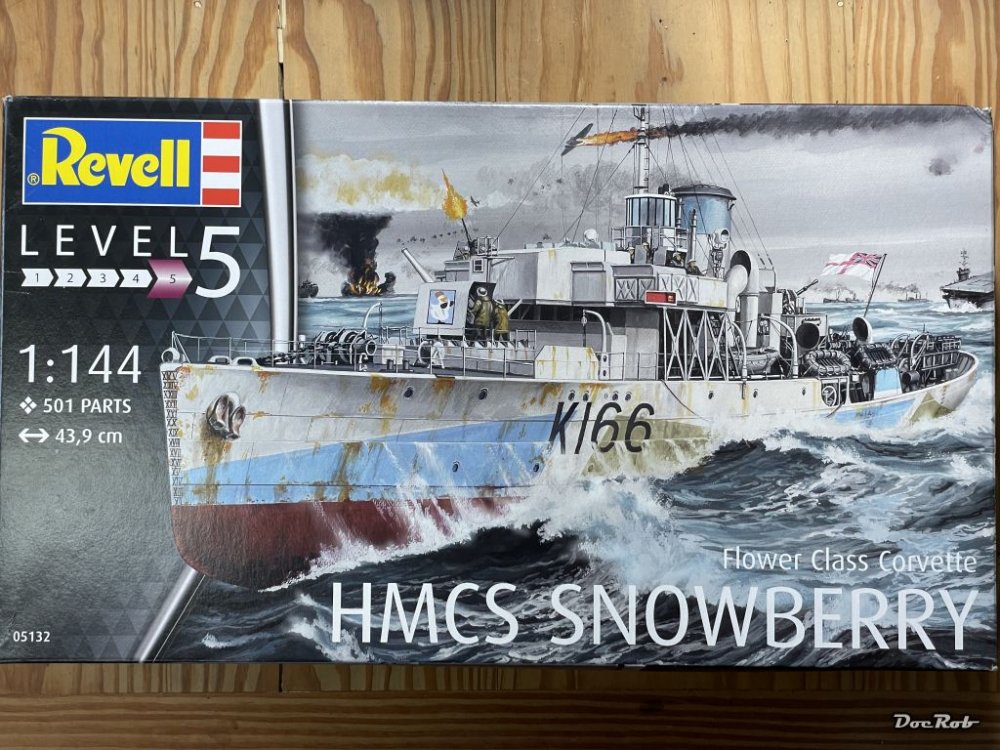
My actual USS Arizona build could not prevent me, from digging deeper into maritime objects, albeit in a bit larger scale. Today, I received the 1/144 Flower Class Corvette from Revell. I got it for a great price and now I'm waiting to lay my hand onto the dedicated Pontos set, which will be more than four times the price of the kit . I built the 1/72 Matchbox kit, when it came out and made it a RC ship. By then, I was a poor modeler and I always had the idea in the back of my head, to build another one. Last week, I read somewhere about a Flower Class Corvette build, that the fascination of these vessels lay in their style and size, like they are taken out from a Tintin comic and I thought, bang, right, that's exactly the feeling, juvenile hunger for adventures. Cheers Rob
-
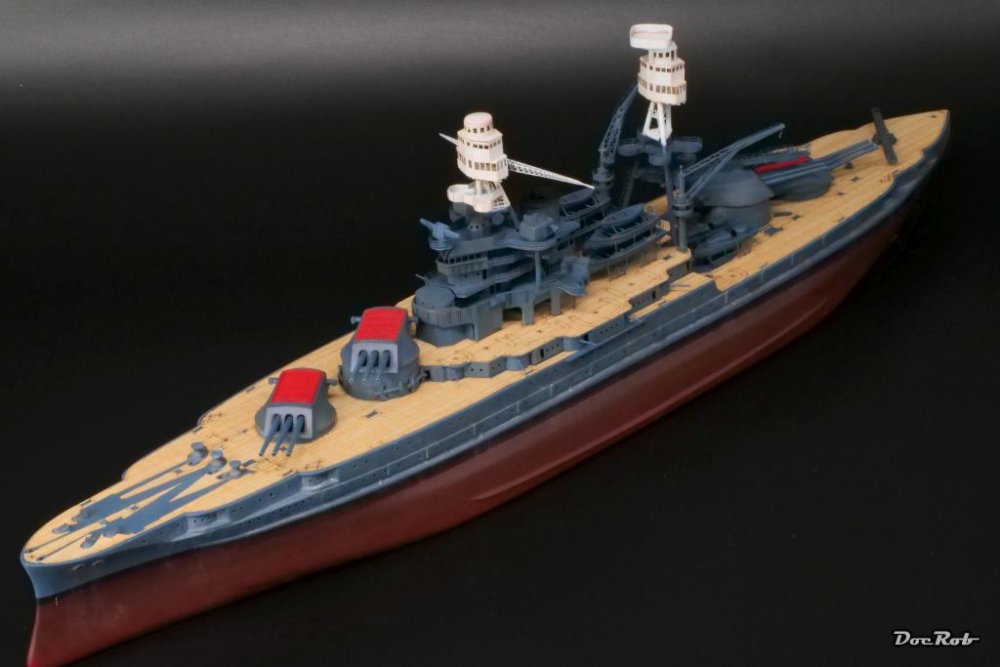
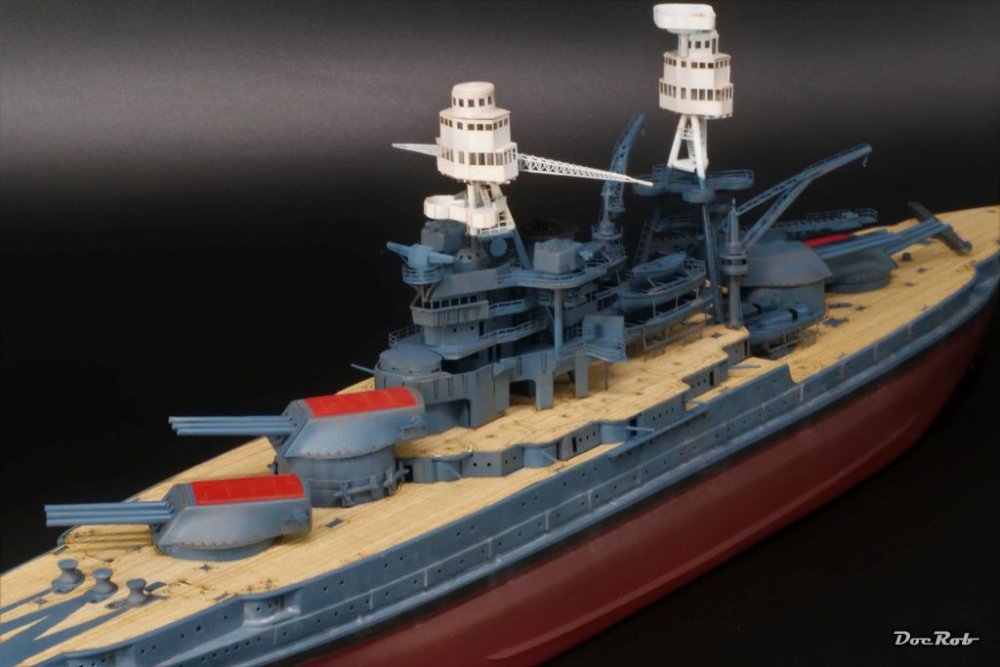
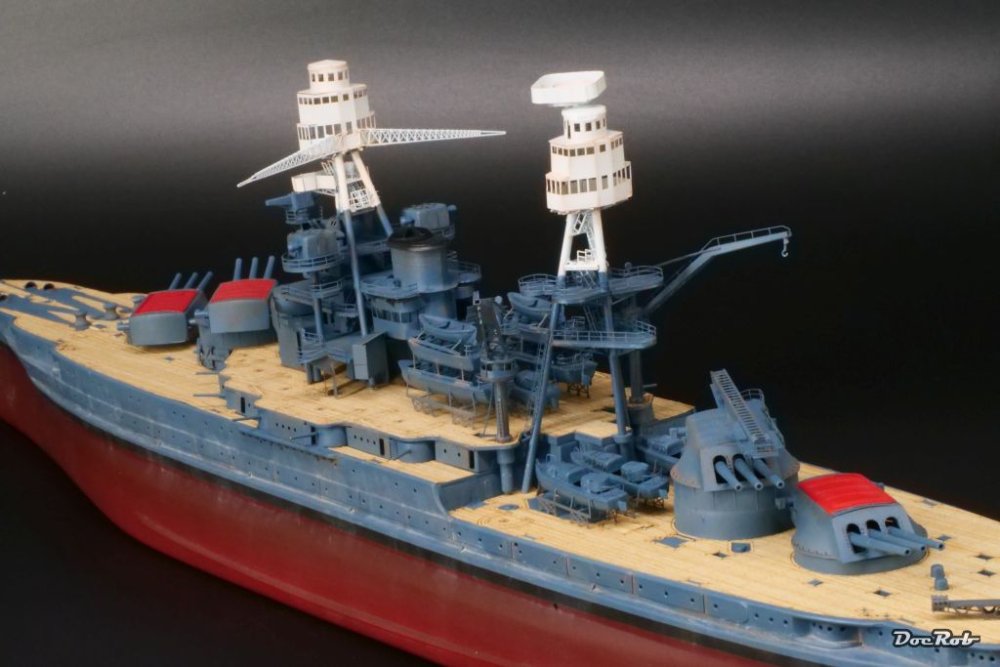
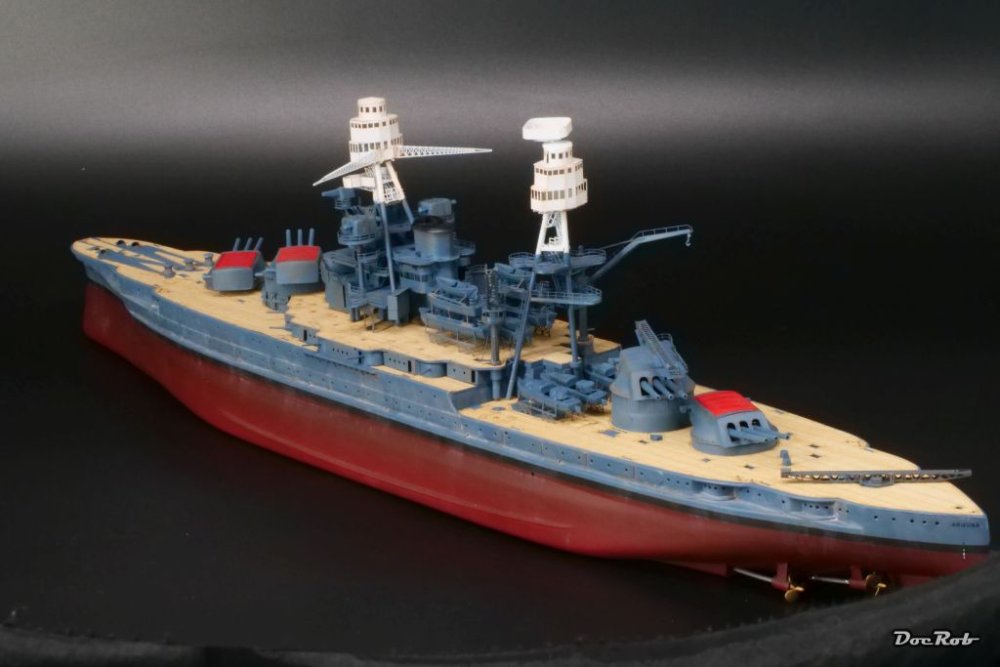
After the rust oil weathering had dried, I started the next layer, salt residues made with a white naval wash from AK. I applied it on the sides of the hull and only a little in the bow area, which then was blended with white spirit. Next were the shafts and propellers, which were rubbed with AK's old bronze wax, a perfect fitting tone. The shaft got Uschi van der Rosten's iron pigments rubbed in. Alignment is a little bit off, but I decided to let that be. On to the wooden decks, which are self adhering. All fitted well, except the delicate bow section, where the wood material was not cut thoroughly, which led to some free handed cutting, with a half glued deck. Despite this, fit was exceptional, with the exception, where PE parts substituted plastic, so no fault by Artwox. Most of the on deck assemblies will be added now, after the deck application, exactly for this reason. On some spare deck material, I tried a varnish first, but decided against it, as I didn't like the looks. If I weather the decks, it will be done later, with pigments, I guess. Cheers Rob
- 329 replies
-
- 8
-
-
- uss arizona
- eduard
- (and 1 more)
-
Thanks Phil, you can take your eyes off for sometimes again, until this one will be finished. Work, wherever I look, this is a demanding project for sure. Cheers Rob
- 329 replies
-
- 2
-
-
- uss arizona
- eduard
- (and 1 more)
-
I wouldn't call her a silk purse, PW. I even think, I went a bit too far weathering wise, the new paintjob for USS Arizona may hadn't thoroughly dried, when she was attacked. Anyway, I wanted to train 1/350 weathering with a bit of rust and some salt residues. Who or what is Drachinifel, btw? Cheers Rob
- 329 replies
-
- 1
-
-
- uss arizona
- eduard
- (and 1 more)
-
Thank you Carl, the colors look unfamiliar first, but it seems, the late USS Arizona was painted like this, after her grey times. I don't know, if the new paintjob was applied only a few weeks before she sank, it could be. Some sources claim, that the new painting was not even finished then. Cheers Rob
- 329 replies
-
- 1
-
-
- uss arizona
- eduard
- (and 1 more)
-
ProModeler 1/48 PBY-5A Catalina + Goodies, RFI
DocRob replied to CANicoll's topic in Let’s Get Wet Group Build.
Are you sure the wings are not bent down by gravity Chris and the length of the struts is correct. These huge wings may sag a bit and you don't need to be a triogonometric genius, to figure out, how much 1mm of sag means to the struts. I know, it's a bit late for the idea, but your solution seemed to have worked well. Cheers Rob -
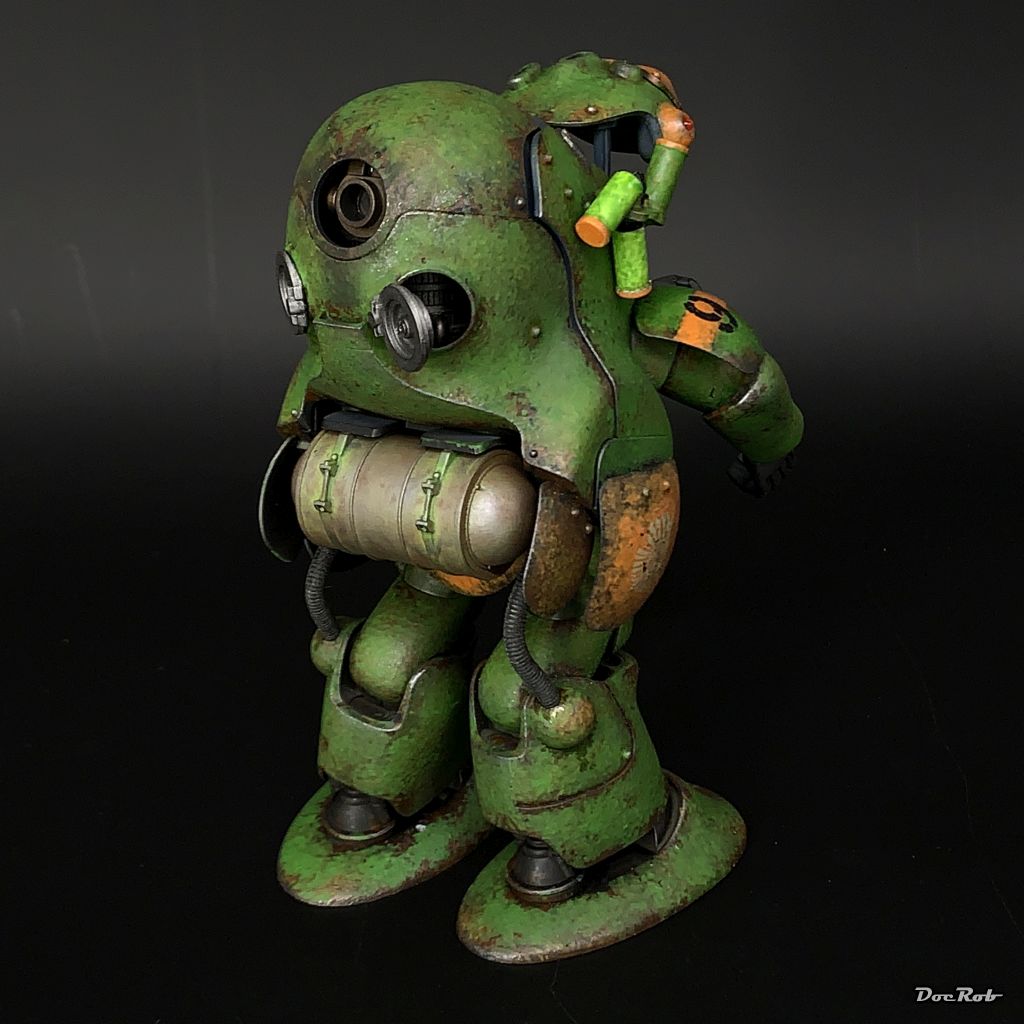
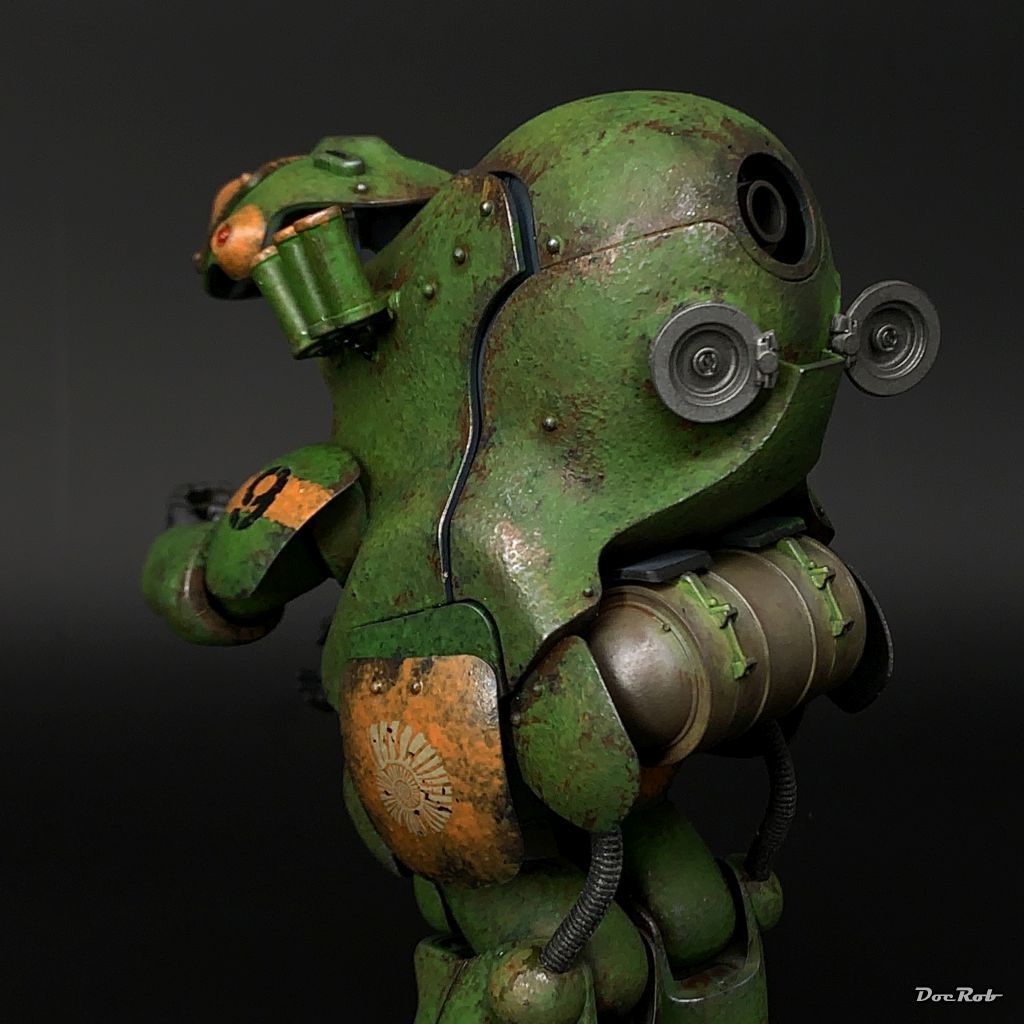
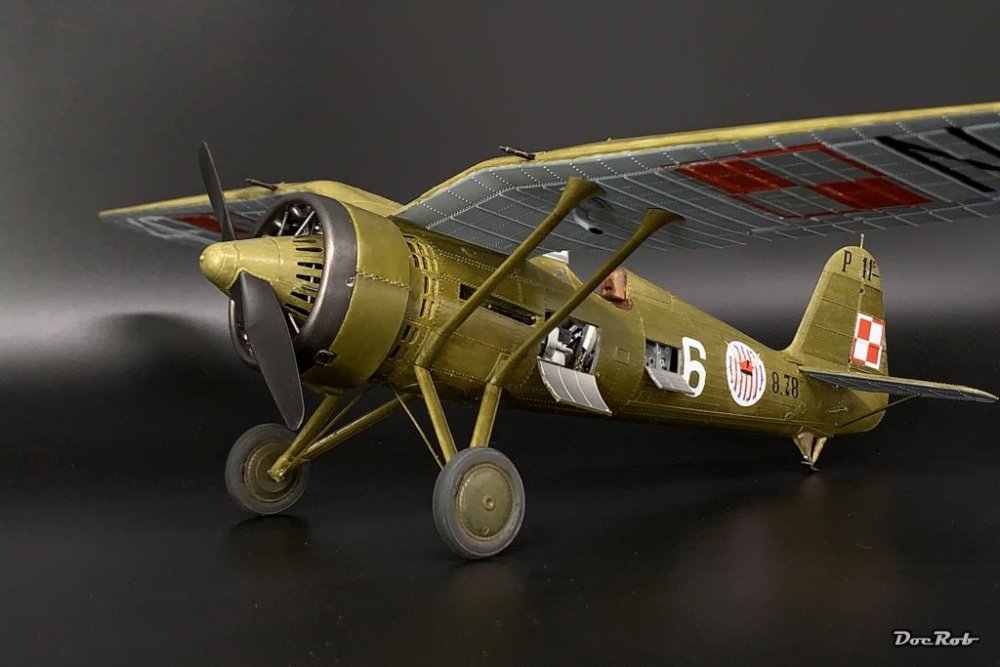
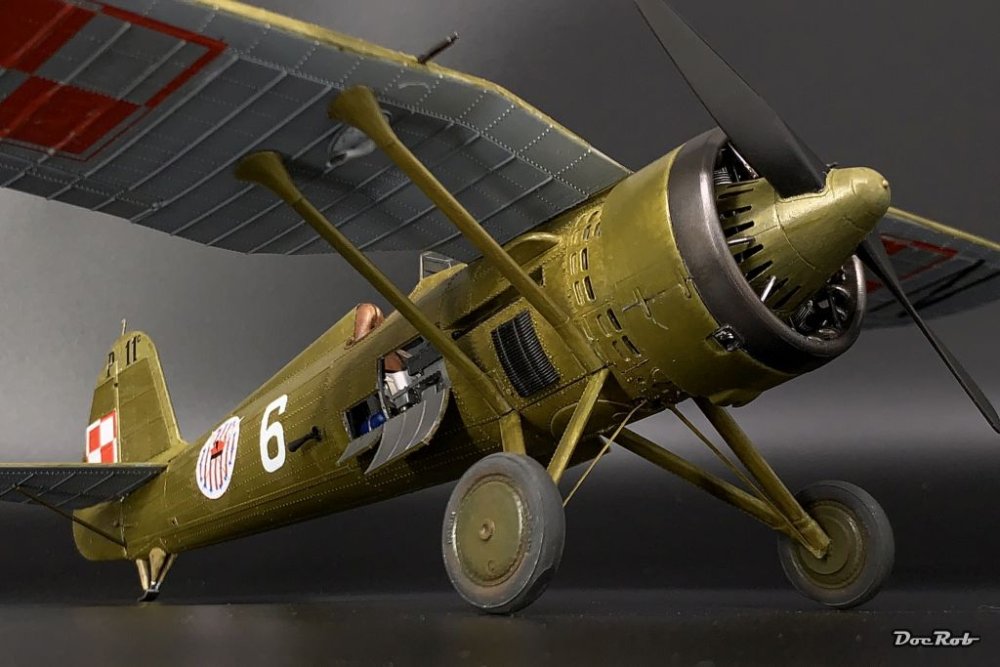
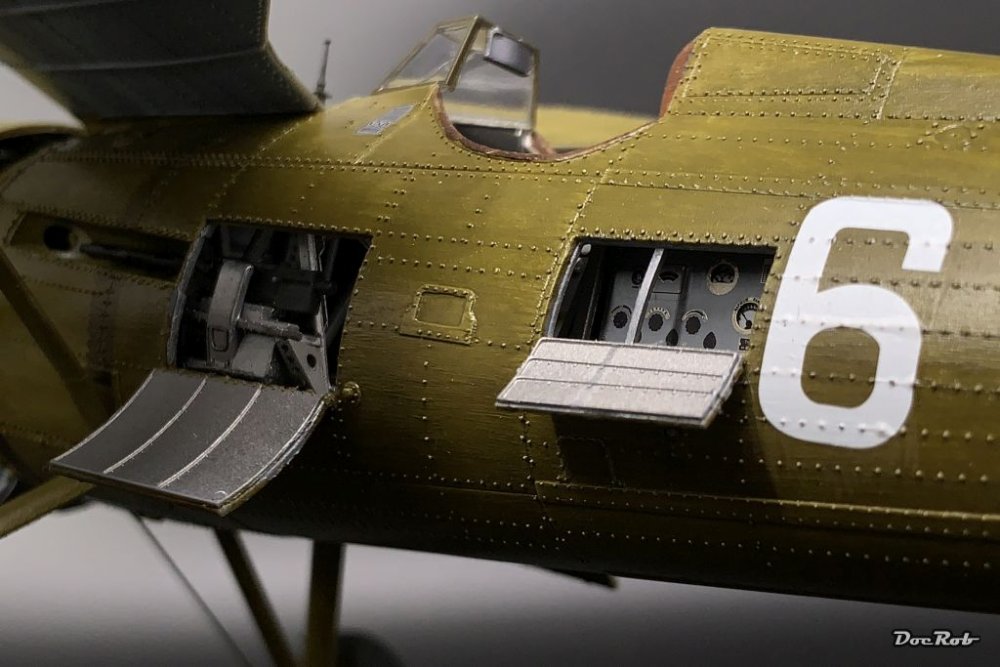
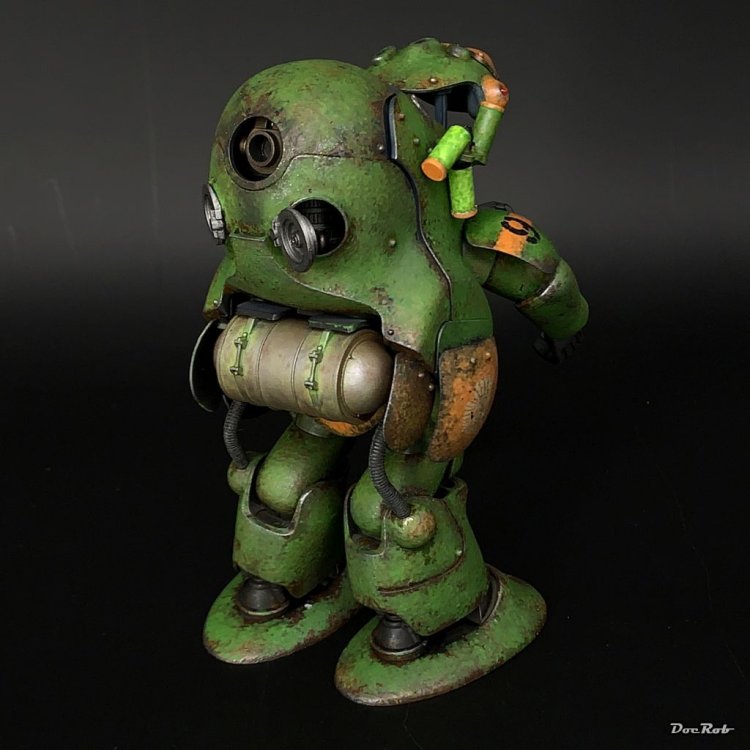
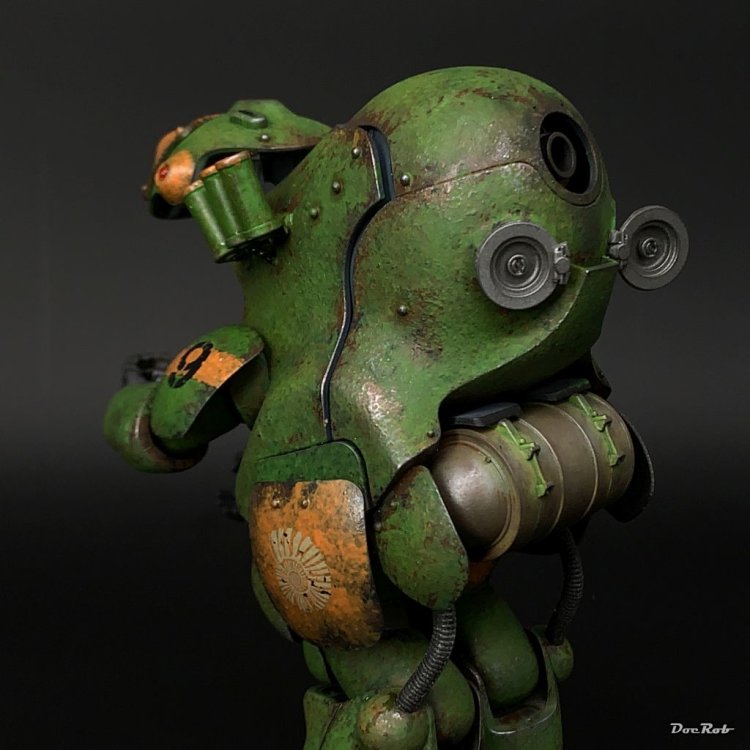
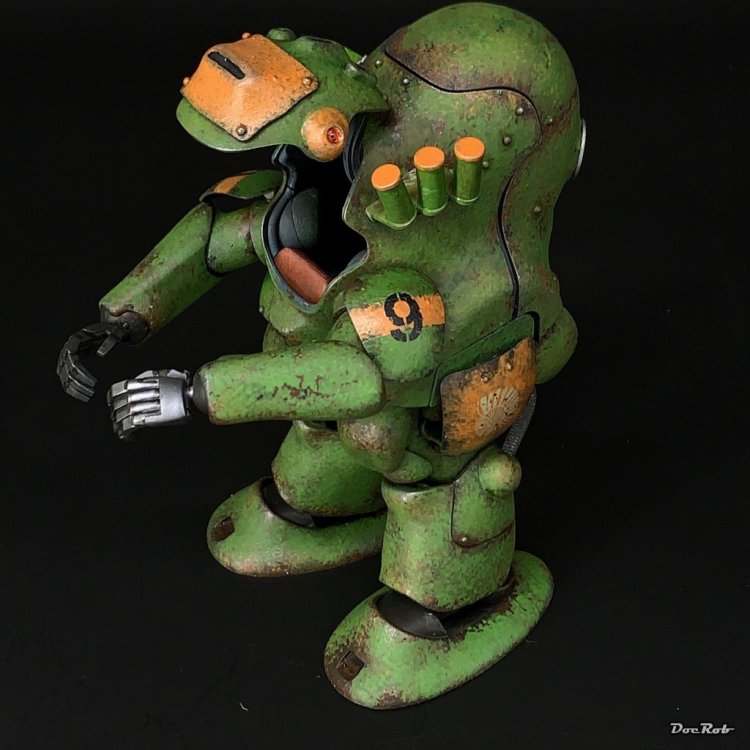
This is made really skillful and absolutely great, thanks for showing. I did that on two models as well, the PZL is brush painted with oil colors exclusively as an experiment. ...and this fellow was brush painted, using a stipple technique, building the paintjob up from metal to primer to rust and color and last dirt and soot. The AmmoKnight will be the host of a little maintenance dio later. I love experimenting with painting techniques and have some further experiments in mind. Cheers Rob
-
Nice Ernie, but I don't buy the black IP . Cheers Rob
-
Revell 1/32 Spitfire Mk IIa
DocRob replied to Peterpools's topic in LSM 1/35 and Larger Work In Progress
A splendid Spit, you built and painted up, Peter. The build benefits from your usual through work and smooth paintwork. Like you, I really like AK's Real Colors, as they spray very fine and cover well. I had sometimes color residue build ups on my H&S Infinity forked caps and spray mostly without theese. You have to be very careful, to not bend the needle without the cap. I plan to use my Rotring airbrushes more, which are only one and a half action and have an only slightly protruding needle wit a rounded tip. They are precision tools too, but no more in production. I bought these in the 80's. Cheers Rob