
JayDee
-
Posts
3,272 -
Joined
-
Last visited
Content Type
Profiles
Forums
Events
Gallery
Everything posted by JayDee
-
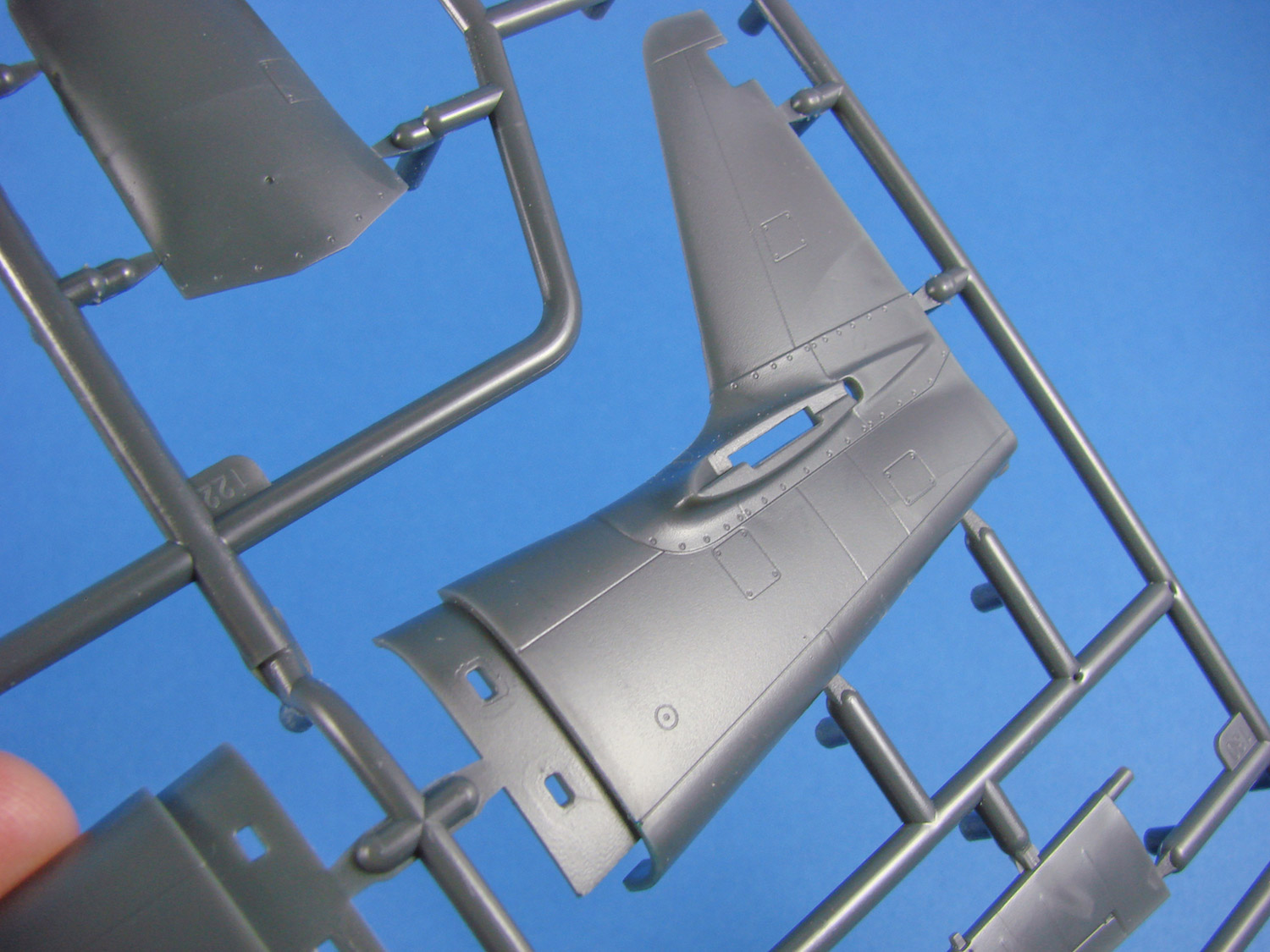
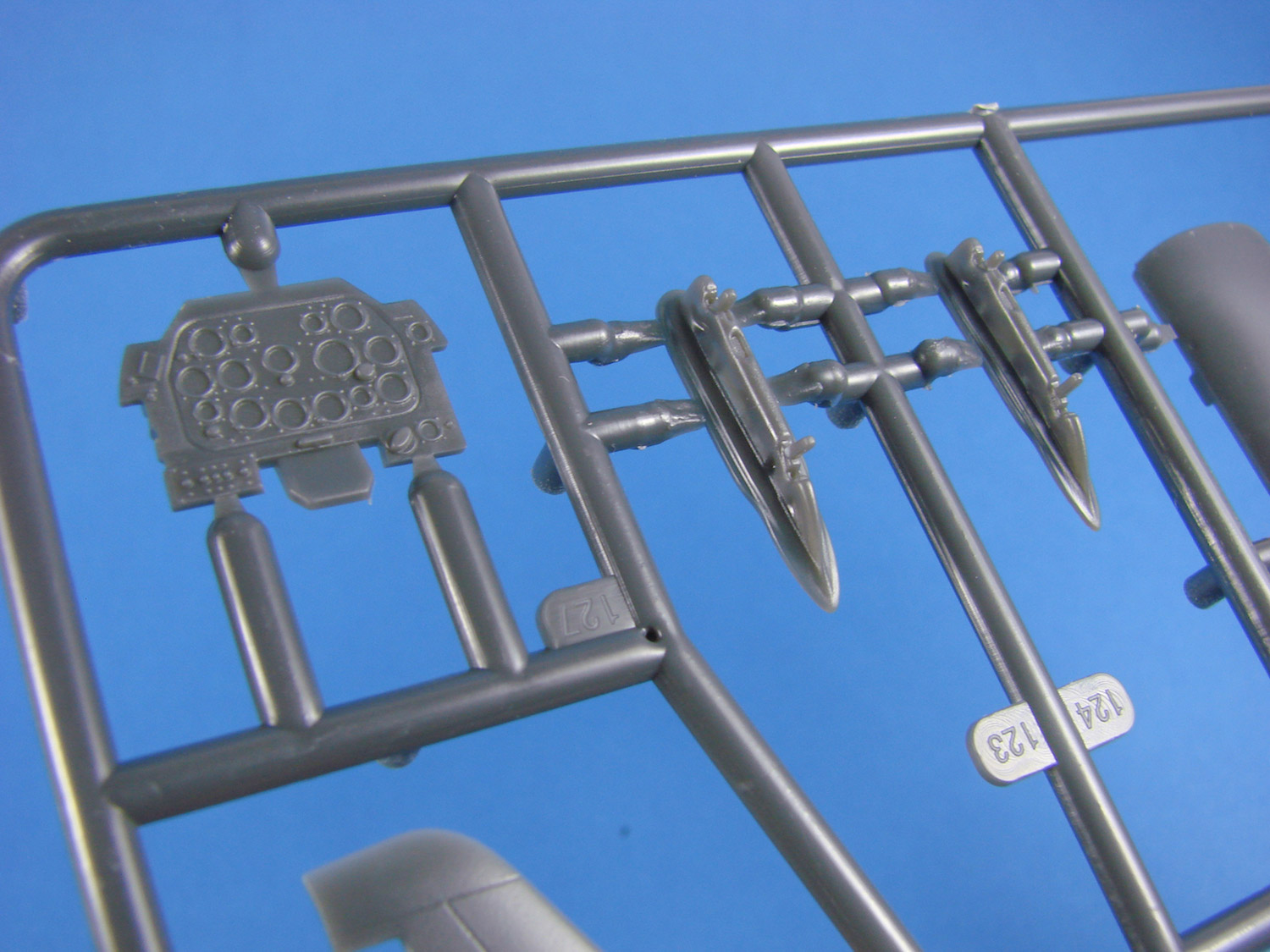
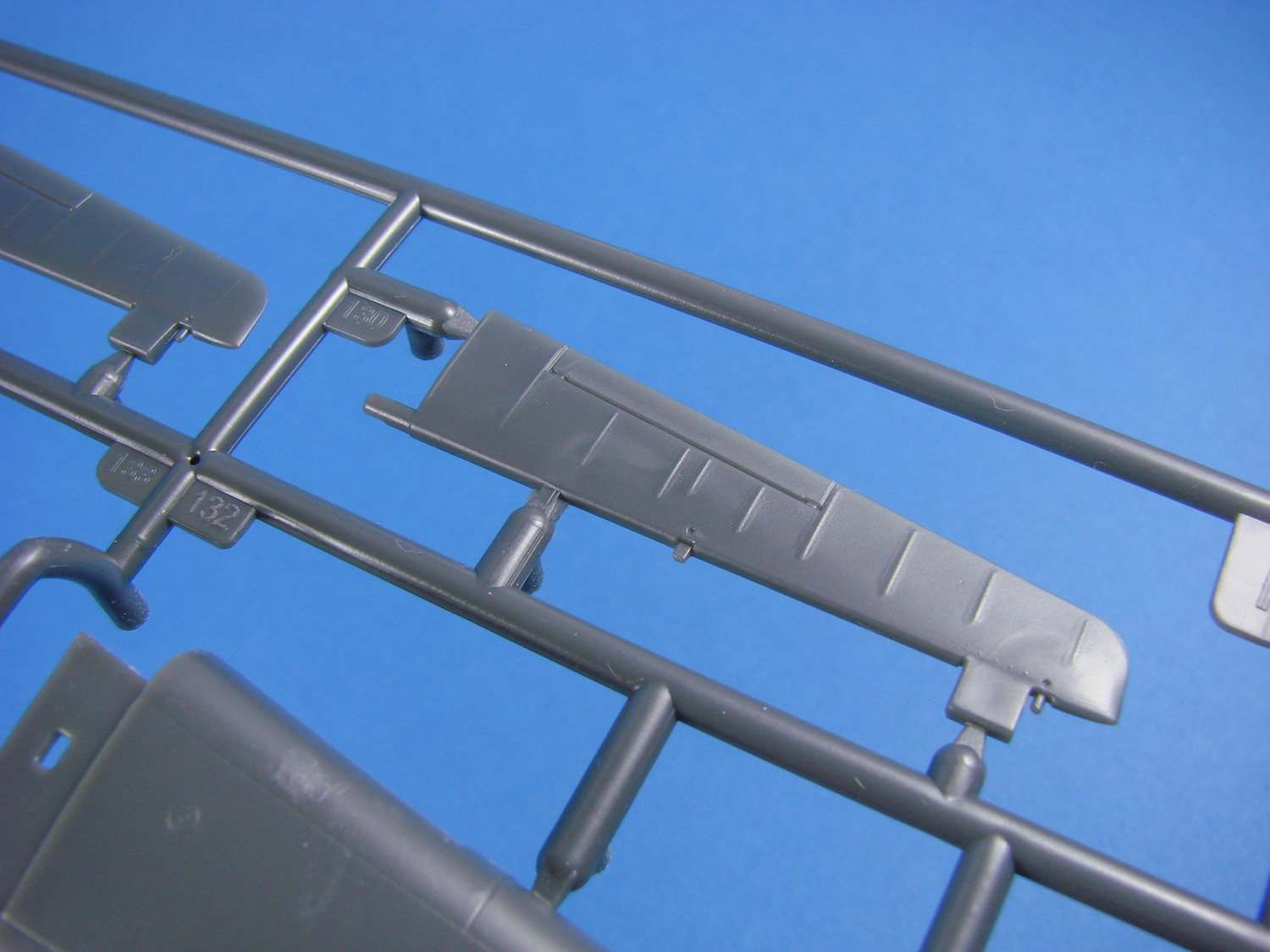
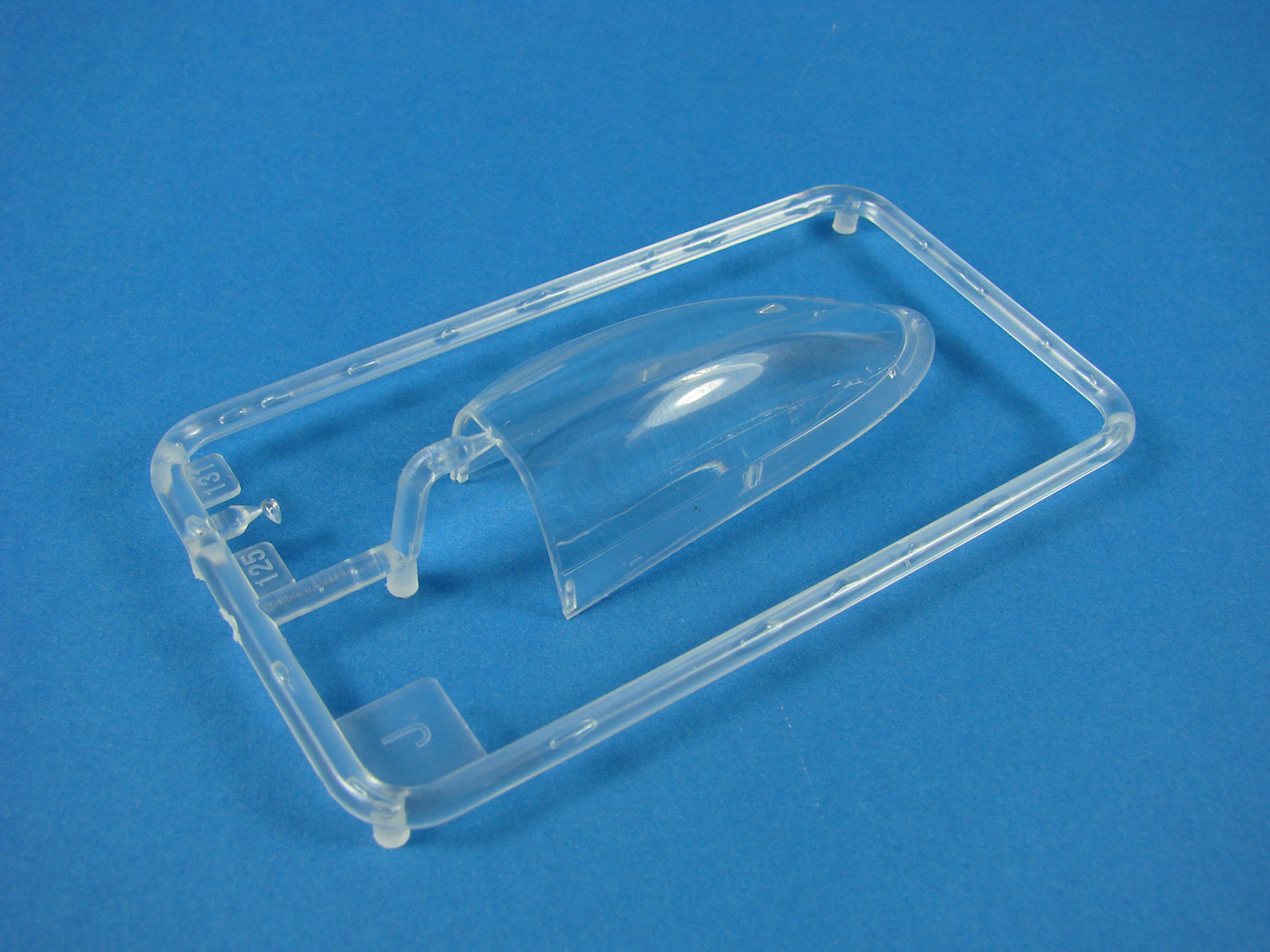
 Hi all, I recently finished another rush build for Tamiya Model Magazine International. This time it was the new tool Fw 190A-8/R11 in 1/32. I built the F-8 2 or 3 years ago and loved it. This has the same fun factor. I also fitted it with numerous Eduard PE and resin sets. Paint is MRP. Look out for this one in the December issue of TMMI, out on November 16th.
 -
Is this permanent?
-
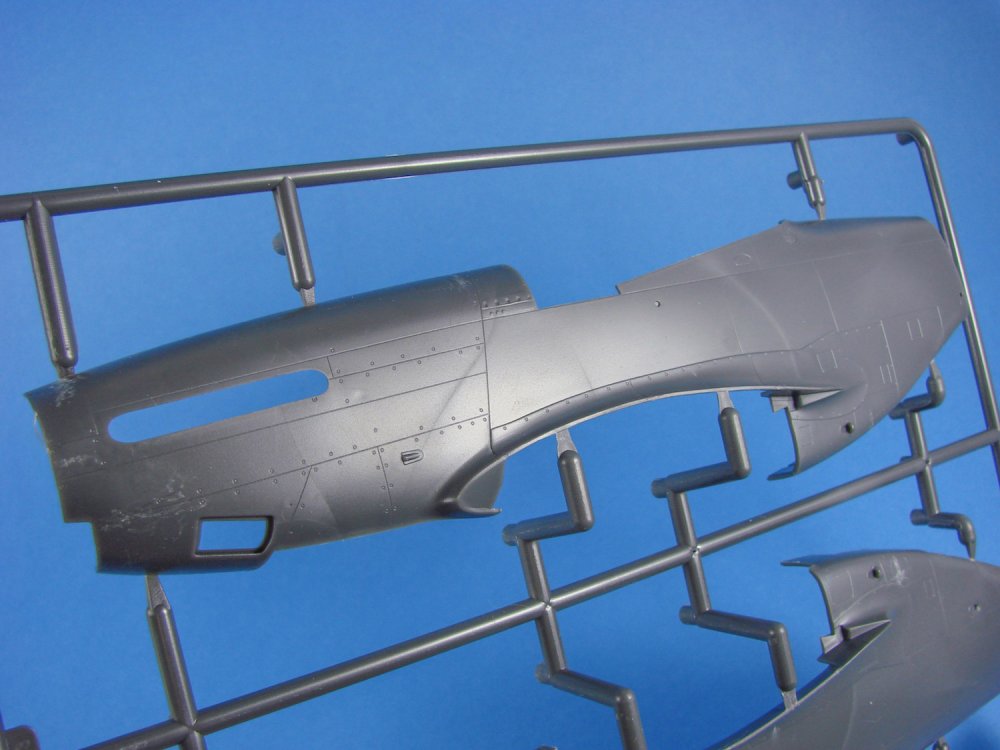
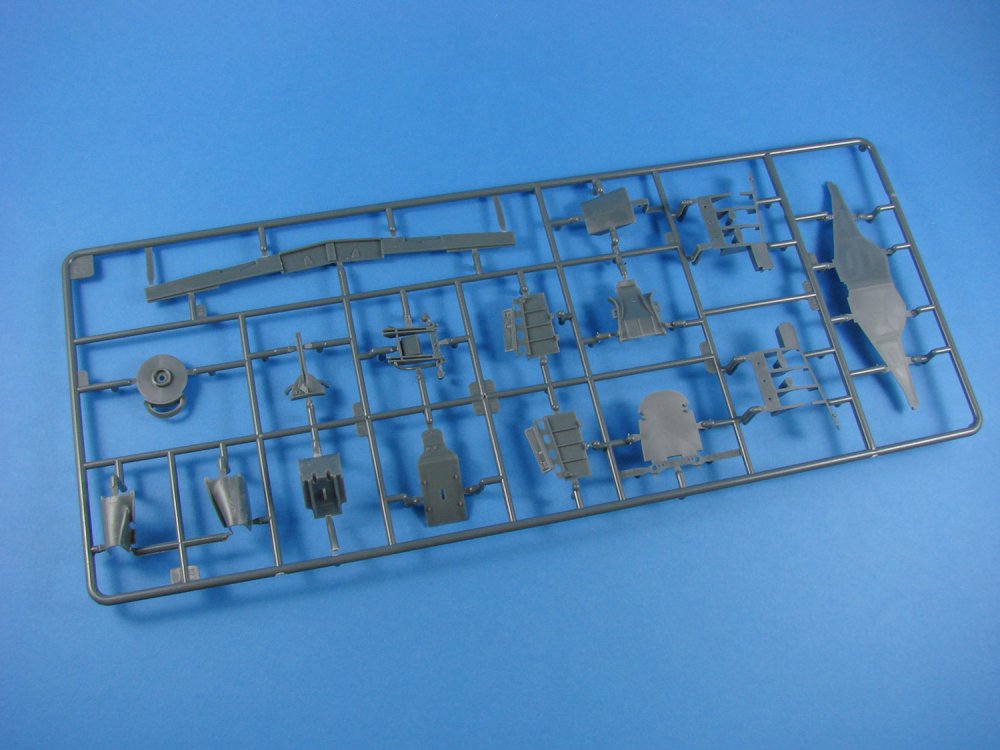
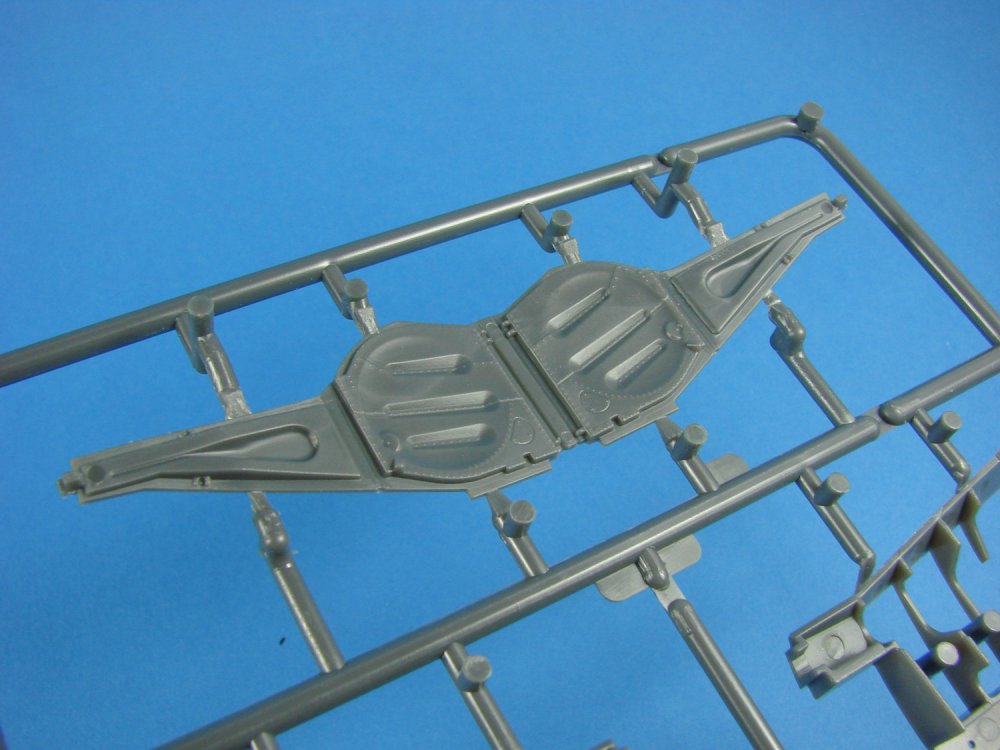
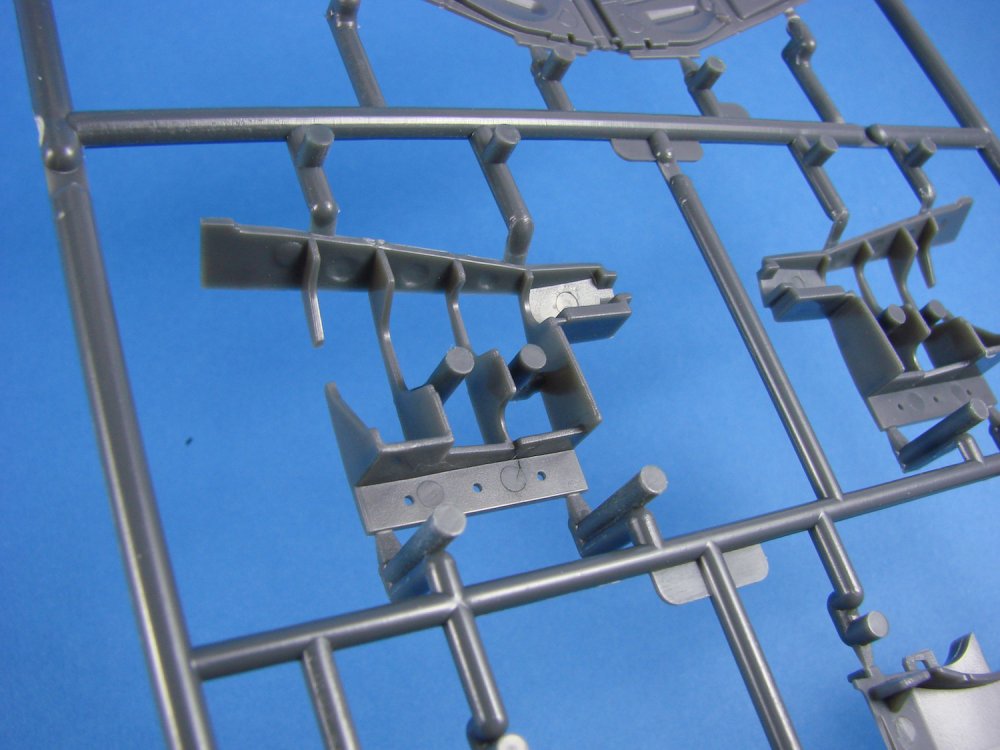
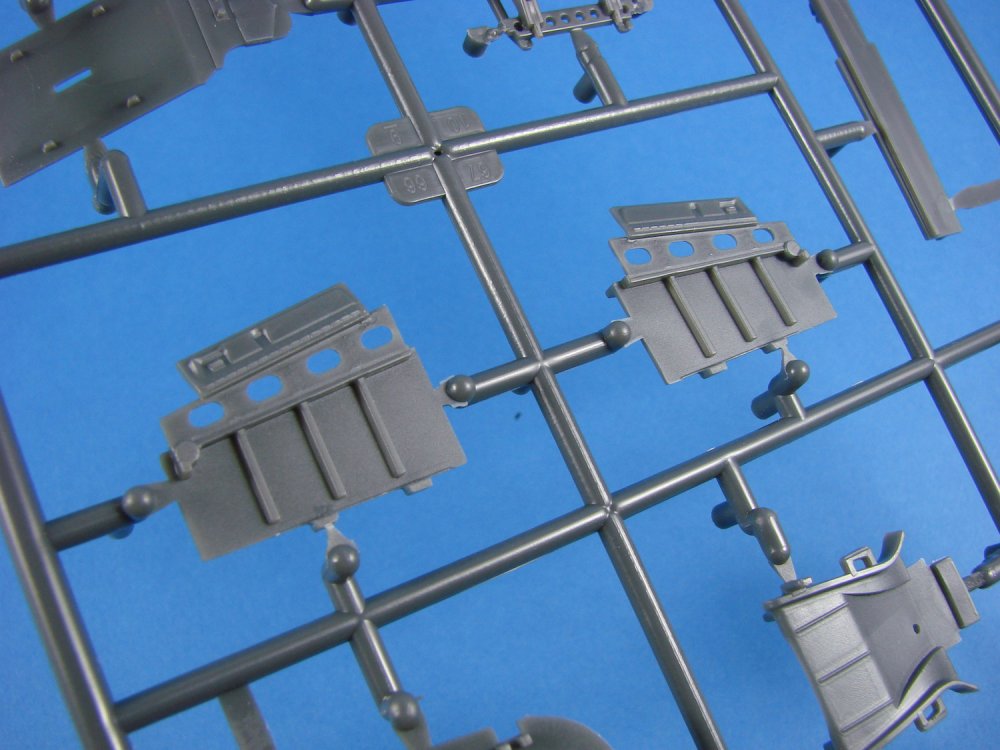
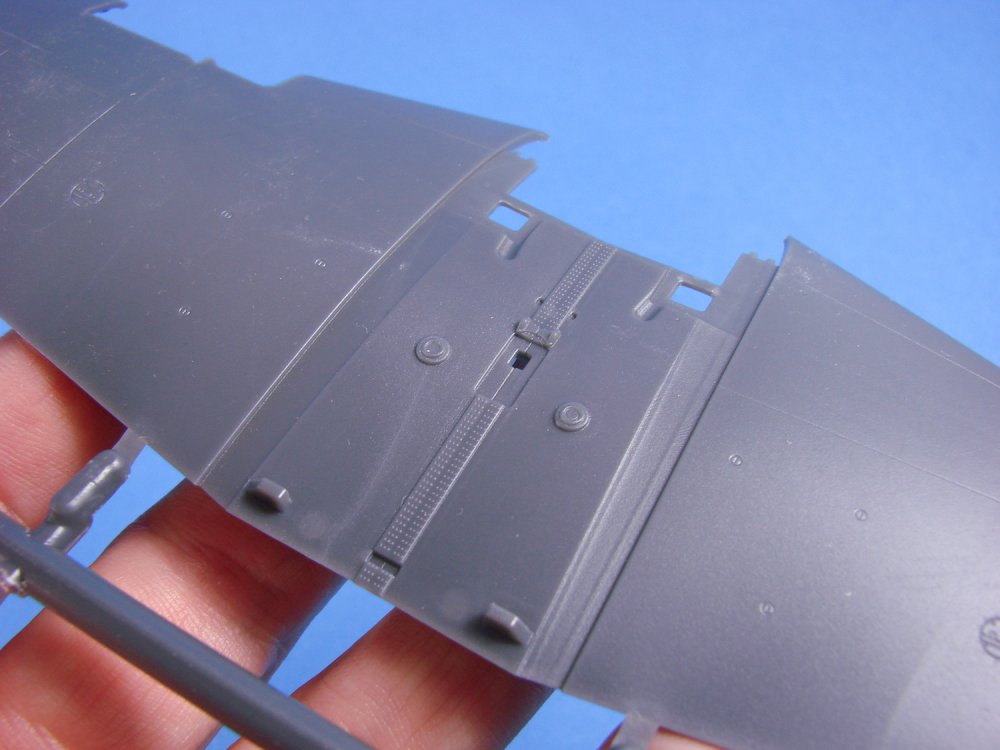
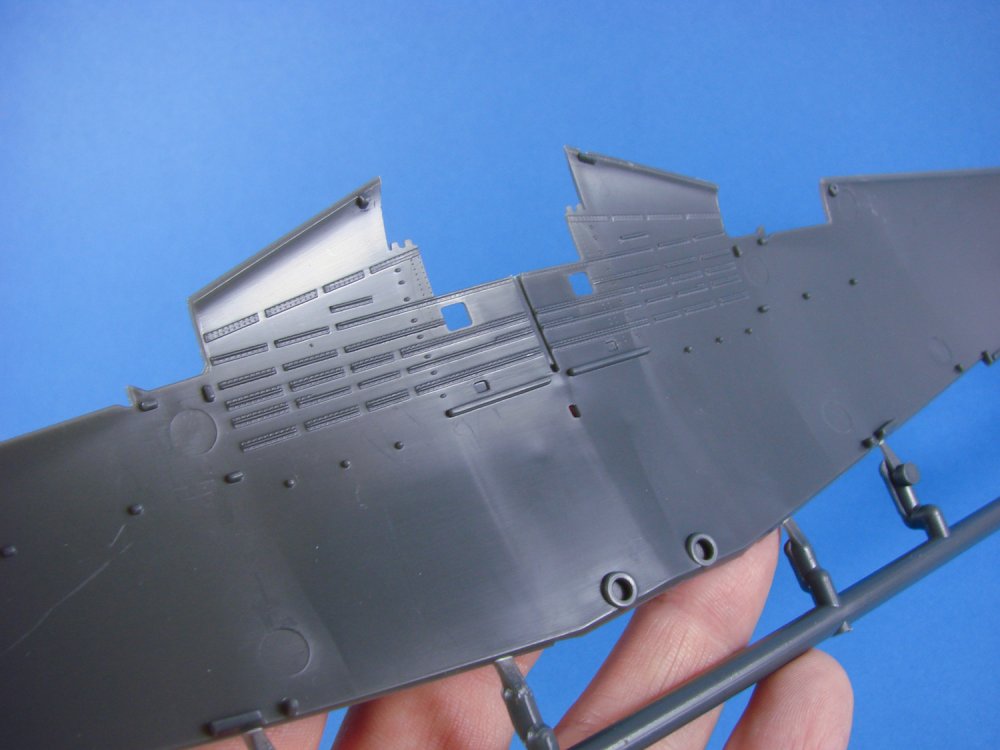
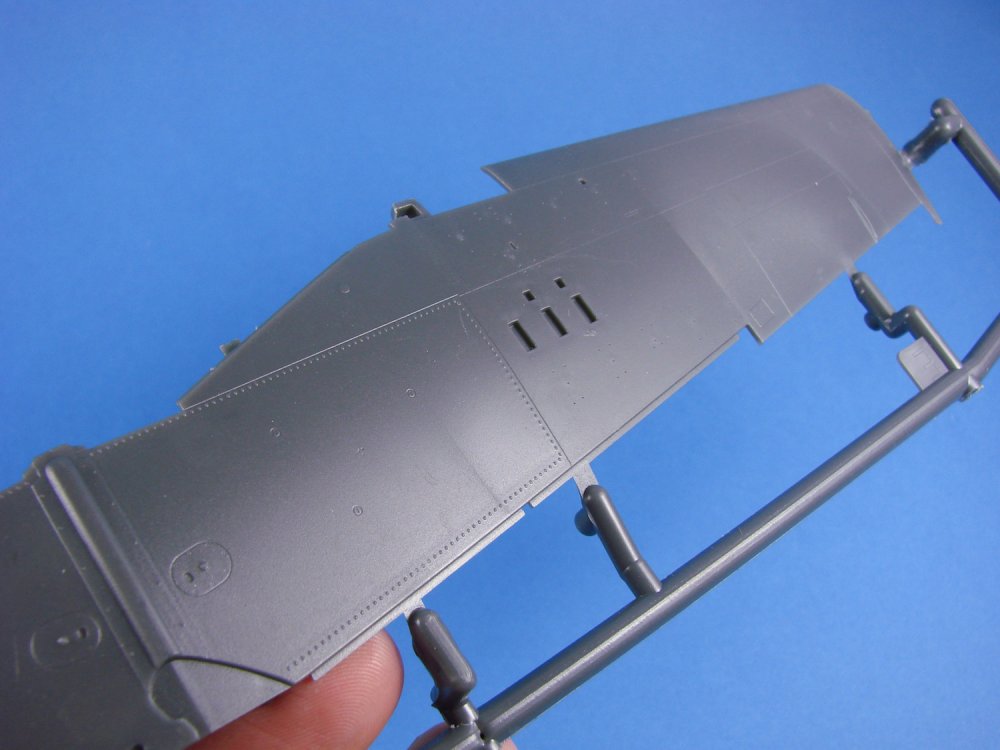
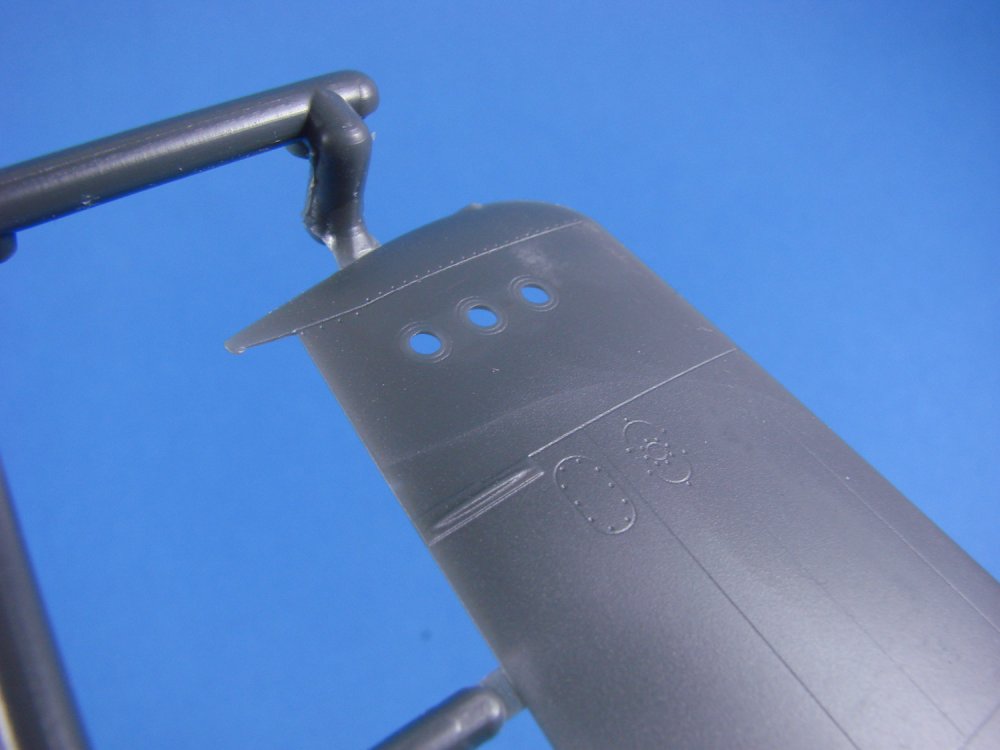
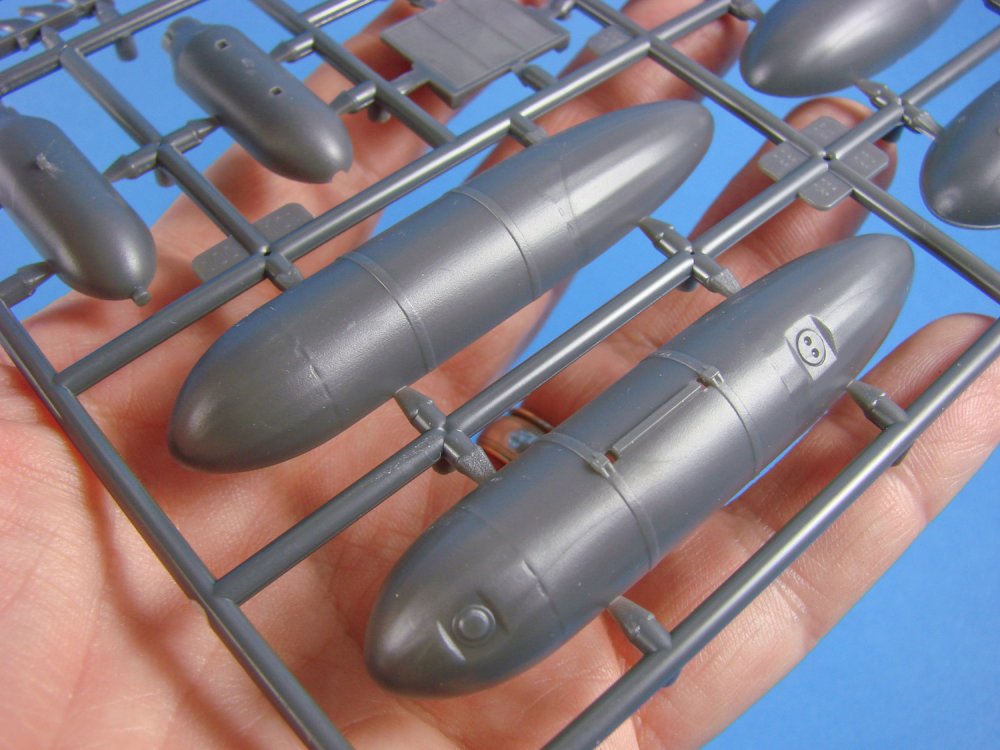
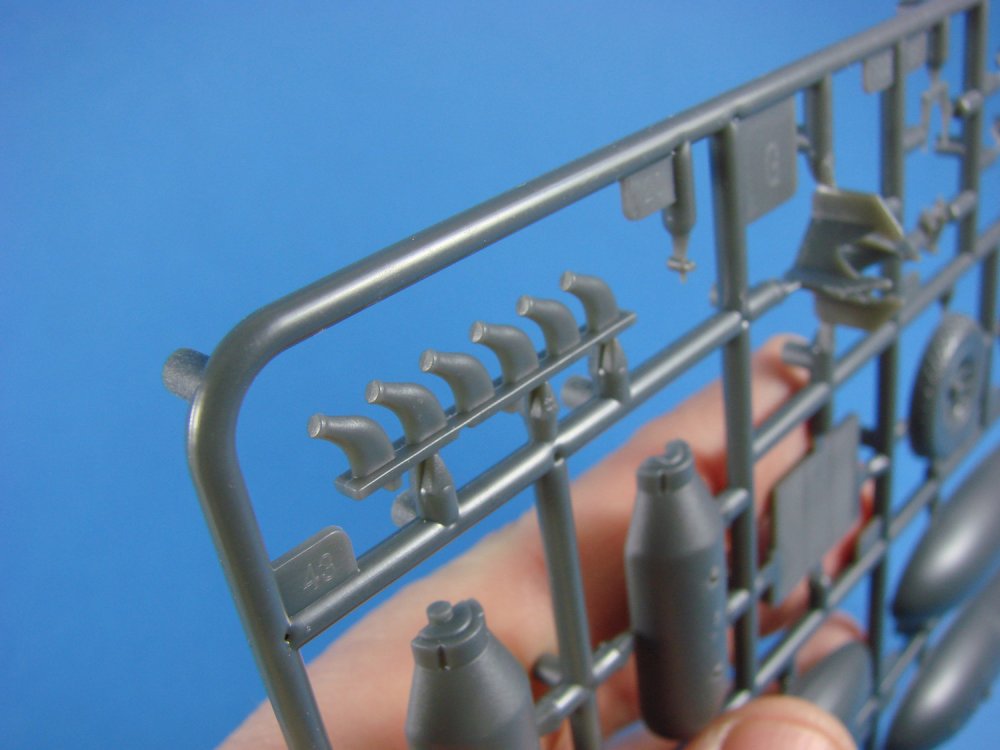
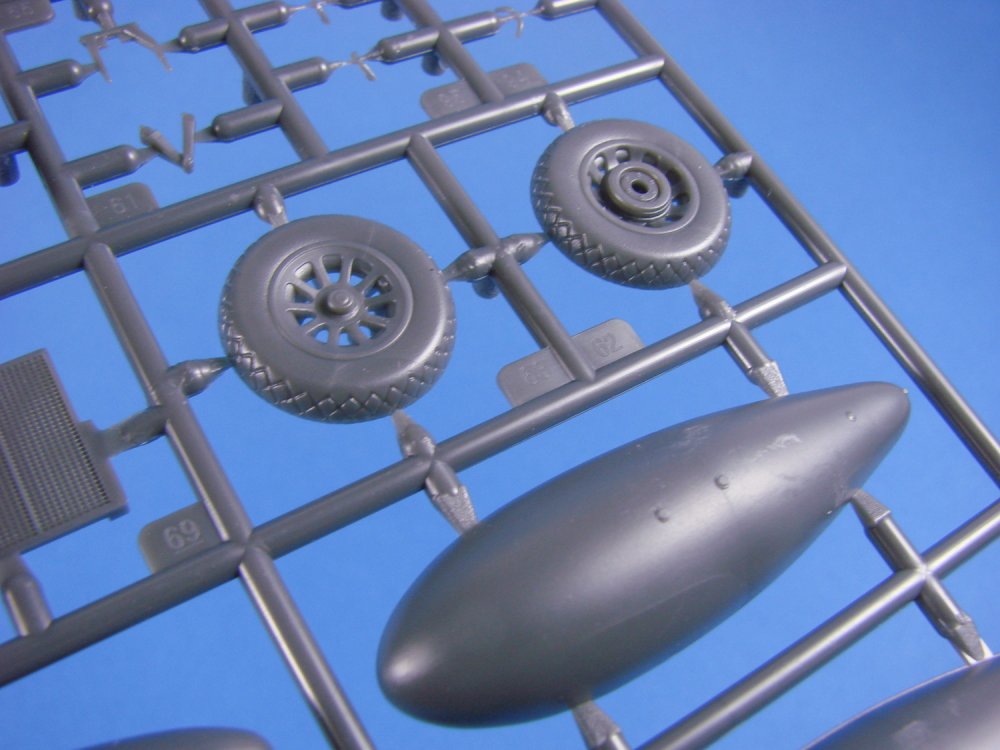
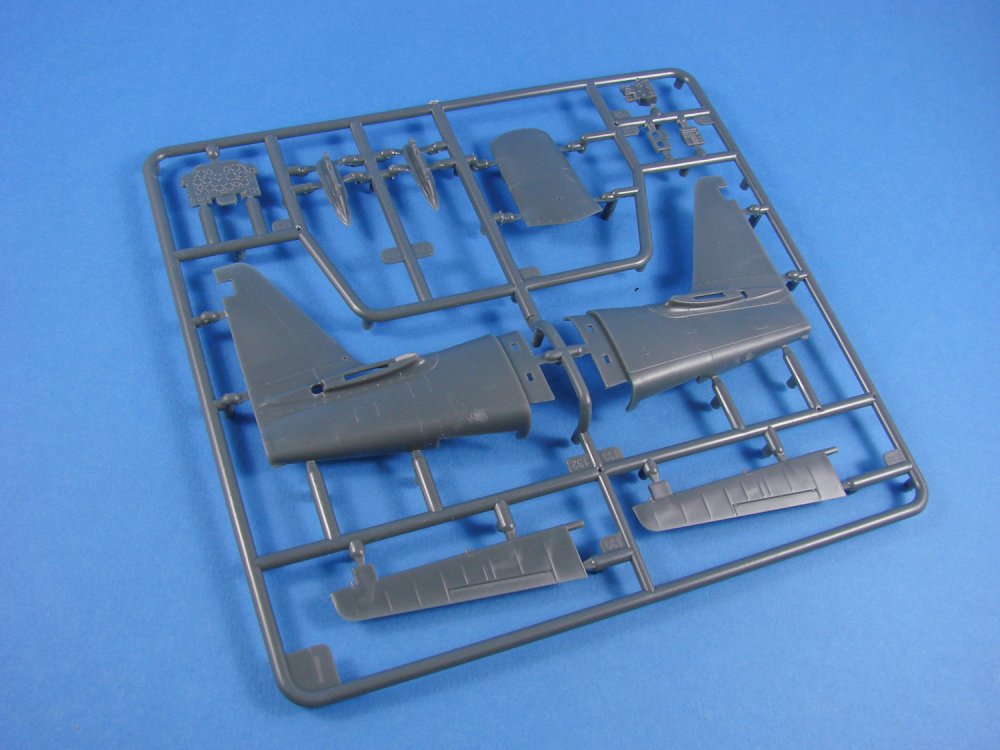
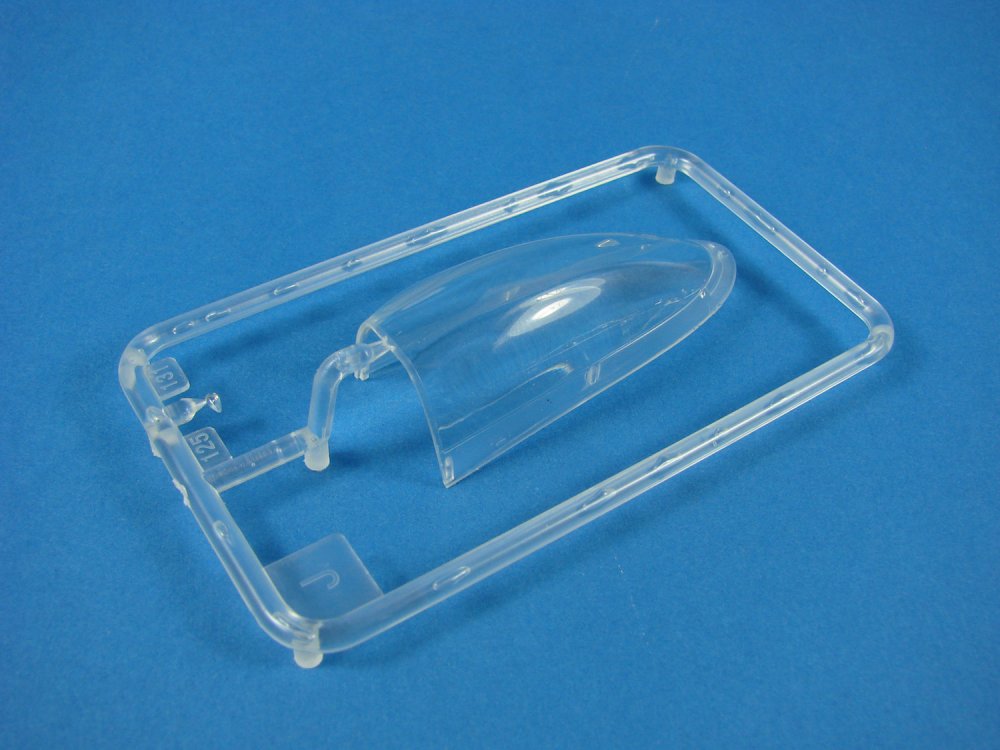
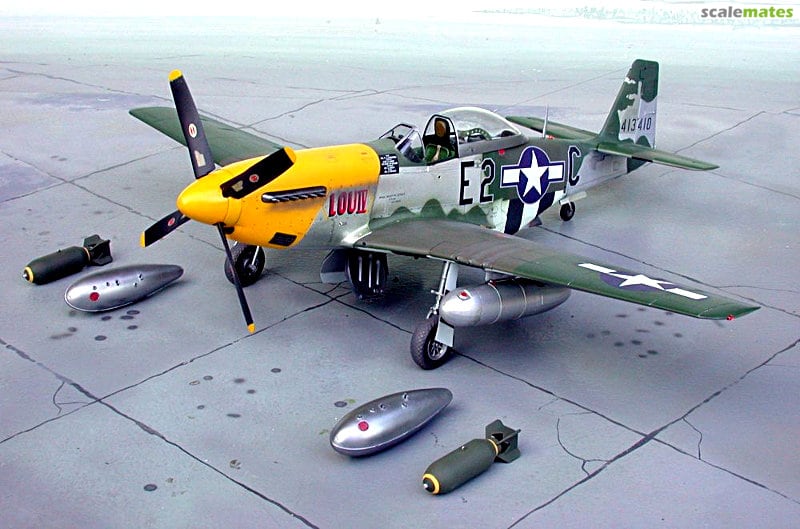
1/32 Revell P-51D Mustang TEST SHOT First Look I've been asked to build a test shot of the forthcoming P-51D from Revell. This will be for TMMI, and be finished in the kit decals for LOU IV. Permission has been given for me to publish these images of the test shot here on LSM. Please remember though that there are quite a few scuffs on this model as they aren't treated with the same kid gloves as a production standard kit, and the plastic is also darker, harder and a little more brittle than what you will see in your own kits. So, take a look at what we have here and ready your wallet for a right royal bashing.

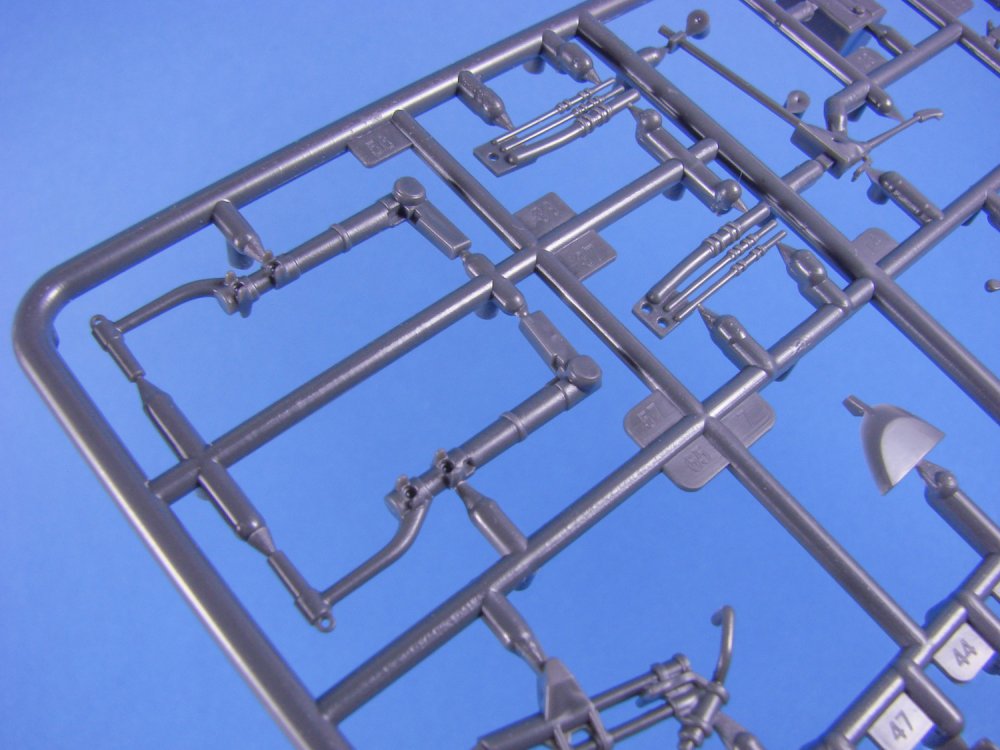
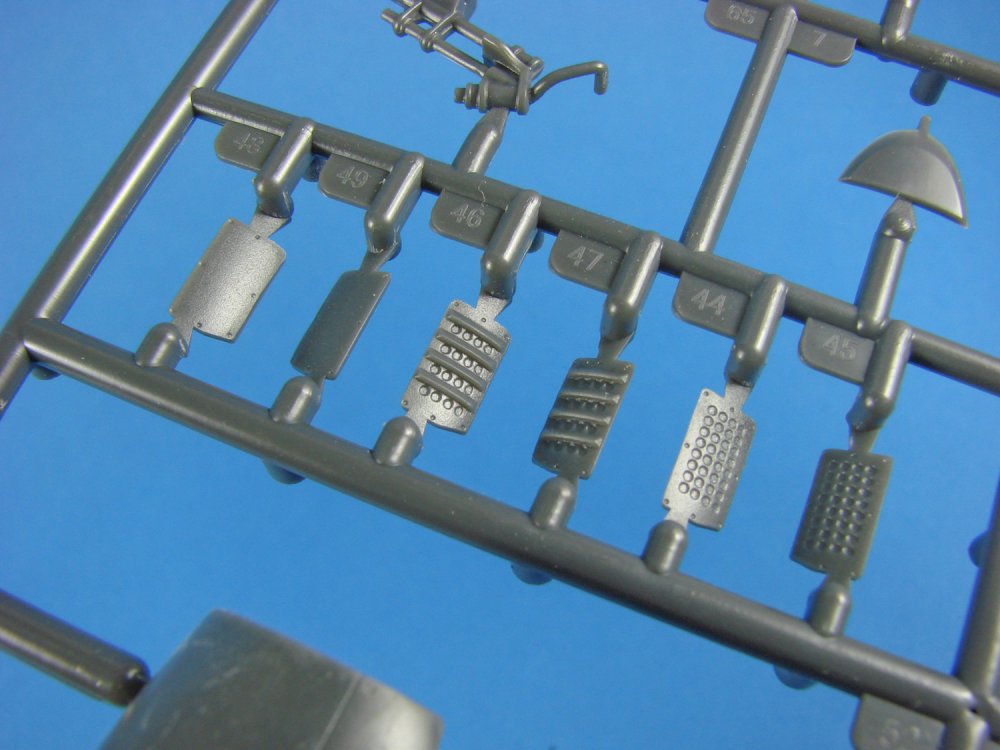
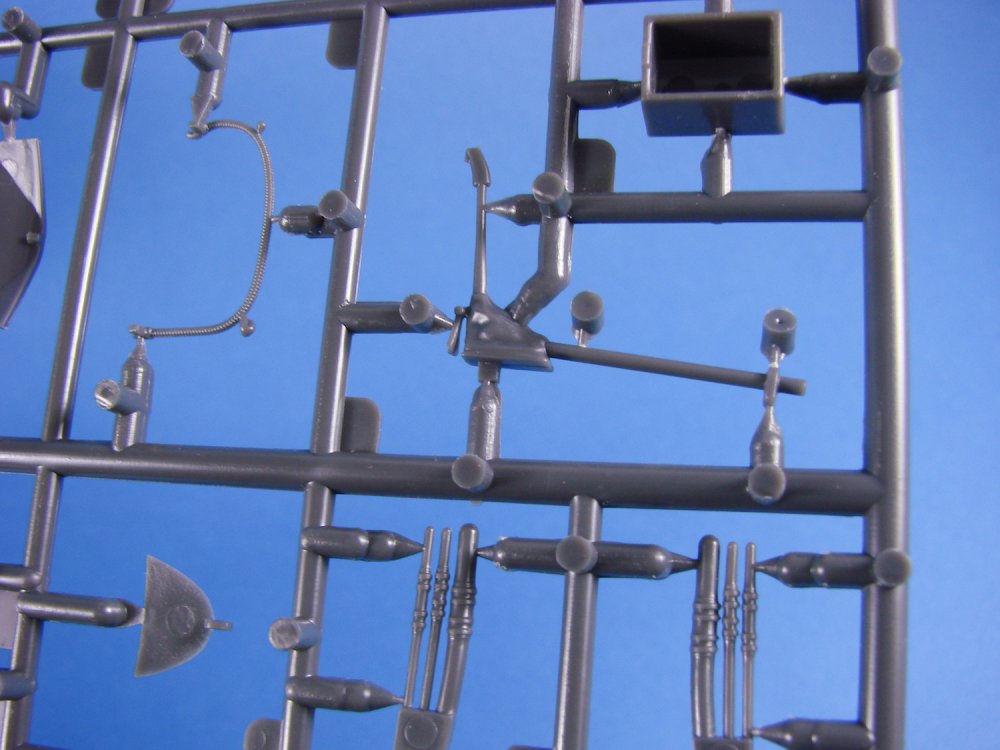
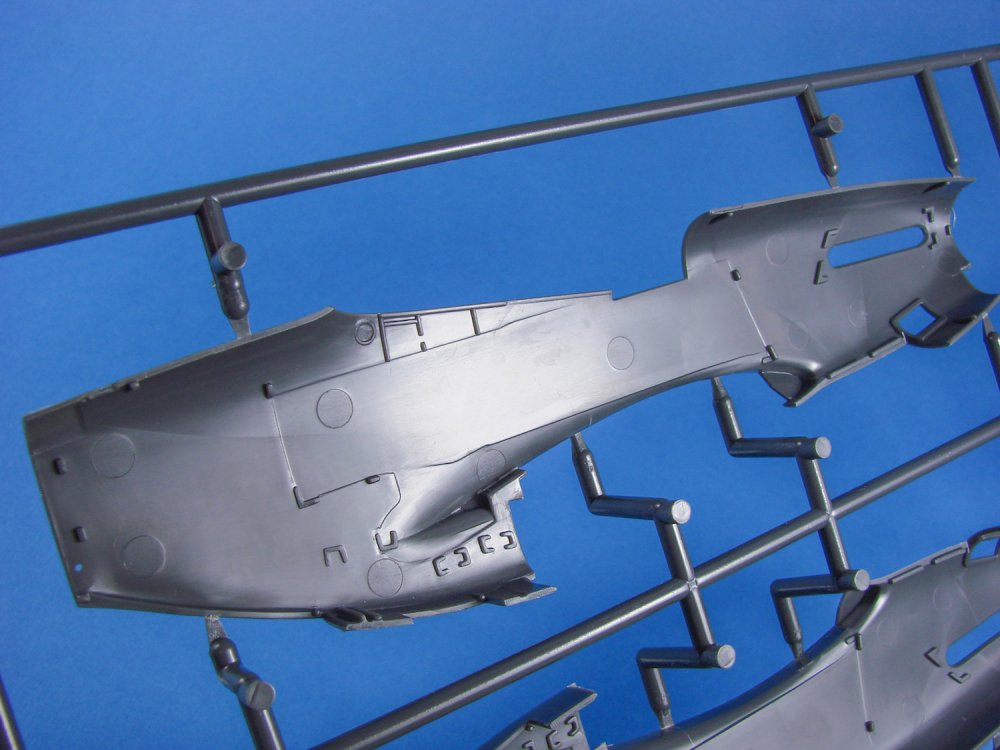
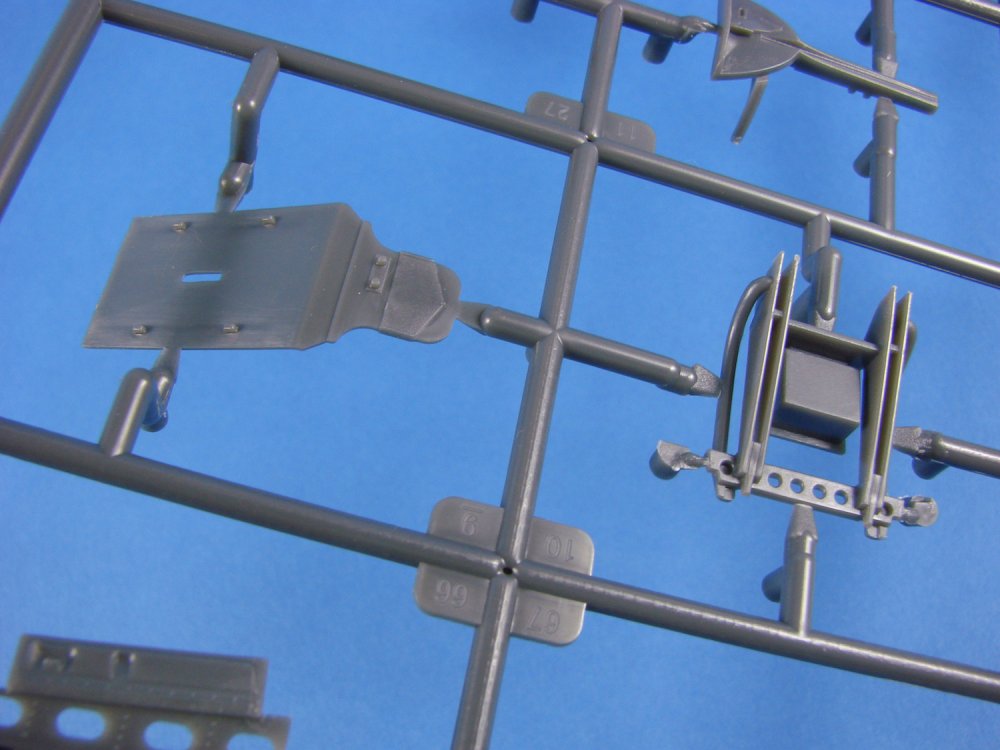
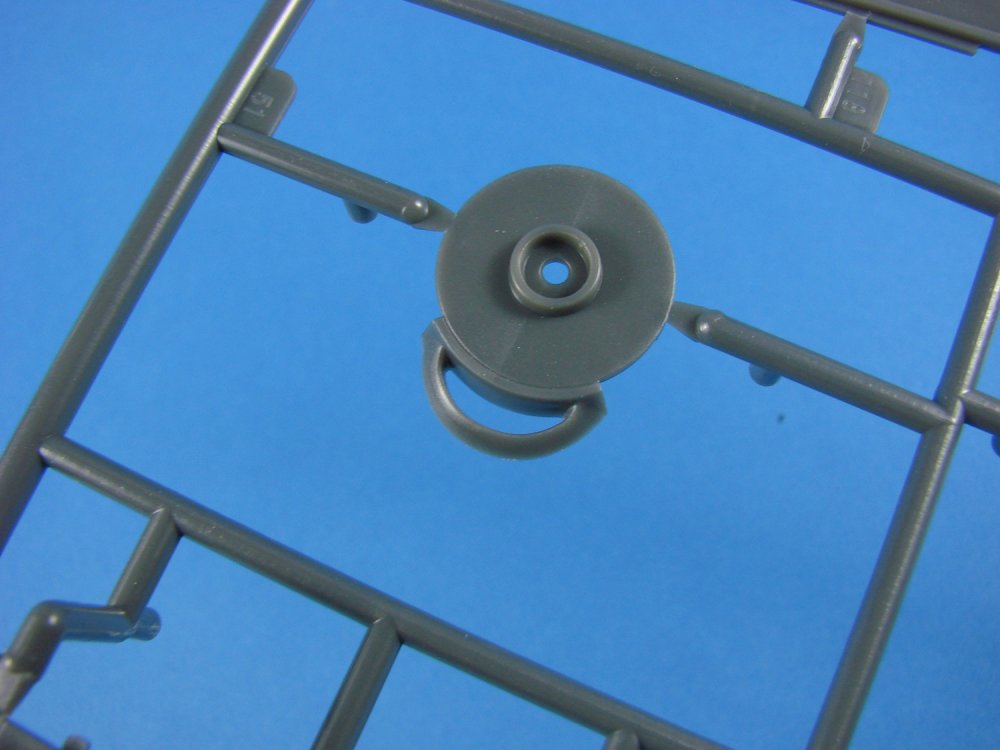
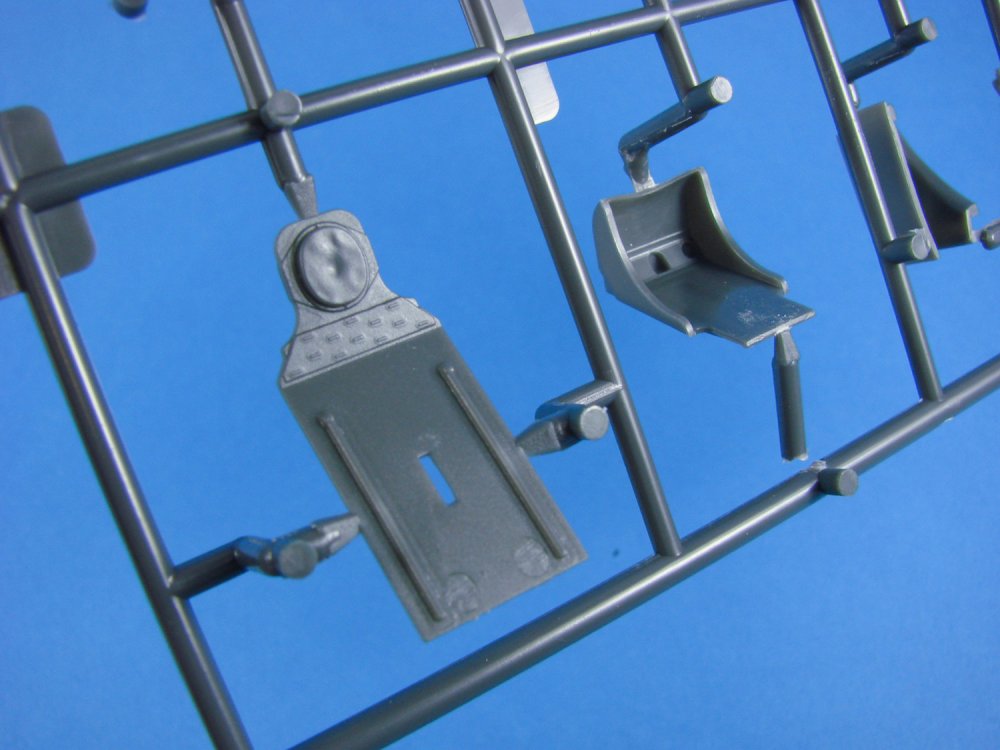
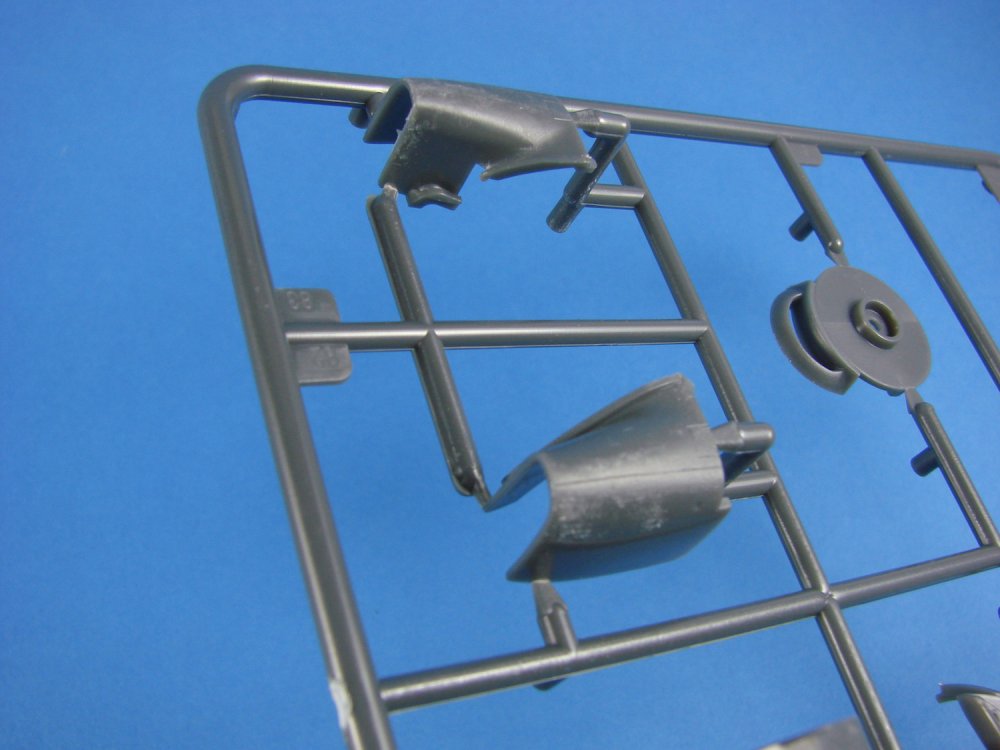


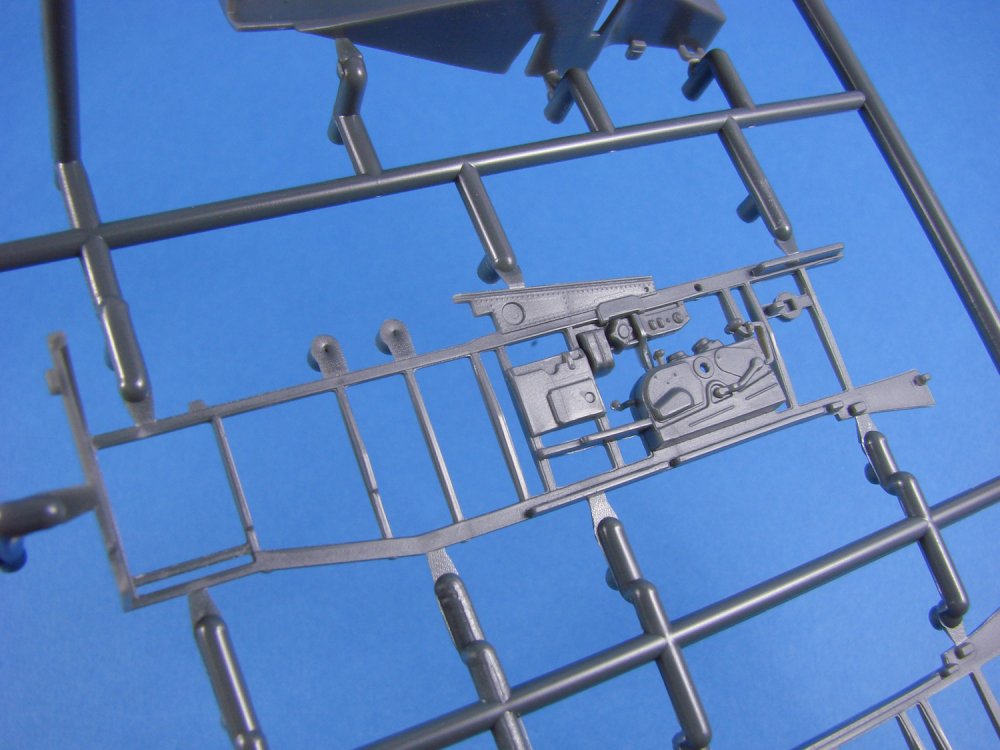

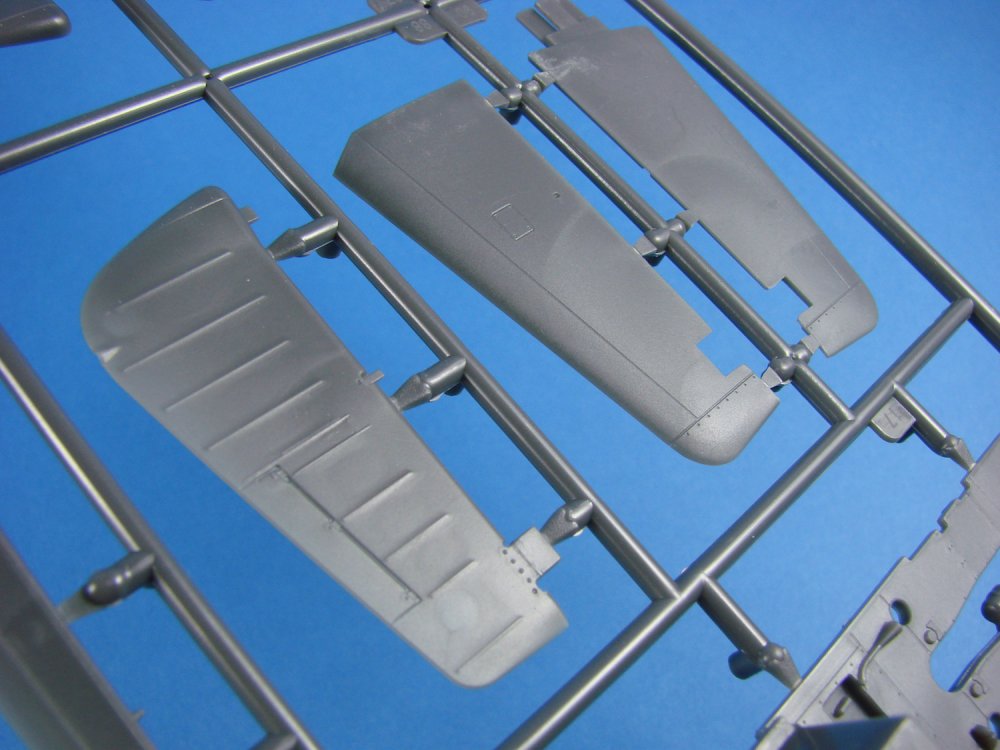
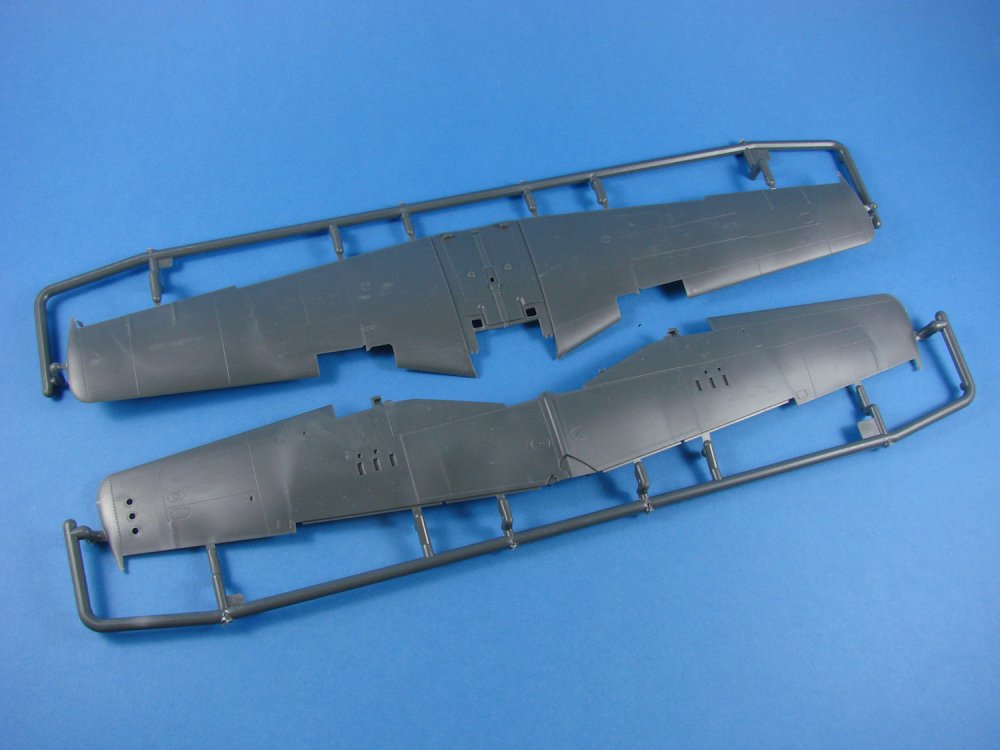
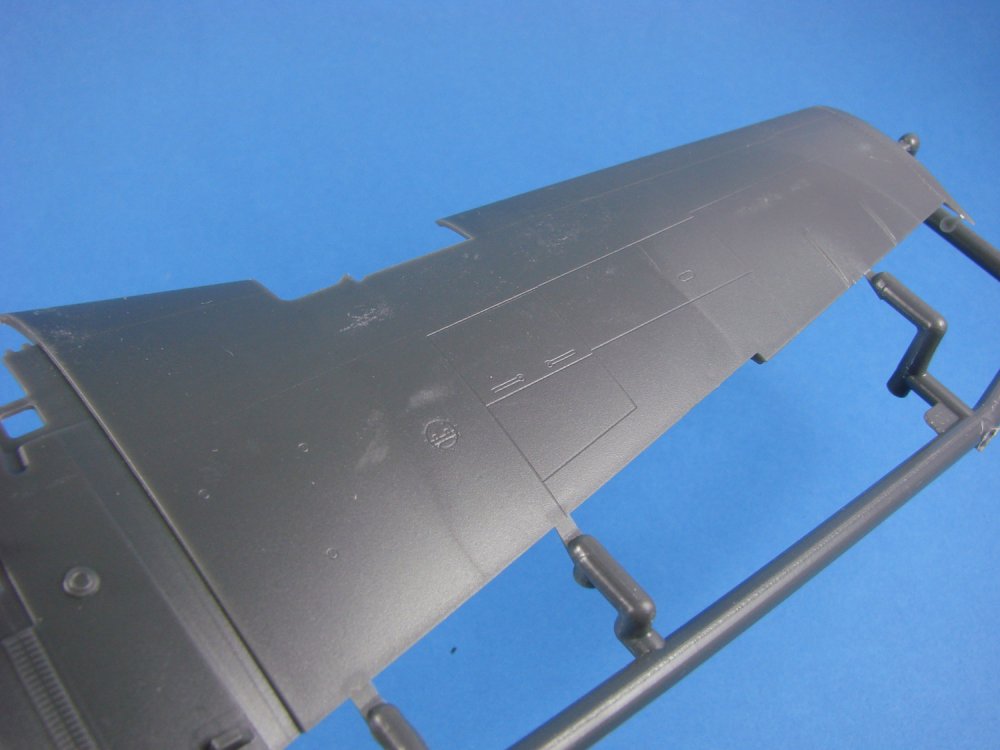
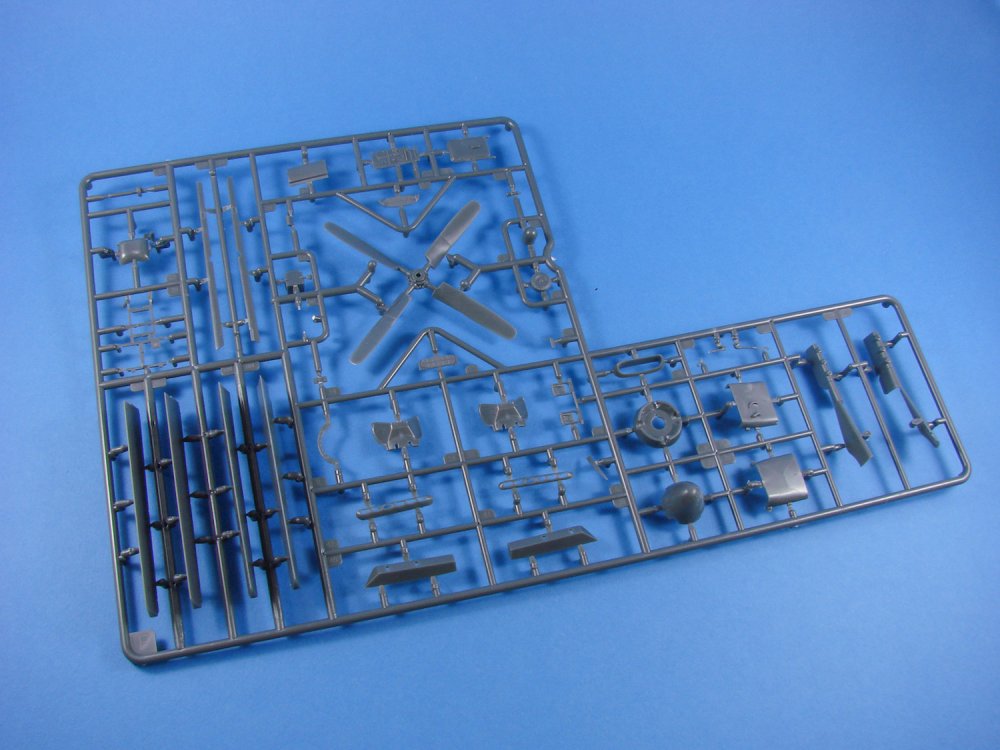
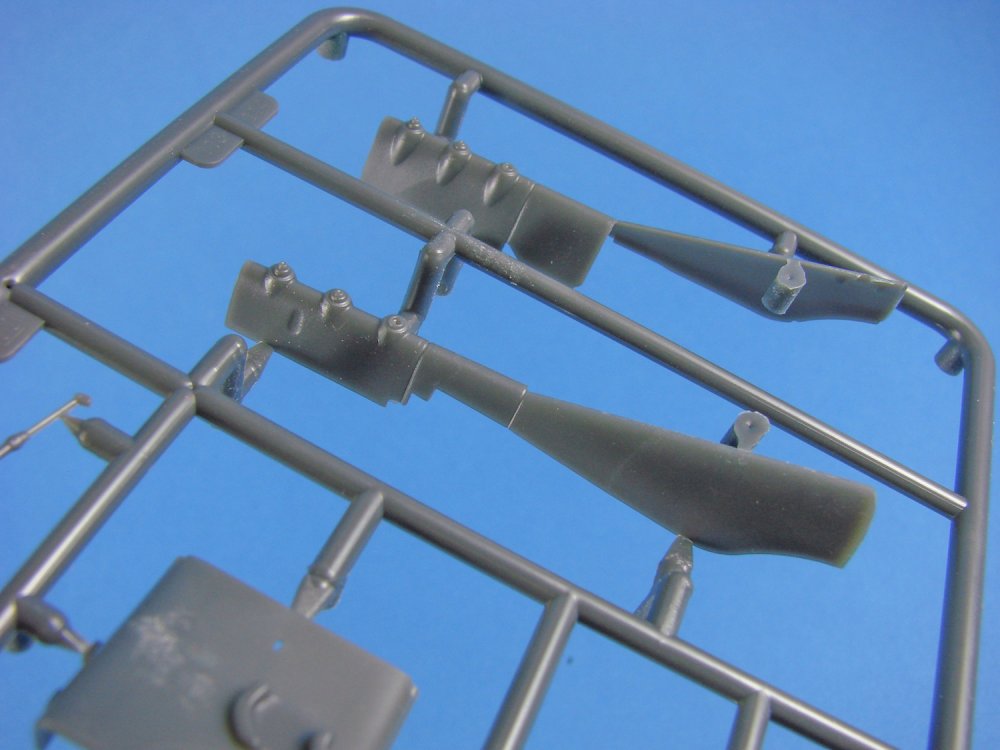
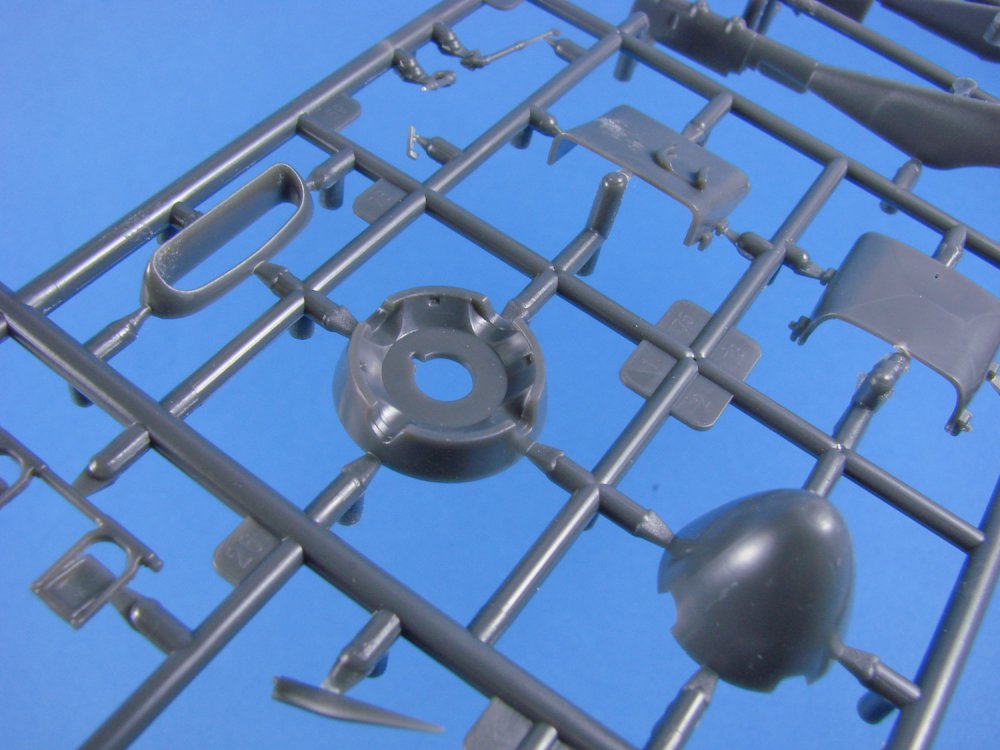
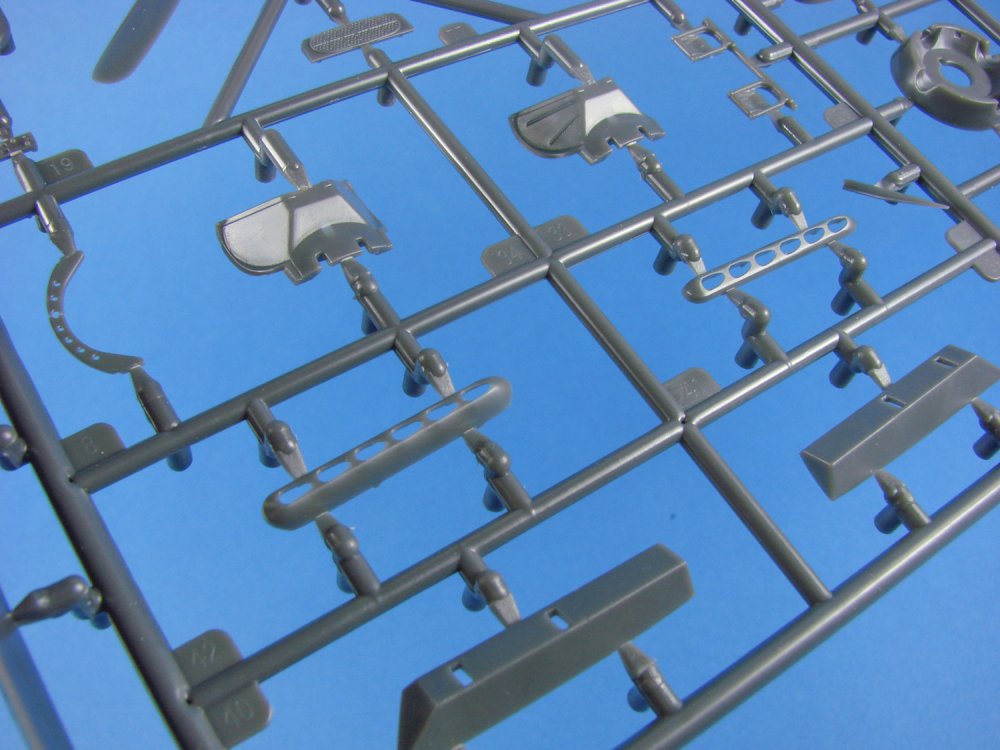
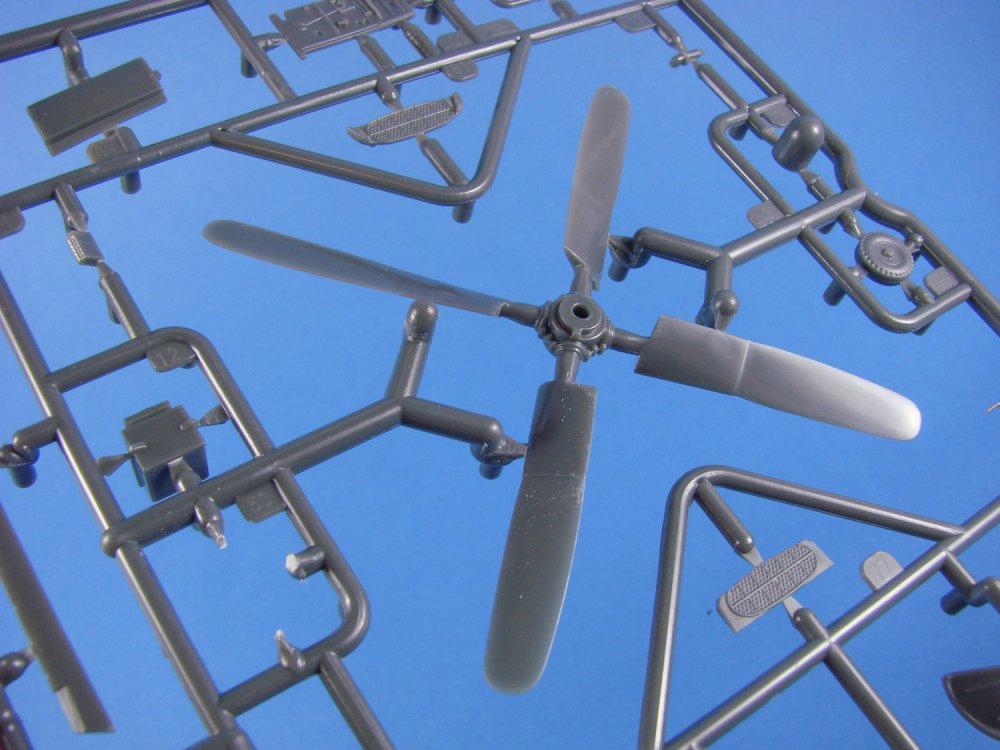
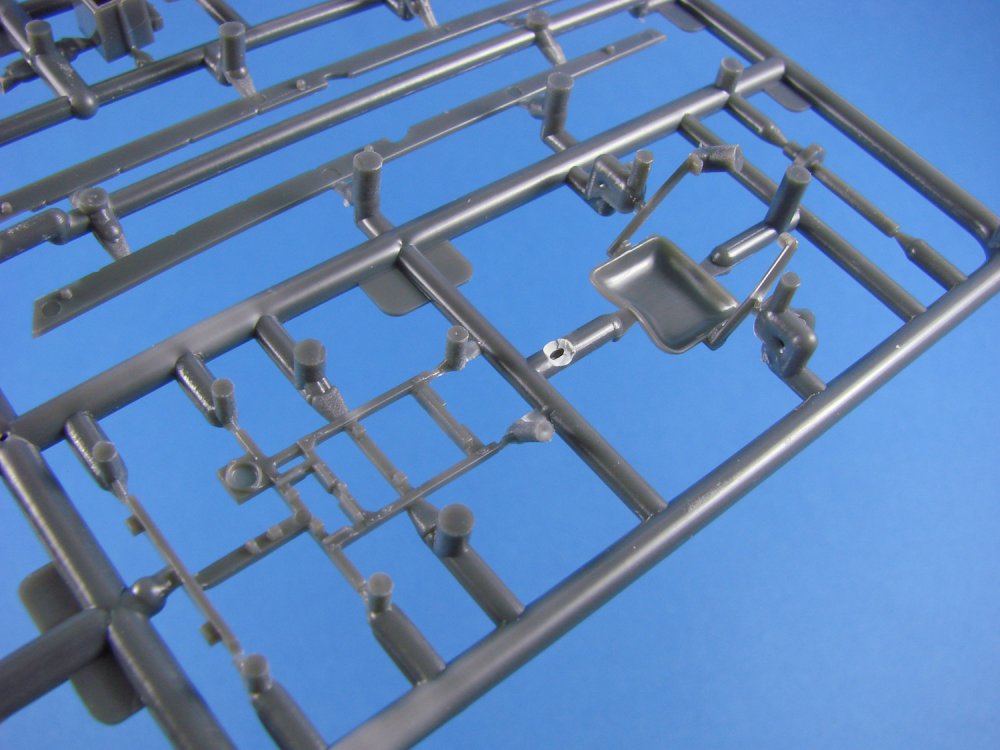
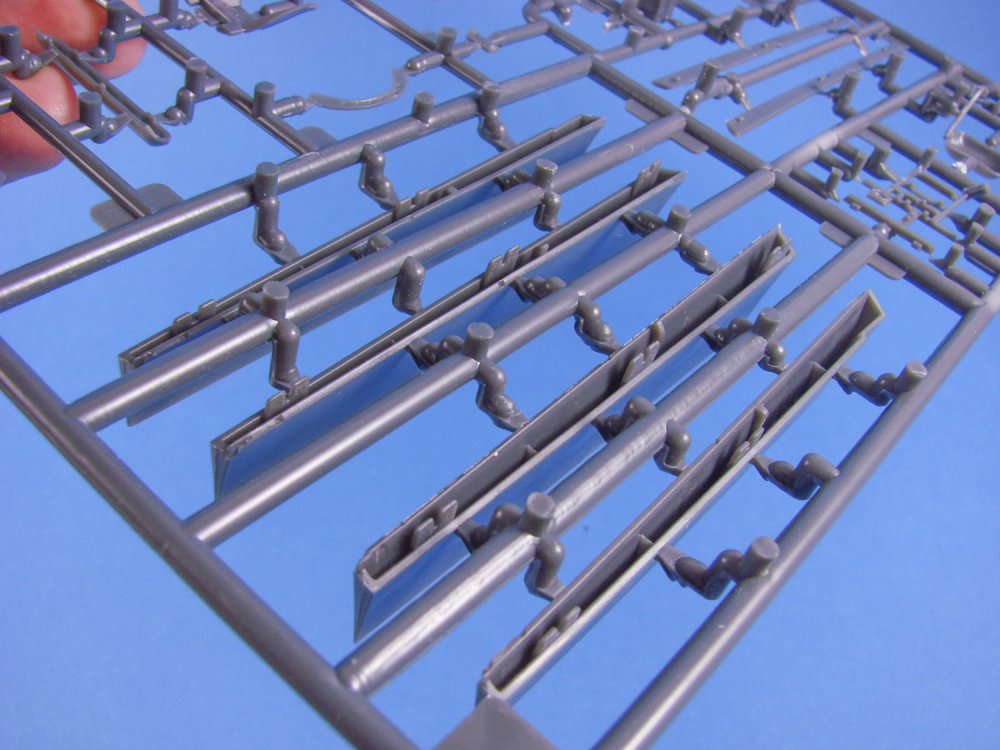
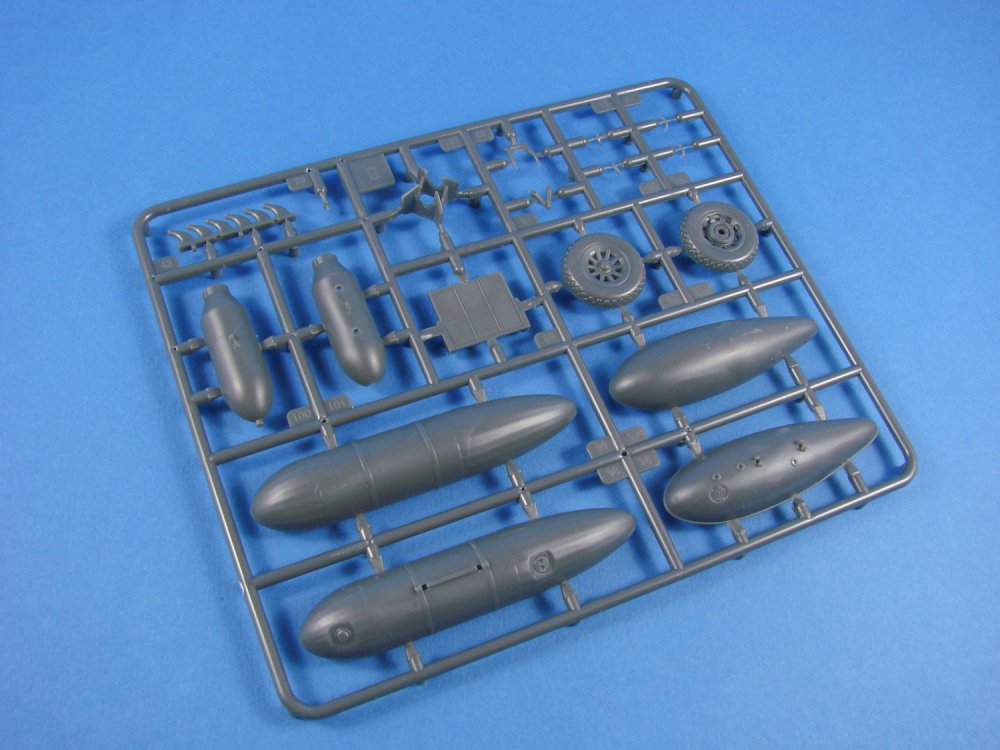
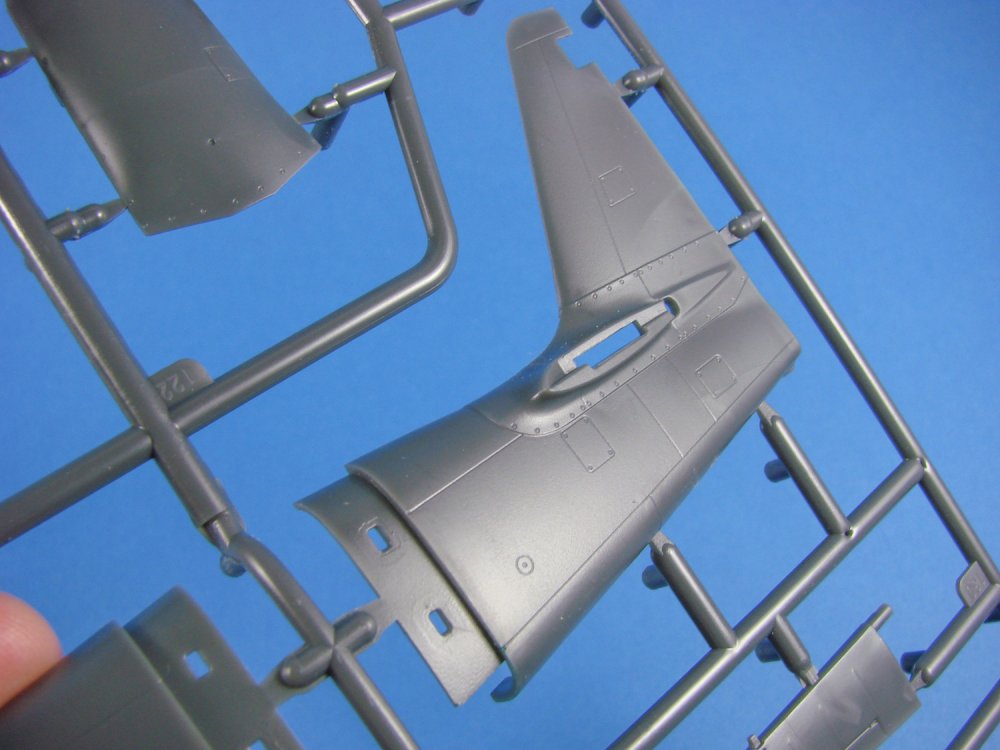
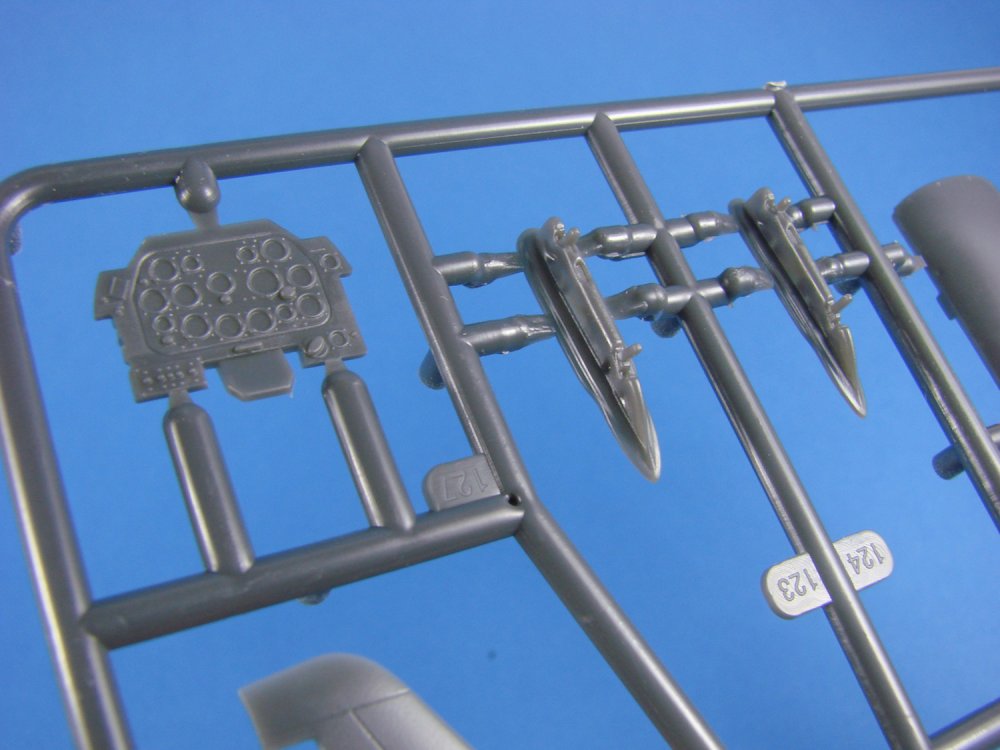
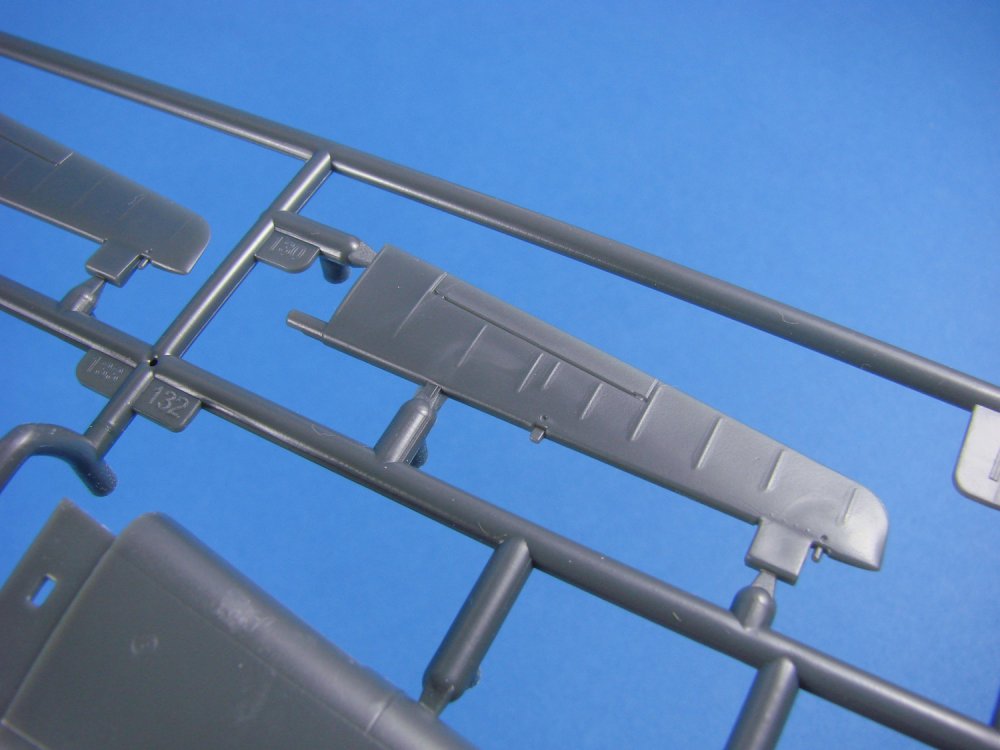
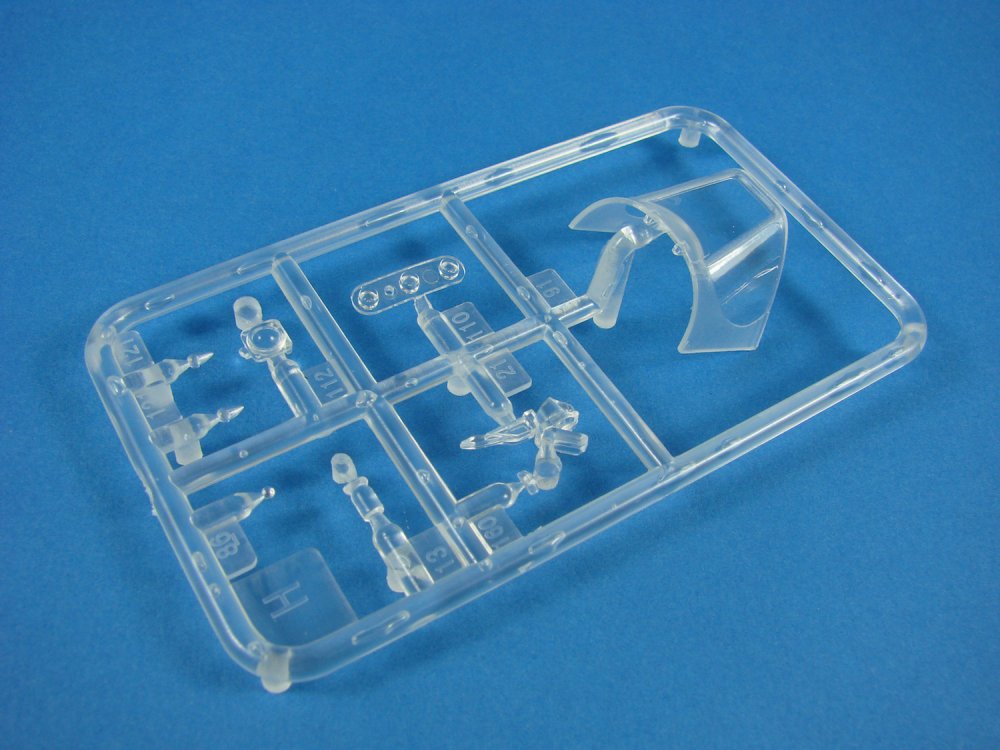
-
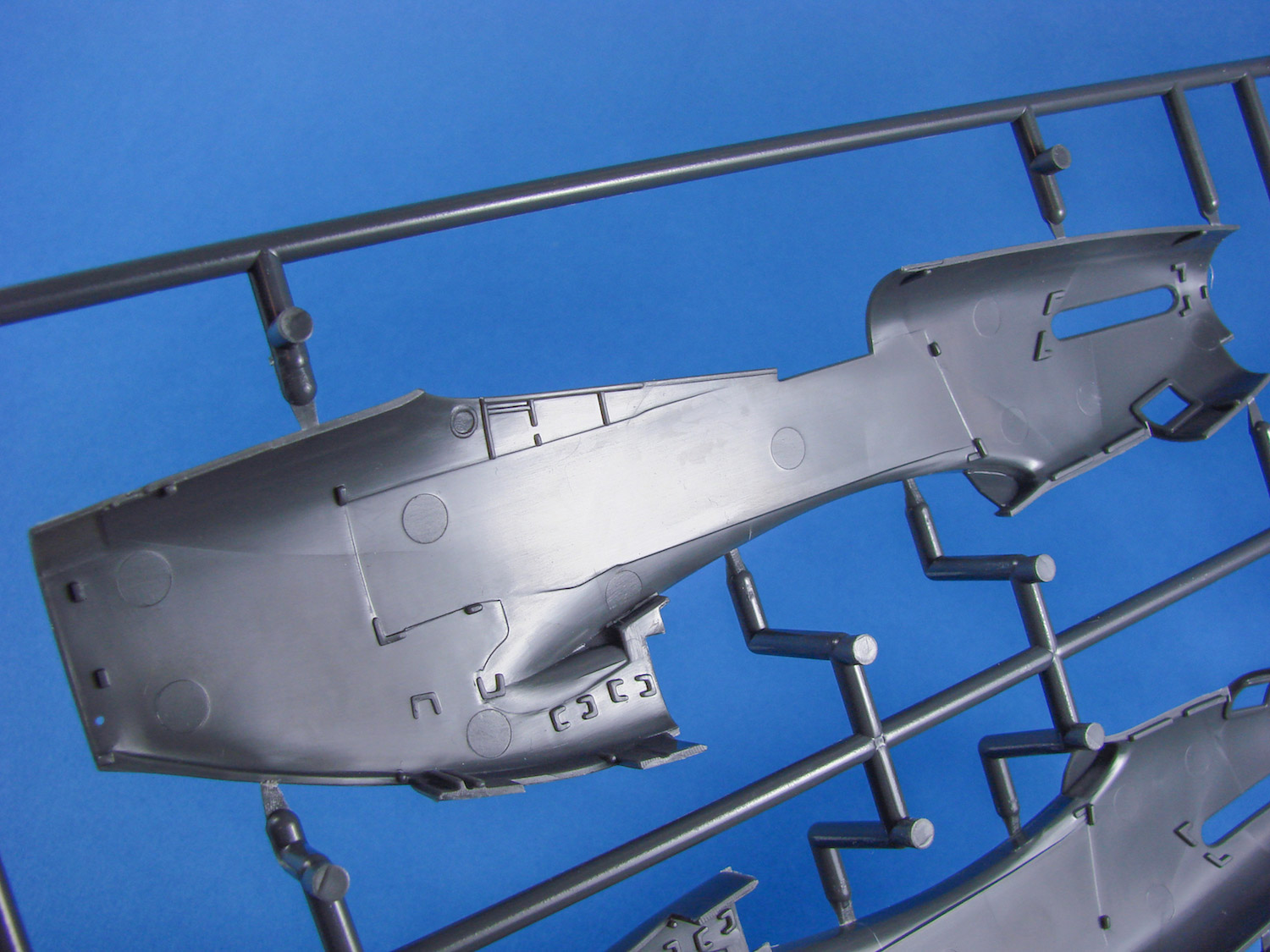
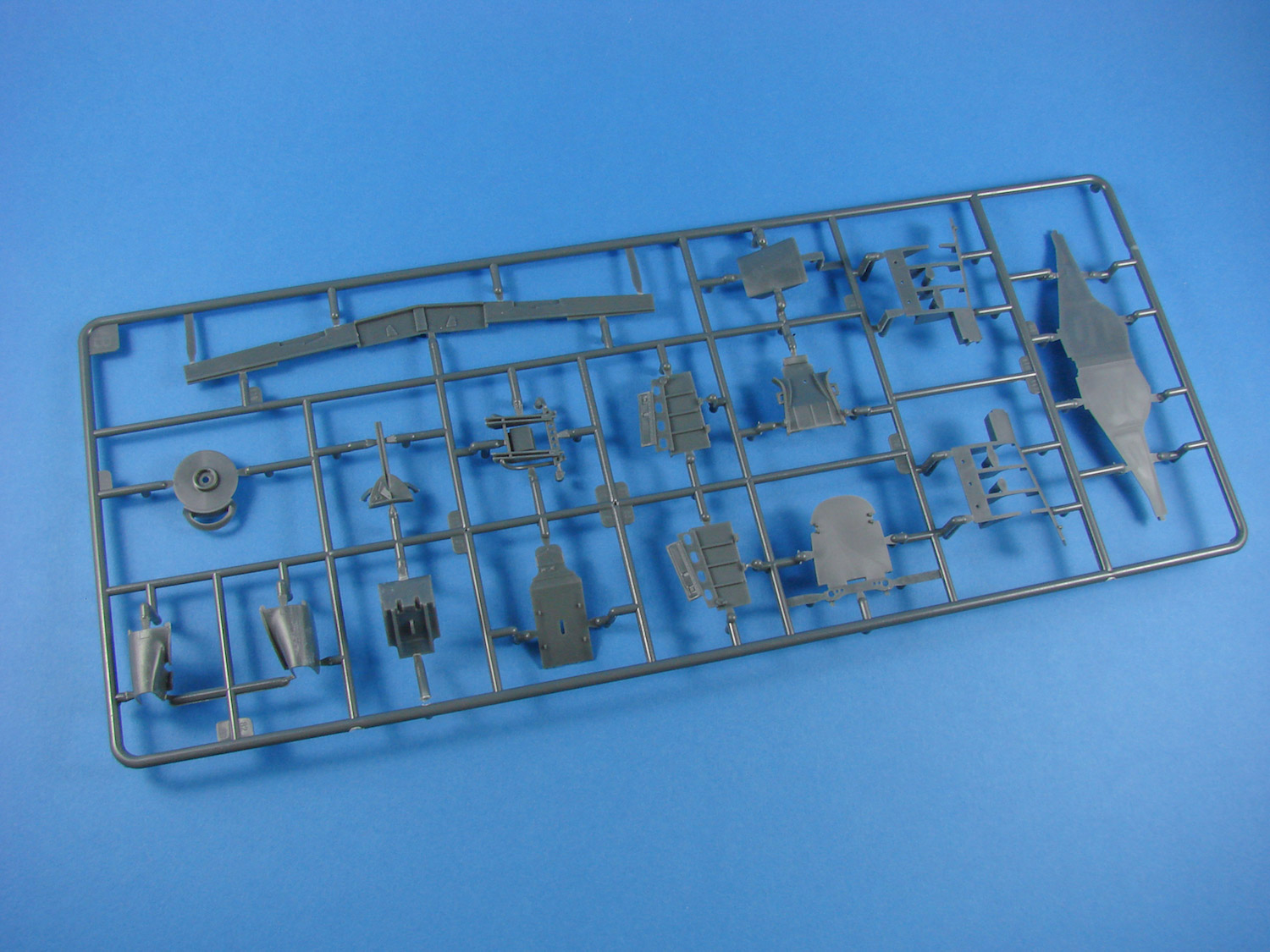
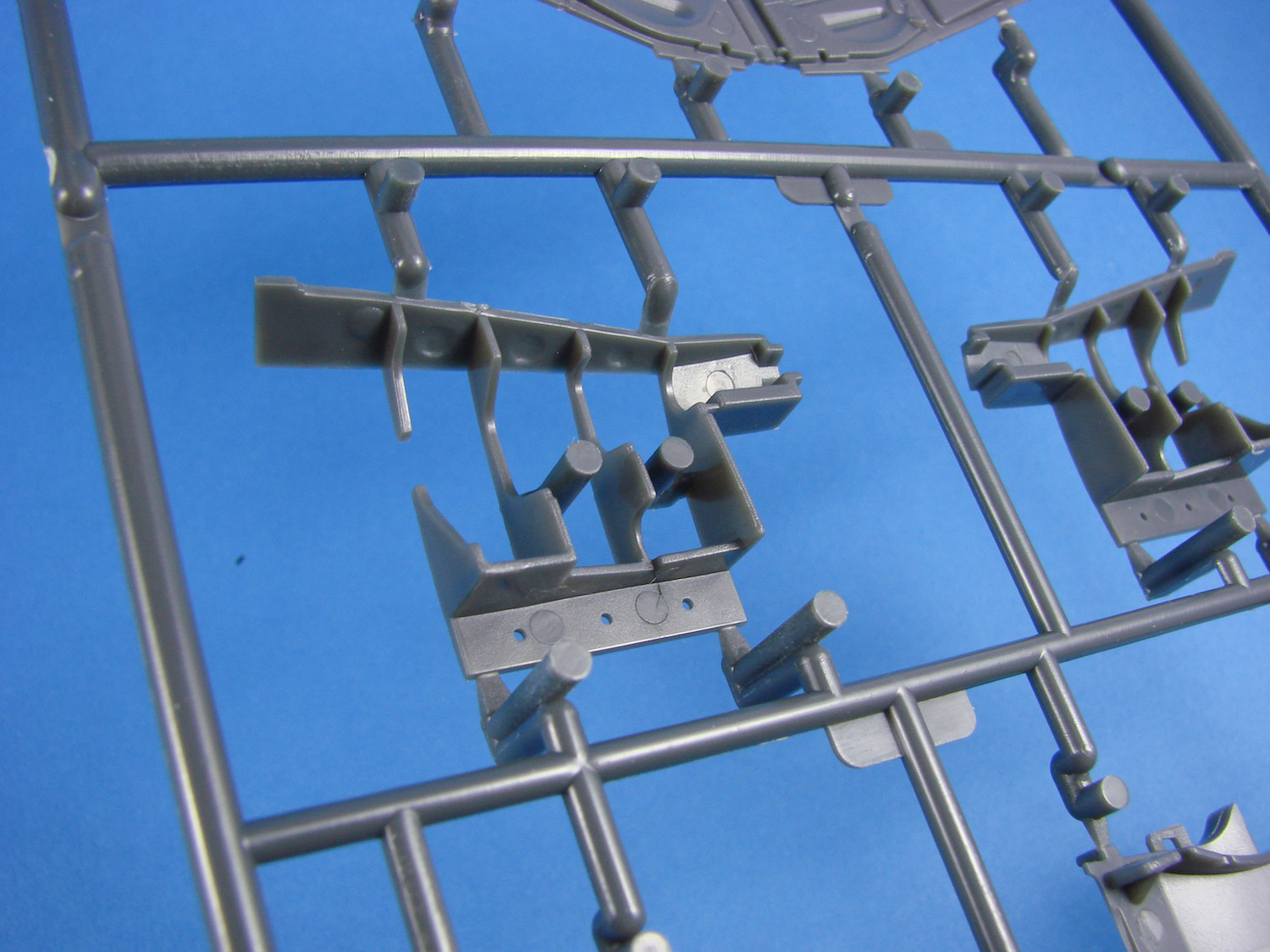
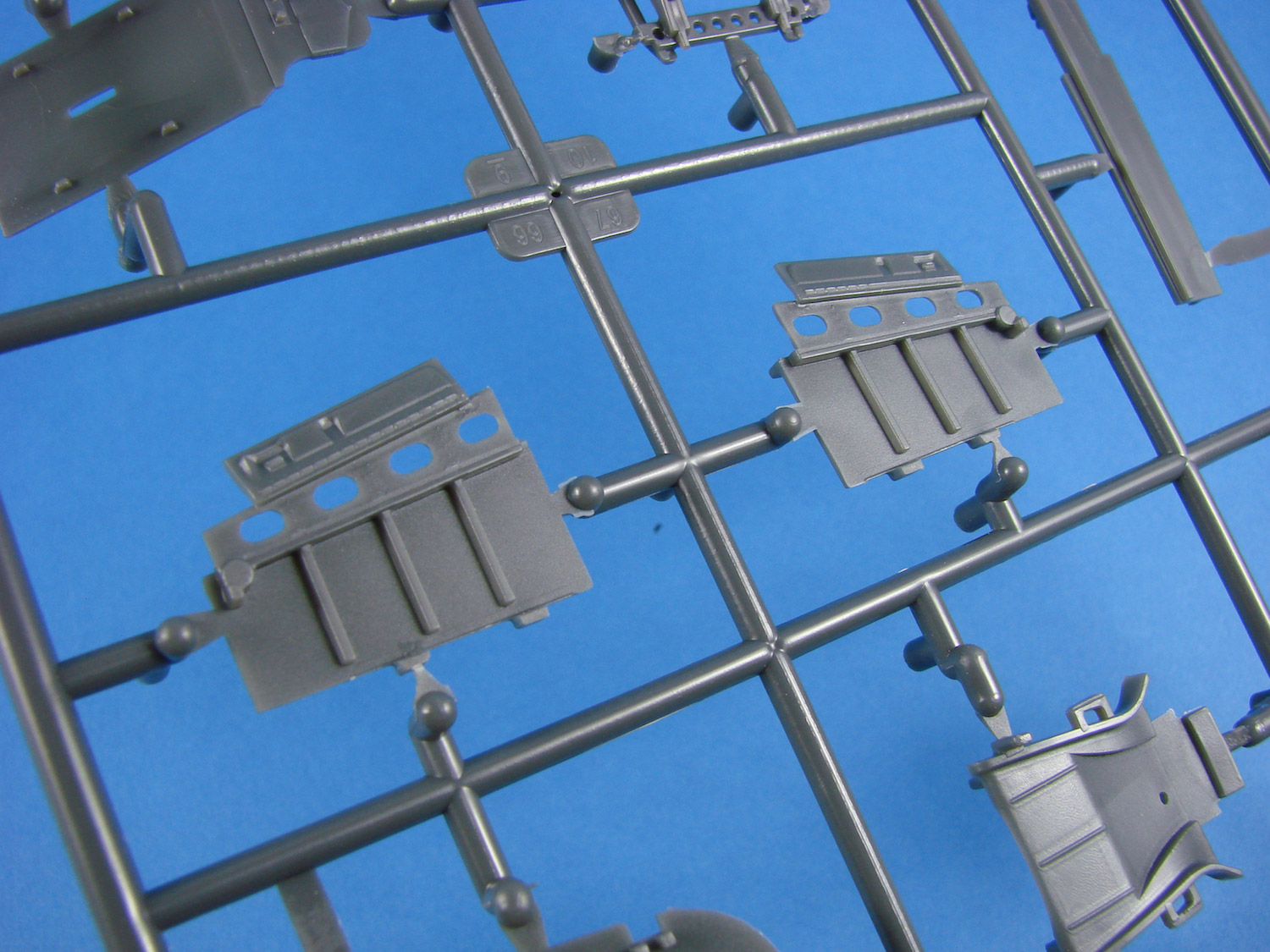
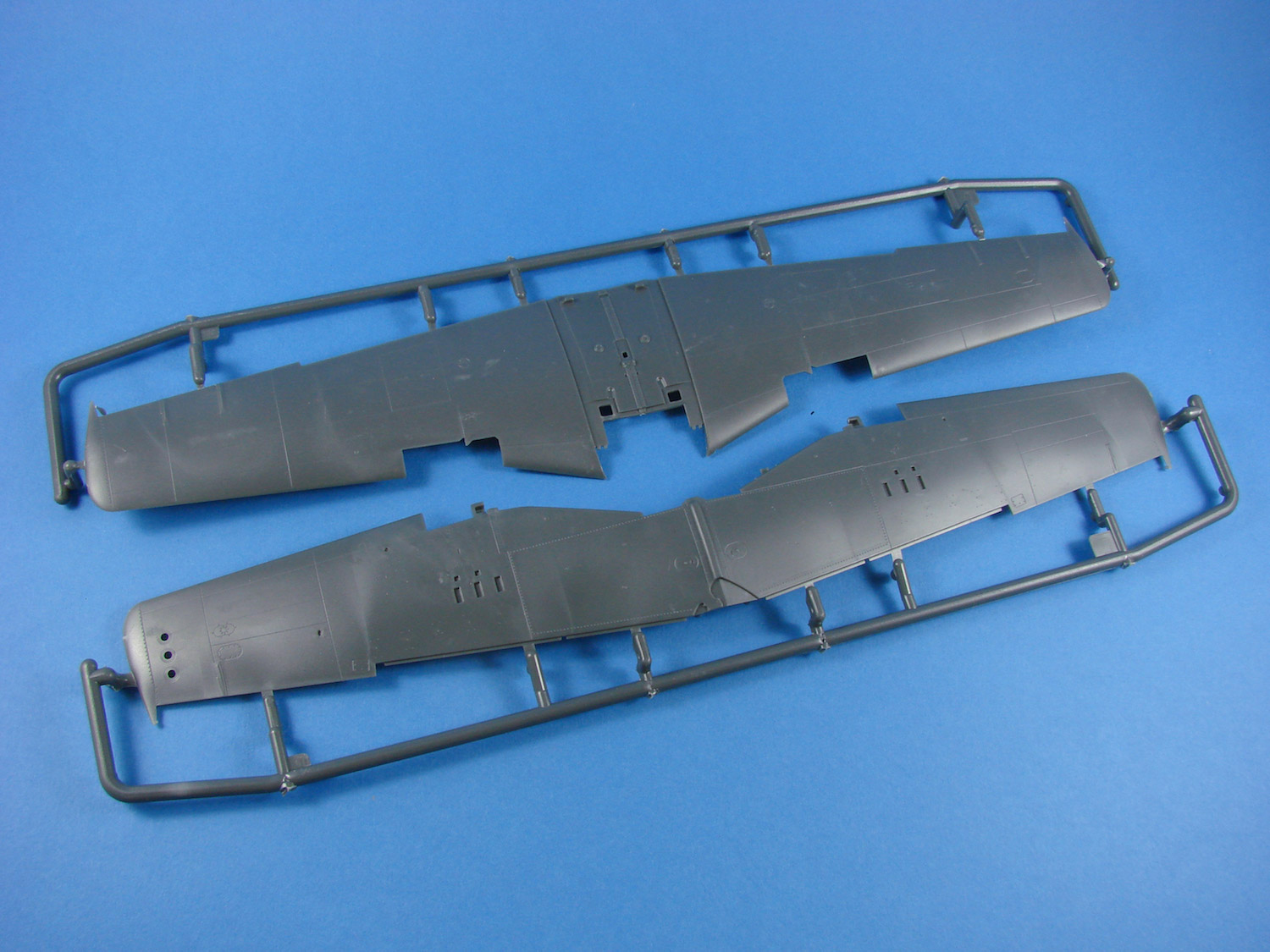
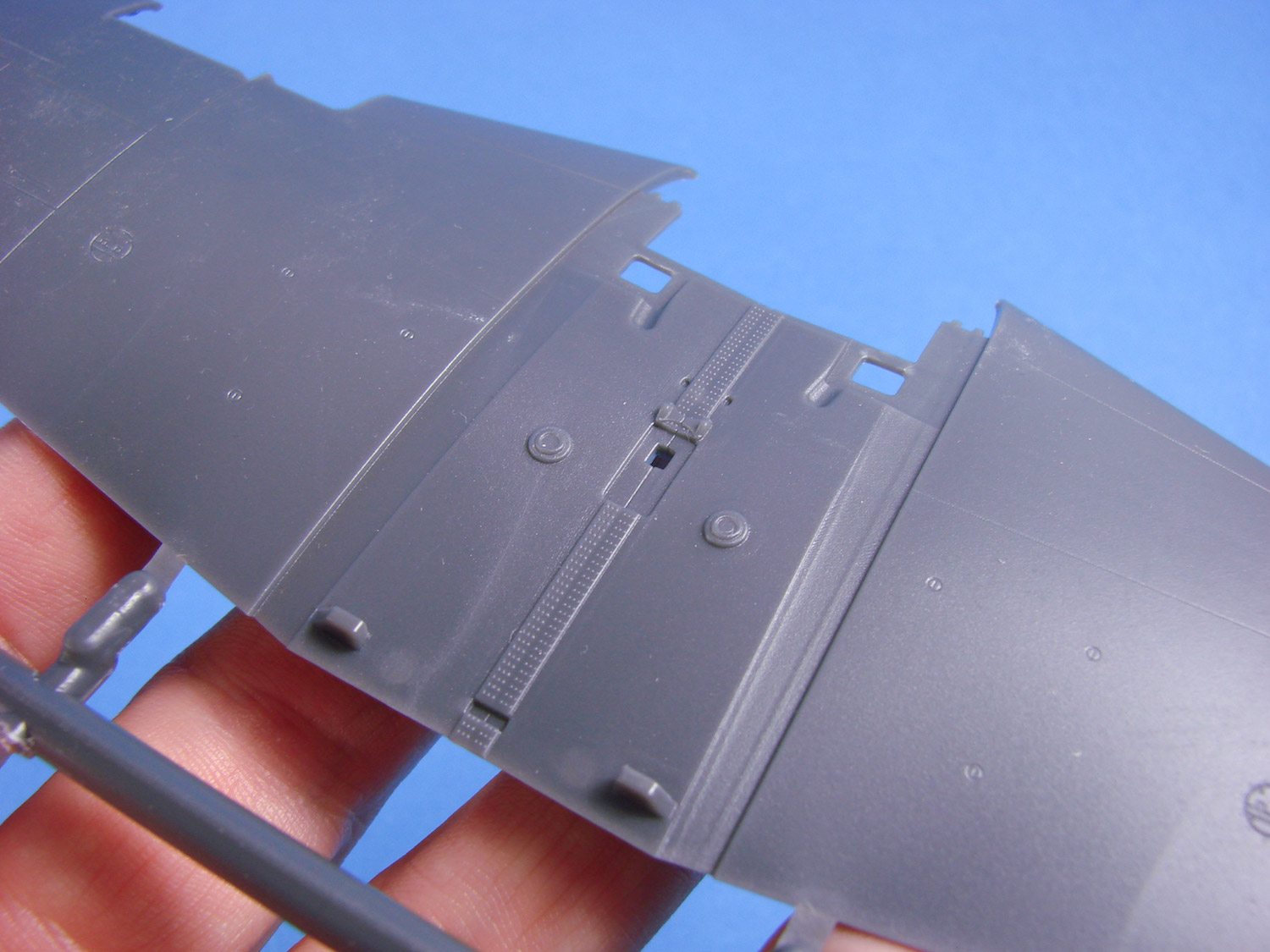
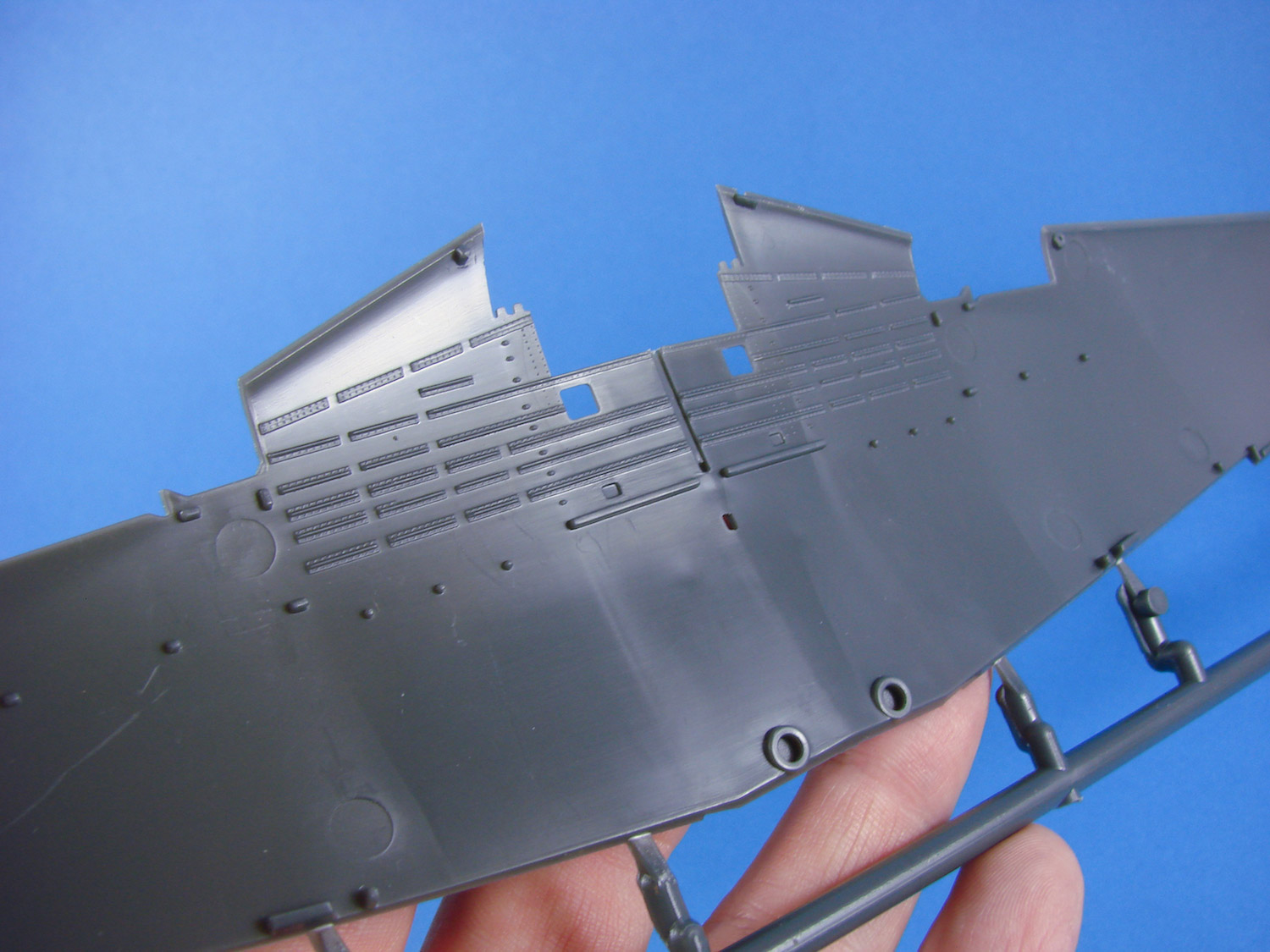
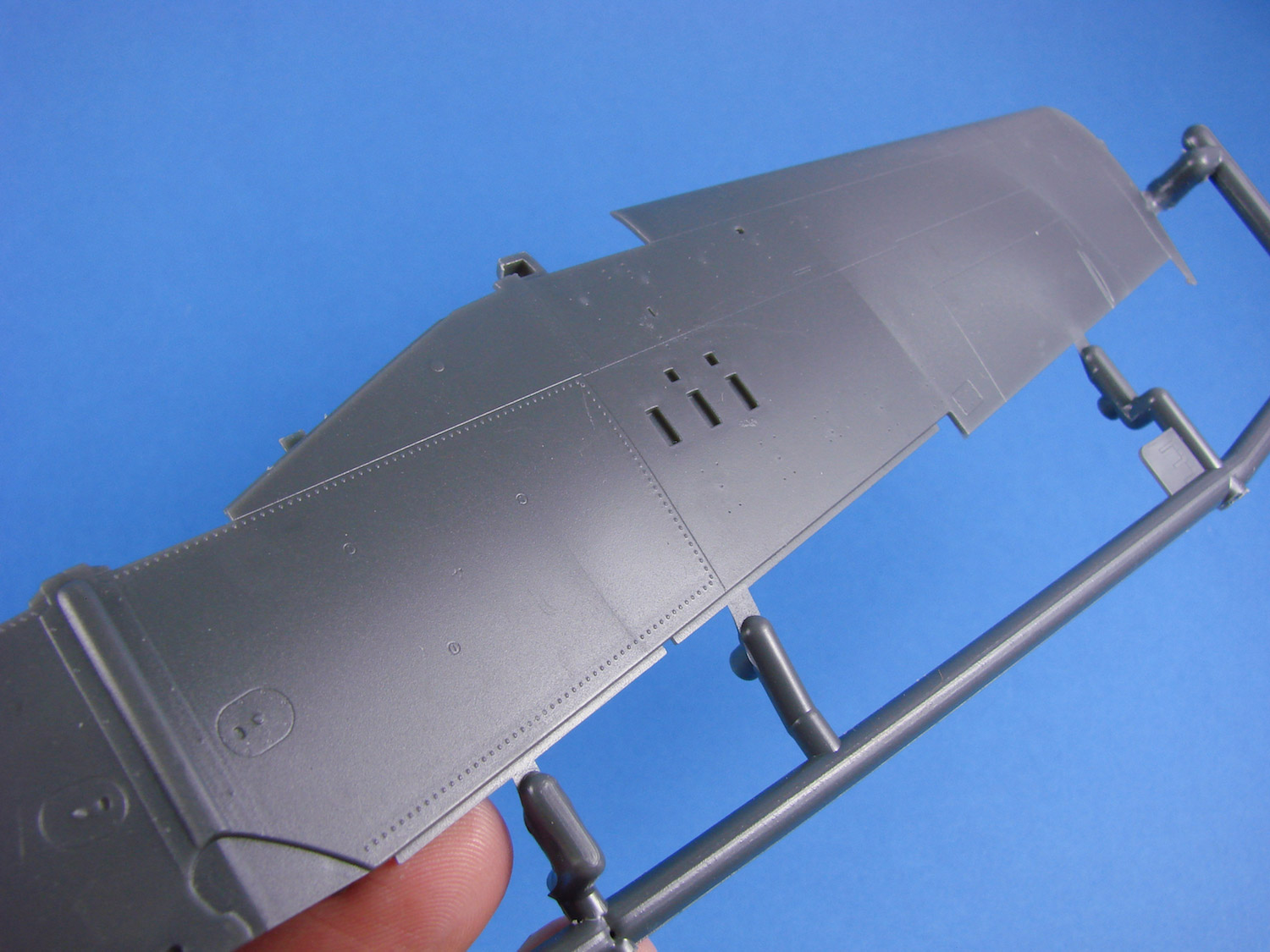
1/48 North American P-51D Mustang Airfix Catalogue # A05131 Available from P&S Hobbies for £21 The North American Aviation P-51 Mustang is an American long-range, single-seat fighter and fighter-bomber used during World War II and the Korean War, among other conflicts. The Mustang was designed in 1940 by North American Aviation (NAA) in response to a requirement of the British Purchasing Commission. The Purchasing Commission approached North American Aviation to build Curtiss P-40 fighters under license for the Royal Air Force (RAF). Rather than build an old design from another company, North American Aviation proposed the design and production of a more modern fighter. The prototype NA-73X airframe was rolled out on 9 September 1940, 102 days after the contract was signed, and first flew on 26 October. The Mustang was originally designed to use the Allison V-1710 engine, which, in its earlier variants, had limited high-altitude performance. It was first flown operationally by the RAF as a tactical-reconnaissance aircraft and fighter-bomber (Mustang Mk I). The addition of the Rolls-Royce Merlin to the P-51B/C model transformed the Mustang's performance at altitudes above 15,000 ft, allowing the aircraft to compete with the Luftwaffe's fighters. The definitive version, the P-51D, was powered by the Packard V-1650-7, a license-built version of the Rolls-Royce Merlin 66 two-stage two-speed supercharged engine and was armed with six .50 calibre (12.7 mm) M2/AN Browning machine guns. From late 1943, P-51Bs and Cs (supplemented by P-51Ds from mid-1944) were used by the USAAF's Eighth Air Force to escort bombers in raids over Germany, while the RAF's Second Tactical Air Force and the USAAF's Ninth Air Force used the Merlin-powered Mustangs as fighter-bombers, roles in which the Mustang helped ensure Allied air superiority in 1944.[10] The P-51 was also used by Allied air forces in the North African, Mediterranean, Italian and Pacific theatres. During World War II, Mustang pilots claimed to have destroyed 4,950 enemy aircraft. At the start of the Korean War, the Mustang was the main fighter of the United Nations until jet fighters, including the F-86, took over this role; the Mustang then became a specialized fighter-bomber. Despite the advent of jet fighters, the Mustang remained in service with some air forces until the early 1980s. After the Korean War, Mustangs became a popular civilian warbird and air racing aircraft. Except for the small numbers assembled or produced in Australia, all Mustangs were built by North American initially at Inglewood, California but then additionally in Dallas, Texas. Extract courtesy of Wikipedia The kit This is my third Airfix review in the last week or so. A few years ago, I wouldn’t have been interested in their output, but they seem to be pushing all of my buttons at the moment. I have to say that when I saw this in P&S Hobbies in York, I knew it was going to leave with me. Whilst the artwork style of these new kits is very different to the Airfix kits of my youth, they still manage to draw the modeller to them with their gorgeous computer-generated imagery. Again, this is another sturdy and glossy box with which incorporates a parts tray and separate lid, and one where you need to get your fingernails under the lid to prise it off. Inside, all of the six frames of light grey styrene are packed into a single heat-sealed polybag. Another bag within this contains the single clear sprue. I’m always very vocal about all parts frames being packed into a single bag, and with good reason. My sample kit had a few parts that were skewed on the frames due to the packing. A reasonably large decal sheet is included, as is the instruction manual, printed in Airfix’s new format. Airfix don’t include any PE in their releases, but the detail within should be more than enough for the average consumer. If you want a further detail-fest, then Eduard has a full suite of resin and PE for this particular release. Frame A It’s interesting to see the part’s breakdown and engineering of this kit. Airfix seem to be offering some very nice options with their new kits….even single seat fighters such as this one. Note the fuselage is moulded without a tail section? If that’s a hint that we might see an early un-filleted tail in a future release, then that would only be an extra bonus to us, as this kit offers two styles of the later filleted tail. Yes, two styles. Modelling is certainly an education in itself. Looking at the exterior of the fuselage, you will see some very neat panel line depiction and fairing and fastener details. I think these panel lines are perhaps a tad heavier than they could be, but certainly not in the realms of a few of their kits of recent years. I also think my photography seems to emphasize it a little too. It’s certainly not a deal breaker for me, in the slightest. Note that the exhaust manifolds fit into a recessed slot from the outside of the fuselage, meaning you can add them after painting. The cowl also has a hole into which one of two options of breather plate can be added. Within the fuselage, there is no detail, but a recessed area indicates where the separate cockpit wall panels will sit. The most unusual part on this frame is the cockpit floor area and fuel tank section, which extends back to, and incorporates the tail wheel well. Coincidentally, this is pretty much the same method that Revell has employed with their new P-51D Early release in 1/32. Anyway, this part forms the base into which the various other parts will sit, including the battery and radio gear. There are some ejector pin marks, but these are in the area to the rear of the fuel tank, and don’t form part of anything that can be seen. Mustang wings. This is always a subject that draws debate and argument, pretty much every time a P-51D kit hits the shelves. To putty, or not to putty, is undoubtedly the question at all times. Now, whilst this model isn’t riveted, per se, it does have key rows of rivets and fasteners that are recreated. This also includes the wings. We have to remember that Tamiya’s own Über-kit had riveted wings, albeit very faint. You can of course choose to fill this particular detail if it goes against your own personal taste. It can also be seen that the leading-edge MG section is a separate piece. Internally, there is no wheel well detail moulded as this will be separate too. Both regular and paper drop tanks are included. The texture on the paper tanks is very nice. This will probably be the option I use. I also quite like the texture on the fabric rudder, although it could benefit from a few light strokes of a sanding sponge. Frame B This larger frame shows that Airfix has designed the wings to have a full-span lower part, which is complete apart from the separate front wing to cowl fairing that forms the leading edge of the inboard wing area and main gear bay. I’m not absolutely sure of the reason why at this stage of an out-of-box review, but nothing leads me to think that this isn’t done with good reason. Again, wing surface textures are very nice, depicting key panel lines and rivets. There are positions here for what look like rockets, but with this release, you are asked to fill these and sand these flush. Should you wish to install the bazookas, bombs or drop tanks, then you will need to open up the locations from within the wing panel. The upper engine cowl on this model is a separate part, meaning that it installs along a natural cowl panel line, and of course, you won’t need to remove any troublesome seams that would otherwise run right down the middle of this area. There is some nicely innovative engineering going on at Airfix, these days. Here you can see the tail wheel walls which fit into the rear of the aforementioned cockpit tub area. I’m still amazed that they did this in the same manner as the new 1/32 Revell kit. Great minds think alike! Detail is very good, despite you not really seeing too much in the way of anything once installed. Note the detail on the main gear bay doors too. These incorporate part of the main well wall details. Earlier, I did say that there are two versions of the filleted tail, and here they are. The differences here are fillets themselves, and the stabiliser fairing area. These parts will install along a natural panel line. The cockpit walls are moulded here. I am more than happy with the detail which is depicted, plus the extra parts which enhance them, but there are a couple of what appear to be ejector pin marks in awkward places. Not all of these circular marks are pin marks. Some are actual details, but I fear not all. That is a little disappointing. If you want to take this model to another level, then Eduard’s replacement pit will not only remove this issue, but improve things yet further. This is a very reasonably-priced kit, so you might have a few coins left with which to invest. Lastly, the scoop intake is moulded as halves and simply installs within the belly of the model, before you bring the fuselage together. Frame C Instead of moulding the gear bay detail on the ceiling of the upper wing, Airfix has chosen to engineer this as a separate part, as did Meng with their recent 1/48 release. This is quite nice in depiction, but could perhaps do with a little extra detail added, such as plumbing etc. Squared sockets exist for the main gear struts to locate to. Two landing flap options have been provided for this kit. Of course, these are for the neutral and deployed positions. The flaps themselves are identical, bar the angle of the plug tab that fits into the socket on the trailing edge of the wing. There’s no doubt this provide a very solid approach to fitting these parts. A little panel line detail is moulded here, as well as some leading edge detail, but no rivets. Another part on this frame is for the forward centre wing to engine cowl section with the same cowl fastener details as generally seen on both the fuselage sides and upper cowl. Lastly, Airfix has included a three-part pilot figure (quite average), a wing spar that incorporates gear bay detail for the rear face of this area, and also the four-blade, cuffed propeller. The blades on this are nice and thin too, but the connection gates are on the blade cuffs, so care will be needed when cleaning the part for use. Frame D We have quite a large parts count with this frame, with most of the cockpit being found here, plus the undercarriage and other extraneous airframe parts. I did say earlier that Airfix’s rendition of the cockpit is certainly more than adequate. In fact, it should look very good built straight from the box, with its fairly high parts count and nice detail. The instrument panel itself should provide a good centrepiece to your work, the seat being provided with moulded belts. Note the quilted effect on the backrest, along with the draped harness. You will also find the battery and radio pack plus frame here. There are two exhaust options here; shrouded and unshrouded. Neither are moulded with hollow stubs, so you’ll need a micro drill bit and some patience. Two breather plate options are also provided. If you want more options, then there are also two types of wheel with different tread patterns. The hubs on these are integrally moulded and the wheels are weighted. I think the undercarriage legs are reasonable….not great, but reasonable. They have a mixture of both sharp and soft detail and the prominent seams will need to be removed. This is where I hope Eduard have plans for a bronze alternative. It could certainly benefit from such. The tail gear strut is very nicely detailed. Other parts on this frame include bombs, belly scoop fairing, undercarriage trouser doors, two-part spinner, radiator shutter and numerous other cockpit parts. Frame E This frame is for the clear parts. Note that Airfix supply THREE hoods, all with slight variations in profile. I can’t see the Dallas hood, unless I’m mistaken. There are also two forward windscreen options. Both of these incorporate a small section of fuselage skin, as per Tamiya’s 1/32 kit, providing a better way to fit these parts without gaps or glue smears being had. Framing detail is sharp, and clarity is excellent. The parts are also nice and thin. You’ll notice this frame also contains wing underside lamps and gunsight options etc. Frame F One of the kit options provides for underwing bazookas. These are very reasonable, despite the seams you’ll need to remove, and there appears to be an indentation at the point where the connection gate is. Decals A reasonable-sized decal sheet is included with this release, and would appear to be printed by Cartograf (Italy). The sheet is split into common decals (national insignia and stencils), and the two schemes. The stencils themselves are numerous and will certainly take up a couple of bench sessions to apply. Included with the individual machine markings are the various black bars and stripes. I would probably mask these and airbrush them instead of using decals, but the option is there. Printing has a satin finish, and the decals are thin, with solid colour reproduction and minimal carrier film. Everything is also in perfect register. The two schemes are: P-51D, ‘Little Indian’, 2nd Air Commando Group, 10th Air Force, United States Army Air Force, Kalaikunda, India, 1945 P-51D, 44-15152, ‘Jersey Jerk’, Captain Donald Strait, 361st Fighter Squadron, 356th Fighter Group, United States Army Air Force, RAF Martlesham Heath, Suffolk, England, 1945 Instructions A sixteen page booklet is included, breaking down construction into seventy stages. All illustration is CAD-generated, grey-scale shaded, with good use of red ink to denote new part assembly. Colour references are given throughout for Humbrol paints, and two glossy sheets are supplied which show paint and decal application, plus a stencil guide. Conclusion It’s nice to see Airfix revisit the subjects that I slavishly built as a kid when most of my money went on the old boxed and packet kits from this veteran manufacturer. They obviously know what should sell very well, and I imagine the Mustang is one such kit. What also sells this for me are the various options, such as the canopies and exhausts/breather plates too, plus some innovative engineering. The schemes are quite nice, but not particularly varied, although the addition of the underwing bazookas certainly adds to the mix. A very nice kit with plenty of detail and very well moulded. It’s not a perfect release with some softness here and there, but it’s most certainly worth £20 of anyone’s money! Give it a shot. My sincere thanks to P&S Hobbies for the review kit seen here. To purchase, contact them via their website, here, or visit them on Walmgate in York, or Castle Road, Scarborough, UK.
-
1/48 Gloster Meteor F.8 Korea Airfix Catalogue # A09184 Available from P&S Hobbies for £36.99 The Gloster Meteor was the first British jet fighter and the Allies' only jet aircraft to achieve combat operations during the Second World War. The Meteor's development was heavily reliant on its ground-breaking turbojet engines, pioneered by Sir Frank Whittle and his company, Power Jets Ltd. Development of the aircraft began in 1940, although work on the engines had been under way since 1936. The Meteor first flew in 1943 and commenced operations on 27 July 1944 with No. 616 Squadron RAF. The Meteor was not a sophisticated aircraft in its aerodynamics, but proved to be a successful combat fighter. Gloster's 1946 civil Meteor F.4 demonstrator G-AIDC was the first civilian-registered jet aircraft in the world. Several major variants of the Meteor incorporated technological advances during the 1940s and 1950s. Thousands of Meteors were built to fly with the RAF and other air forces and remained in use for several decades. The Meteor saw limited action in the Second World War. Meteors of the Royal Australian Air Force (RAAF) fought in the Korean War. Several other operators such as Argentina, Egypt and Israel flew Meteors in later regional conflicts. Specialised variants of the Meteor were developed for use in photographic aerial reconnaissance and as night fighters. The Meteor was also used for research and development purposes and to break several aviation records. On 7 November 1945, the first official air speed record by a jet aircraft was set by a Meteor F.3 of 606 miles per hour. In 1946, this record was broken when a Meteor F.4 reached a speed of 616 mph. Other performance-related records were broken in categories including flight time endurance, rate of climb, and speed. On 20 September 1945, a heavily modified Meteor I, powered by two Rolls-Royce Trent turbine engines driving propellers, became the first turboprop aircraft to fly. On 10 February 1954, a specially adapted Meteor F.8, the "Meteor Prone Pilot", which placed the pilot into a prone position to counteract inertial forces, took its first flight. In the 1950s, the Meteor became increasingly obsolete as more nations introduced jet fighters, many of these newcomers having adopted a swept wing instead of the Meteor's conventional straight wing; in RAF service, the Meteor was replaced by newer types such as the Hawker Hunter and Gloster Javelin. As of 2013, two Meteors, WL419 and WA638, remain in active service with the Martin-Baker company as ejection seat testbeds. The kit Airfix released their newly-tooled Meteor F.8 in 2016, and until I walked into P&S Hobbies in York a few days ago, I had no idea that a new incarnation had just been released. In fact, it was fresh into the shop and in the owner’s hands! I thank them for the review kit seen here. This is a reasonably large and very sturdy box with an artwork depicting a No.77 Sqn. Royal Australian Air Force Meteor F.8 having successfully engaged a North Korean MiG-15. The whole package has a superbly glossy and high-quality finish. The box sides depict the THREE schemes available, as well as some CAD renders of the completed model. It really does take patience to remove the lids of the new Airfix kits, such is the sturdiness and tight fit of things. Once inside, all SIX frames are packed into the same bag which is folded and heat sealed. I sound like a cracked record, but I really so wish they would bag frames in separate sleeves to prevent damage. There are a couple of very minor marks on my sample, and they will need a little buffing out. Nothing lost, but hey! Last year’s original F.8 release contained only 5 frames of plastic. The whole kit is identical to the previous release with the exception of this having a frame that contains the rockets. We now get chance to use the older, faired canopy, and to make use of the flashed over rocket positions on the wings. Note also that this styrene is darker than what we are currently seeing from Airfix, including their brand-new P-51D that I will look at very soon. Certainly strange in the current scheme of things, so perhaps an indication of a new moulding facility being utilised? There is a single clear frame, within its own sleeve. The windscreen has come adrift from the frame, but all is still in good order. In the bottom of the box is the now familiar styled Airfix instruction manual, some glossy sheets for the schemes, and a single decal sheet. Frame A As certainly tends to be the case with Meteor kits I’ve seen, Airfix also adopts the full span lower wing approach. They have moulded the landing flaps in the retracted position, but Eduard do have a very set of PE alternatives if that floats your boat. Airbrakes are moulded separately and can be posed, as can the ailerons. Note that the nacelles are without the front intake portion. We’ll look at the reasons a little later. Surface detail is very fine, as befits the improved trend that Airfix has adopted with their new releases. One thing I will mention is that the parts have the same slight patina as their light grey-moulded counterparts of recent, i.e. they haven’t polished the tools as much as Tamiya, Eduard or Hasegawa etc. I find it reminiscent of the degree that Revell polish their tooling to. Into the interior of the wing fit two spars, with rear one incorporating the rear engine bay firewalls. Yes….engine bay! This model comes complete with two reasonably detailed Rolls-Royce Derwent 8 turbojets. A very nice touch. This spar, as with the shorter front spar, also contain detail that makes up two walls of the main gear bay. The remaining gear bay detail is moulded across four ribs that can be found on this frame. The first two cockpit parts are also moulded here and these form the port and starboard office walls with detail that is certainly commensurate with the larger scale HKM 1/32 kit. As a cockpit aficionado, I’m certainly more than pleased with what Airfix has presented here. Note that these connect at the rear, where the walls form the rear cockpit wall. Also on this frame are optional underwing drop tanks. To accommodate these, or the rockets included in this release, you will need to open up the moulded location points that exist inside the main wing lower plate. Frame B The eyes are immediately drawn to the fuselage halves. These are moulded sans nosecone, weapons panels and rudders. The MG fairing panels have a very slightly rippled texture, representative of stressed skin, and this also appears on the panel to the rear of the weapons bays. I originally thought they were minor sink marks, but can confirm they are not. The effect is very subtle and should look very nice with the high-speed aluminium that will be applied to this particular release. External details are extremely fine, including panel lines and access ports. Whilst the model isn’t riveted, it does have various fastener lines reproduced. Something I have noticed is the raised circumferential line which runs around the fuselage from the point of the trailing edge fairing. I must admit that I’ve not noticed this on a Meteor before. Internally, it also coincides with a stepped ridge. I really don’t know the reasons for this, nor the external raised line. No other internal detail is moulded as everything is added from the modular cockpit and gun bays. Also provided as separate parts are those rear wing roots. These are also moulded here with a raised rivet detail. Other parts on this frame include the exhaust pipes for each nacelle (split into halves and with scribed internal detail), rudder parts with more raised riveting, and also the elevators. These have the same raised rivet detail, and something I can’t discern…..this is whether they have stressed skin finish or maybe small sink marks. If they are the latter, then I’m not overly concerned as the finish looks quite nice. Frame C You can clearly see from the upper wing panels that the nacelles are moulding with separate engine access covers so you can display those Derwent engines. Note those engine panels moulded on this frame. Again, more airbrake area detail to facilitate the positioning of those parts. The wing leading edge extends across the intake area, as this forms a vane for the intake. All remaining wing flying/control surfaces are moulded here too, with the later having the same raised rivet detail that we saw before. Note that the nosecone is moulded here, as halves, with their forward gun channel trough. You will need to decide from the outset whether you will build your model with the gear up or down. This is because Airfix had designed the closed bat doors to fit from within the wing and inner cone. If this is your preferred mode, then also note that you may not be able to have the engine bay opened without surgery (and why would you with a model in flight!), because the main gear door looks like it would foul the spar areas for the other option. Should you wish to pose gear down, then note the two main gear bay ceilings on this frame. Again, detail really is excellent. Frame D This frame concerns itself almost entirely with parts that are required for either the cockpit, gun bays, and undercarriage. The cockpit tub itself, is constructed from the sidewalls we previously saw, fitted to a lower floor onto which the nose gear bay sits and the well protrudes into the pit, and the two gun bays that flank the outside of the cockpit walls. Onto this fits a nicely detailed rear turtle deck. Those gun bays are also very nice with some excellent constructional/plate/rivet details within. The guns themselves are separate, as are the ammunition drums and ammunition feeds. I quite like the moulded instrument panel in this release, but Airfix also supplies a decal for this. You’d struggle to get it to conform to the raised details, I fear. Eduard also has a colour PE option in one of their aftermarket sets. I also think the seat is a very nice representation, and two are included; one with and one without seatbelts. It appears that the undercarriage itself is simplicity when it comes to construction, with all units have a left and right half that includes the mudguard etc. I also think there will be enough spring in these units to allow them to be prised apart so that the completed wheels can be put in situ later in the build. Those wheels are also supplied weighted, and are moulded with hub detail. Other undercarriage-related parts here are the doors for open bay options as well as closed nose bay parts, nose gear mount frame and bulkhead, main gear door actuators and other well details. Frame E You can clearly see that Airfix has provided this kit with two different intake options. These are for the short-chord intake, and the narrower opening long-chord variety. Which you use will depend on which scheme you decide upon, and the options are clearly stated within the instructions. Both options have a common intake liner that must first be inserted before being fitted to the model. Apart from the gun bay doors and a very small number of other parts (internal and external), everything else here is dedicated to the engines, including a rather nice service cart onto which you may display one of these. Whilst the engines might not be the most detailed, they certainly do pass muster, with the majority of parts being more than adequately represented in styrene, along with ancillary pipework, exhaust vane, starter motor, pump, filter and oil tank. More than an admirable effort for an out-of-box build. The parts themselves are very nice with the combustion chamber depiction and the mesh filter intake area. A dark wash over a metal coat, should make this pop. Frame F Here we have the clear parts. Unlike the original release in 2016, we now get to use the faired canopy. This was included last year, but not slated for use. The windscreen on my sample has come adrift, but nothing is damaged, thankfully. All clear parts are beautifully thin and crustal clear. On the canopy parts, framing is very good, and it shouldn’t be difficult to mask these parts. Interestingly, there are a couple of clear parts here which look like they are scheduled to be used in a future PR version….or at least I’d like to think so. Frame G This frame is the real difference between this and last year’s initial release. In fact, apart from the decals (of course), it’s the only difference in plastic. Eight rockets are provided, along with their pylons. The rockets are provided as two parts each, with one part being a separate cross-fin. One of those fins is missing on mine, unfortunately, so I’ll need to contact Airfix’s spares dept. The only non-rocket part on this frame is an additional framework that sits underneath the windscreen, and is only applicable to the rocket-equipped versions (not surprisingly). Decals A single sheet is provided, printed in Italy (probably Cartograf), and this includes not only national markings for three schemes, but also a comprehensive set of stencils, and I really mean that! I’ve not counted them, but I imagine there are over 200 small decals here. There is quite a lot of orange on the Dutch machine, and forward fuse arrows and nacelle flashes. My own concern here is matching your orange paint to these, especially the flashes where the colours meet. I would perhaps mask and airbrush these instead. Decals have a satin finish, and are thinly-printed. They have solid and authentic colour and minimal carrier film. Decals are included for: Meteor F.8, A77-851, flown by Sergeant George Spaulding Hale, No.77 Sqn, Royal Australian Air Force, Kimpo, Korea, March 1953 Meteor F.8, No.77 Sqn, Royal Australian Air Force, Kimpo, Korea, 1953 Meteor F.8 (Fokker-built), No.327 Sqn, Ruiten Vier (Diamonds Four) display team, Koninklijke Luchtmacht (Royal Netherlands Air Force), Commando Lucht Verdediging (Air Defence Command), Soesterberg Air Base, The Netherlands, 1952 Instructions I quite like Airfix’s new style of instruction manual. They are clear, concise and whilst printed in greyscale, a good use of red ink denotes new parts placement. Humbrol colour references are supplied throughout. Parts options for specific schemes are posing modes, are easy to follow. Colour schemes are supplied on two glossy sheets, along with a stencil placement guide. Conclusion I really do like the Meteor, having recently built the HKM kit with the T.7 Fisher conversion set, for the current issue of Military Illustrated Modeller. When I was handed this new release in York a few days ago, I really couldn’t say no, even though it wasn’t in my usual 1/32 format. I have quite a liking for the new Airfix 1/48 range, having recently reviewed the 1/48 Walrus that I’m now building, so I really couldn’t resist this. These current kits have everything…..lots of superb and finely portrayed detail, good parts options and some attractive schemes. They also play on my heartstrings for subjects that I fondly remember from my childhood, but being created in a state of the art way that I could only have dreamt of back then. Bravo Airfix! I really want to see more kits of this standard. My sincere thanks to P&S Hobbies for the review kit seen here. To purchase, contact them via their website, here, or visit them on Walmgate in York, or Castle Road, Scarborough, UK.
-
Gloster Meteor Mk.III
JayDee replied to joeg's topic in LSM 1/32 and Larger Aircraft Ready for Inspection
Nice work. I'd like to see the wing work you did. I love this kit. One of my favourites. -
Airfix hawker typhoon Mk.1B 1/24
JayDee replied to coolboxx's topic in LSM 1/35 and Larger Work In Progress
Beautiful build. You really are nailing this one. -
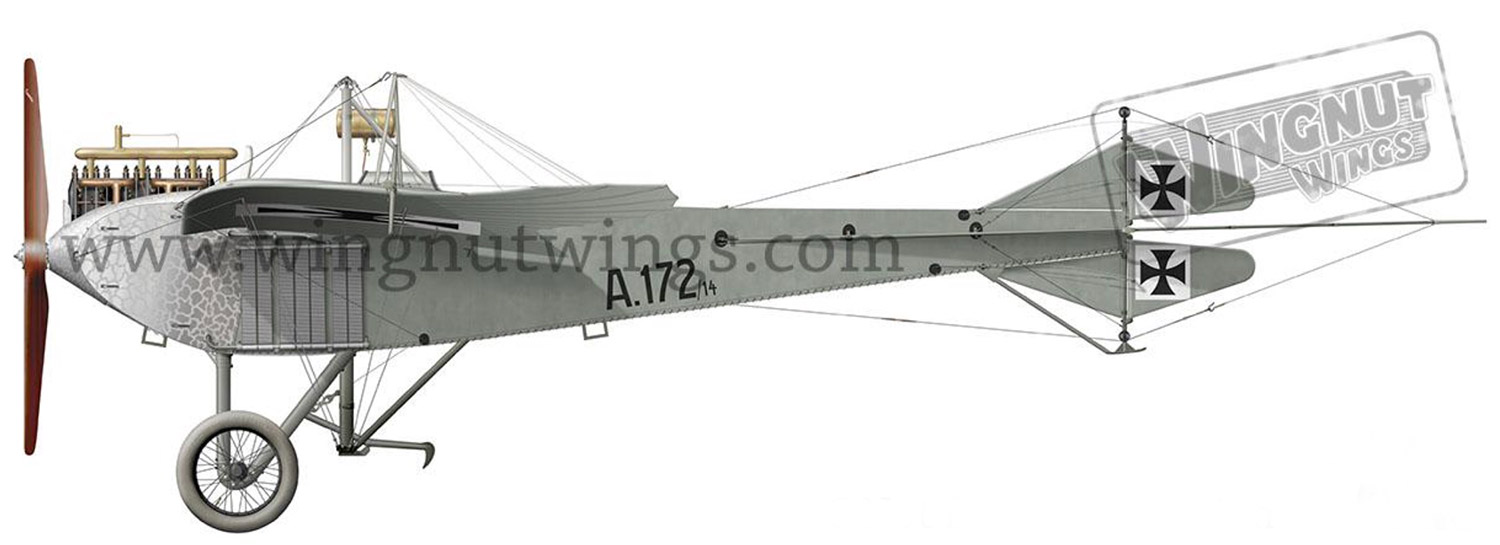
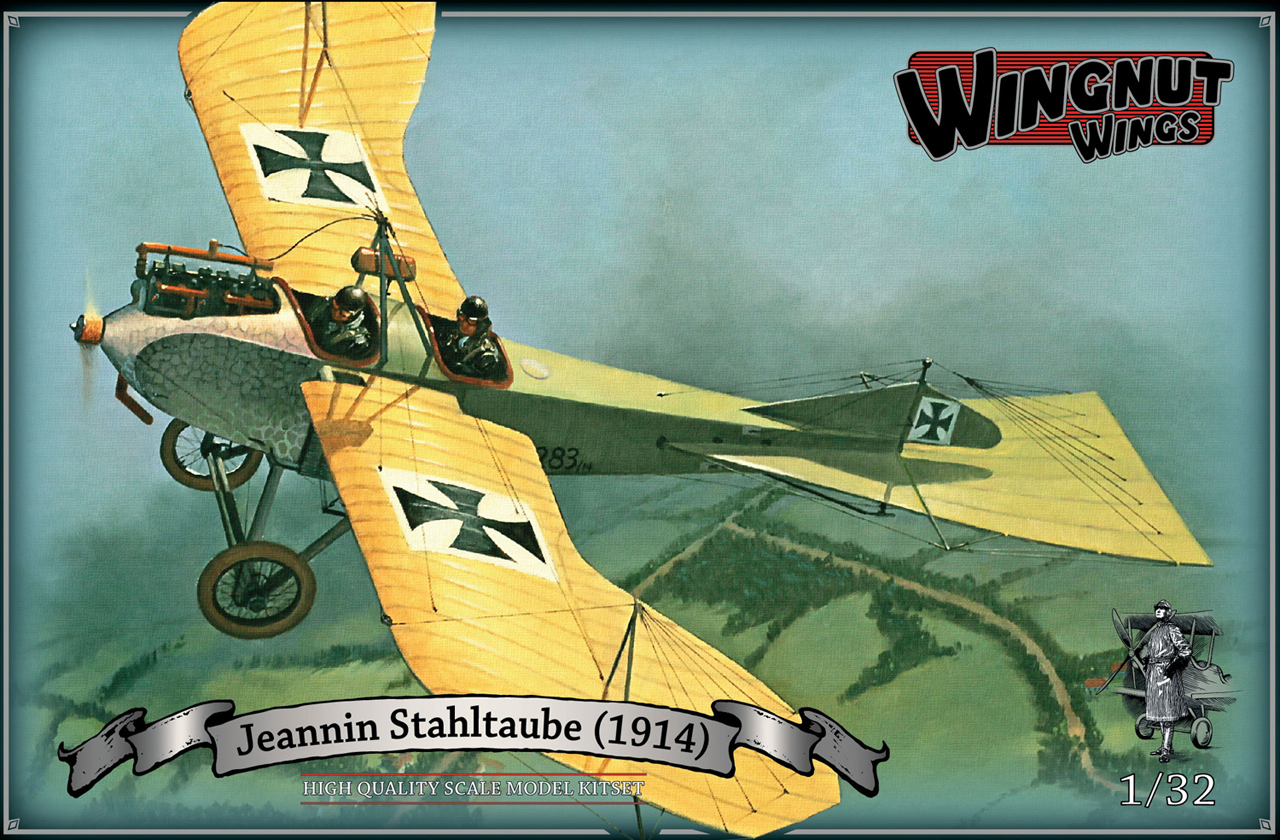
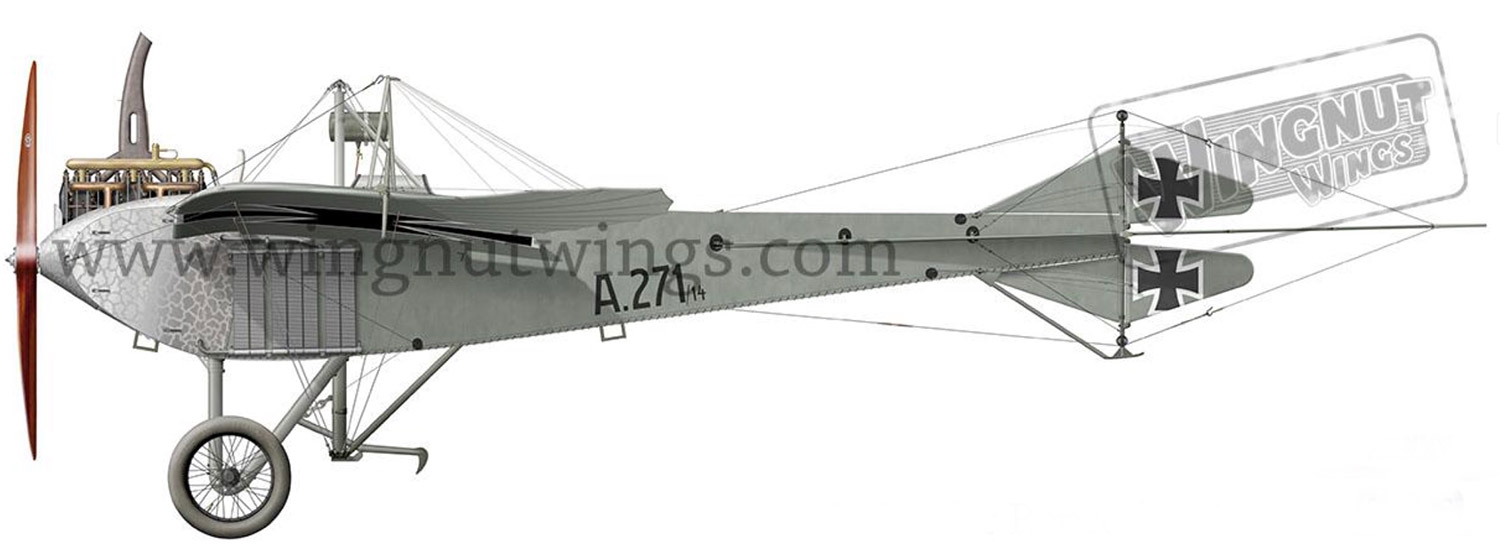
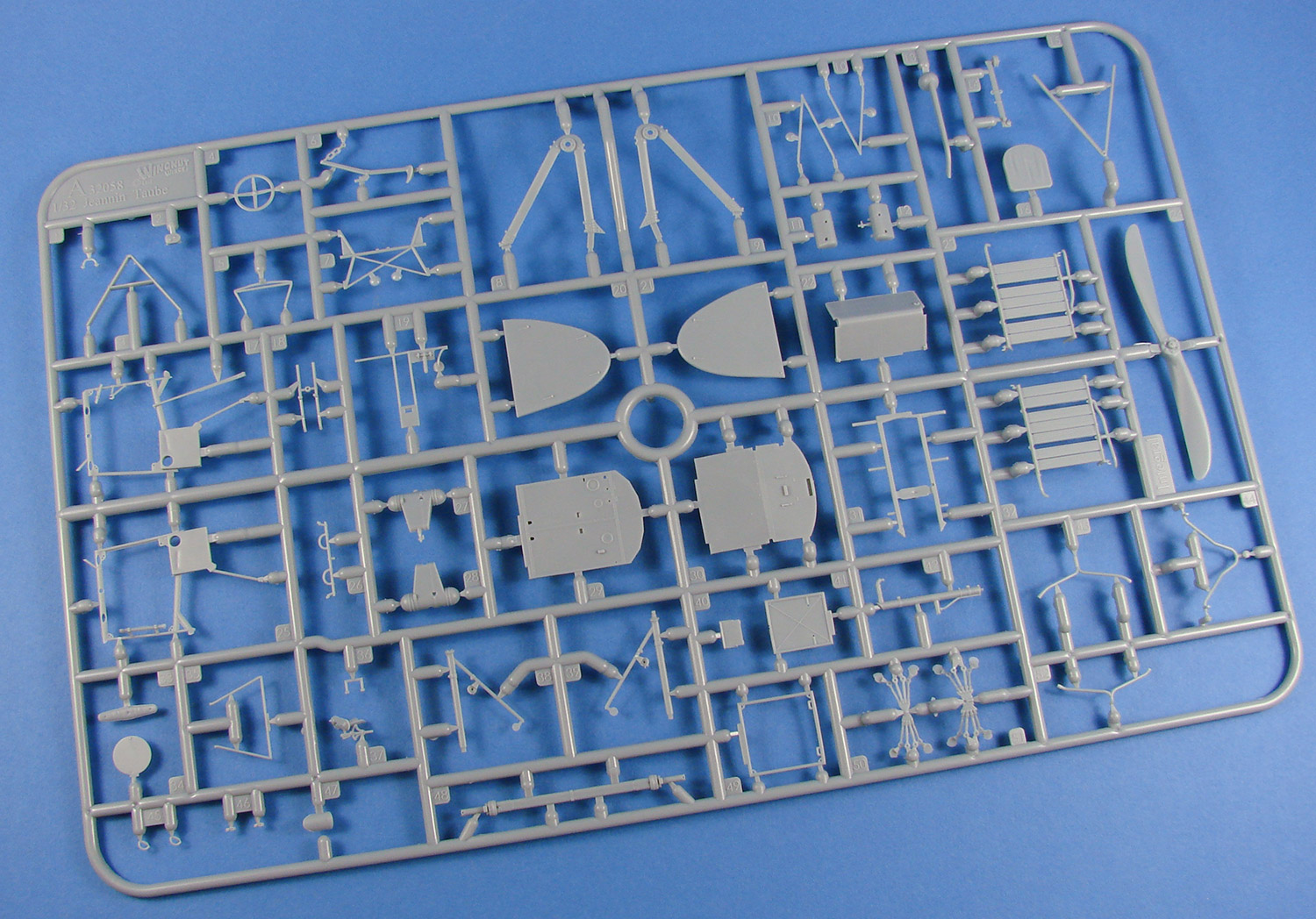
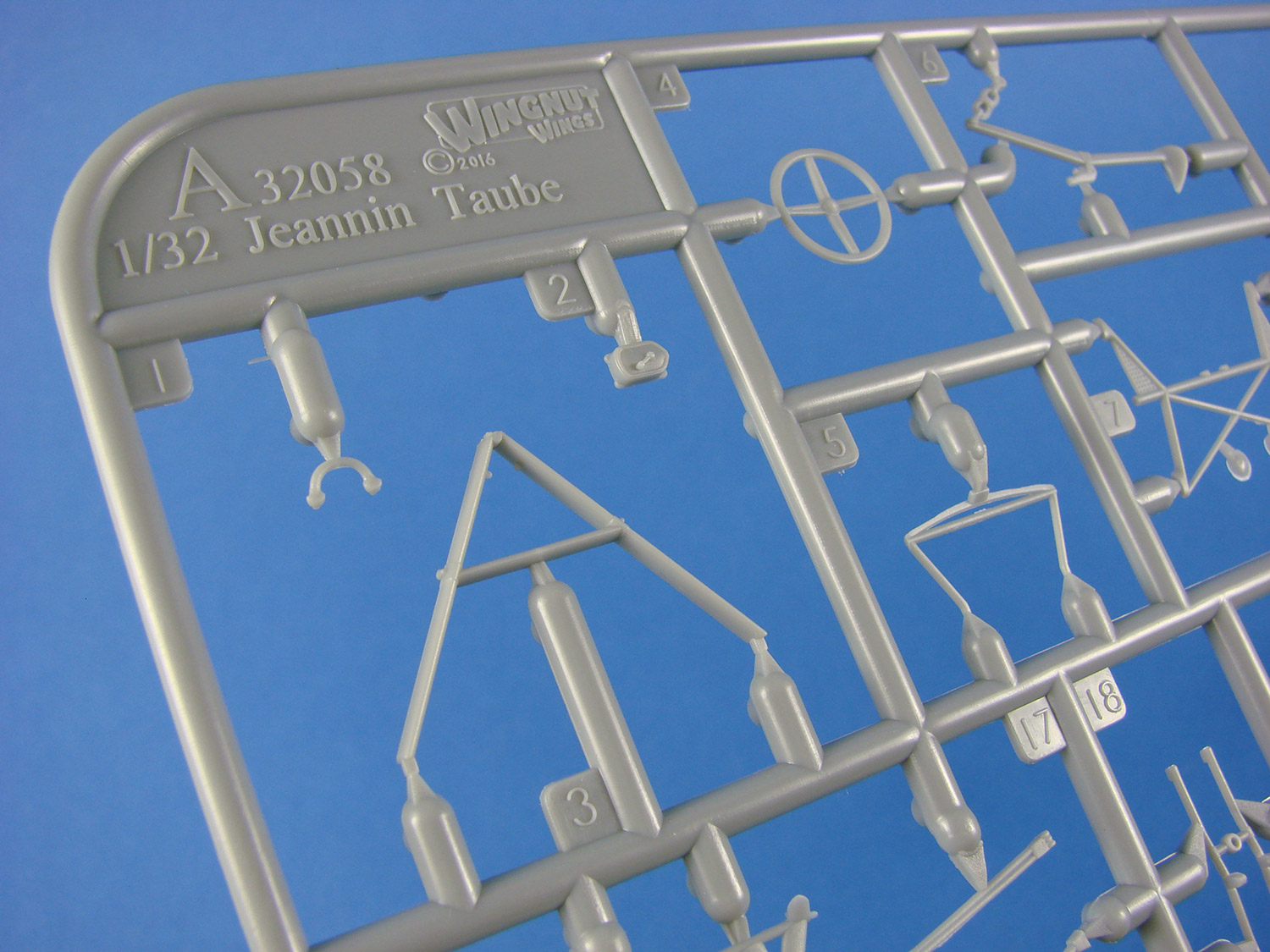
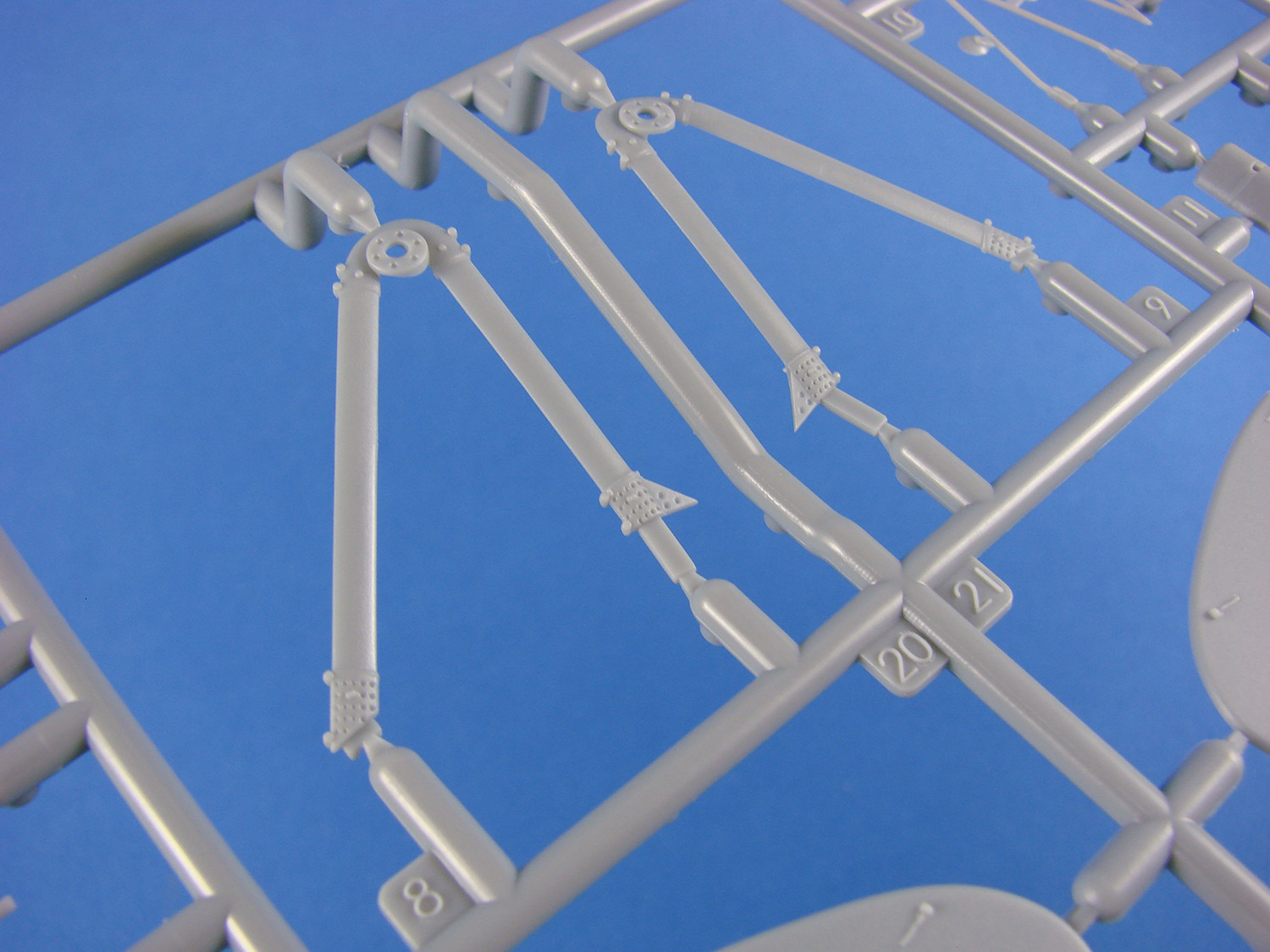
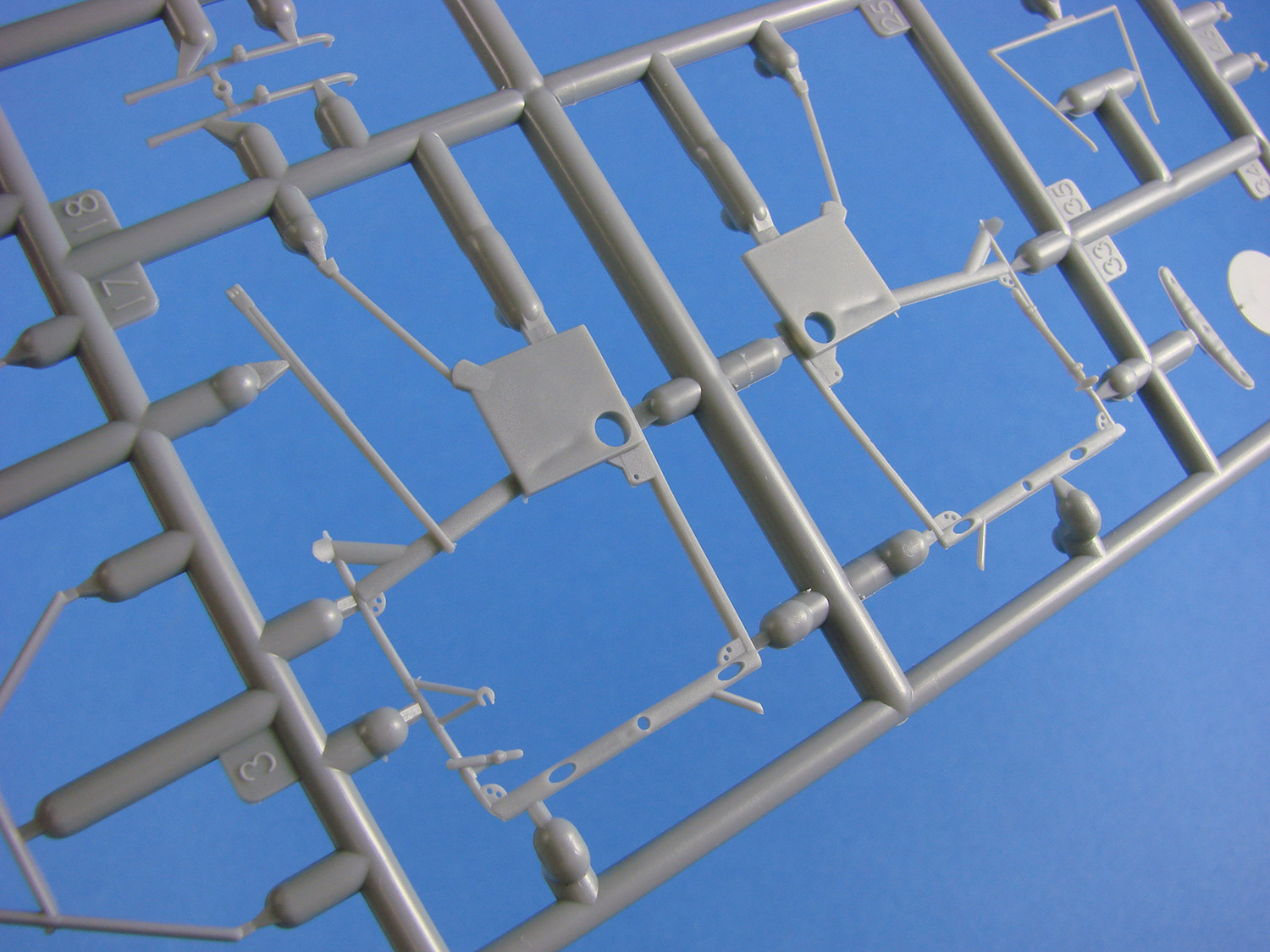
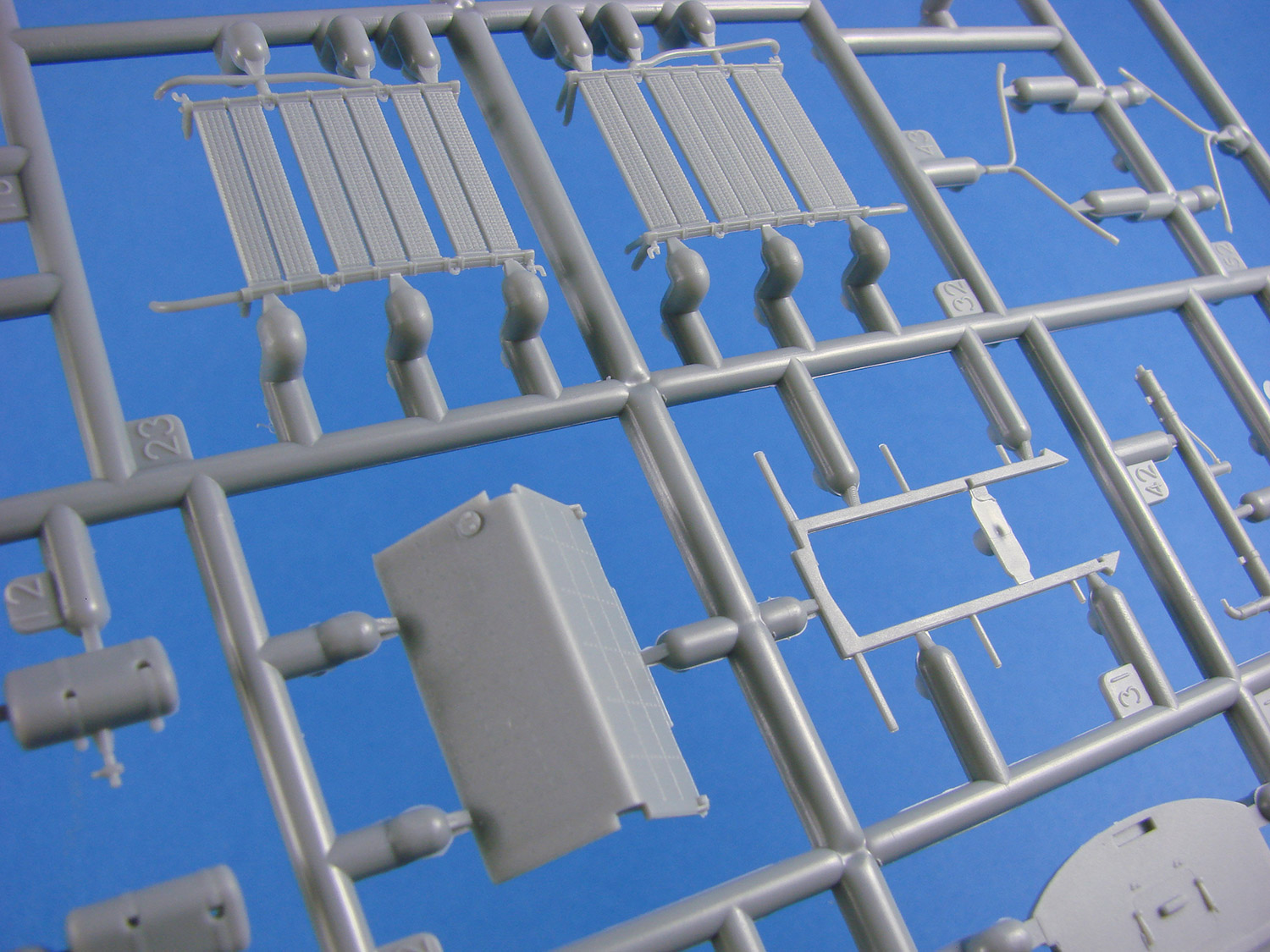
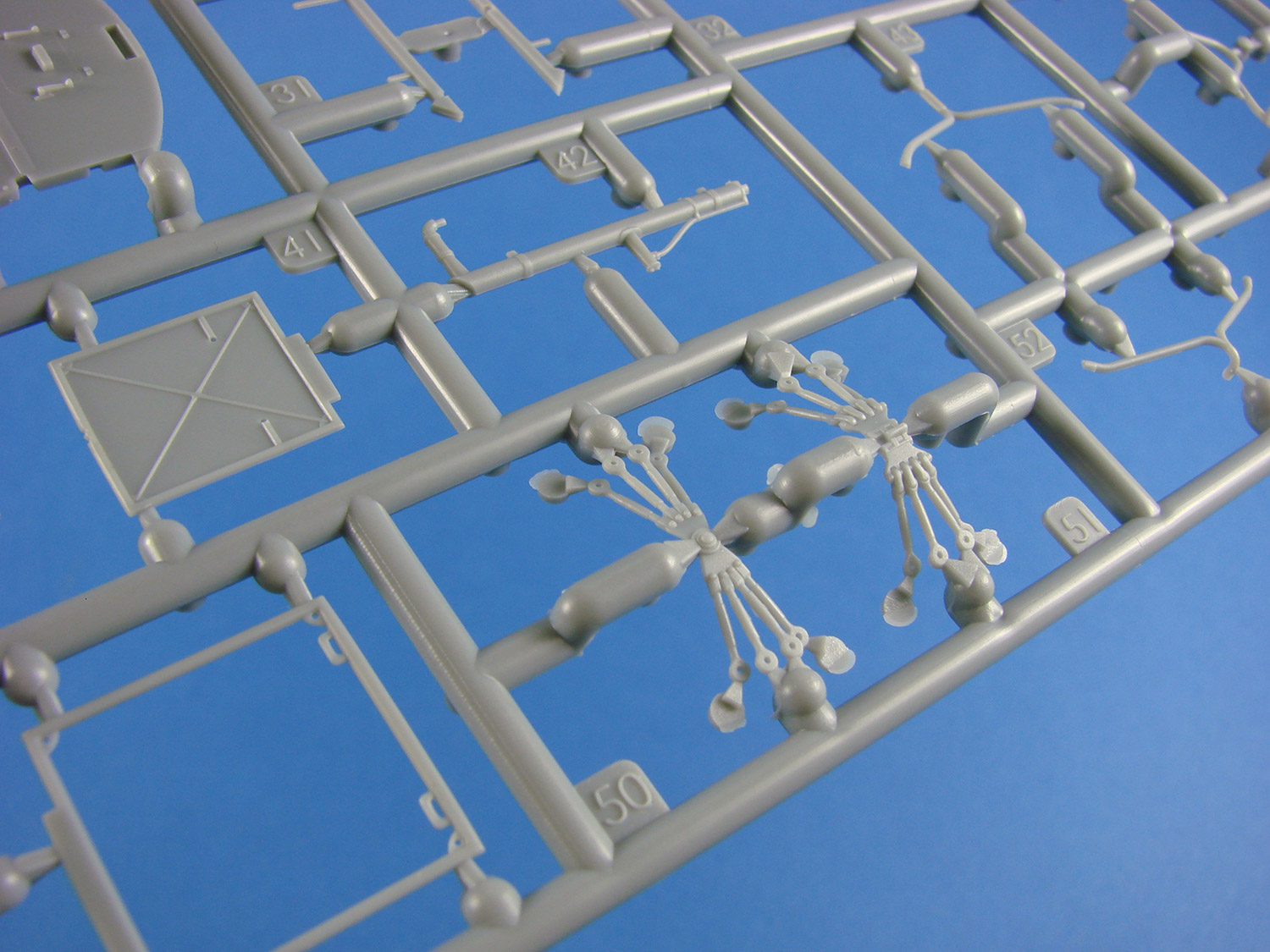
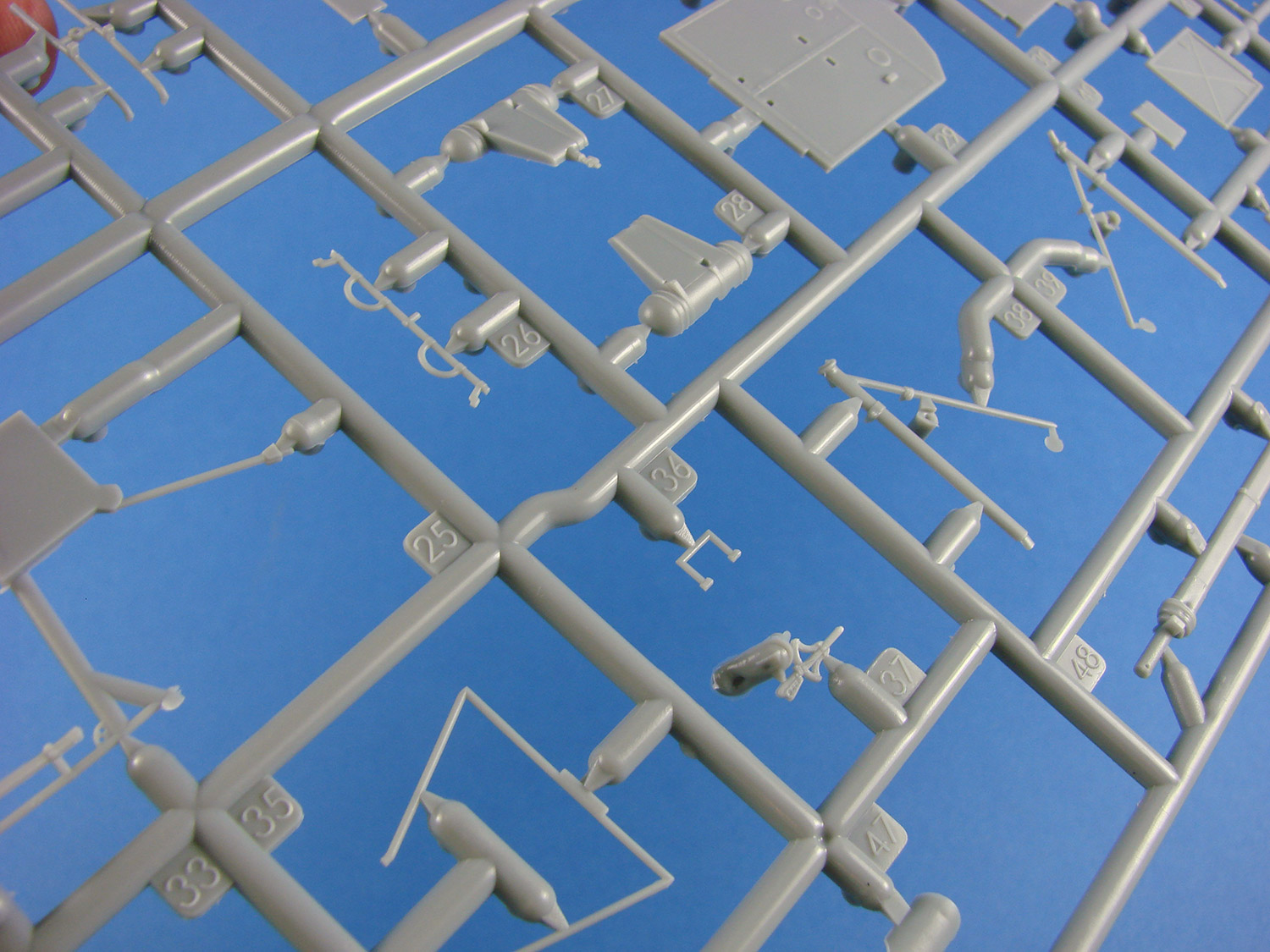
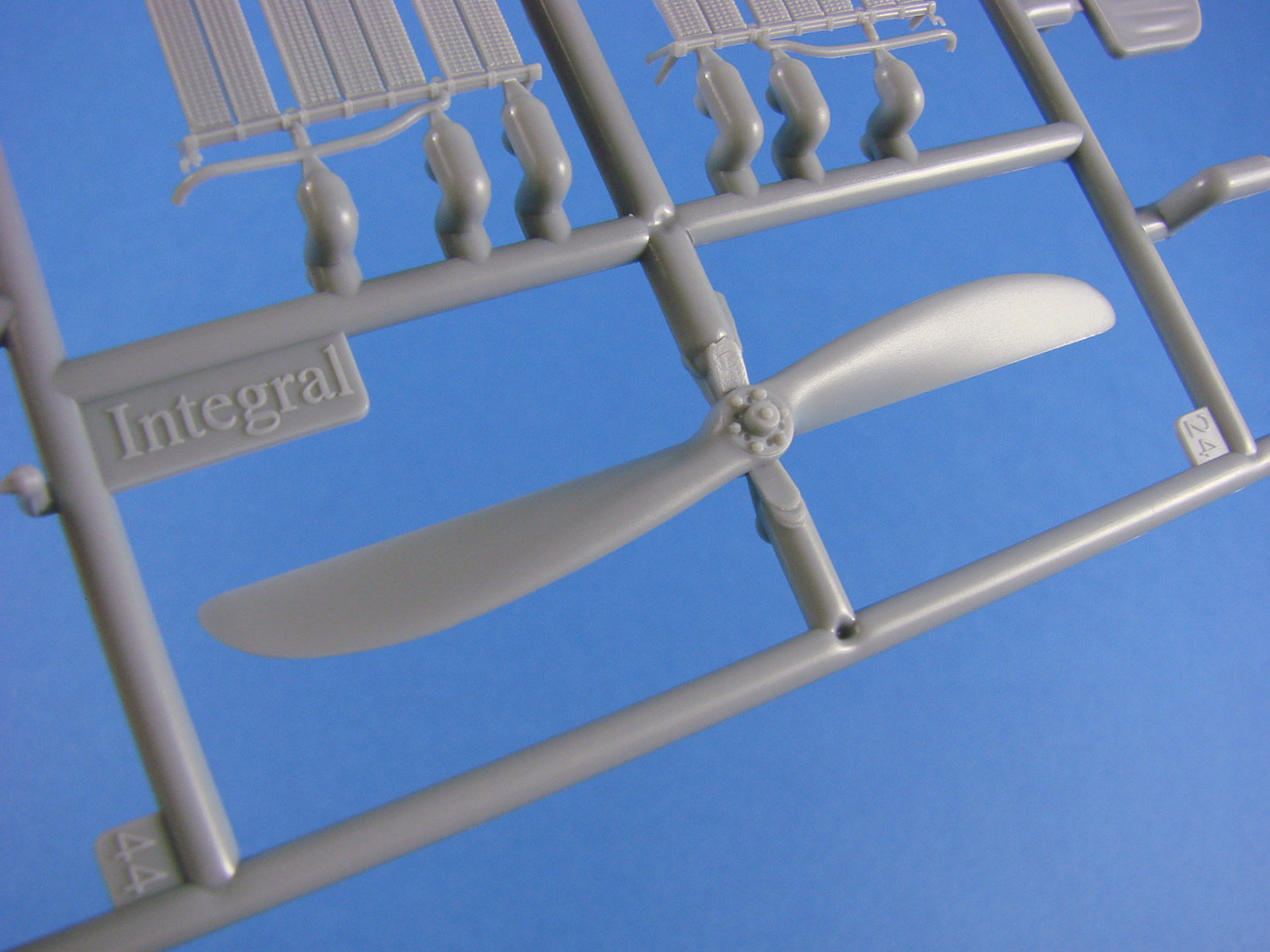
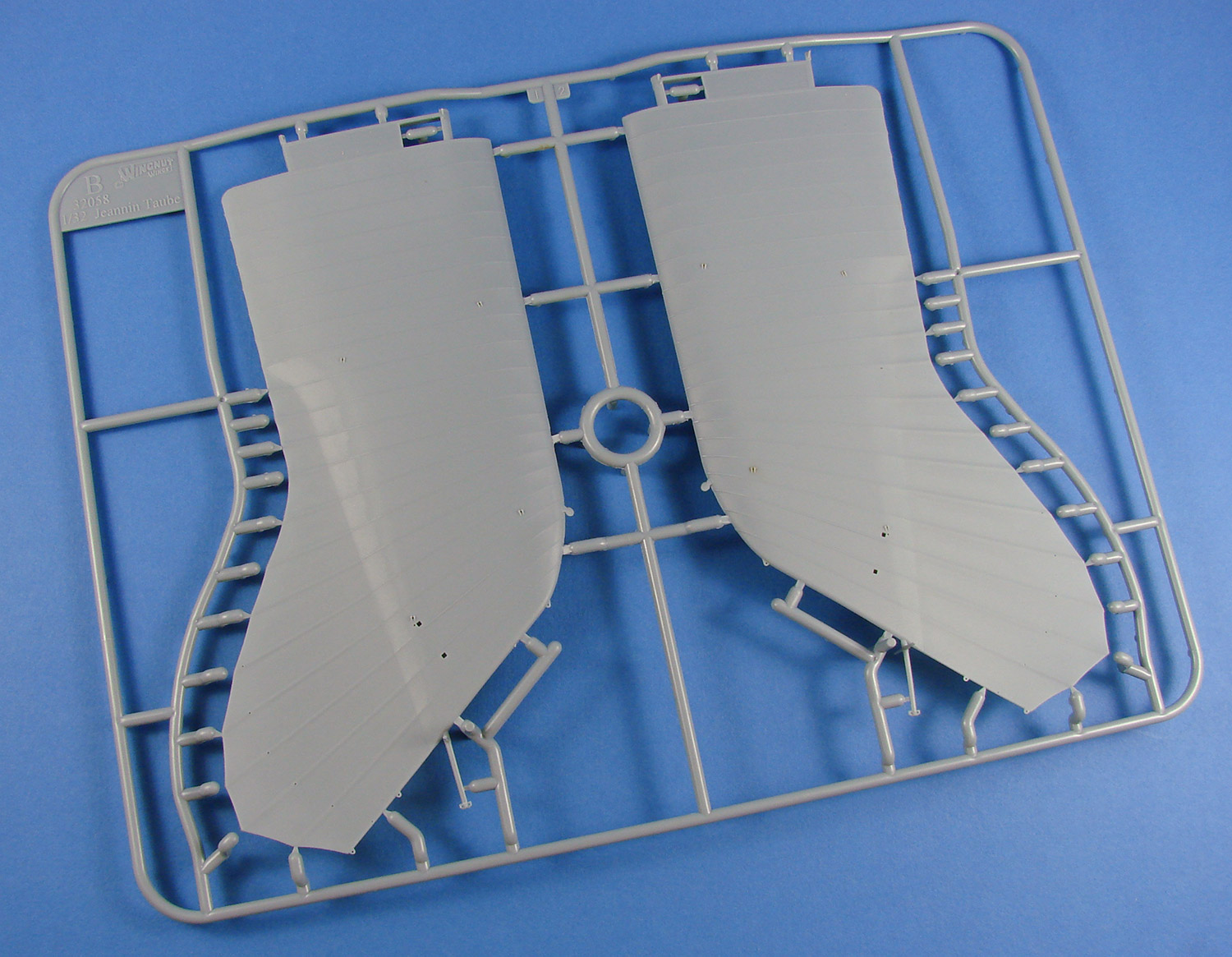
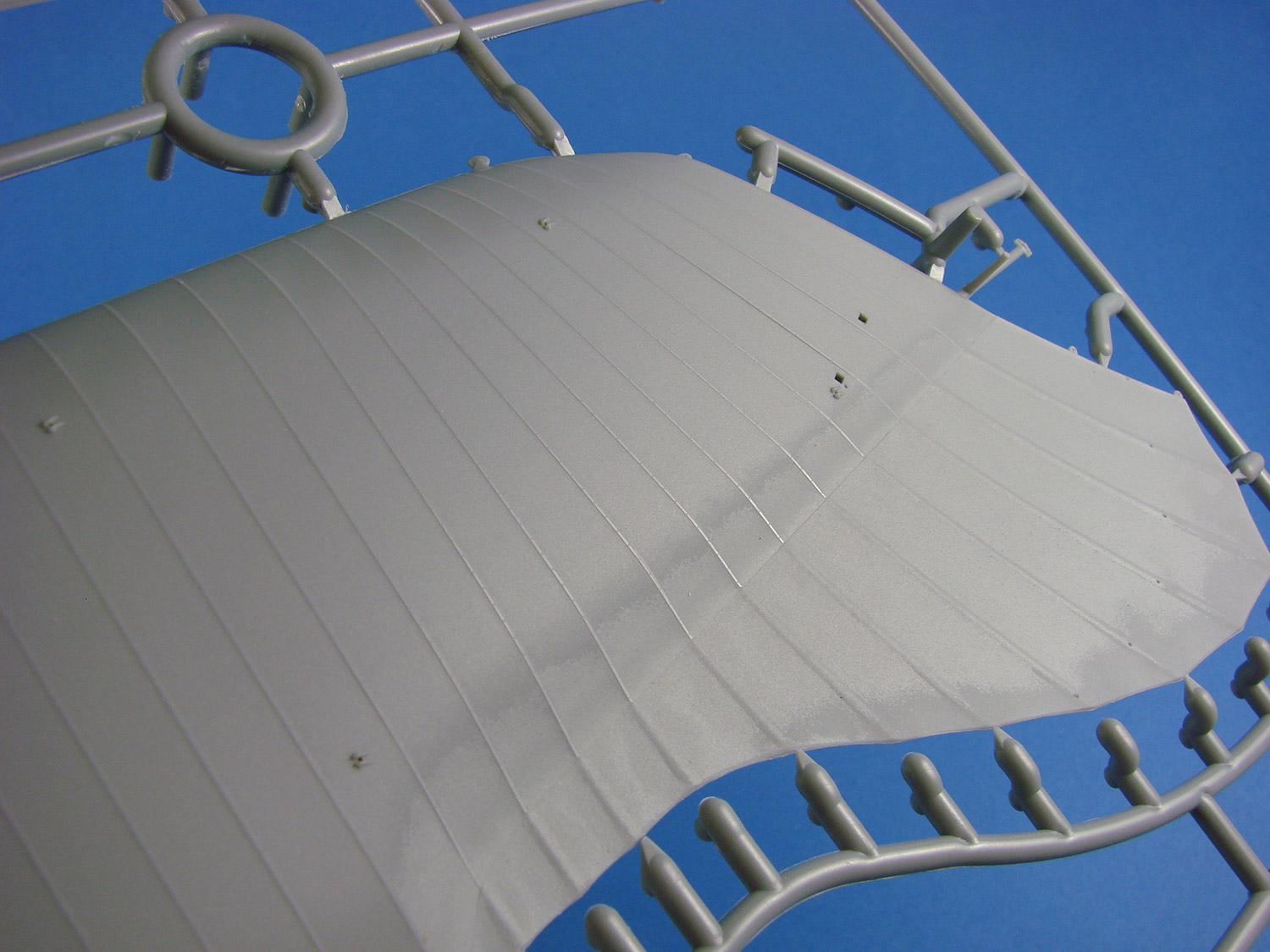
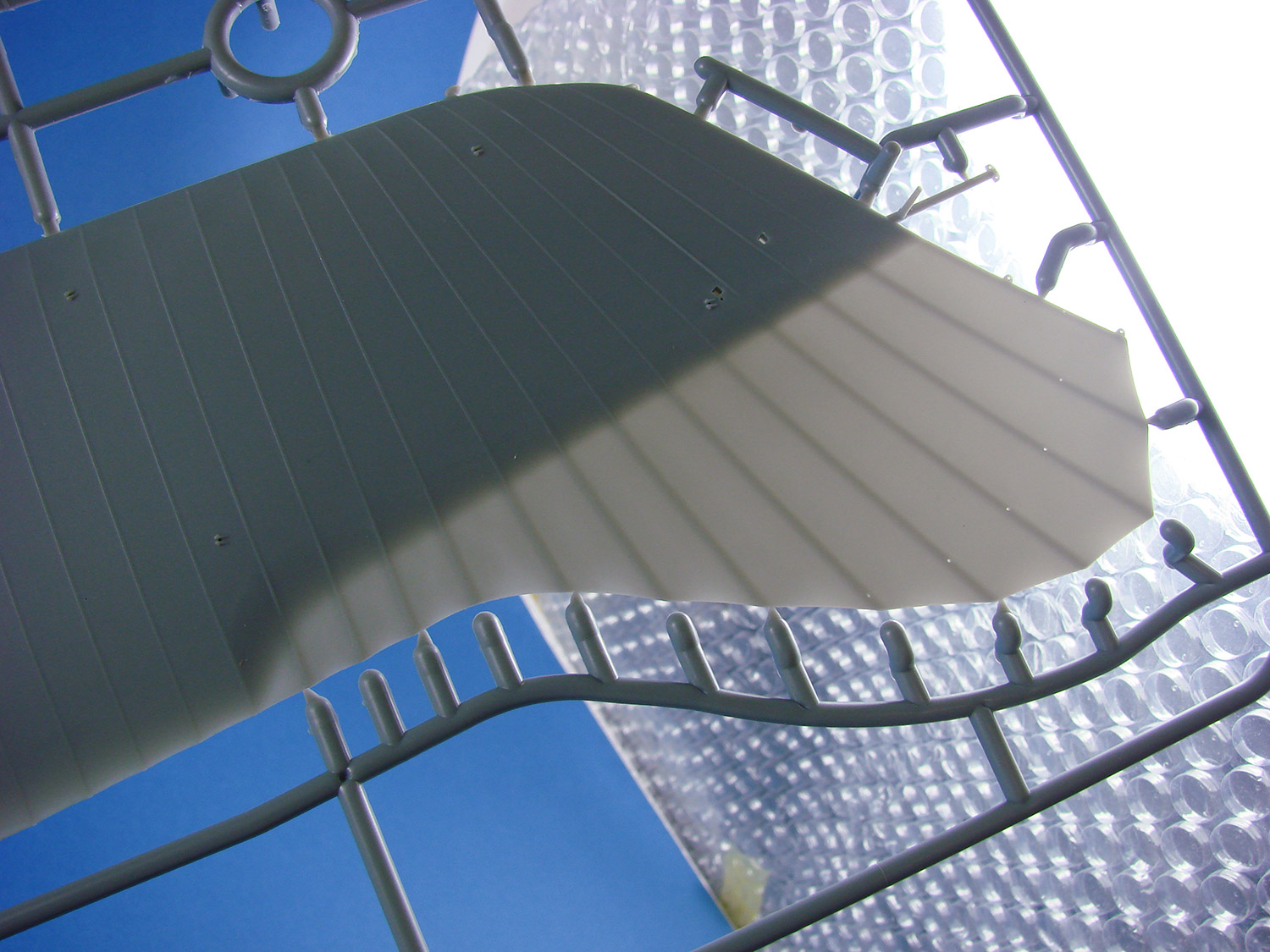
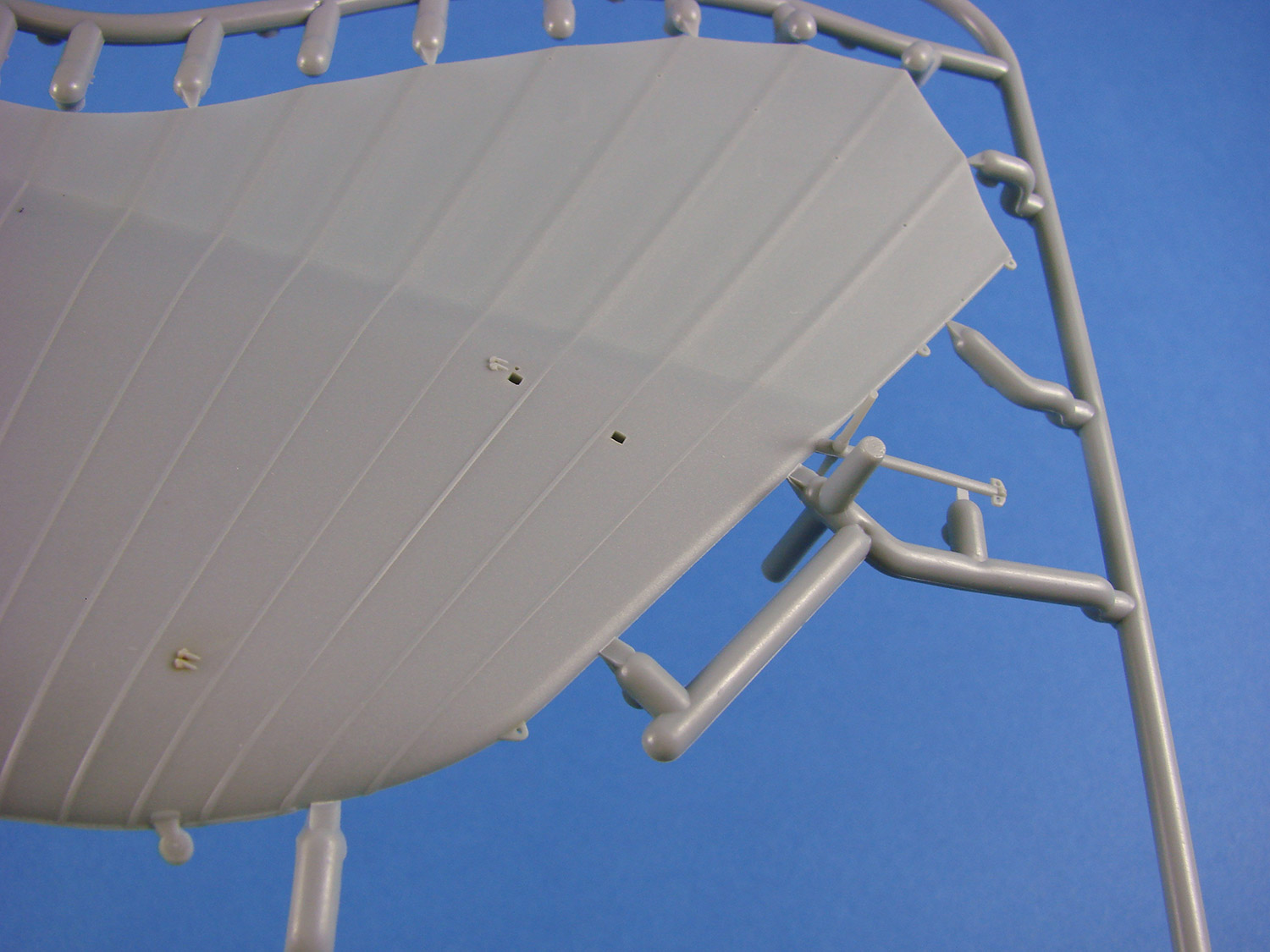
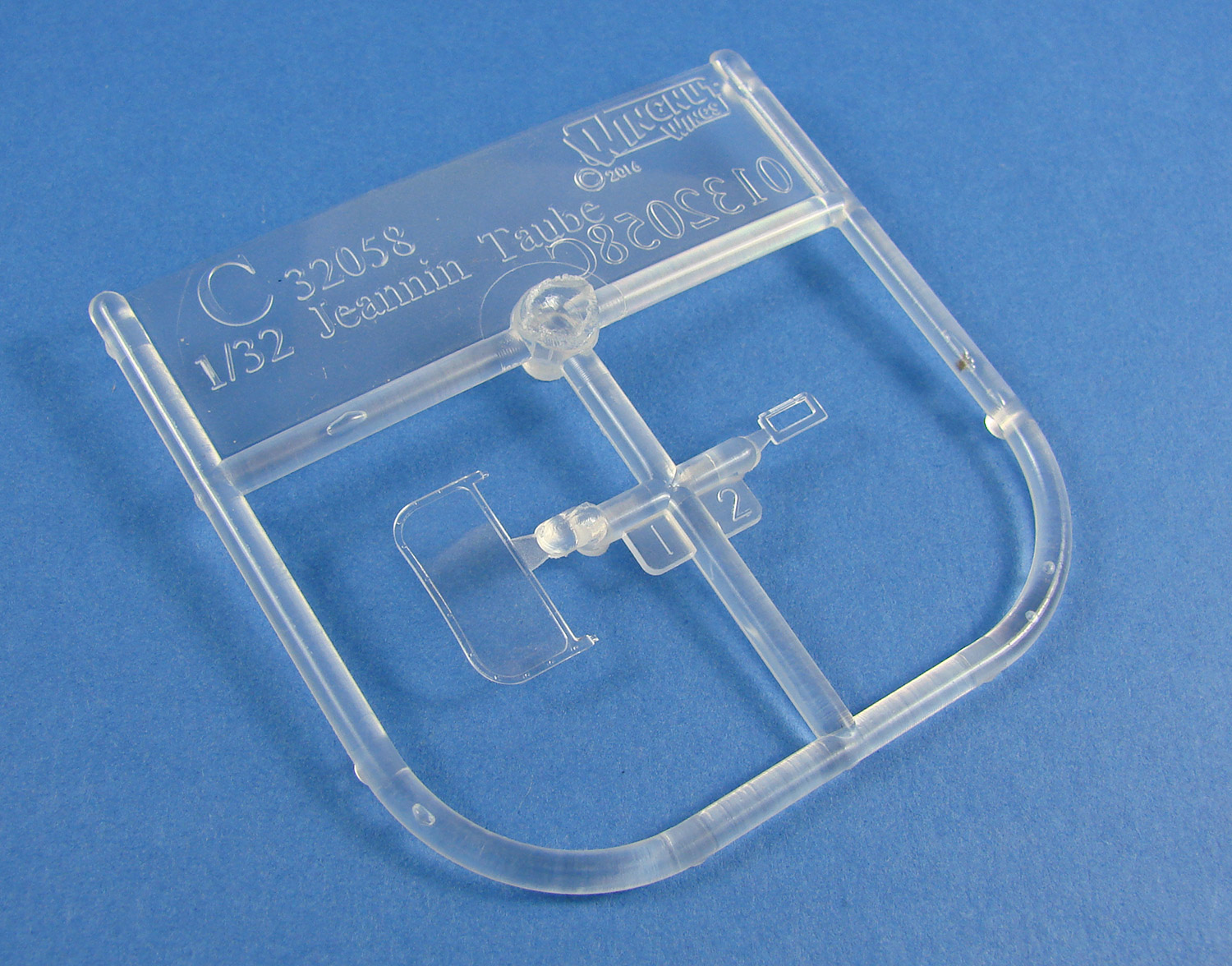
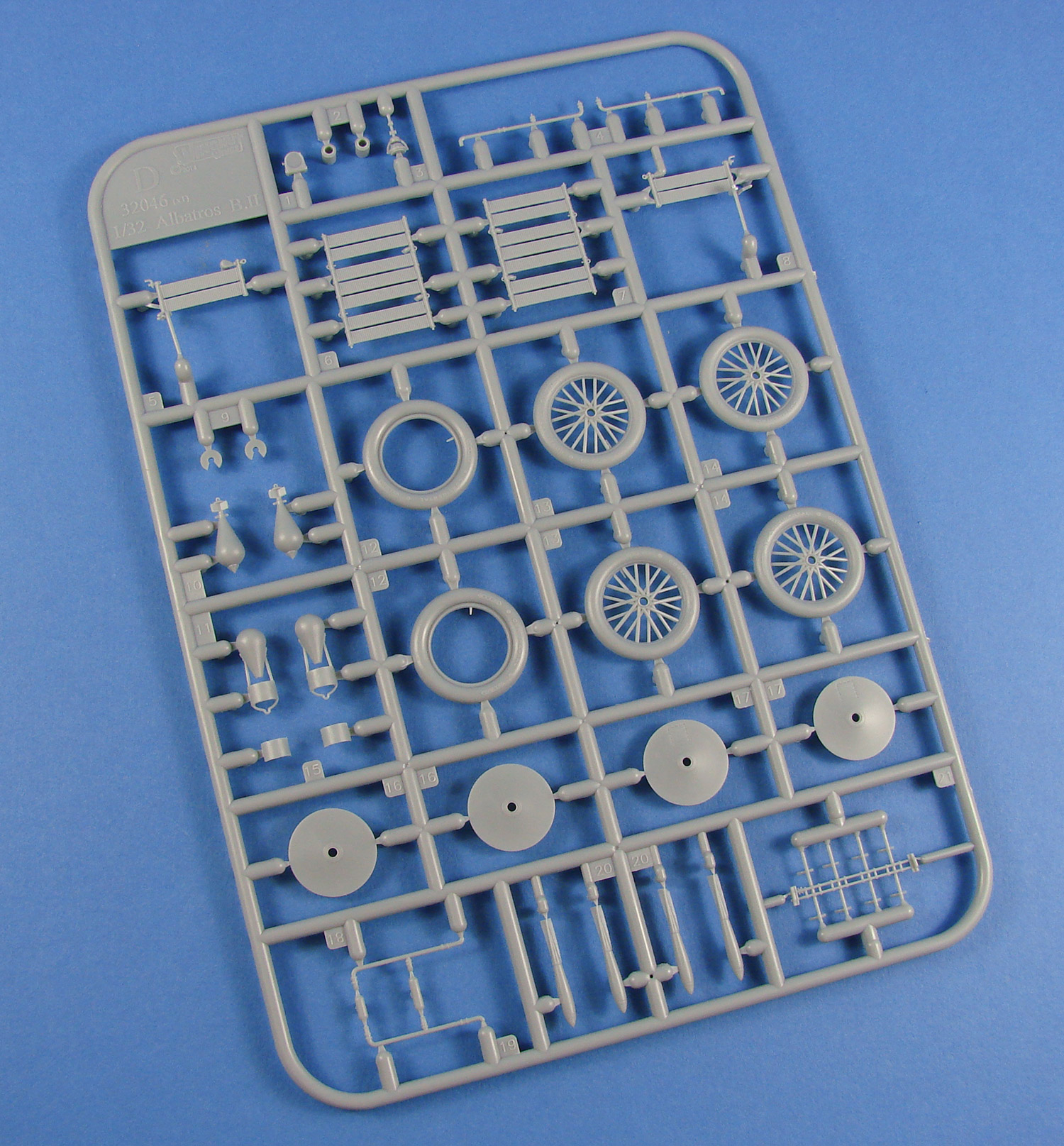
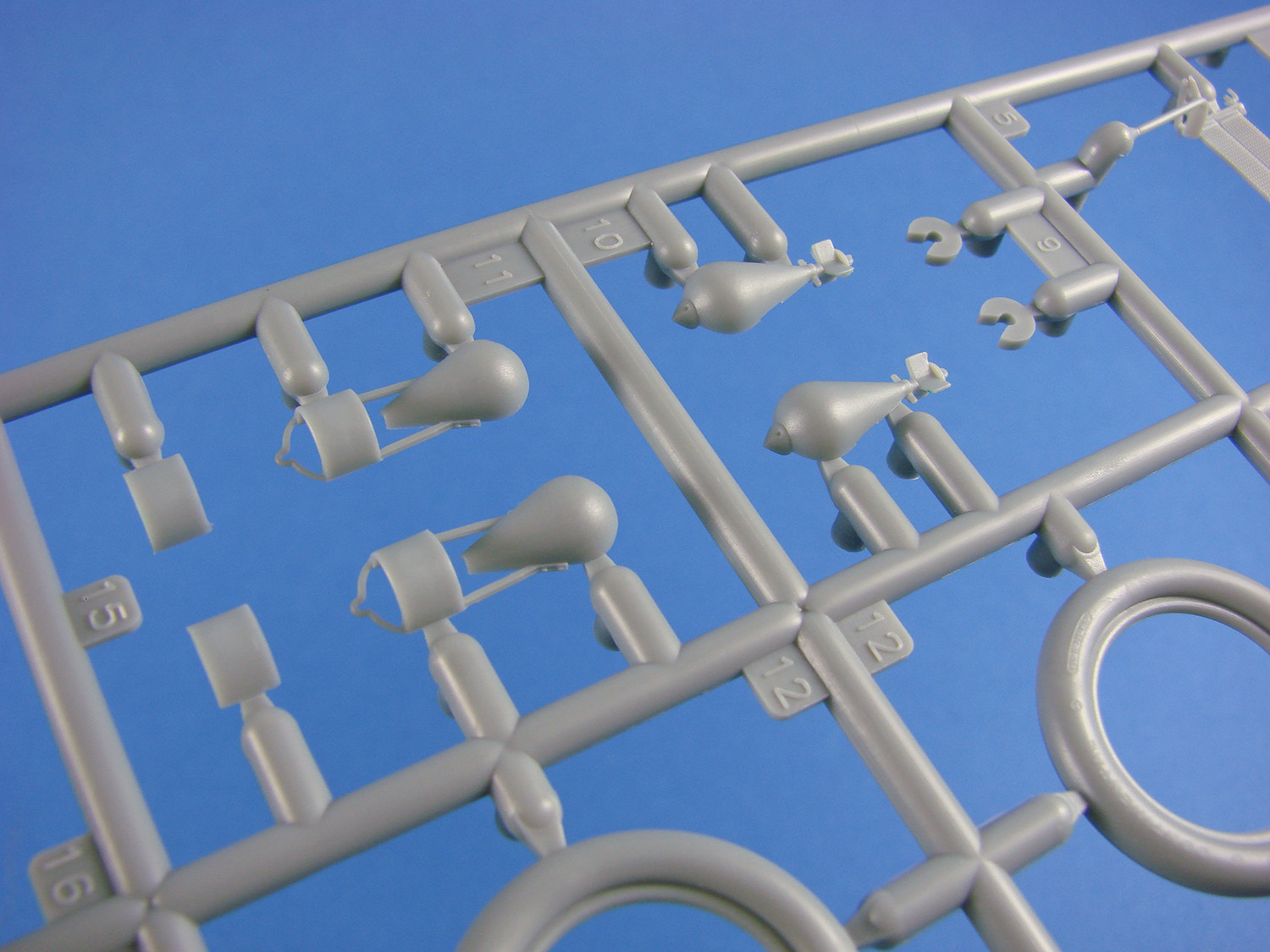
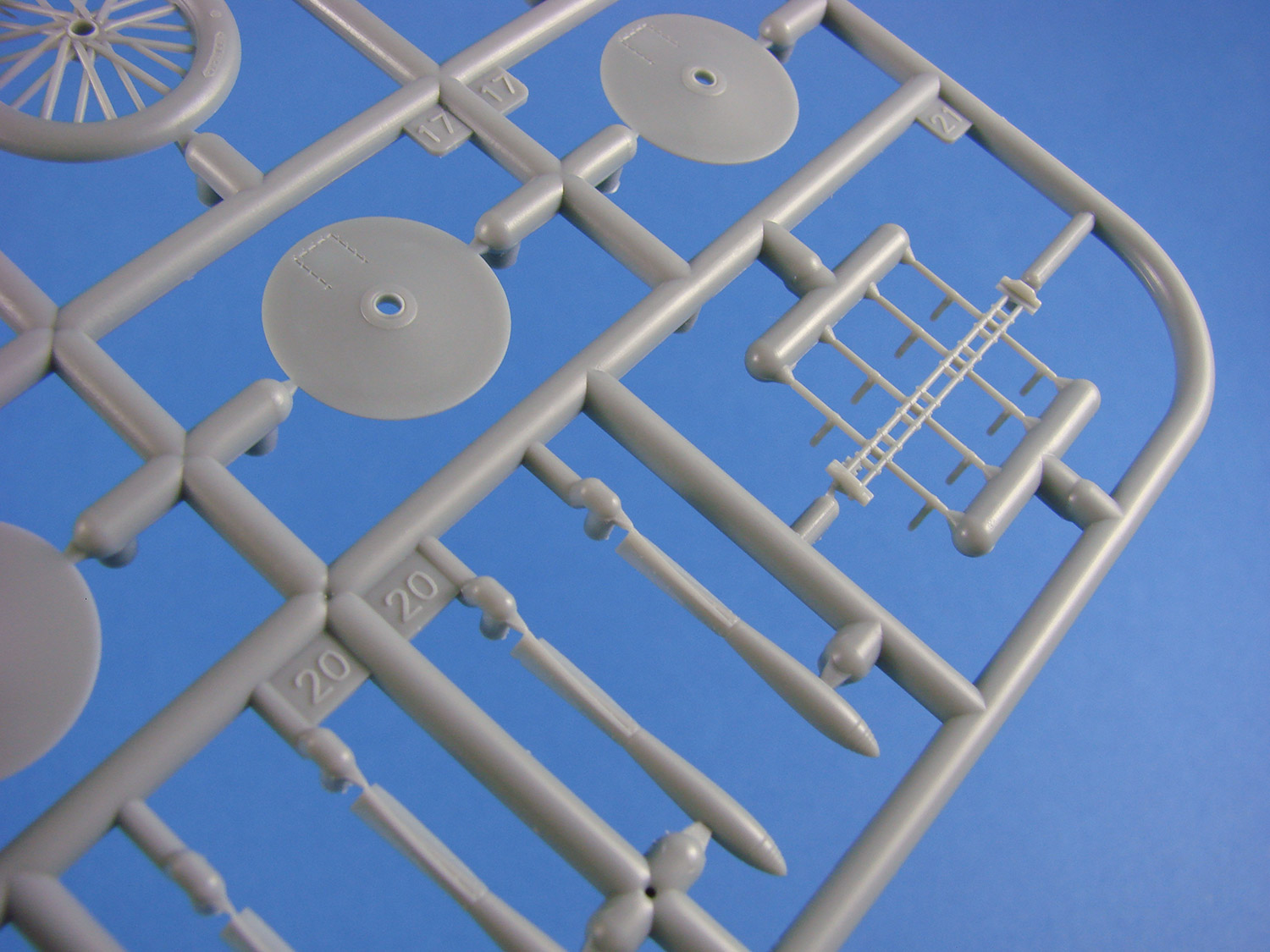
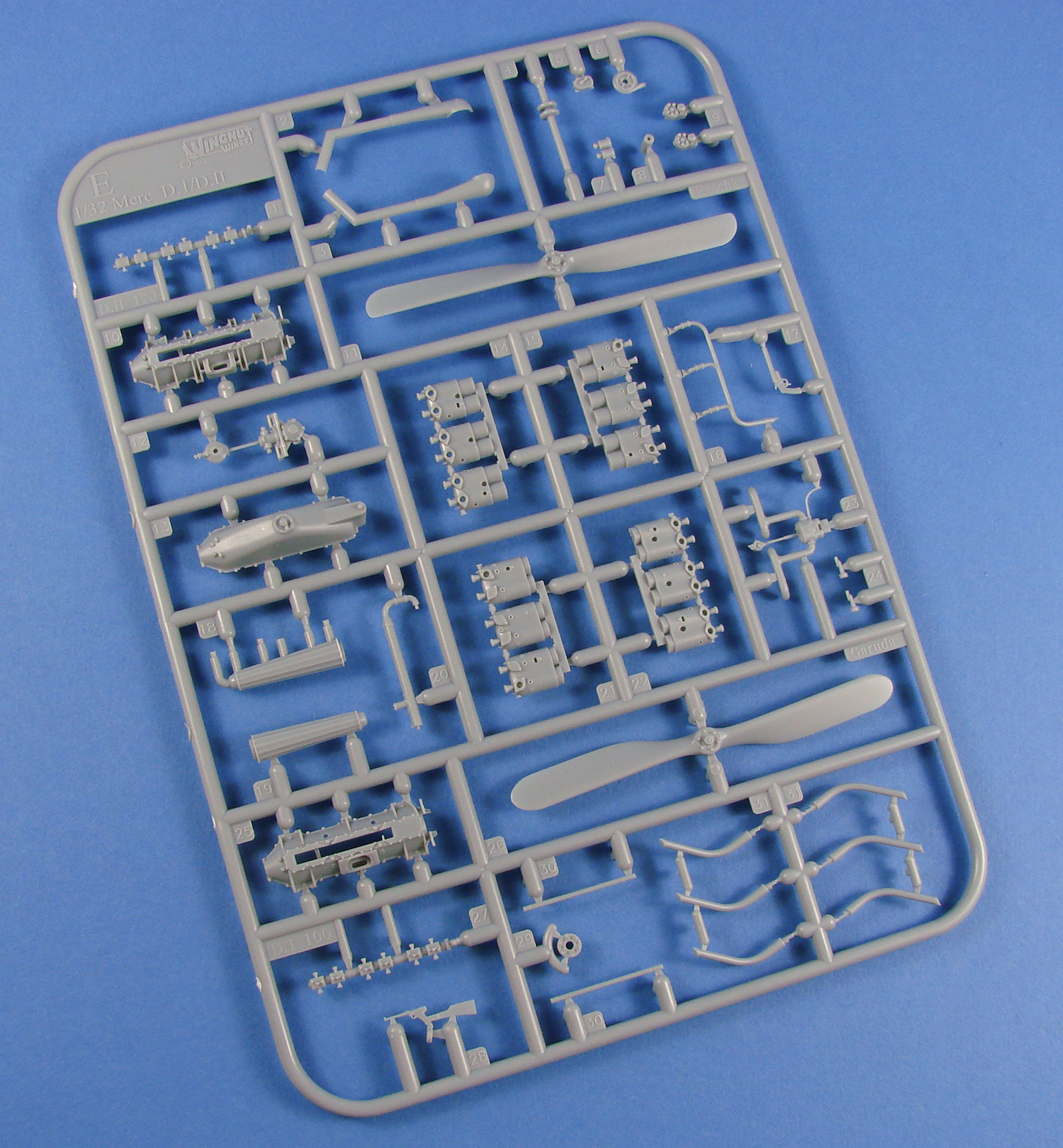
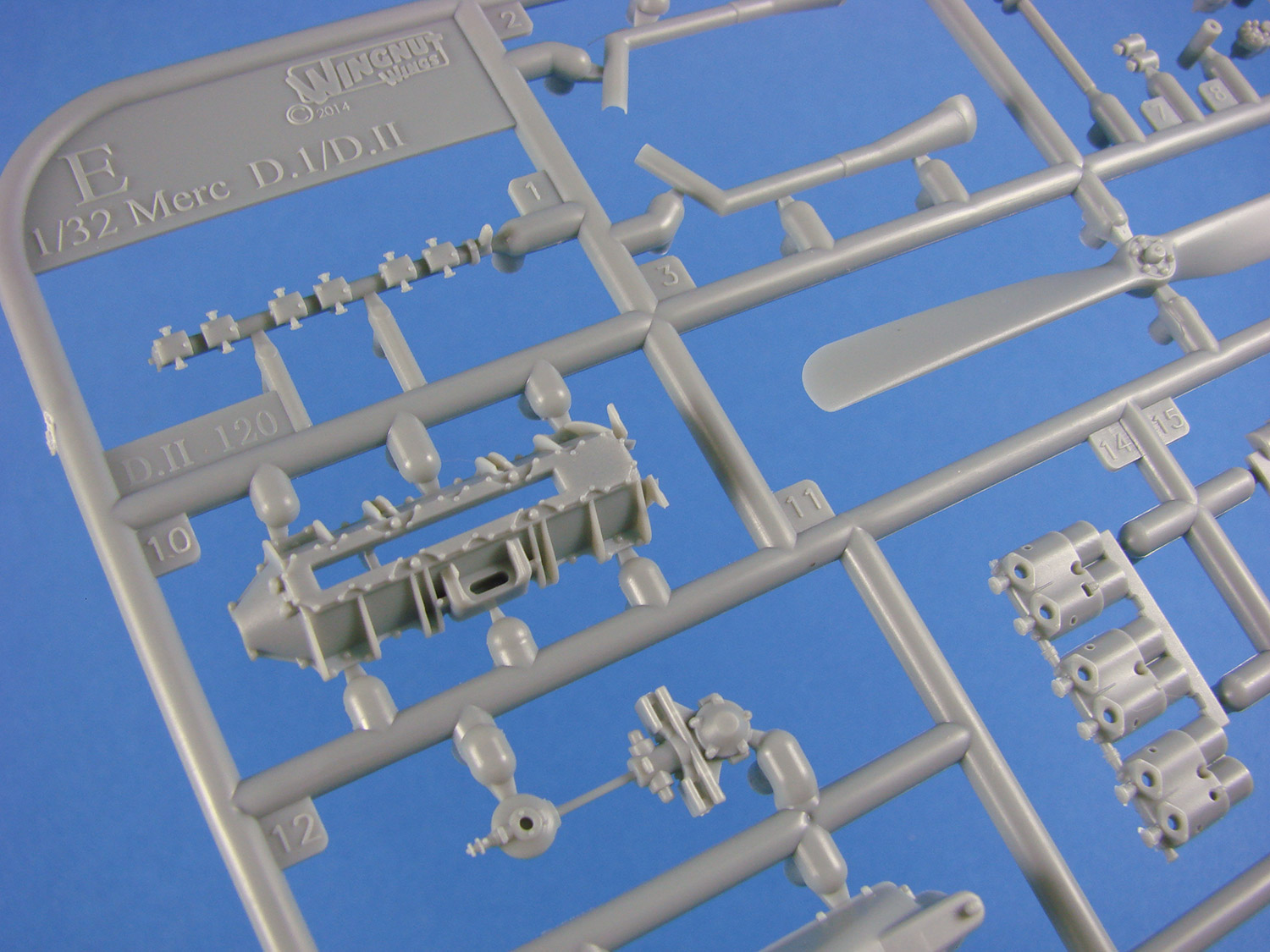
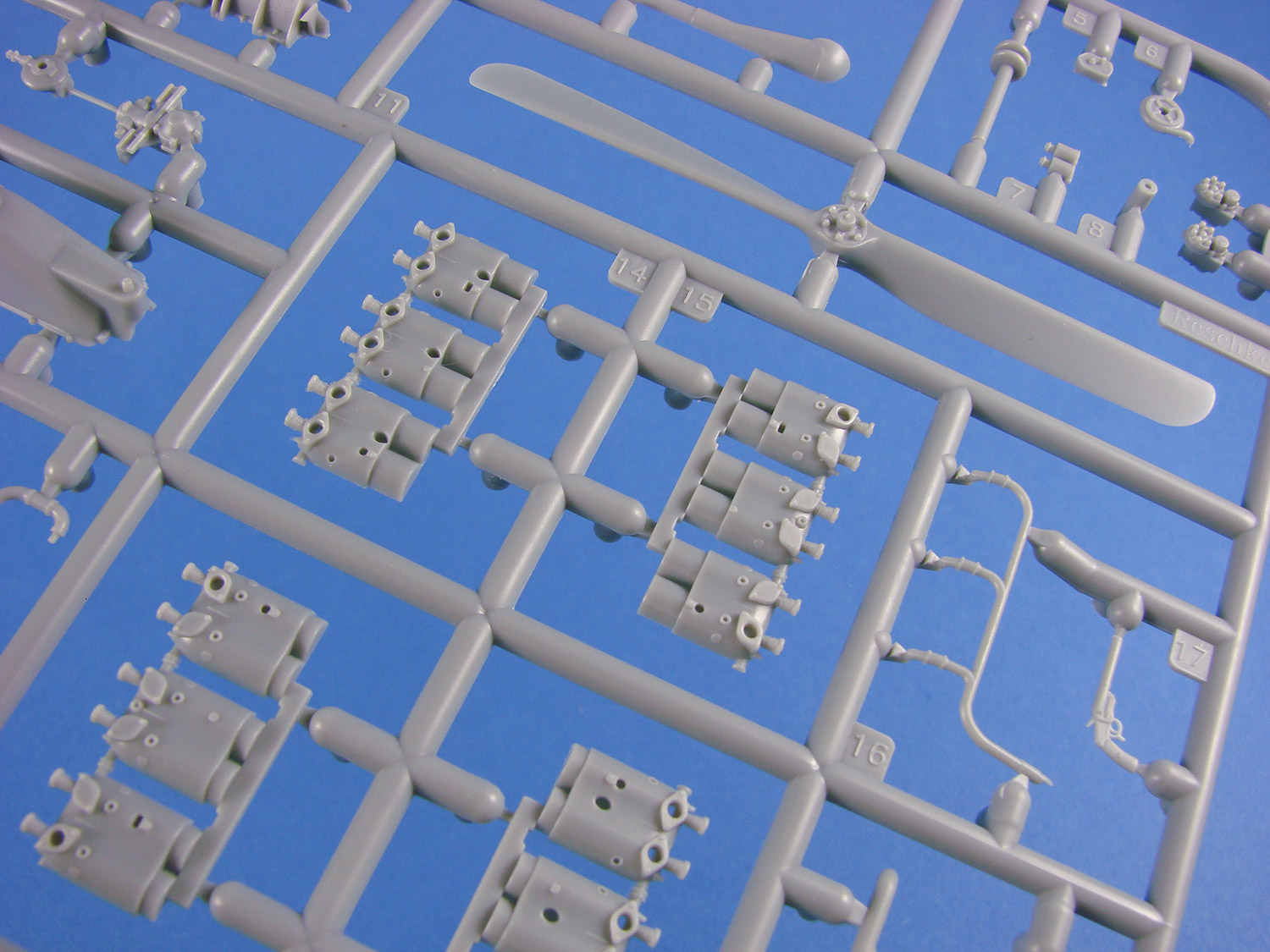
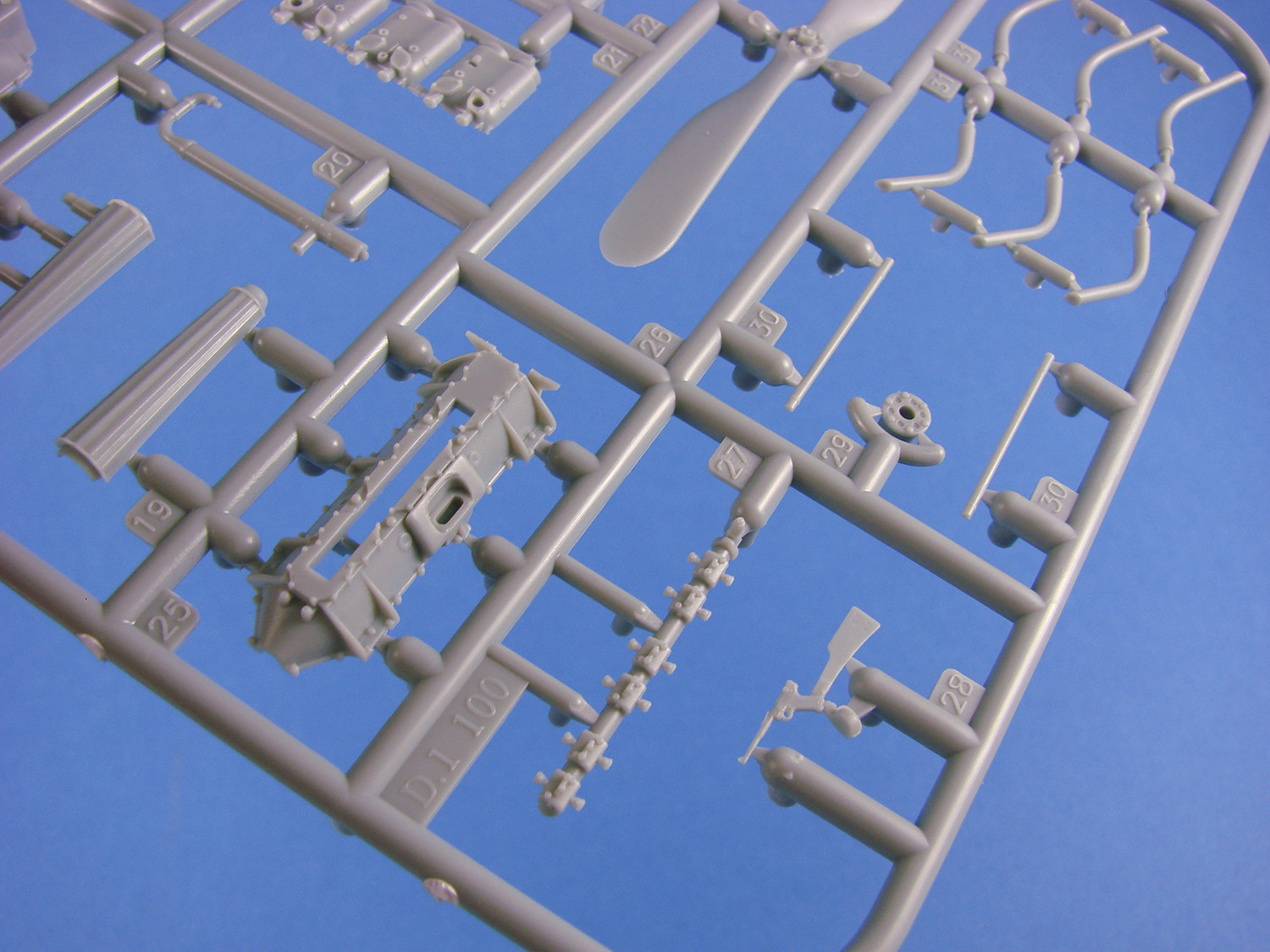
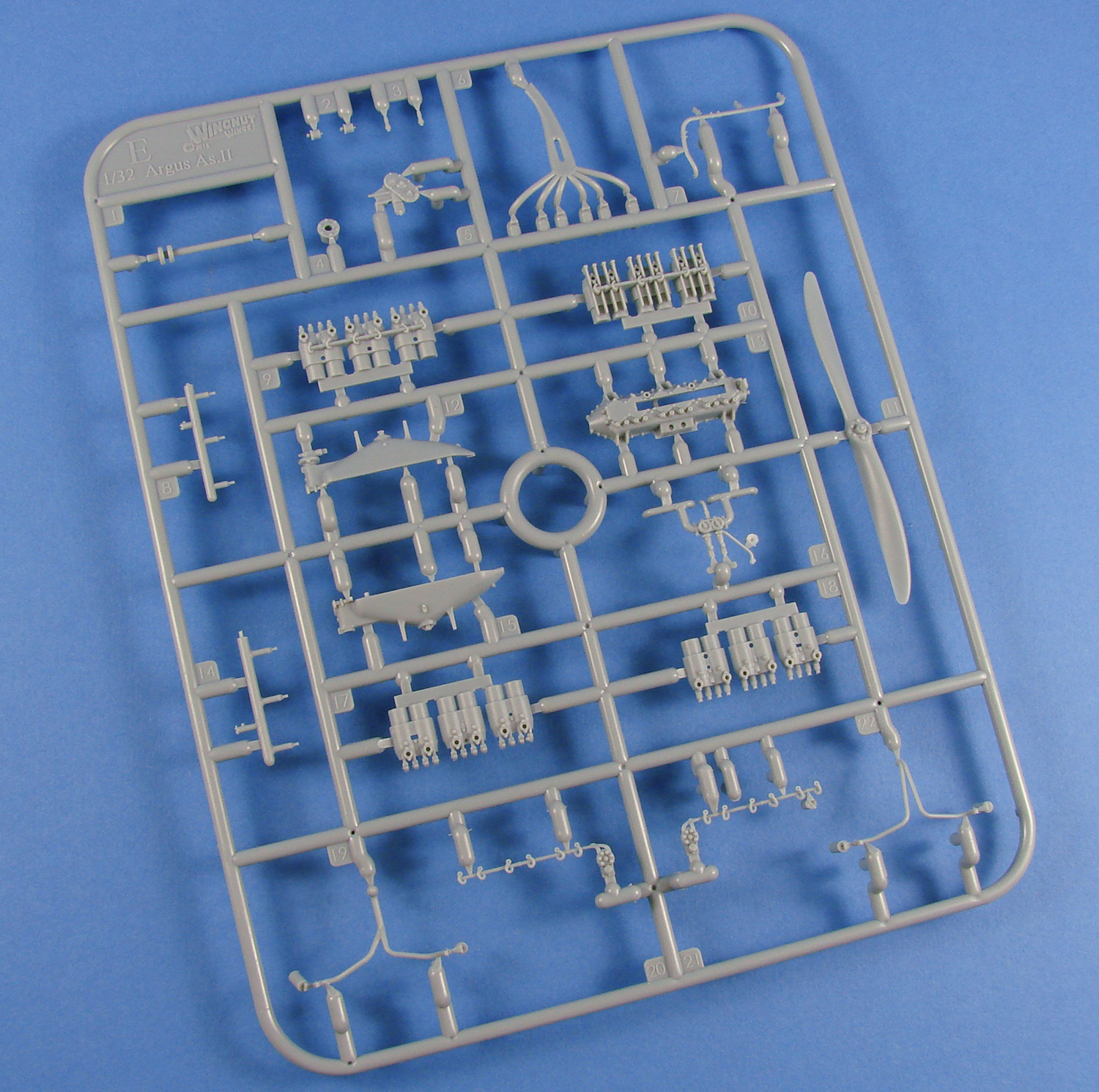
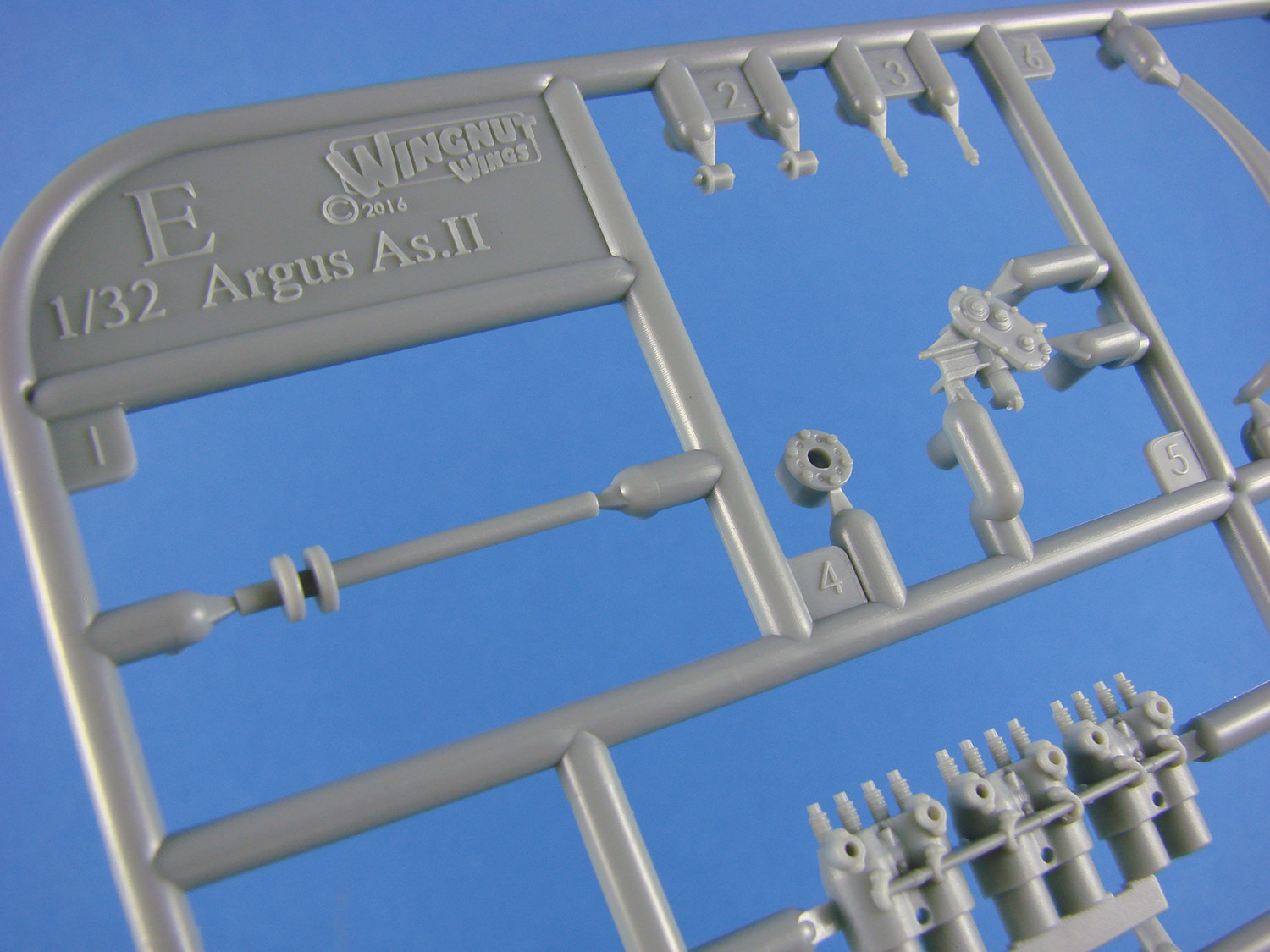
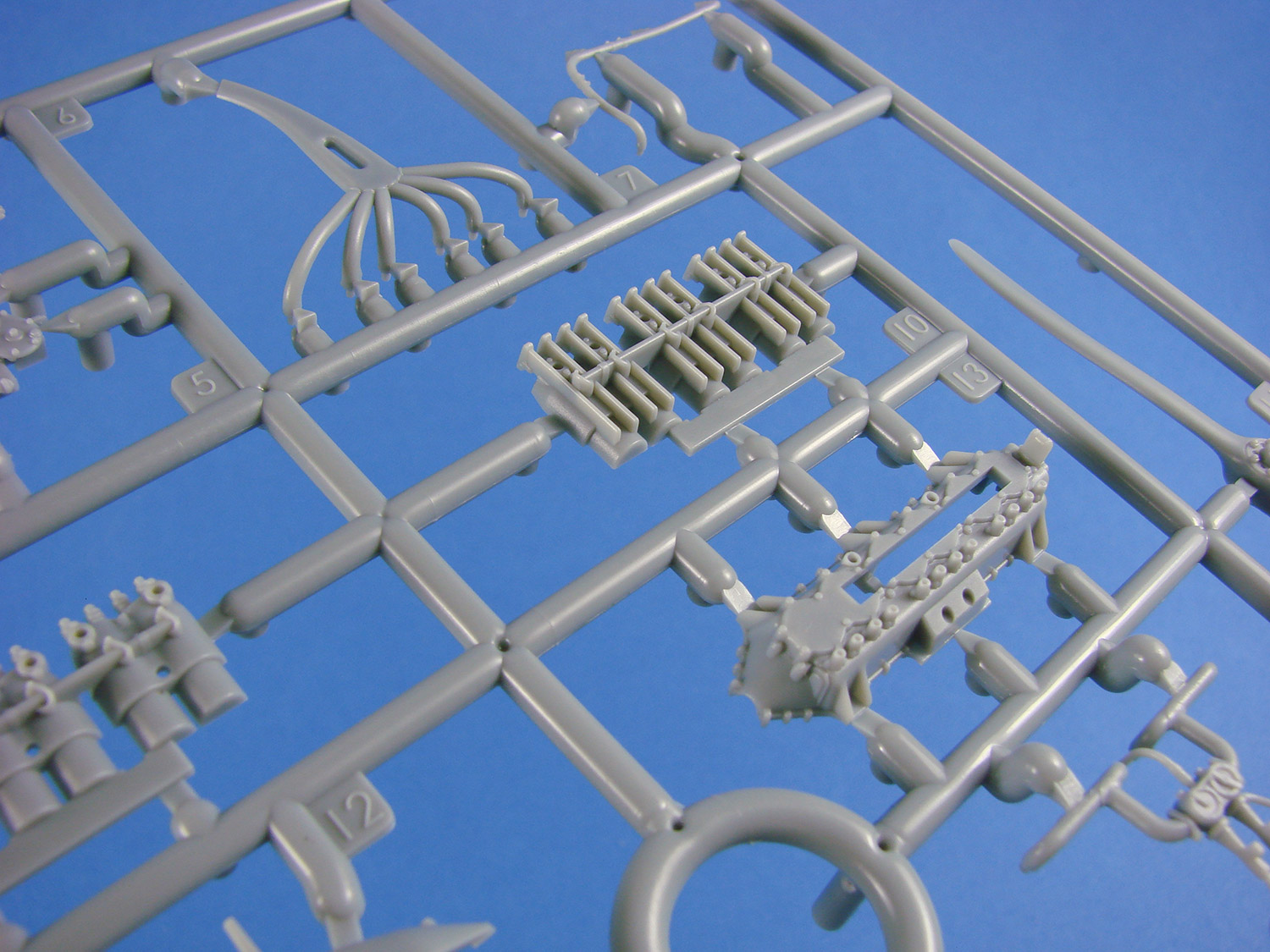
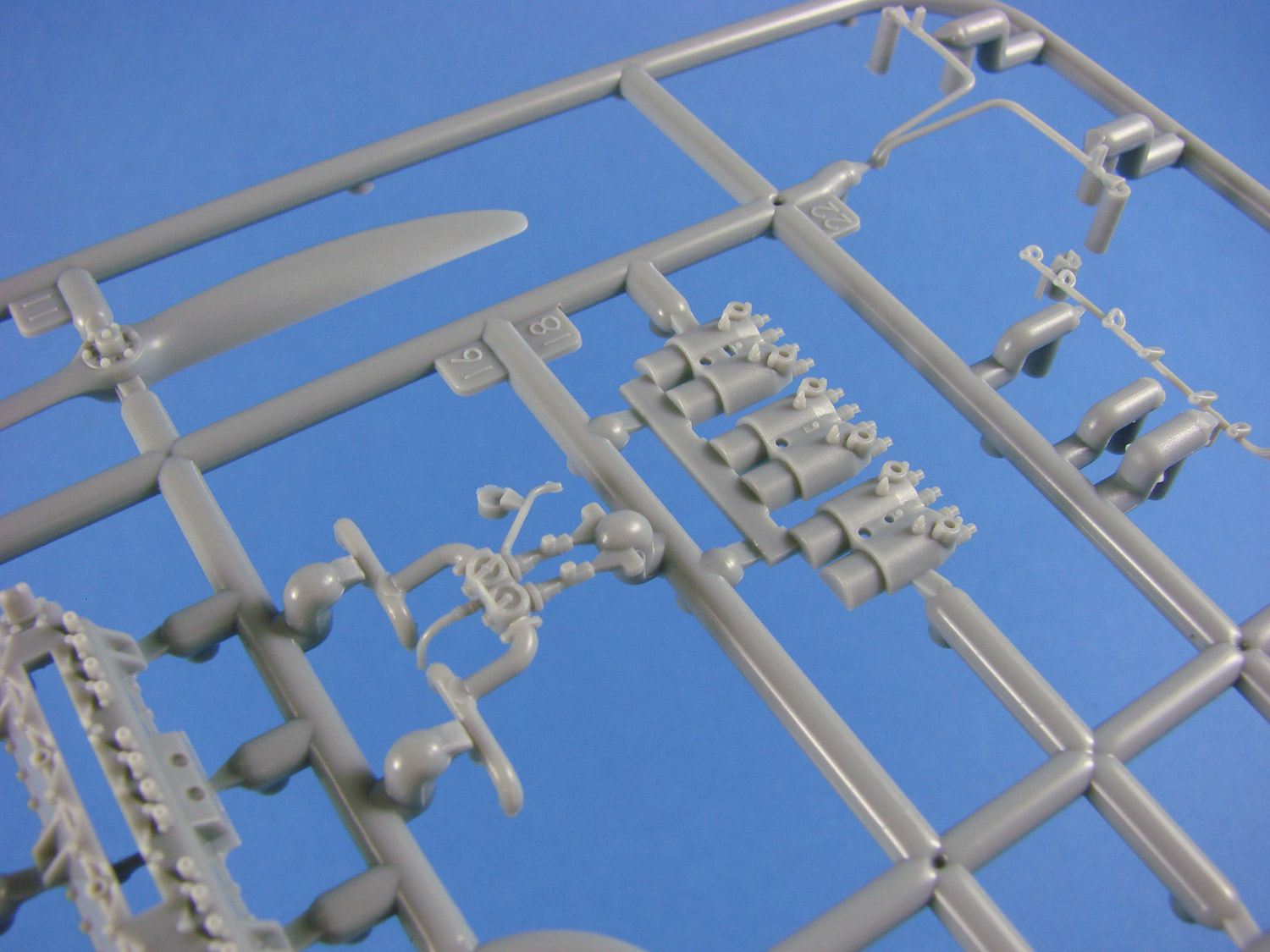
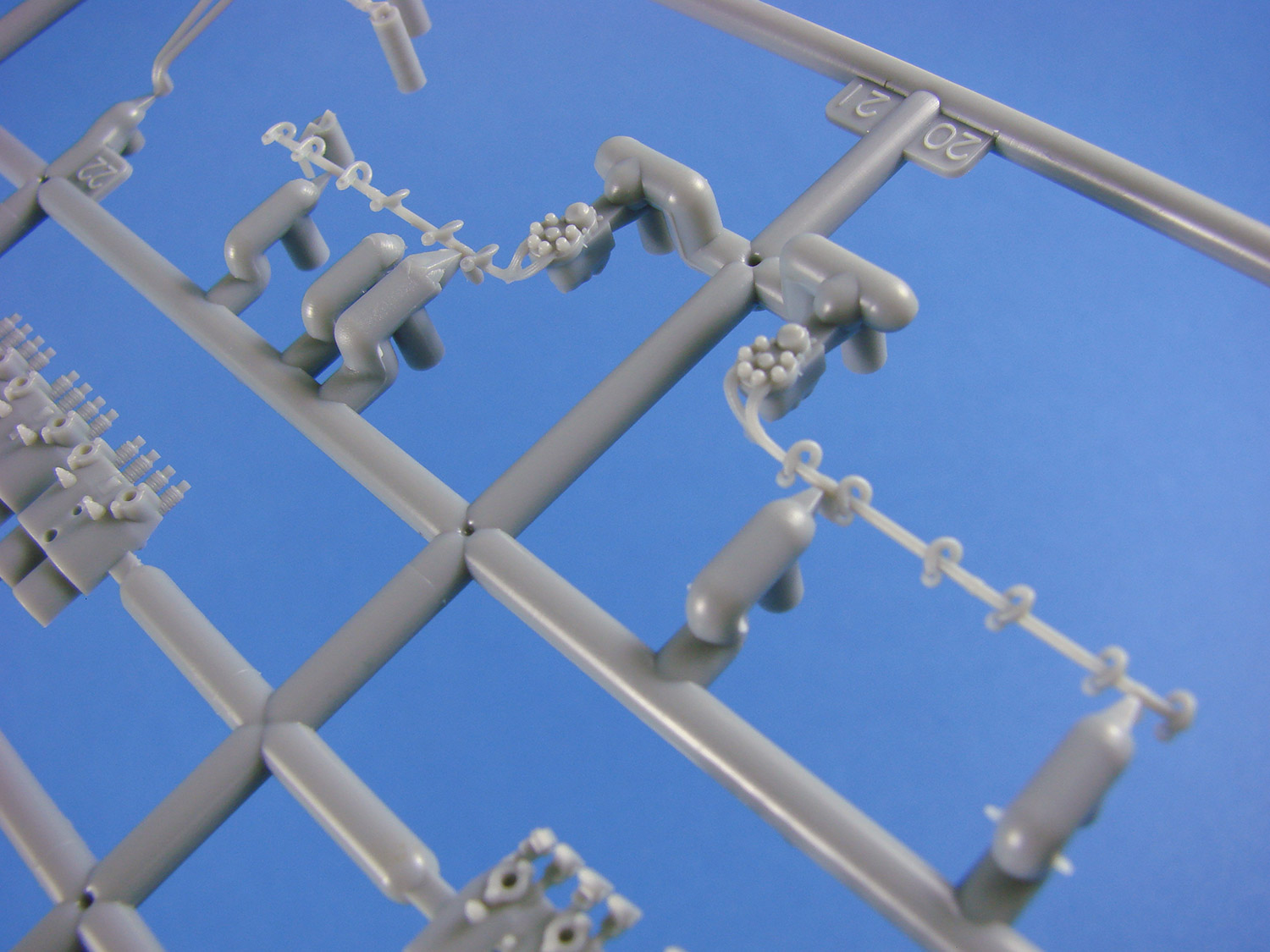
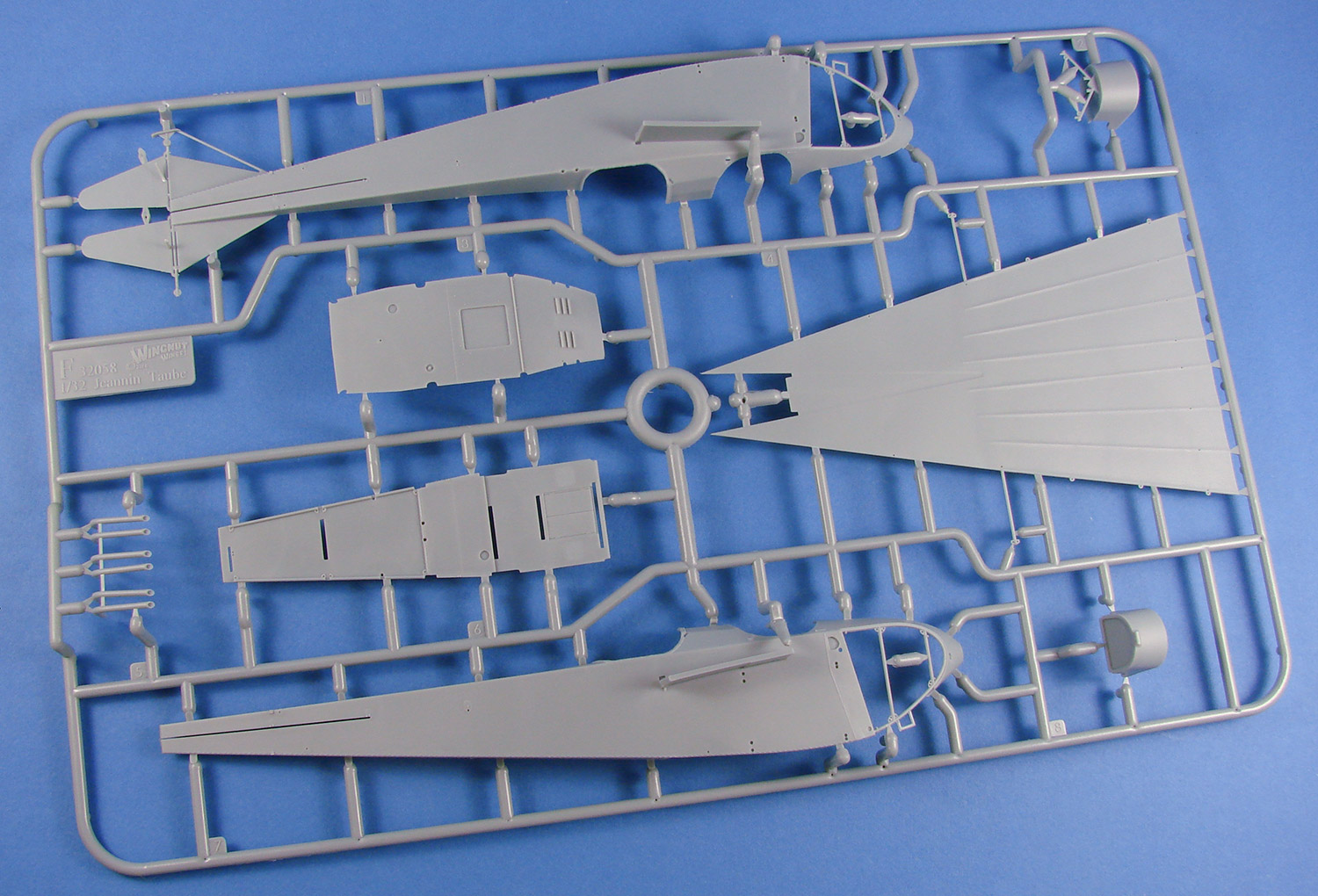
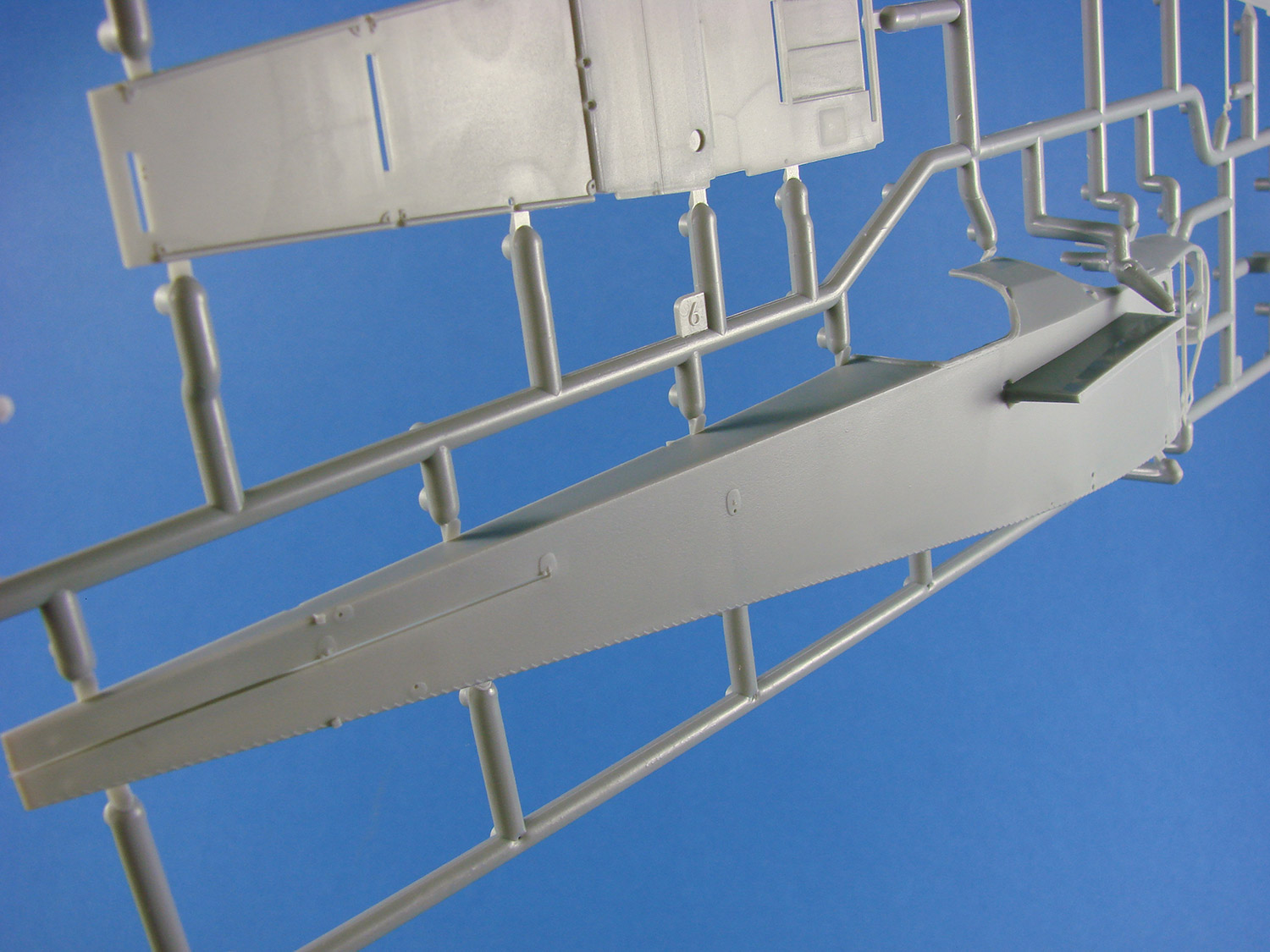
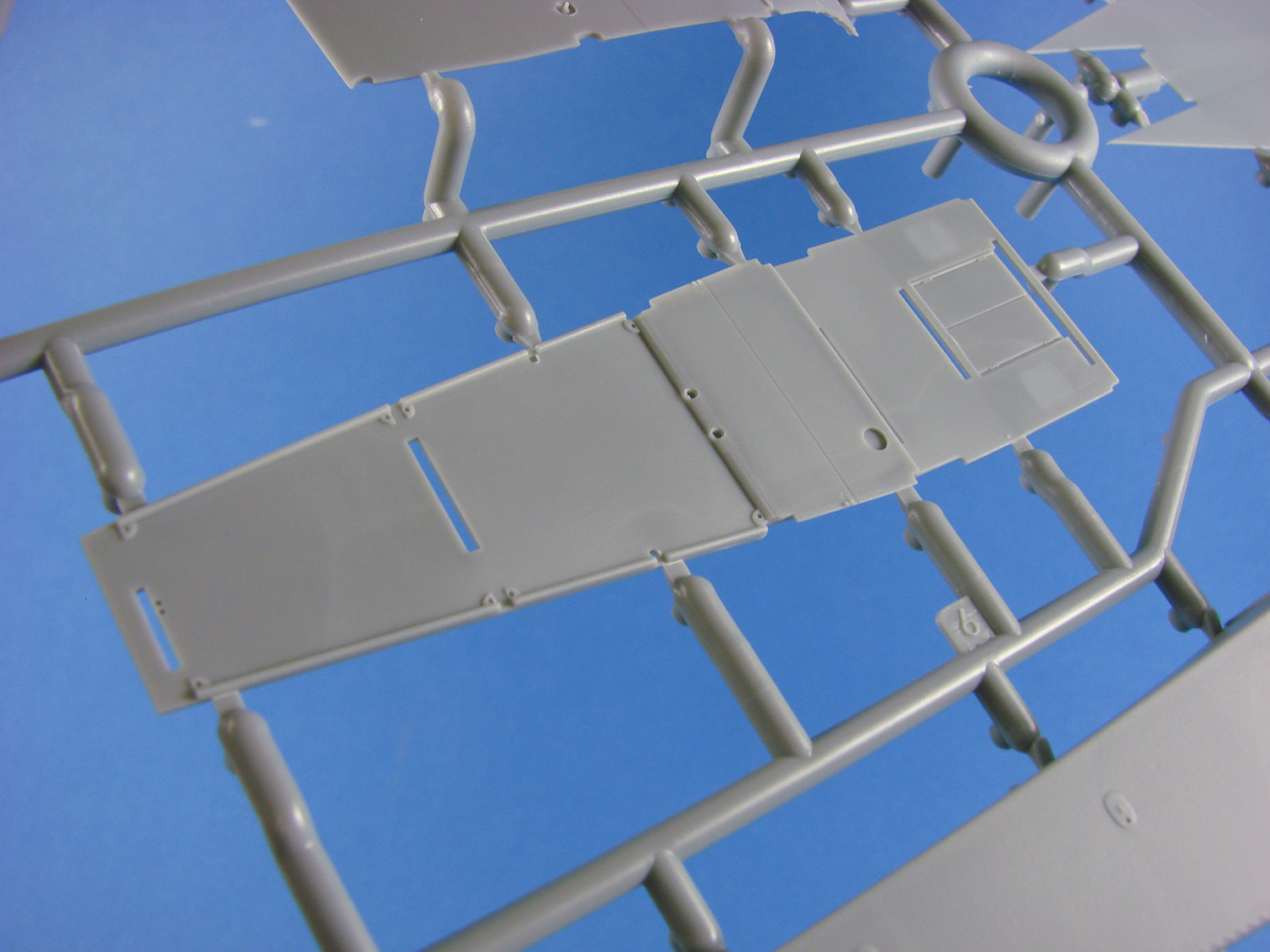
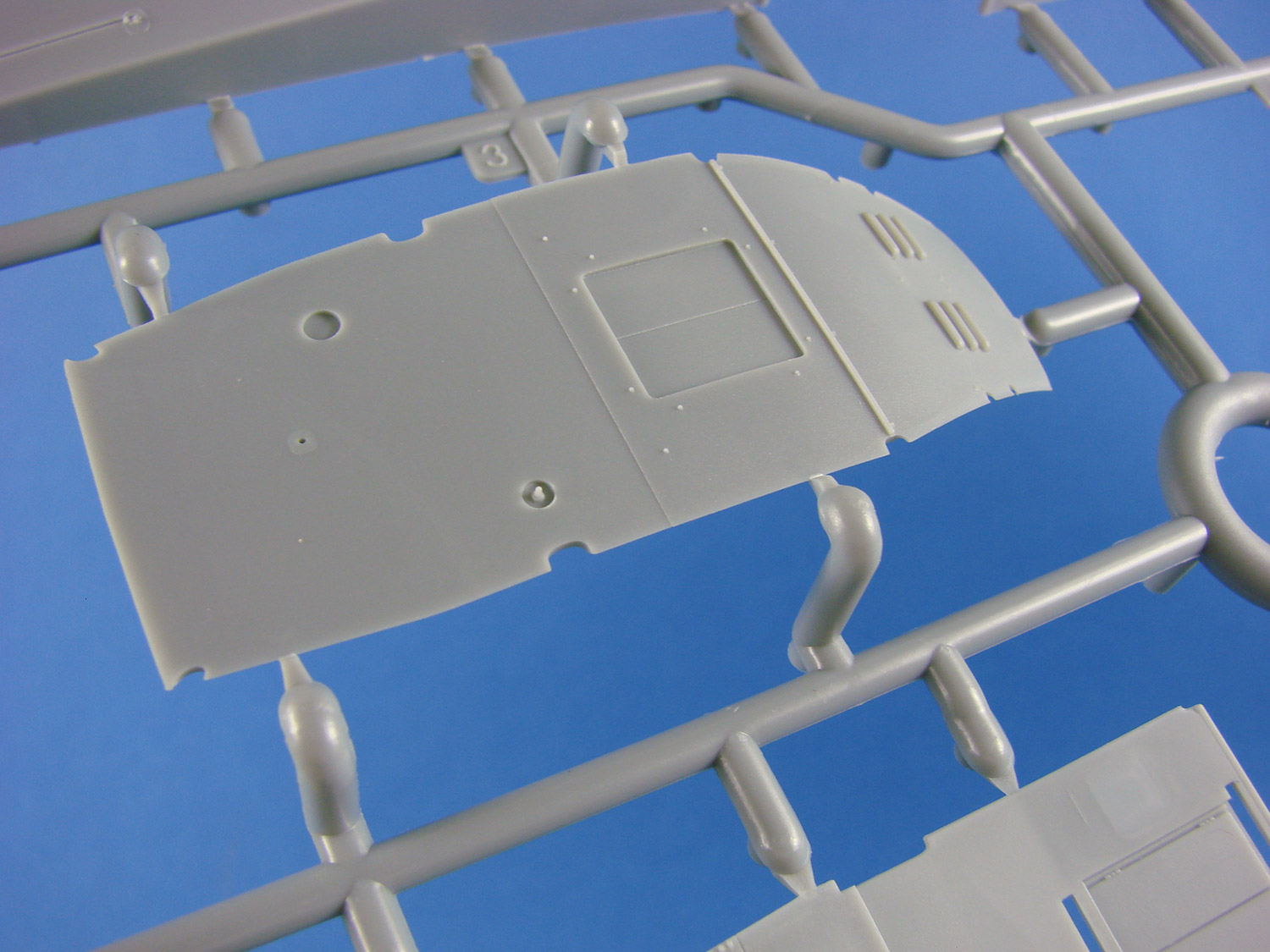
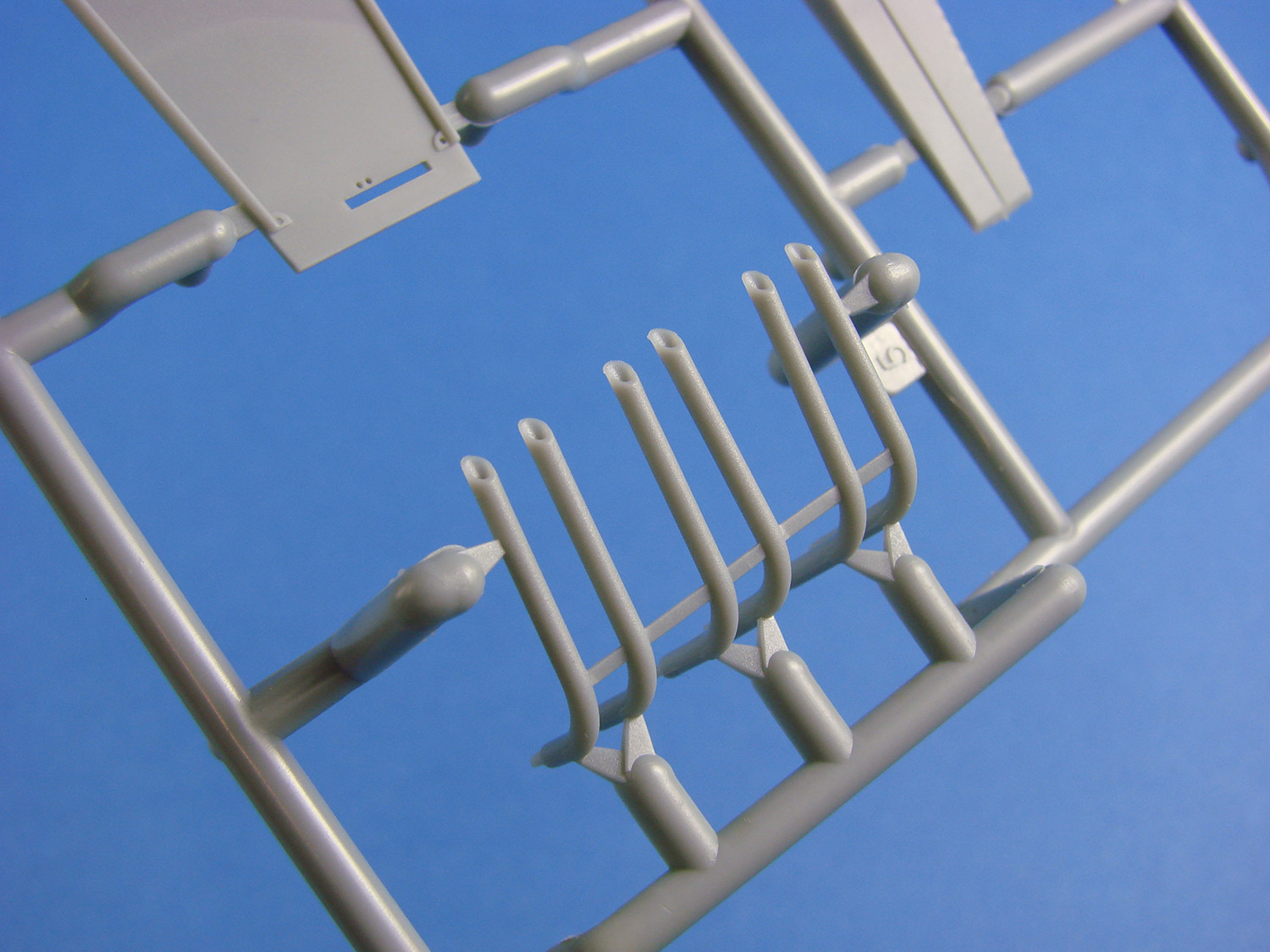
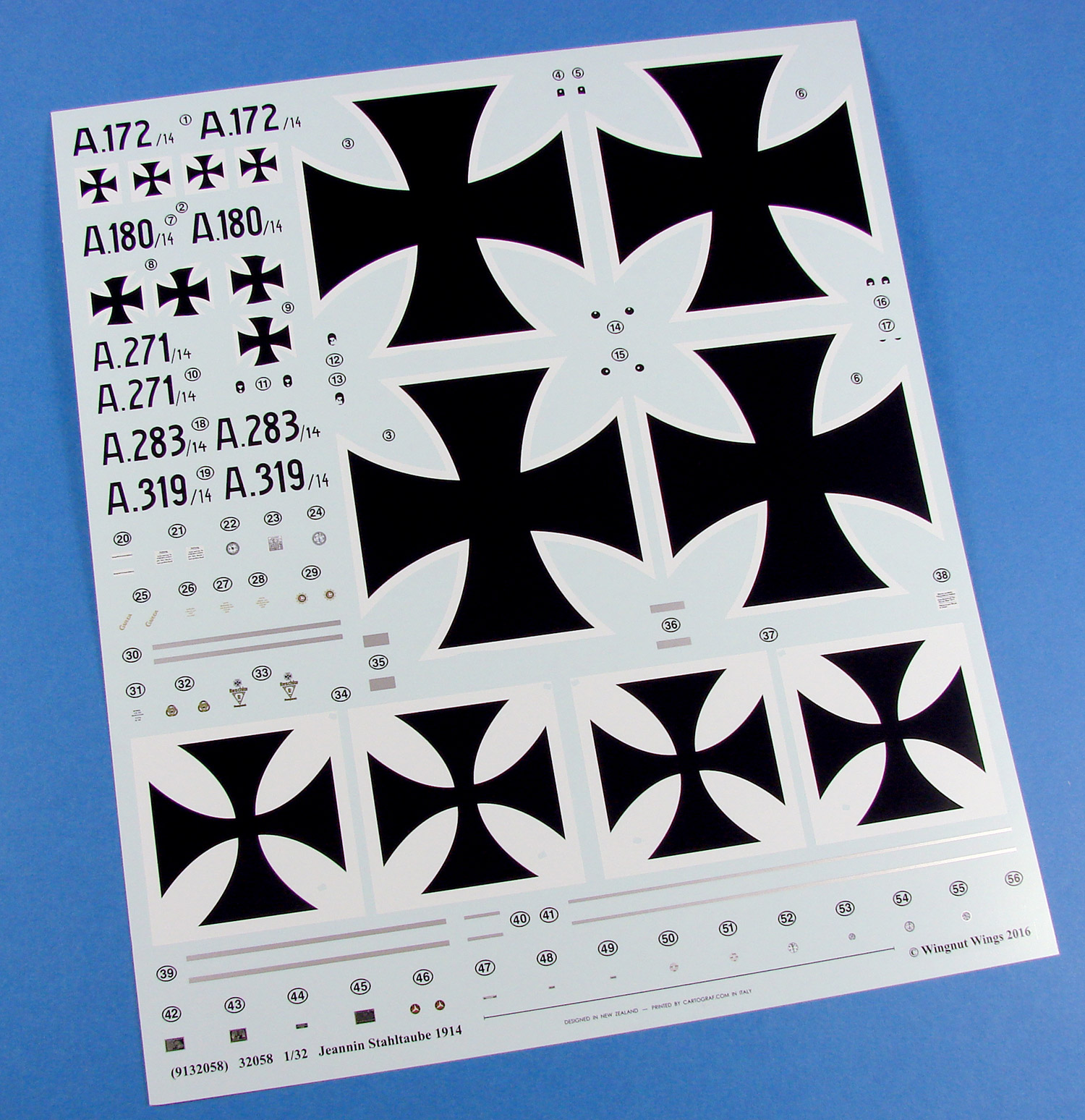
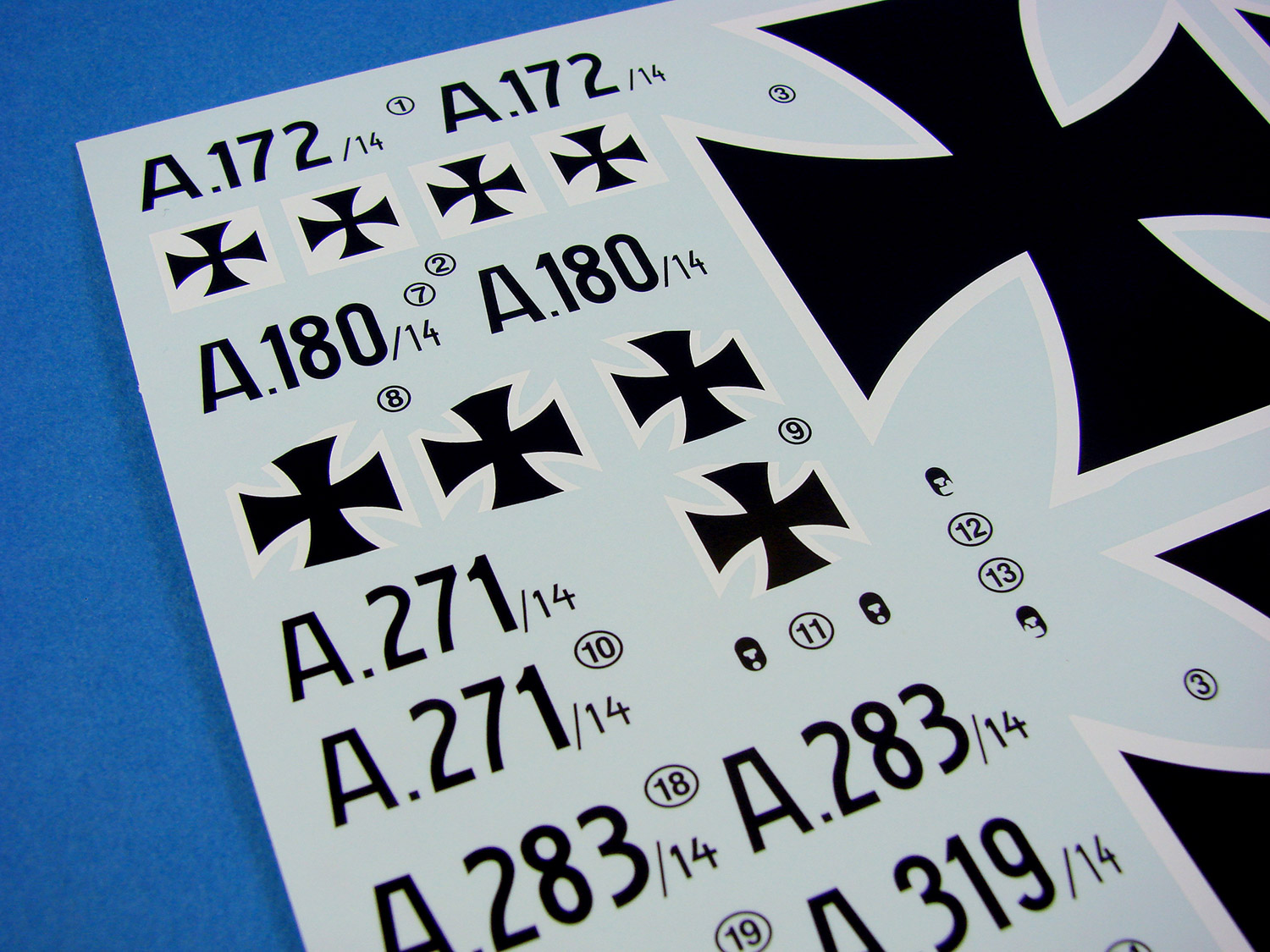
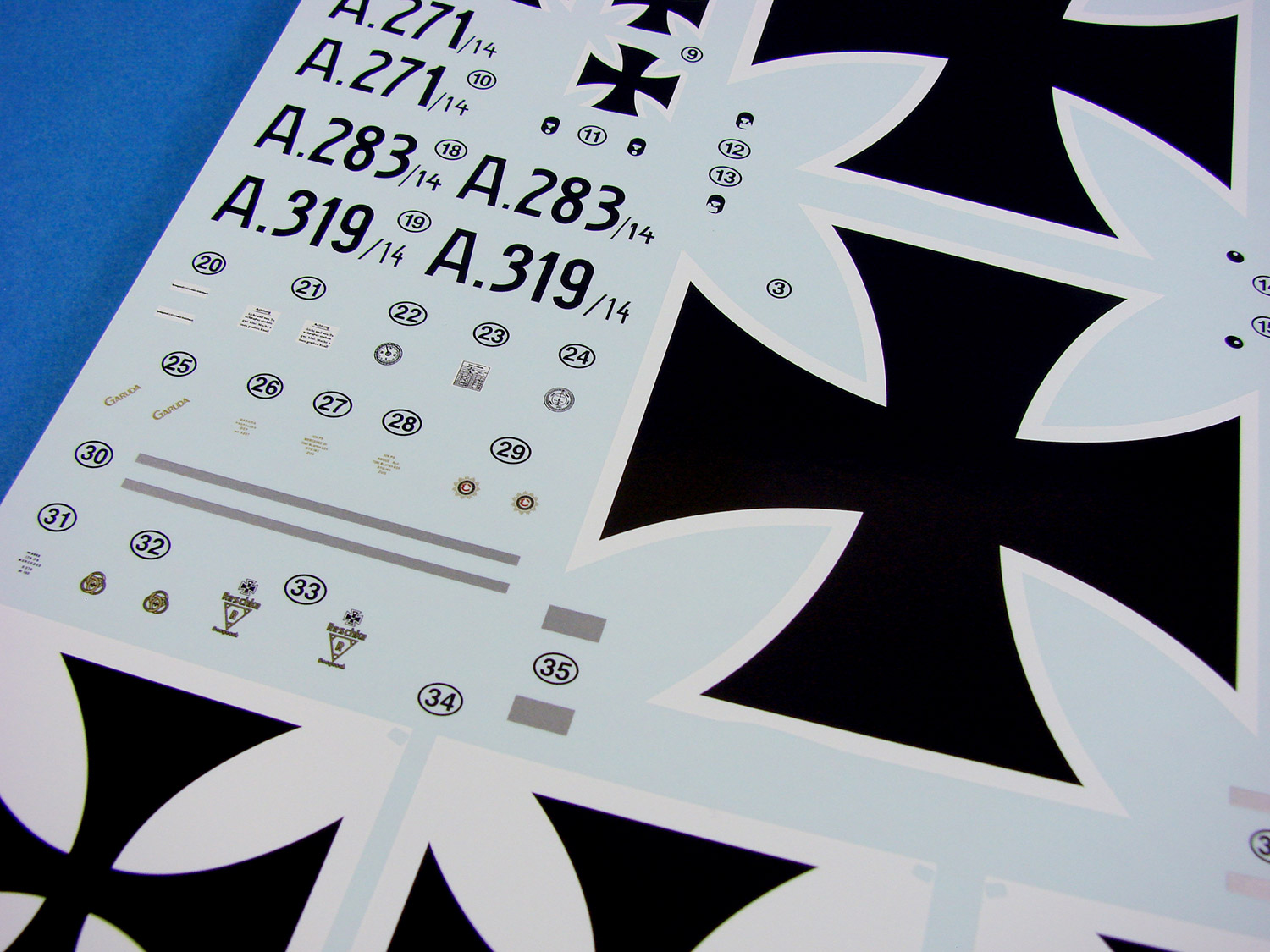
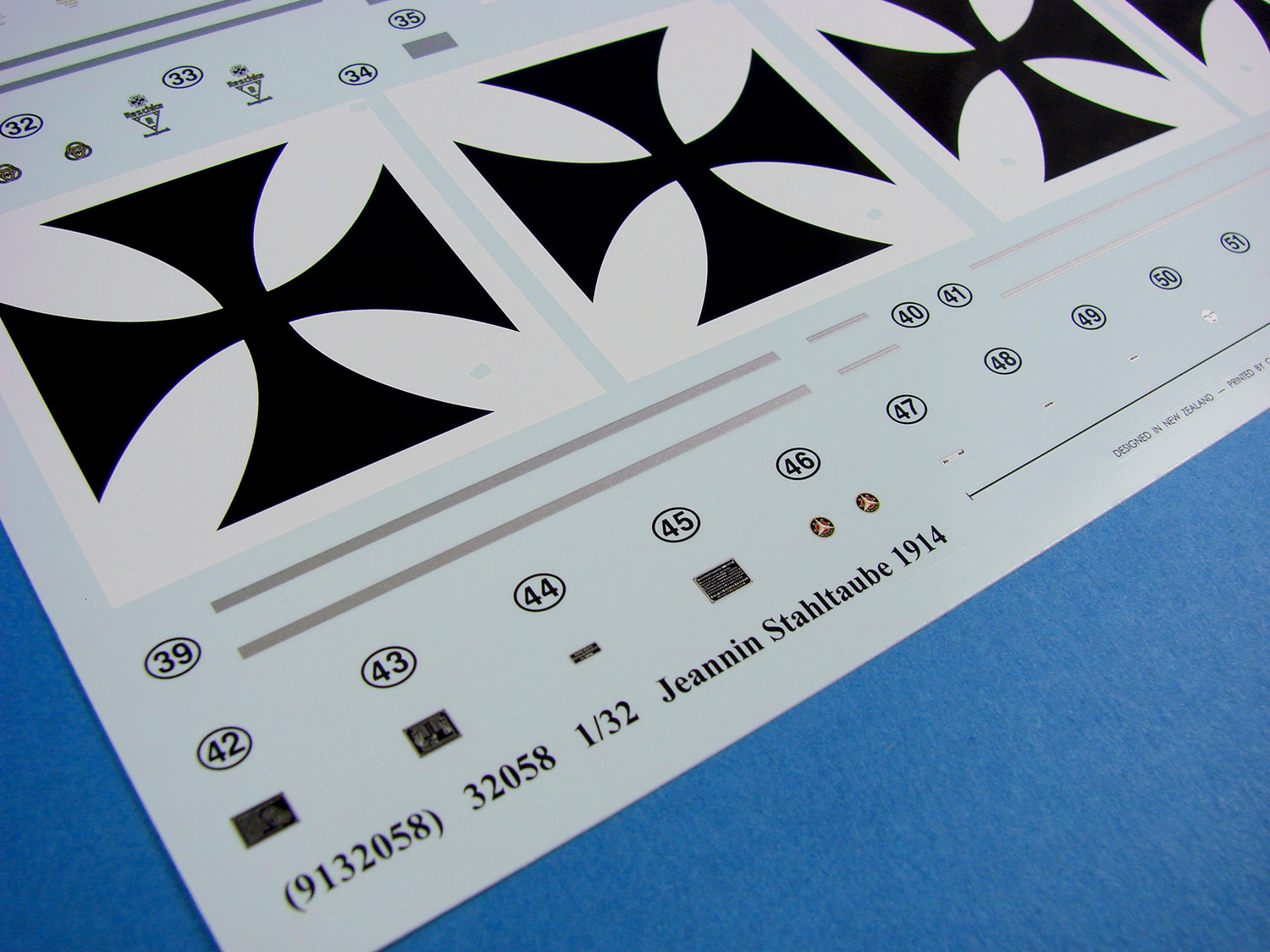
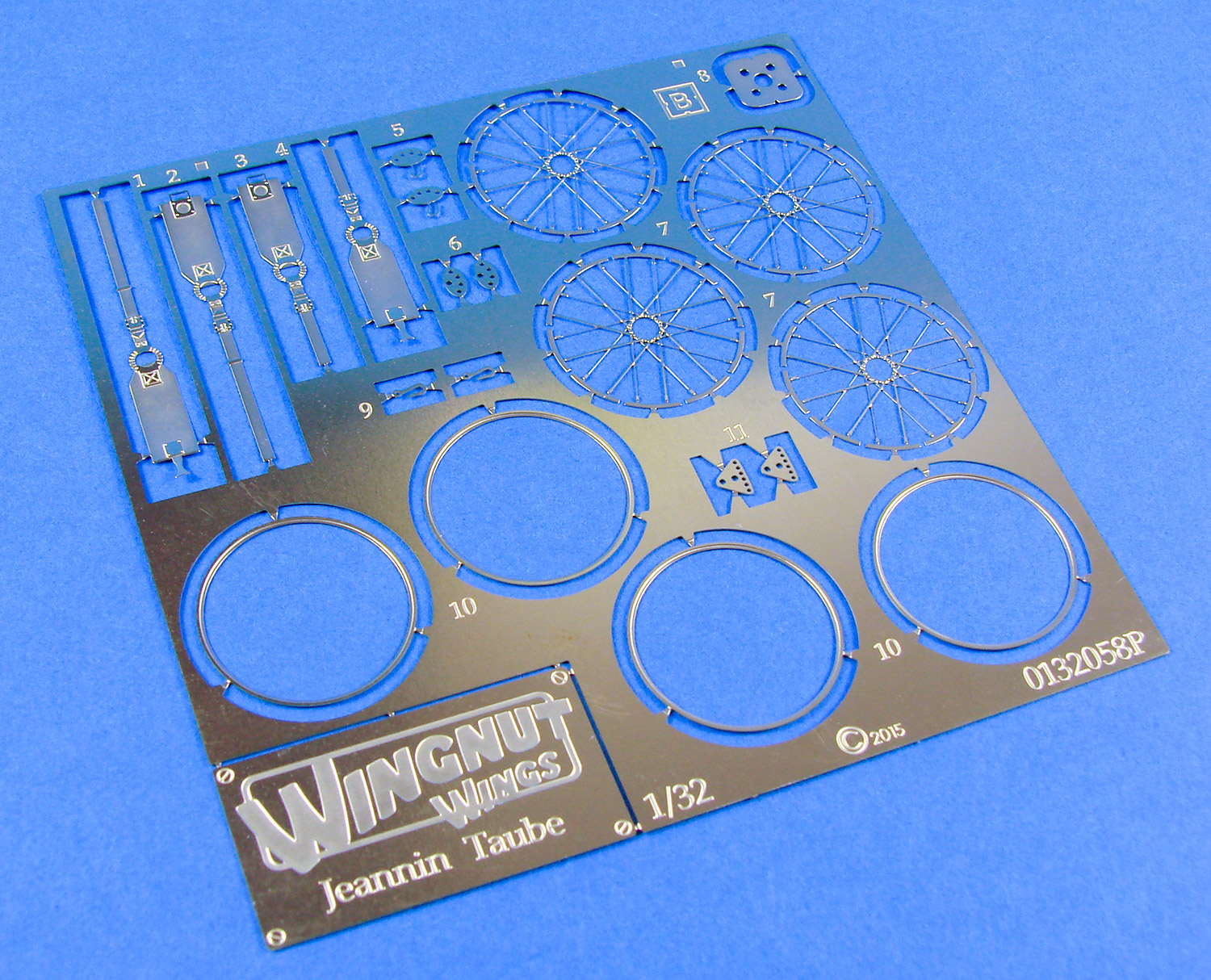
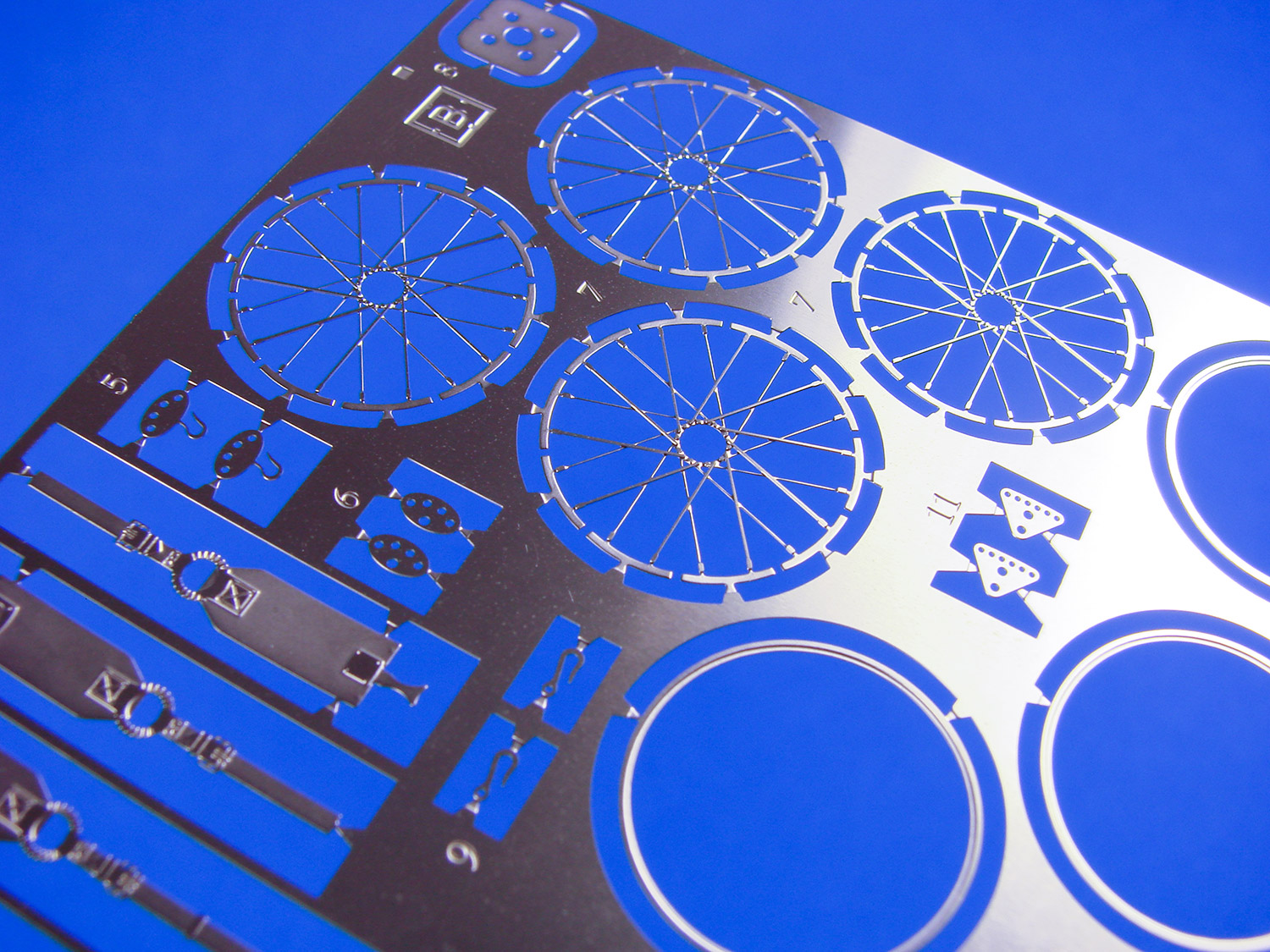
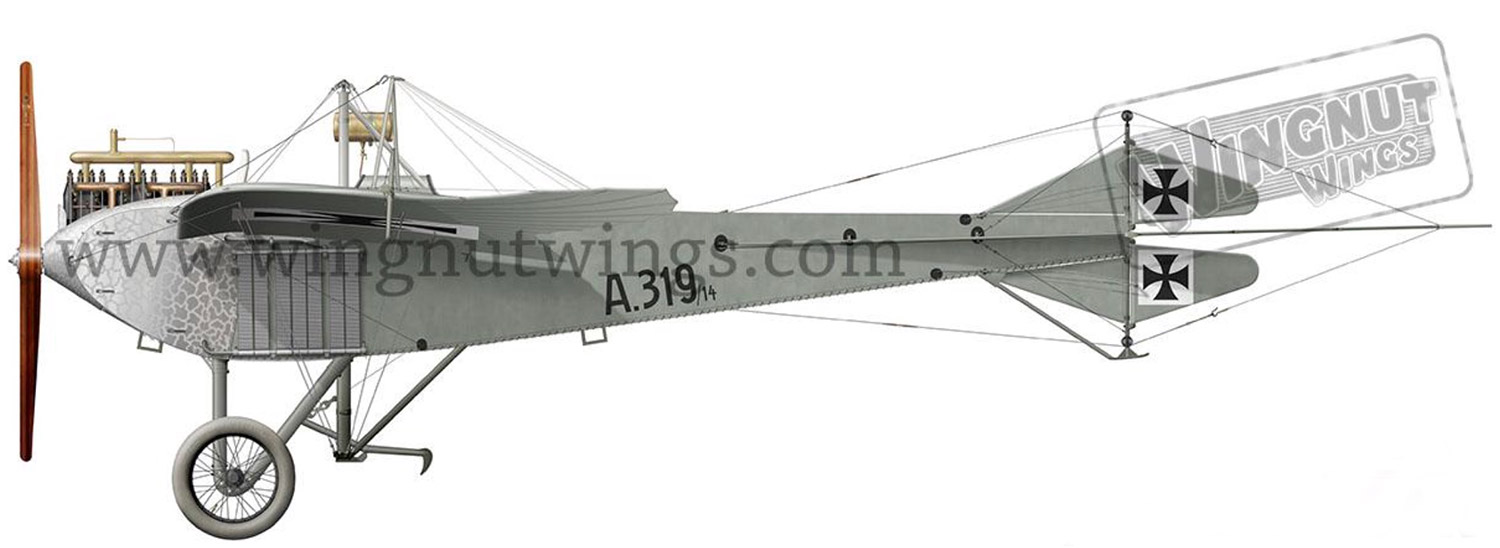
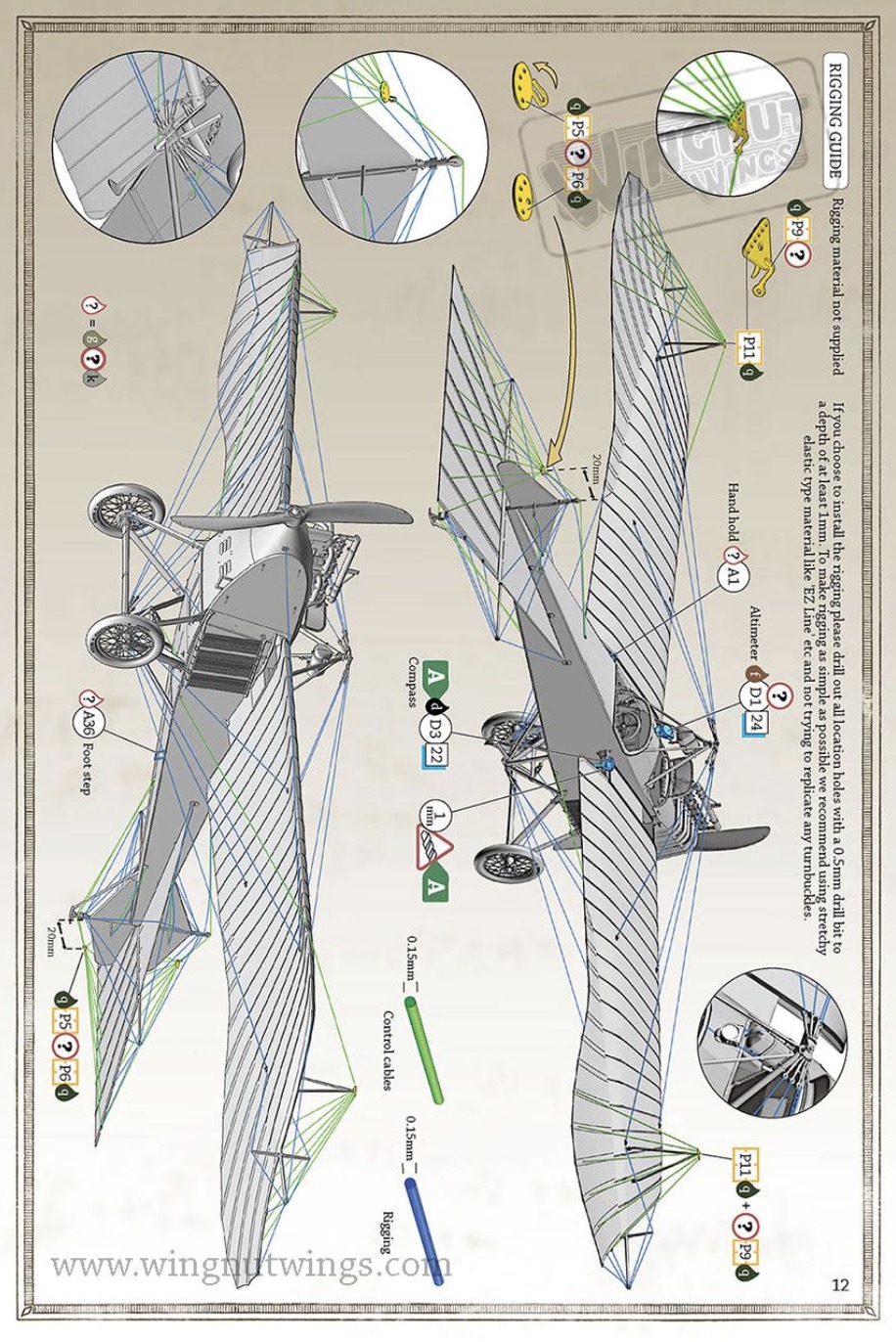
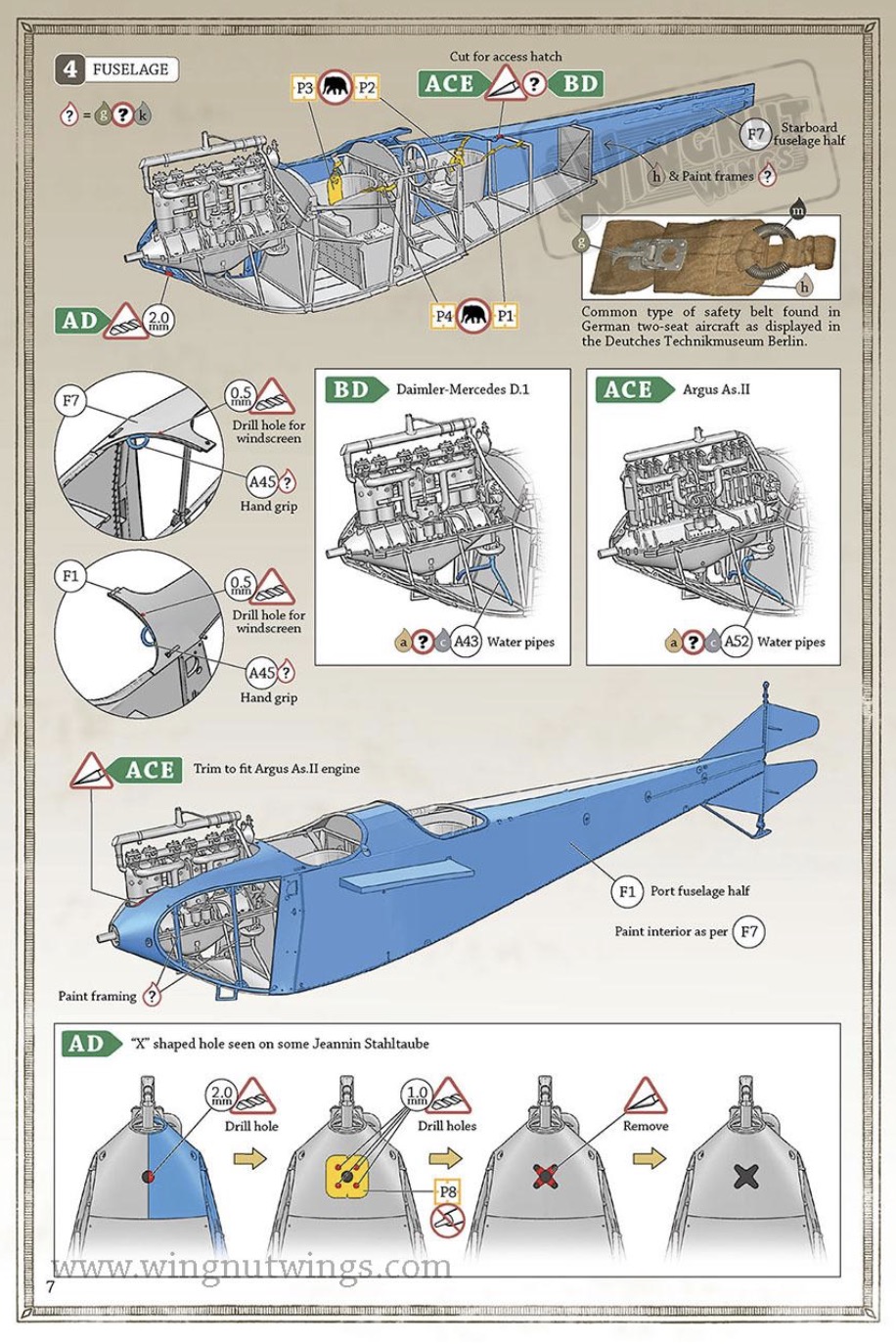
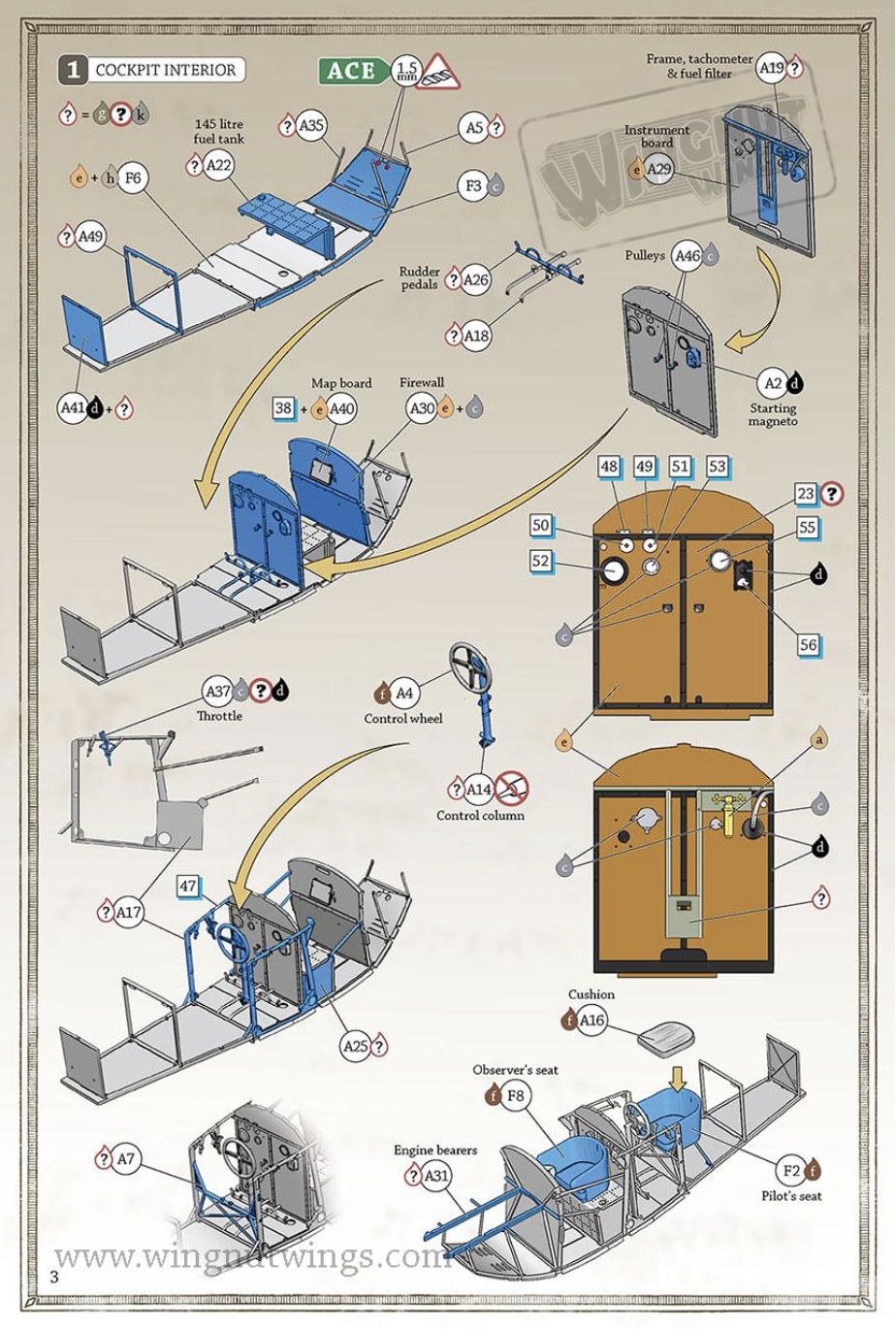
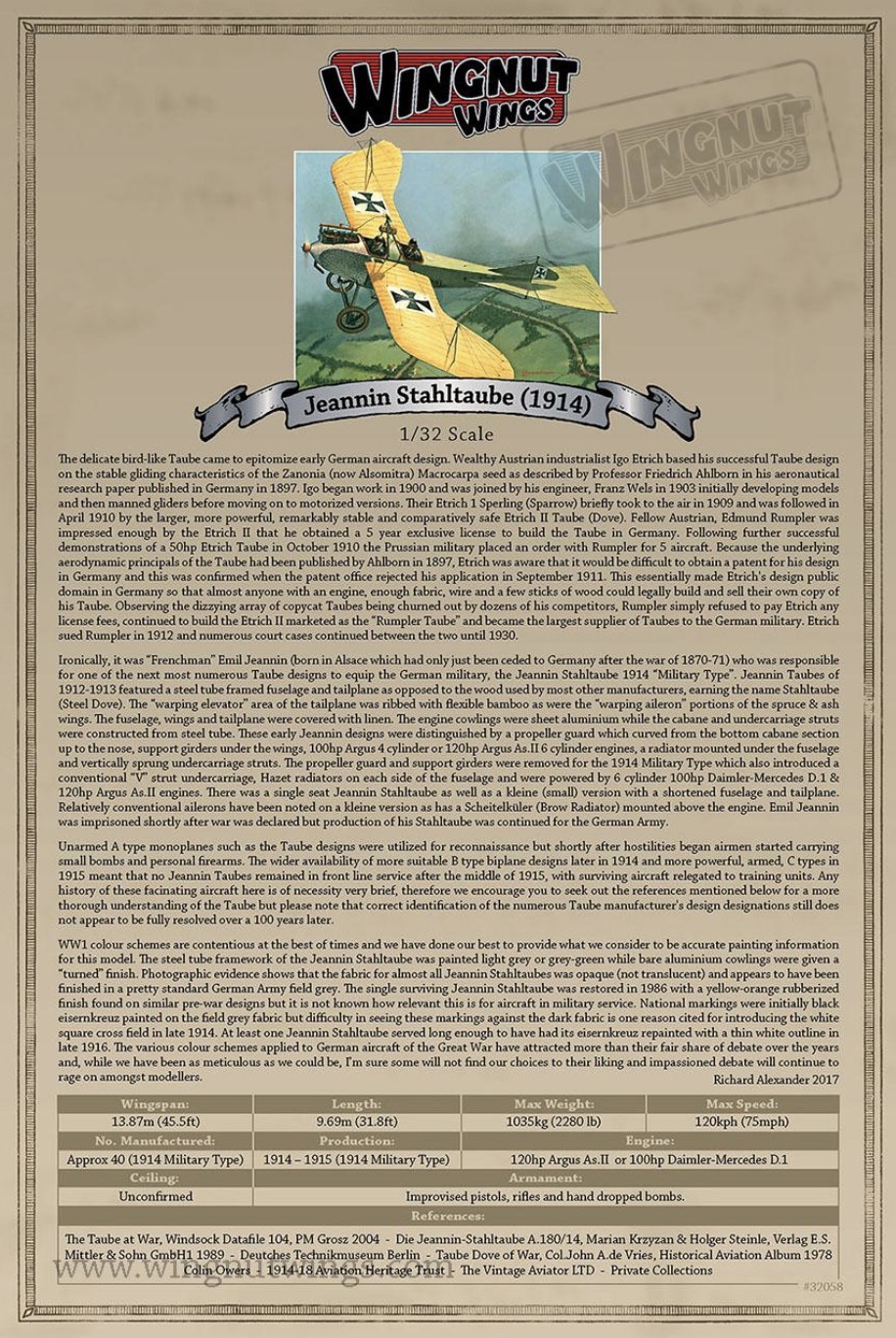
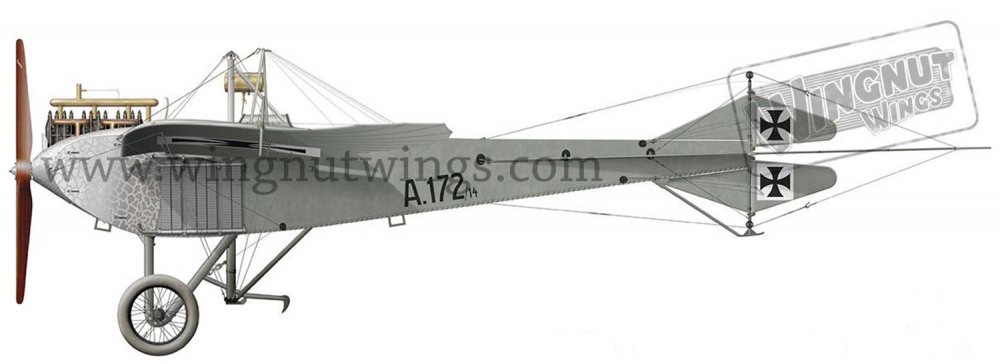
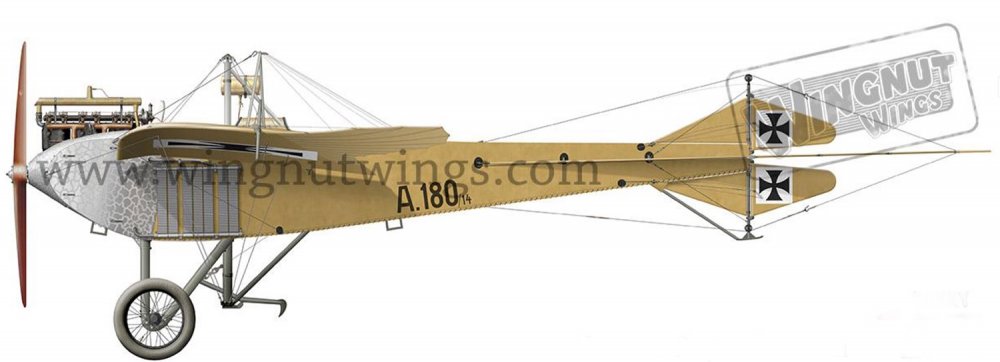
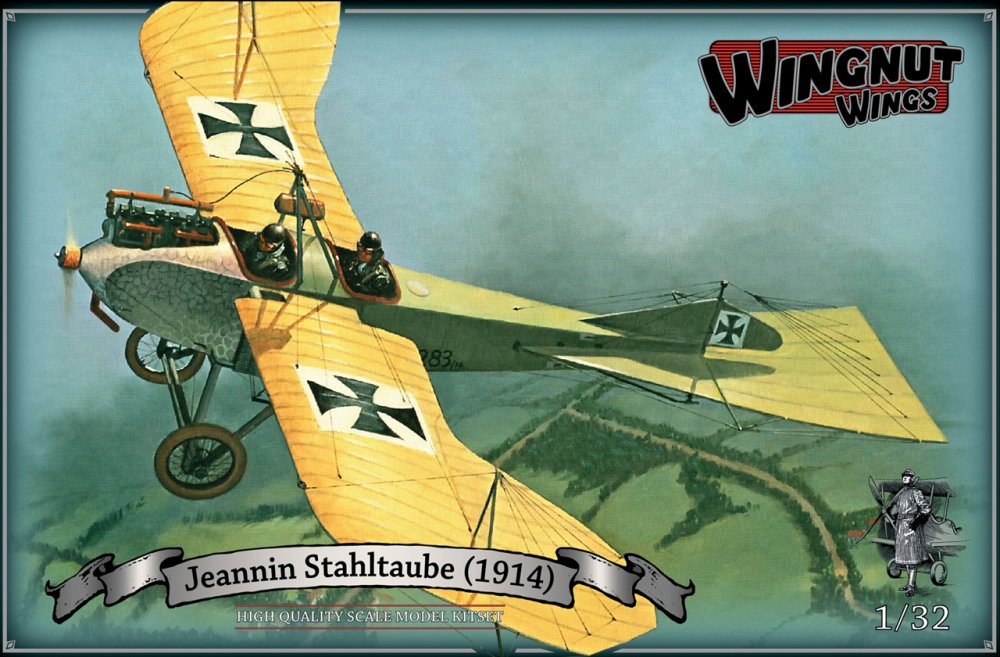
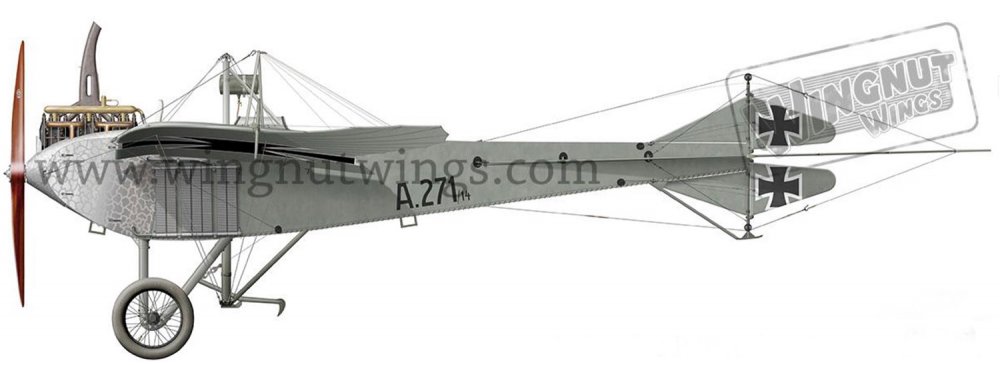
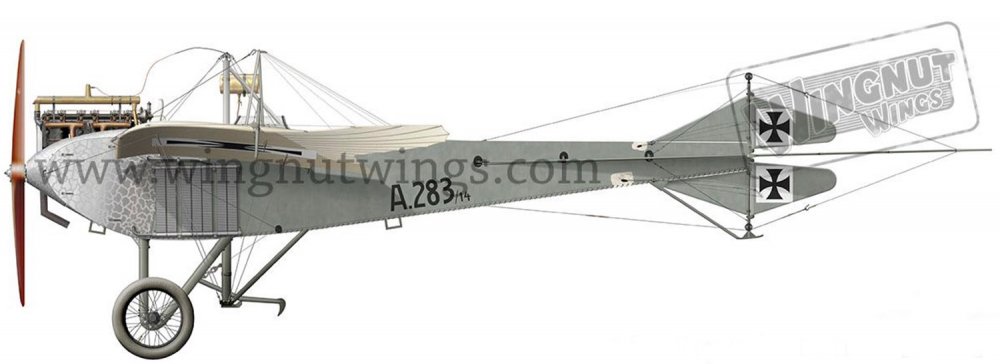
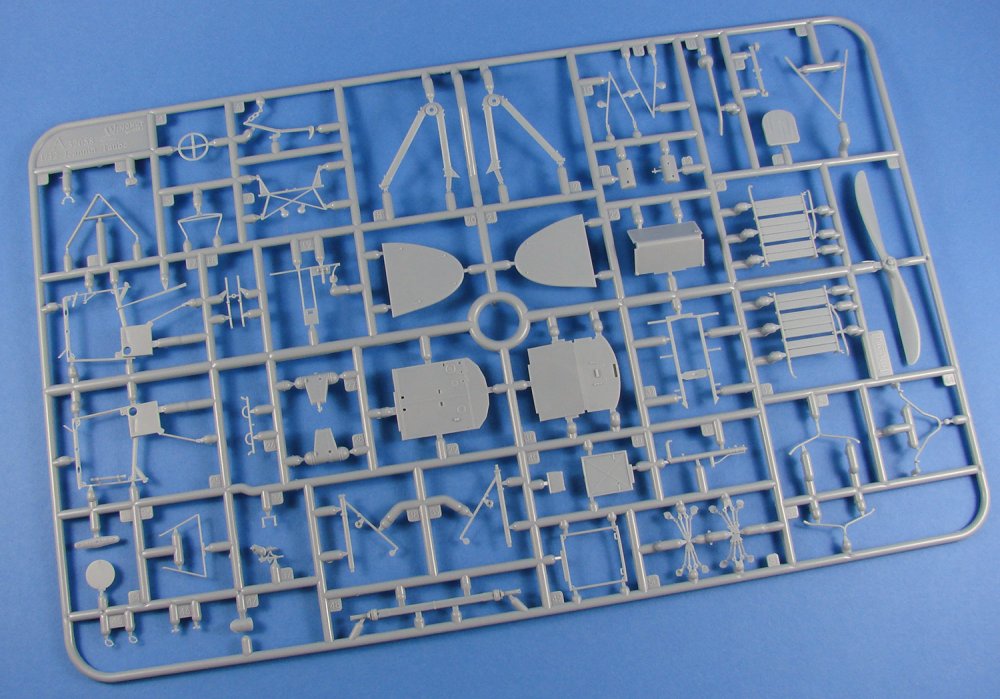
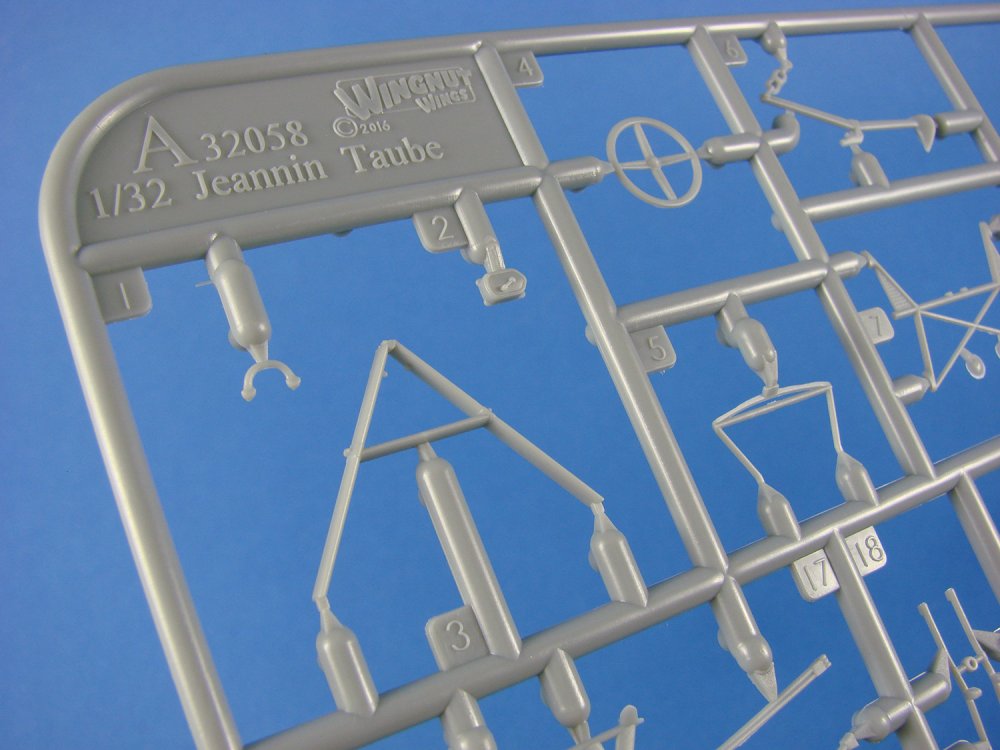
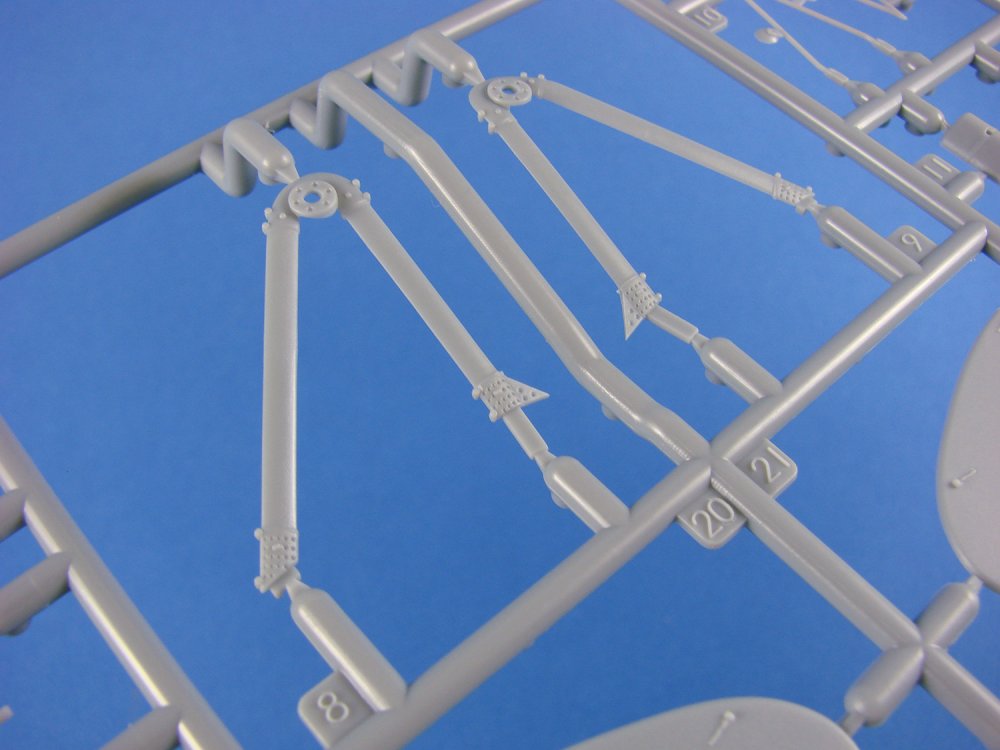
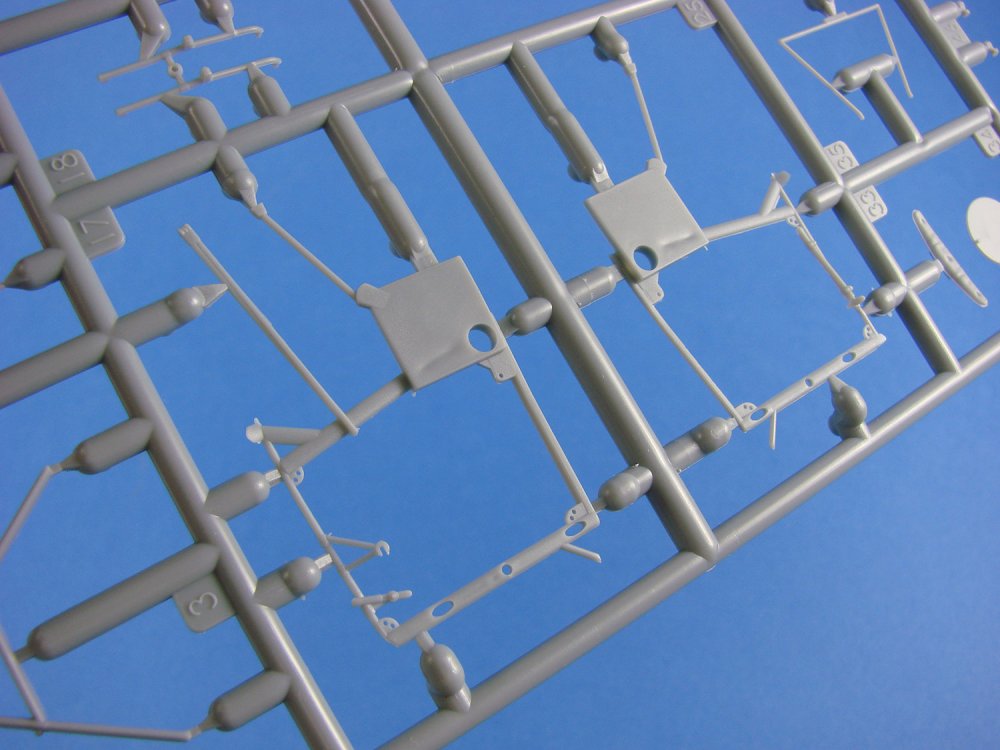
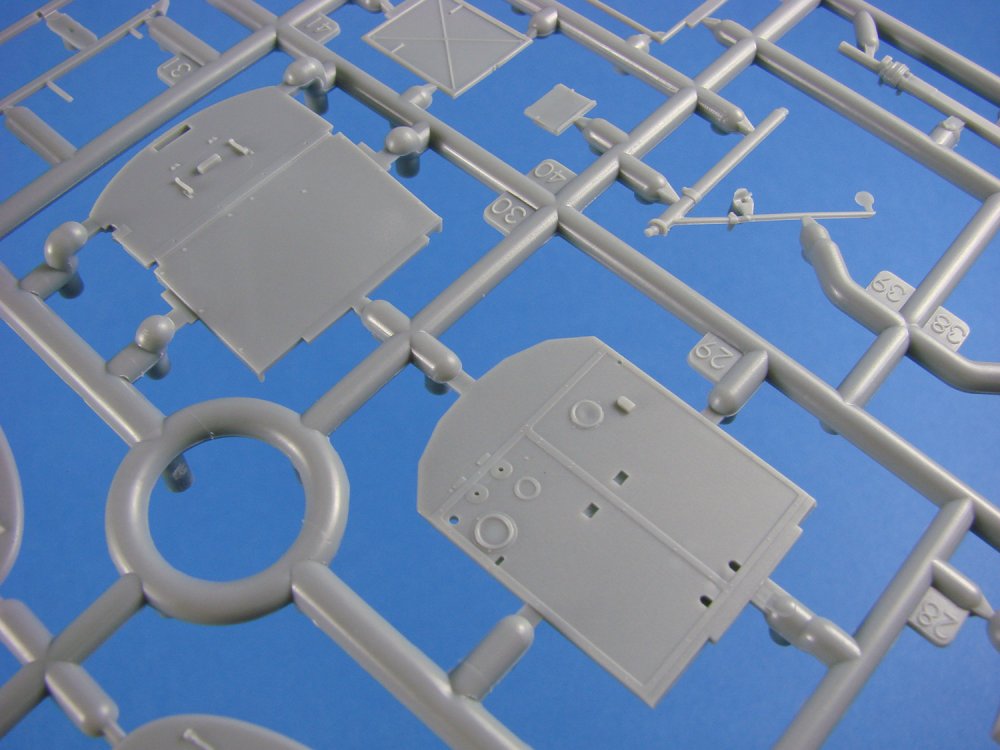
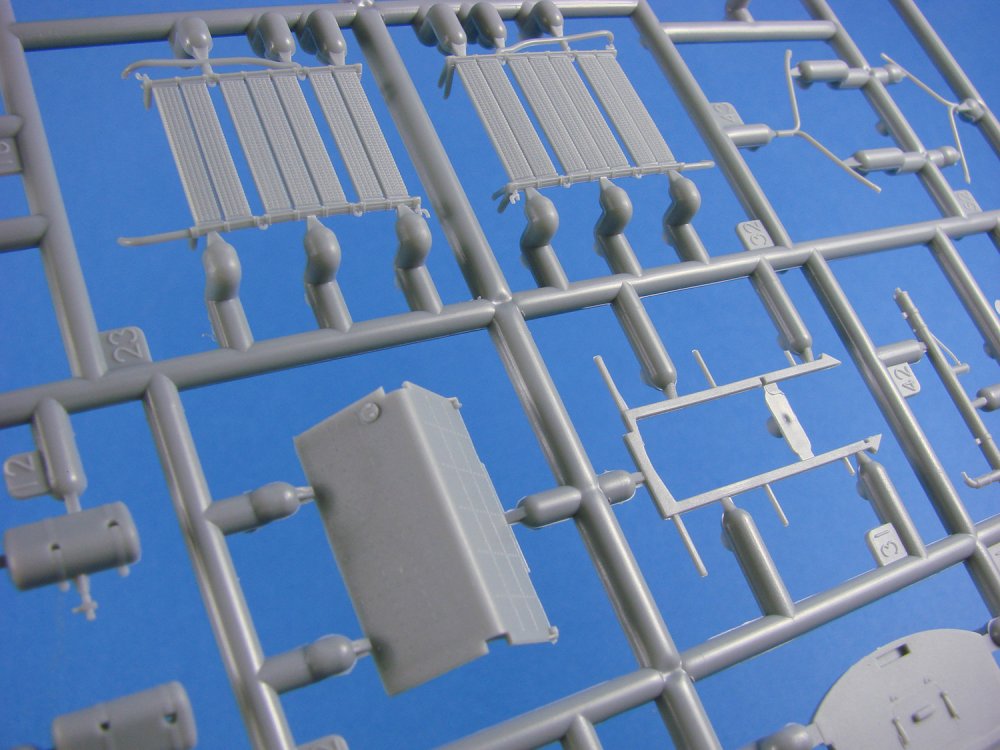
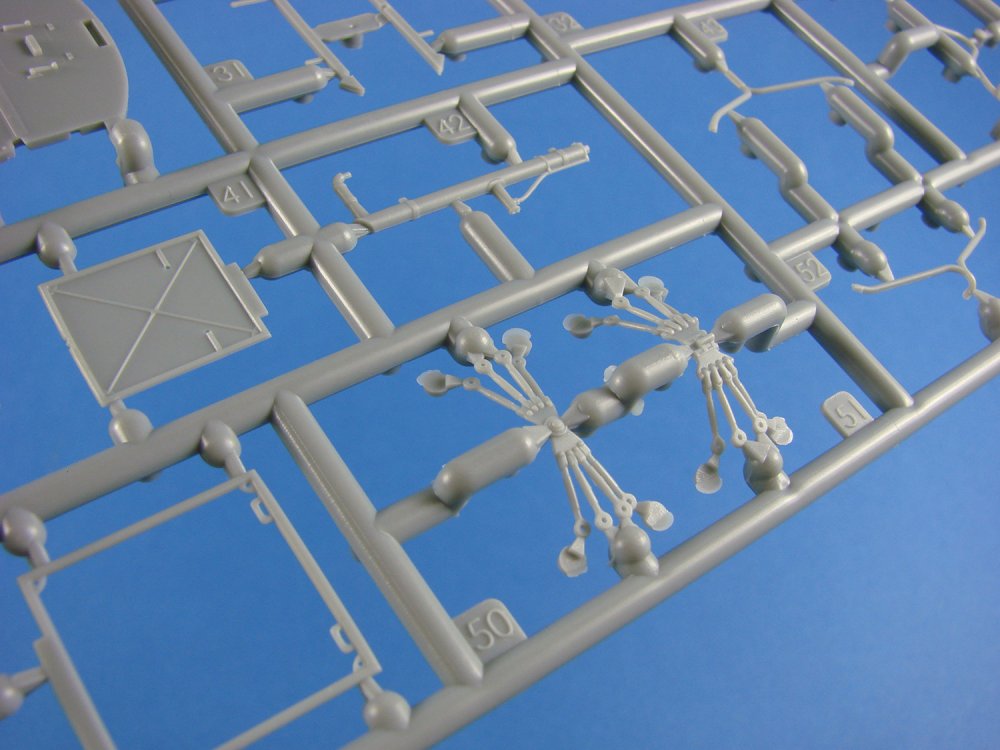
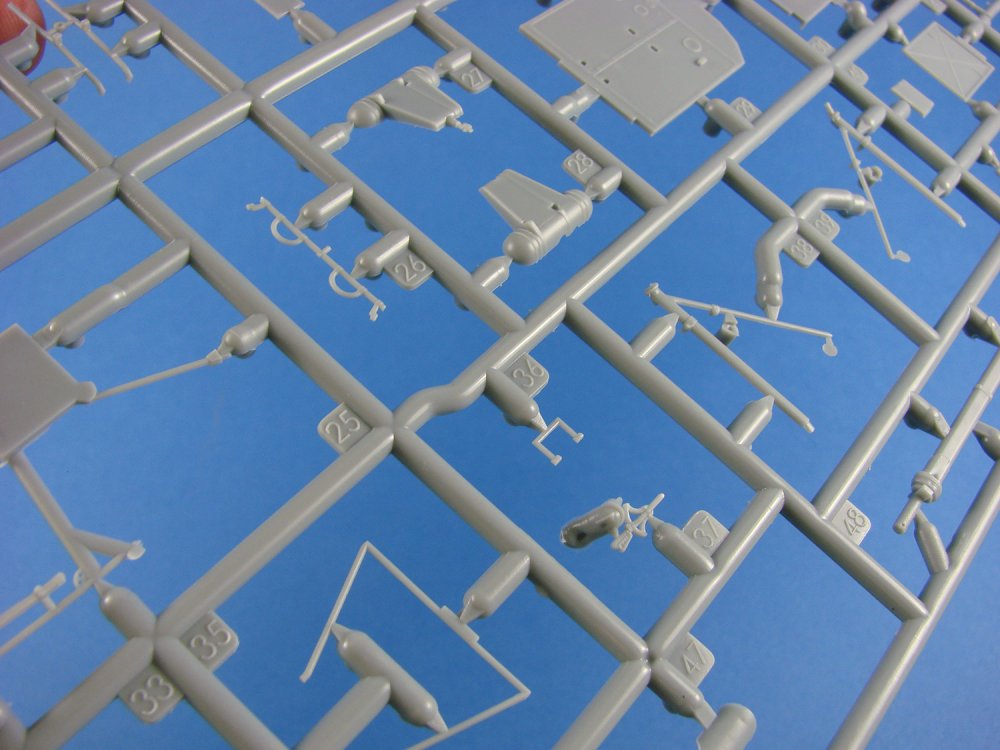
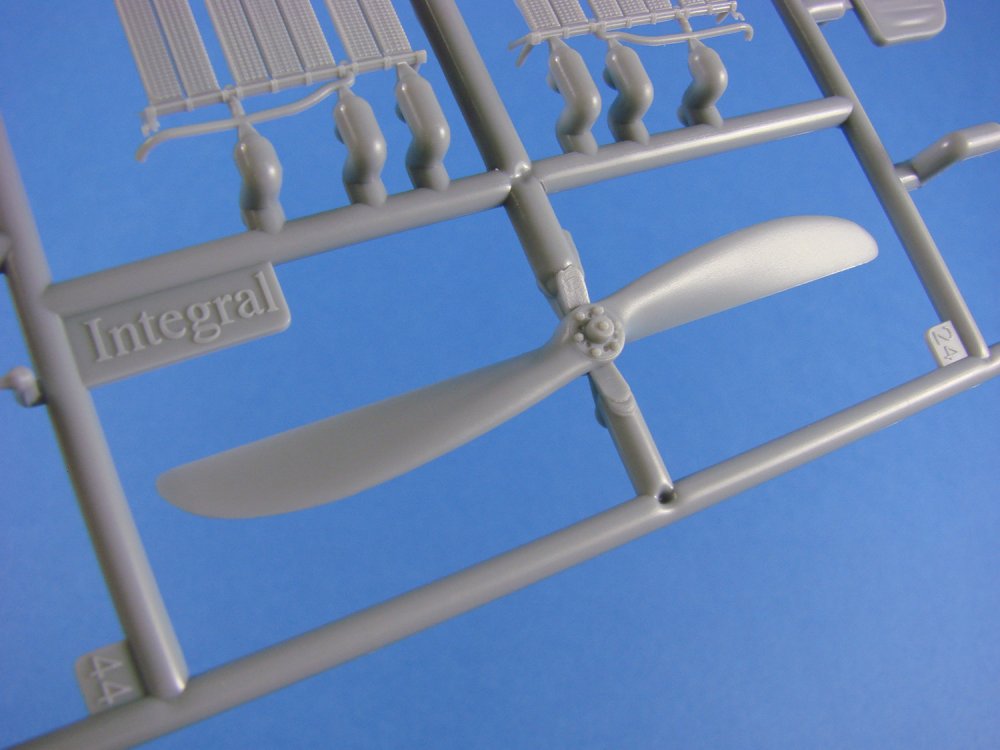
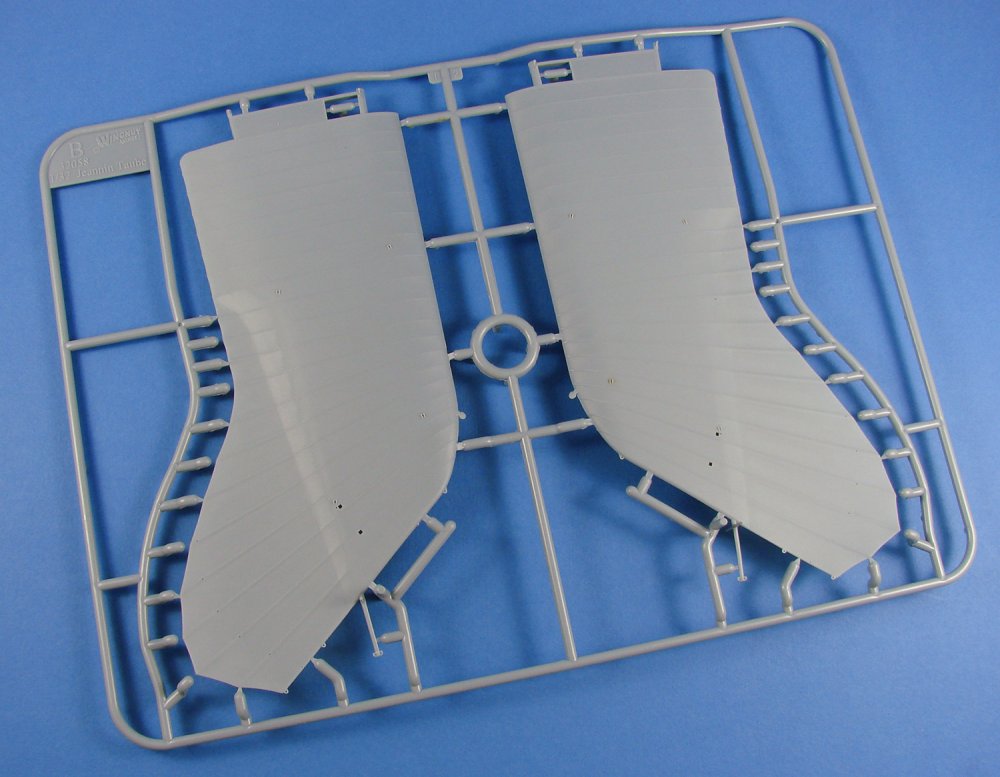
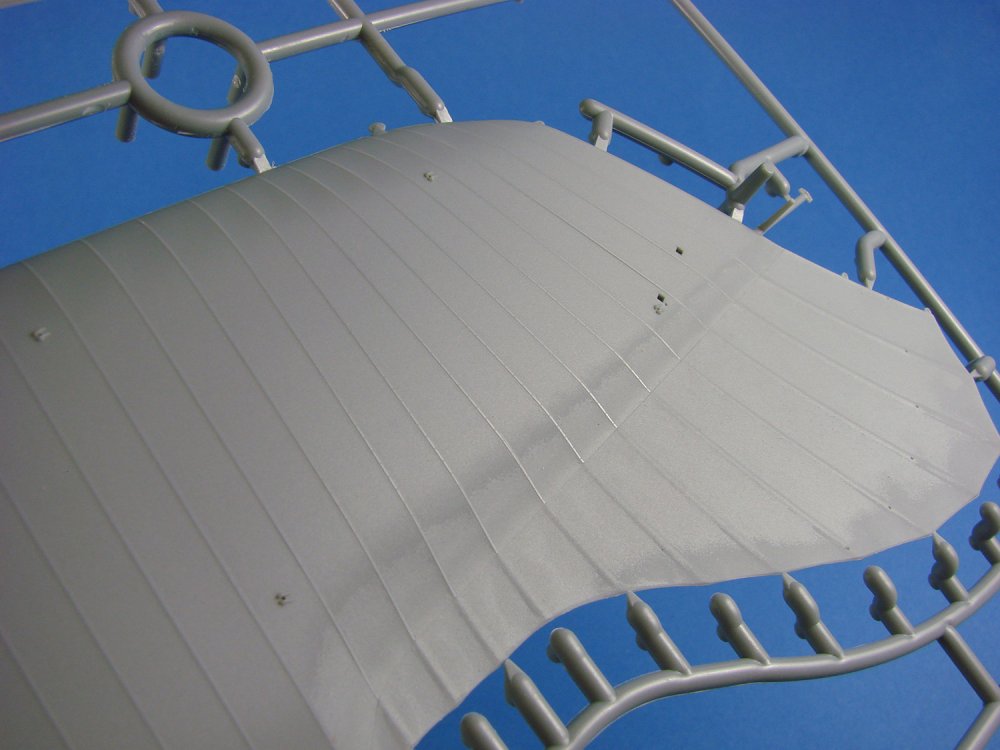
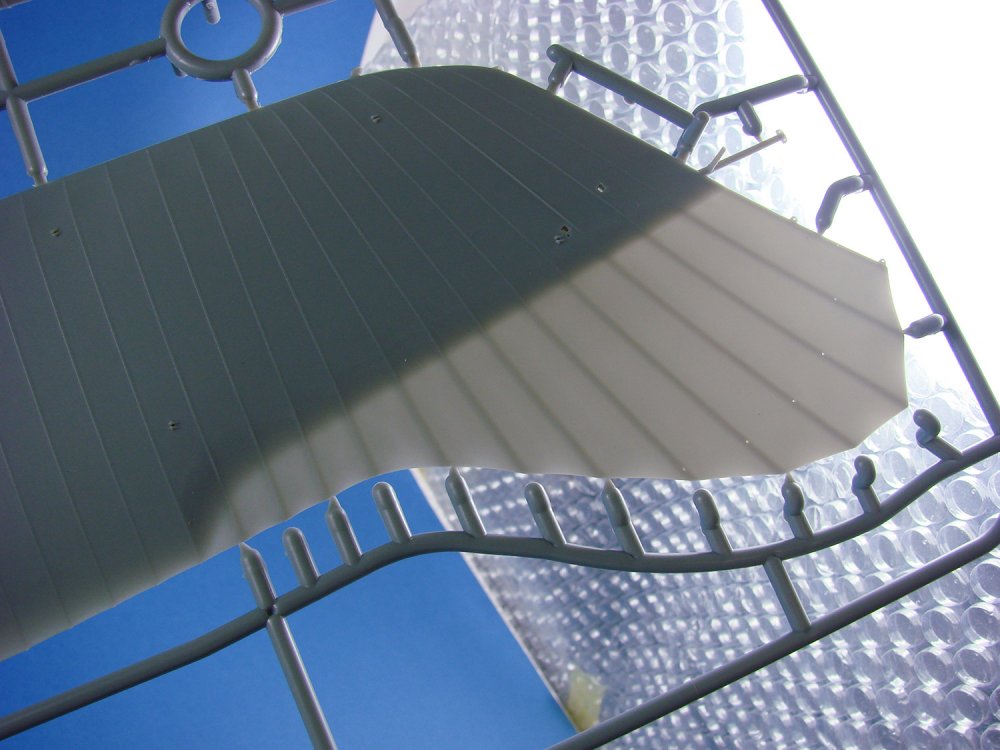
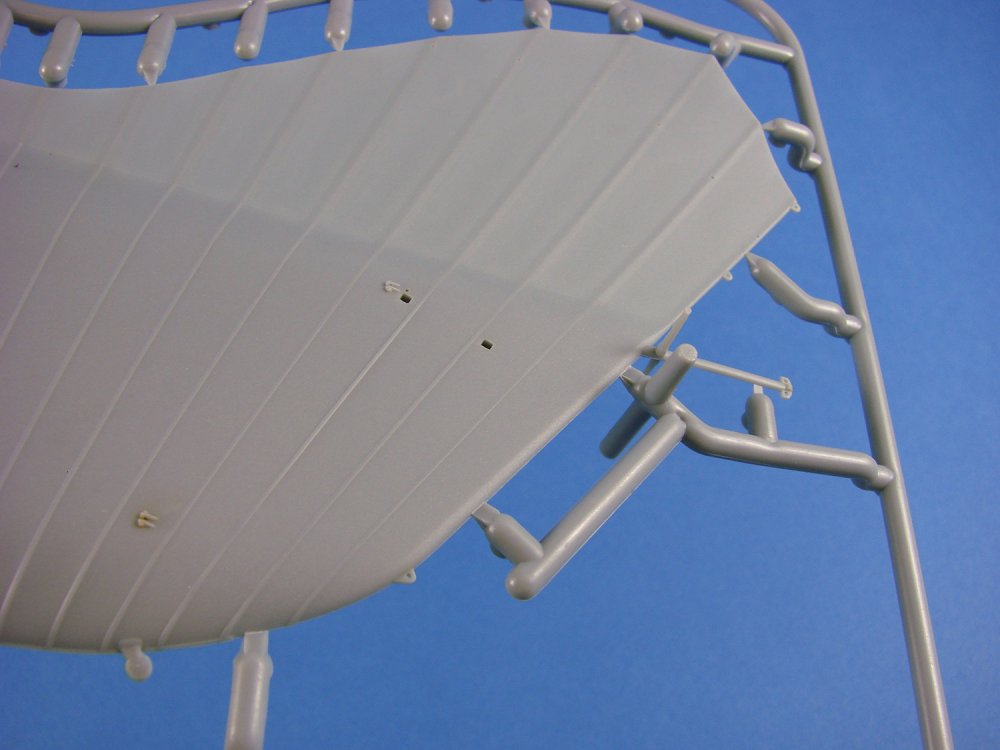
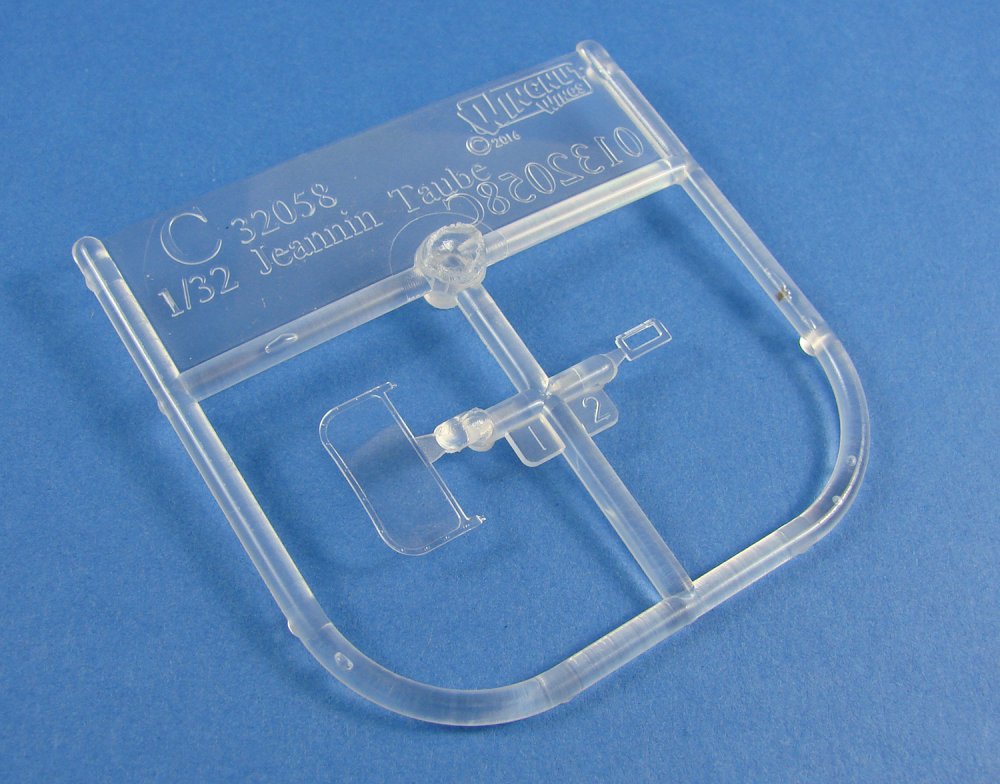
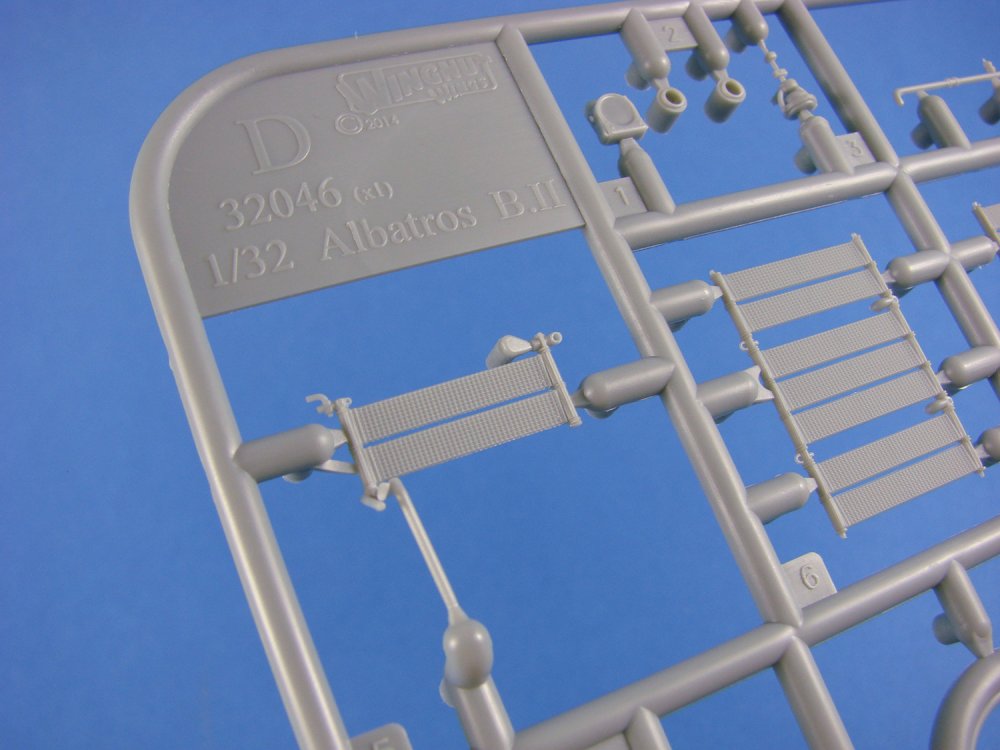
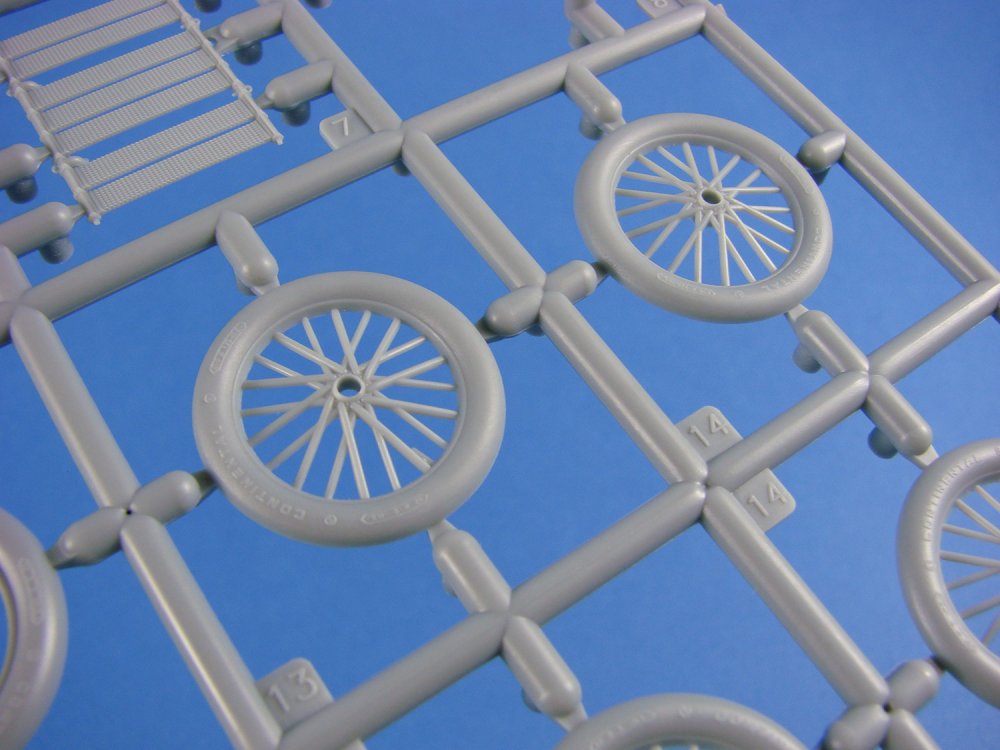
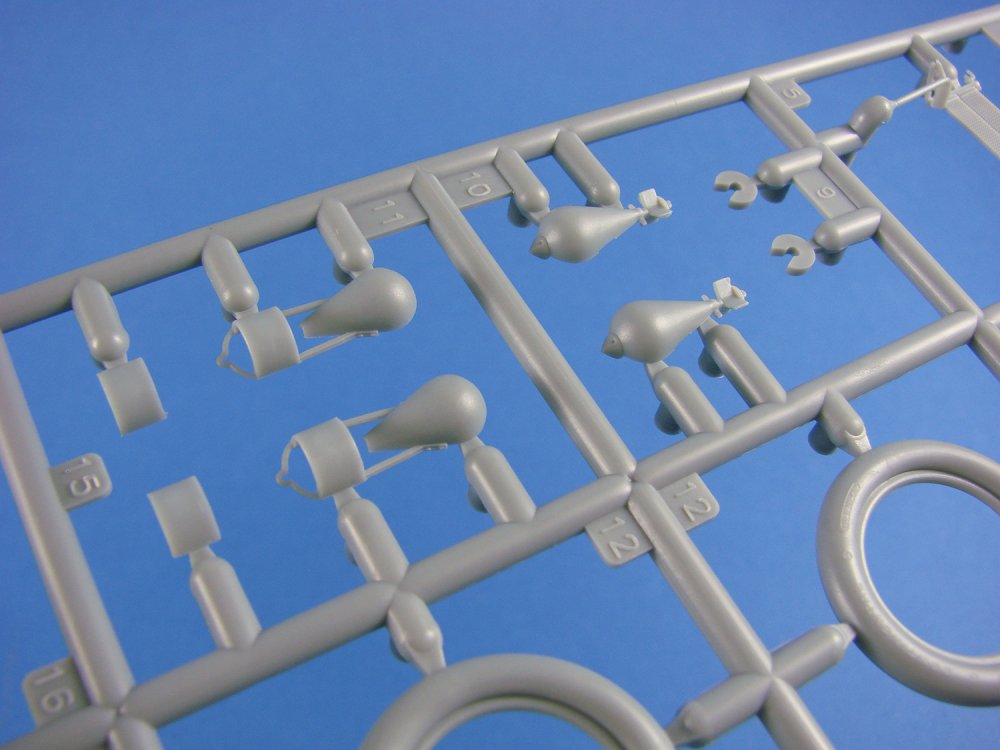
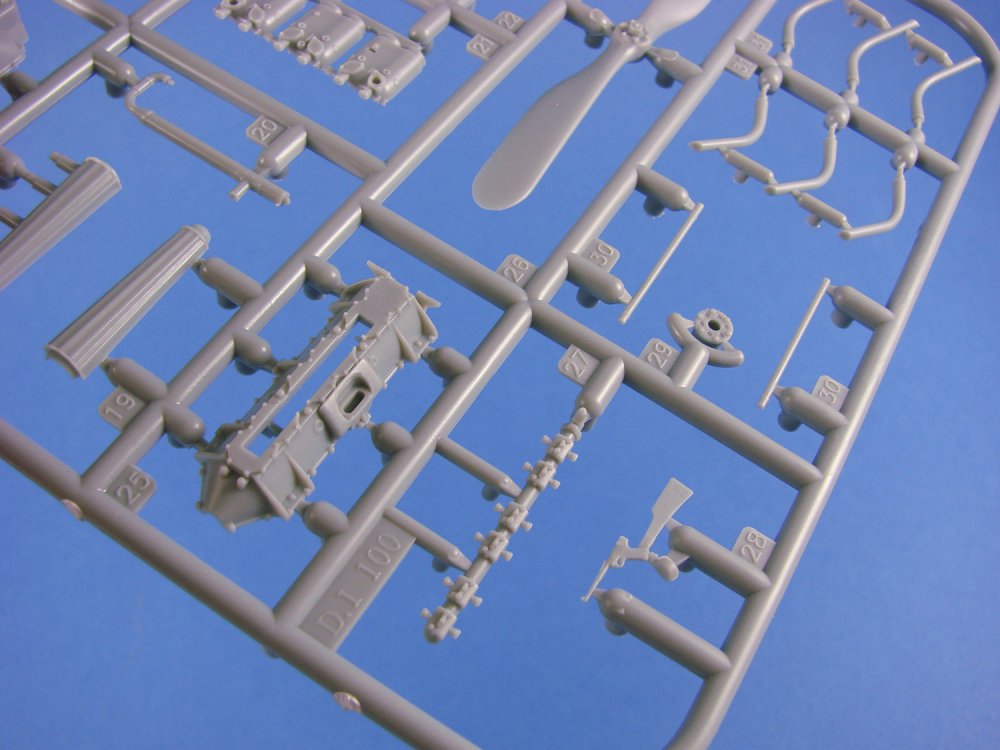
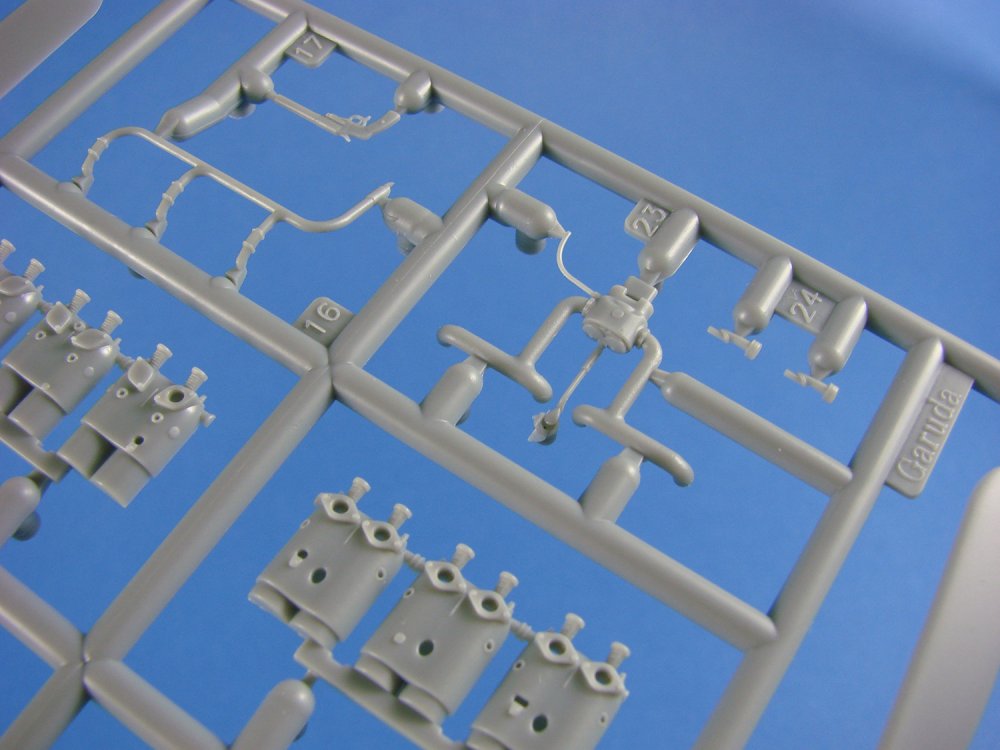
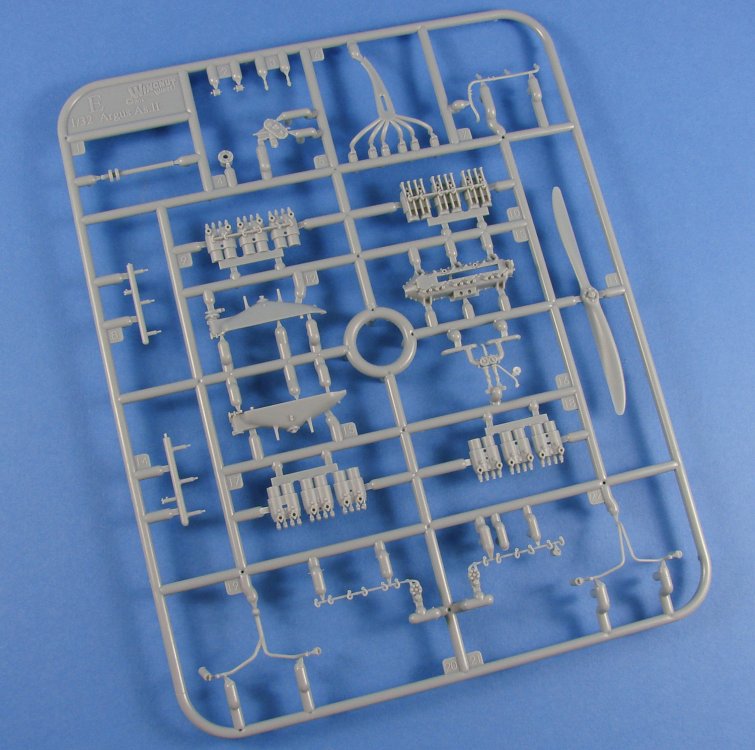
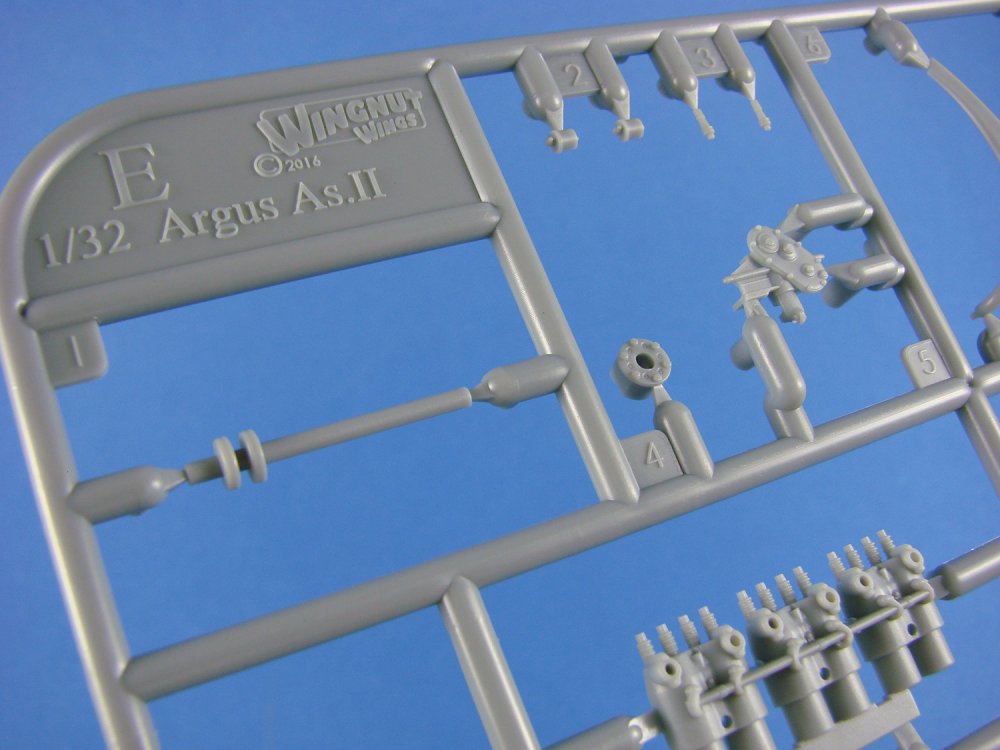
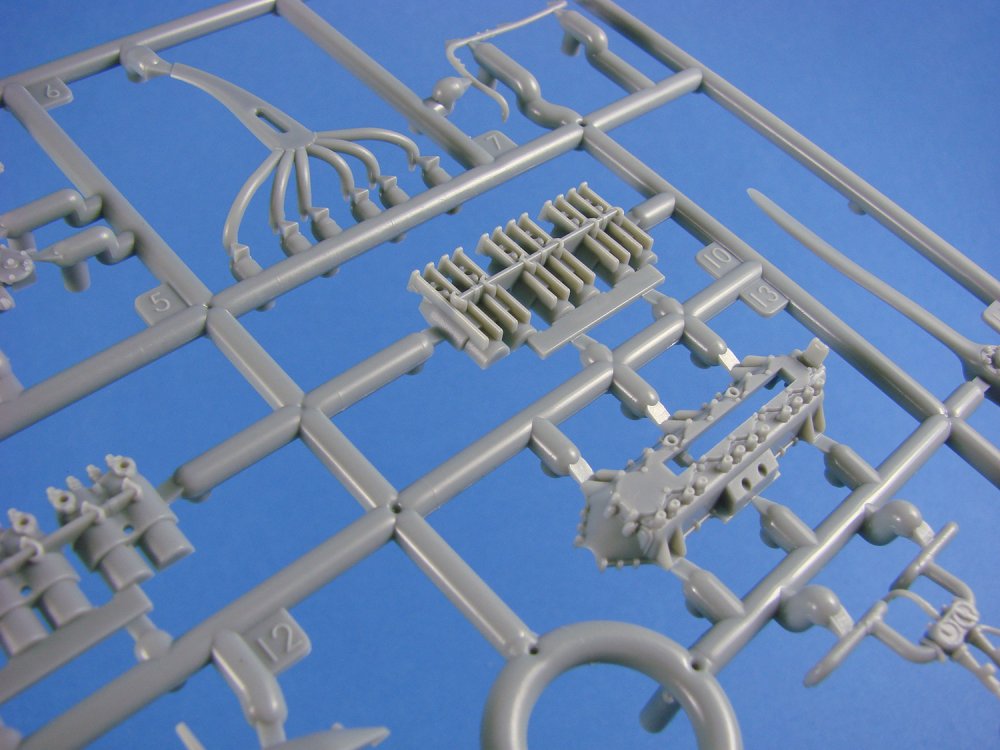
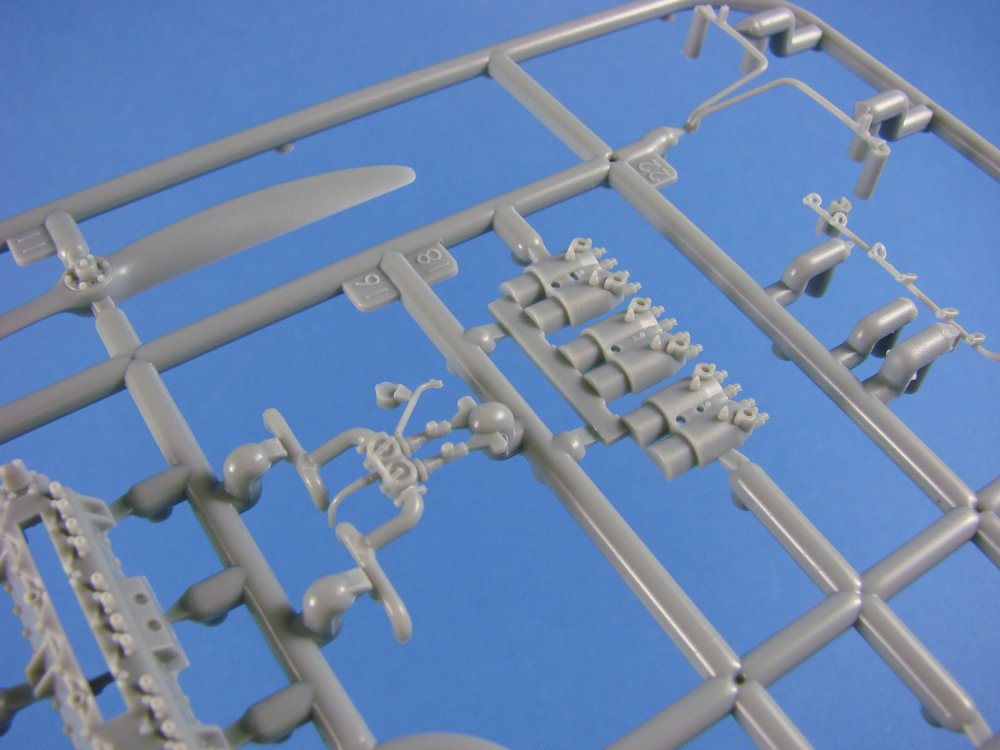
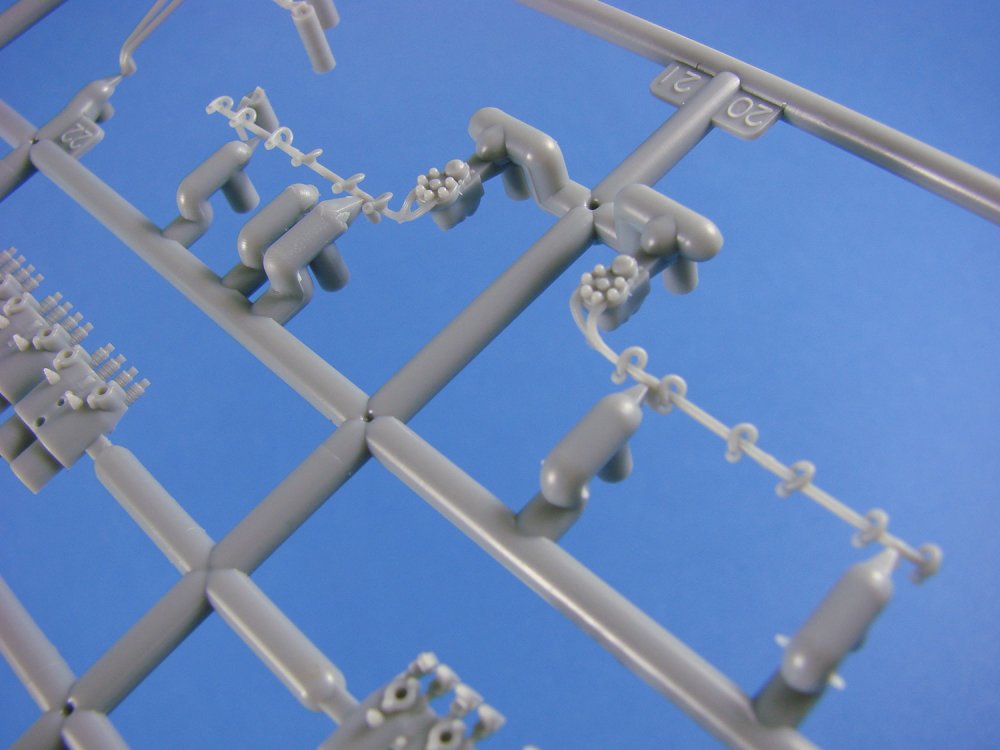
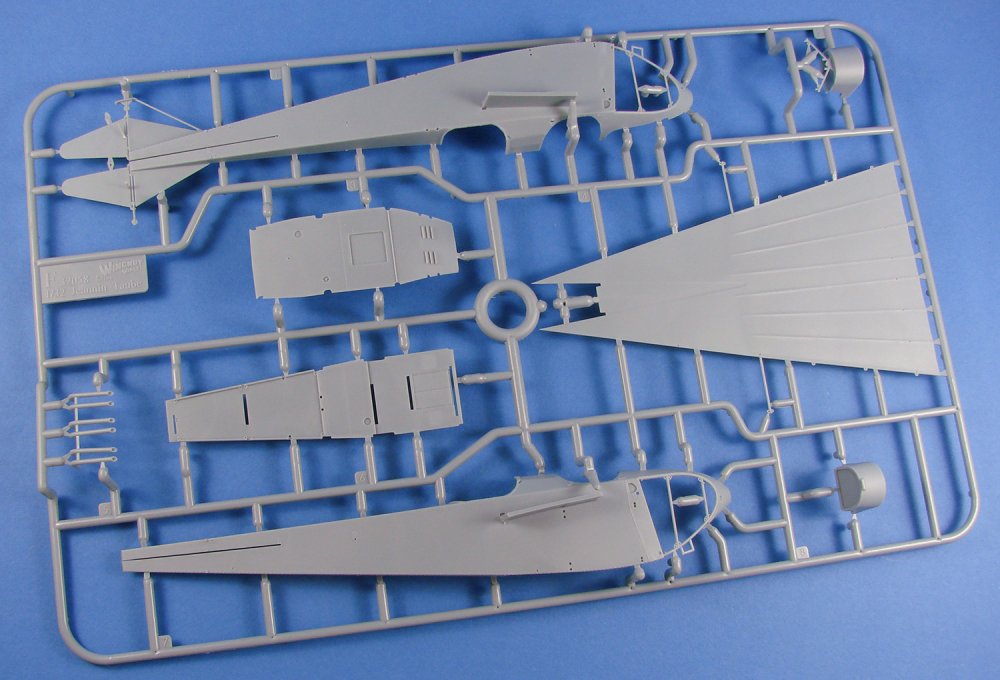
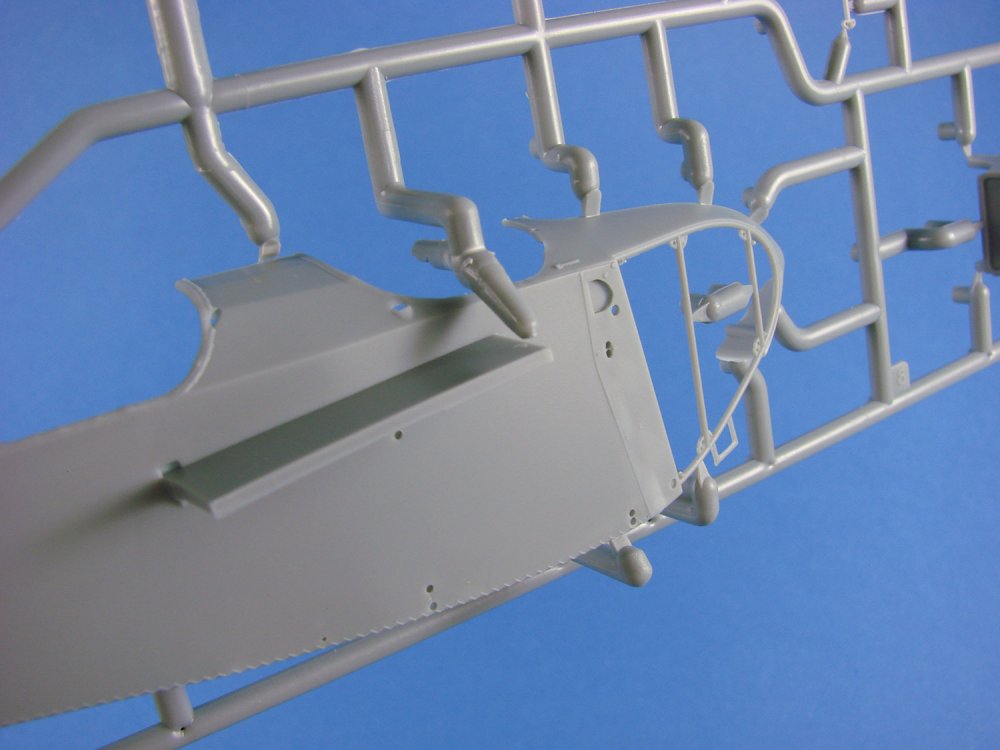
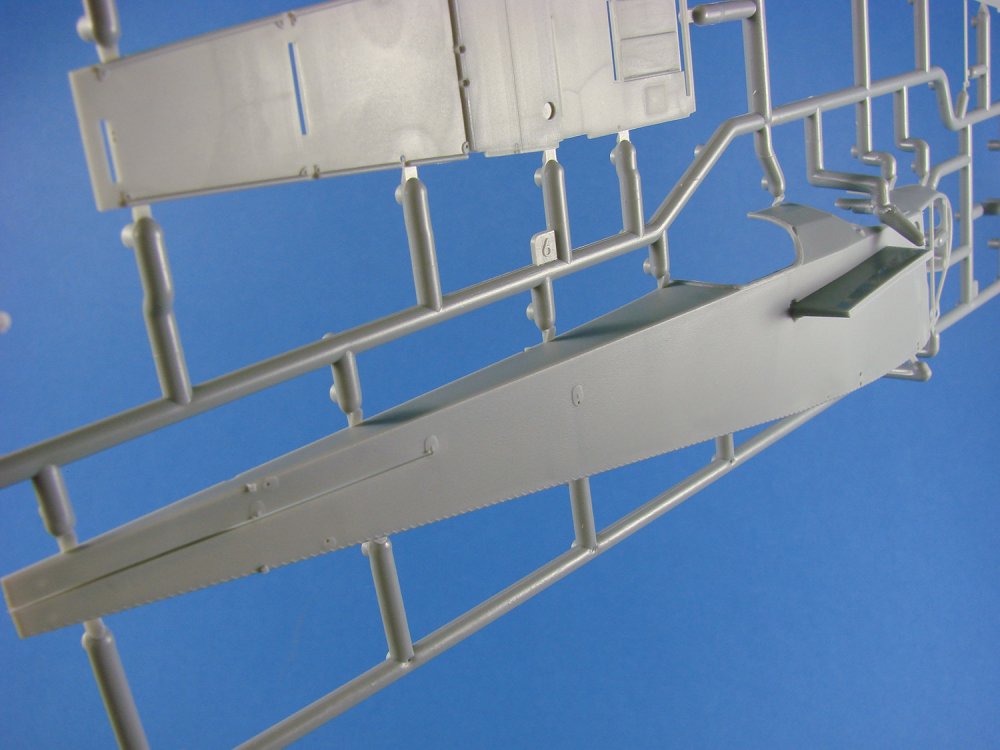
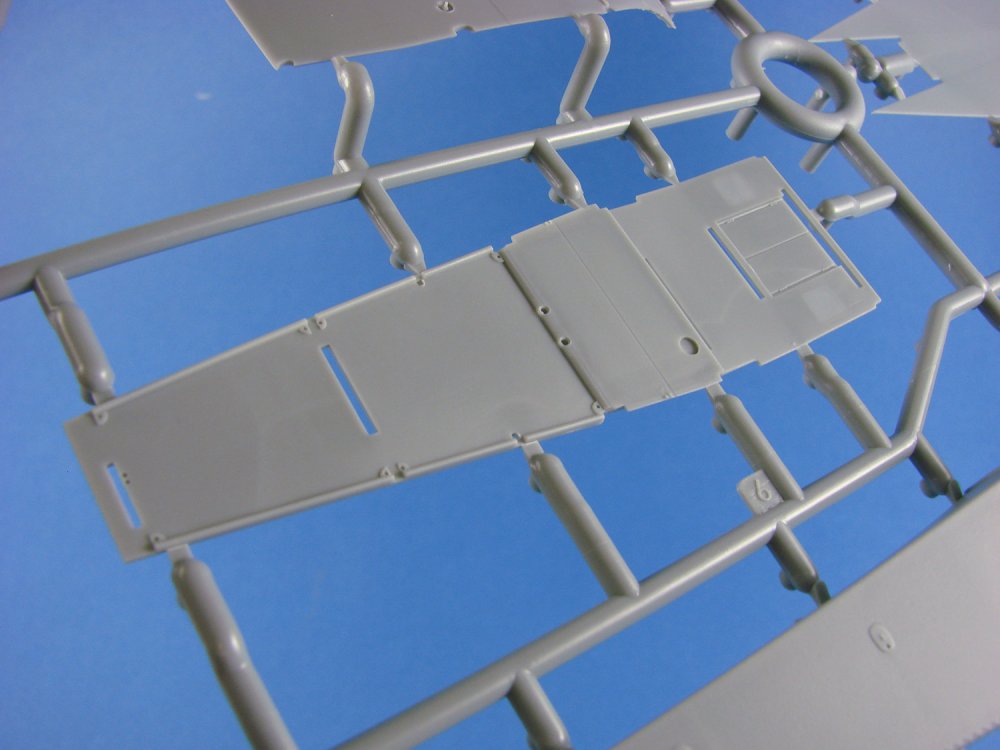
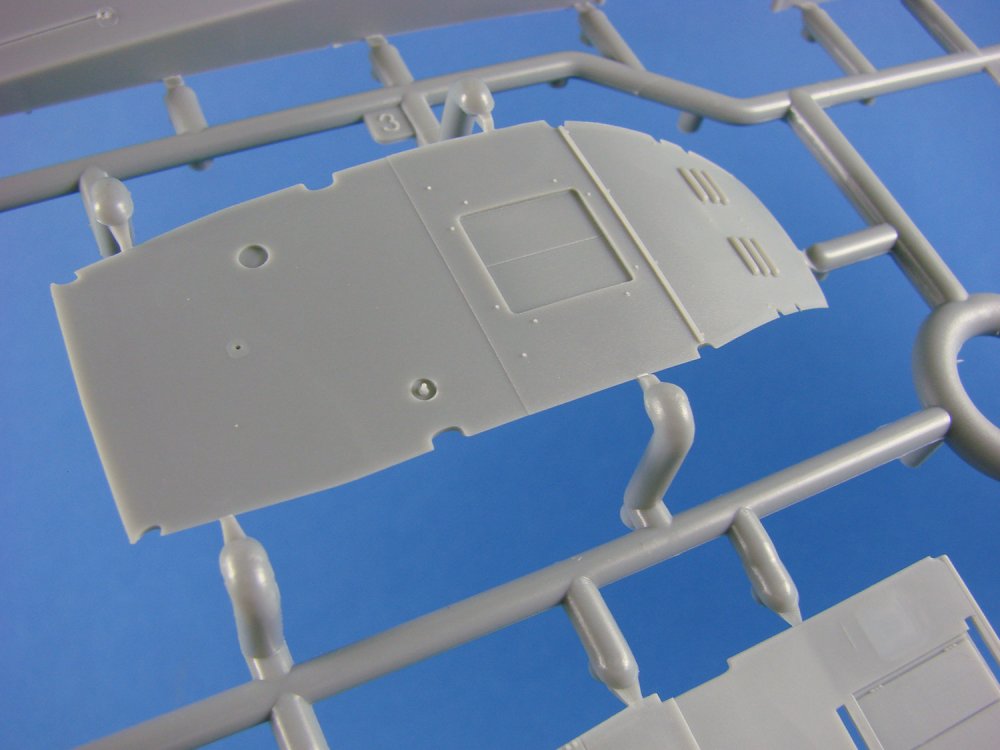
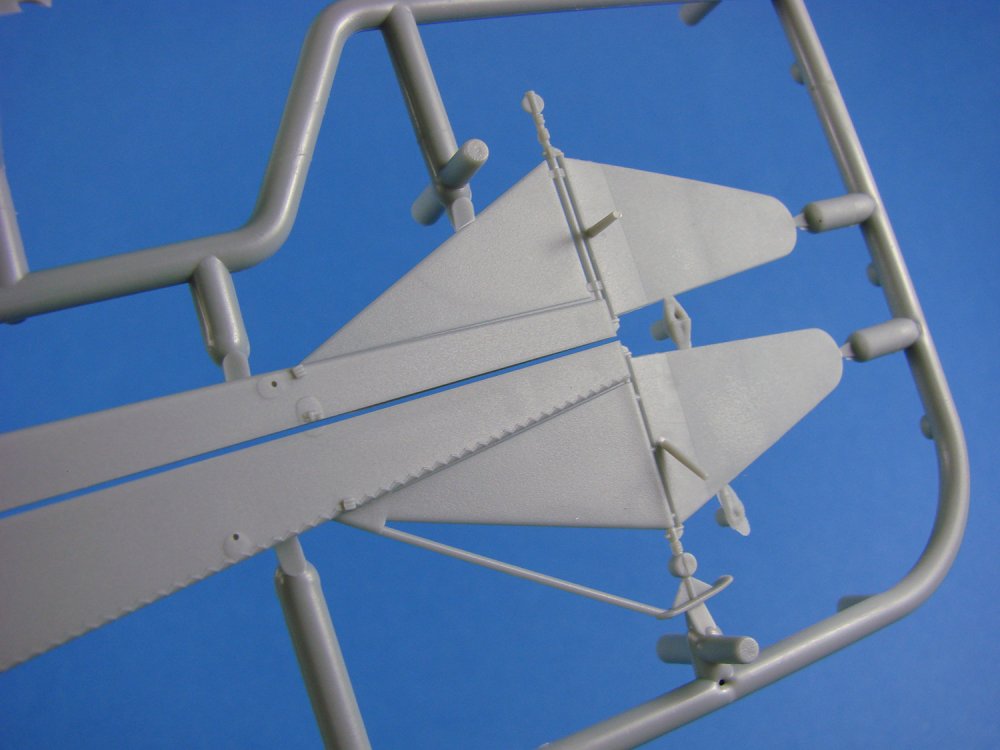
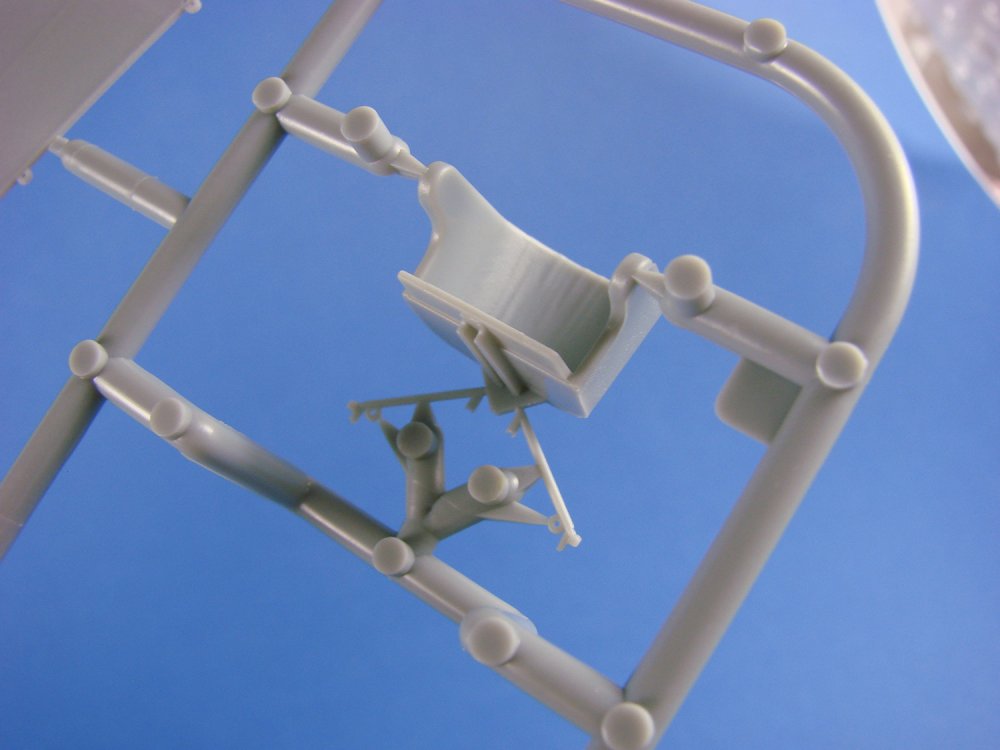
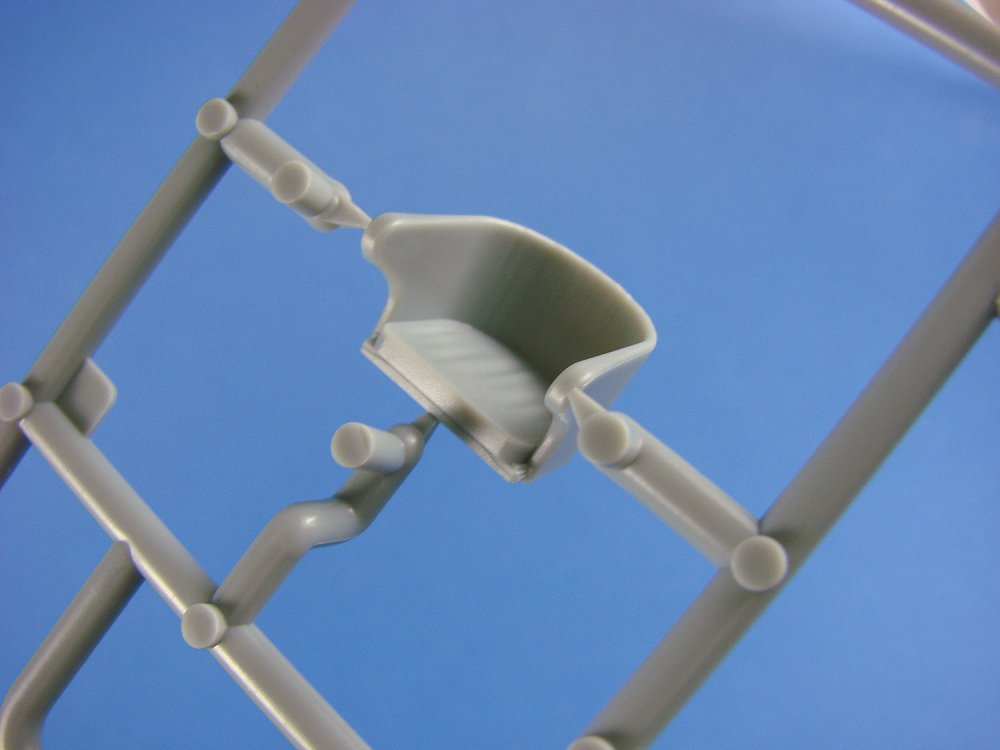
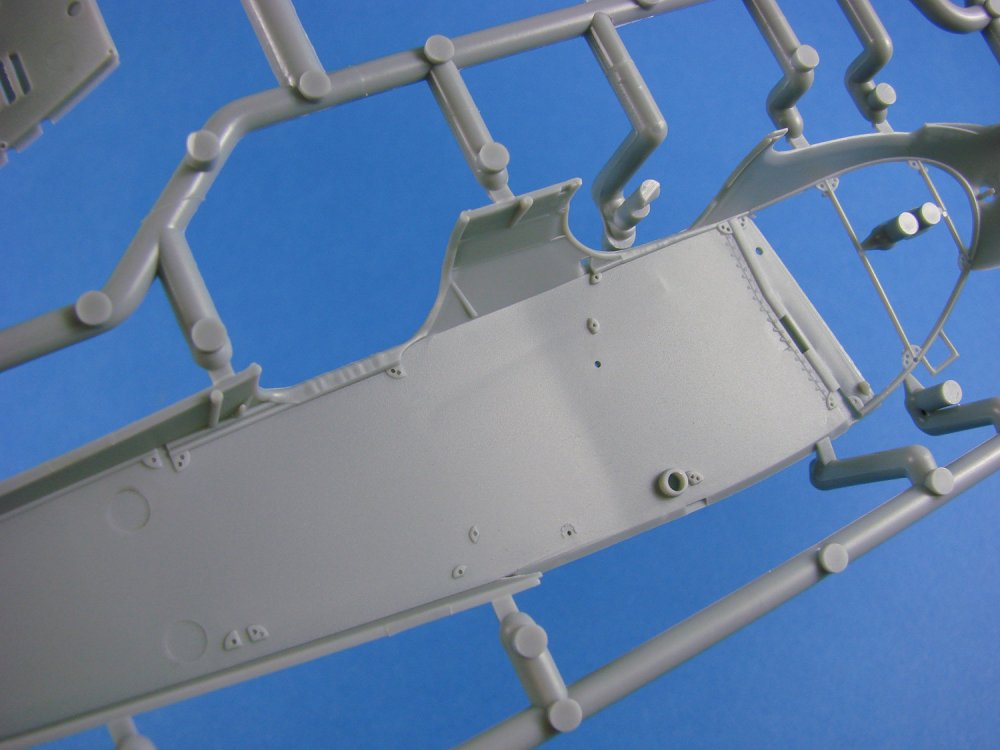
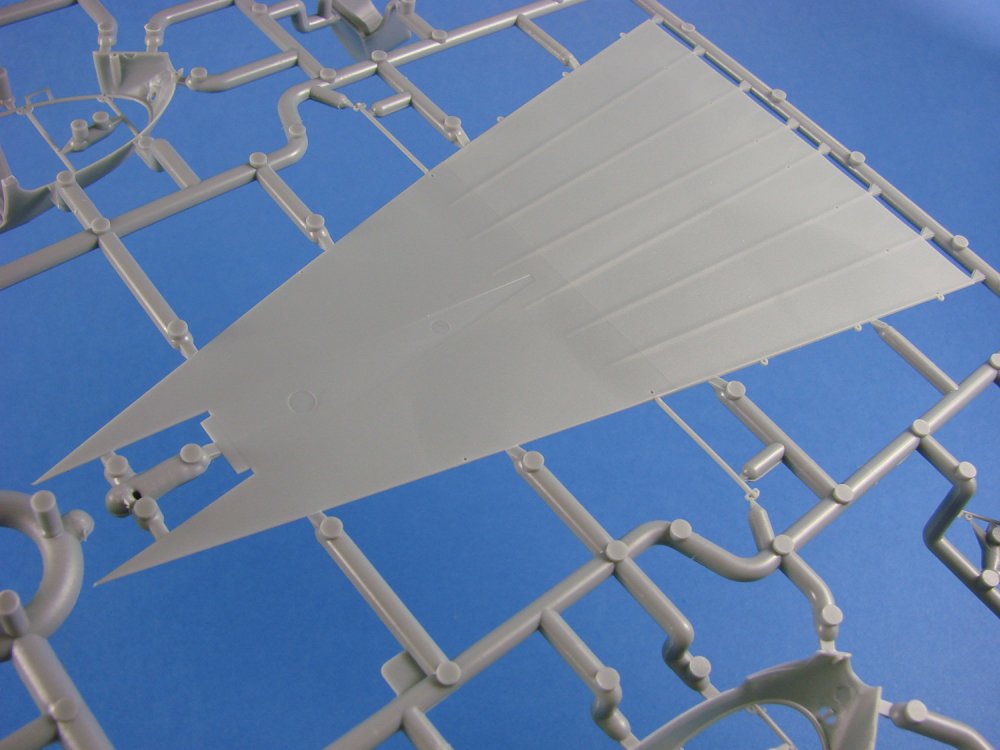
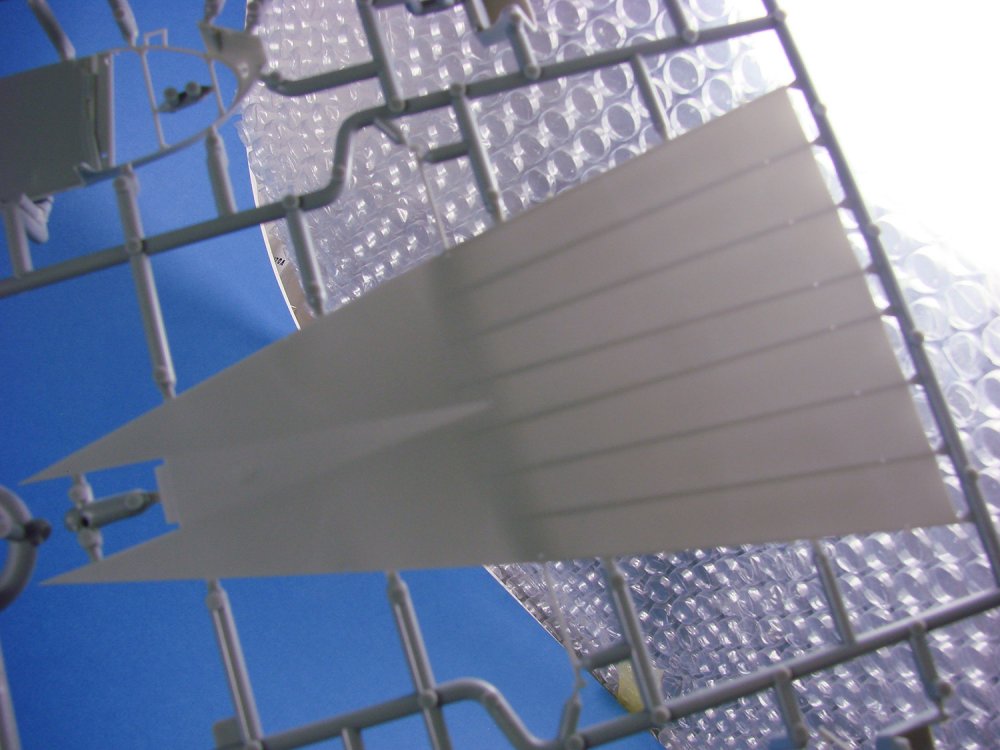
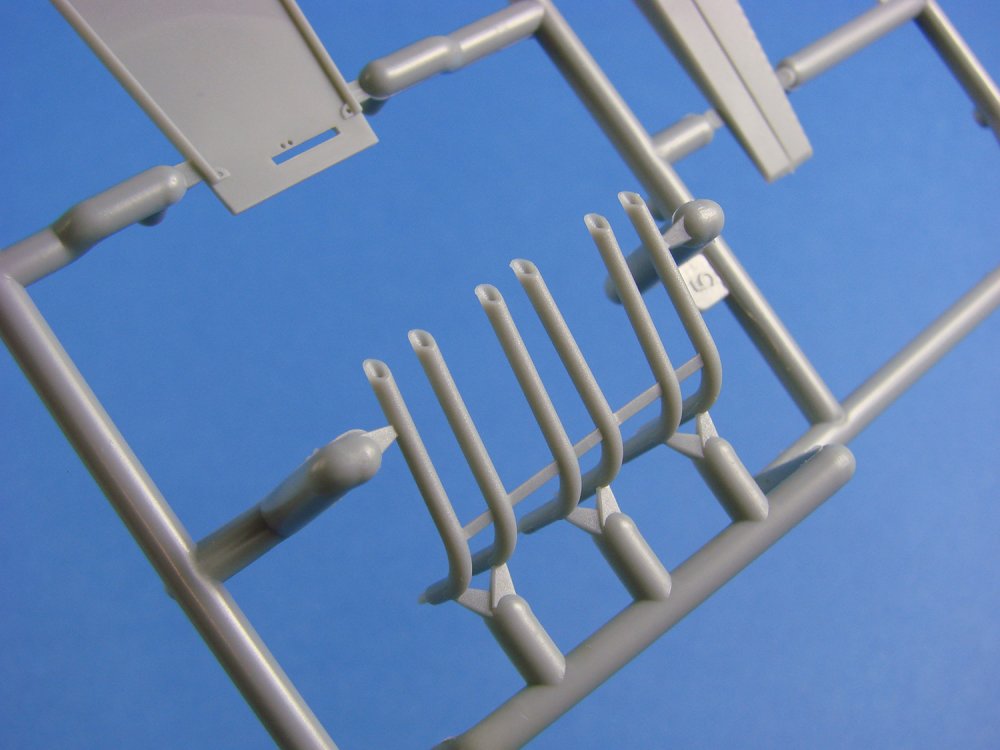
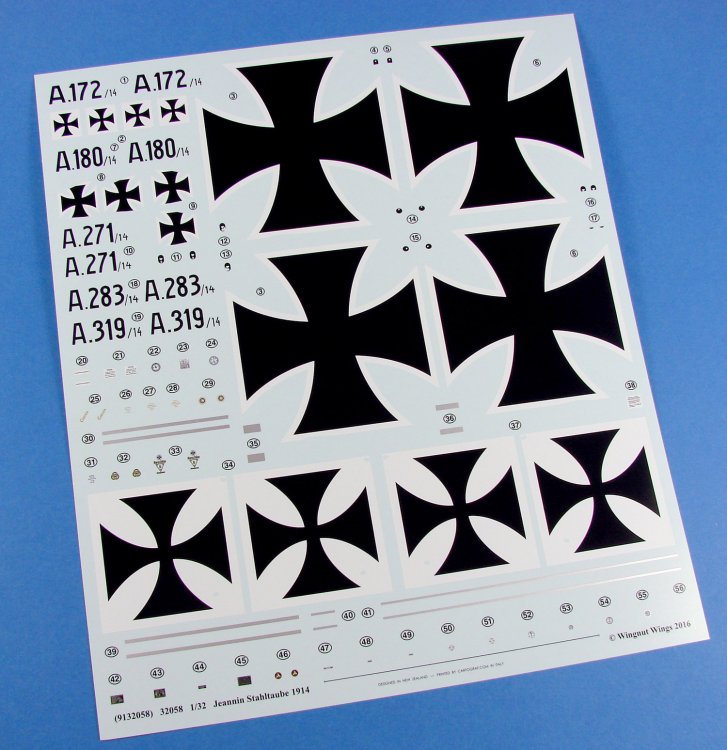
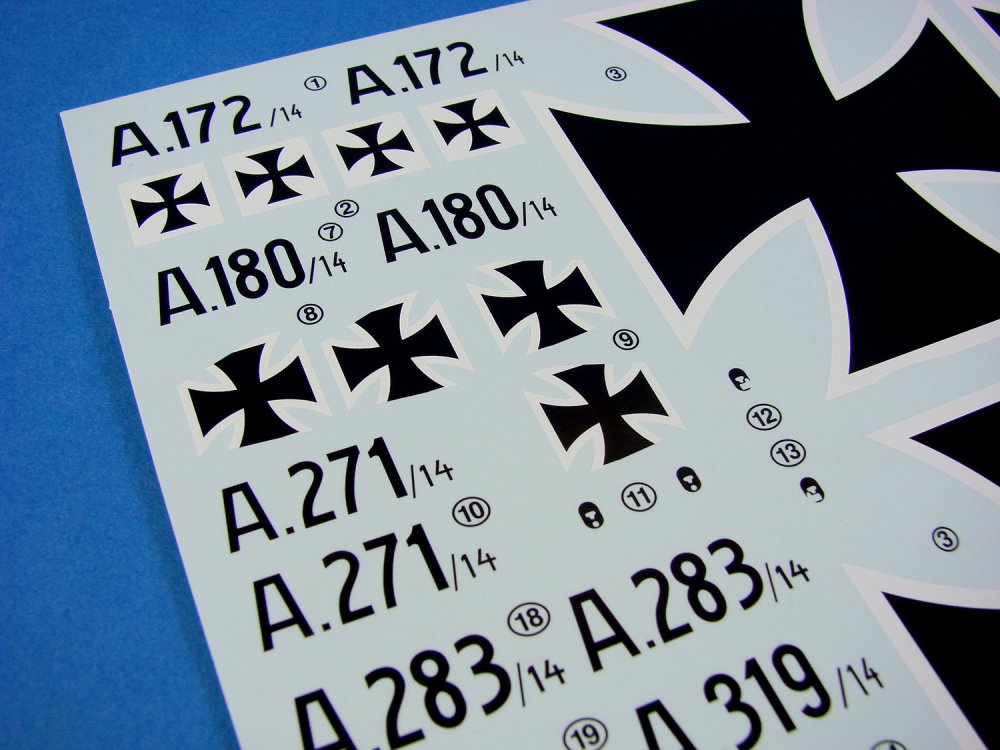
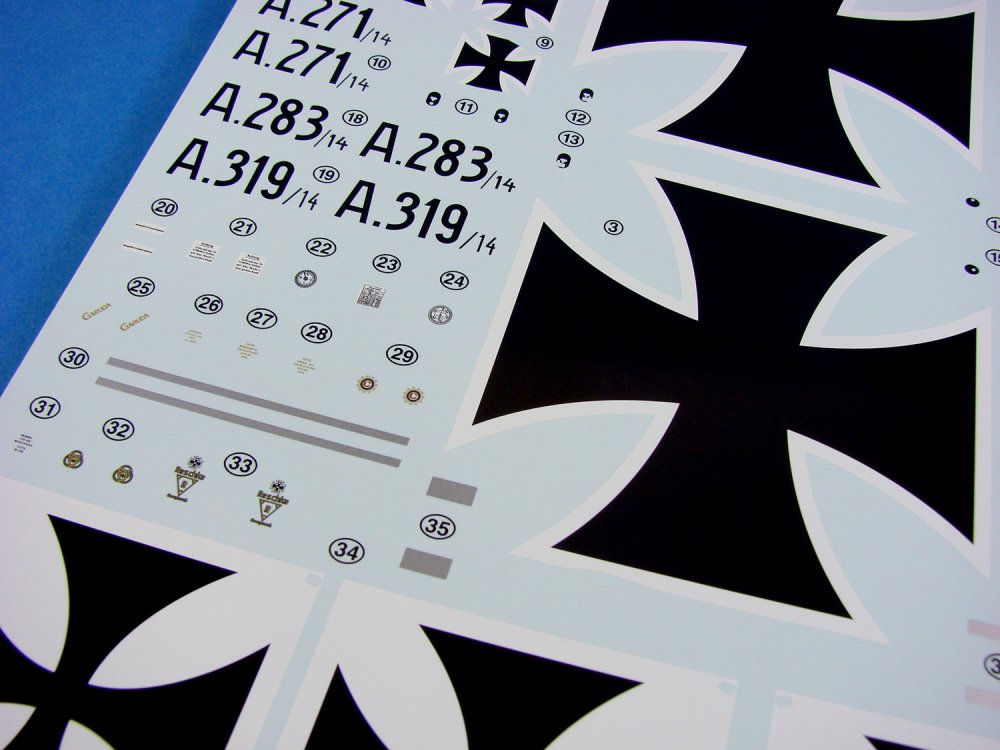
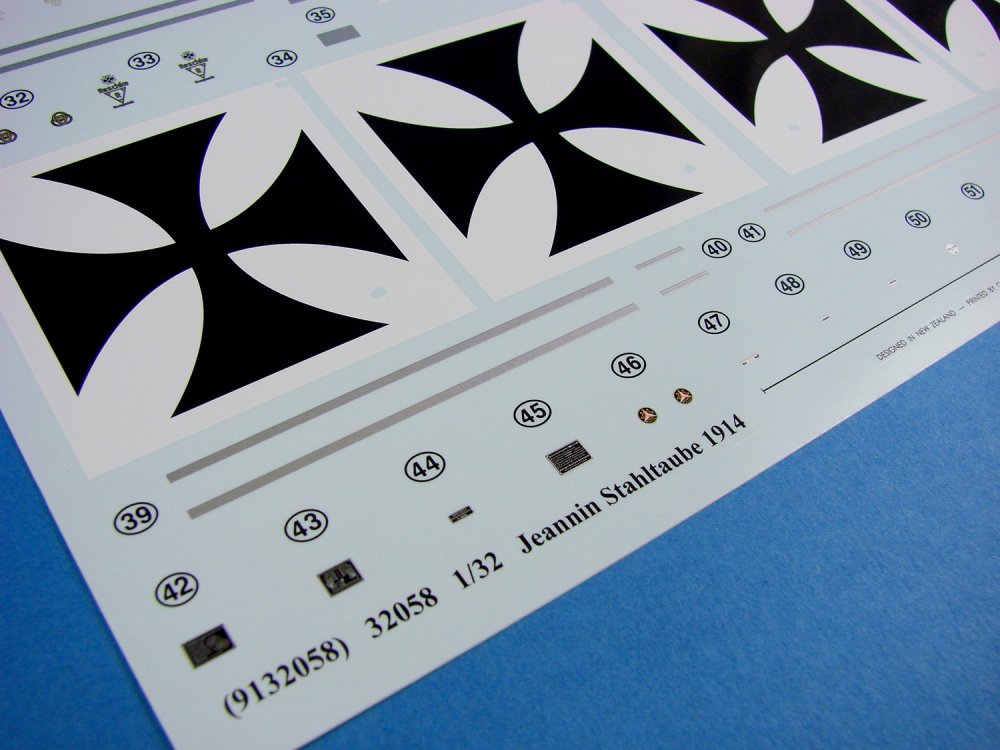
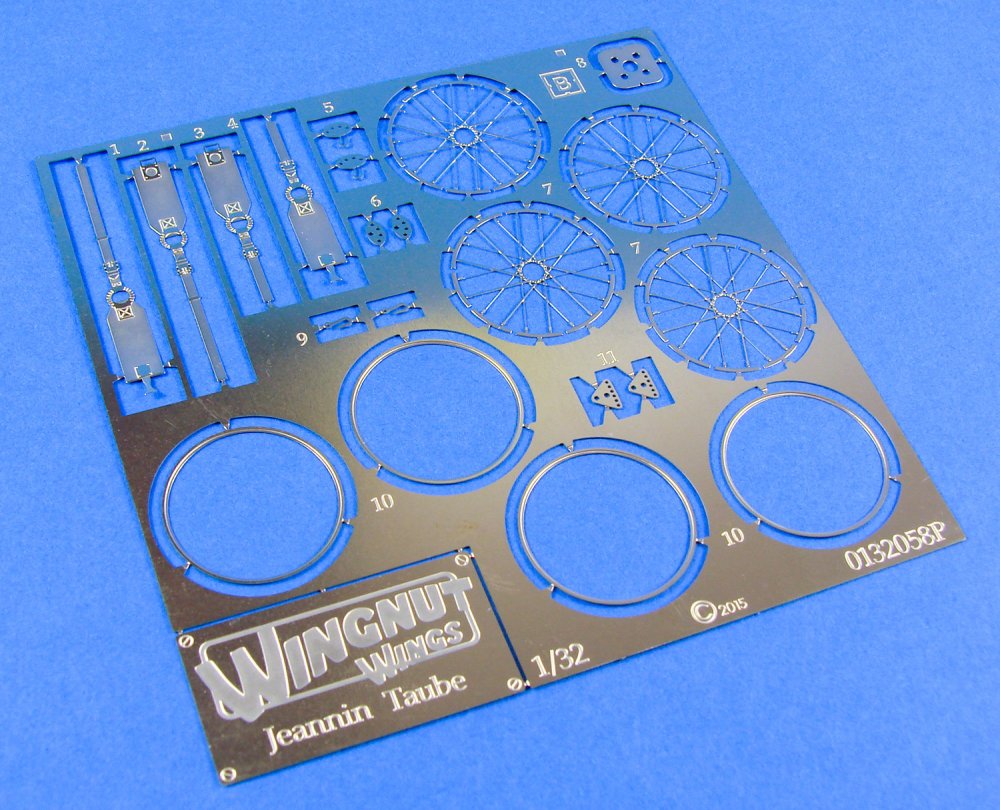
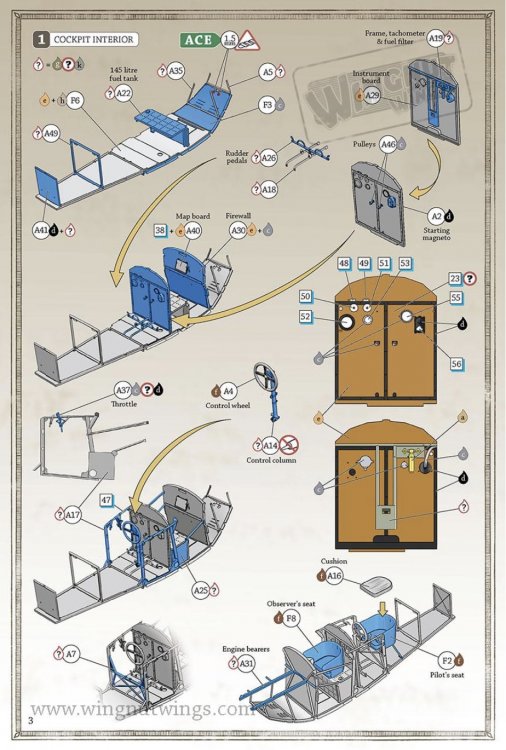
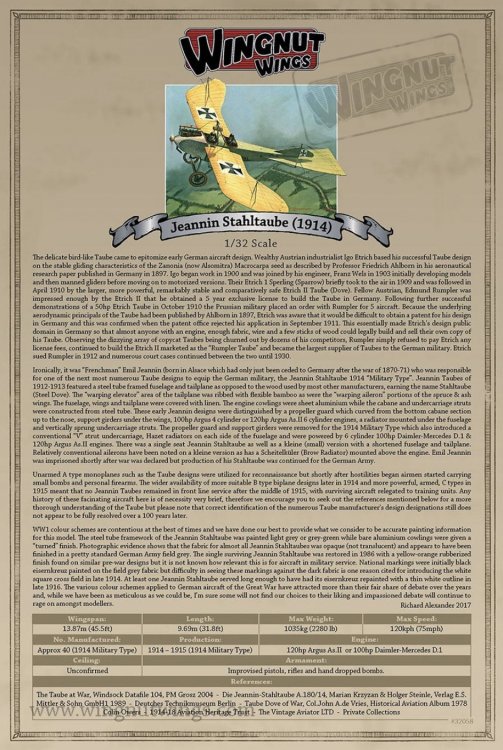
1/32 Jeannin Stahltaube (1914) Wingnut Wings Catalogue # 32058 Available from Wingnut Wings for $119 + shipping The Taube. Now there’s a story, indeed. I think it would be fair to say that most people with a reasonable knowledge of WW1 aviation would immediately think ‘Etrich’ when the word Taube (Dove) was mentioned. That is of course entirely fair, and I fall squarely into that category too, but behind the beautiful and graceful lines of the Taube comes a story of one man’s lack of foresight when it came to his aircraft design that was based on the publication of German papers concerning the aerodynamic theories behind the gliding abilities of the Alsomitra Macrocarpa seed. Sound bizarre? Igo Etrich was a wealthy Austrian industrialist who wanted to use those flight capabilities in his own aircraft design, and together with his engineer, Franz Wels, designed a number of gliders and engine-powered aircraft. The Etrich II Taube was a beautiful design that was very reminiscent of both a bird and the shape of the seed from the 1897 papers. It flew superbly, being operated by a warping system that twisted the bamboo trailing edges of the wings and tail. The rest of the aircraft was wooden, with Spruce and Ash being used in the wings. So, everything was going great so far, and in 1910, the successful design attracted another Austrian, Edmund Rumpler. Rumpler of course went on to become a main protagonist in aircraft design and manufacturer during WW1, but seeing the Etrich Taube, he obtained an exclusive 5yr licence to produce the aircraft himself in Germany, and then going on to sell militarised versions to the Germans. Now things start to unravel for Igo Etrich. As his design was based upon principles that were published in the German public domain in 1897, his design patent application in Germany was rejected. This now caused numerous companies to essentially copy the Etrich design and build their own versions. Being a little aggrieved at this, Rumpler didn’t see a reason to honour licence payments to Etrich, and the two men ended up in court several times over the original agreement. In the meantime, Taube-influenced aircraft, using the name Taube, were becoming more common. The Stalhtaube was of course another similar design, but as the name suggests, this military aircraft had a steel fuselage framework, with the de rigueur flexible bamboo warping surfaces for the wings, and tailplane. The wings and main tail were again constructed from wood. This was actually designed by a Frenchman, Emile Jeannin, whose home territory became part of Germany after the Franco-Prussian war of 1870-71, and his design impressed the German military so much that his company became one of the main Taube manufacturers, despite Jeannin’s own imprisonment during WW1 (due to his French heritage and a minor charge that provided an excuse for internment). These Taube aircraft were unarmed reconnaissance machines, but it wasn’t long before their crews would improvise by using pistols and small bombs to finally sow the seeds of the lethal air war that was to happen. After mid-1915, remaining frontline Stahltaubes were relegated to other duties. Model features High quality Cartograf decals with markings for 5 aircraft. 165 high quality injection moulded plastic parts including very fine 0.3 to 0.5mm thick wing warping control surface areas. Optional propellers, exhaust manifolds, engines, header tanks, gravity fuel tanks, wire wheels in injection moulded plastic or photo-etched metal, 20kg Carbonit bombs and Luger pistol armament. Highly detailed 100hp Daimler-Mercedes D.1 and 120hp Argus As.II engines. 21 photo-etched metal detail parts including optional wire spoke wheels. Fine in scale rib baton detail. Full rigging diagrams. The kit I’ve long wanted Wingnut Wings to release an Etrich Taube, as have many others, but I’m pretty sure that the Jeannin Taube is a more than acceptable alternative. Finally a change to build something that looks more like a bird than a military machine. As usual, Steve Anderson’s beautiful artwork adorns the box lid, with an image of this two-seat creation flying high over fields in the vicinity of Adlershof-Johannisthal, as the wings hadn’t received their paint at this stage. Ronny Bar’s profile work shows the five schemes available for this model kit. Inside the box, there are a total of SIX sprues of light grey plastic, and ONE small sprue containing two clear parts. All of these are individually bagged to prevent damage, and in the bottom of the box is a single decal sheet, PE fret and of course, the instruction manual. I think I’ll do a sprue-by-sprue of this release, so let’s take a look. SPRUE A It’s standard practice for WNW to use the first sprue for the lion’s share of internal and other small, key parts. This is no different here. The Taube’s cockpit is by its very nature, a simpler affair when compared to other aircraft of the period, and this is reflected here of course, but in amazing detail. All cockpit parts are to be found on this sprue, and the cockpit itself is built upon the lower fuselage floor instead of being a separate module. The floor is on Sprue F, but here you will find the rear and forward bulkheads, instrument board wall, fuel tank, map board, rudder pedal bar, magneto, tachometer and fuel filter frame, throttle, control column with separate wheel, seats and pilot’s cushion, and the short sidewall frame that sits across the two crew positions. Detail is extremely fine, with nicely clean holes for rigging cables on the sidewalls. Instrument board detail has the bare gauges, with instrument decals being supplied for these, as well as a map decal for the map board. Other parts on this sprue include the undercarriage V-struts and spreader bar, engine mount, external radiators, turnbuckle clusters, Integral propeller, engine side panels with fastener detail, optional access hatch for specific machines, parts for two different gravity-fed fuel tanks, and wing/fuselage mounted cabane struts etc. SPRUE B We are firmly in Taube-land here with this sprue, containing just the two elegant wing panels, moulded as single piece, port and starboard units. These really have to be seen to be appreciated, but the elegance of the wings is entirely captured here with the thin panels and their under-camber, fabric and rib representation and the rib capping strips. Note the positions for the cabane struts and the two rods that extend from each tip, which are rigging aids for the wing warping system. You’ll also see little pulleys on the leading edges. The trailing edges are a real feat of moulding. They are incredibly thin, and light is clearly seen through them when held to a window or my photography lamps. I’ve photographed this for you to see. Just make sure you don’t damage these fragile surfaces as you construct/paint your model. SPRUE C Here we have the only clear sprue, containing just two parts. One of these is the windscreen with its delicate framing, and the other is a sight window for the fuel level in one of the gravity tanks. Both parts are crystal clear with no visual flaws. SPRUE D You will note that this is an Albatros B.II sprue, but in reality, you will use very little from this set of parts, as most of them are NOT for use with this release. In fact, the only parts for use here are either the plastic spoke wheels (moulded as halves so to replicate the two rows of spokes), or the spoke-less type which enables use of the photo-etch spoke option, plus the hubs. Oh, there are a series of bombs here too, but these are entirely optional as they were only every carried internally by the crew, and then lobbed over the side when they wanted to hit either a ground or air target. They certainly weren’t standard issue! SPRUE E (both engines) This kit allows the modeller to build his/her Stahltaube with either a 100hp Mercedes D.1, or a 120hp Argus As.II engine, depending on the scheme you choose. Not only this, but scheme-dependent again, there will be a number of options for the exhaust (elephant, high and individual pipes), and also variation in the header tank plumbing. Both engines are very similar to assemble, with highly detailed crankcases, cylinder banks, magnetos, camshaft/rocker box, water pump, intake pipes, plug lead tubes, etc. A very small amount of surgery will be needed on a couple of parts to make these engines suitable for use on this machine, but this consists mostly of a little snipping and scraping. Nothing at all too taxing for the average modeller. Each engine is a project in its own right, and you could maybe complete the other engine and display on a stand, or simply keep for spares. A small number of decals are set aside for each engine too, such as data plates. Alternative propellers are to be found here too, such as the Niendorf, Garuda and Reschke. To which scheme these are fitted, is clearly seen. SPRUE F You tend to get an idea about the size of this model when you see the fuselage halves against the very long tail-plane. The exterior of the fuselage doesn’t have too much in the way of detail due to the method of construction, but what detail there is, is finely executed, such as the lower edge stitching, the cockpit leather coaming, leather grommets, and the detail around the open engine panel area. Tabs are present onto which the wings will sit. A long slit exists where the super-thin tail-plane will slide into. Fin and rudder detail is only moulded onto the port-side fuselage, due to how incredibly thin this is. Here you will also see the tail skid moulded in situ. One rigging bar on my rudder was snapped backwards, but this was easily fixed with a quick brush of extra thin cement. There isn’t really much in the way of internal detail due to the method of construction, but you will note a series of location points for internal rigging/bracing wires to be added. The fuselage is moulded with the front underside supplied as two separate, interlocking parts, containing the cockpit floor. These parts are also moulded on this sprue, with the forward most part having some excellent open louvre detail. A small number of Stahltaubes had a hole in the underside cowl, and sometimes this was in cross-form. Instructions, and a PE template are included for those schemes that had this feature. You will also need to carefully trim the upper, forward engine cowl so that the Argus As.II engine fits without fouling the sides. A crowning glory on this sprue is that seriously long but thin and streamlined tail-plane. As with the wing, this is very, very thin, with light easily being seen through the part. Detail is excellent again, with the flexible, warping portion clearly having the bamboo and fabric construction. Rigging posts and loops are present too. You sort of get a real idea for the rigging task ahead, and I feel this one will be time-consuming. Other parts on this sprue are the pilot and observer’s seats, and the single tube row of exhausts, with the ends being slightly hollowed out. You may want to go a little further. Photo-Etch A set of lap belts are included for both the pilot and observer. Detail is great, and you’ll just need to anneal them in a candle or lighter flame so that you can manipulate them into a realistic pose. The wheel spokes are also here, with a broken circumference that allows you to bend these into a very shallow cone shape before fitting to the wheels. There are then some outer wheel hub rims that sit over the circumference and hides the joins. These parts look quite delicate, so again, take your time here. A small number of rigging aids are supplied here, through which collective lines will run, as well as the template for creating the hole in the underside of the engine cowl. Production of the PE is consistent with everything I’ve seen from WNW, and the gate attachment parts are suitably thin so that parts will be easy to detach. Decals A single, Cartograf-printed sheet is included (dated 2016!), and this contains all of the permutations of national markings and serials, including decals for the cockpit, engine, propeller, grommets and numerous other external areas. Printing is glossy, thin and with minimal carrier film. Colours are solid and authentic and the printing is in perfect register. Decals are provided for the following schemes: Jeannin Stahltaube 172/14, Lt. Fritzlohn(?), Adlershof-Johannisthal, late 1914 - early 1915 Jeannin Stahltaube 180/14, Deutches Technikmuseum, Berlin Jeannin Stahltaube 271/14, Emil Wendler, Adlershof-Johannisthal, late 1916 – early 1917 Jeannin Stahltaube 284/14, Adlershof-Johannisthal, 1915 Jeannin Stahltaube 319/14, Armee-Flug-Park 9b, early 1915 Please note that 271/14 can be built with alternative exhaust and header tank details. When WNW send review kits to websites, they always include a covering letter which contains some useful details. In the case of the Stahltaube, one piece of information is quite pertinent. This relates to the differences between machines, and that no two Stahltaubes were the same. This means that whichever machine you choose to model, ensure you have the photographic material for that specific machine. It simply isn’t enough to have a photo of ‘machine X’, and then go onto build ‘machine Y’ using incorrect photographic references. Instructions Wingnut Wings always produce the most gorgeous instruction manuals in the business, with a slick, glossy publication that starts with the history of the type and aircraft data, followed by a sprue plan and colour chart with paint references given for Tamiya and Humbrol paints, plus a series of FS codes. All constructional sequences are superbly illustrated in greyscale, with the use of colour for newly added parts, as well as defining photo-etch addition etc. Numerous full colour assembly illustrations are also supplied, and reference to paint colour is supplied throughout. Internal rigging is also tackled as the project progresses. Period images are used to illustrate specific areas of construction too, making things very easy for the modeller, as well as providing great historical interest. The last pages of the manual are given over to the Ronny Bar profile illustrations, complete with more historical imagery. Ronny’s work is clear to follow, and decal placement is clear and precise. Some historical and modeller-specific details are supplied with each profile illustration. A full rigging diagram is also provided. Conclusion A Taube is something I’ve wanted to see in my preferred scale for a long, long time, along with a Dr.I from WNW. I sure hope to still see the latter aircraft. This is a very, very nice kit, and the building should be quite straightforward, despite the amount of bare wood in the cockpit. Where the modeller will be challenged here is in making the thin wing trailing edges and wing section look translucent (paint shop trickery), and also the many, many rigging wires that warped the various flying surfaces. Detail is everything you’ve already come to expect from Wingnut Wings, and nowhere at all does this disappoint. I’ve already planned to cut plastic for an article in Military Illustrated Modeller. So, WNW….how about that Dr.I now, please! My sincere thanks to Wingnut Wings for the review sample shown here. To purchase directly, click THIS link.

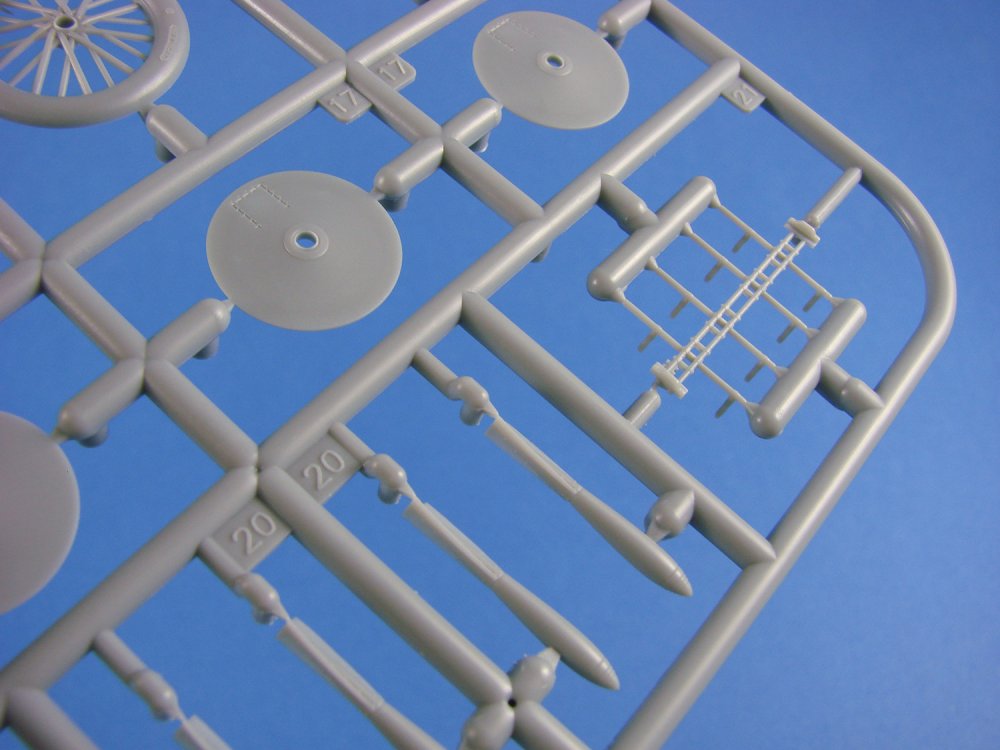
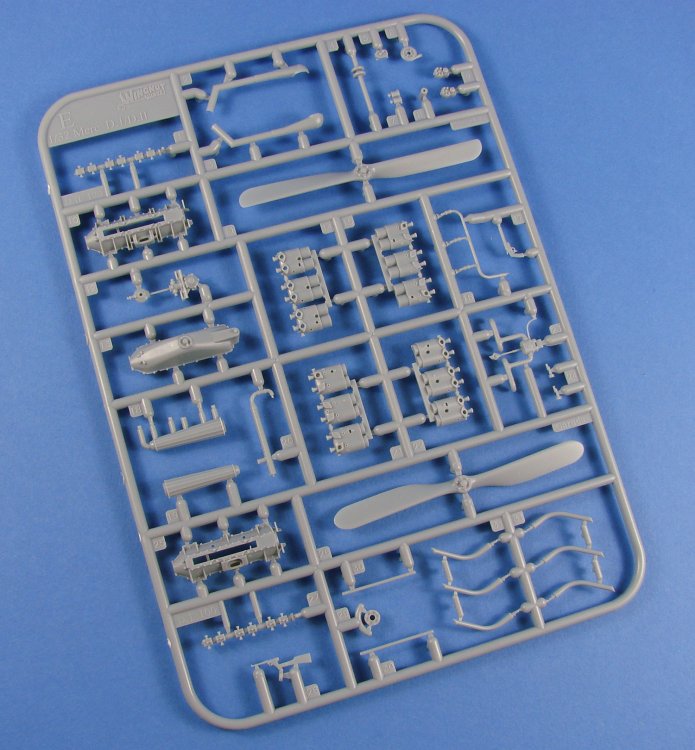
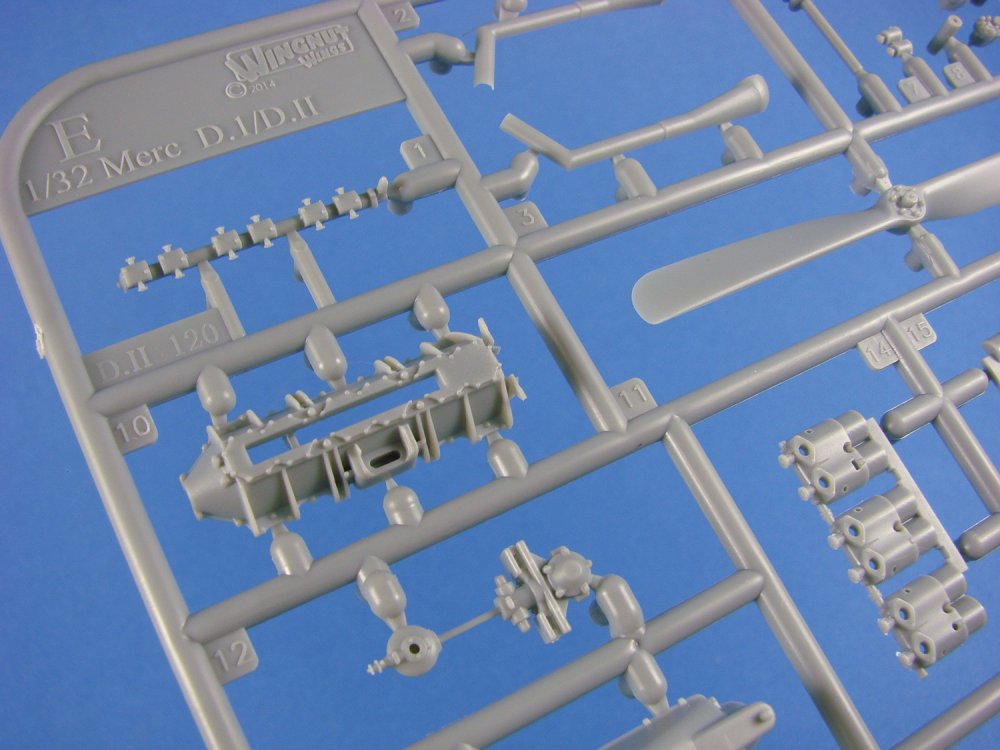
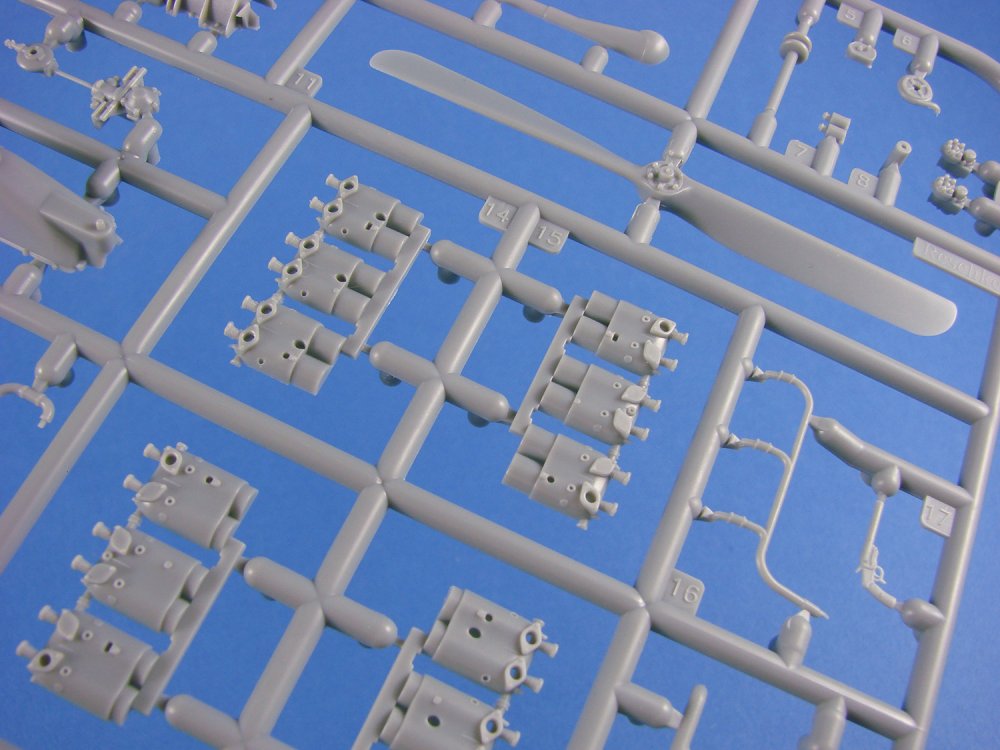
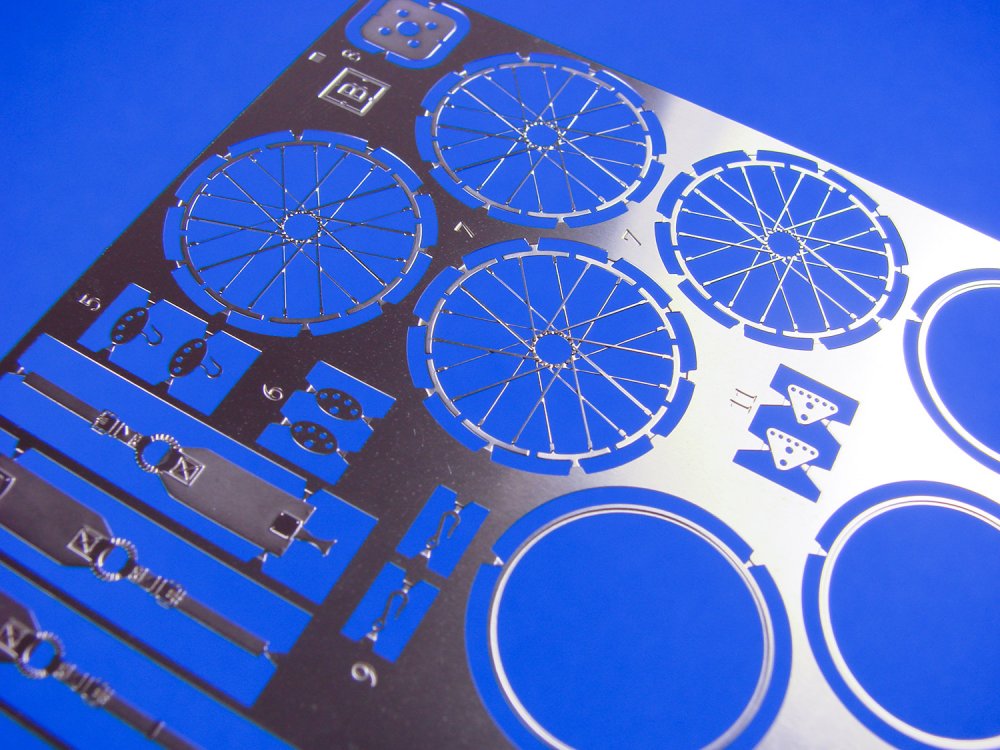
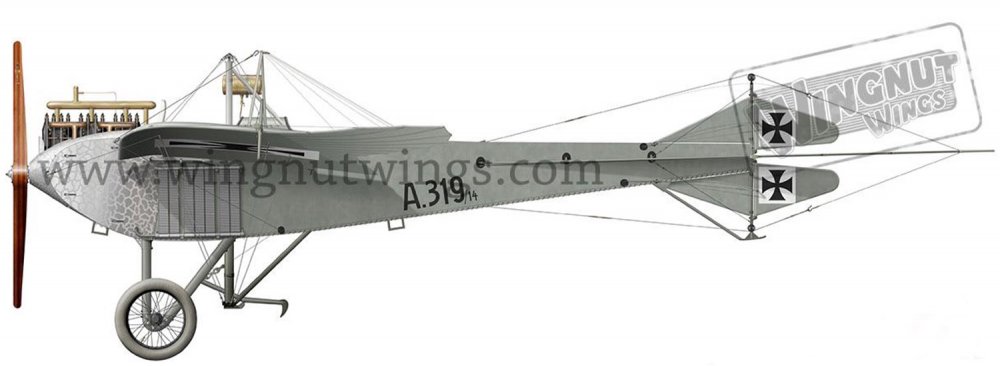
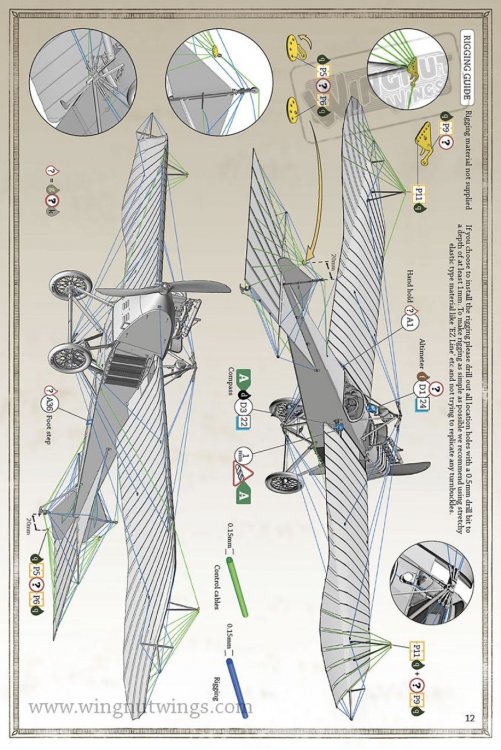
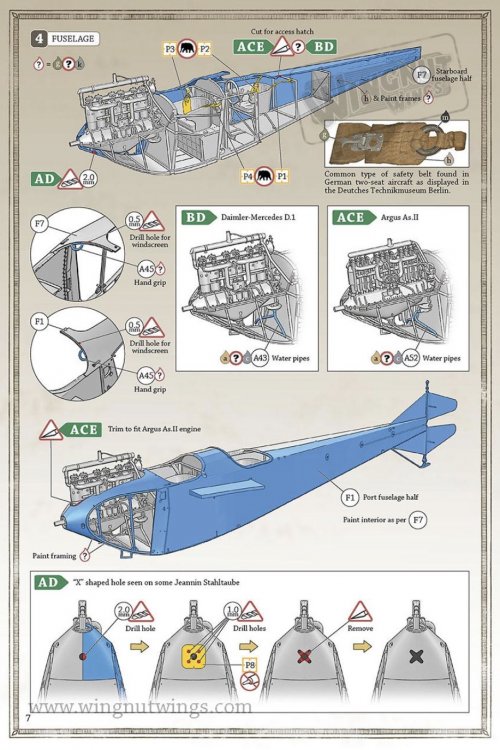

-
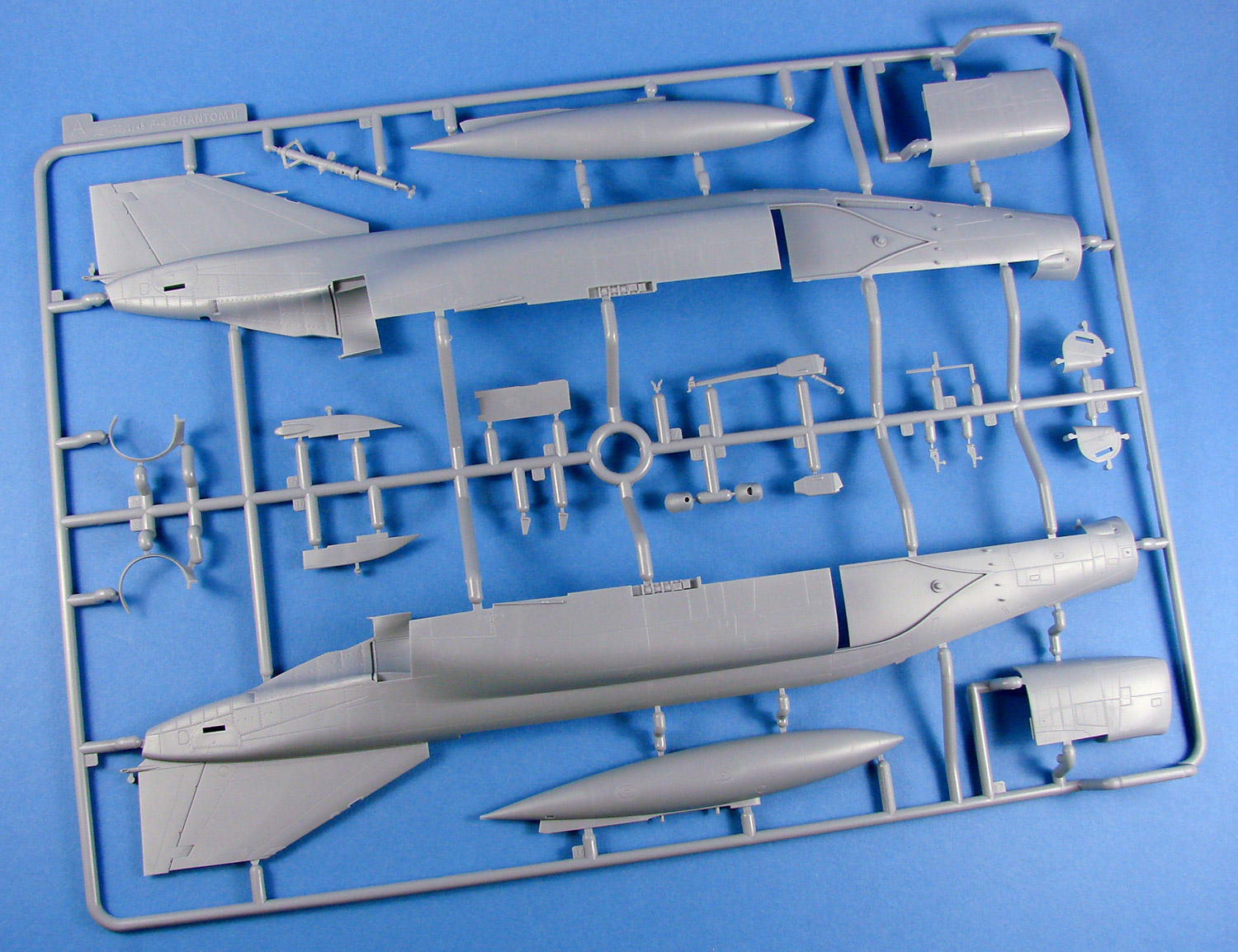
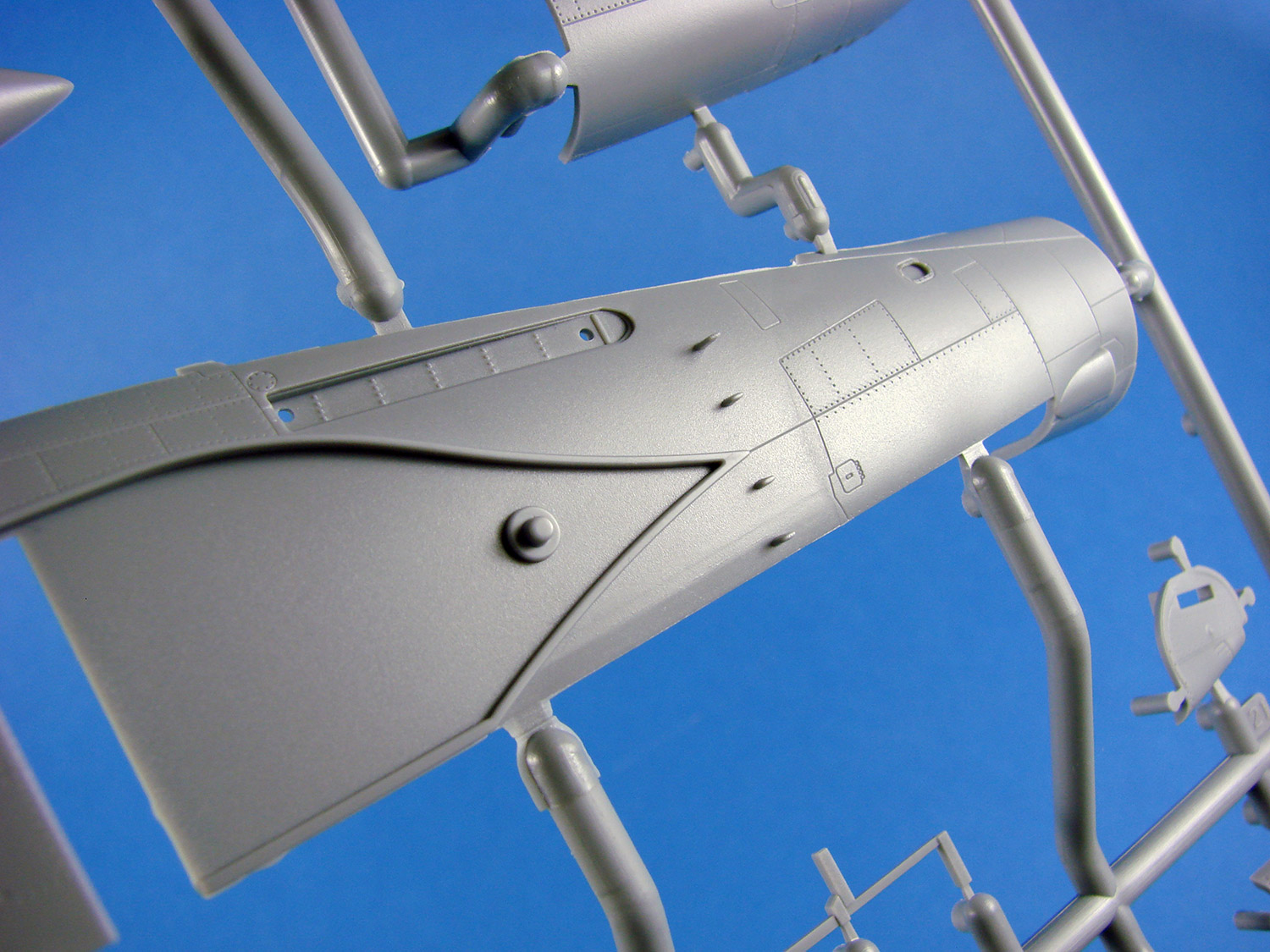
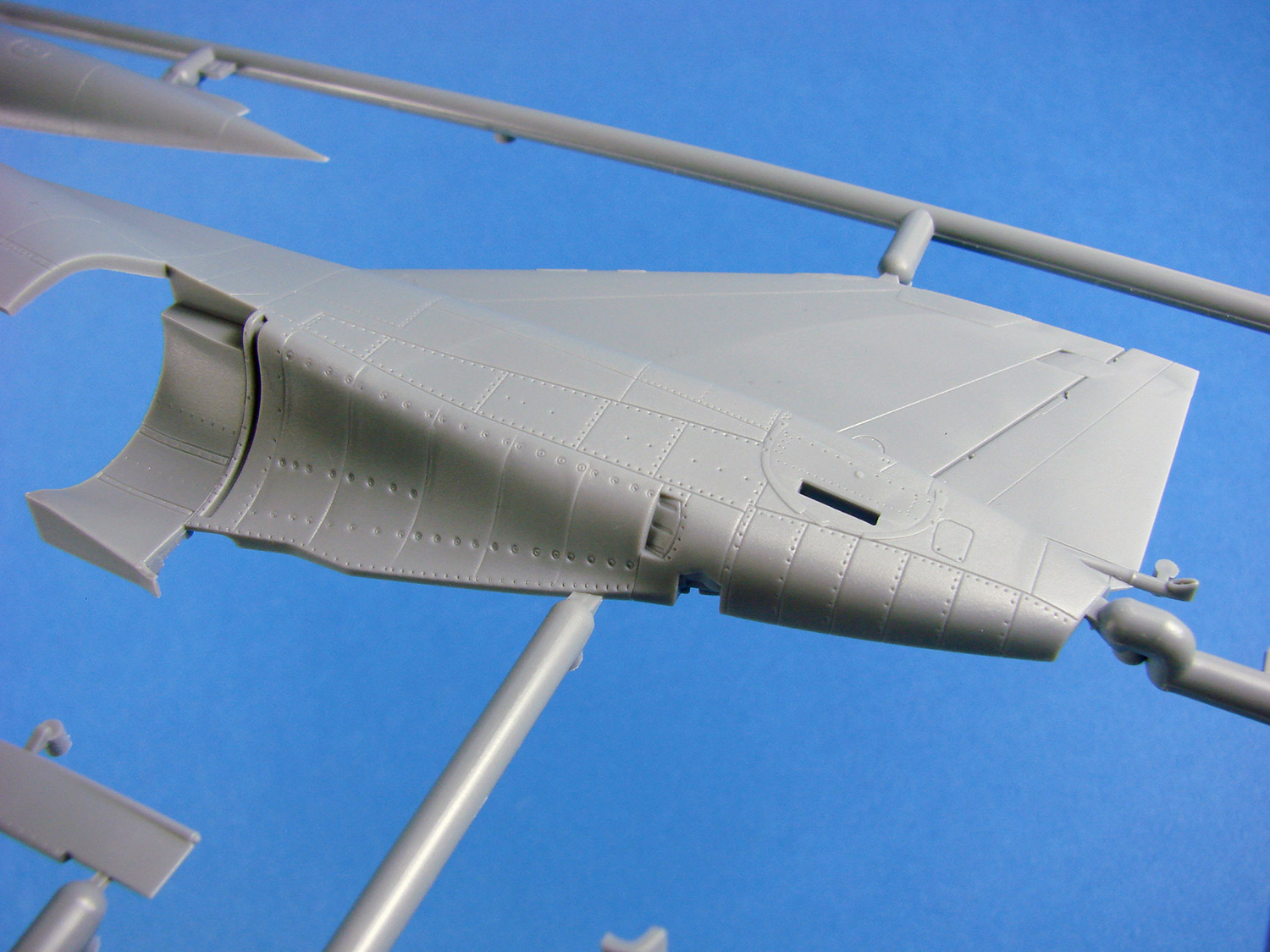
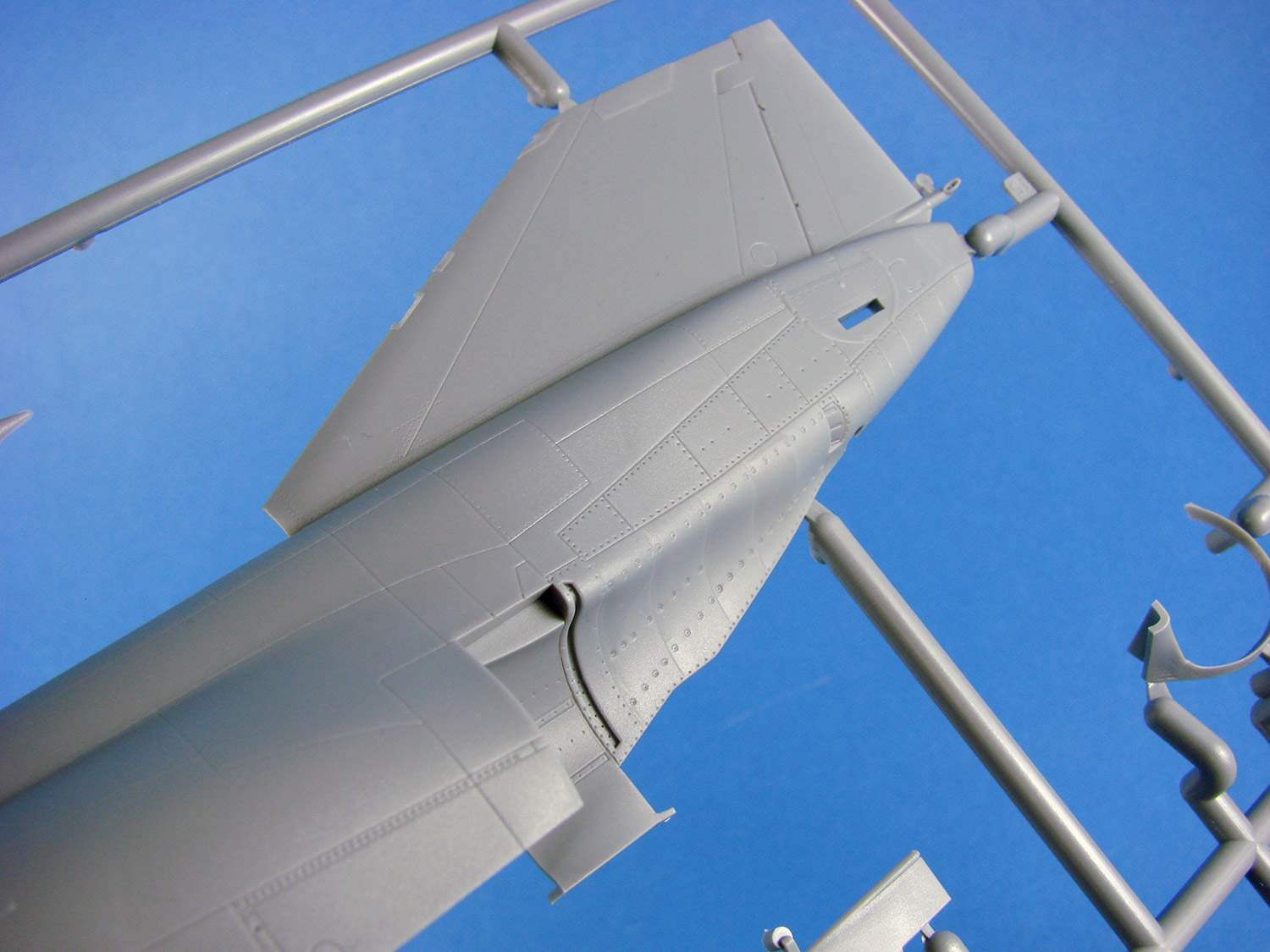
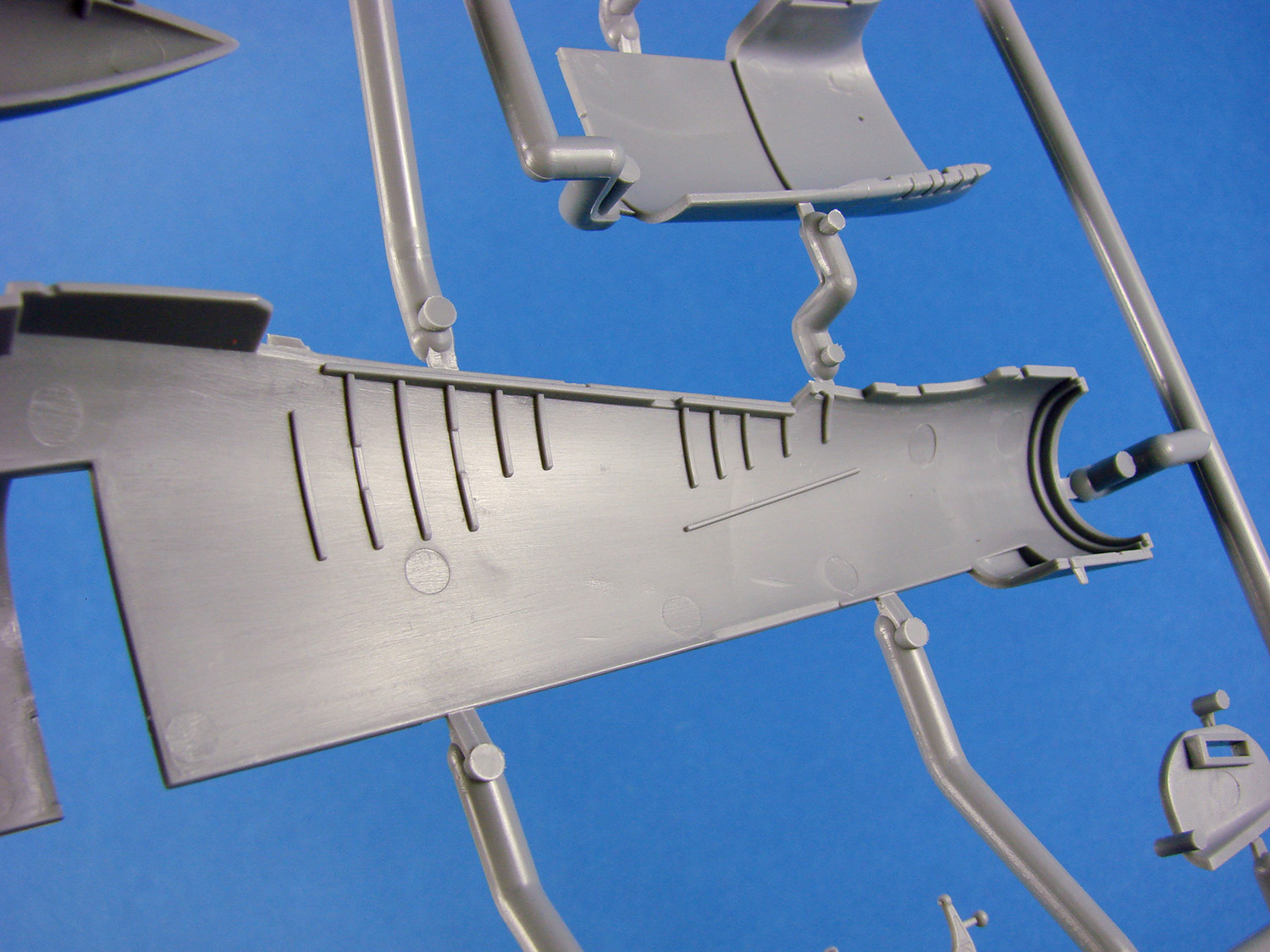
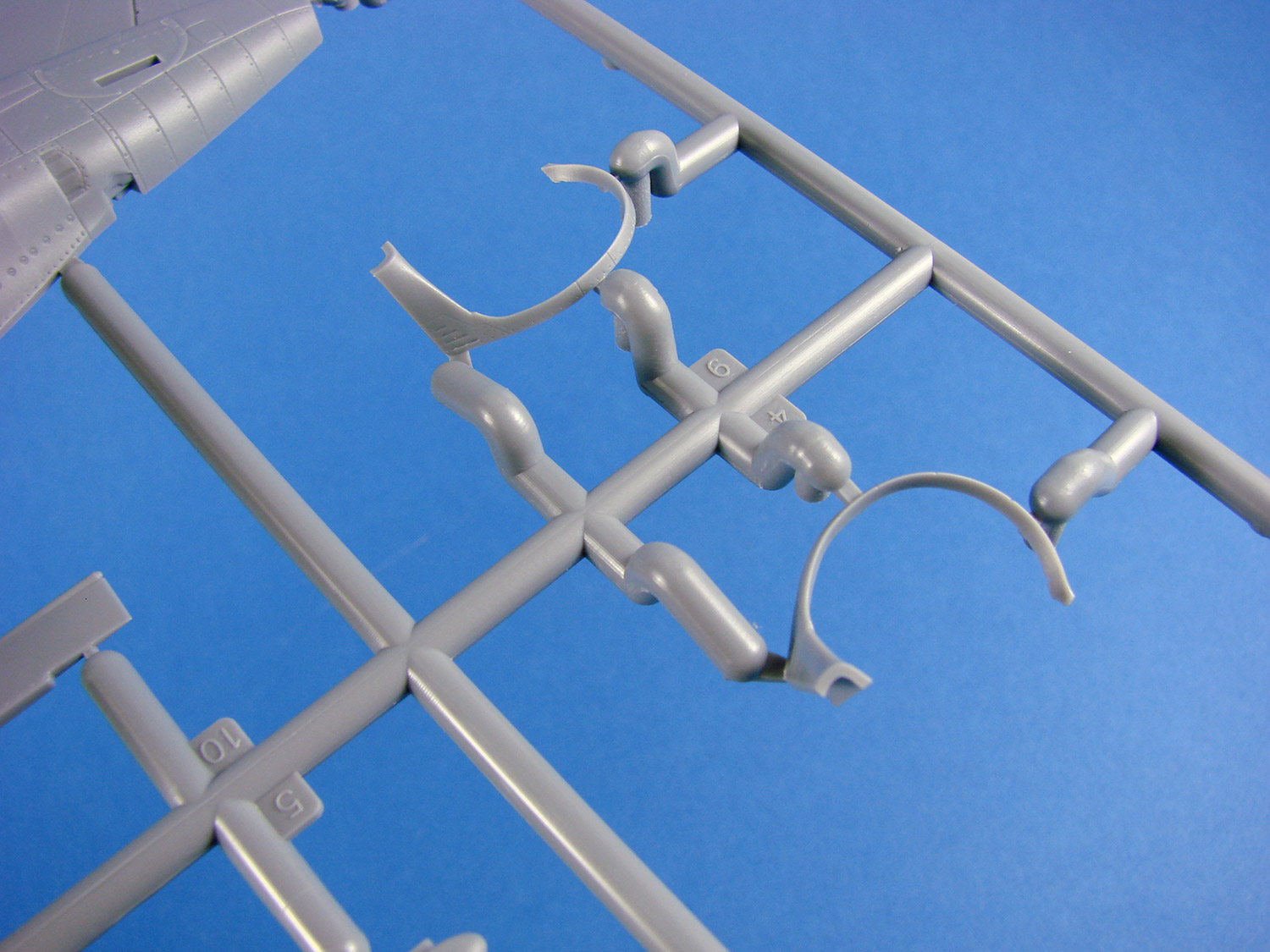
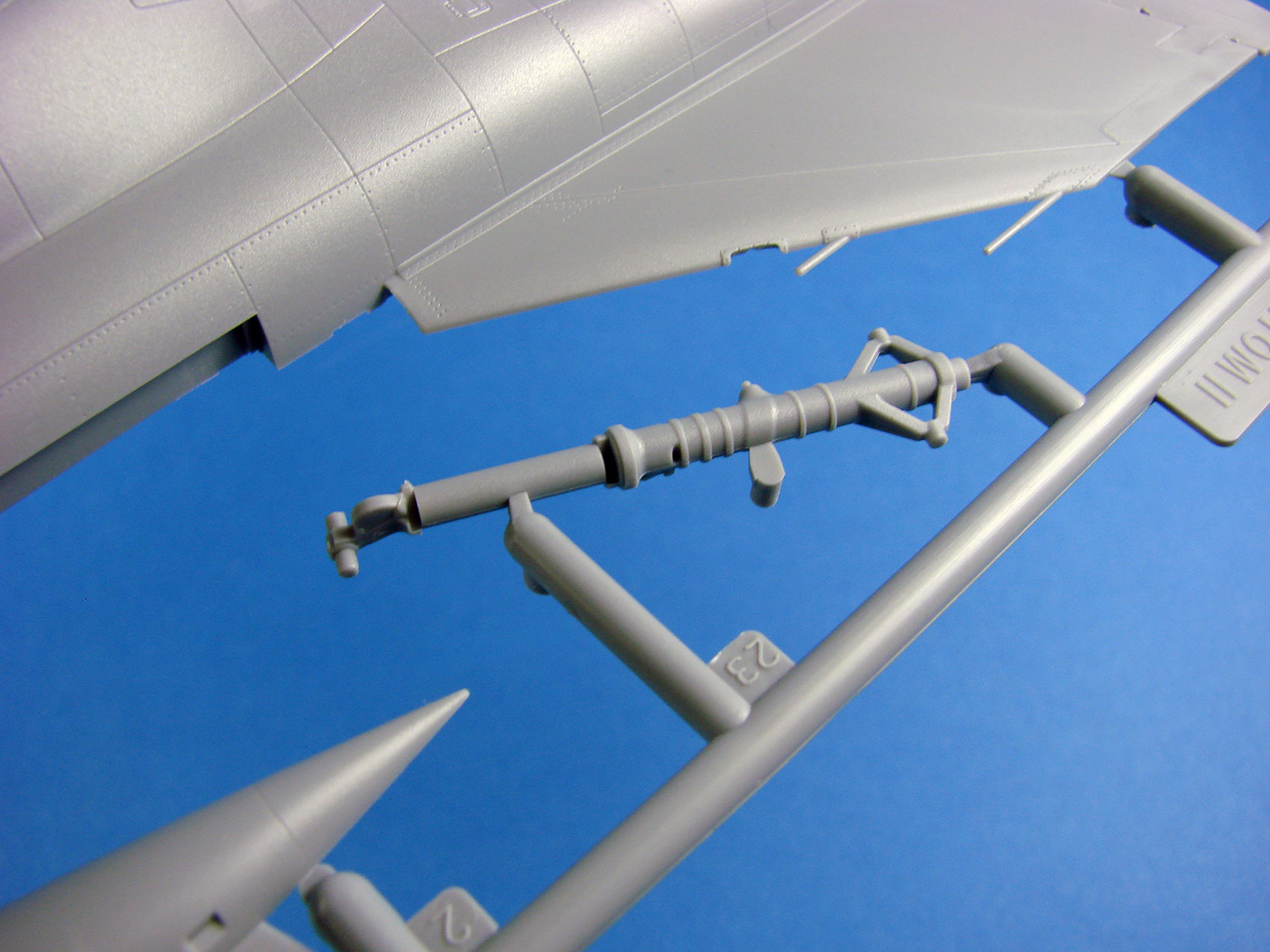
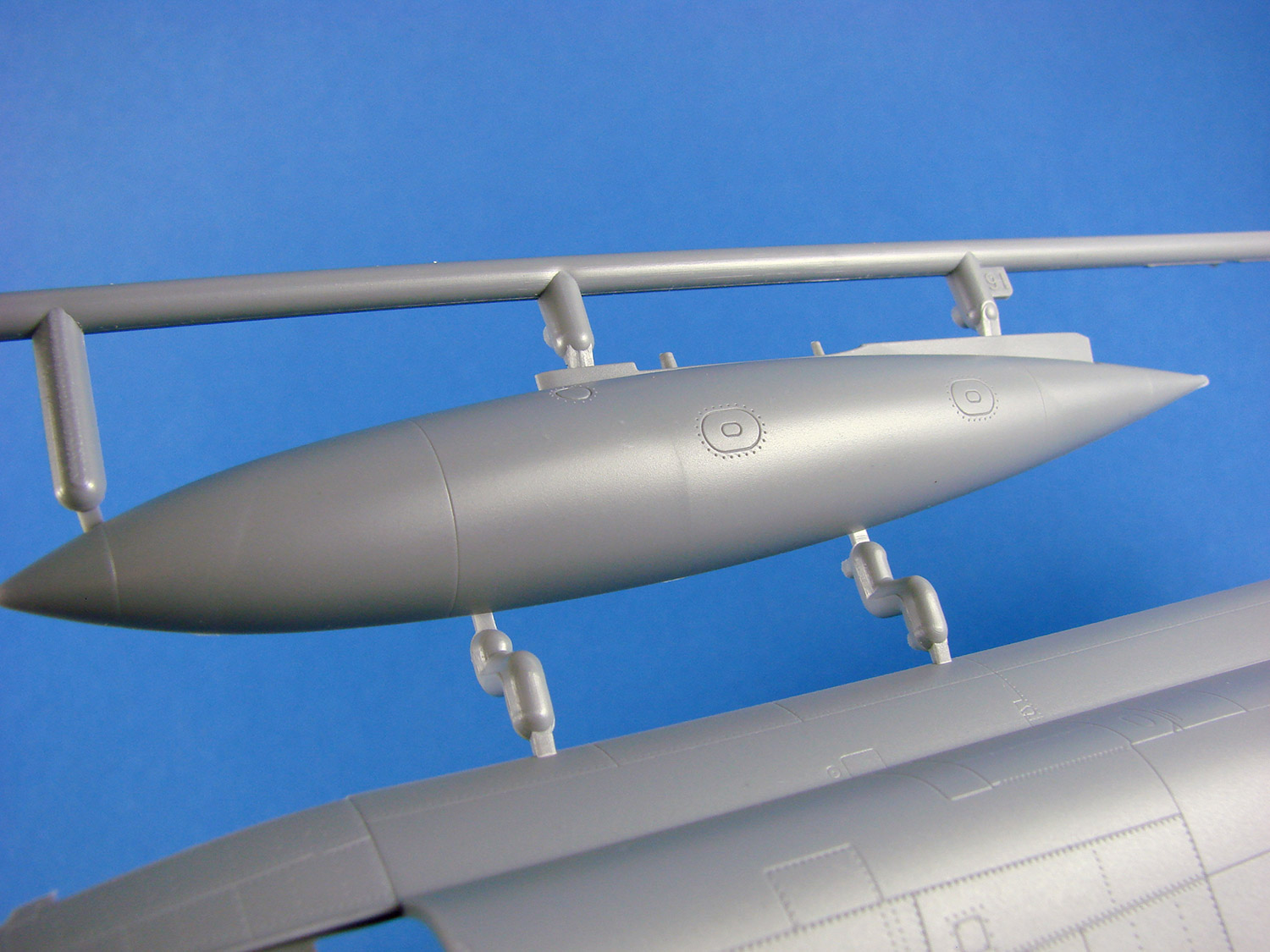
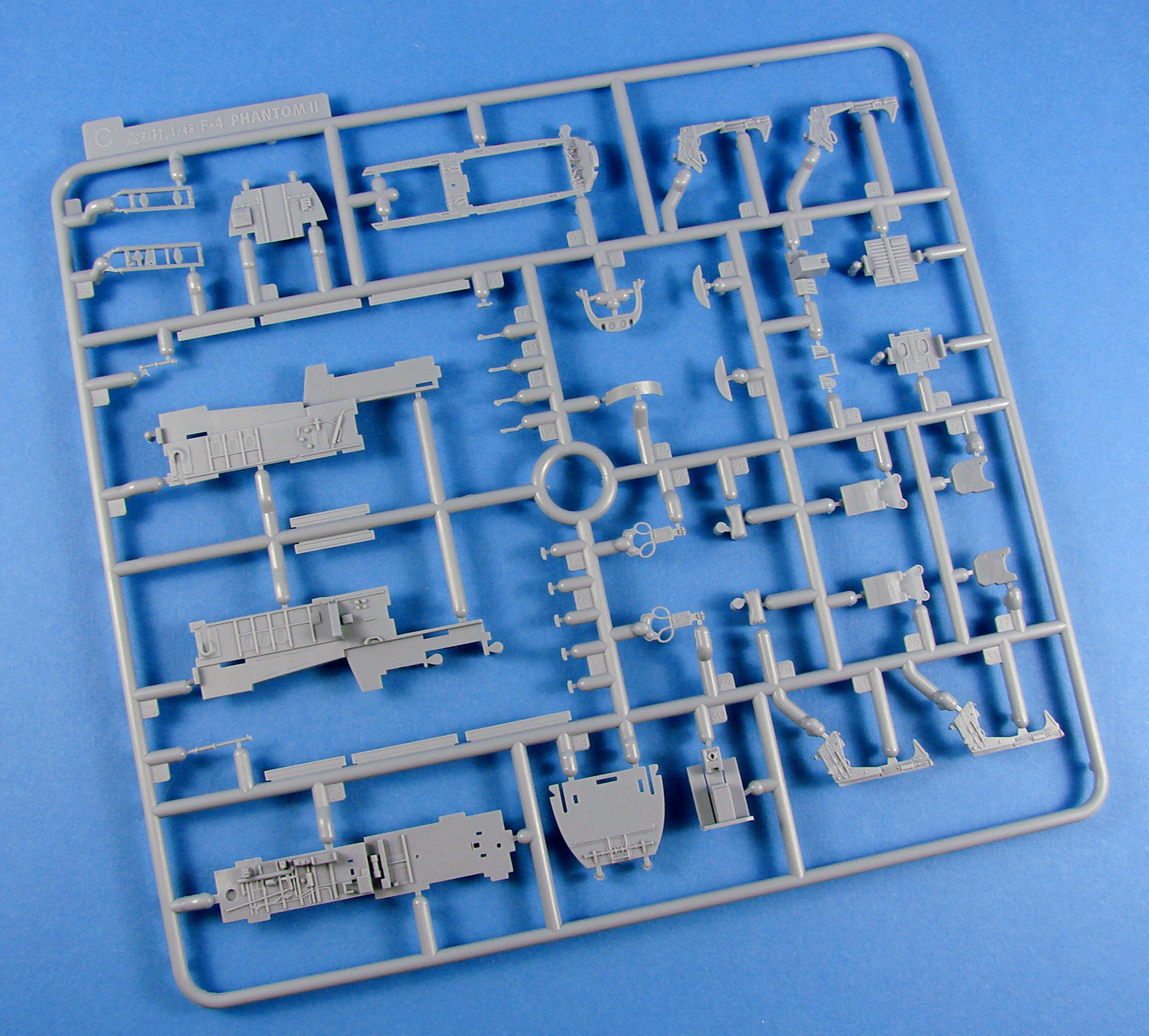
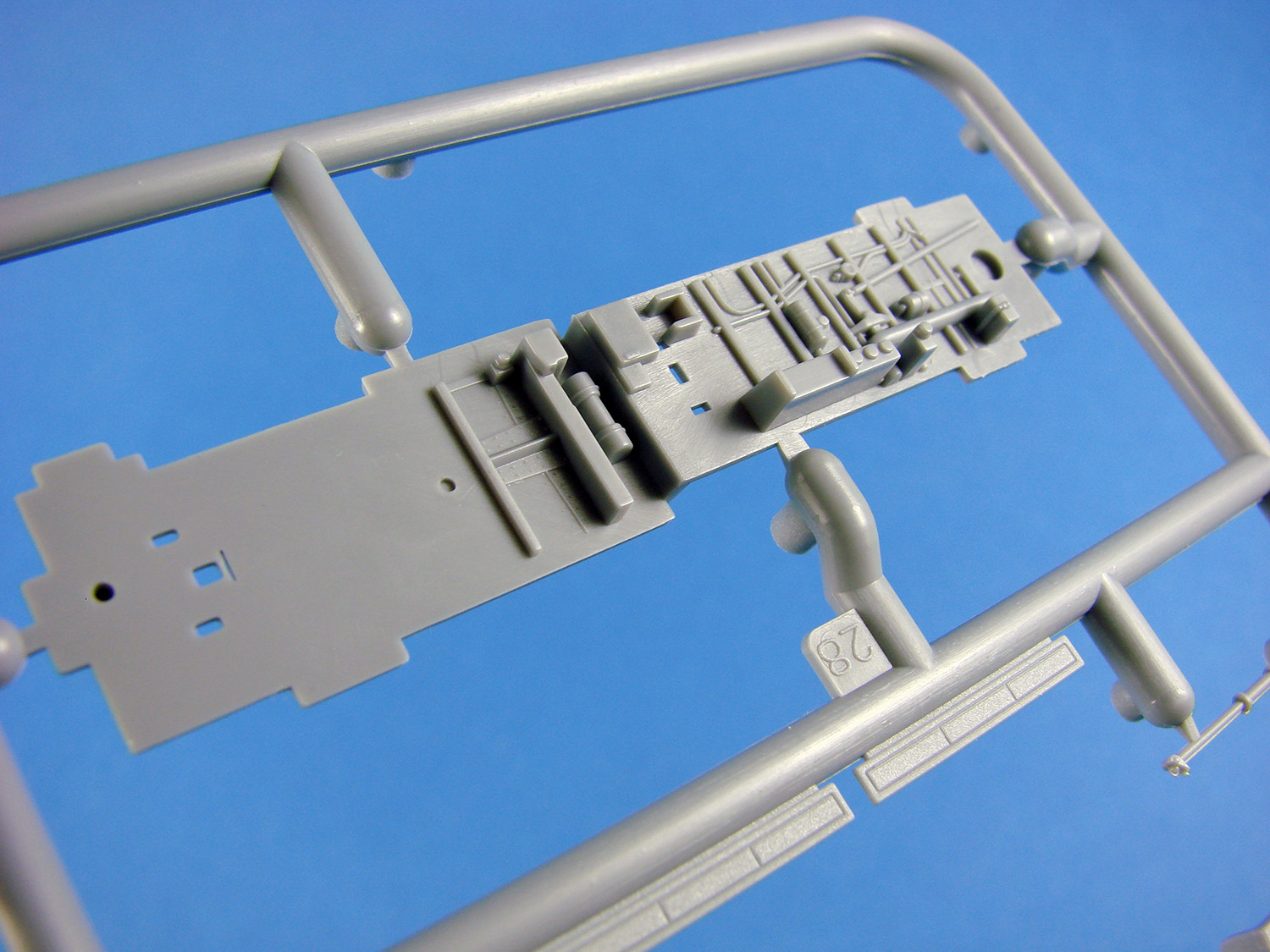
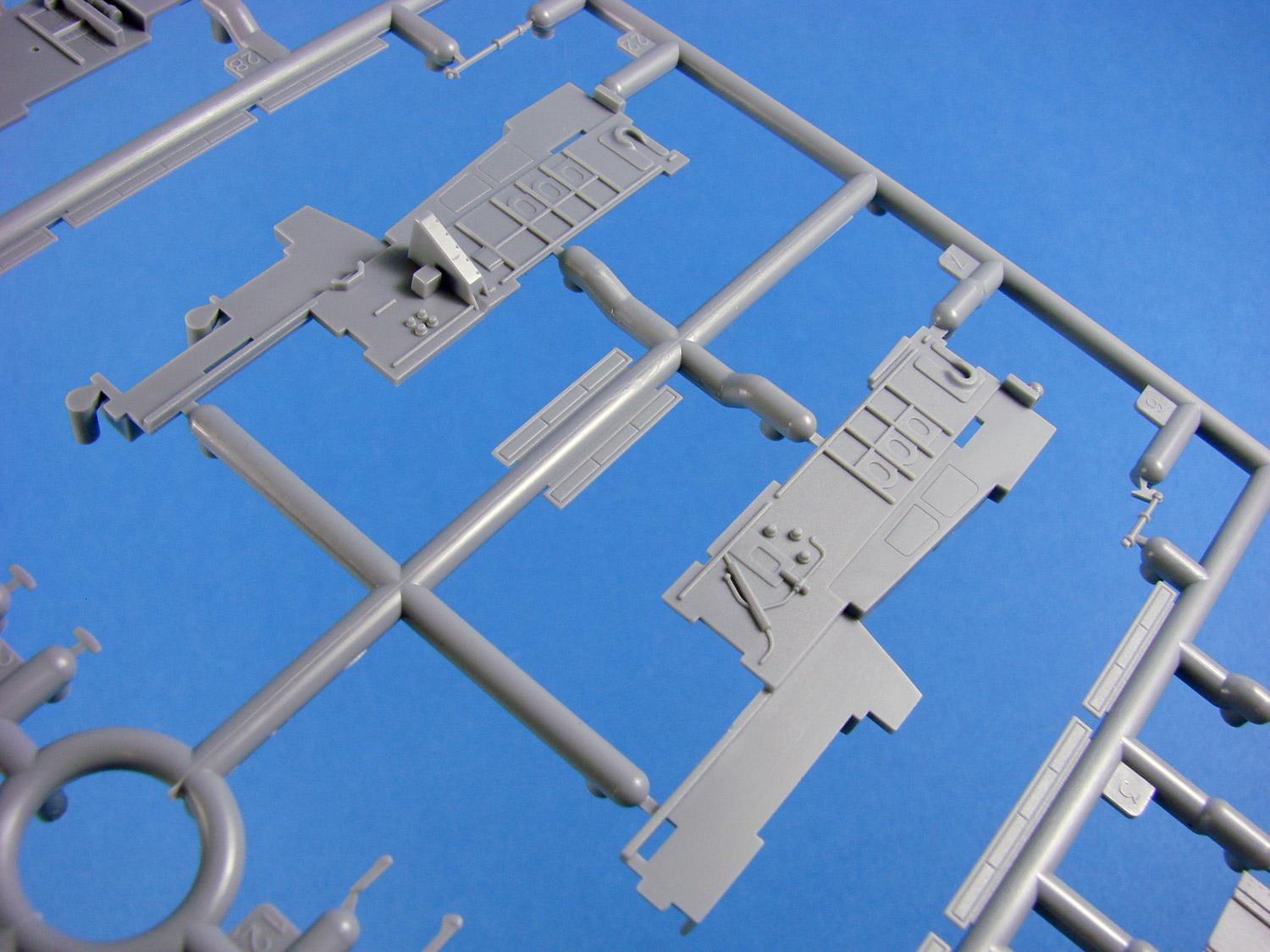
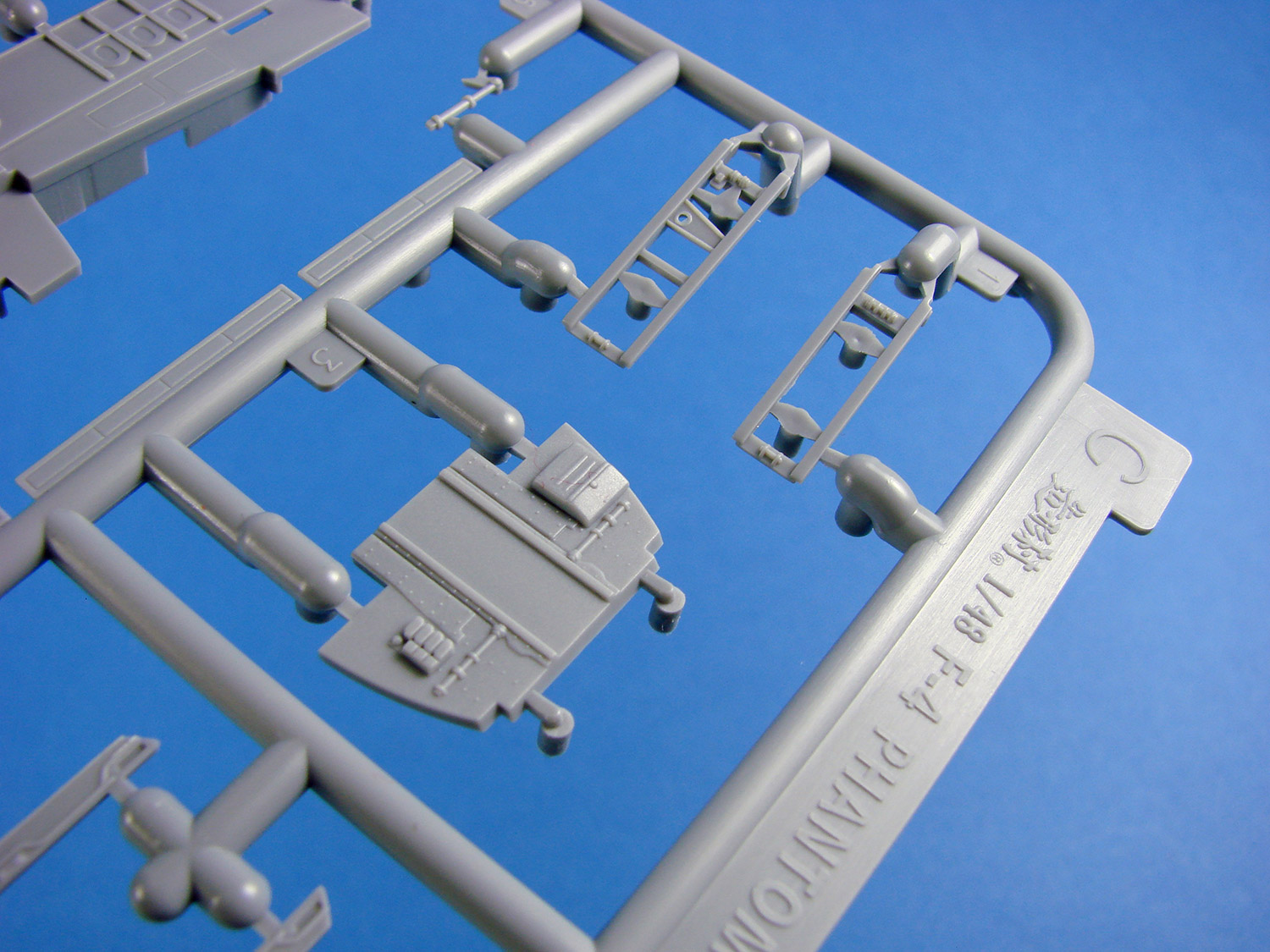
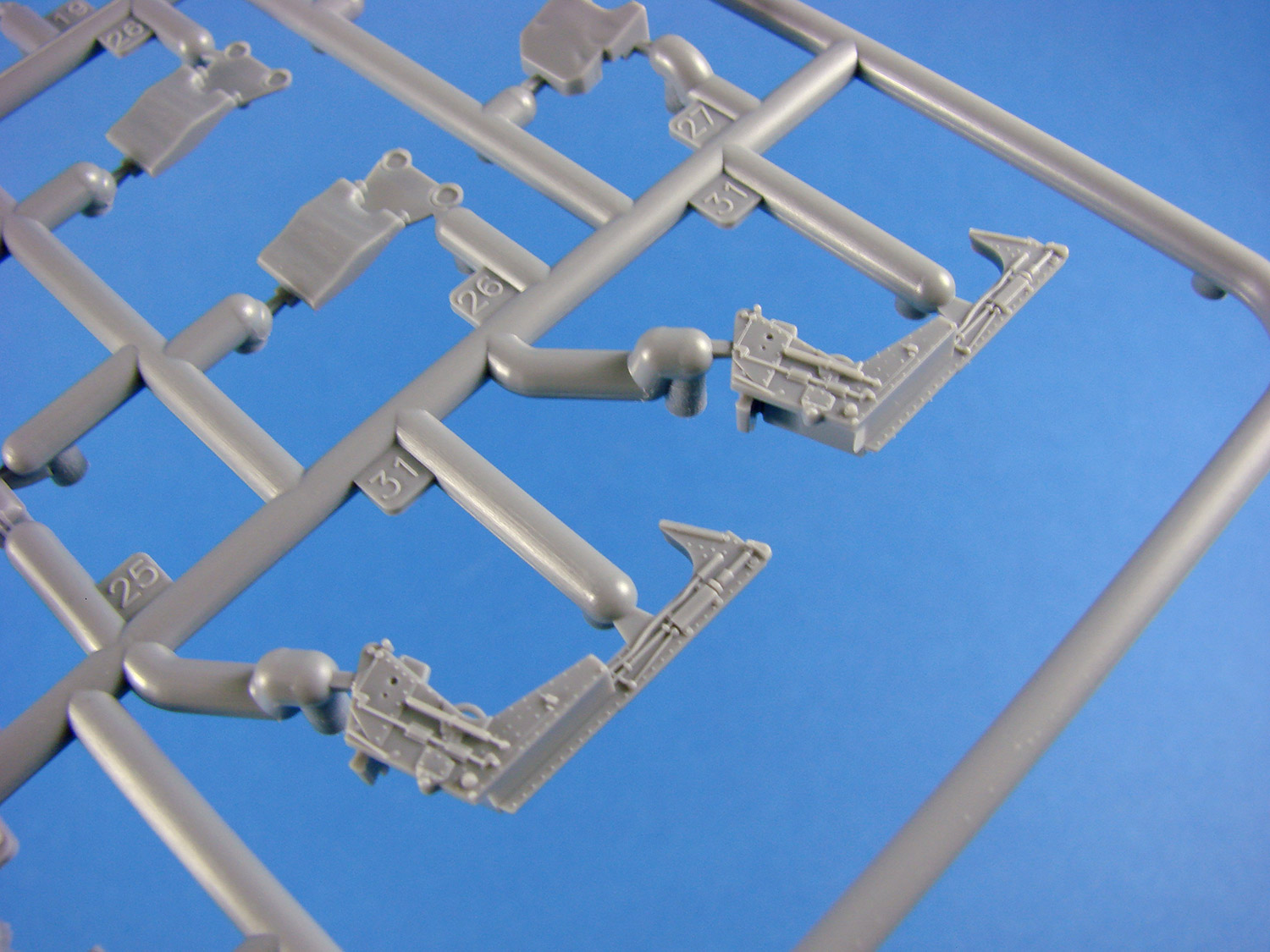
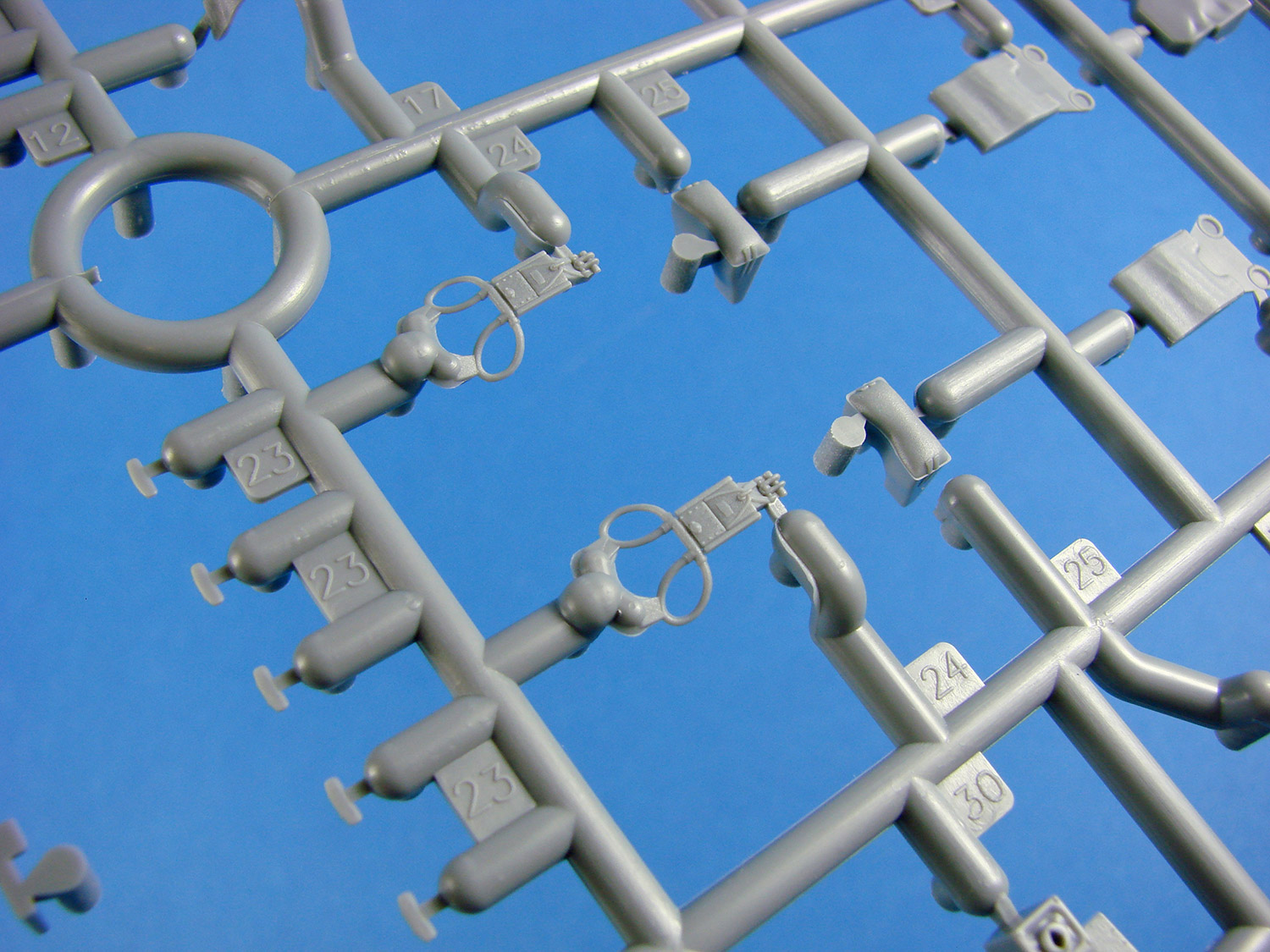
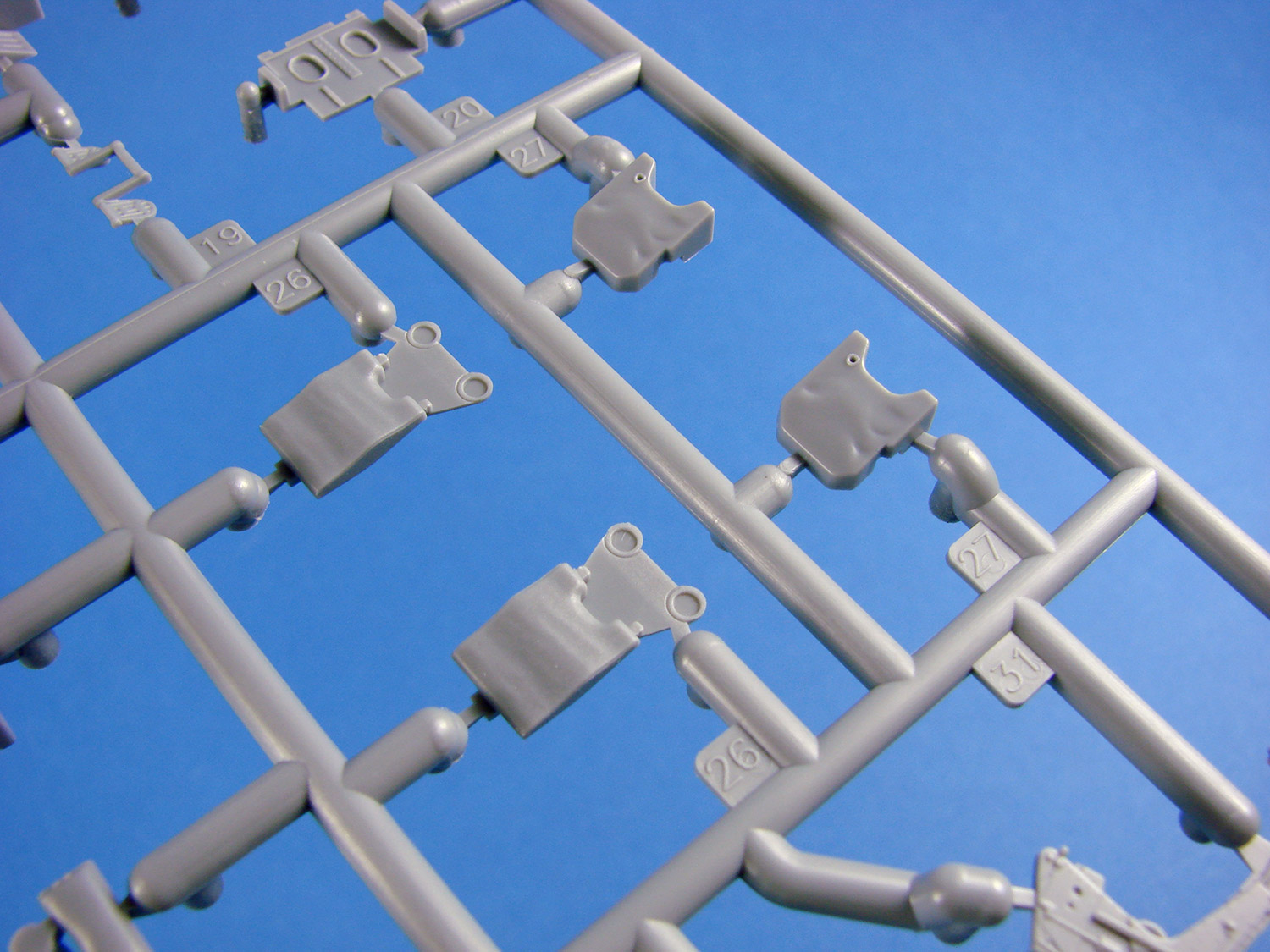
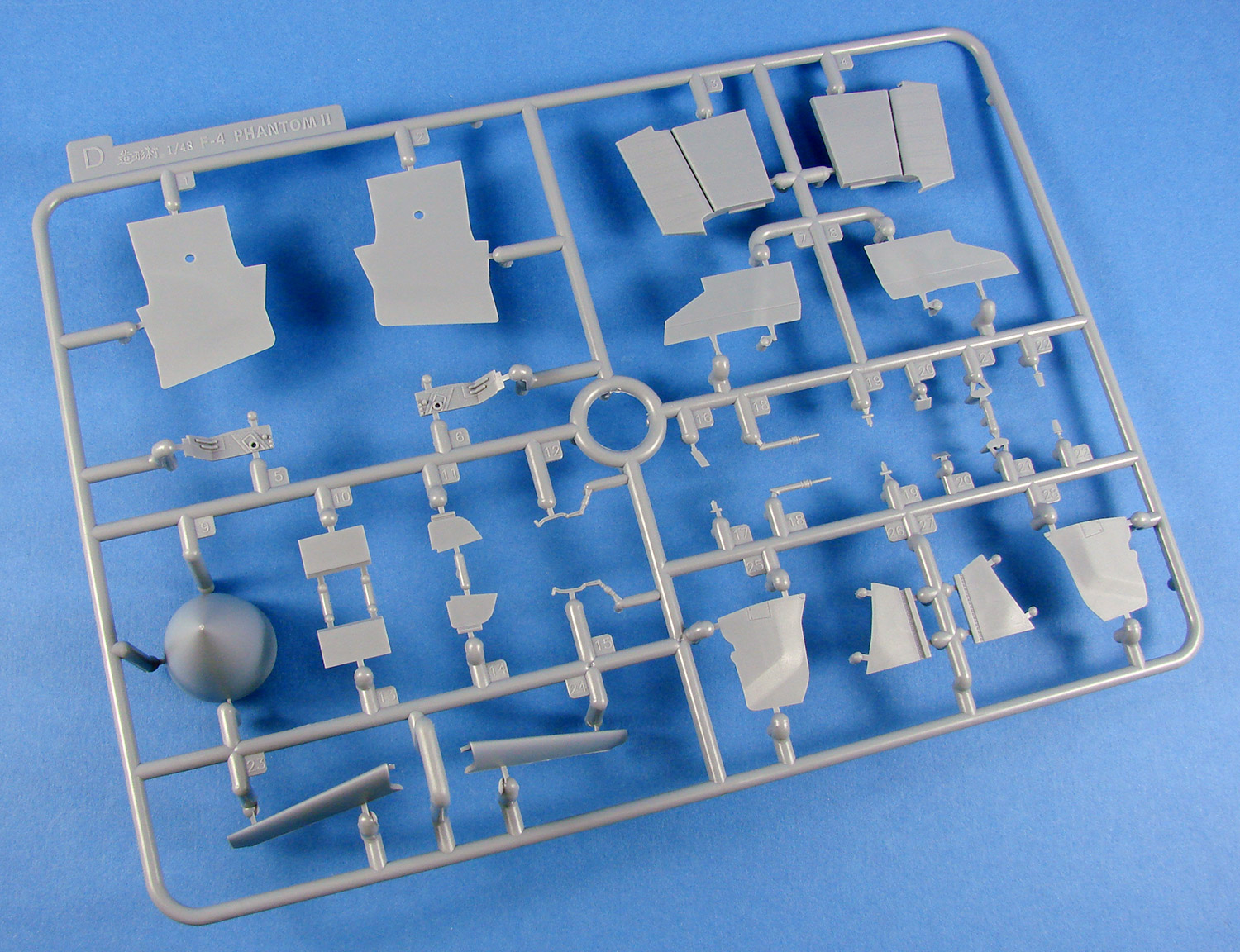
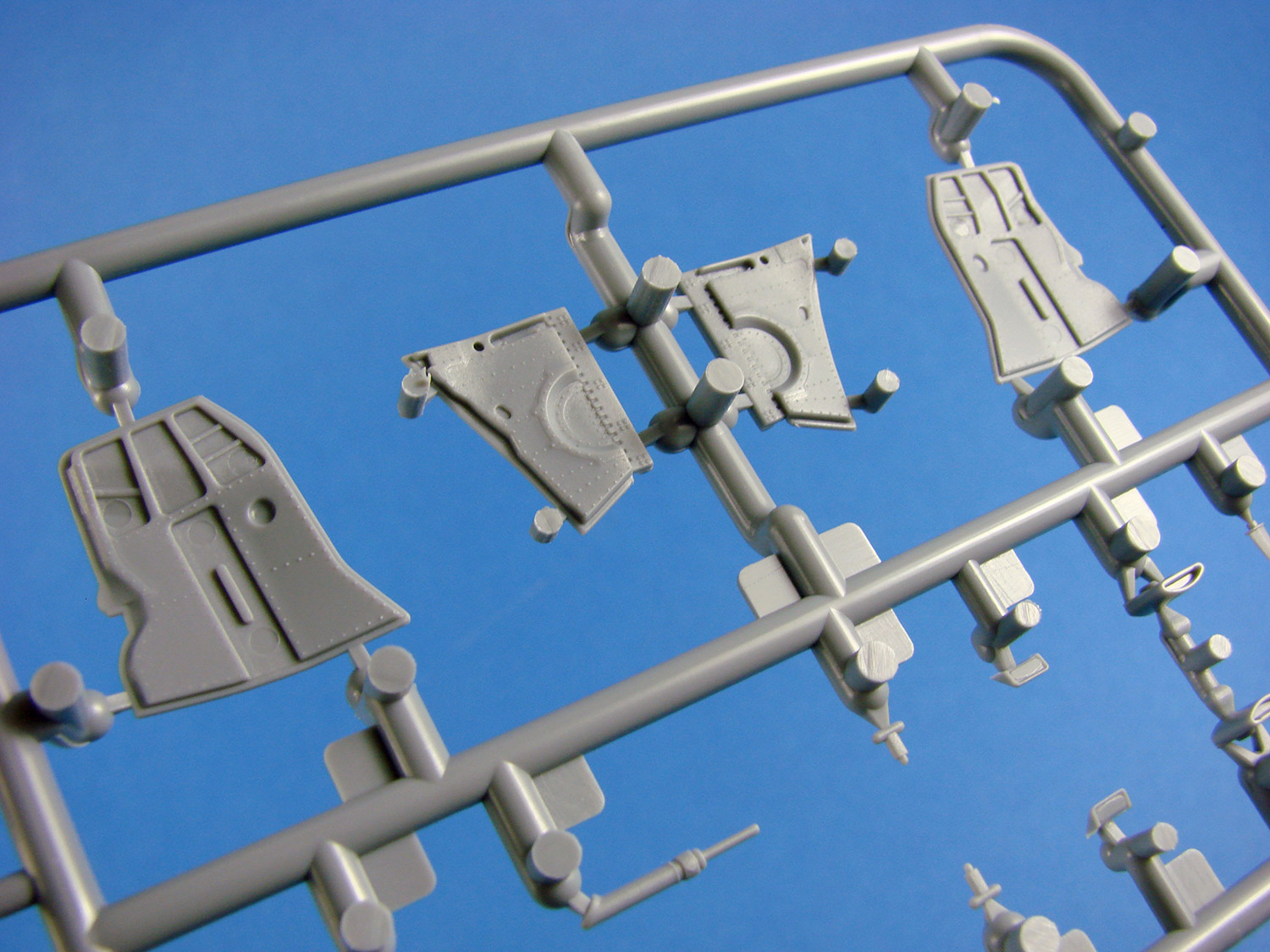
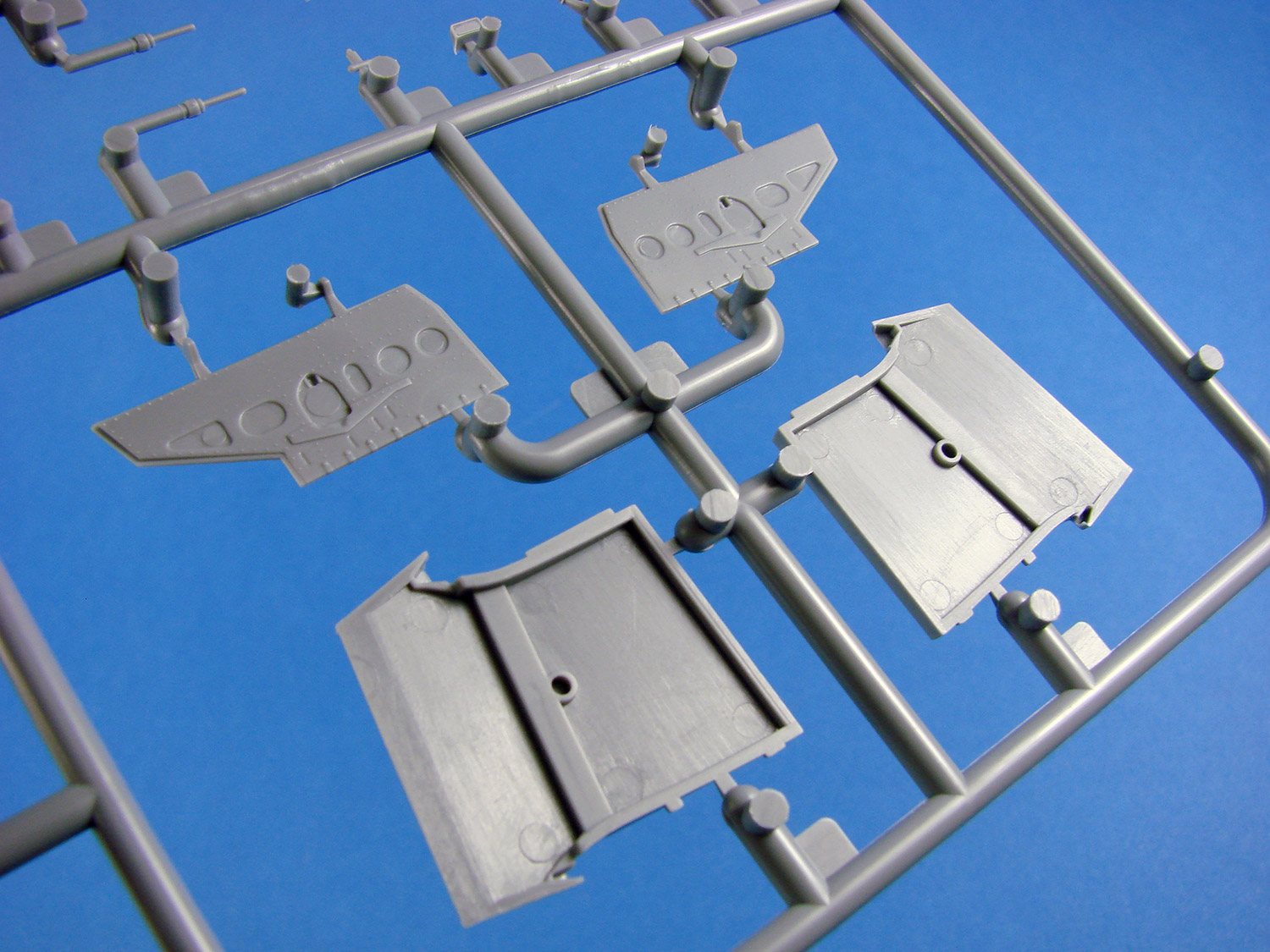
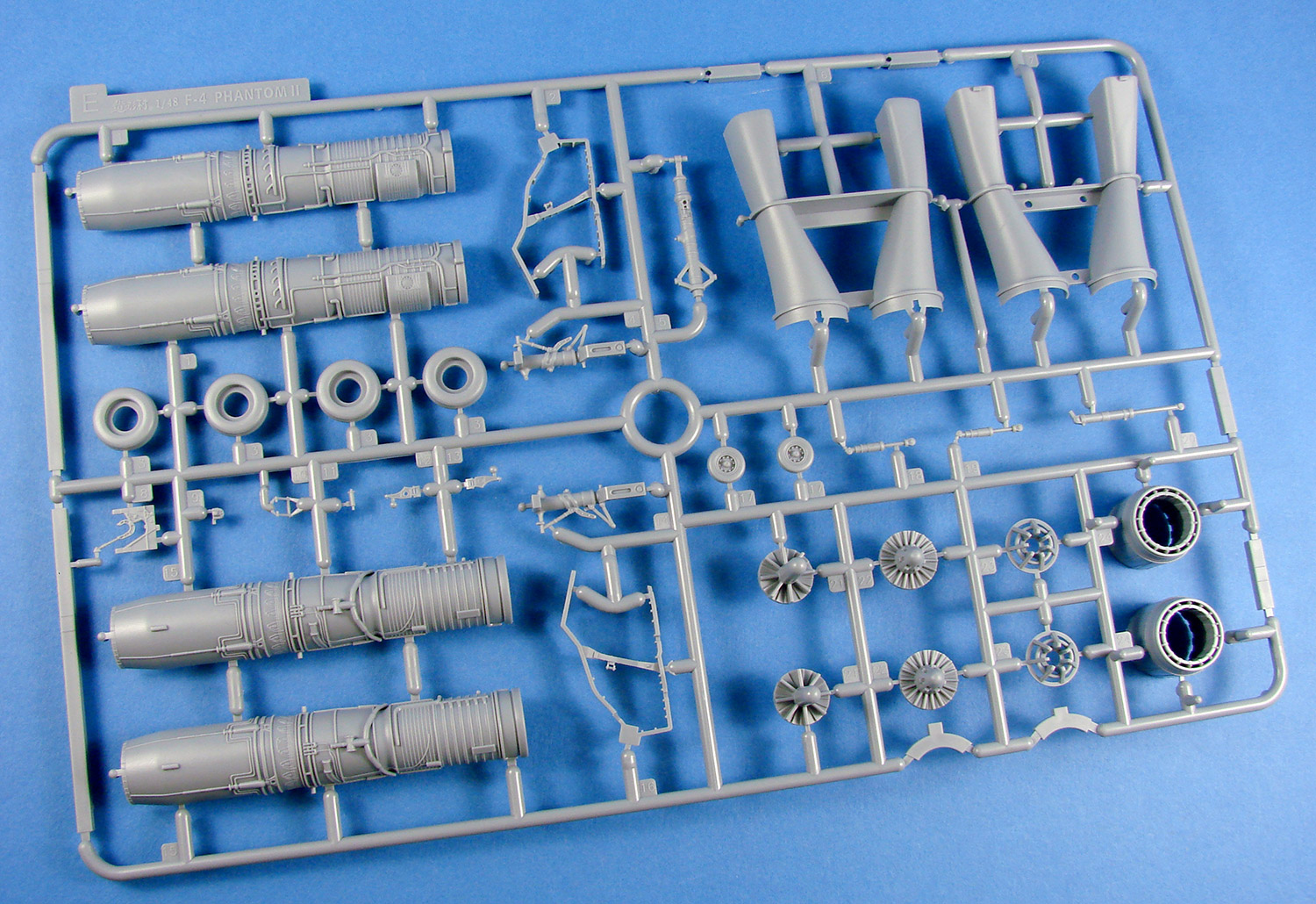
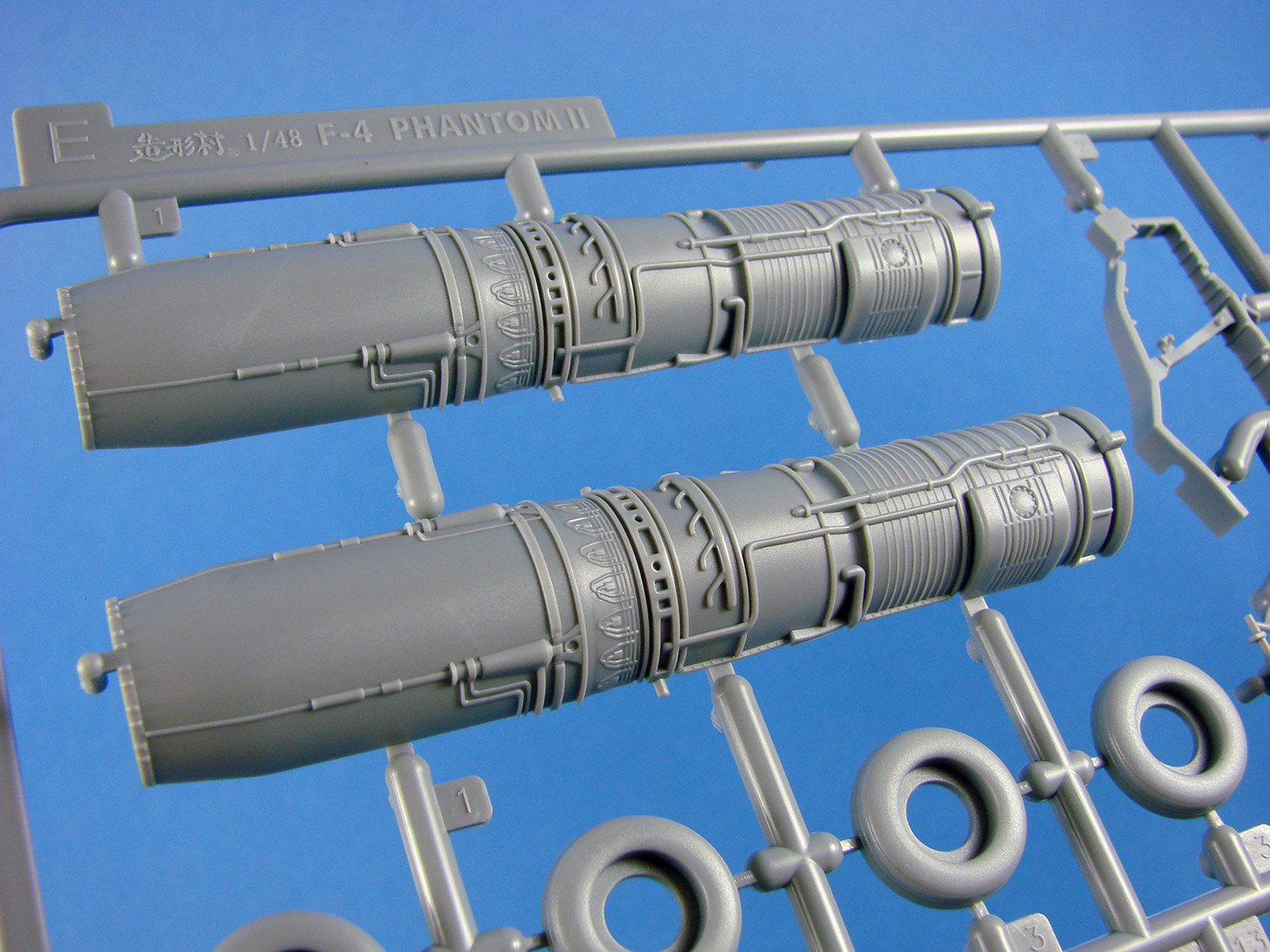
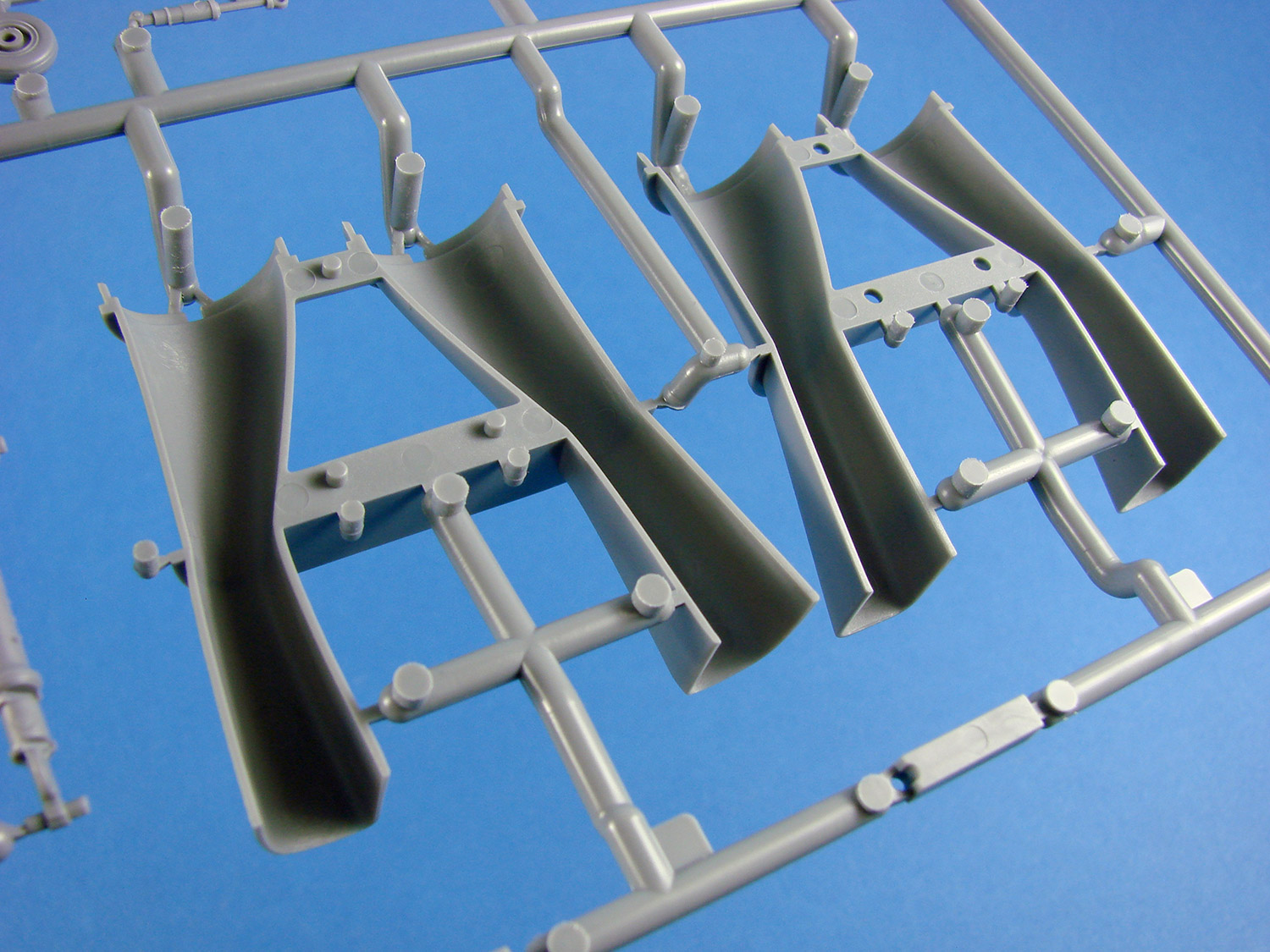
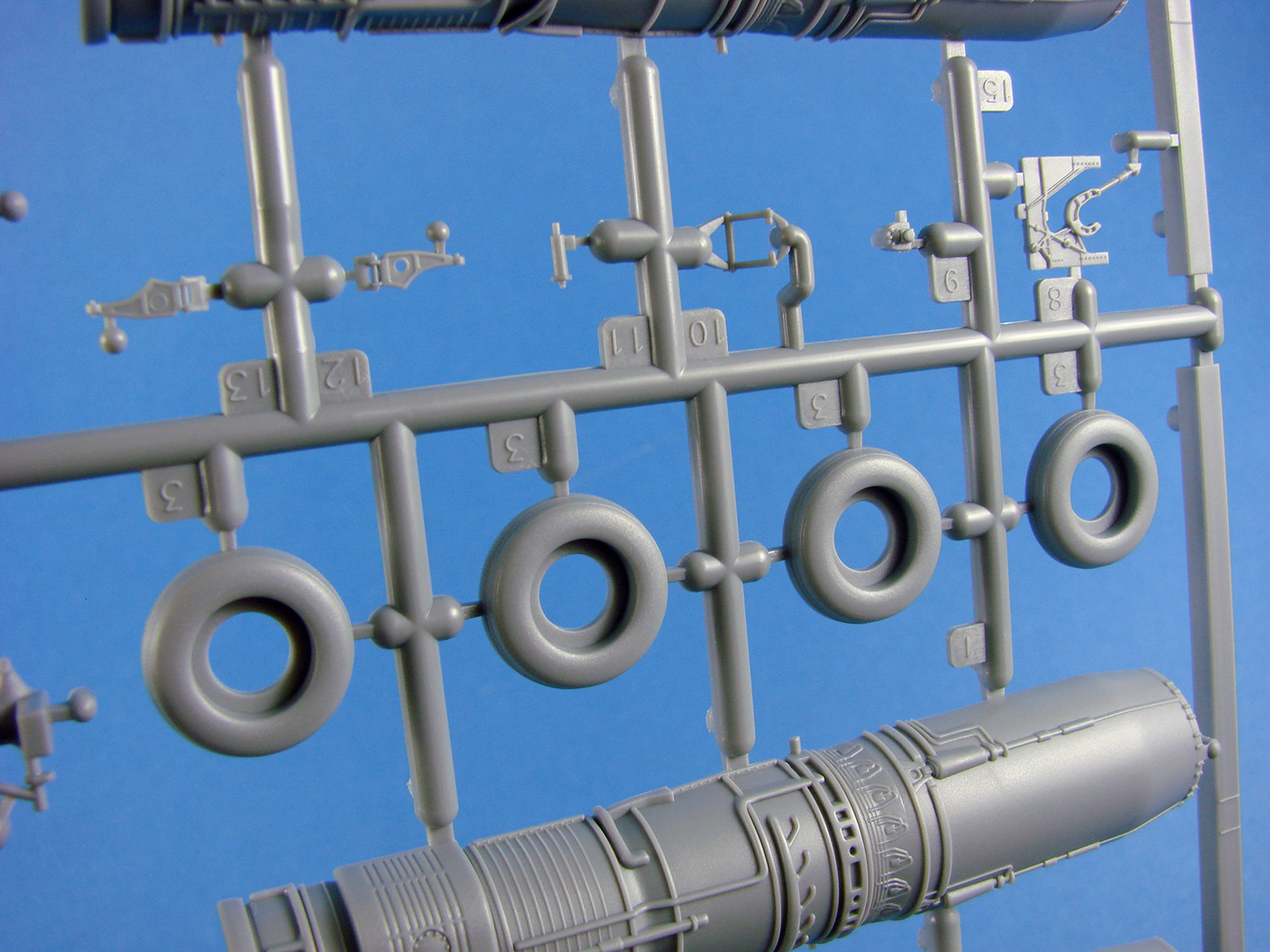
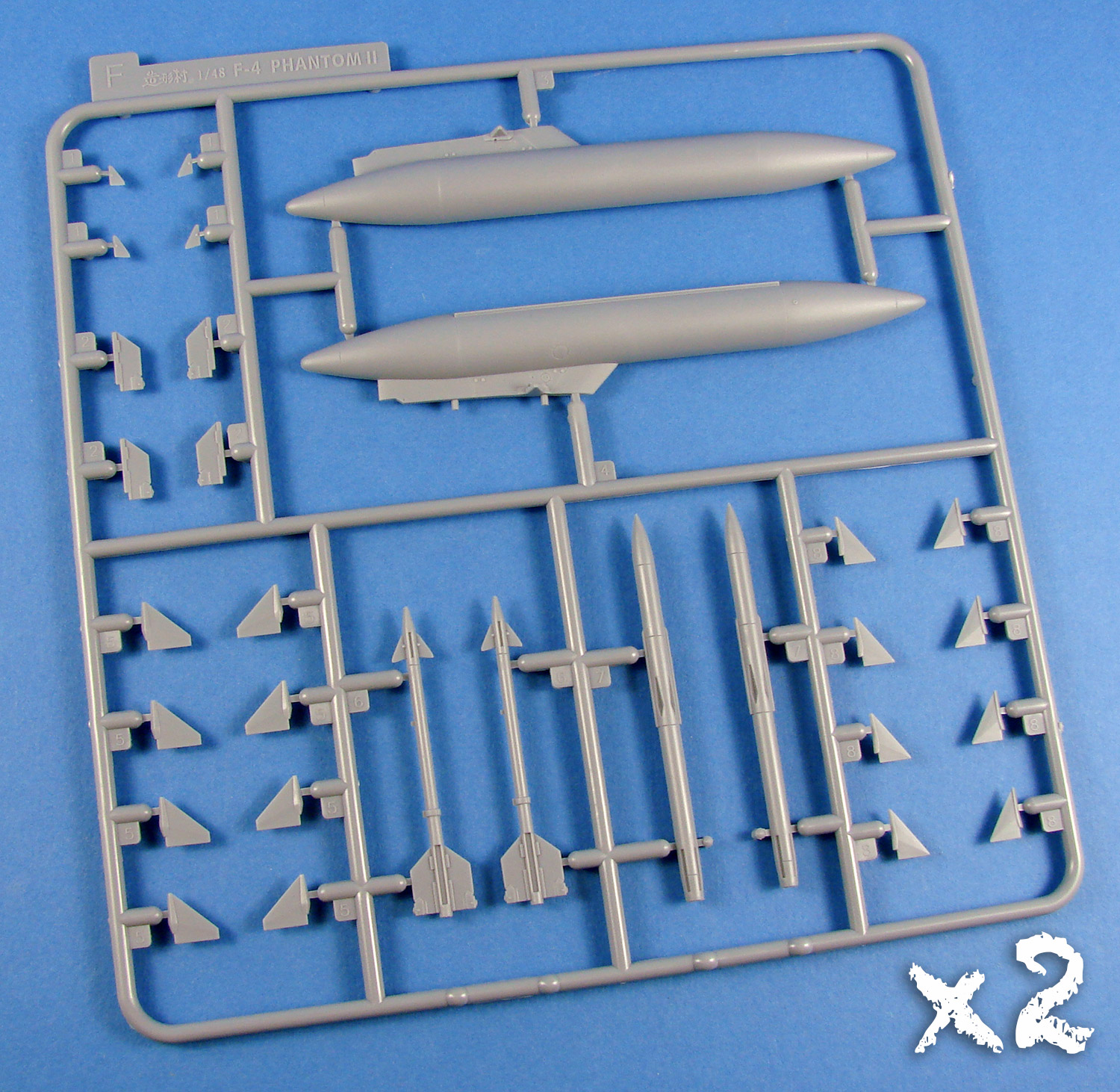
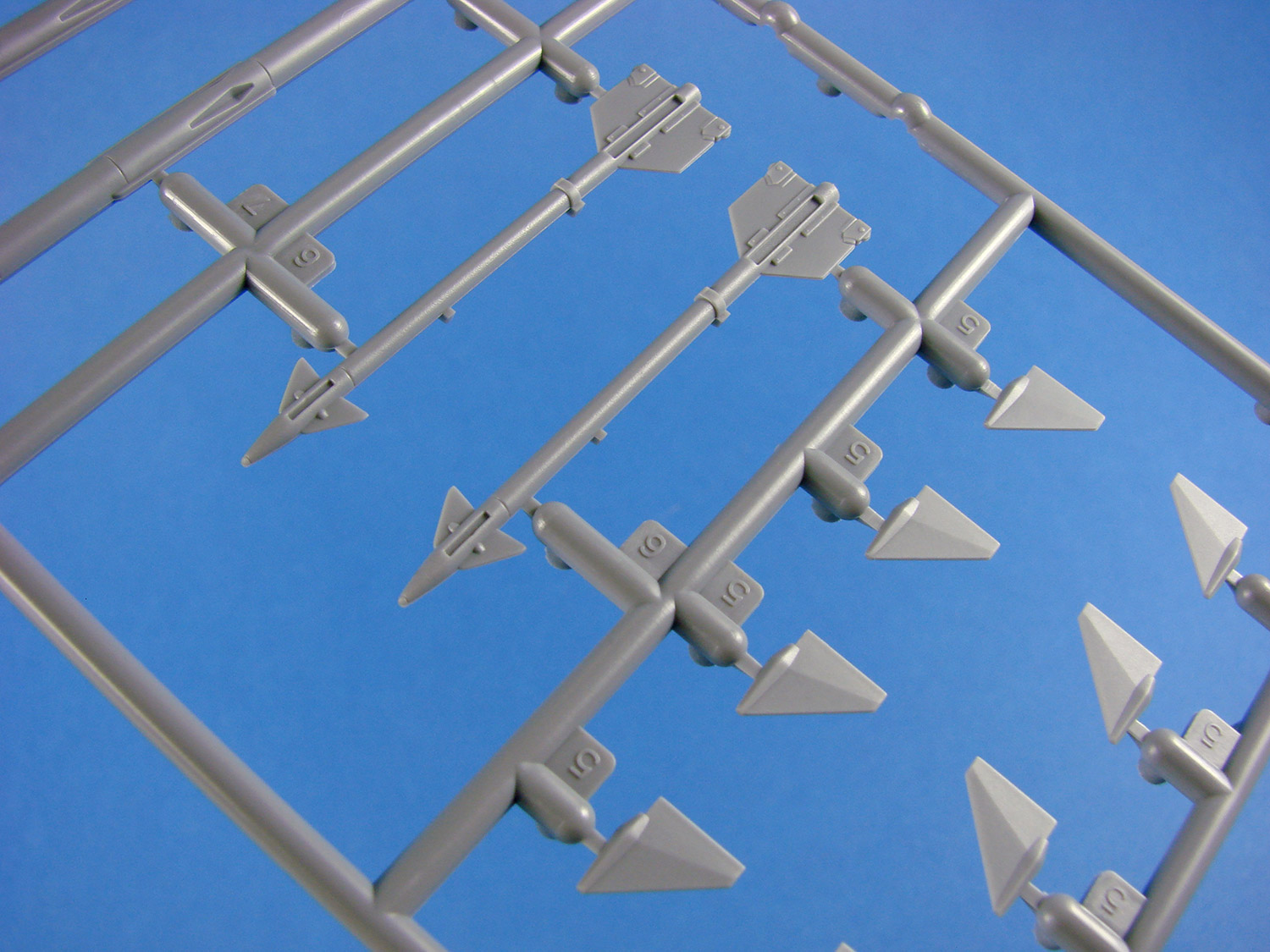
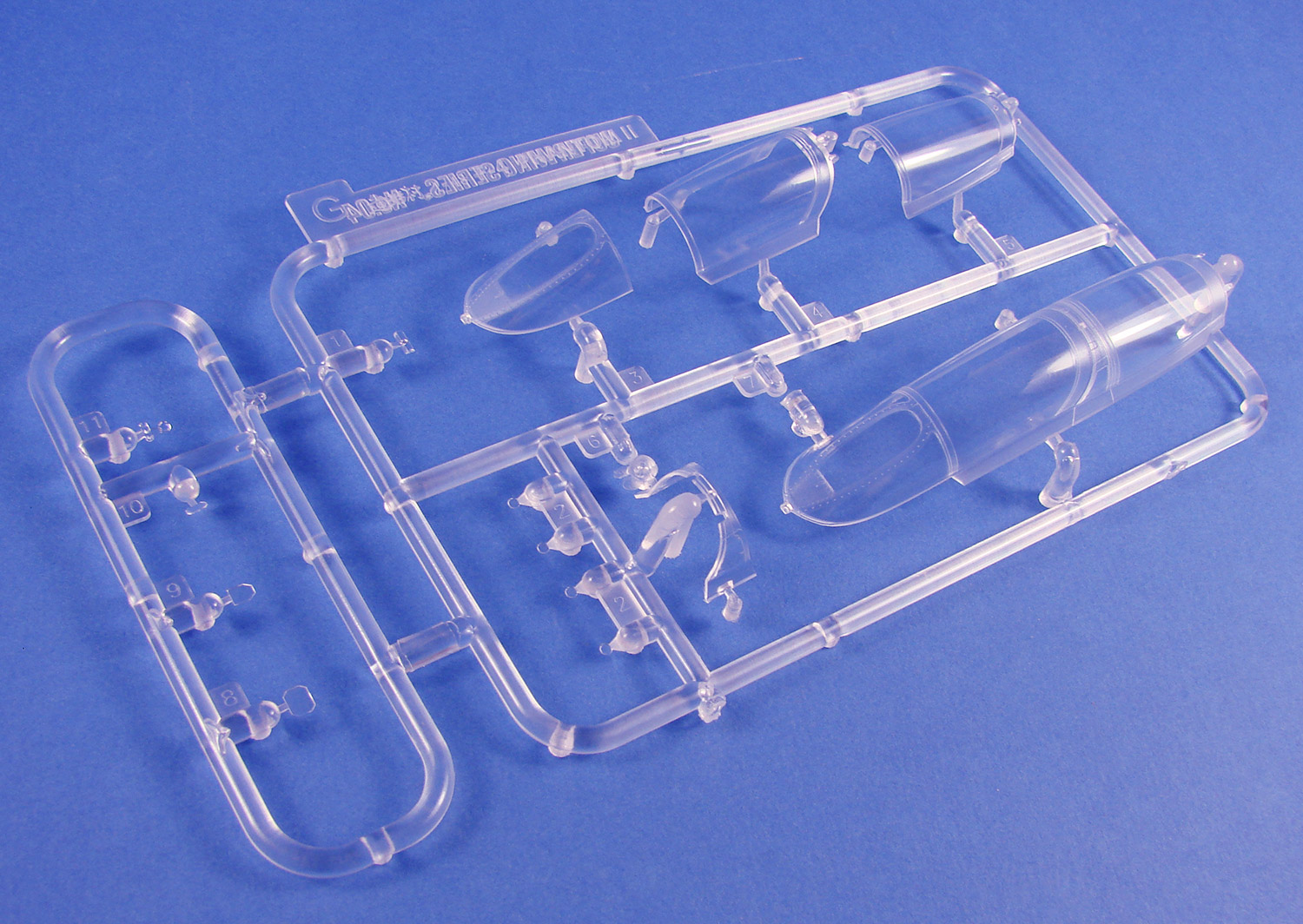
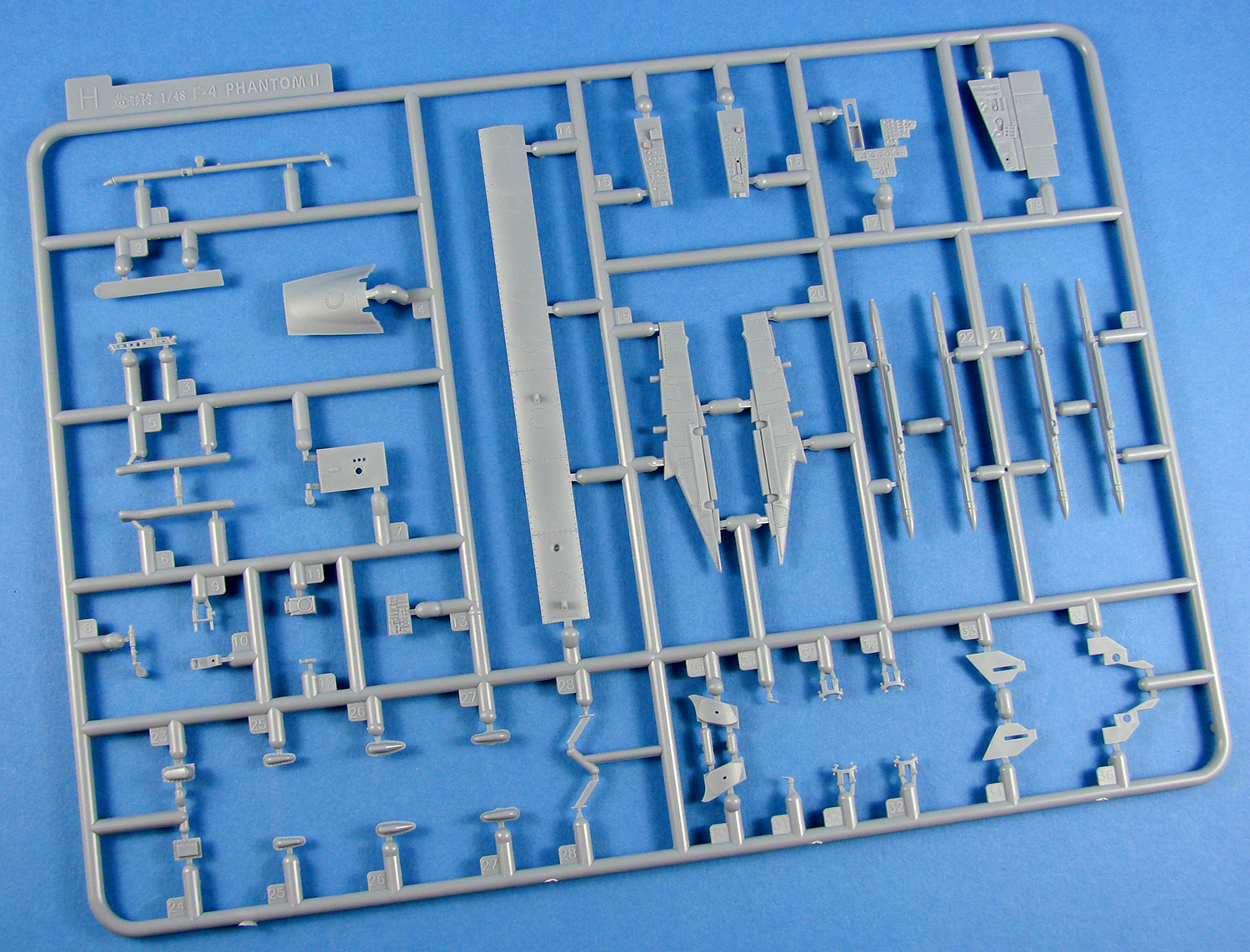
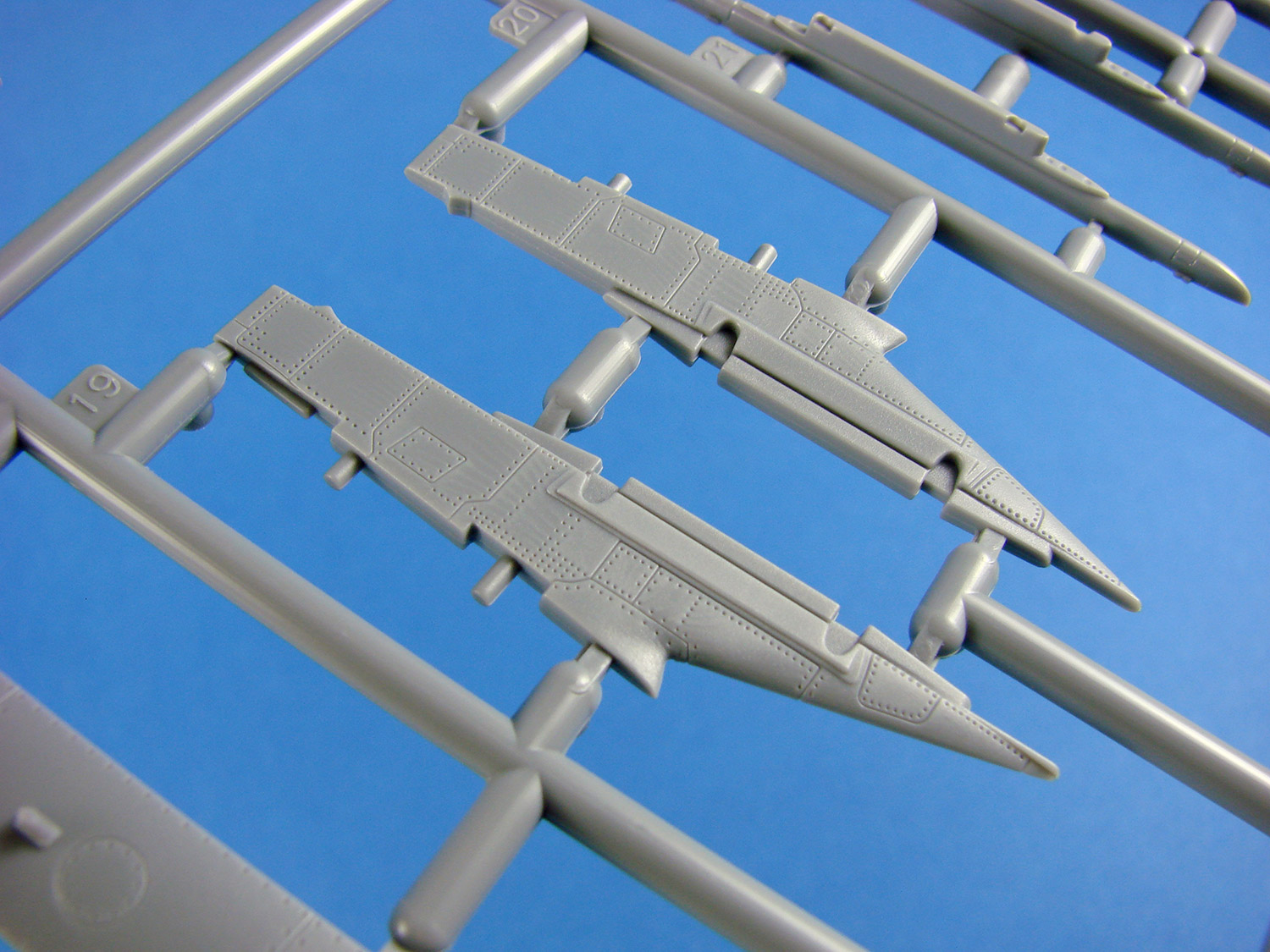
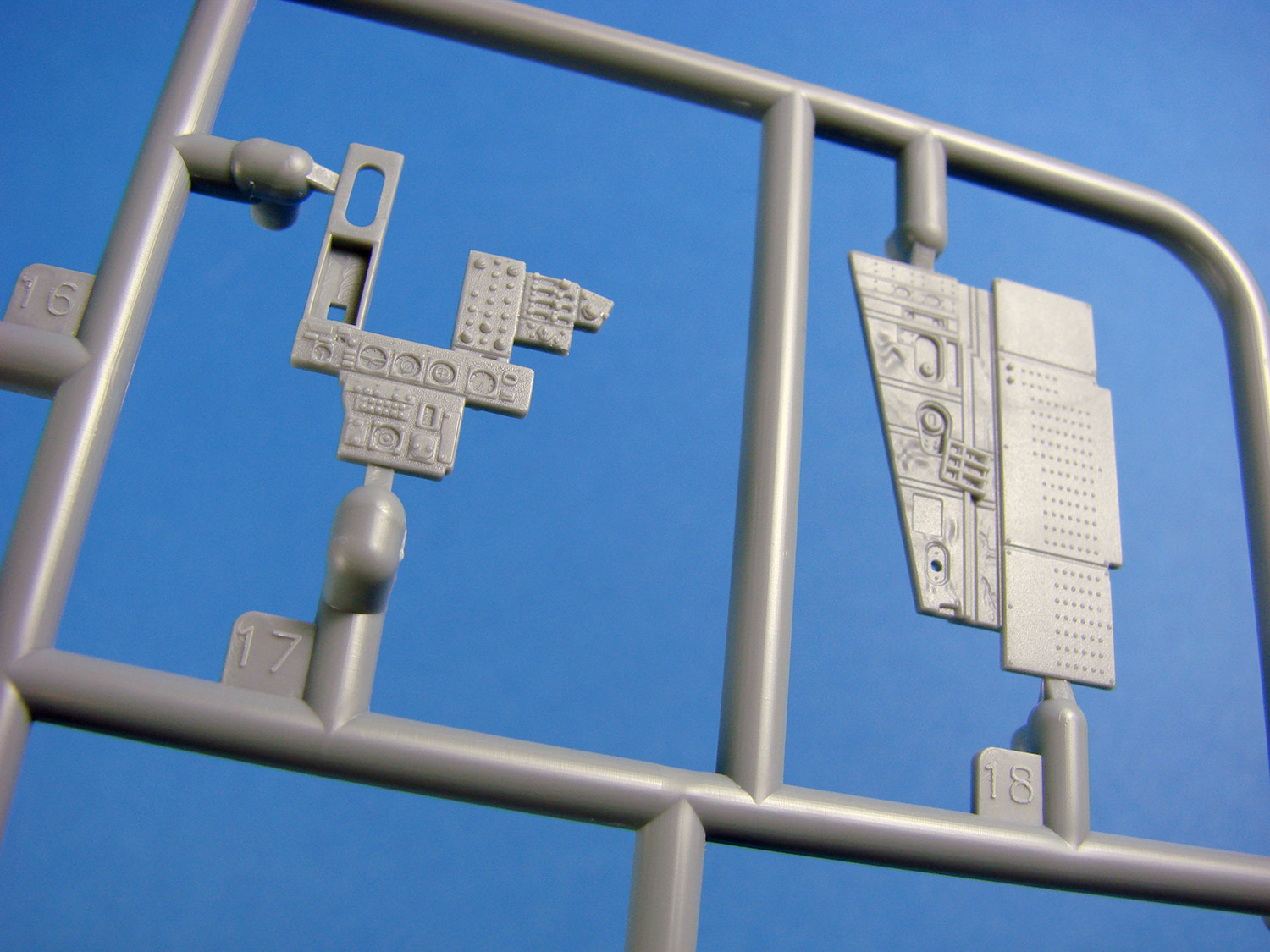
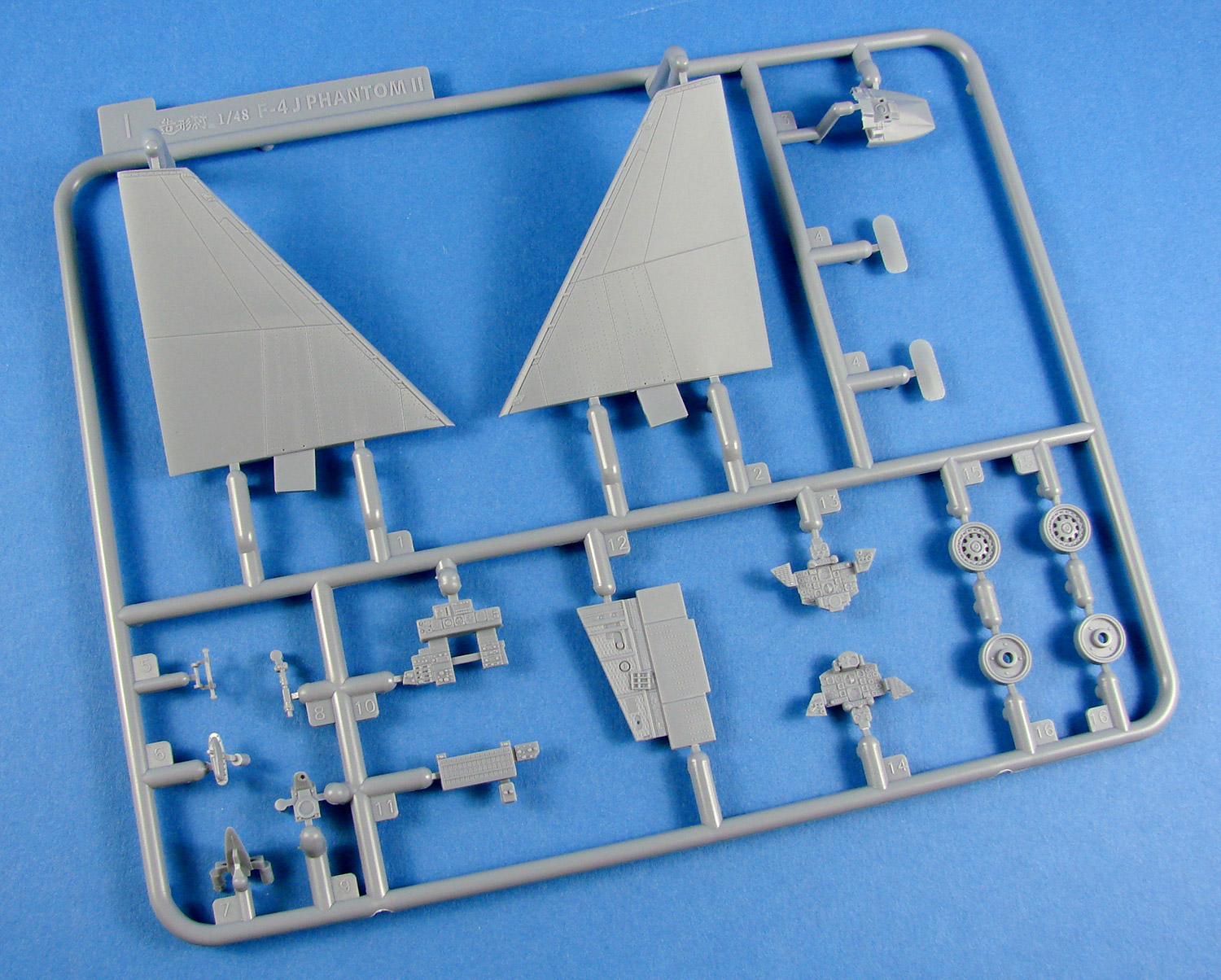
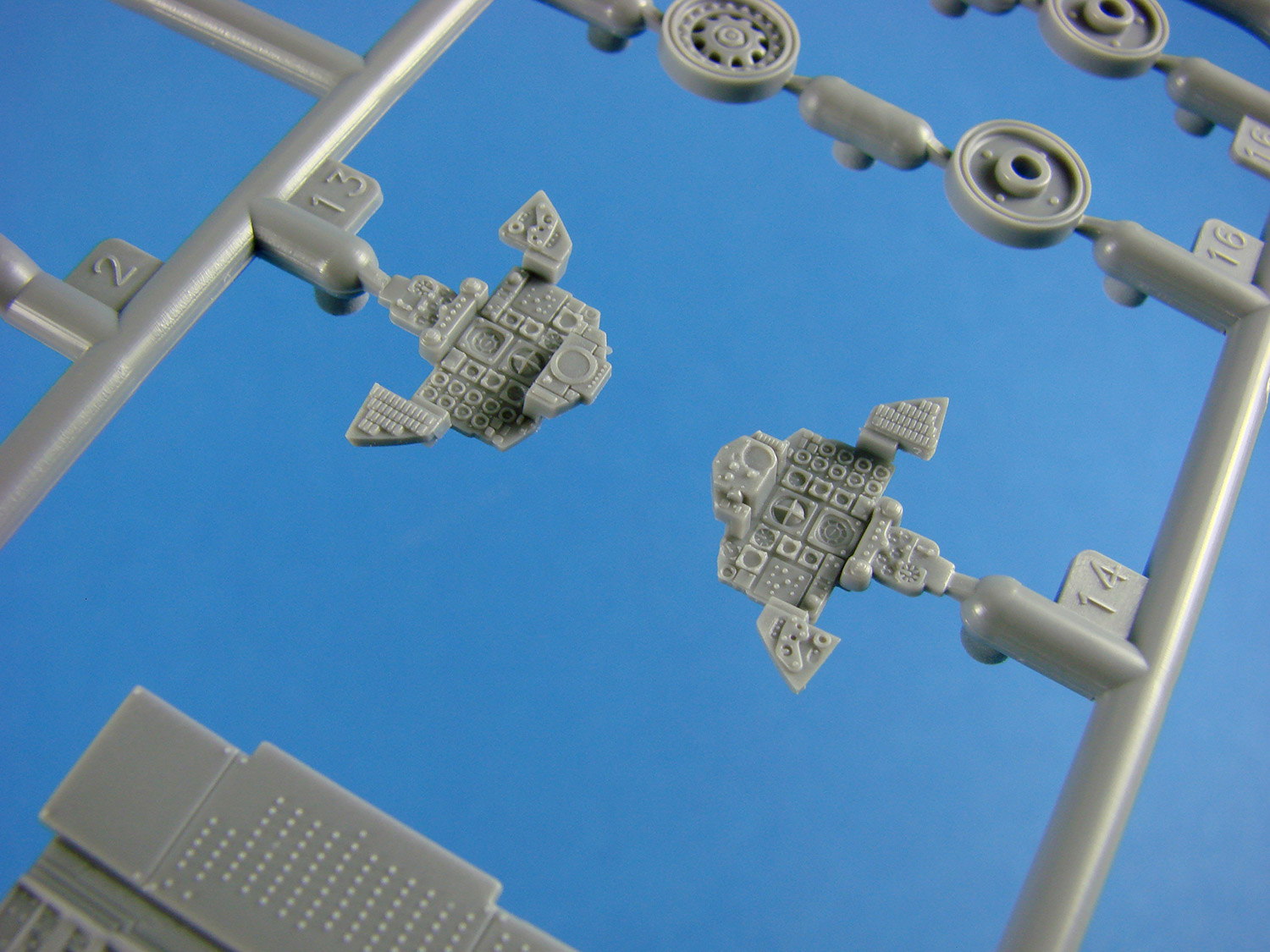
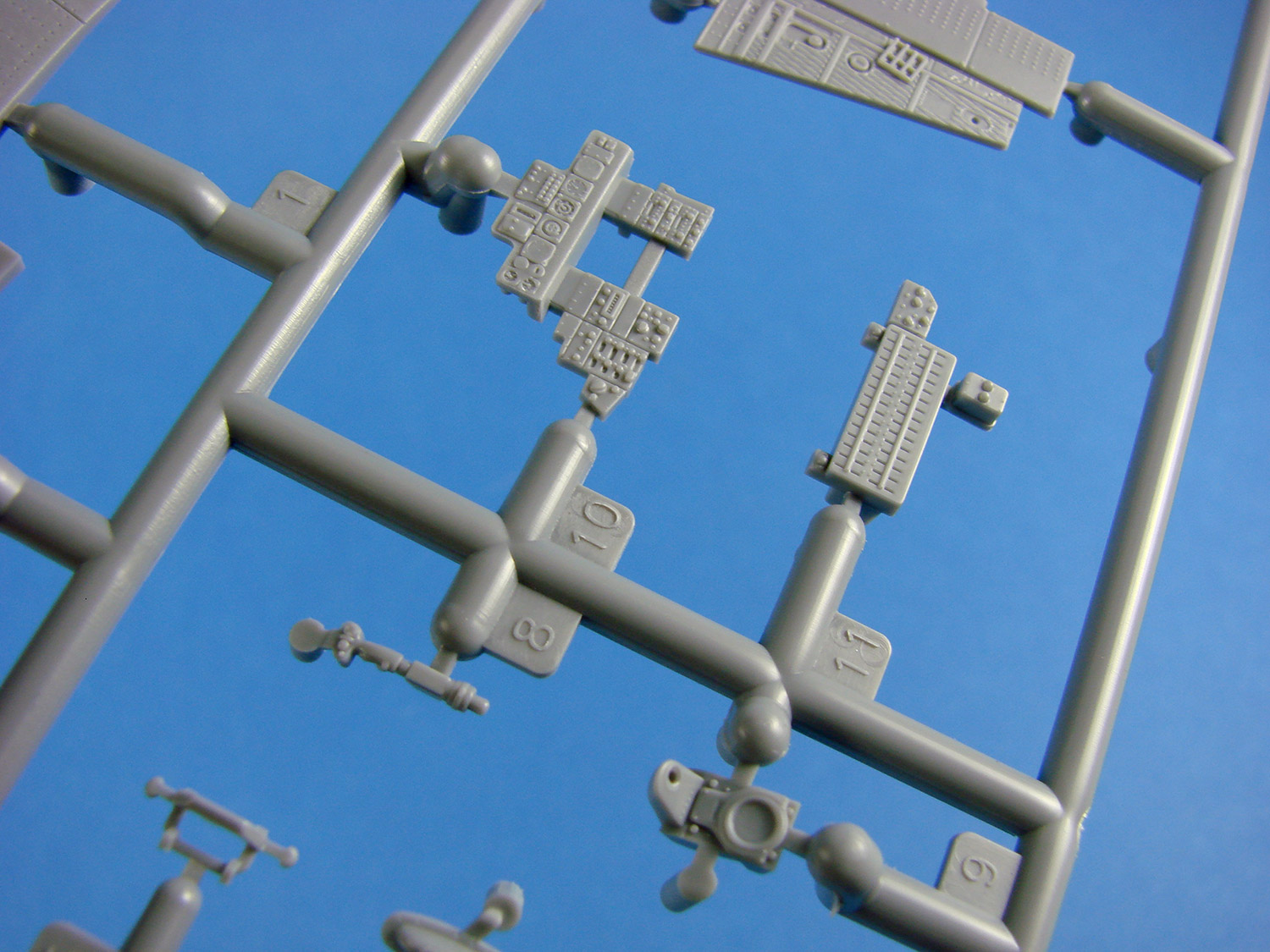
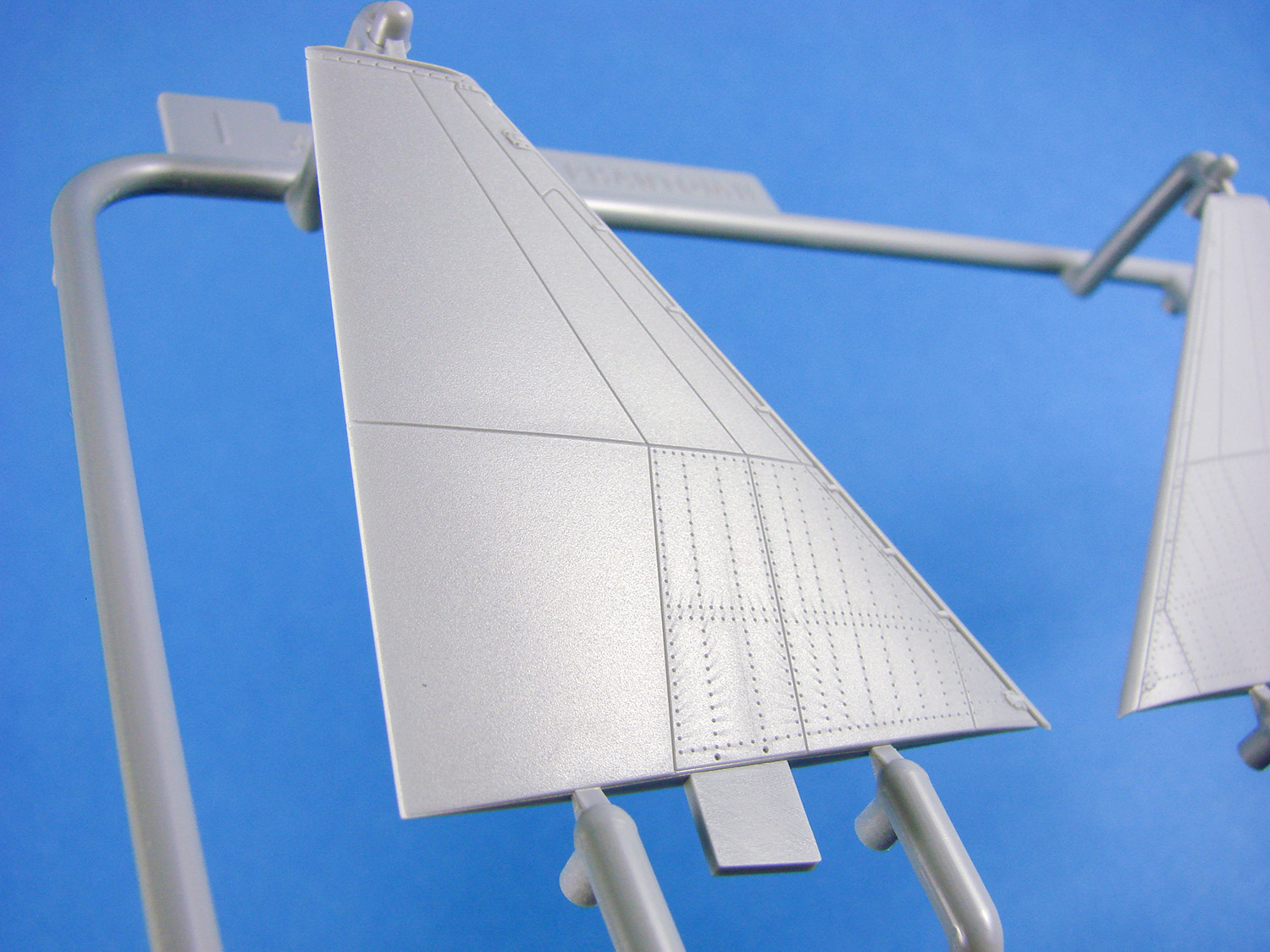
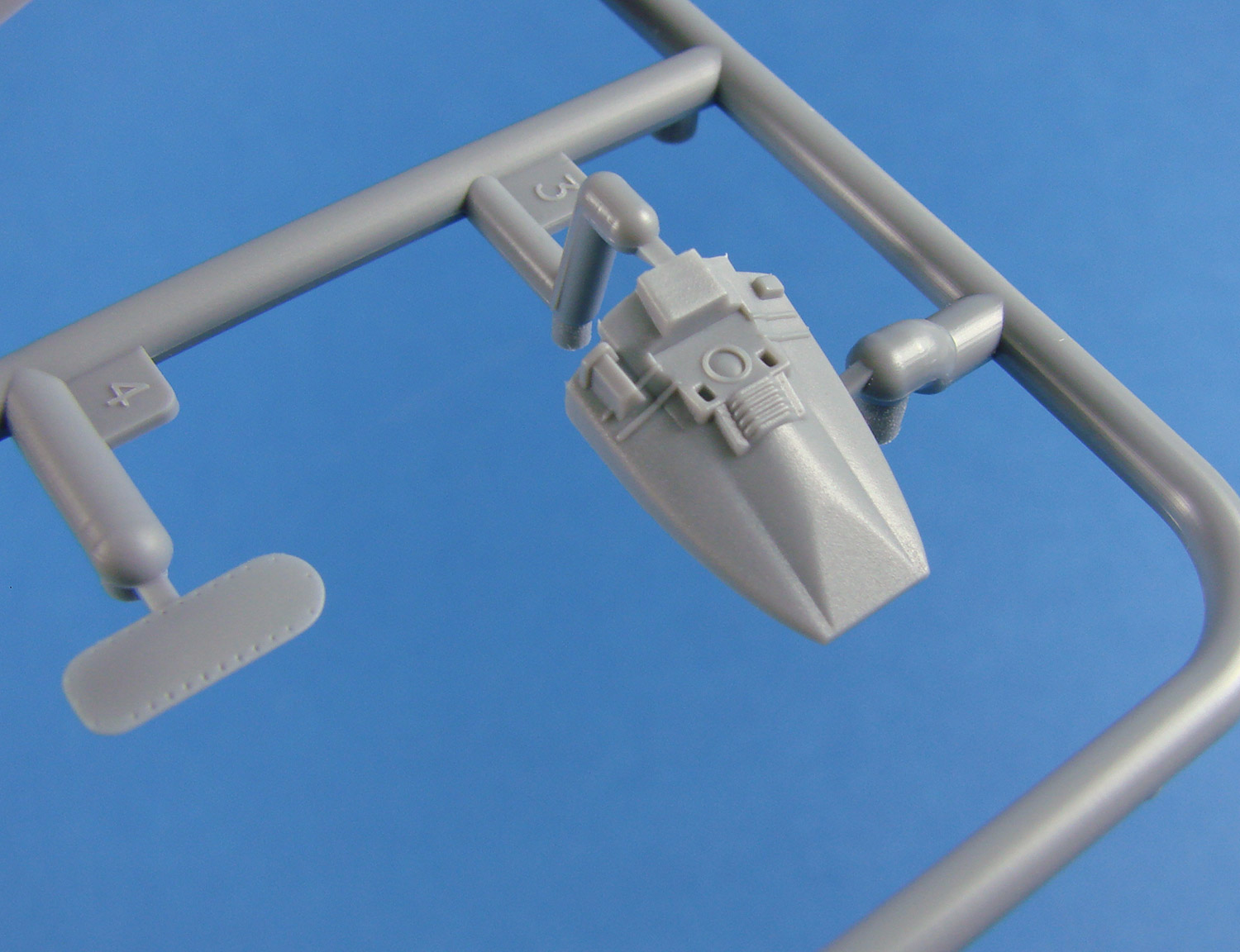
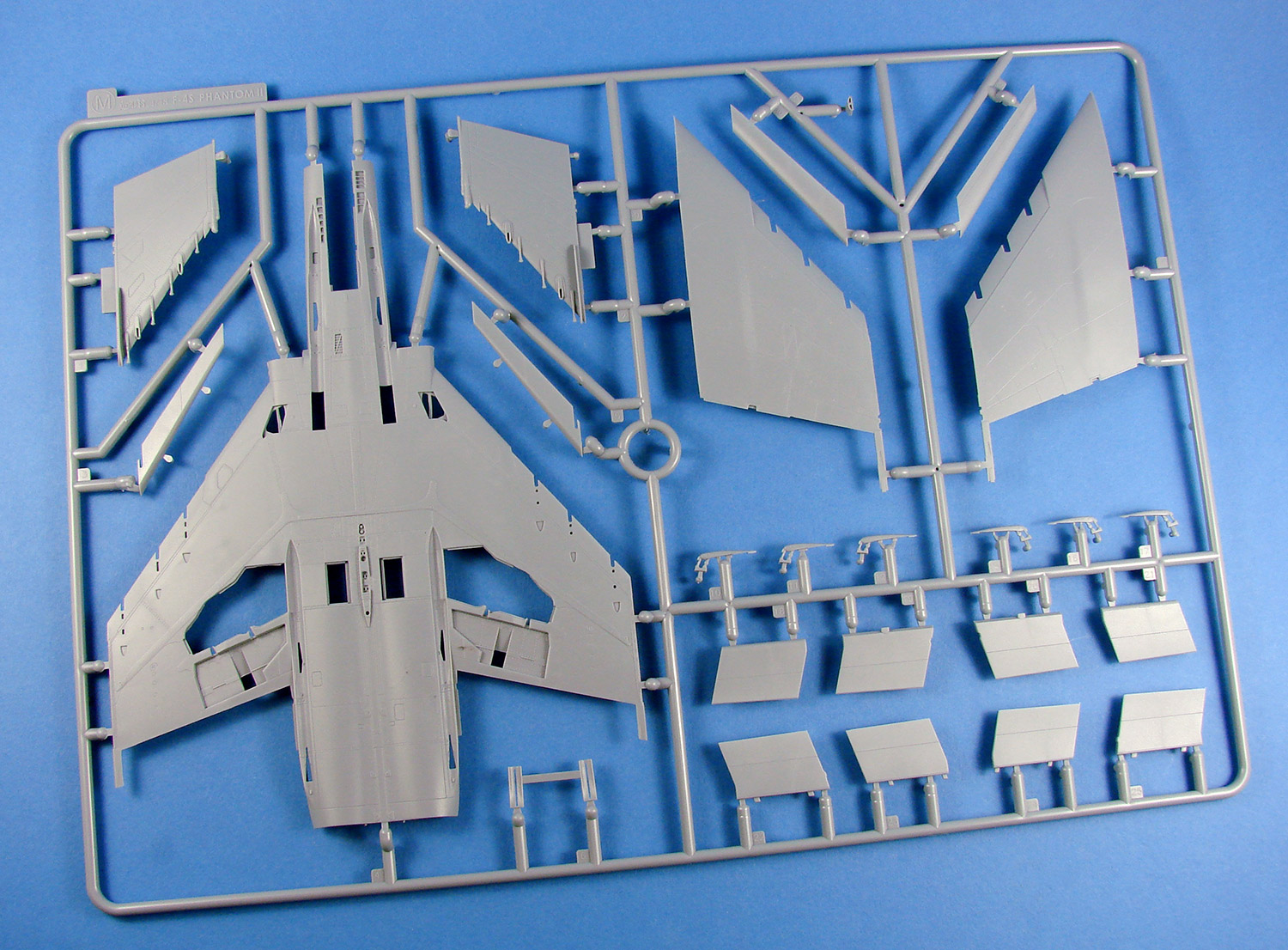
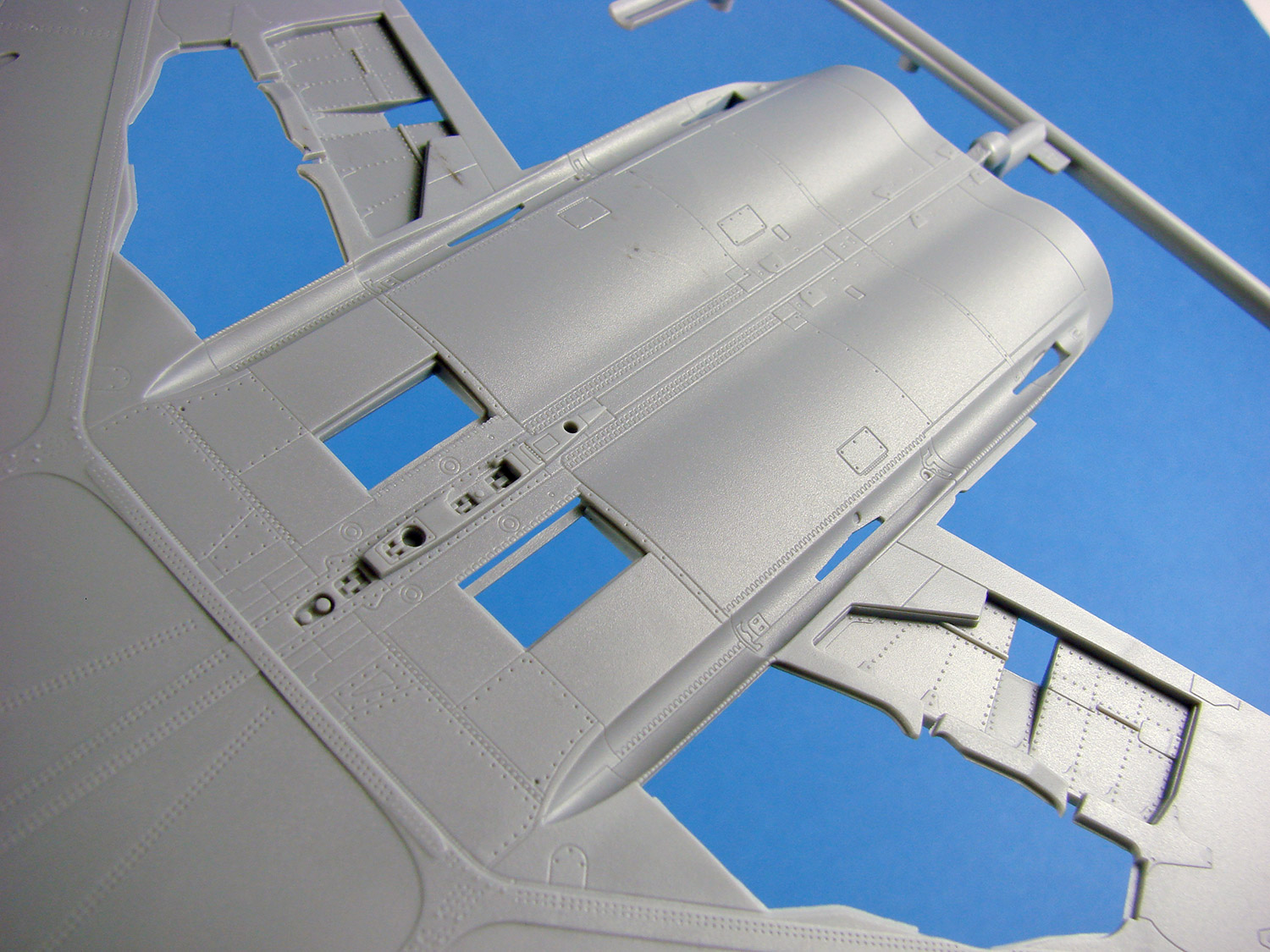
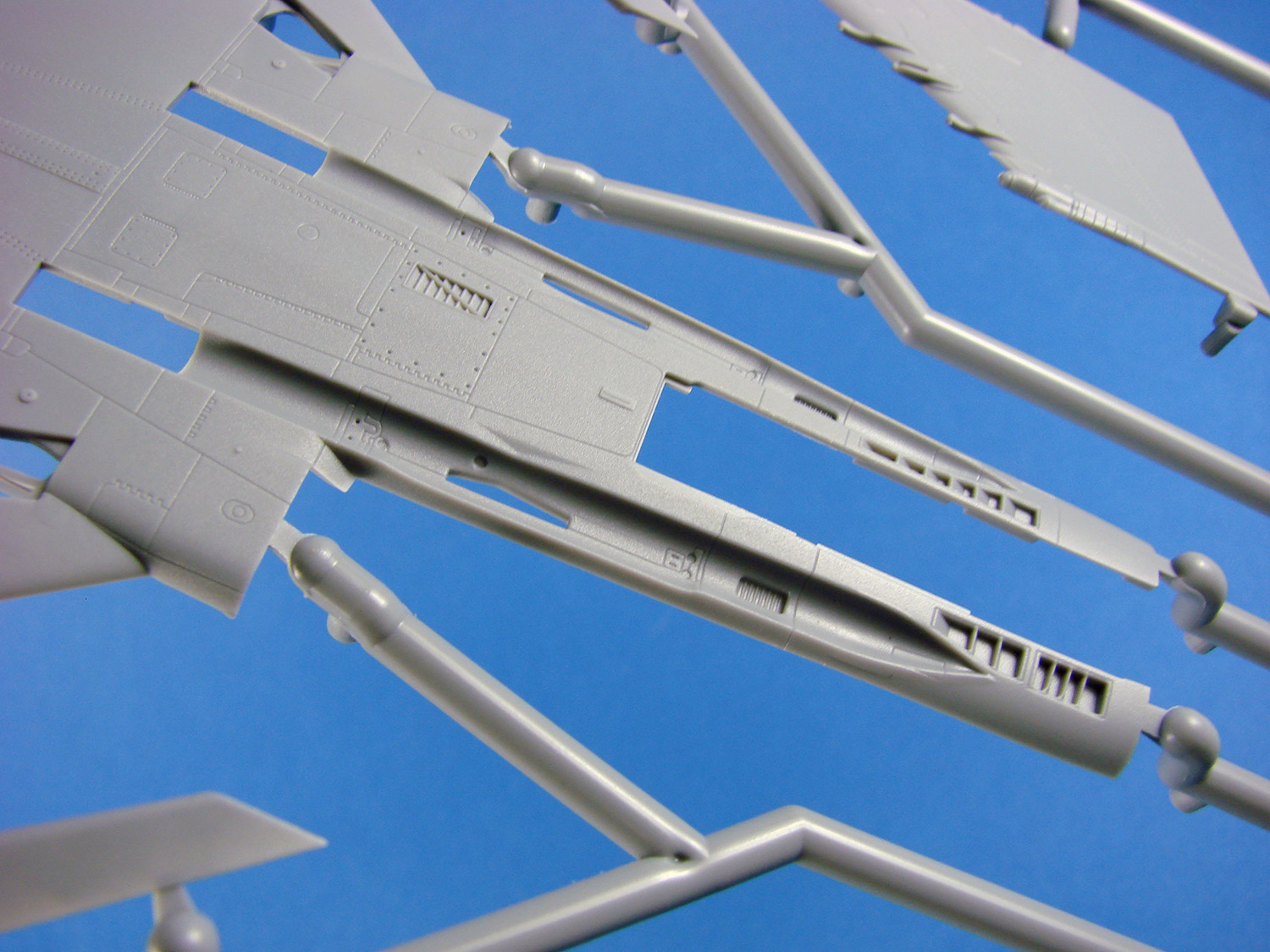
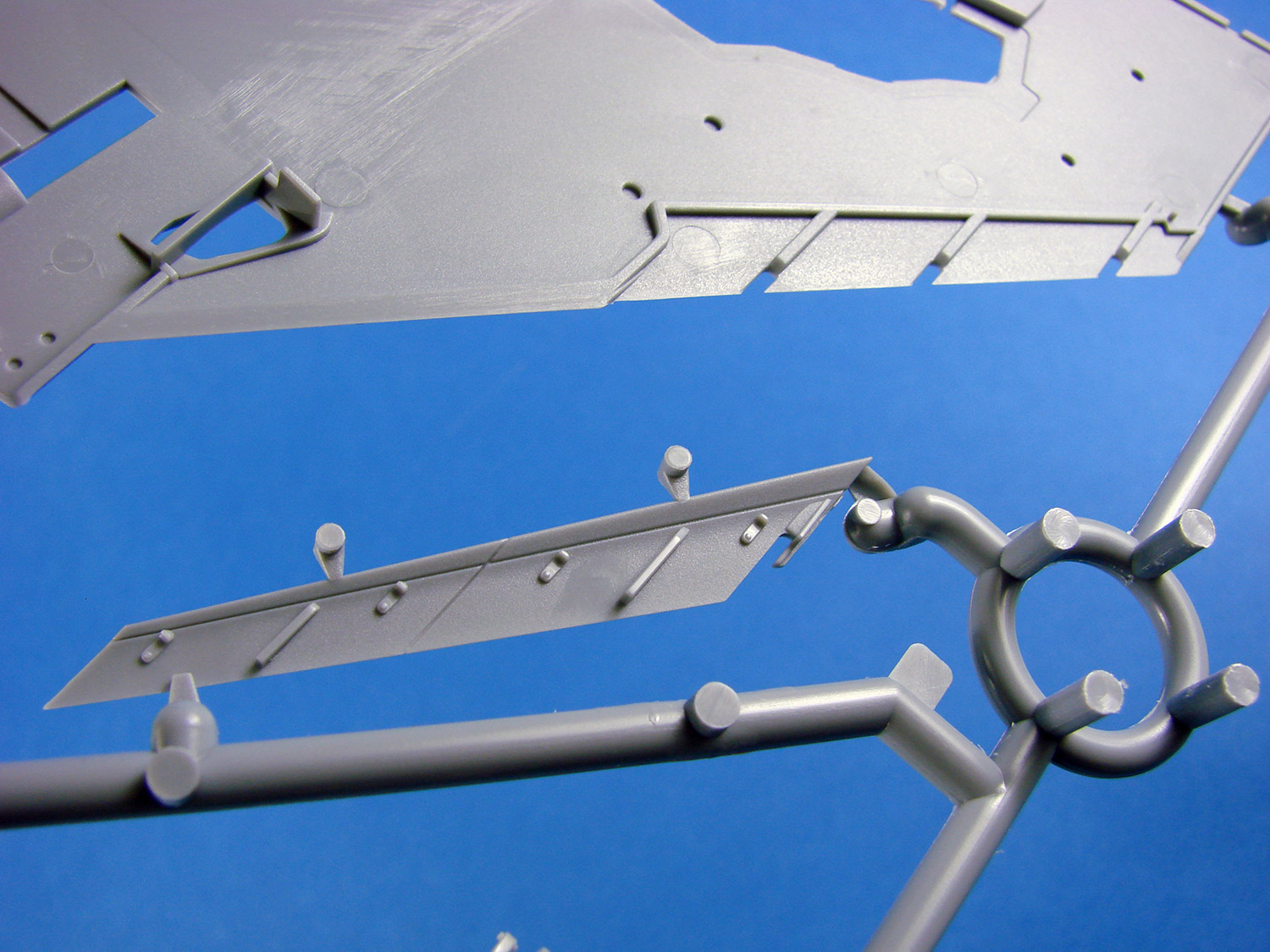
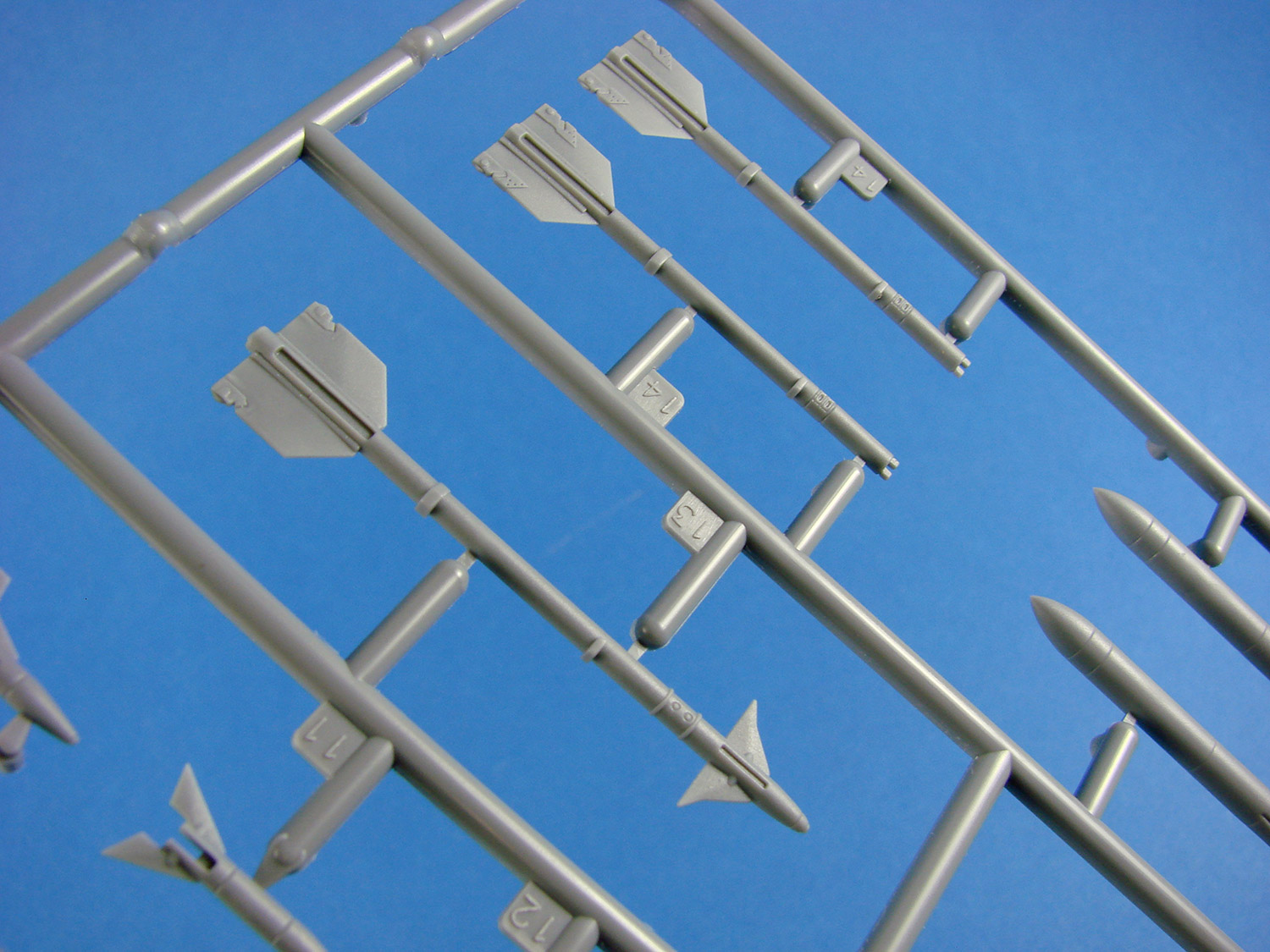
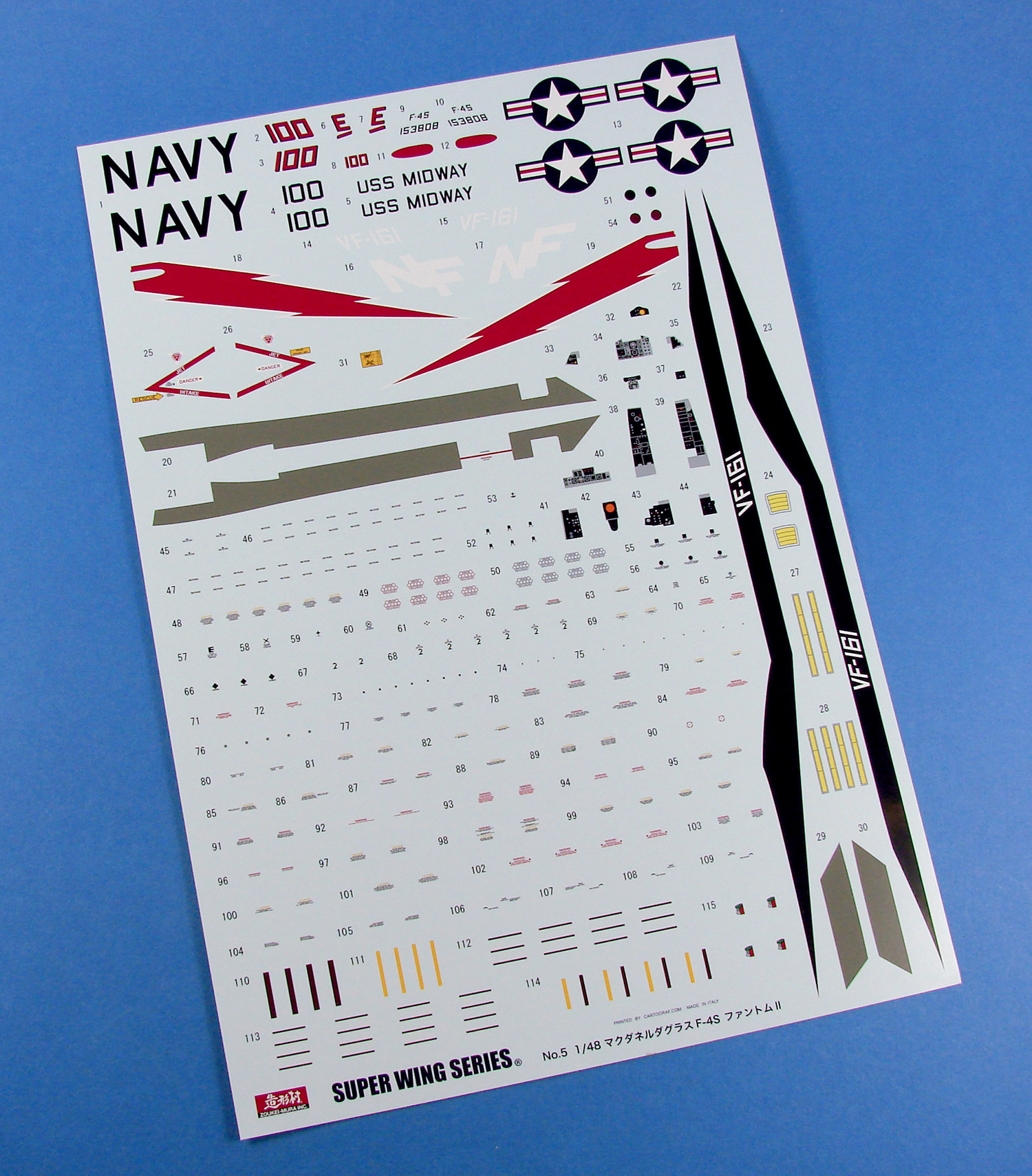
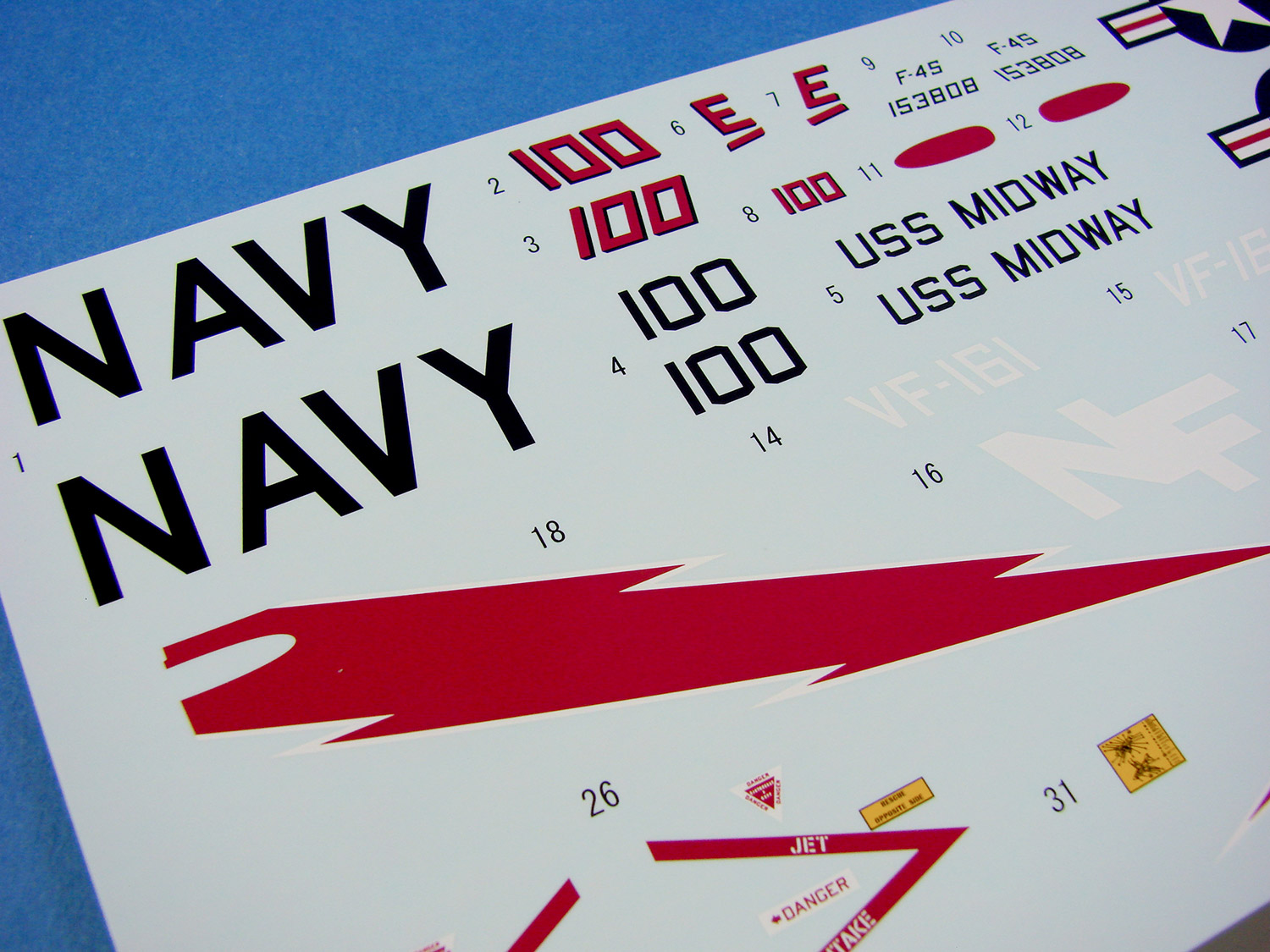
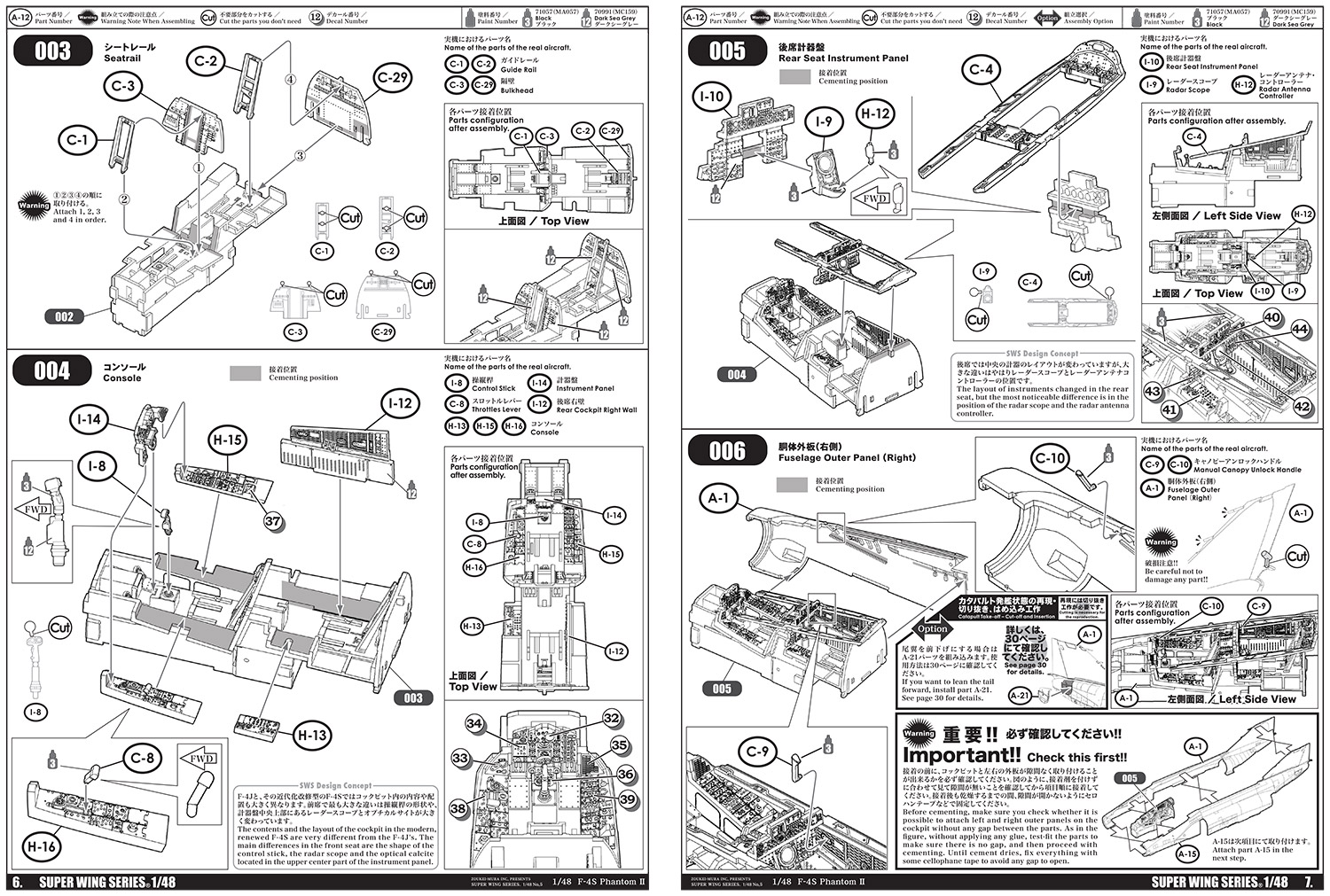
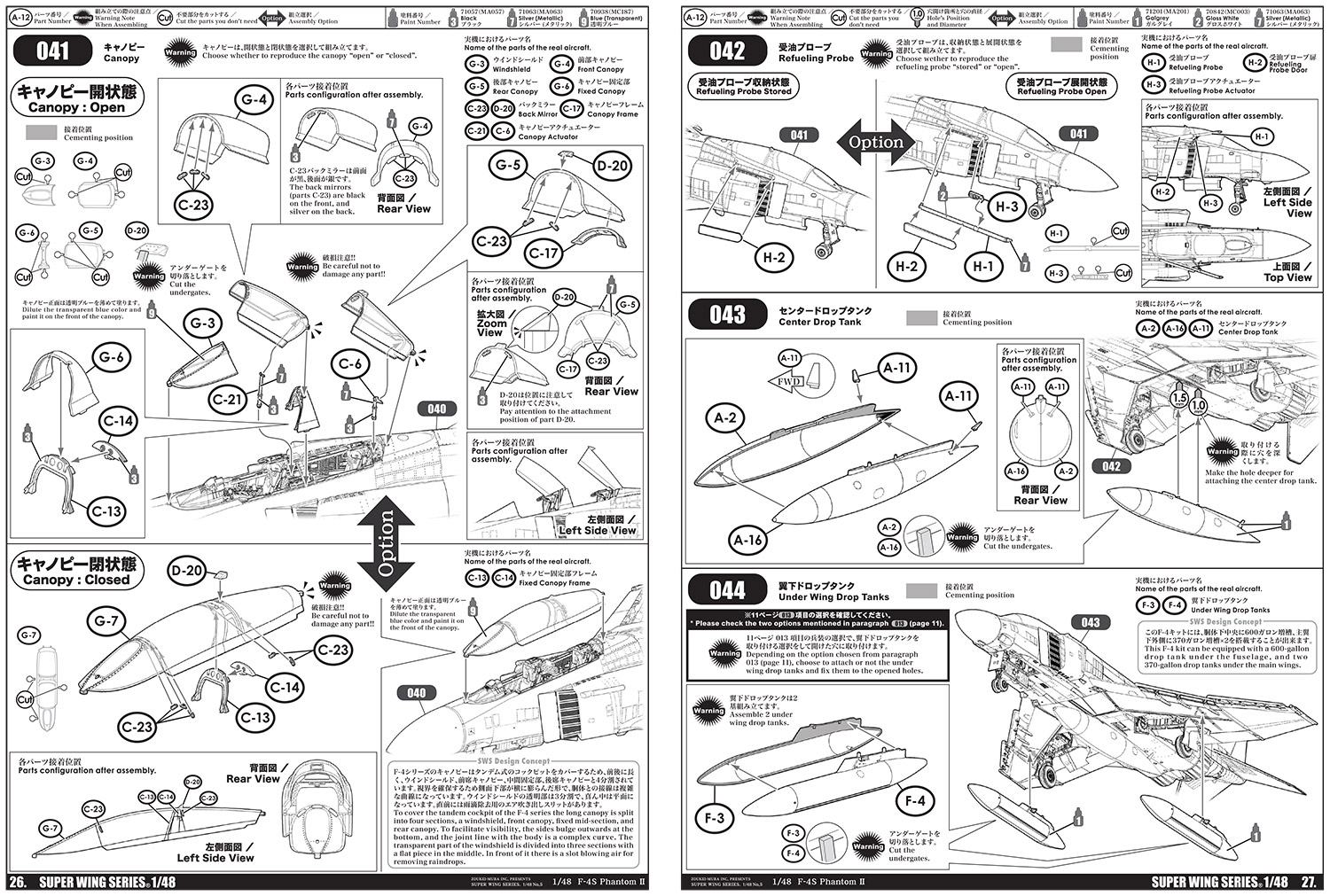
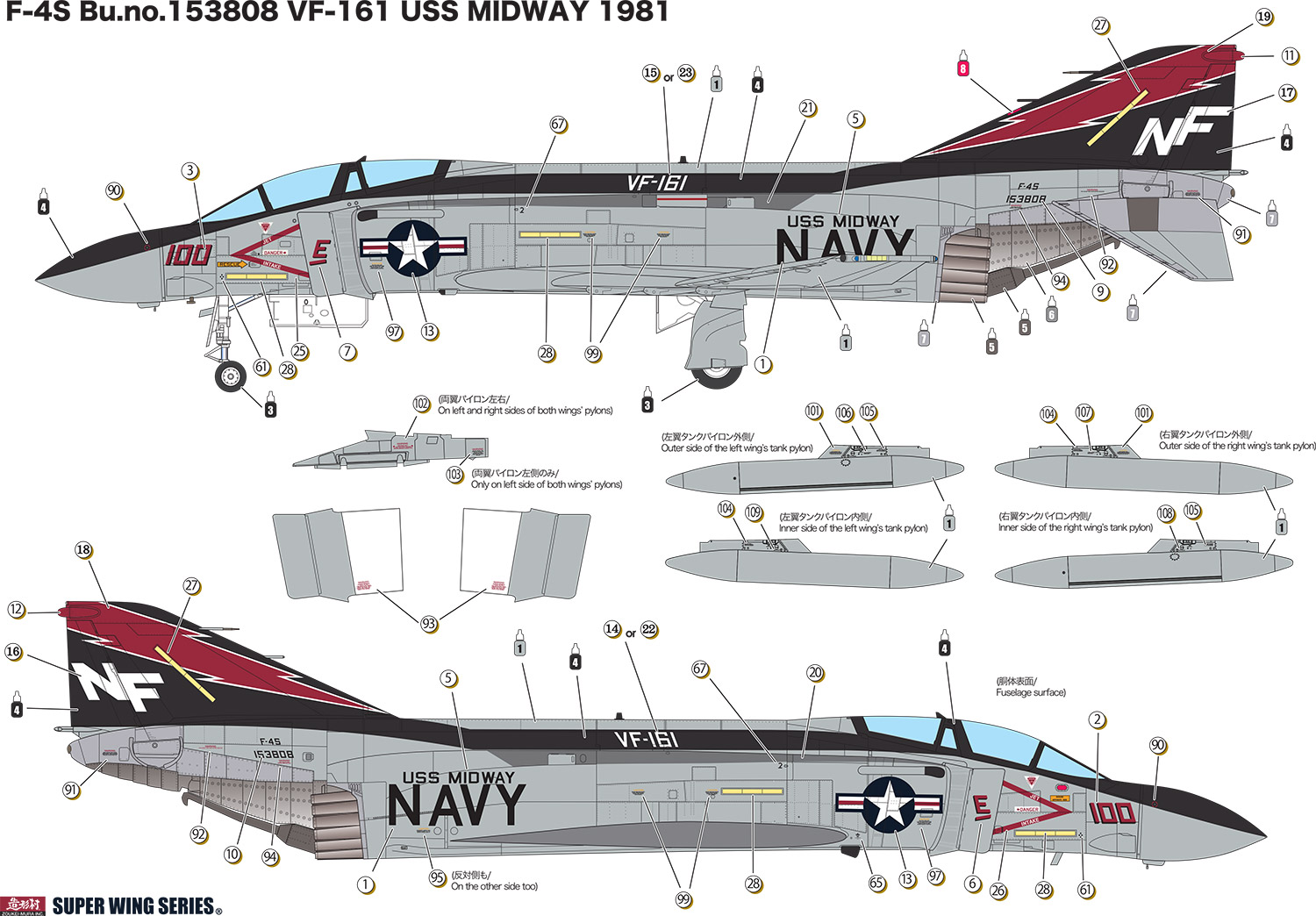
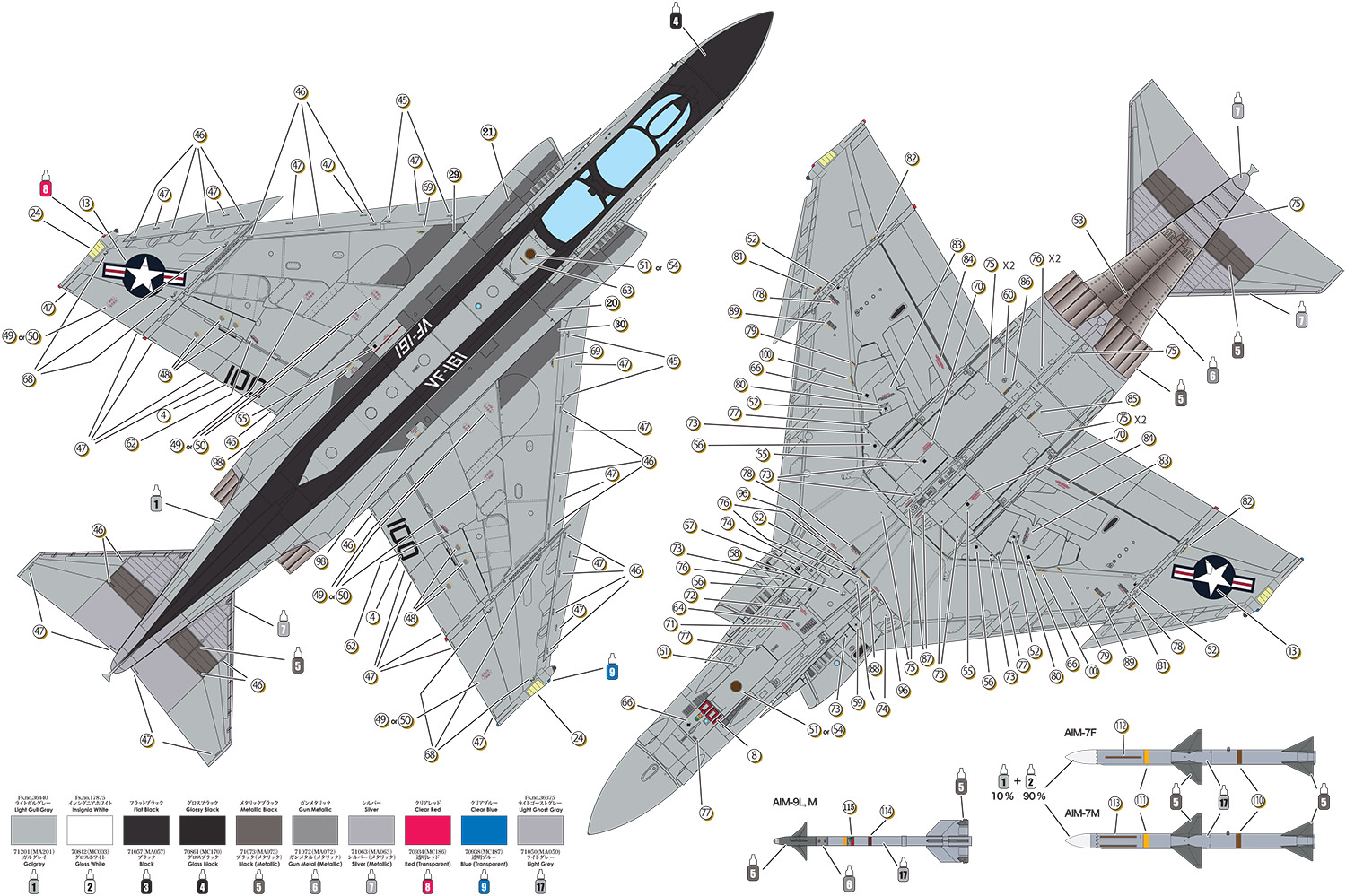
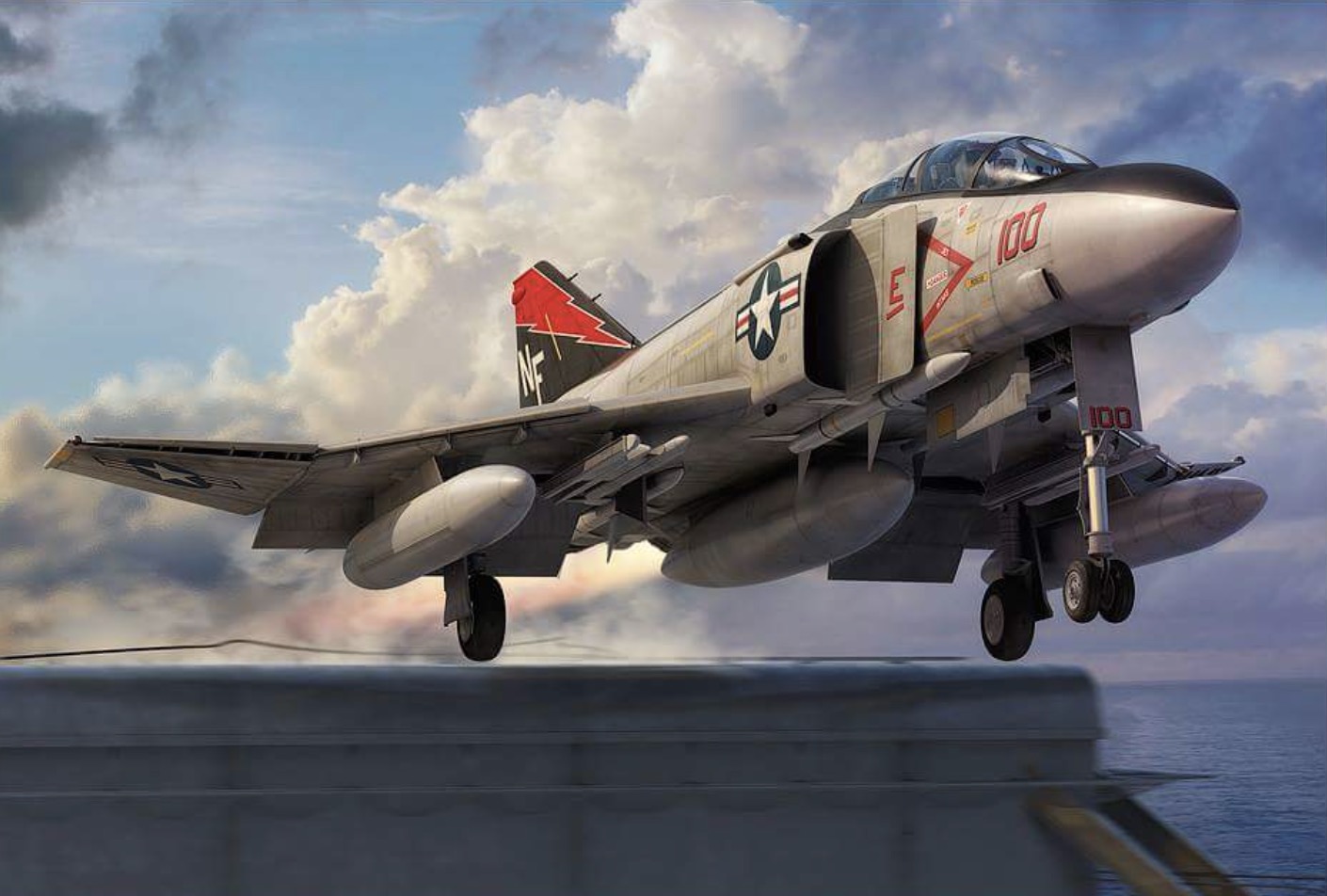
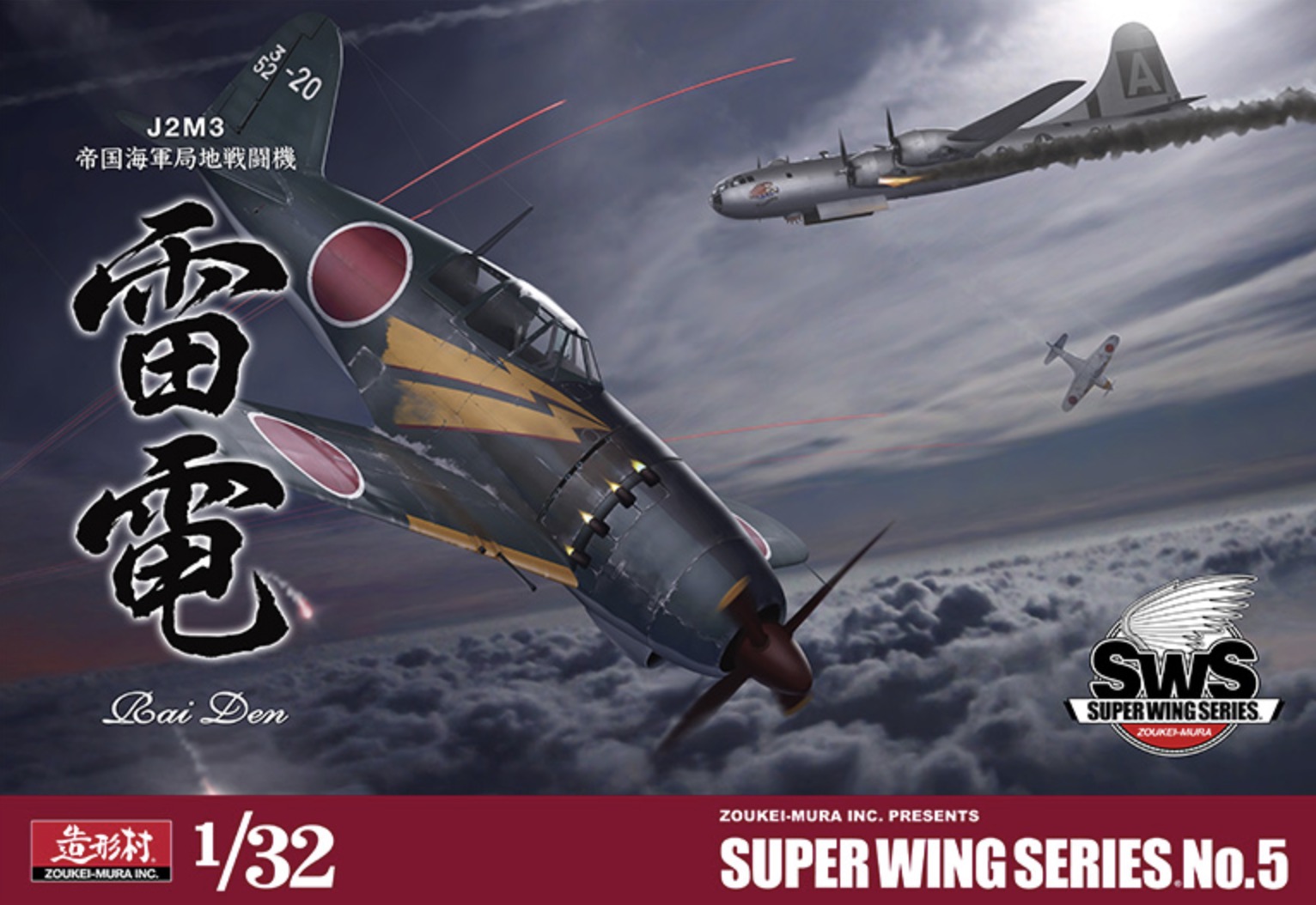
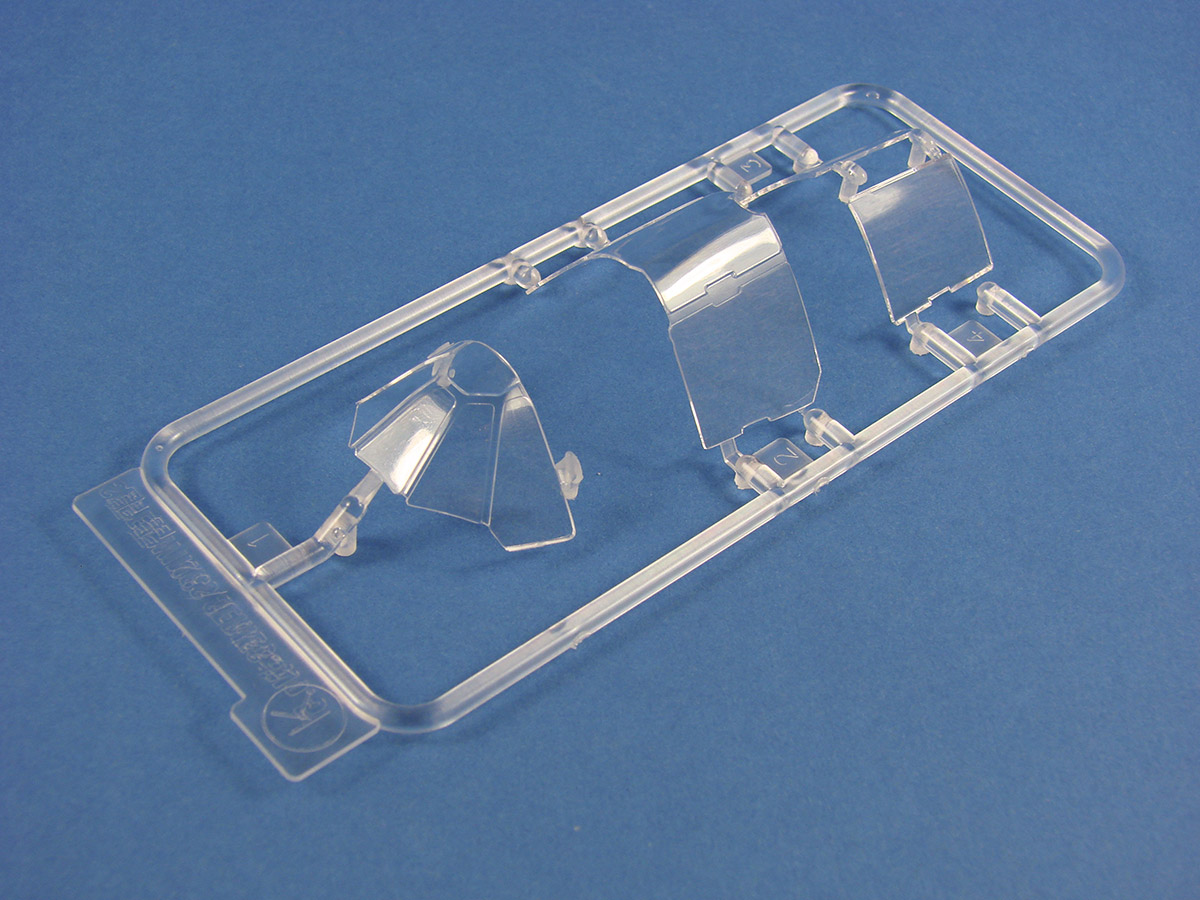
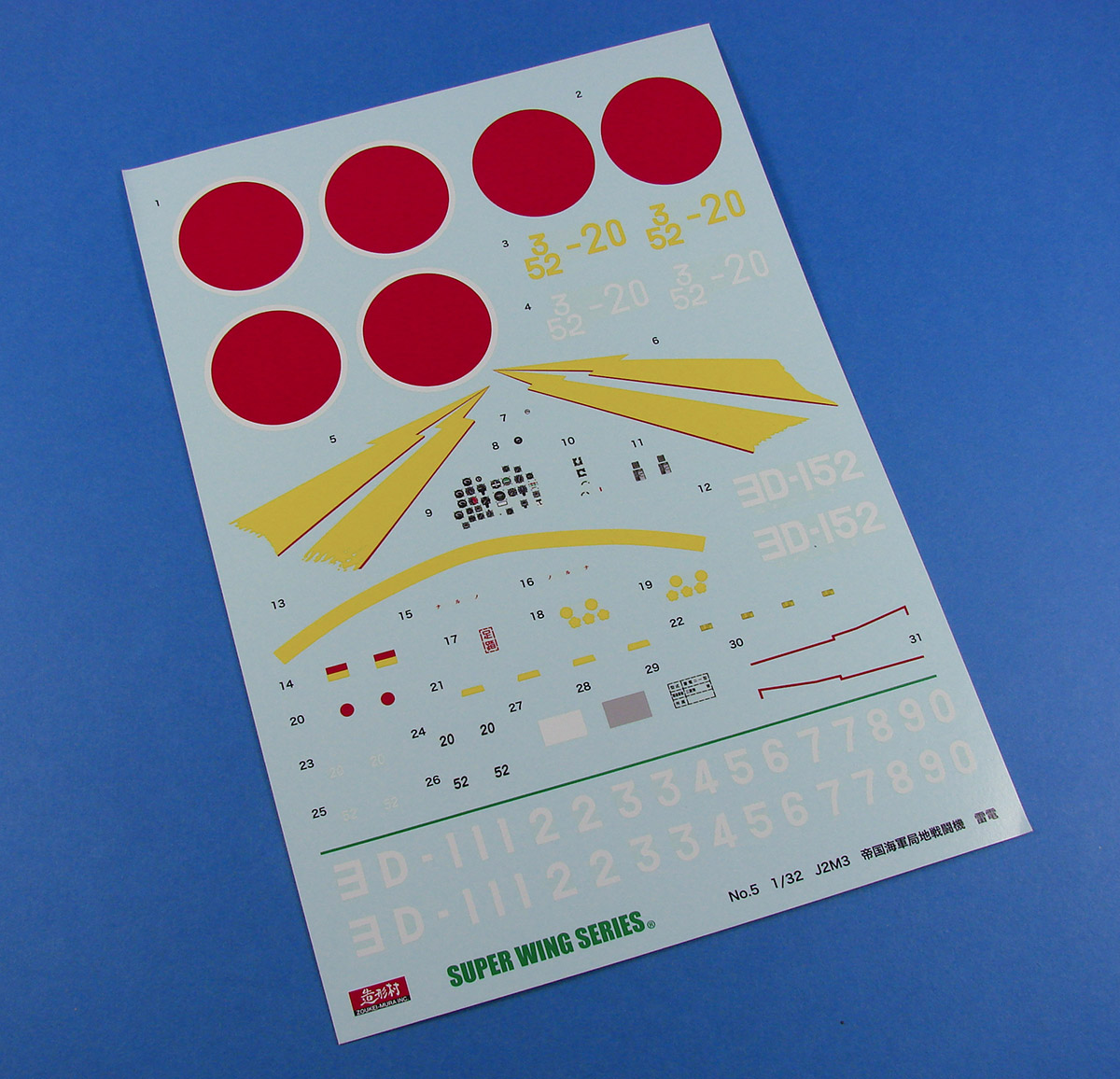
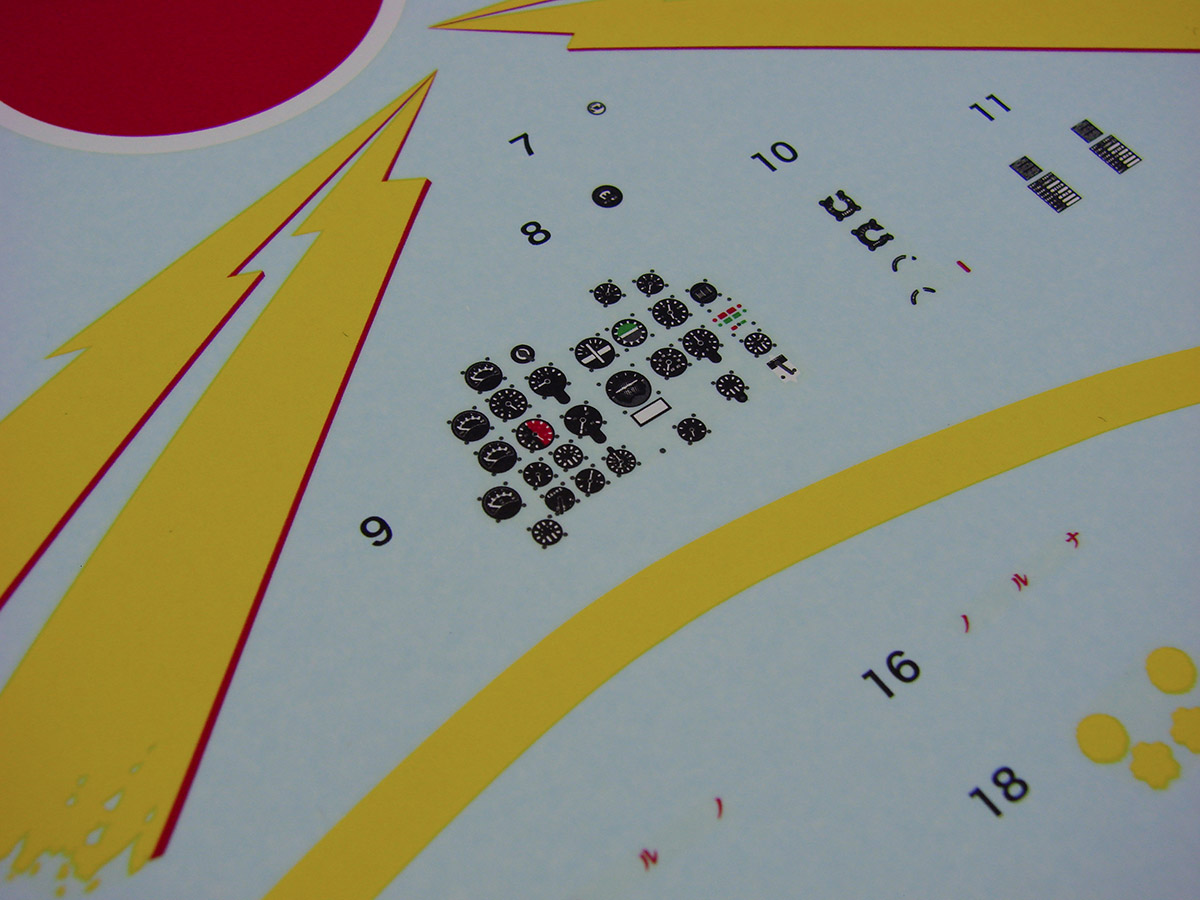
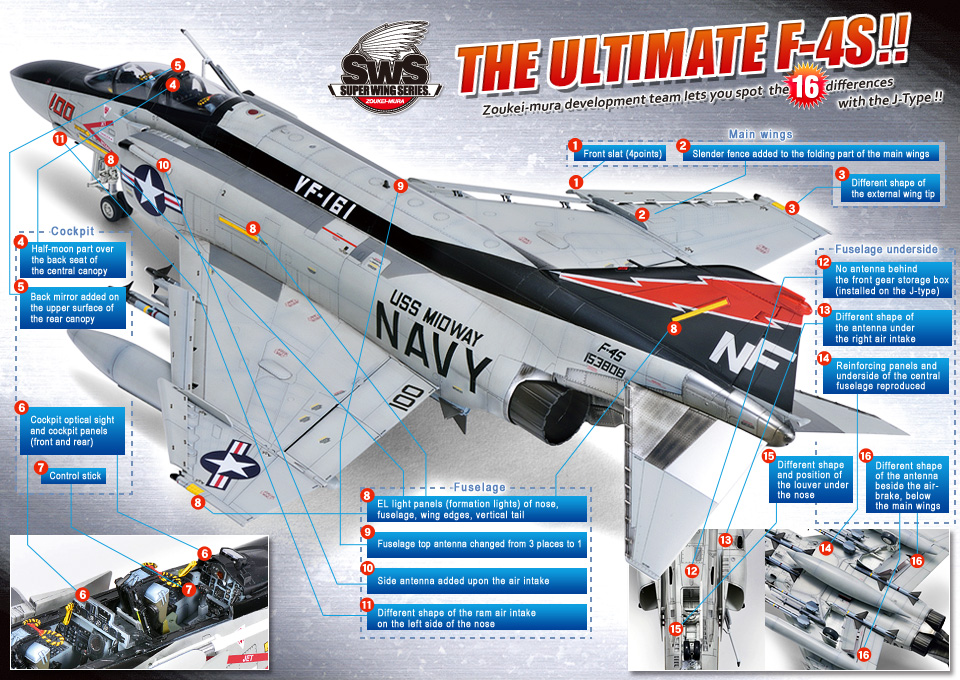
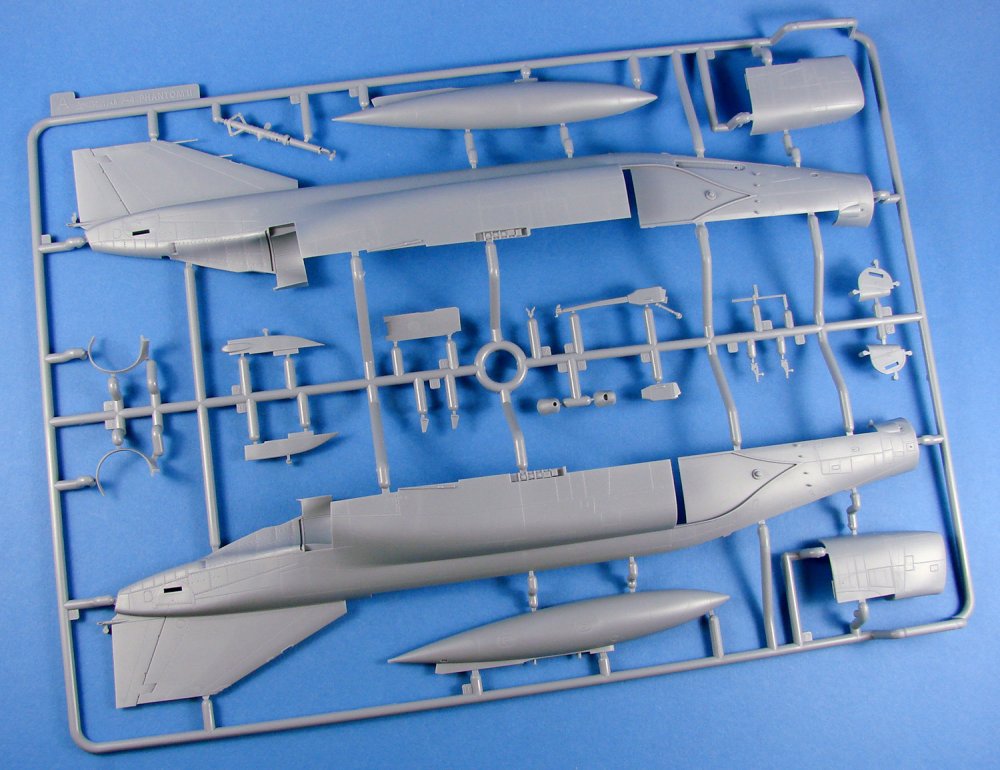
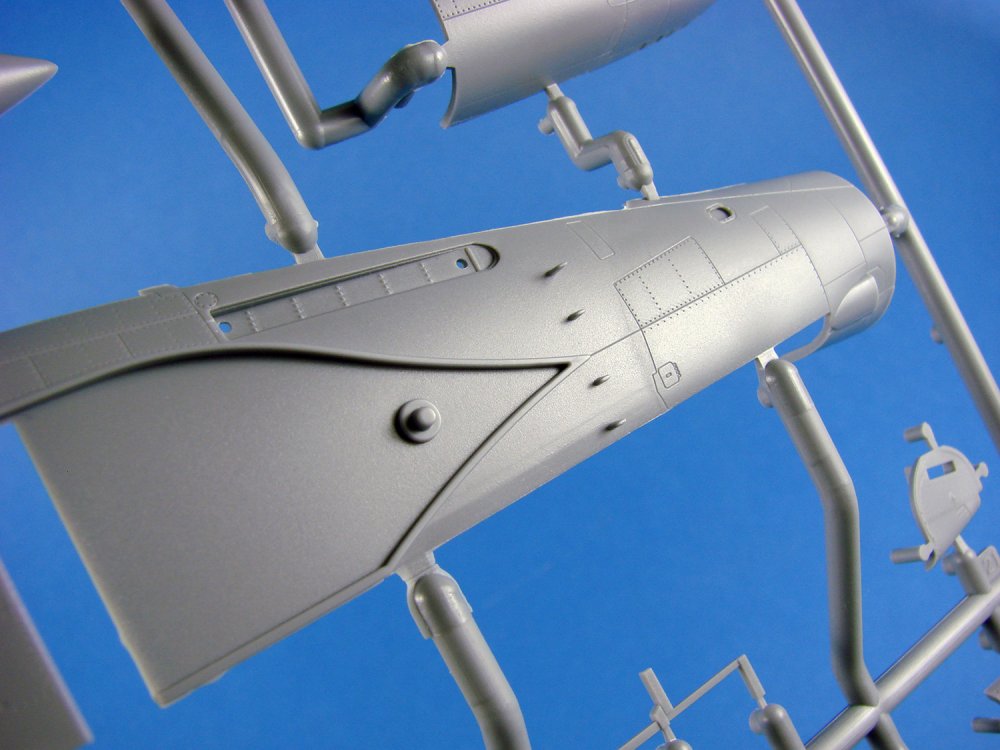
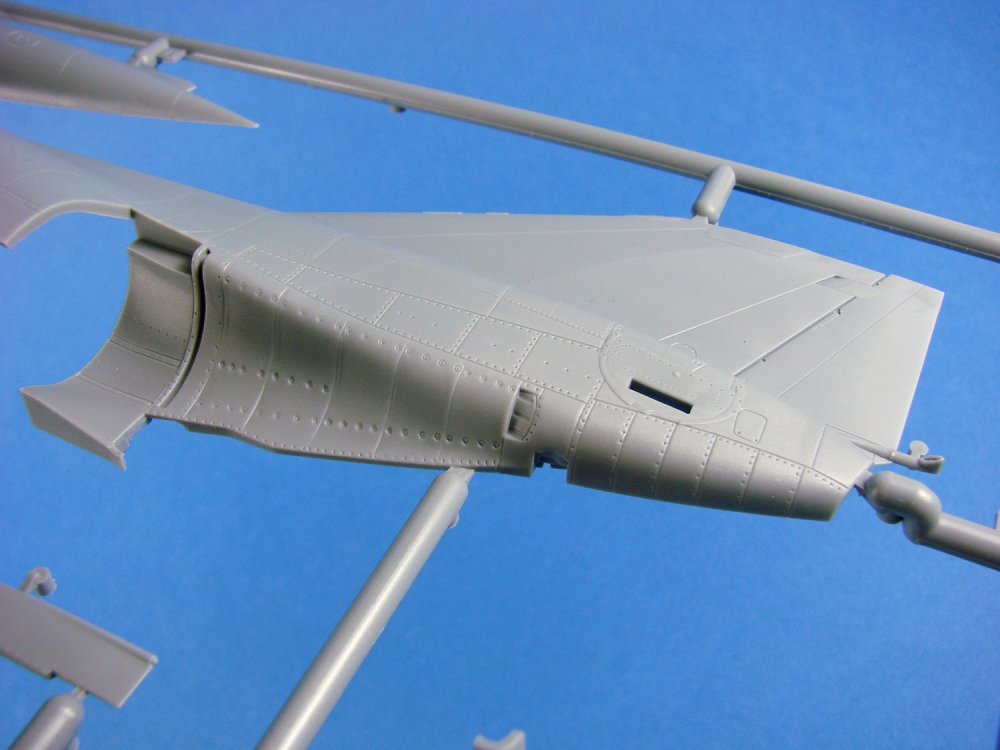
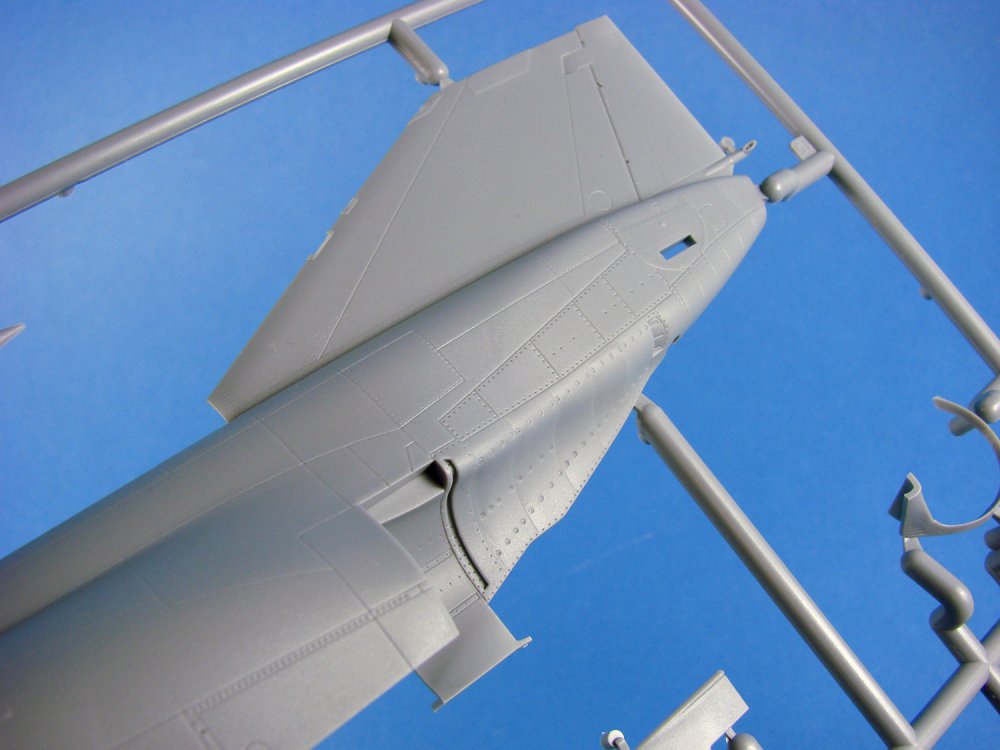
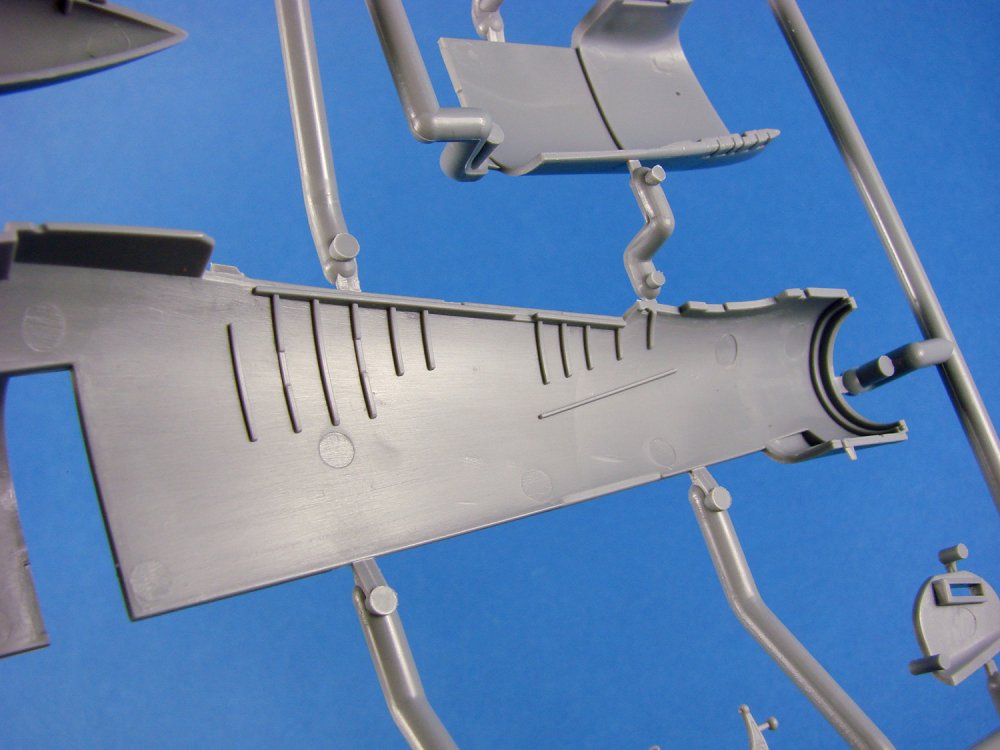
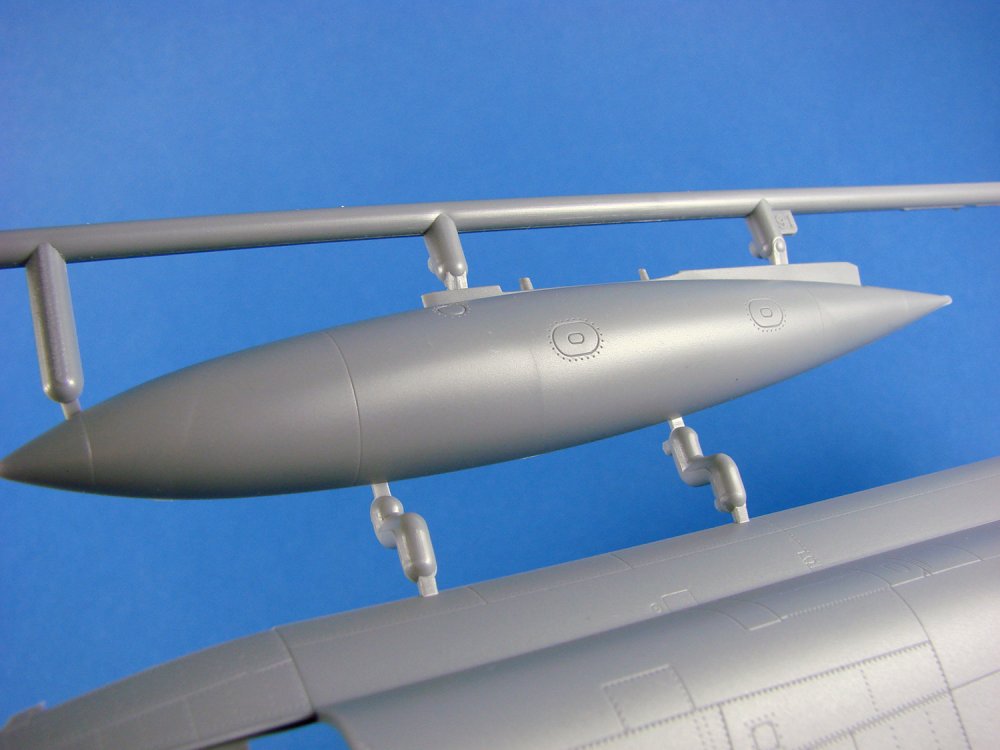
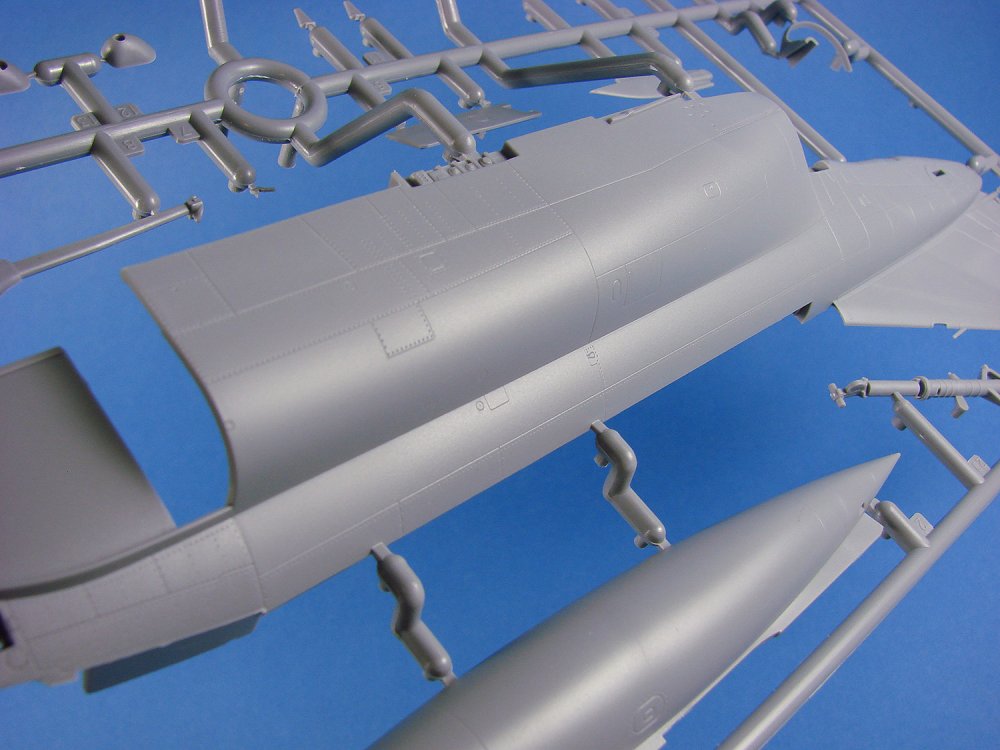
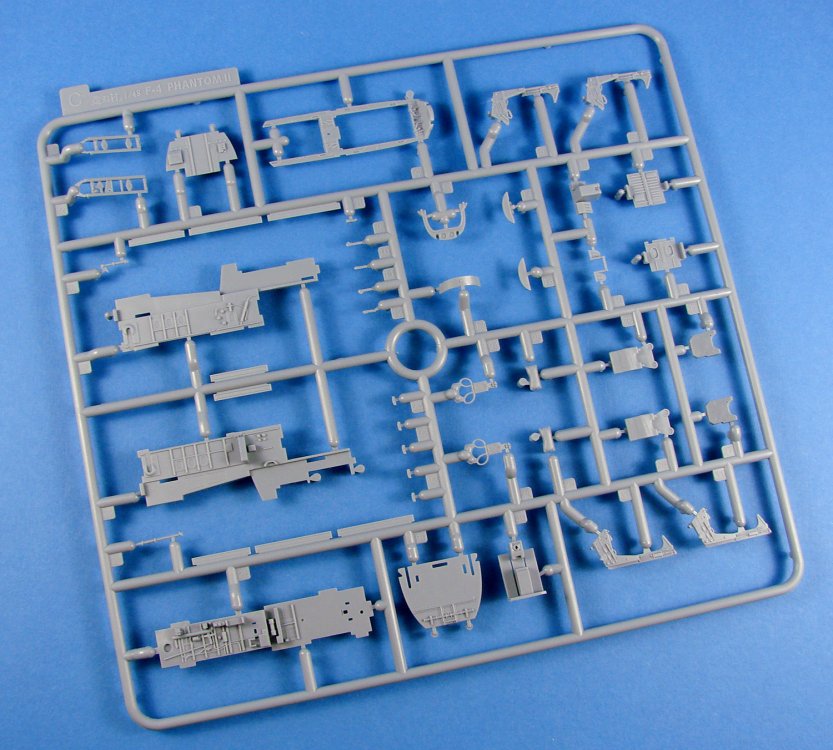
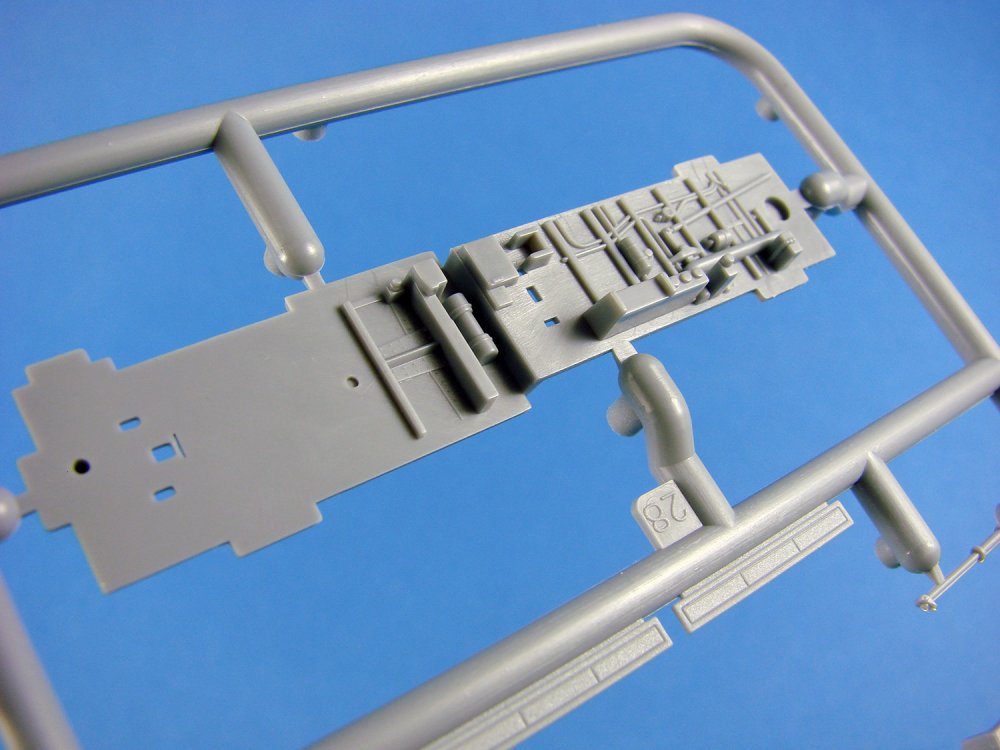
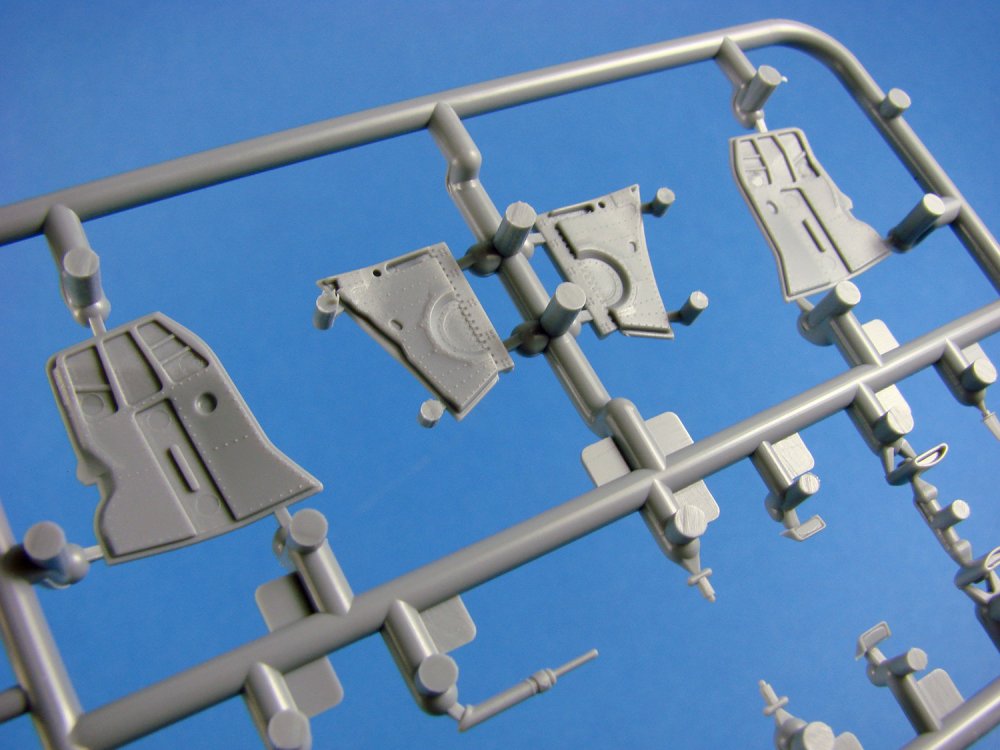
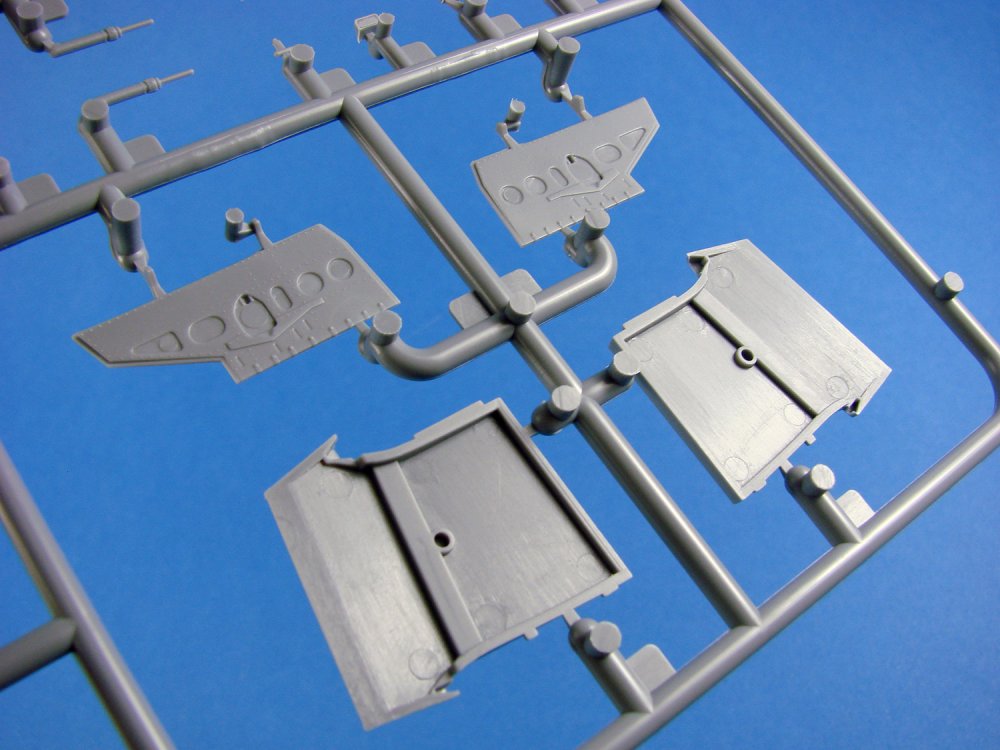
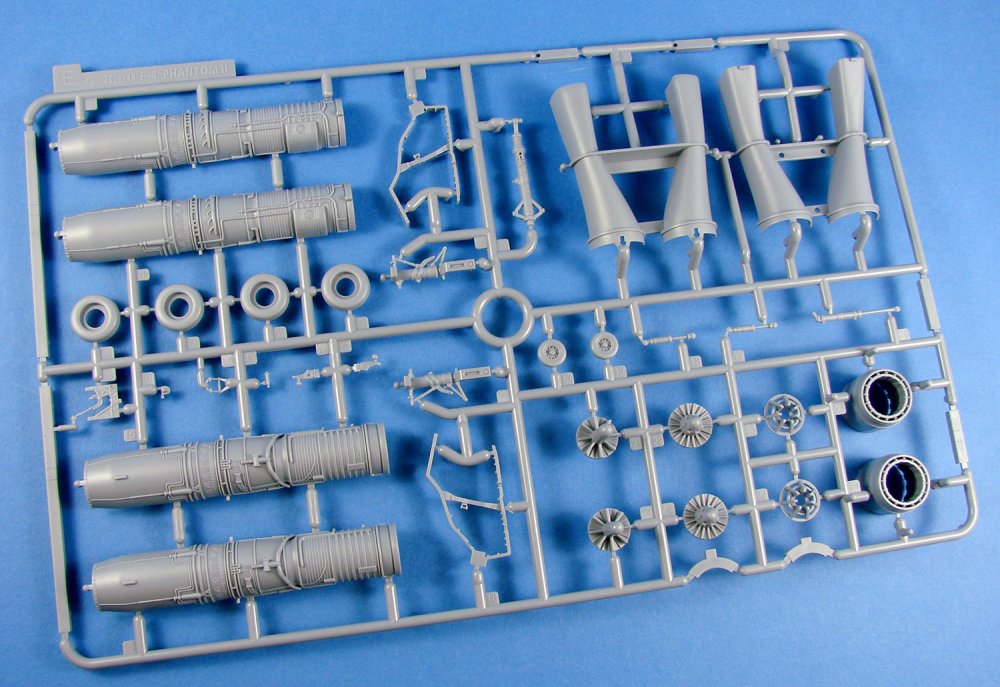
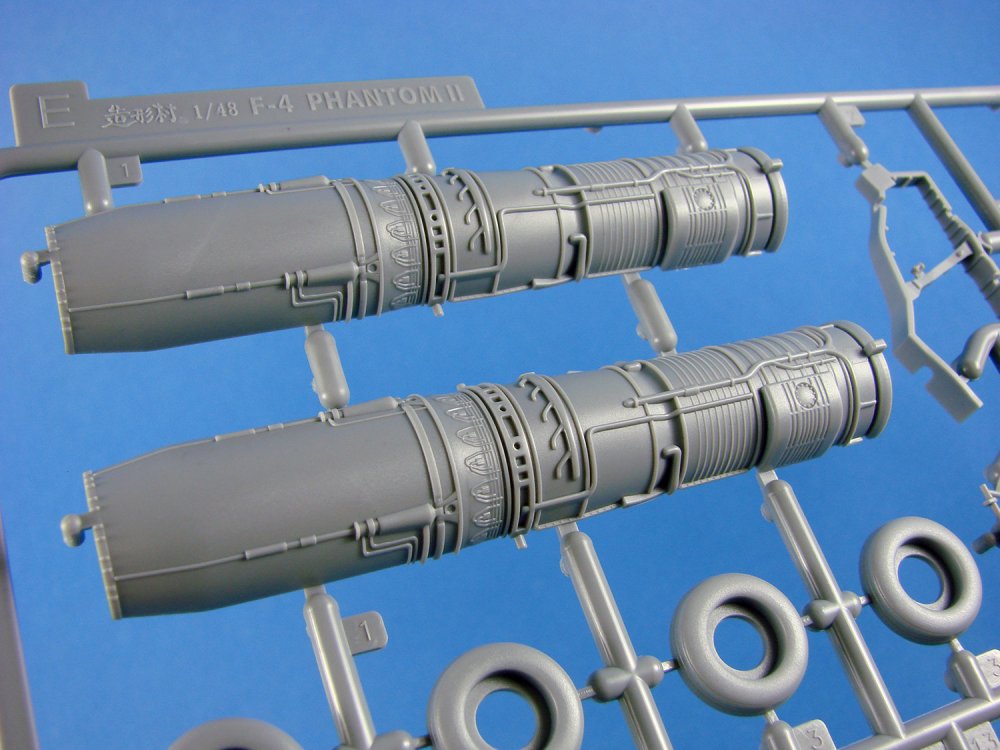
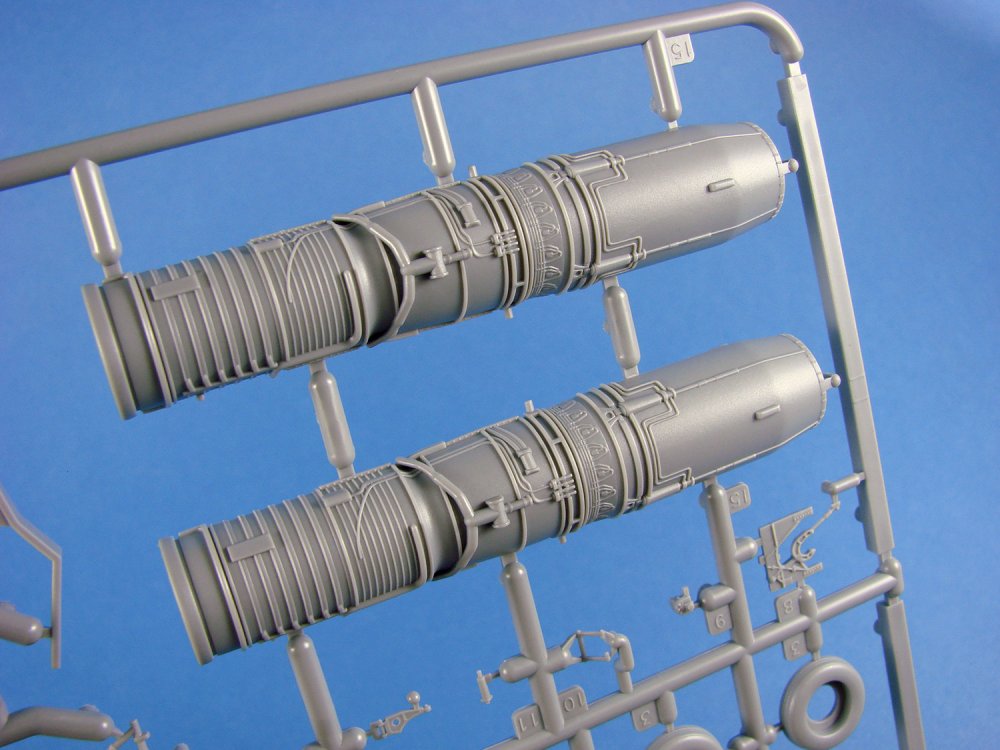
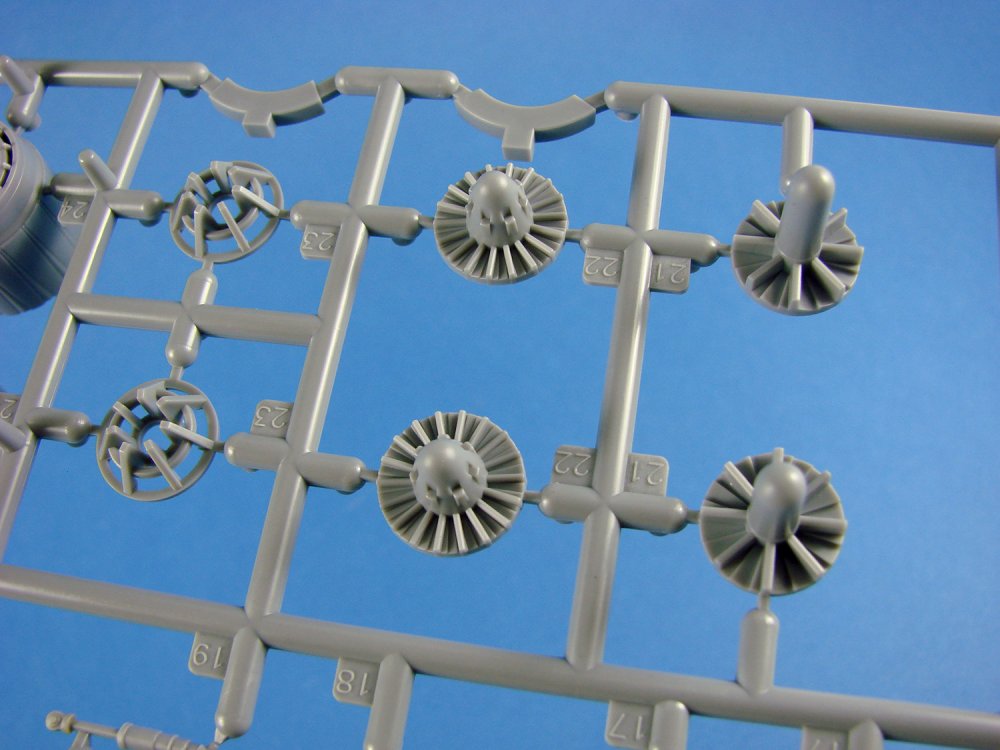
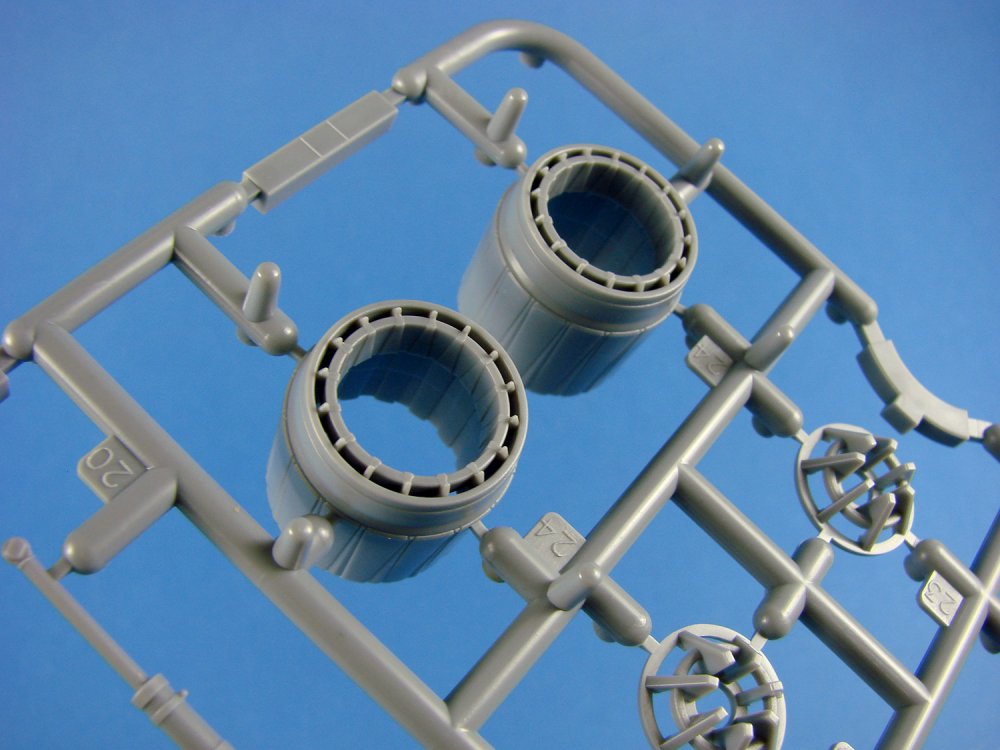
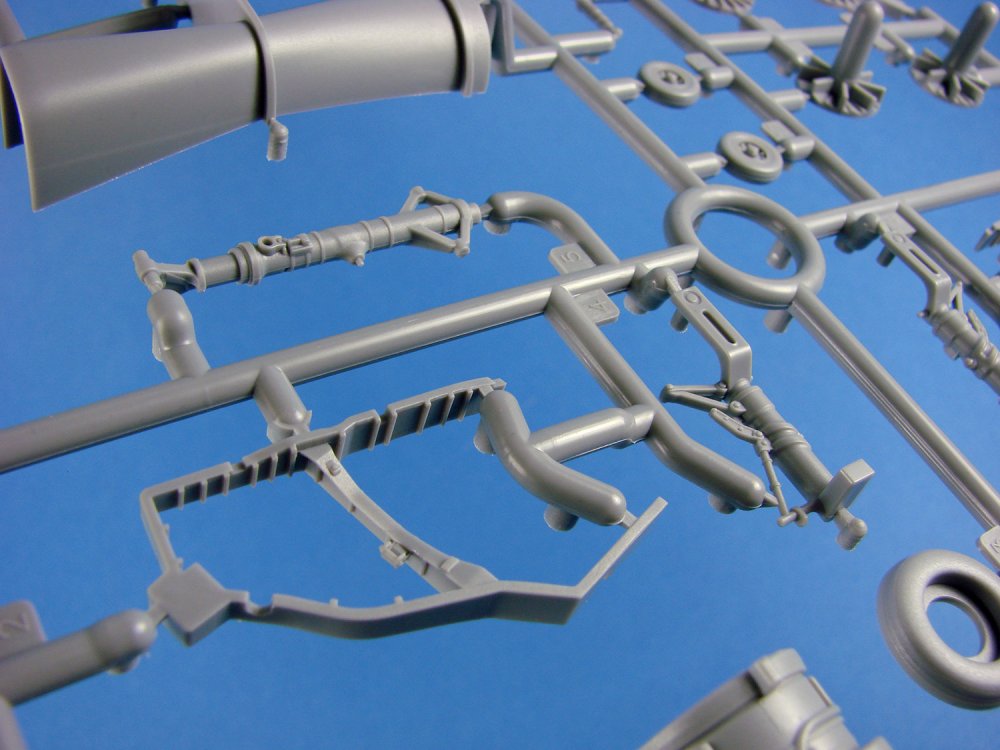
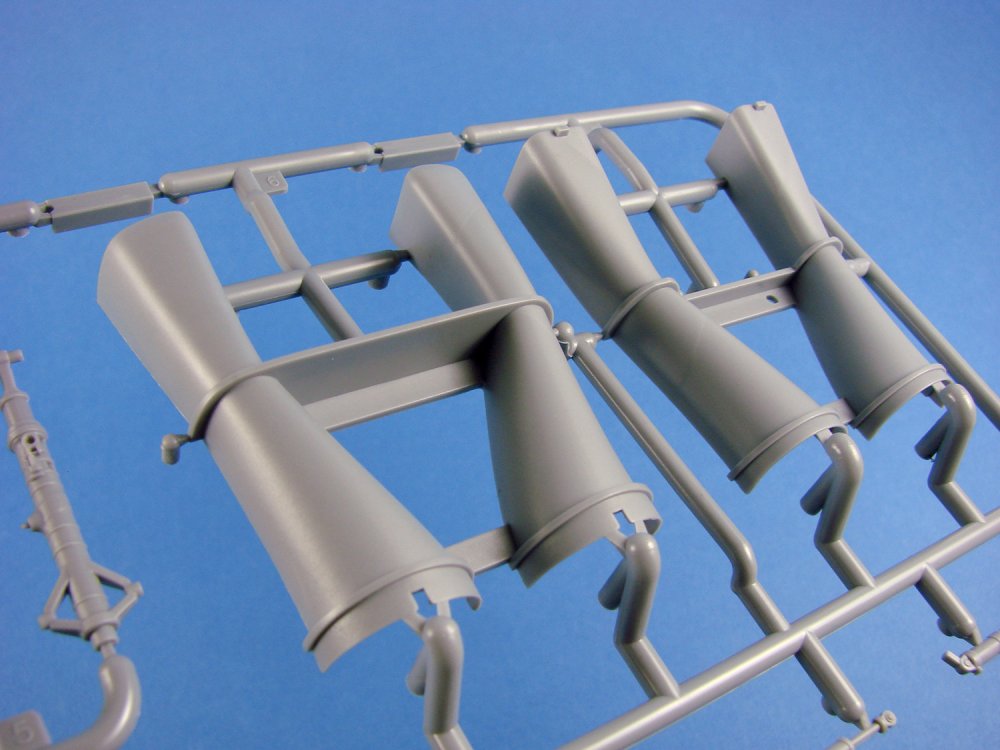
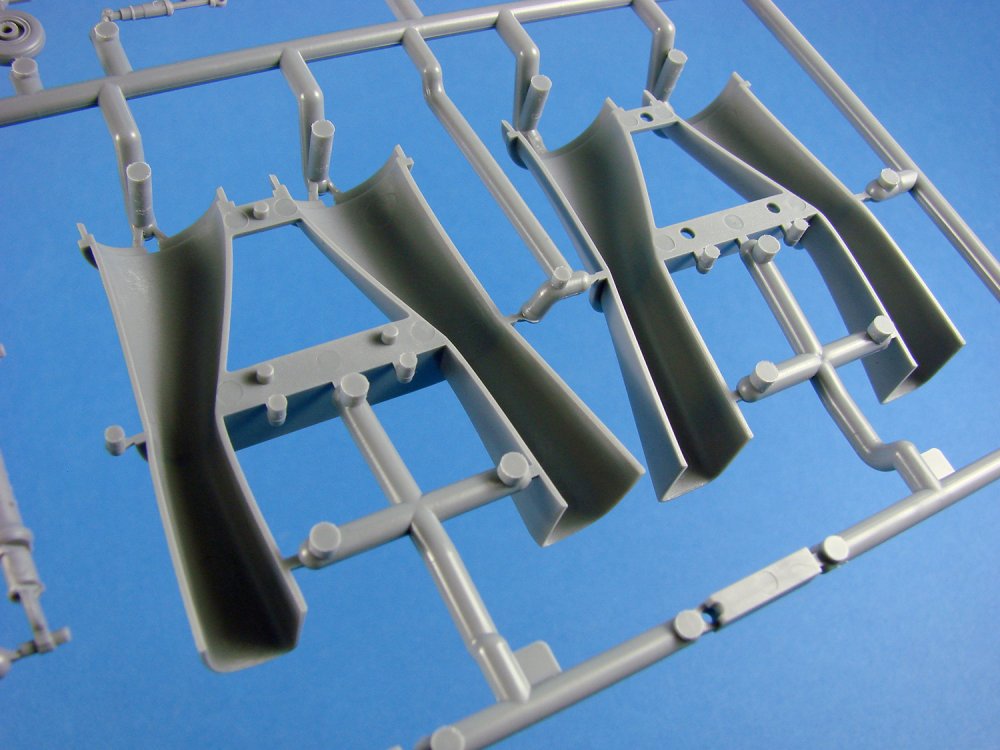
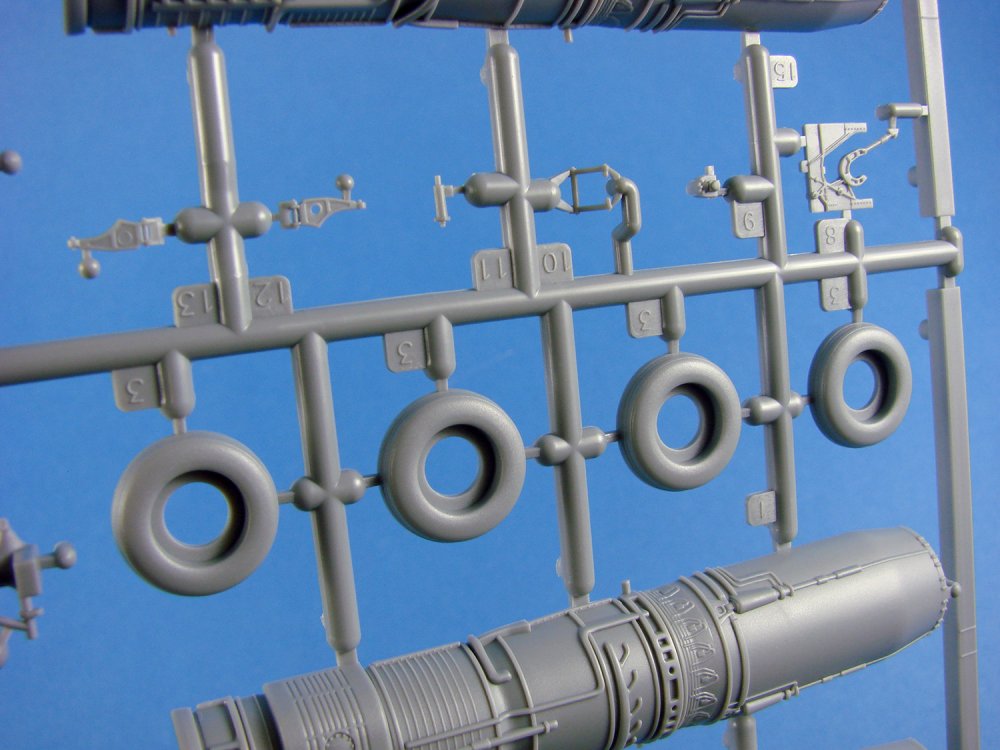
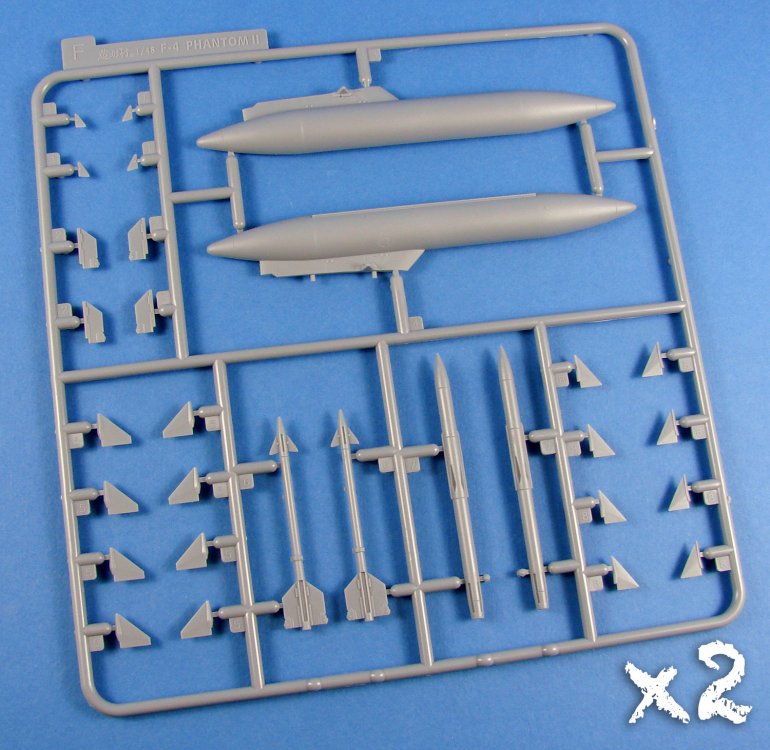
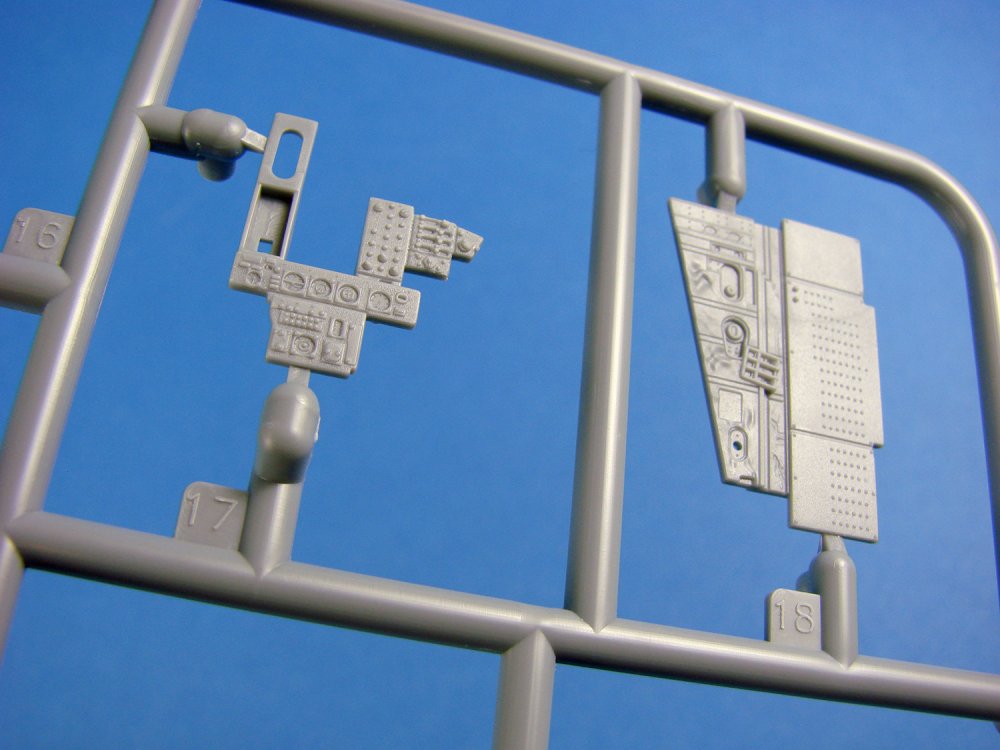
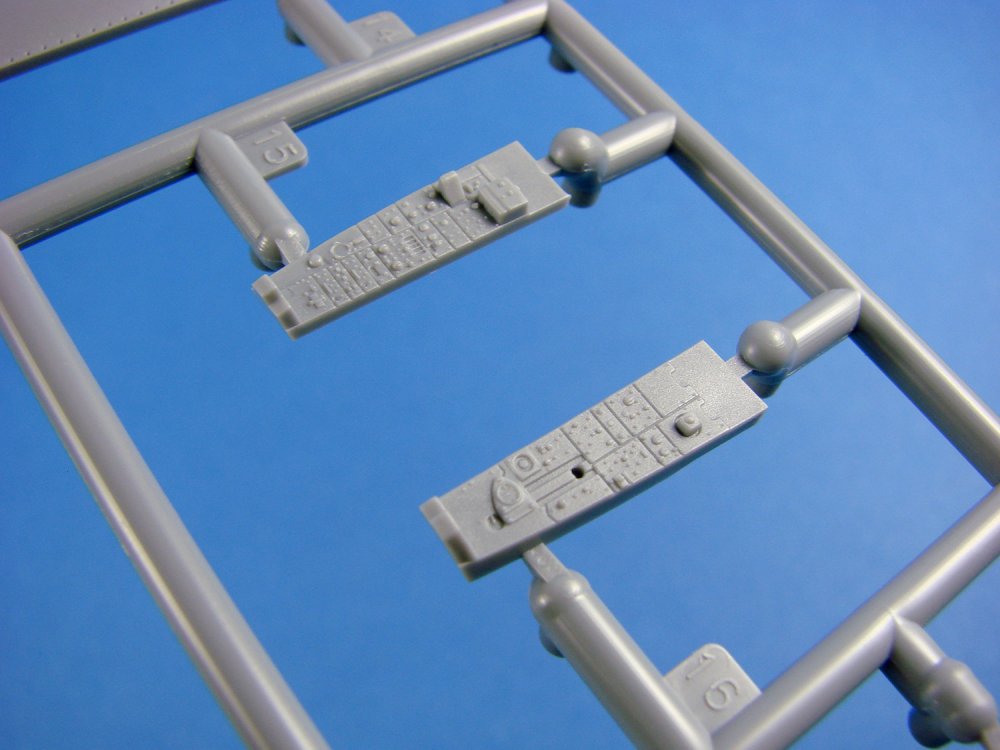
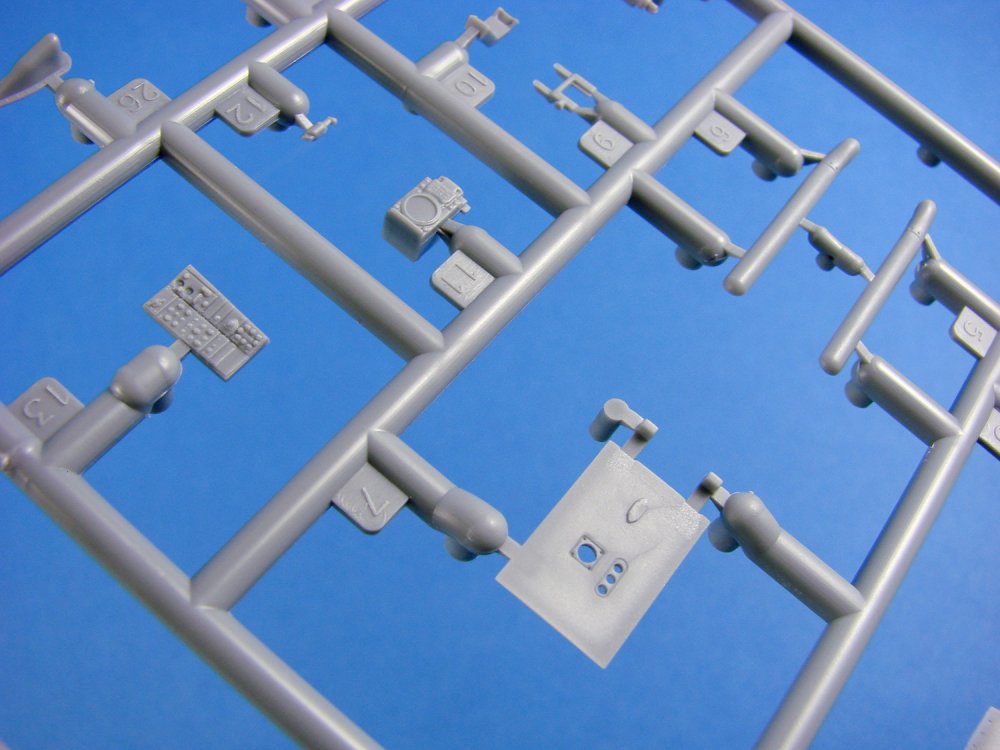
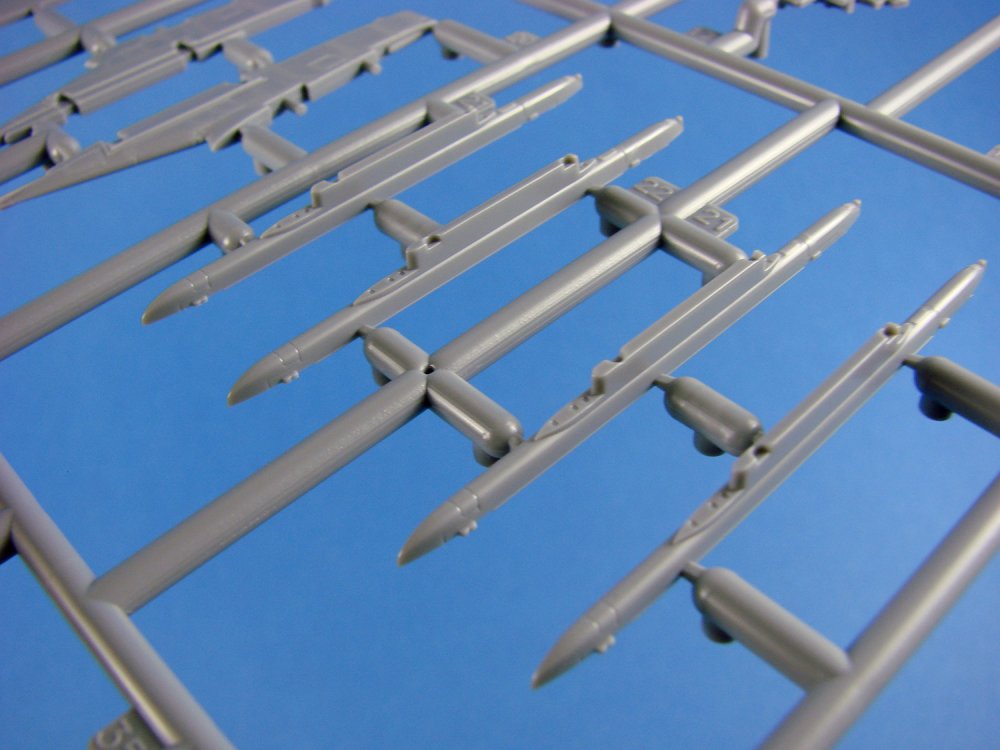
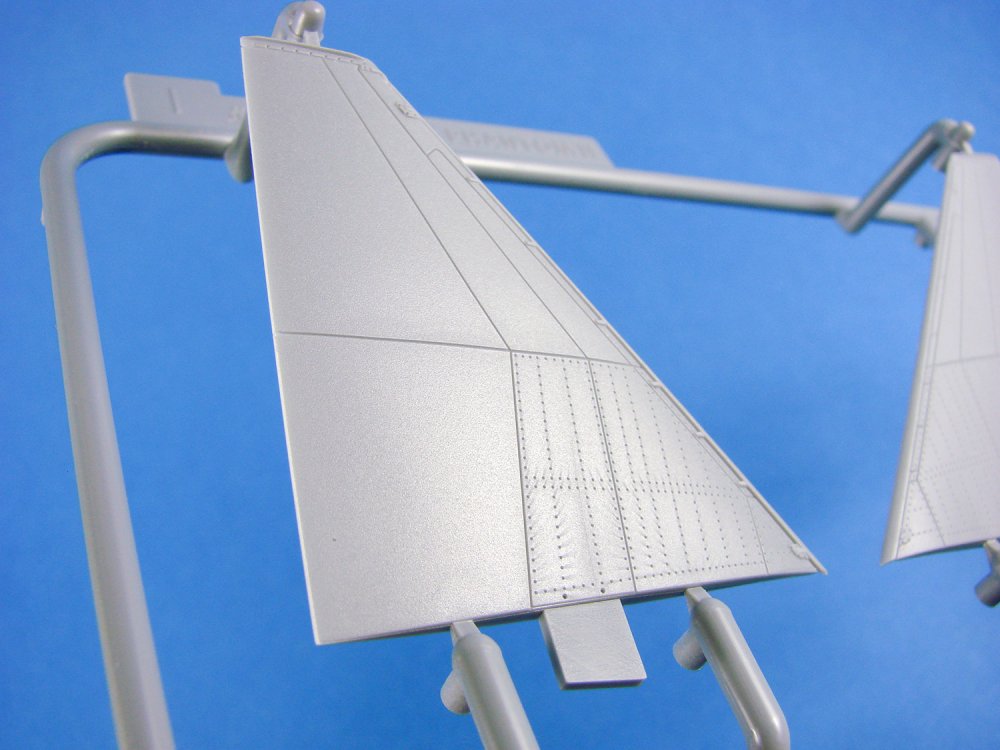
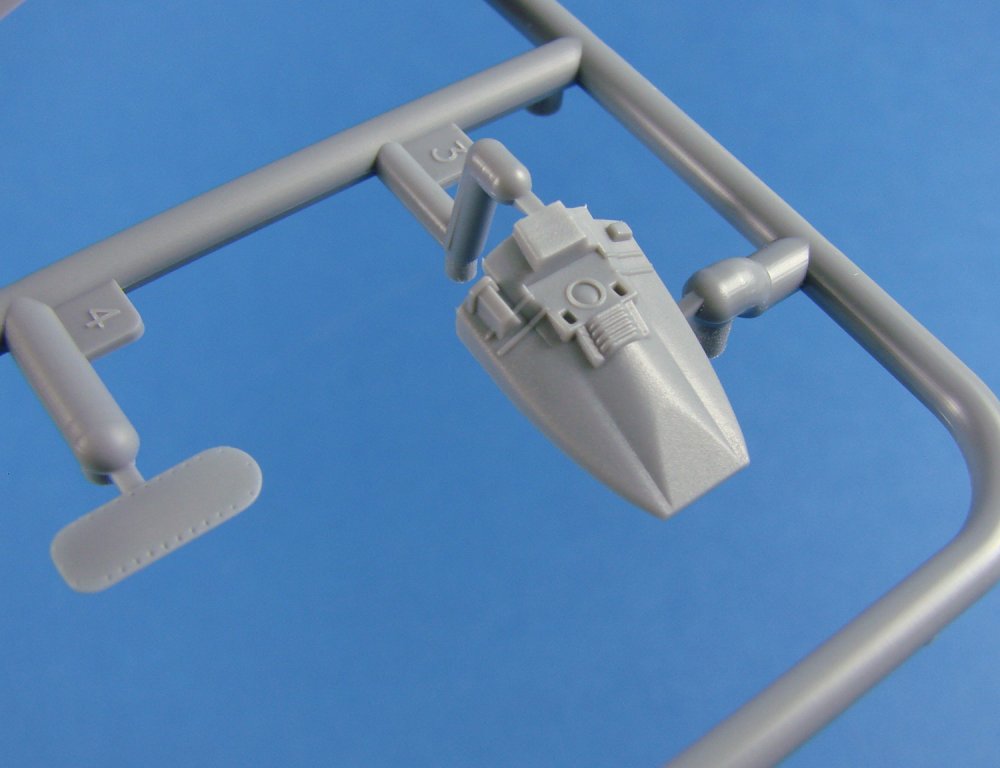
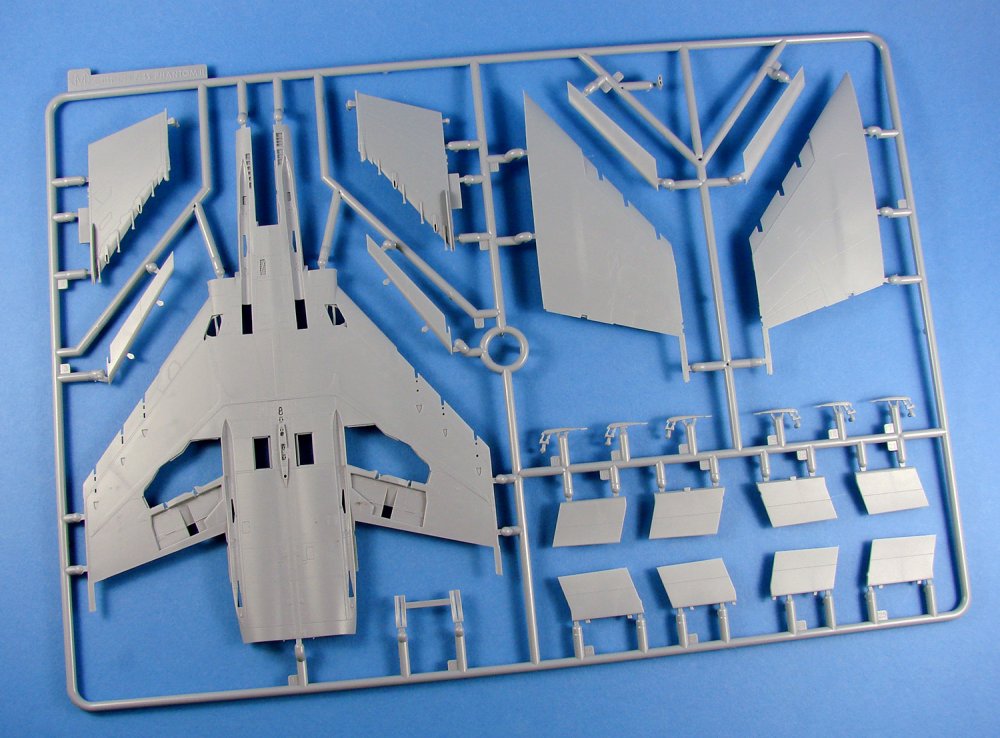
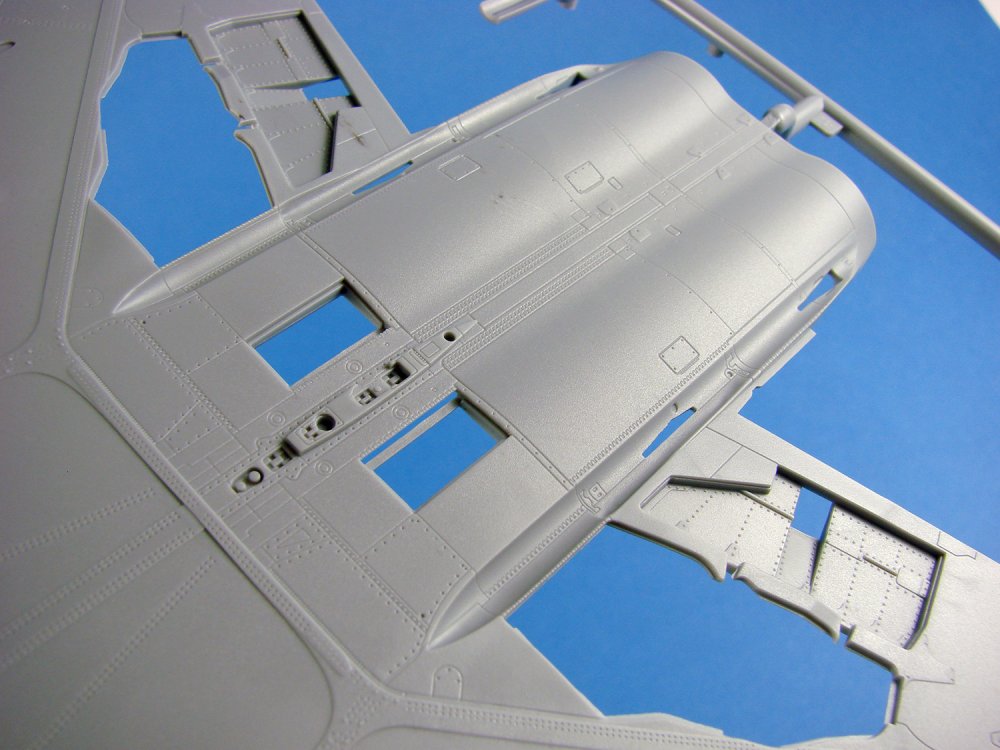
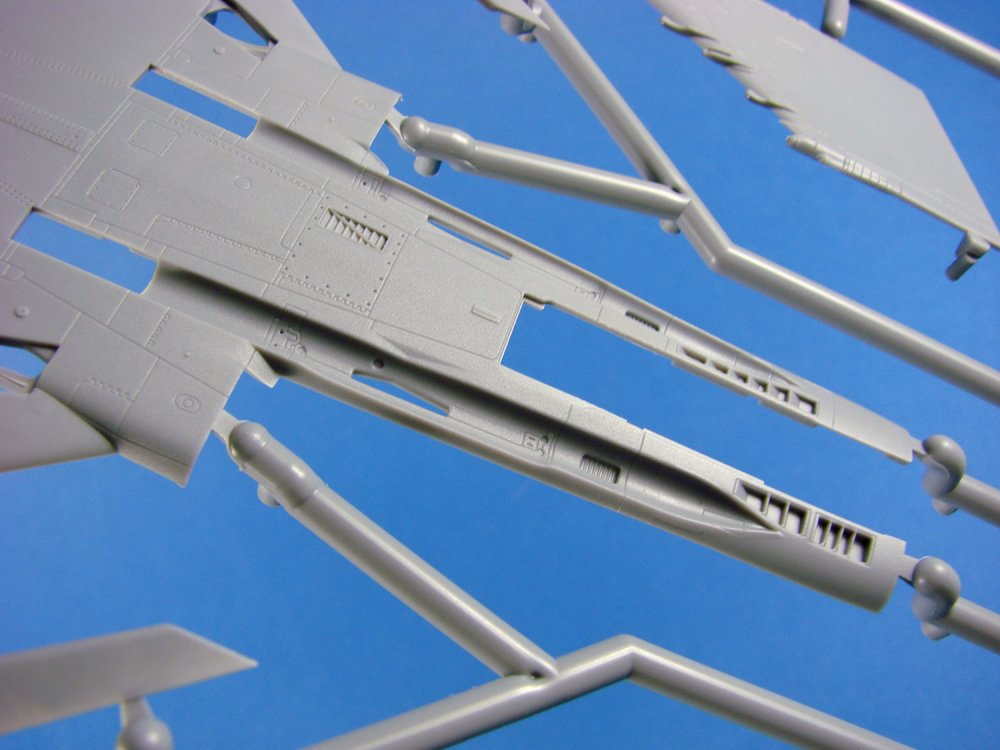
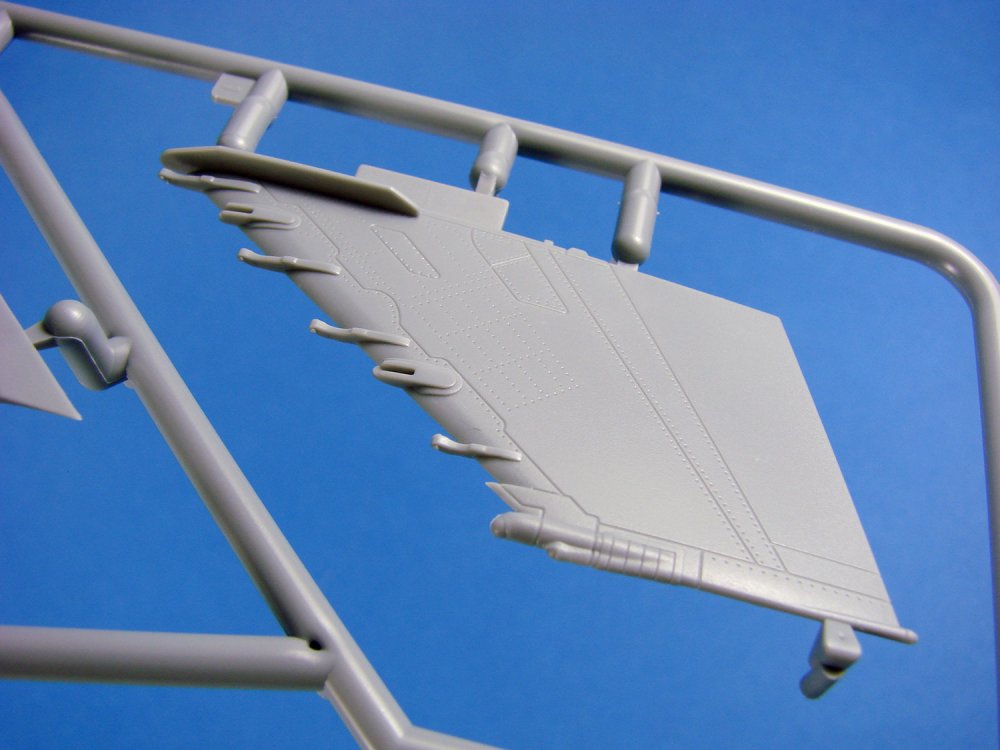
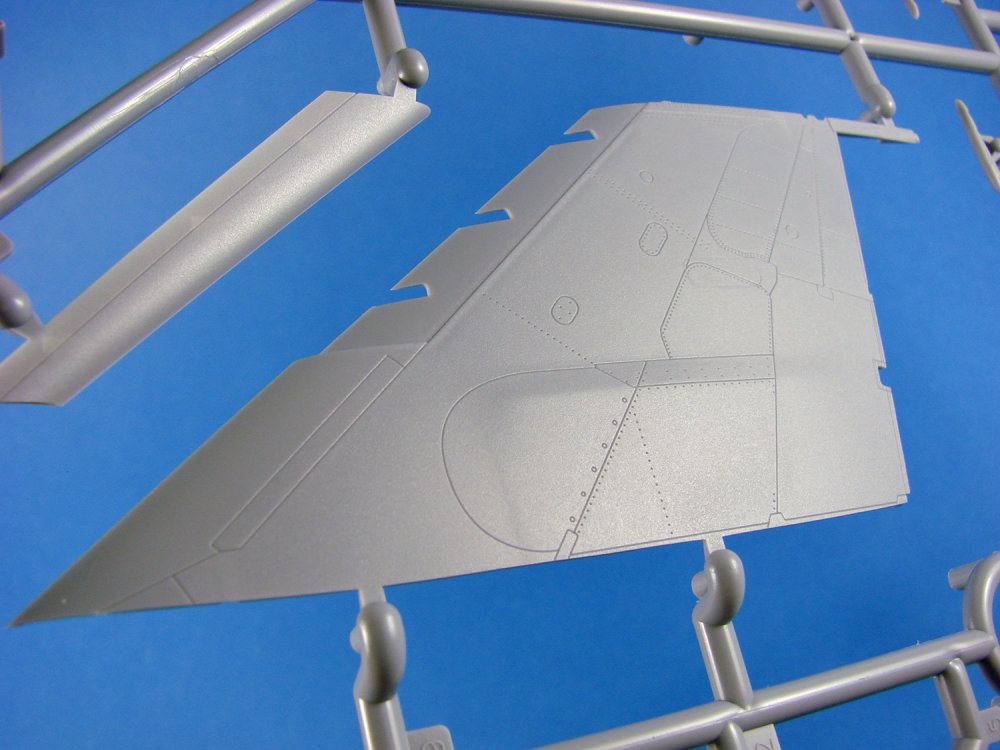
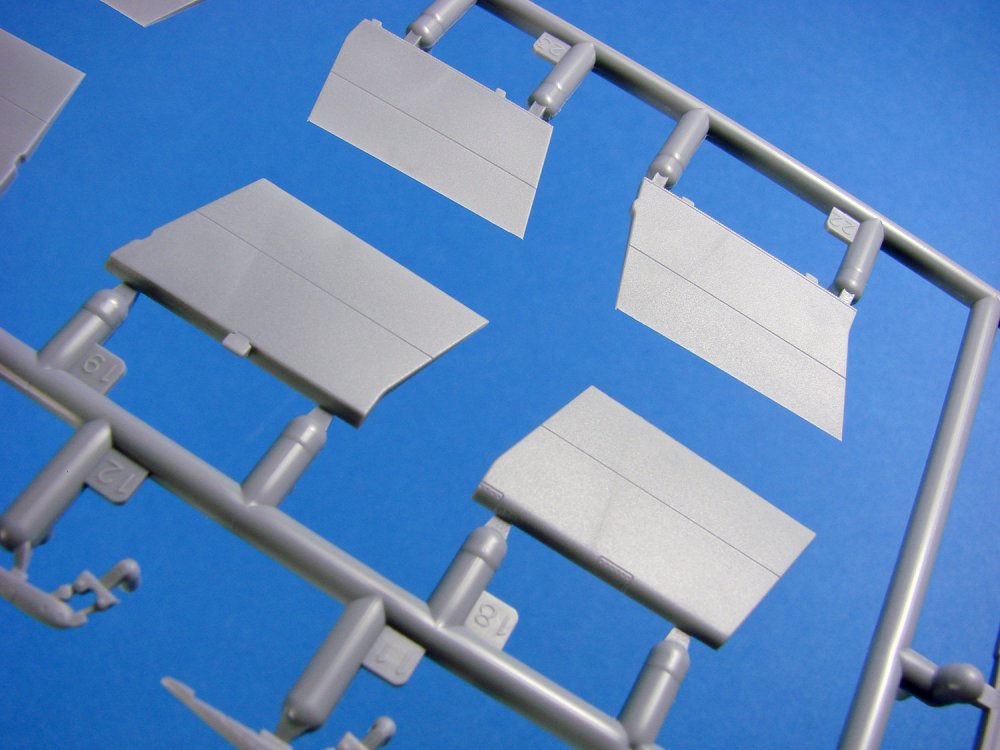
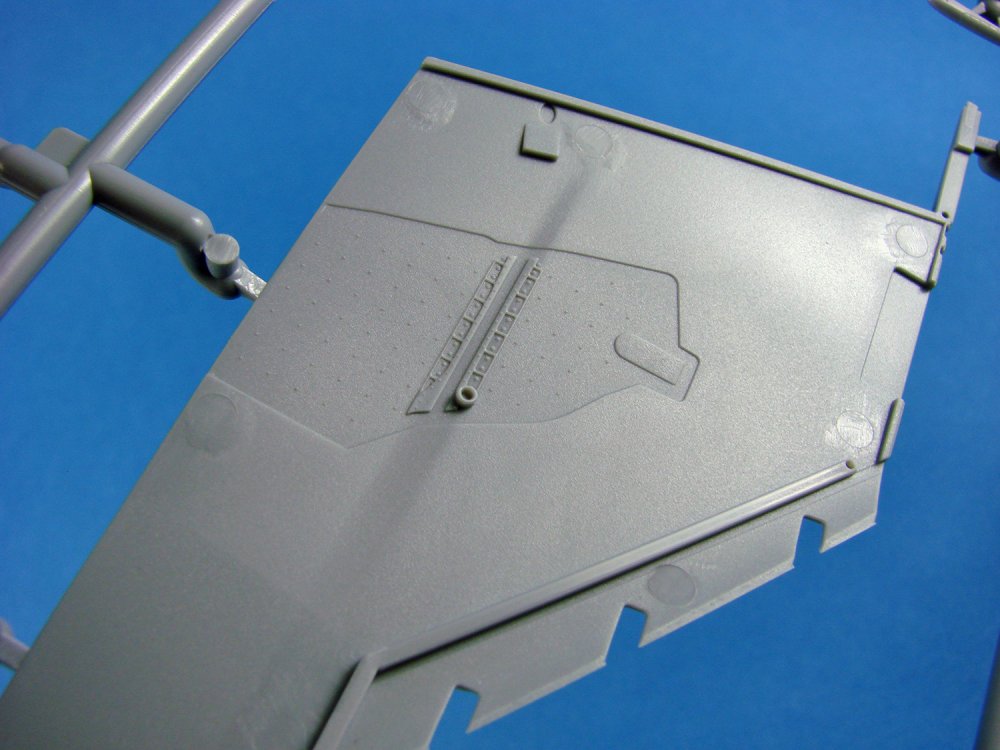
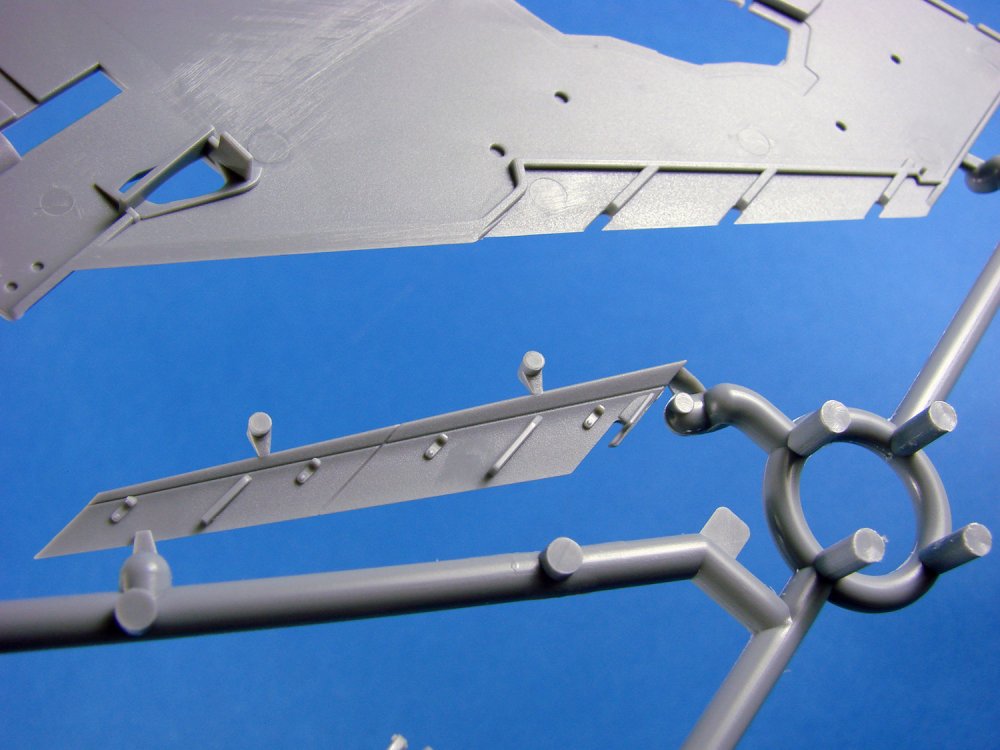
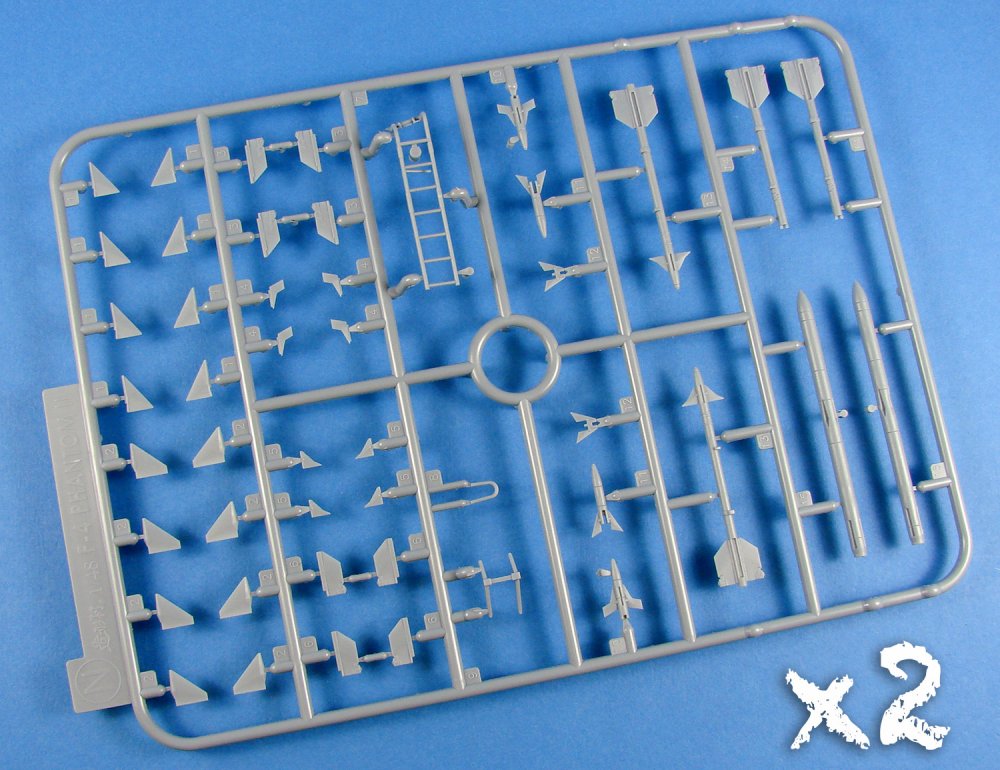
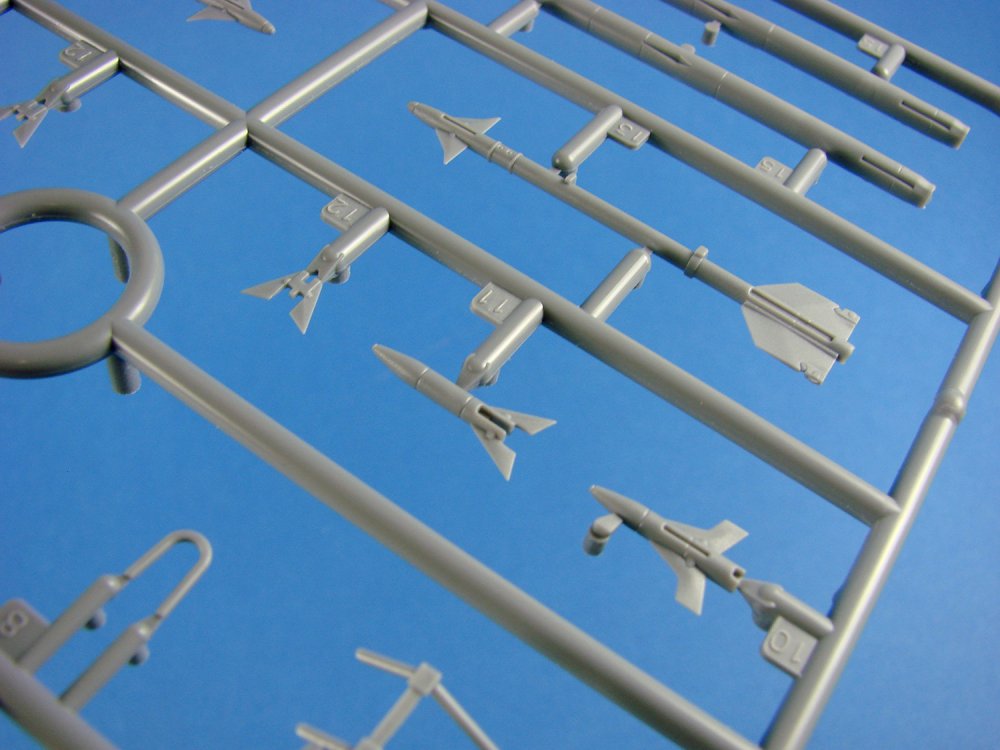
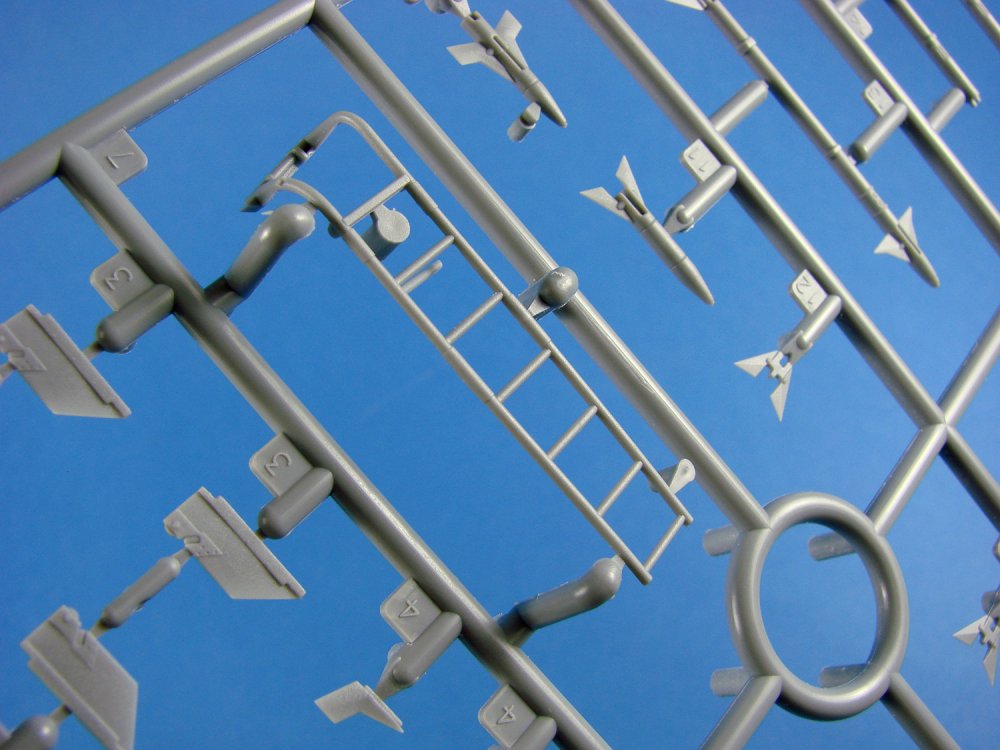
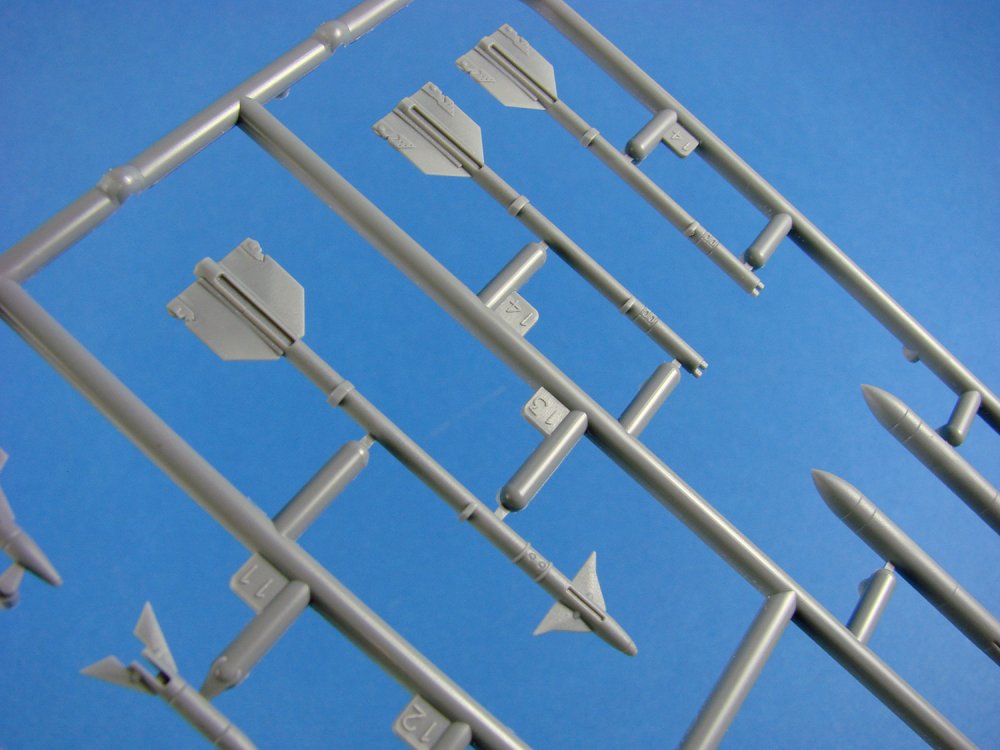
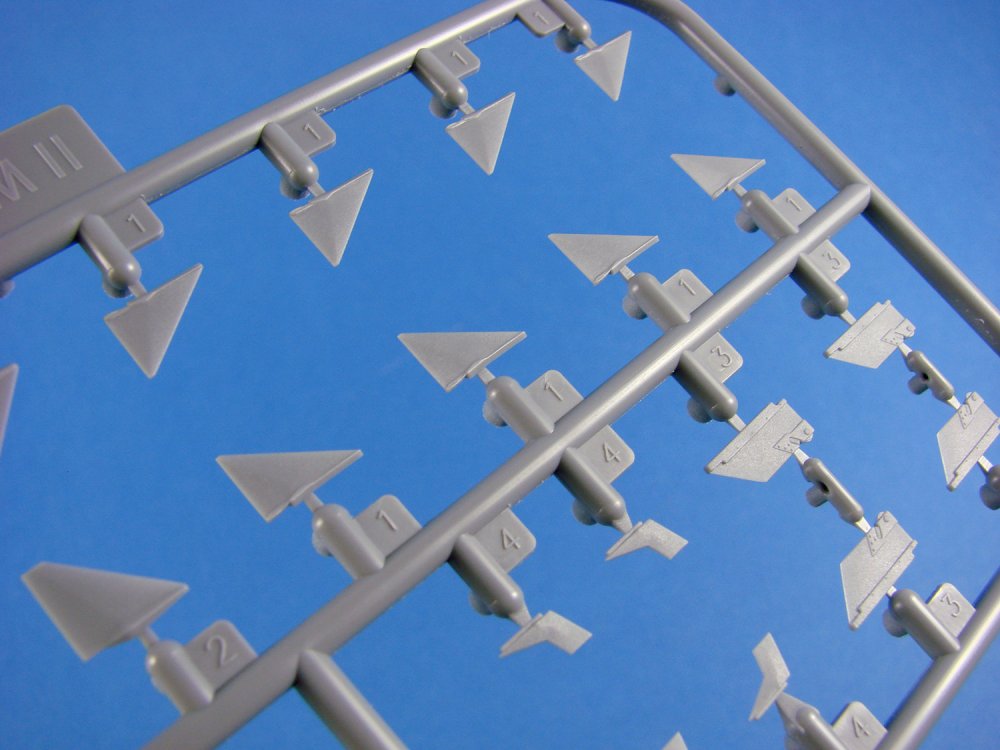
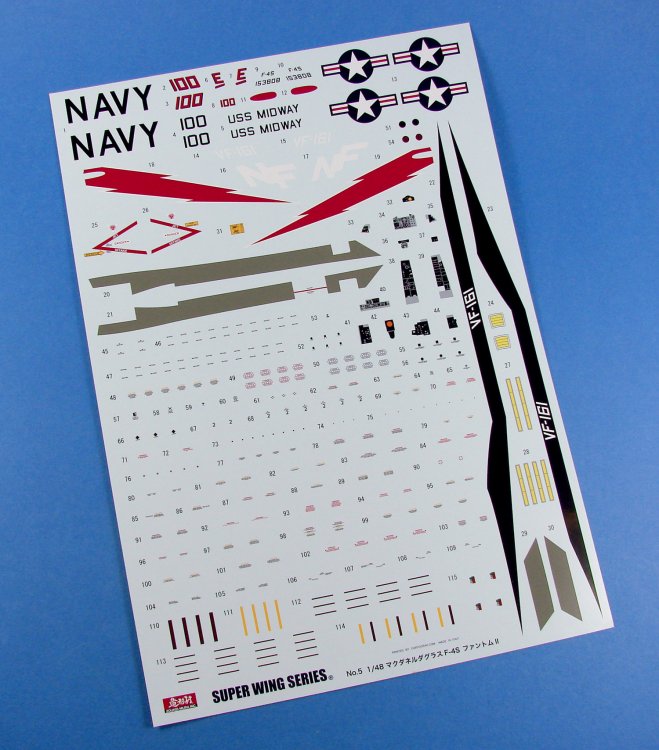
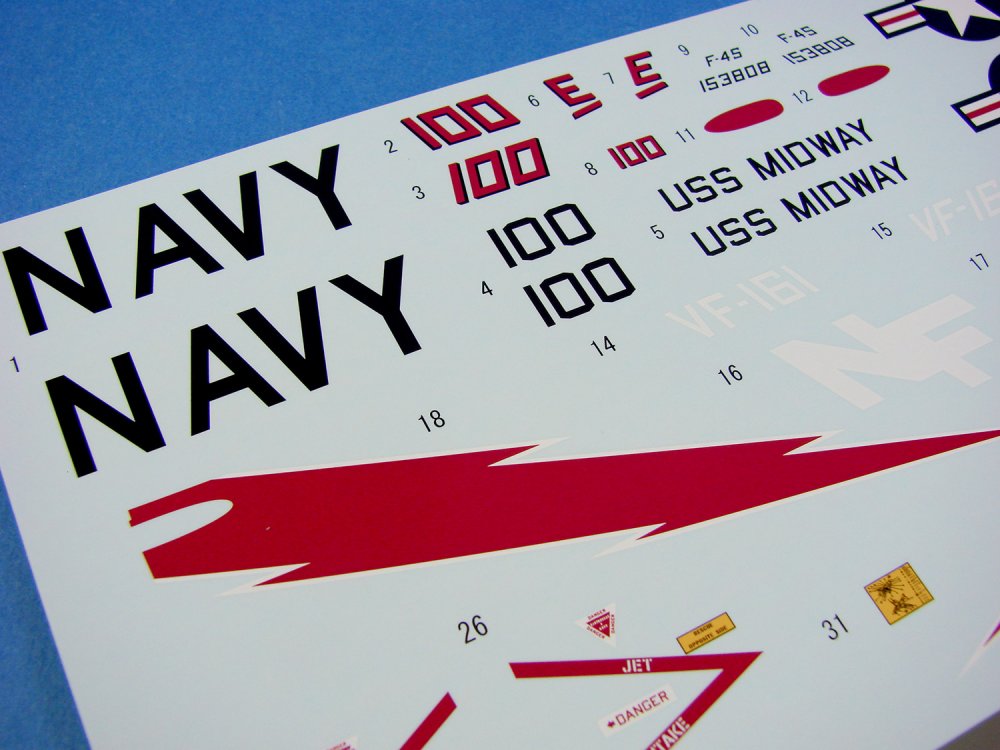
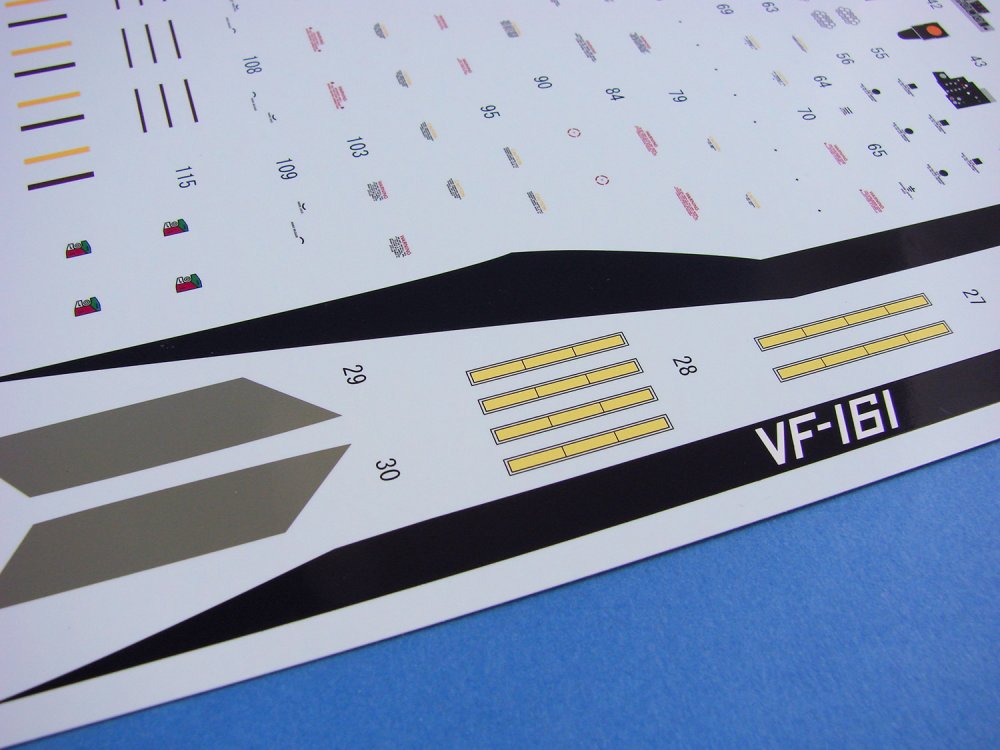
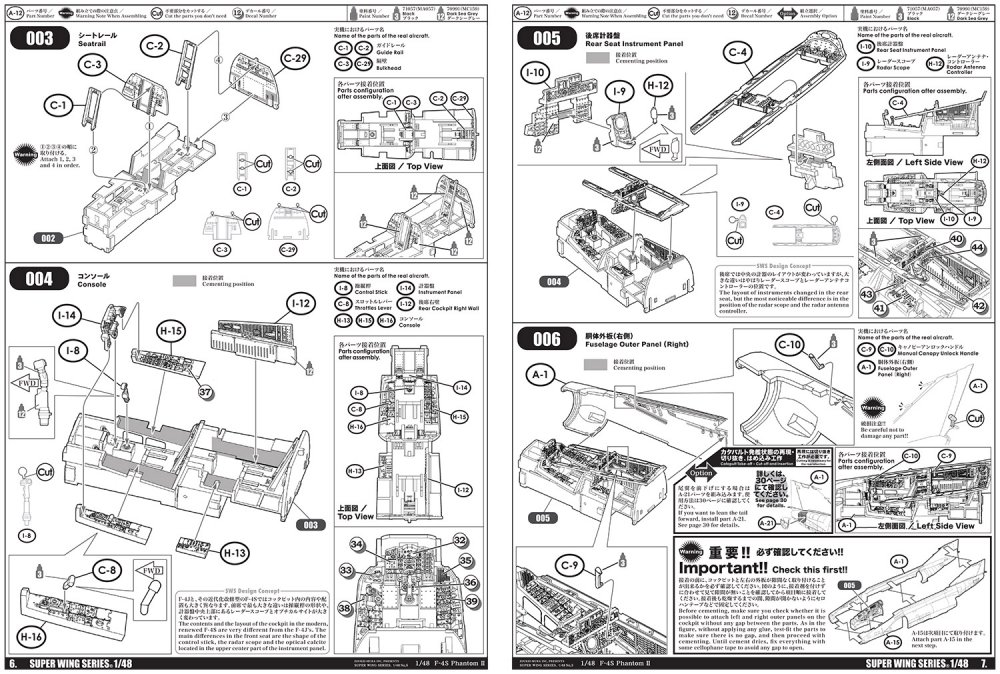
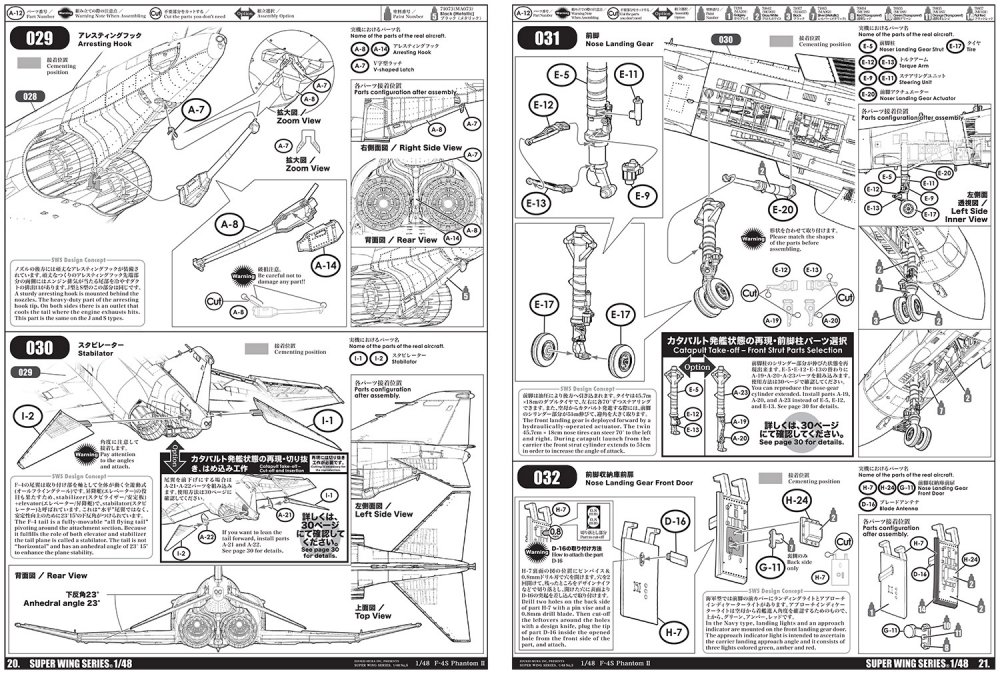
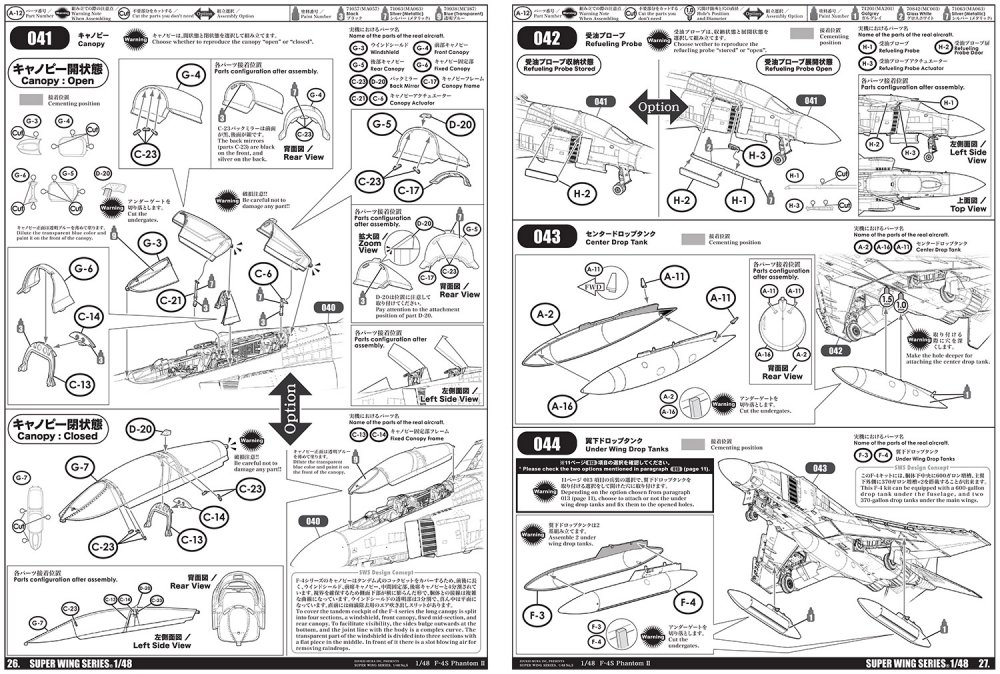
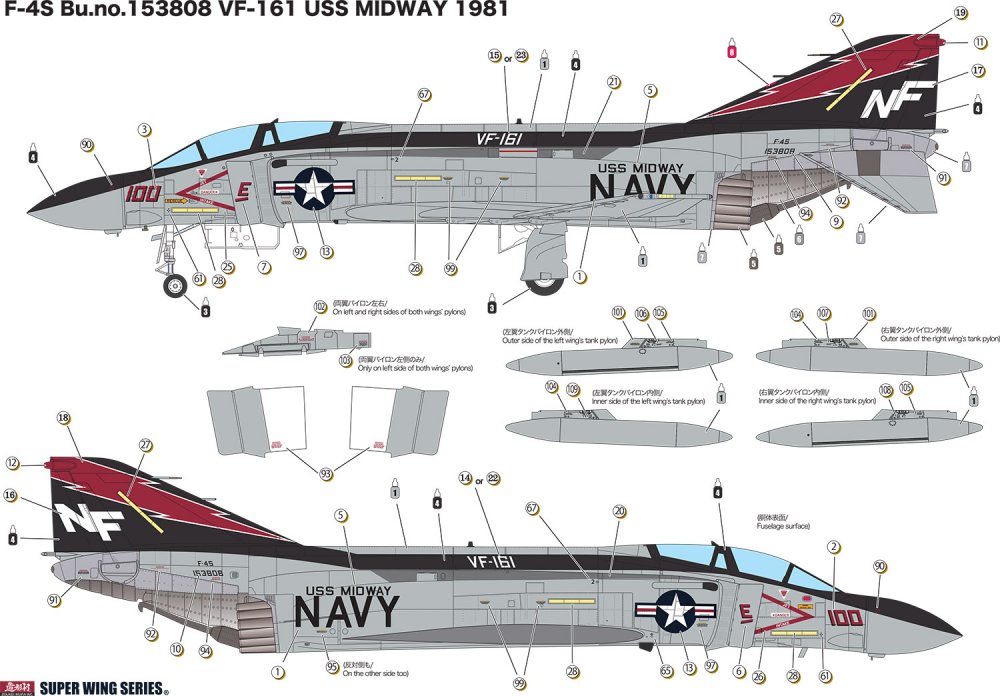
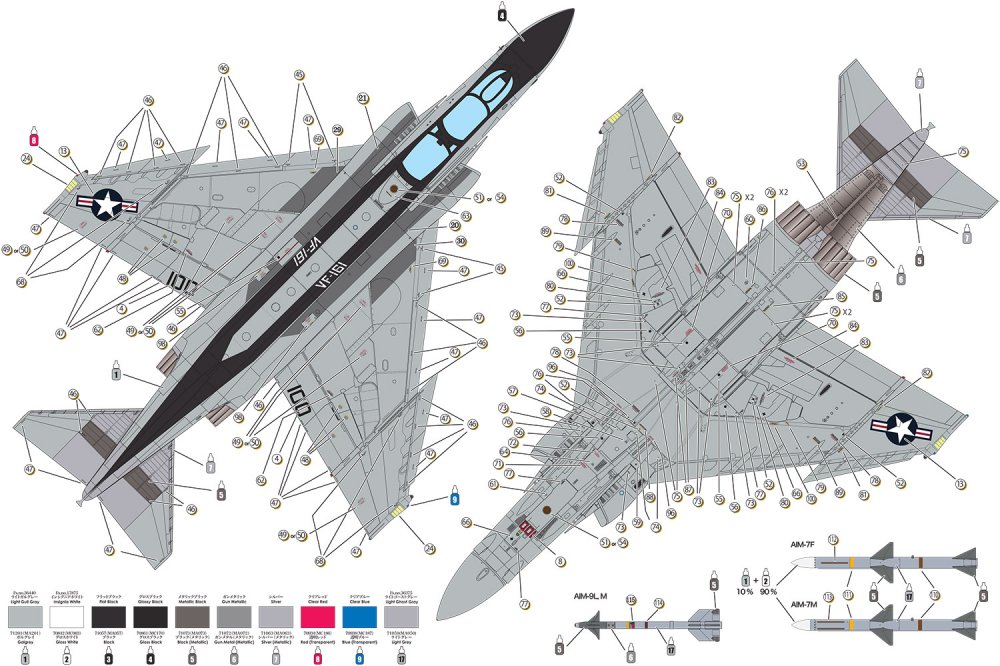
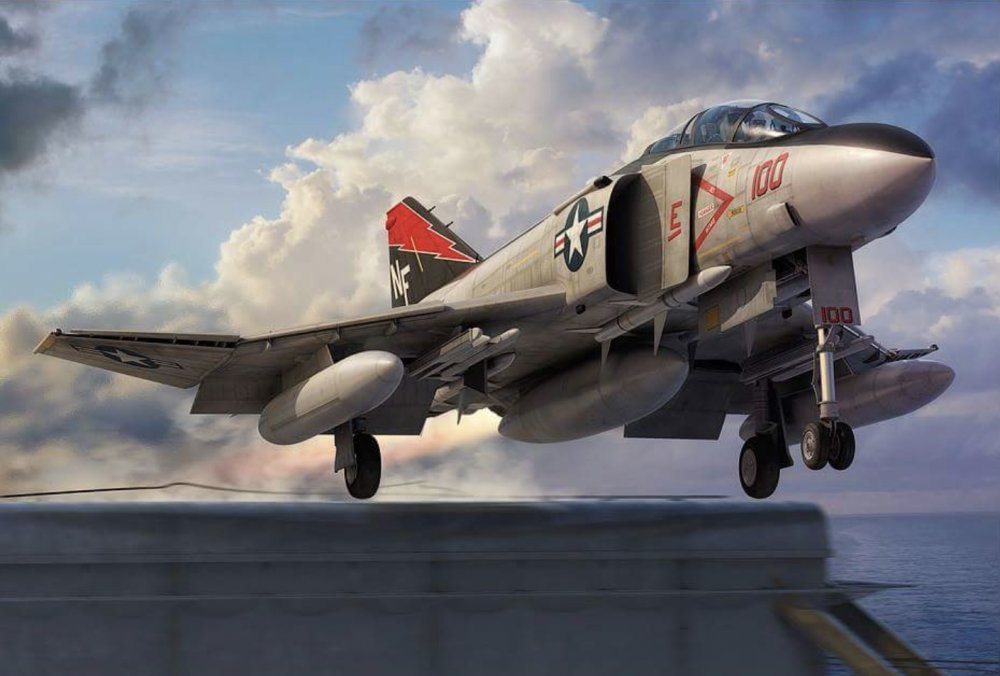
1:48 F-4S Phantom II Zoukei-mura Catalogue # SWS05 Available from BlackMike Models for £69.95 The McDonnell Douglas F-4 Phantom II is a tandem two-seat, twin-engine, all-weather, long-range supersonic jet interceptor and fighter-bomber originally developed for the United States Navy by McDonnell Aircraft. It first entered service in 1960 with the U.S. Navy. Proving highly adaptable, it was also adopted by the U.S. Marine Corps and the U.S. Air Force, and by the mid-1960s had become a major part of their air wings. The Phantom is a large fighter with a top speed of over Mach 2.2. It can carry more than 18,000 pounds (8,400 kg) of weapons on nine external hard-points, including air-to-air missiles, air-to-ground missiles, and various bombs. The F-4 was used extensively during the Vietnam War. It served as the principal air superiority fighter for both the Navy and Air Force, and became important in the ground-attack and aerial reconnaissance roles late in the war. The F-4 continued to form a major part of U.S. military air power throughout the 1970s and 1980s, being gradually replaced by more modern aircraft such as the F-15 Eagle and F-16 in the U.S. Air Force, the Grumman F-14 Tomcat in the U.S. Navy, and the F/A-18 Hornet in the U.S. Navy and U.S. Marine Corps. The F-4 Phantom II remained in use by the U.S. in the reconnaissance and Wild Weasel (Suppression of Enemy Air Defences) roles in the 1991 Gulf War, finally leaving service in 1996. It was also the only aircraft used by both U.S. flight demonstration teams: the USAF Thunderbirds (F-4E) and the US Navy Blue Angels (F-4J). The F-4 was also operated by the armed forces of 11 other nations. Israeli Phantoms saw extensive combat in several Arab–Israeli conflicts, while Iran used its large fleet of Phantoms in the Iran–Iraq War. Phantoms remain in front line service with five countries. Phantom production ran from 1958 to 1981, with a total of 5,195 built, making it the most numerous American supersonic military aircraft. The F-4 remains in service with Iran, Japan, South Korea, and Turkey. It has been used in combat against the Islamic State. The kit Zoukei-mura’s F-4S Phantom II kit comes in a sizeable and weighty box with the box-art depicting Bu.No.153808, VF161, USS Midway, 1981, taking off from the deck of the carrier. This is actually the only scheme available in this release, so if you wanted variation, you will need to look at aftermarket decals. Inside the box, there are TEN runners of medium grey plastic, and a single runner of clear plastic. All of these are individually wrapped so as not to risk any breaking or scuffing of parts. A single decal sheet and an instruction manual complete the contents inventory. Note that ZM don’t include photo-etch parts, as they deem the kit contents to be sufficient for the average customer. If you do want to adorn your model with extras, you can purchase photo-etch and resin parts separately. As I write this, Zoukei-mura has just released the F-4C version of this kit, and I’ll bring you that as soon as I can get my hands on it. Sprue A Unlike the Academy releases, with their single-part fuselages, Zoukei-mura has chosen the traditional method of moulding these as halves. The jury was sort of out for me until I saw the first builds of this, and the approach works very well. ZM has produced the whole spine as a separate piece which fits along panel lines, and when assembled, you really can’t tell that it’s an insert. Another insert is supplied for the point at which the spine and base of fin meet, plus the small panel to the rear of the cockpit. The only seams to remove are the narrow fin seam, a small length in front of the canopy, and the area on the rear underside. A nose cone is supplied as a separate part, so no seams there. External detail looks just perfect, with subtle and even panel lines, port access details, and fasteners/rivets where appropriate. I’m quite taken with the representation of the plating at the tail end, forming the exhaust tunnels. Note that the rudder is integrally moulded to the fuselage, and the intake sections are separate parts, also included here with slide-moulding technology. Internally, the cockpit is moulded with vertical ribs which just seem to be supportive for the cockpit tub sidewalls. If you want to pose the tail planes where they angle downwards towards the front, you will need to drill out the panel that is moulded on the fuselage, and insert two new parts from this sprue. This seems odd. Why didn’t ZM make inserts for both positions? Other parts on this sprue include the tail pipe seals, arrestor hook, extended nose-gear for catapult take-off position, centre drop tank, forward cockpit ladder fin top section, etc. Sprue C This is pretty much a cockpit sprue, with parts here for the seats (6 parts each, but no belt representation), lower consoles, bulkheads, rudder pedals, ejector seat guide rails, upper coaming, etc. No instruments or console apparatus are moulded here. Detail is first rate, with plenty of scope for detail painting without the need to add anything further. The ZM kit certainly excels in this respect, as the Academy cockpit is fairly basic and in need of Eduard’s goodies to make it shine. Sprue D The most obvious part here is the single-piece nose cone, thankfully held in place by three gate points so that it doesn’t twist and cause damage to those areas. You’ll also notice the intake vanes for both sides (2 parts each), pitot tube, undercarriage doors and actuators, part of the undercarriage bay liner, RAM air intake, blade antenna, air brakes, air brake actuators, auxiliary air door, rear facing lens, etc. Both external and internal detail for the gear doors is exemplary, as are the textures applied to the intake vane forward sections. You will note that dotted around the various parts are little nodules that will need snipping off. You’ll see these on more or less every sprue. These are mentioned clearly in the instructions, and they should be snipped off. These are ejector pin points, instead of having your parts festooned with marks you’d need to fill and sand away. Sprue E This almost certainly stands for engine, as the main parts for both of the General Electric J79 axial flow turbojets, are to be found here. These are typically moulded as halves, with all of the external details being moulded in situ. You will of course need to remove seams across some awkward detail, so patience and care will need to be exercised in large amounts. Intake vanes, and the turbine frame/afterburner ring are separate parts that fit within the engine tube. If you want to display one of these engines by itself, then as with their Ho 229 kit, parts of the sprue can be made up into a nifty little engine stand. For later in construction, you can also see the engine nozzles. These look a little clunky to me, with the various petals looking thick and ill-defined, so maybe you can swap these out with Eduard’s resin parts, designed for the Academy kit. At this point, I don’t know how displaying an engine outside of the model will work in terms of leaving a large internal gap within that could be seen from within the nozzles etc. Still, I’m sure that the creative modeller could fathom that. Another obvious pair of parts are the main intake channels, moulded as upper and lower halves. I don’t think the intakes are suitable wide enough to see any seams in there, but you can easily remove at least a portion of it from the forward area. A good number of parts for the wheel bays and undercarriage are to be found here. Note that the main gear bays are moulded from a single detailed part that just needs to be supplemented by the liner part I mentioned just before. Again, detail really is very good, with this being added to with the nicely detailed main bay ceilings that are moulded on the underside of the top wing panels. Further gear well parts are included here, as well as the wheels themselves, moulded without hubs, but also without any weighted effect. Sorry, but you’ll need to sort that yourself, or buy an aftermarket solution. Sprues F & N (x2 each) These are weapons, tanks sprues, and contain parts for the various load-outs. Available are parts for: AIM-7 Sparrow AIM-9 Sidewinder Under-wing drop tanks The AIM-7 and AIM-9 have their bodies moulded with separate fins, and sprue gate attachments are thankfully unobtrusive. Detail is as everywhere on this kit, beautifully rendered. Sprue G This is the clear sprue. What I really like here is that ZM has provided separate options for both open and closed canopy, with the latter being provided as a single-piece glazing. Of course, the open option provides each section separately. Canopy clarity is excellent, with the parts being suitable thin, and with small sprue attachment gates. Other parts on this sprue are for the position light, landing lights, etc. Sprue H This one is a mixed bag of parts from numerous construction areas, but the long centre part that you see is for the spine of the Phantom, covering up the seam line. In a similar vein, you also find the panel for the area to the rear of the cockpit. Other parts here include the DECM Antenna, electrical box for landing lights, front gear door, under-fuse antenna (3 options), catapult hooks, refuelling probe/door/actuator, pylons, launchers, sway braces, radar antenna controller, etc. We can also see the detail expended on the instrument consoles, but be careful as it appears that a number of parts on this and other sprues, aren’t for use with this particular version. I would’ve liked to have seen these greyed out on the parts plans. Sprue I More cockpit parts are found here, such as the instrument panels, control stick, radar scope, rear cockpit sidewall, etc. Detail is king in the cockpit, and these look superb, with details being pronounced enough to be able to tackle them with a fine paintbrush. Decals are supplied for the consoles and instrument panels, but these are as an alternative to painting as they cover the whole part. I would also ignore these decals as they look poor in detail. You are best to punch out some instruments from the Airscale range of cockpit decals, and take it from there. The stabilisers are also moulded here, with minimalist panel lines and only specific rows of rivets on the forward, inboard panel. These are moulded as single parts, so no clumsy upper and lower halves. Sprue M As tends to be the case with Phantom models, ZM has moulded the lower wing panel to include the fuselage centre section, but in this case, the outboard angled wing panels are moulded separately. The modeller will need to open specific holes in this part, so suit the pylon arrangement being fitted to their model. This sprue also contains the upper wing panels and the outboard, angled wing panels. The slats are also included here, as are the various actuators for them, and the flaps and ailerons. Of course, it was the slats that were specific to the F-4S. External detail consists of many fine panel lines and appropriate rivet/fastener lines, plus some raised detail too. Note the riveted, recessed area to the rear of the gear bay area. This is where the auxiliary air flaps will fit. I have to say that the detail on these really does beat the Academy kit, hands down. Absolutely stunning! Decals A single decal sheet is included, printed by Cartograf. I really am thankful for them using this company to make their decals, as their own tend to be thick, with poor definition. No problem here though! Remember…this is a large sheet, and only for the one scheme too, so everything you see here, more or less, will have to be added to your model. Factor in some serious bench time for your decaling. Printing is thin, in register, and with minimal carrier film. Colours are solid and authentic. The only decals I don’t like are the instrument and console ones, as I have already mentioned. As you can see, a full suite of stencils is included. I hope you have good eyesight and lots of patience. The single scheme is: F-4S, Bu.No. 153808, VF-161, USS Midway, 1981 A colour chart is included to help you with paint reference and as a guide for decaling. Instructions This is the second 1/48 SWS kit I’ve had, and I note that in this scale, all printing is black/white/greyscale, with no colour as per used in the 1/32 kits. Apart from that, everything remains the same, with excellent CAD-generated constructional sequences that are chock full of not only tips for building, but notes on the real aircraft too. The instructions do look rather busy, with them being an assault on the senses in parts with so much annotation, but this is very much their style, and I’d rather have too much information than not enough. Paint references are given throughout in Vallejo and Mr. Color codes. Conclusion Zoukei-mura’s new range of Phantoms really does usher in the next generation of this aircraft in quarter scale, having an entirely different constructional approach to the Academy kits that were the best on the market, until now. Of course, you can opt for one of the Eduard re-boxings, complete with resin and photo-etch accessories, and whilst these are still highly desirable kits to build, I think it’s fair to say that the ZM kit piques them in many ways, in terms of detail, approach and buildability. My only negative is the single decal option, whereas with an Eduard release, you are spoilt for choice. At least the decals are Cartograf this time though! Highly recommended My sincere thanks to BlackMike Models for the review kit seen here. To buy directly, click THIS link.
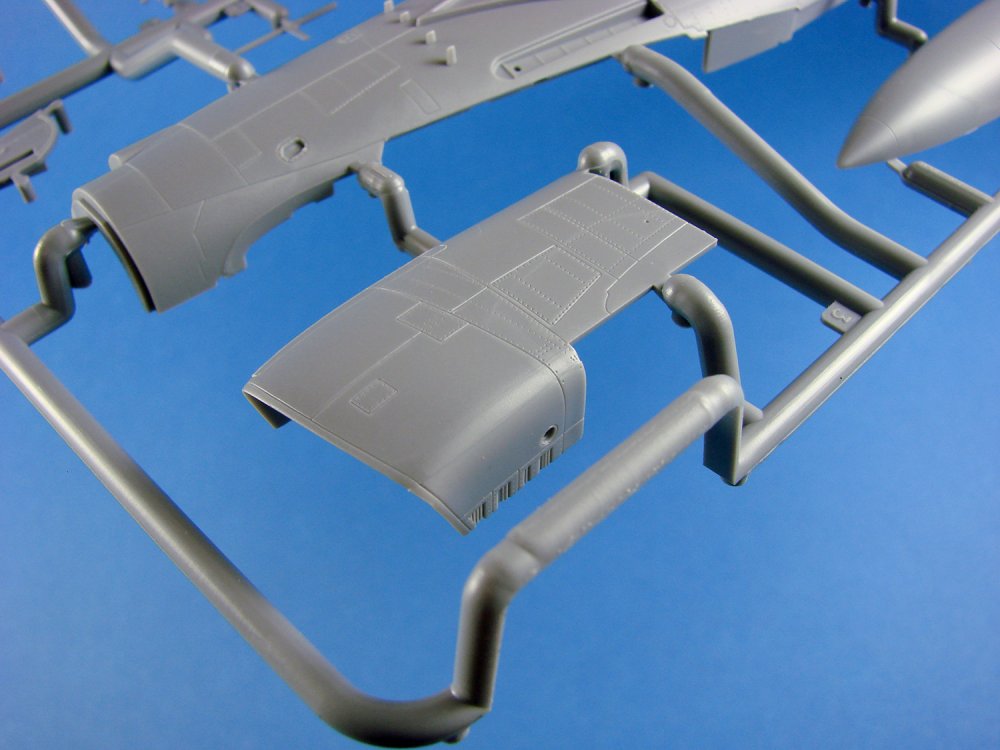
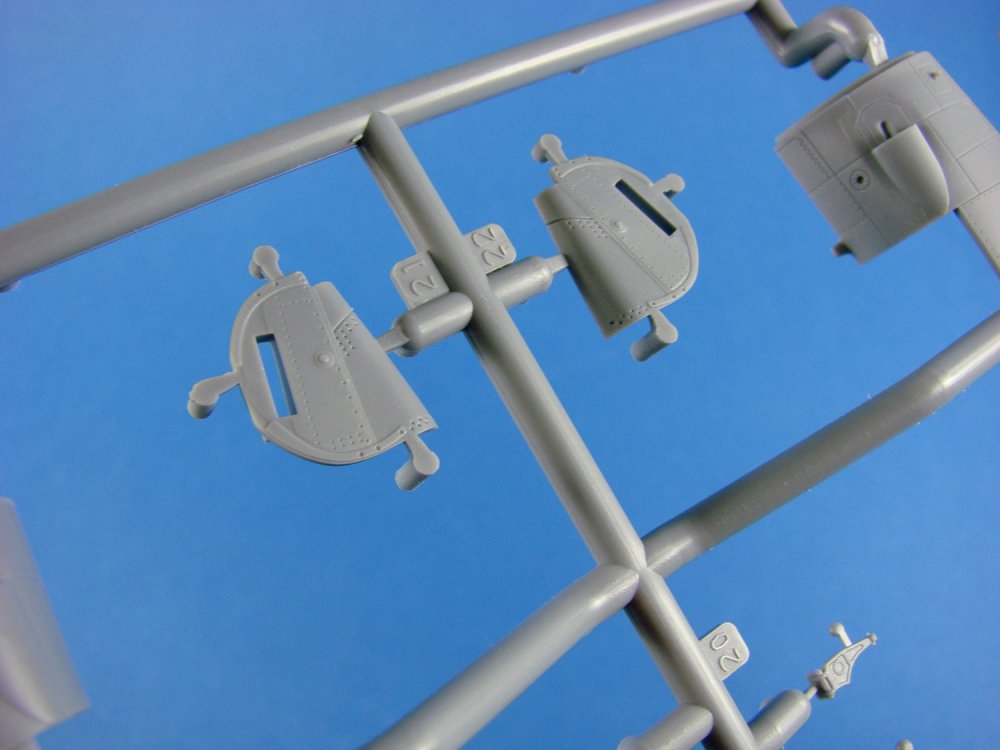
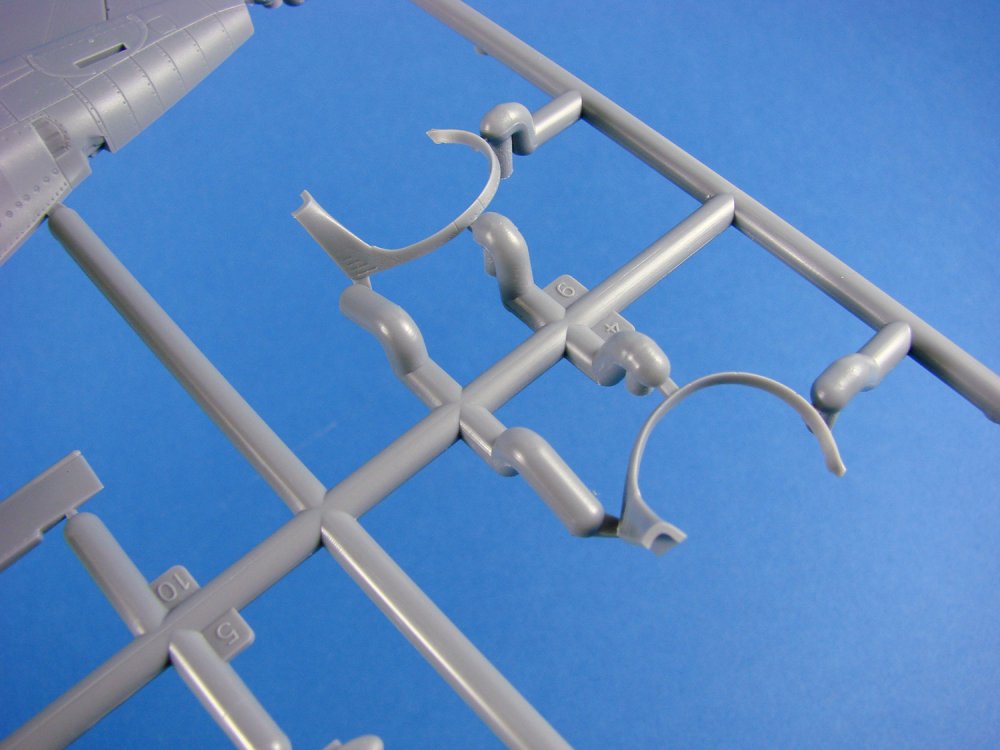
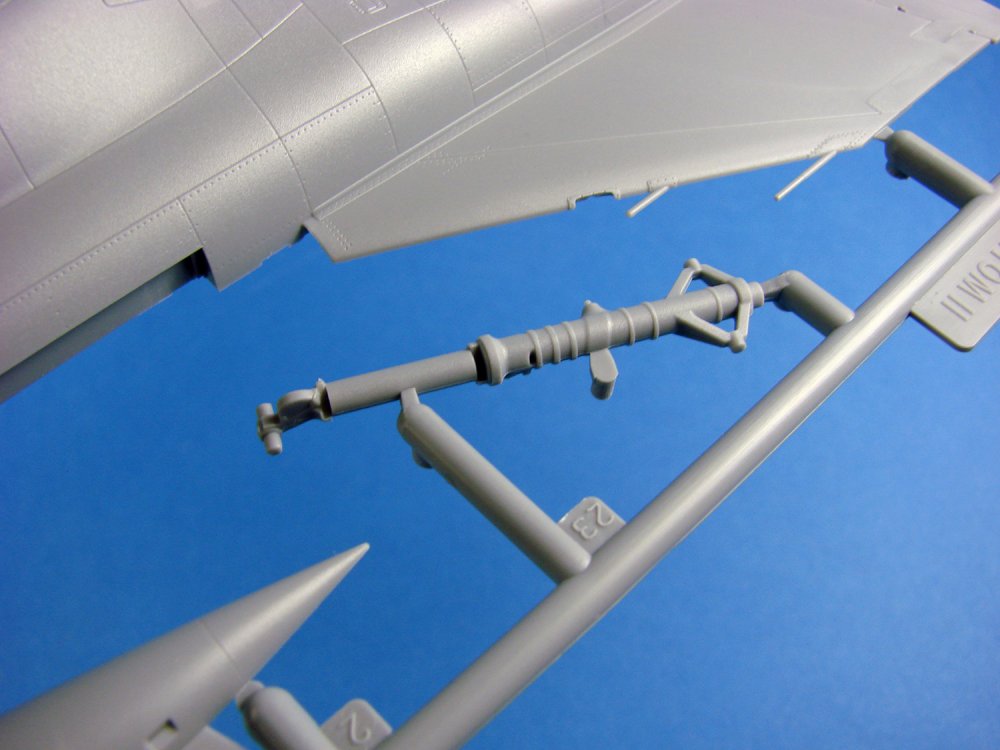
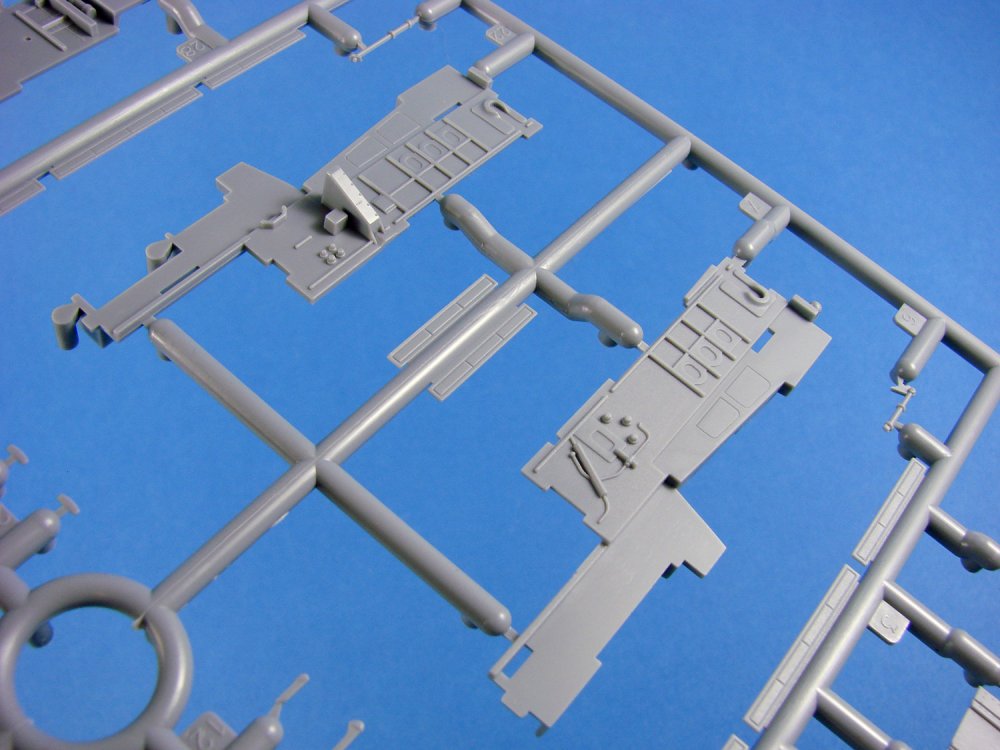
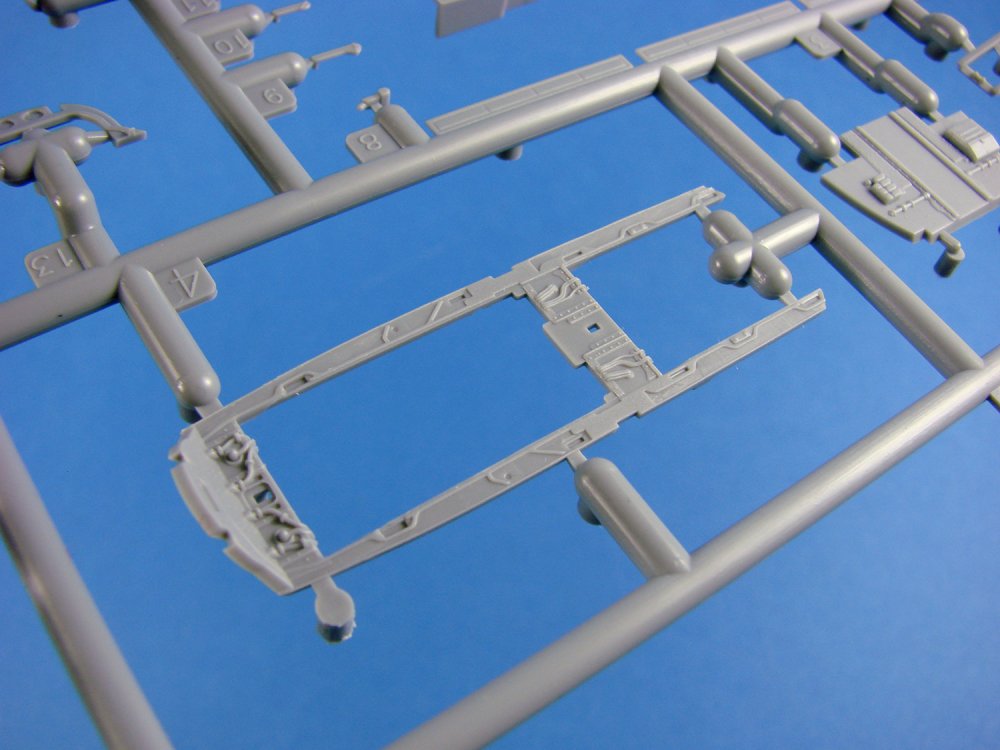
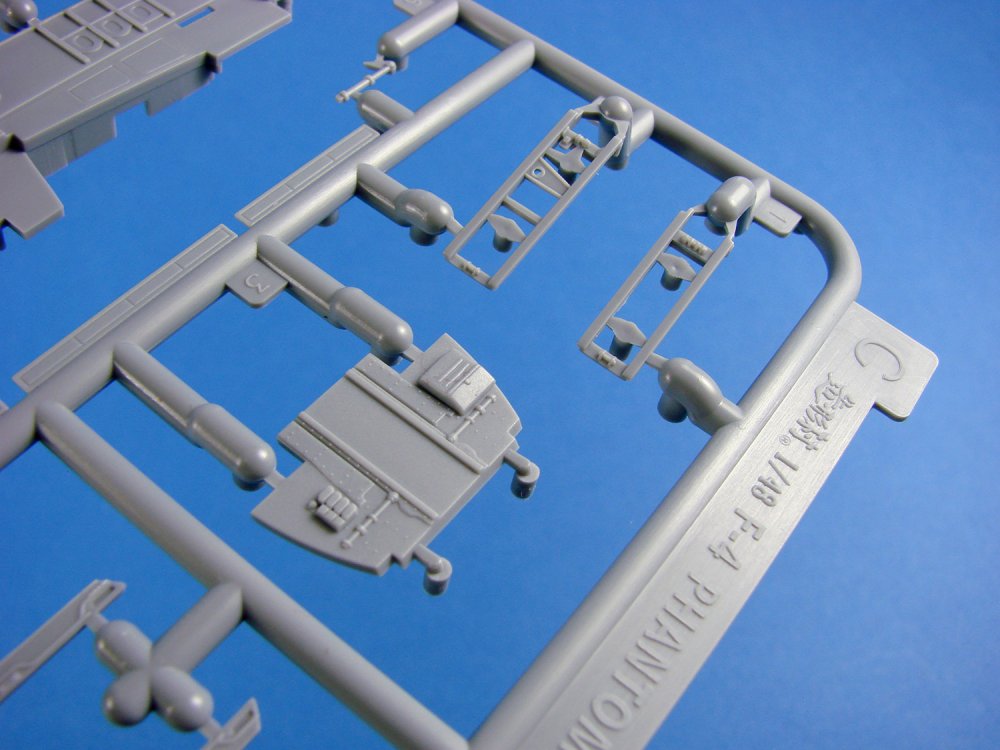
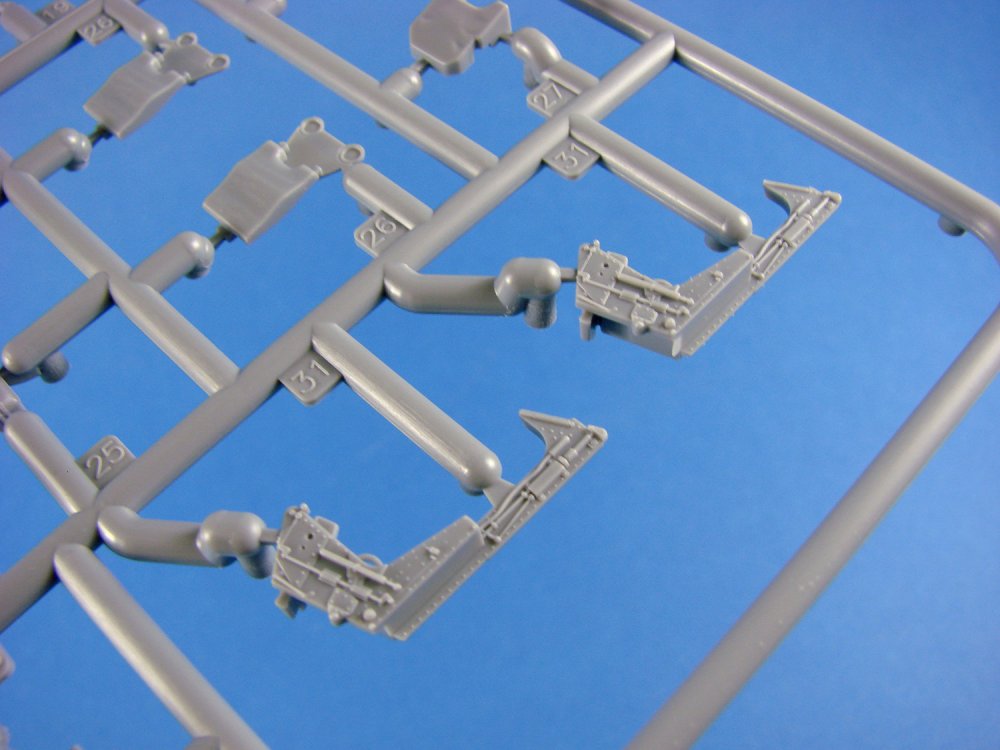
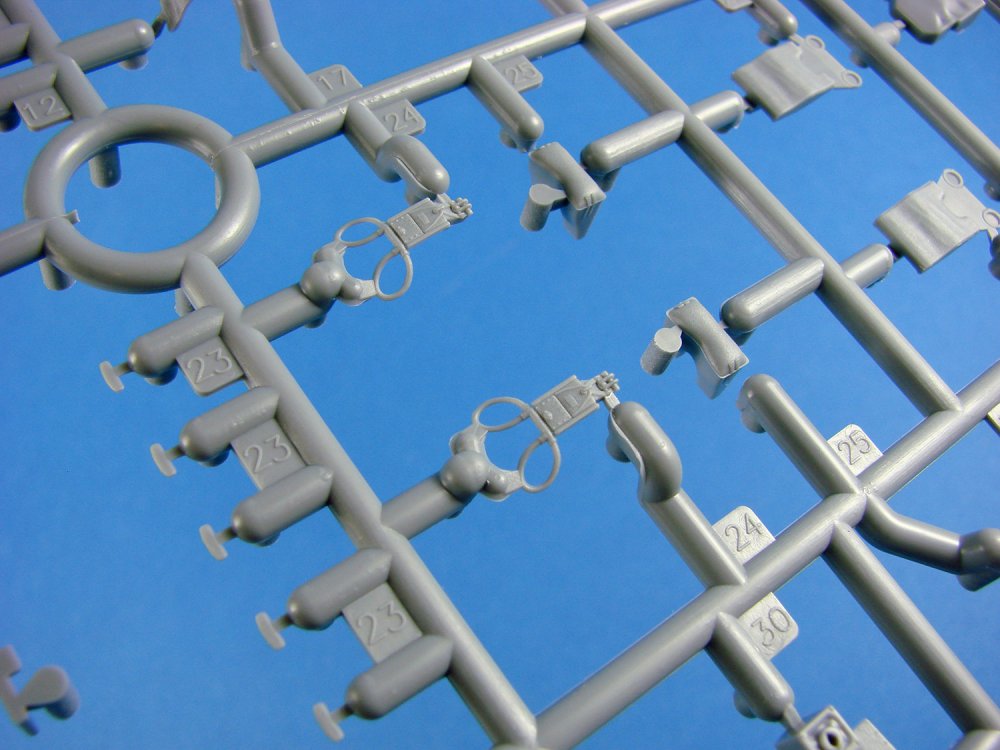
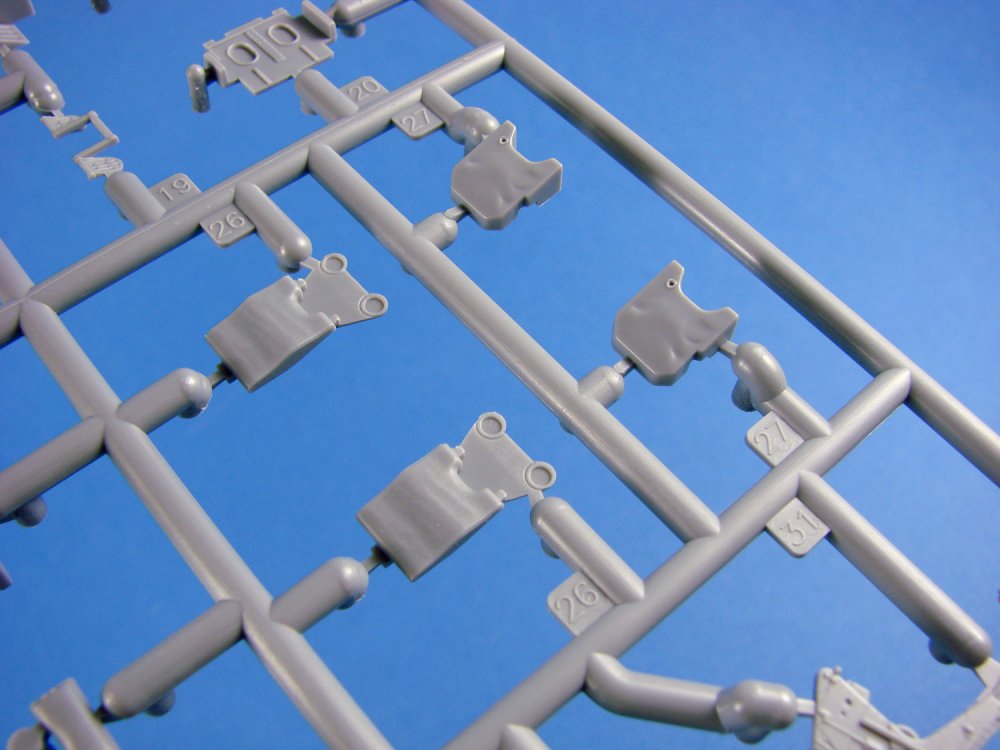
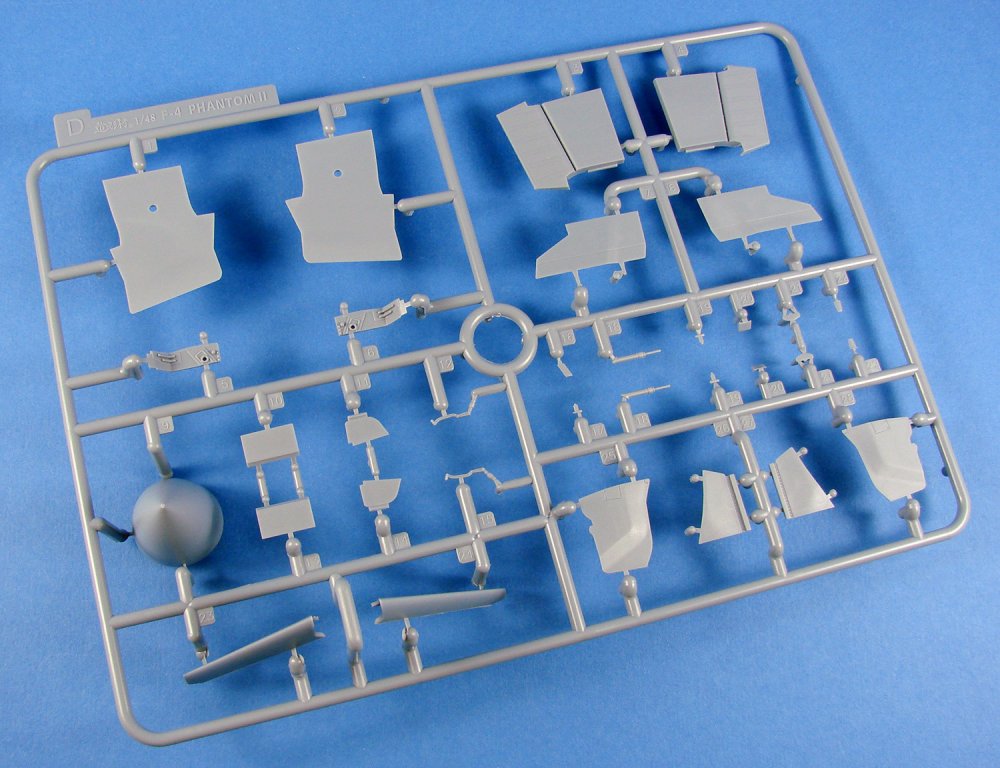
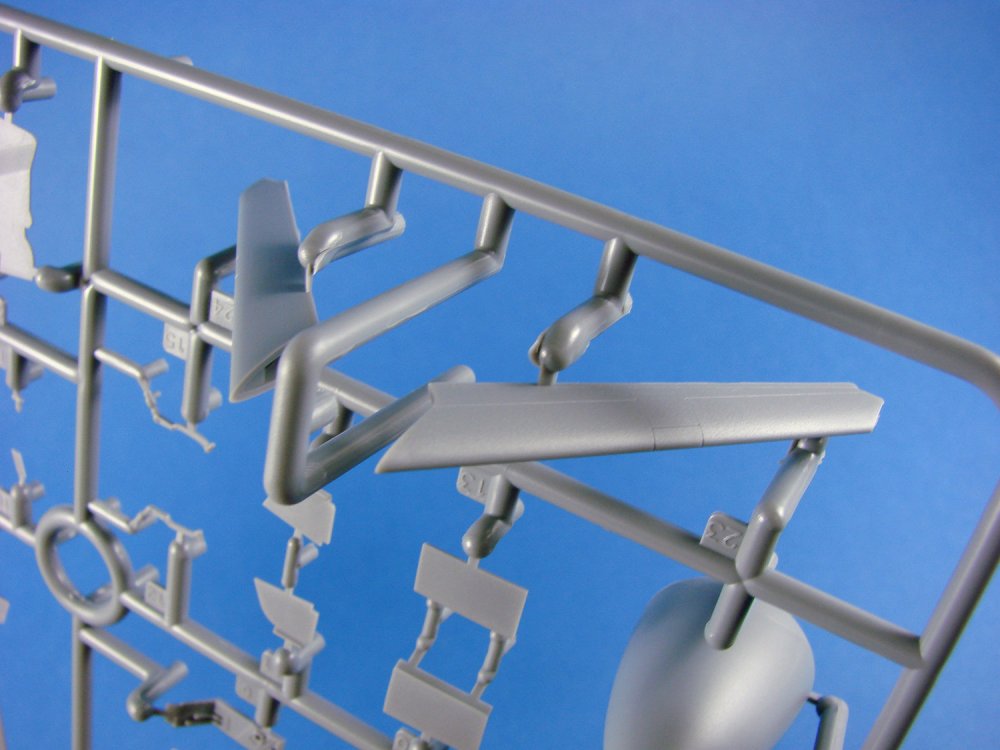
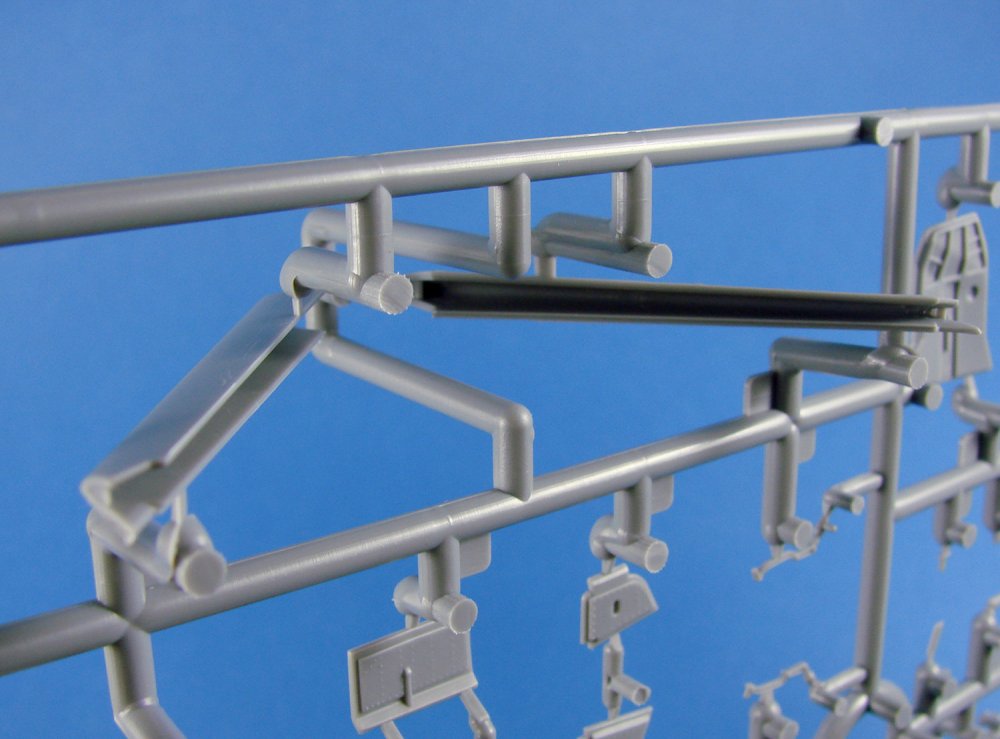
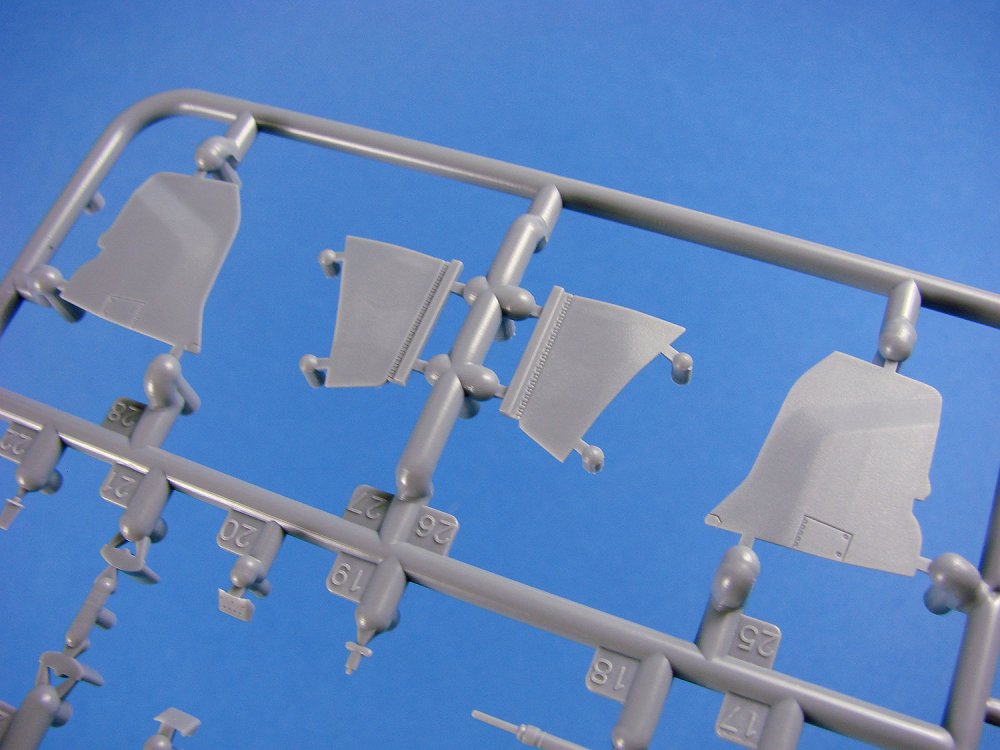
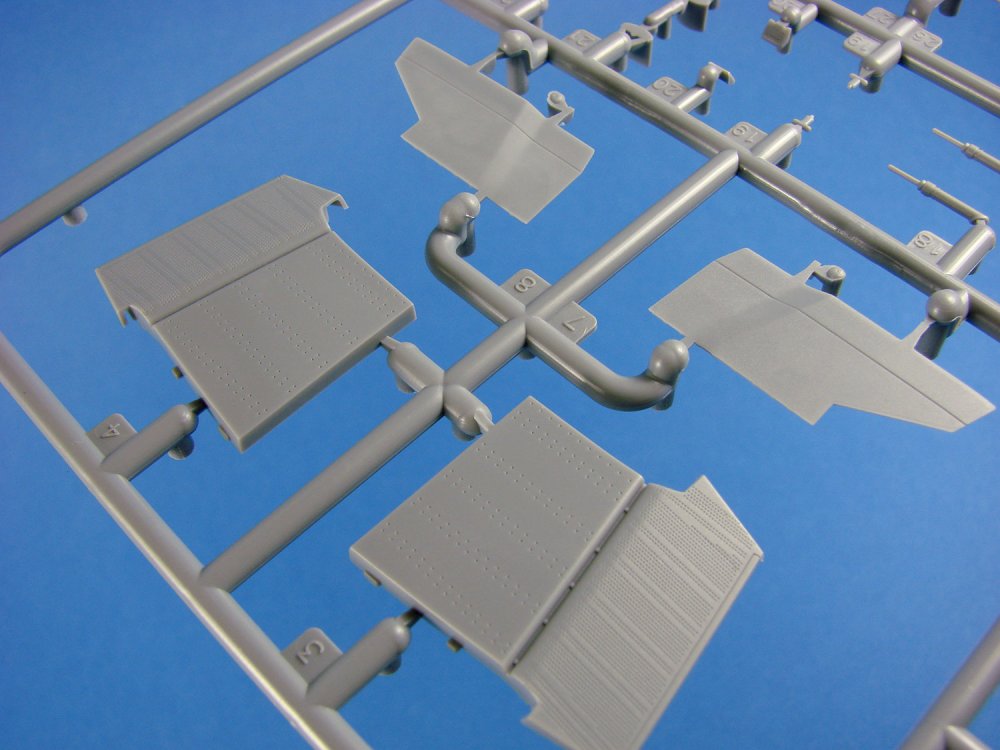
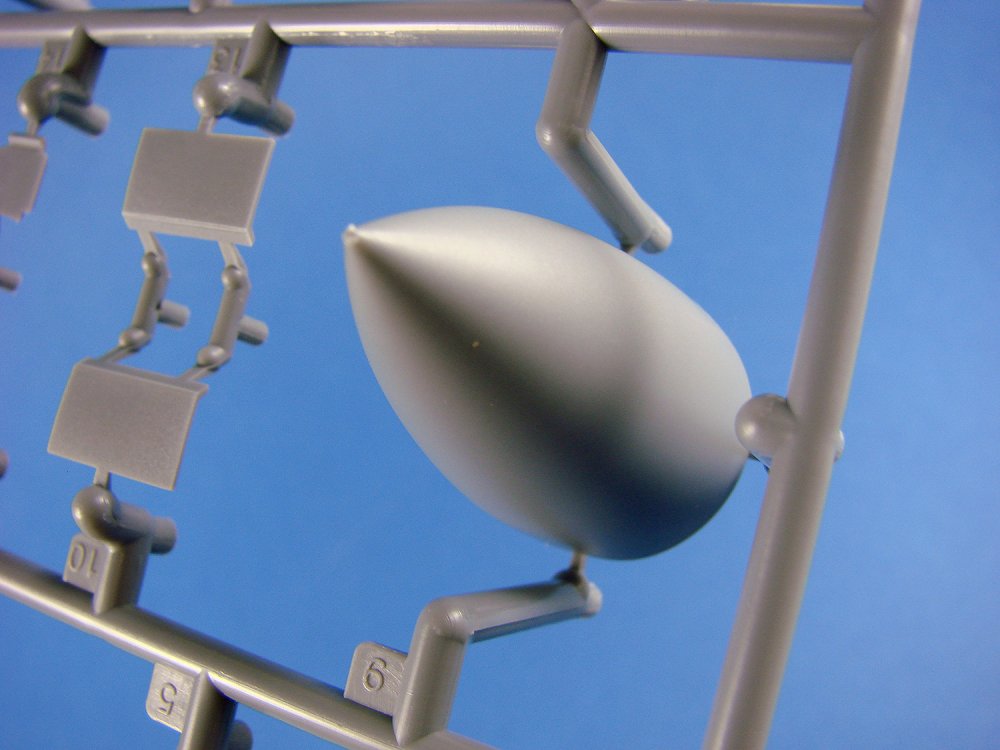
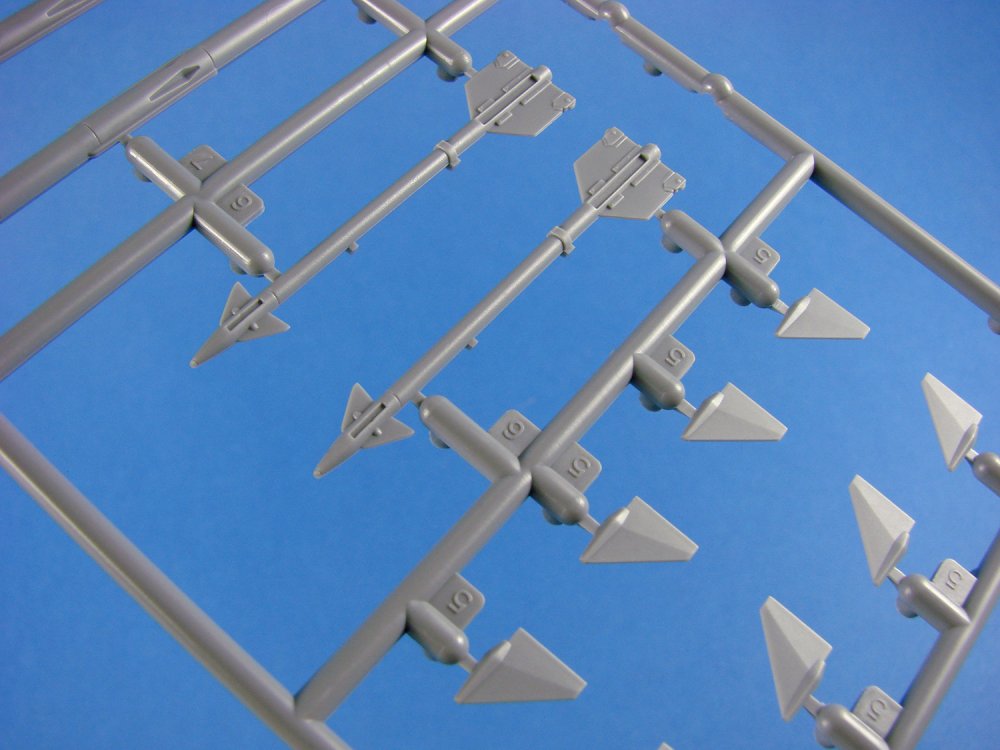
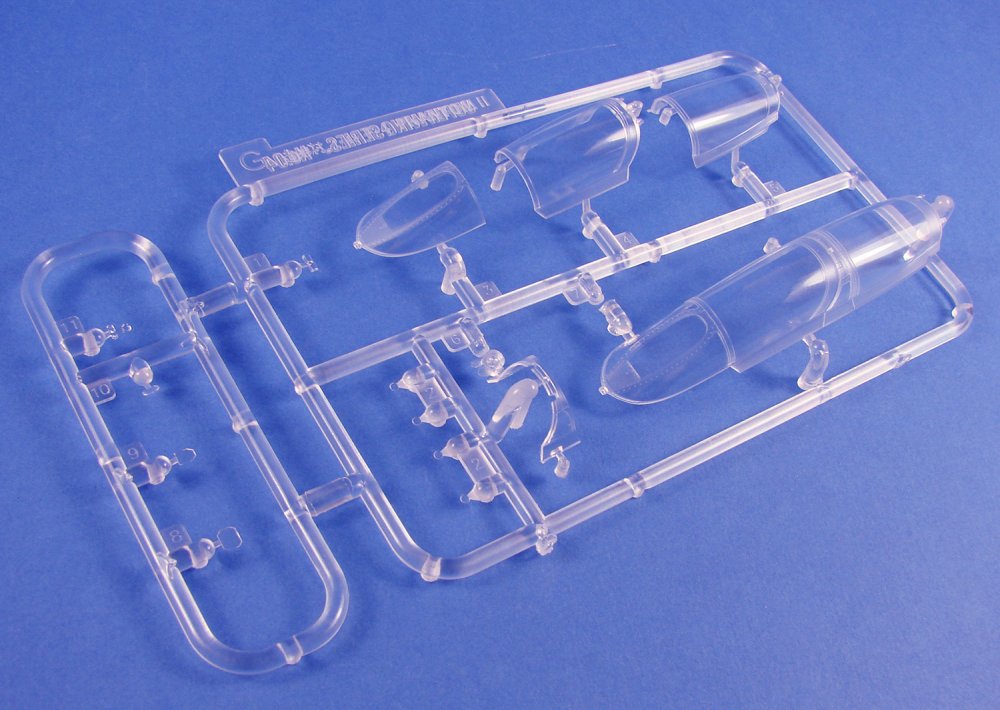
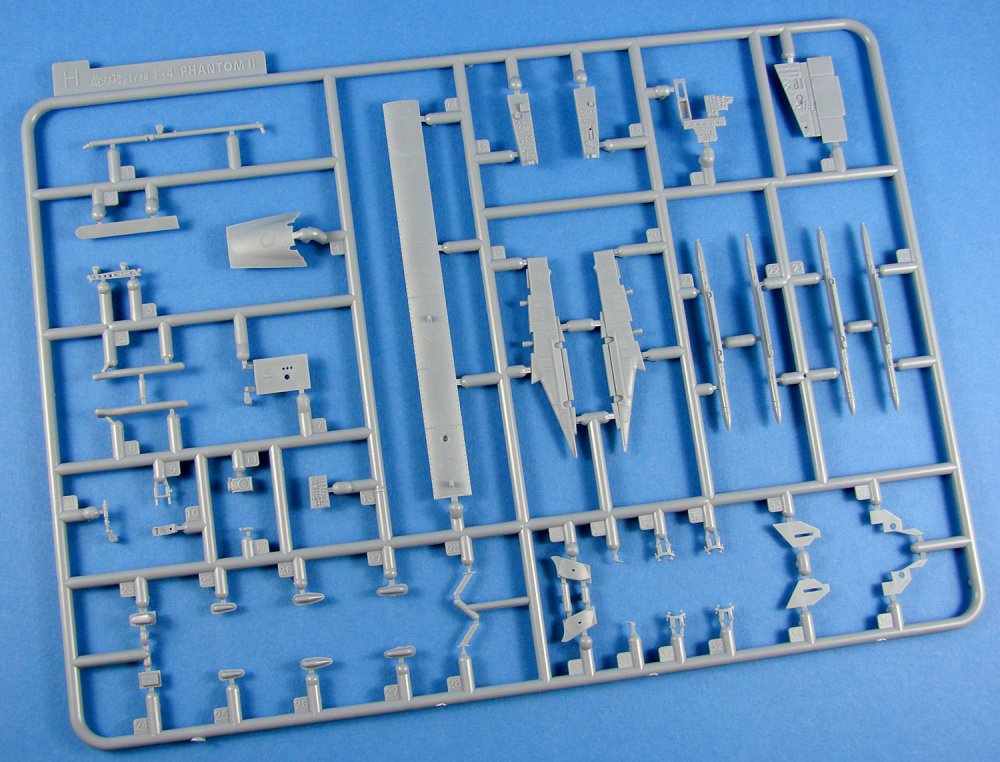
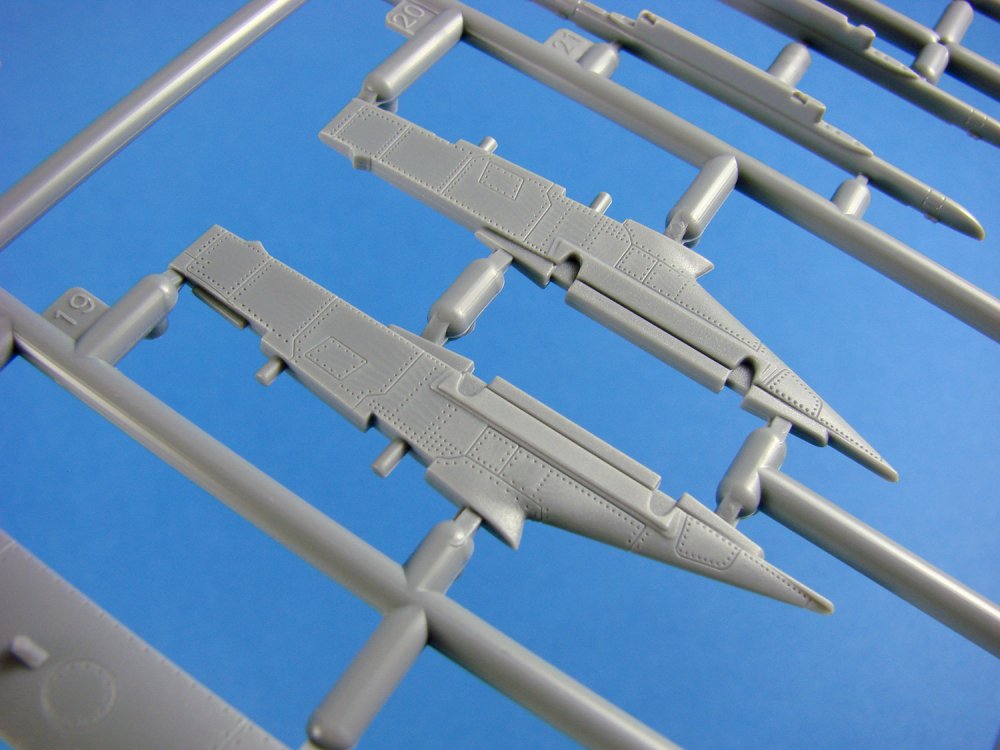
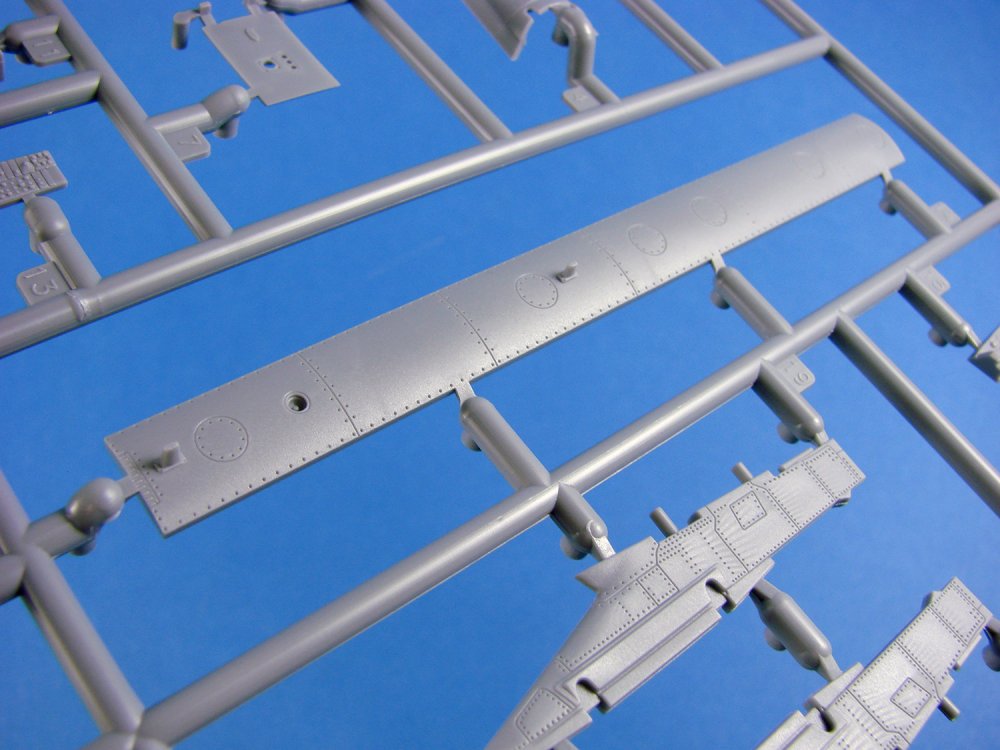
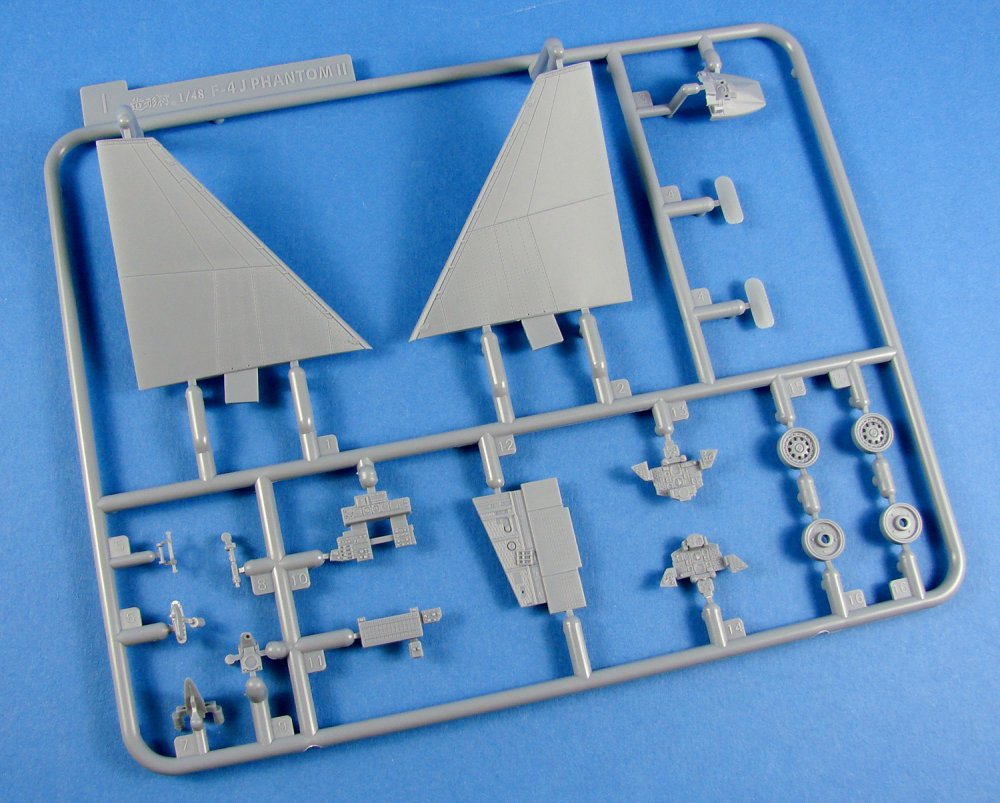
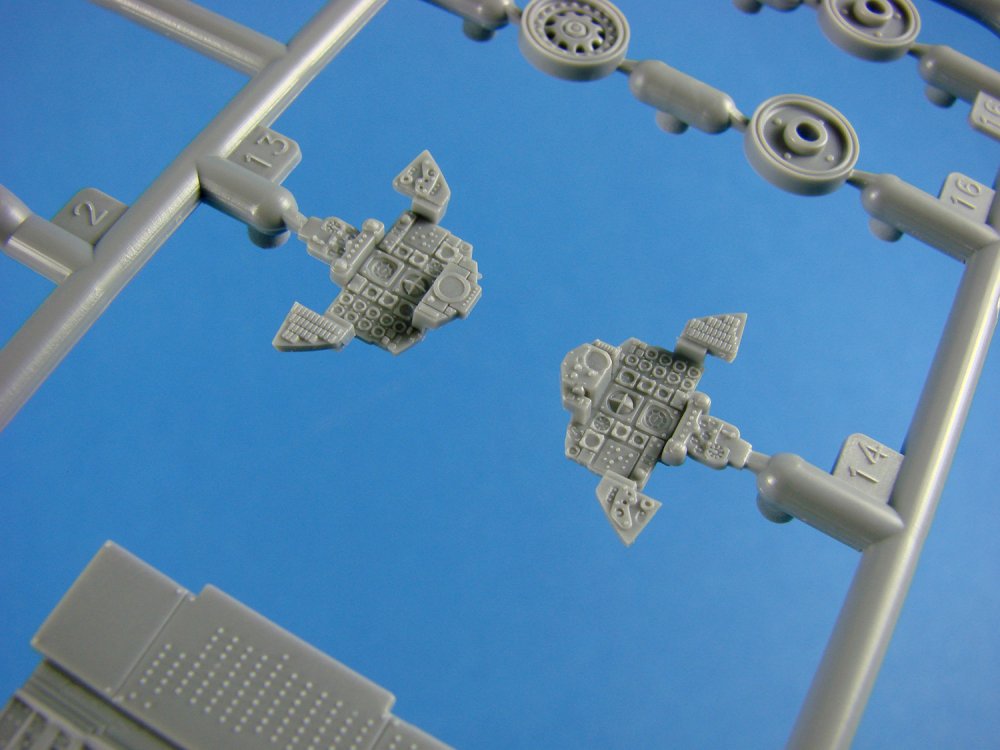
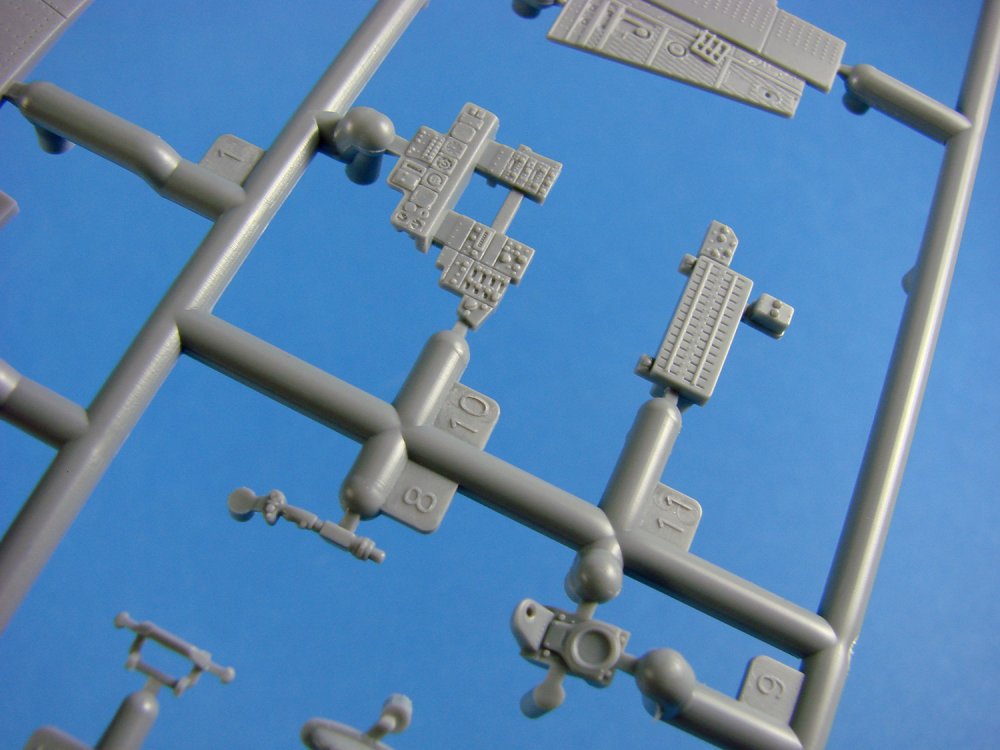


-
You have my attention....
-
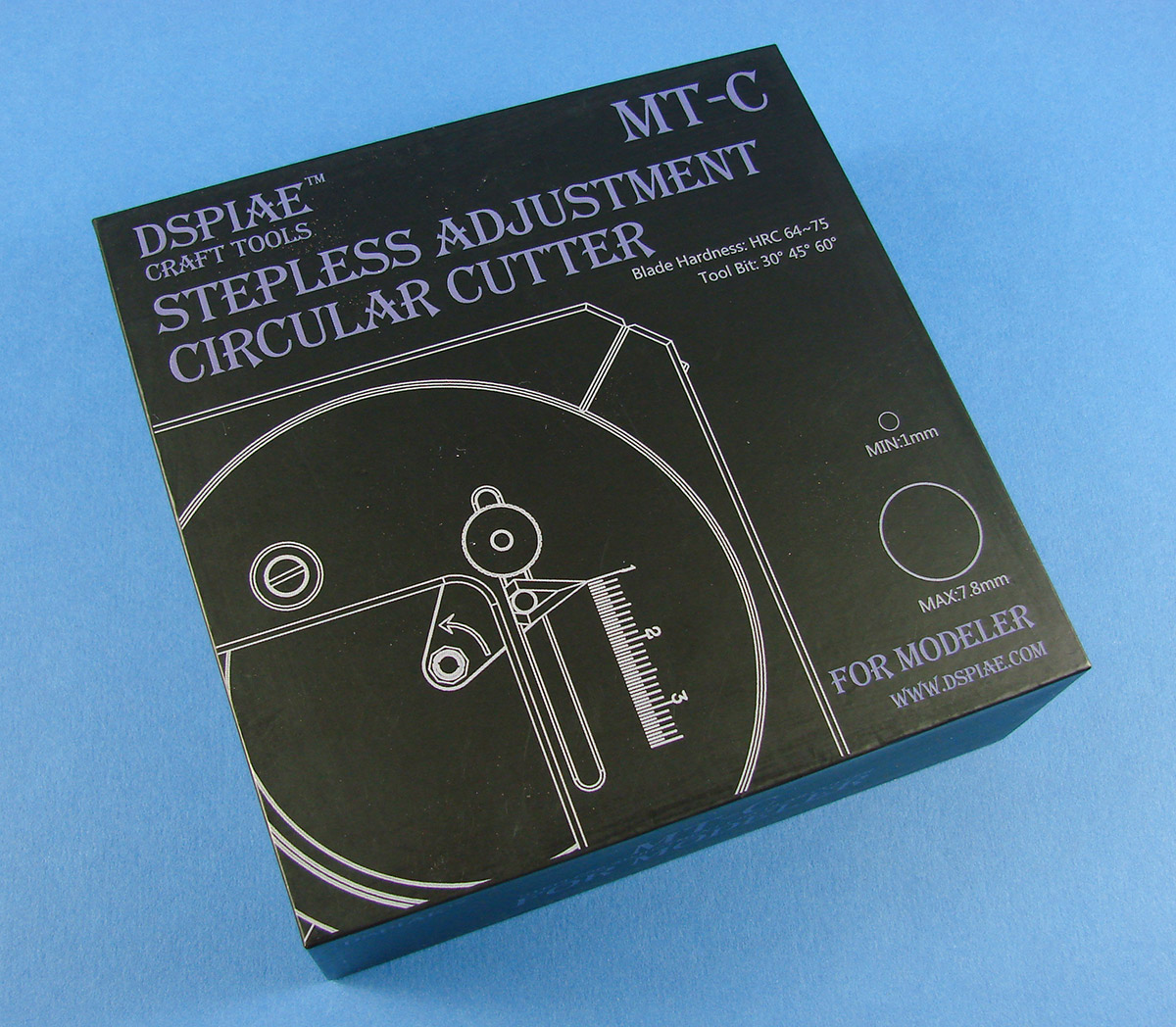
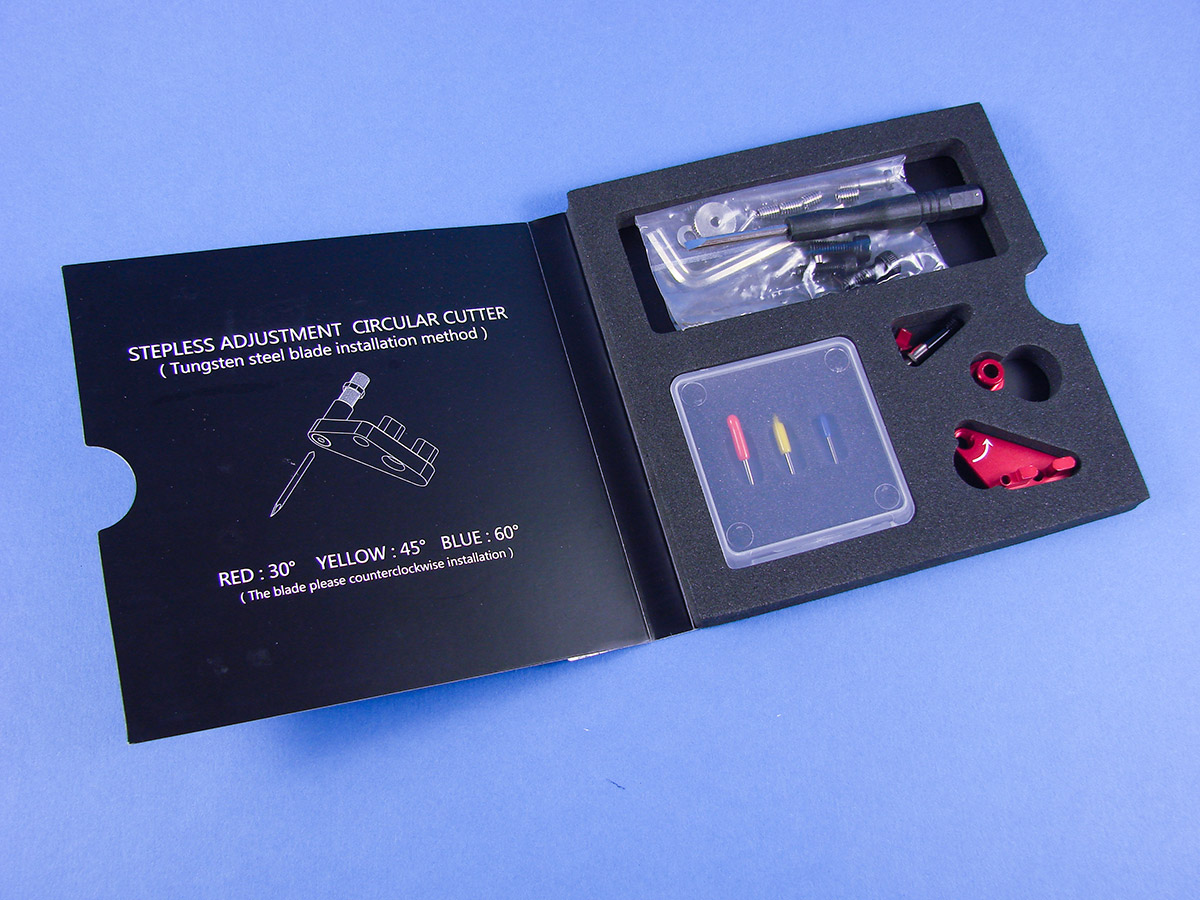
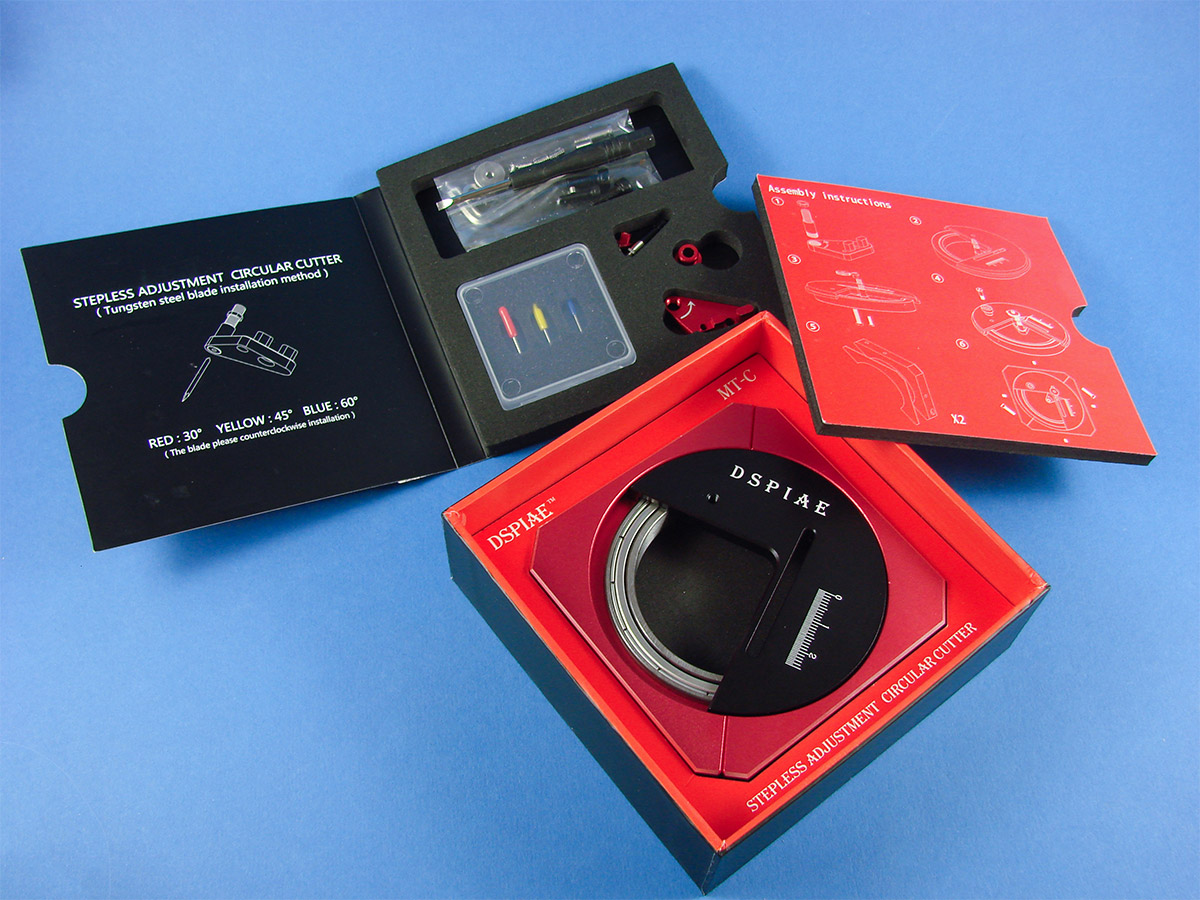
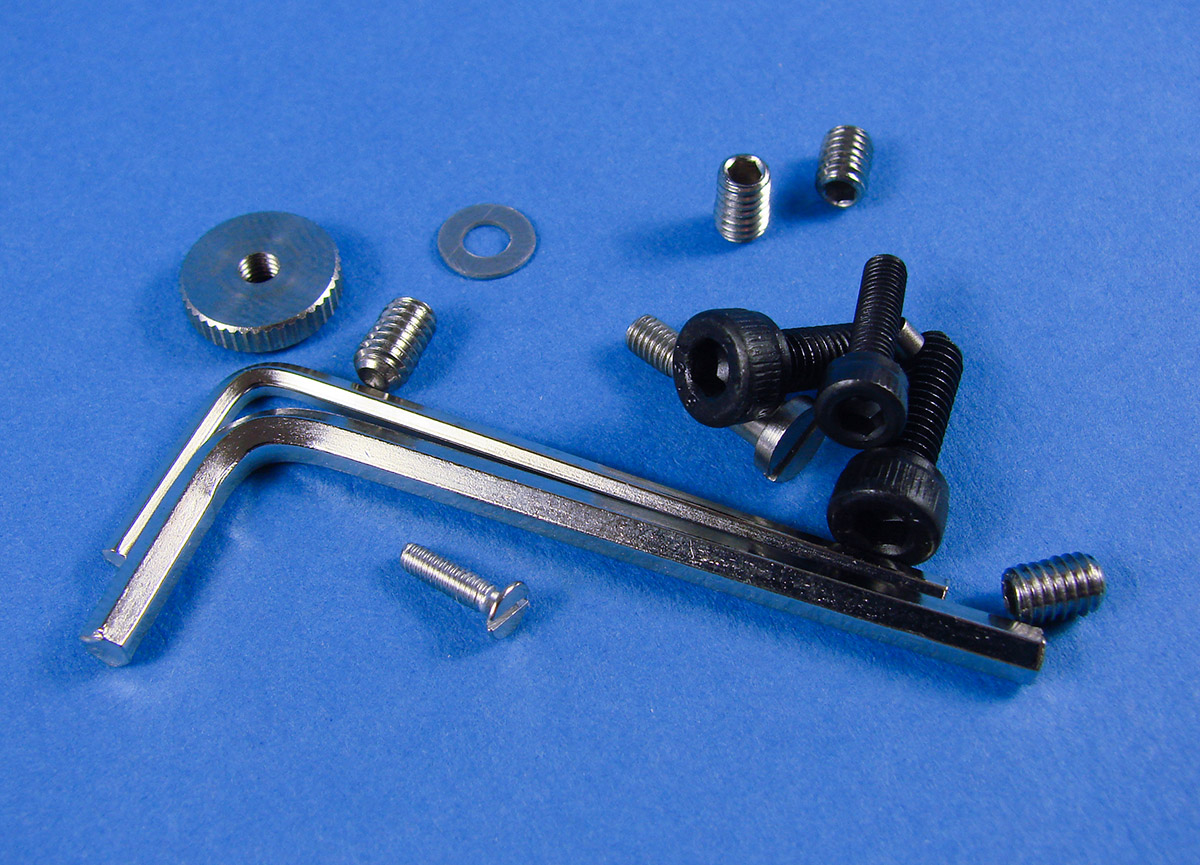
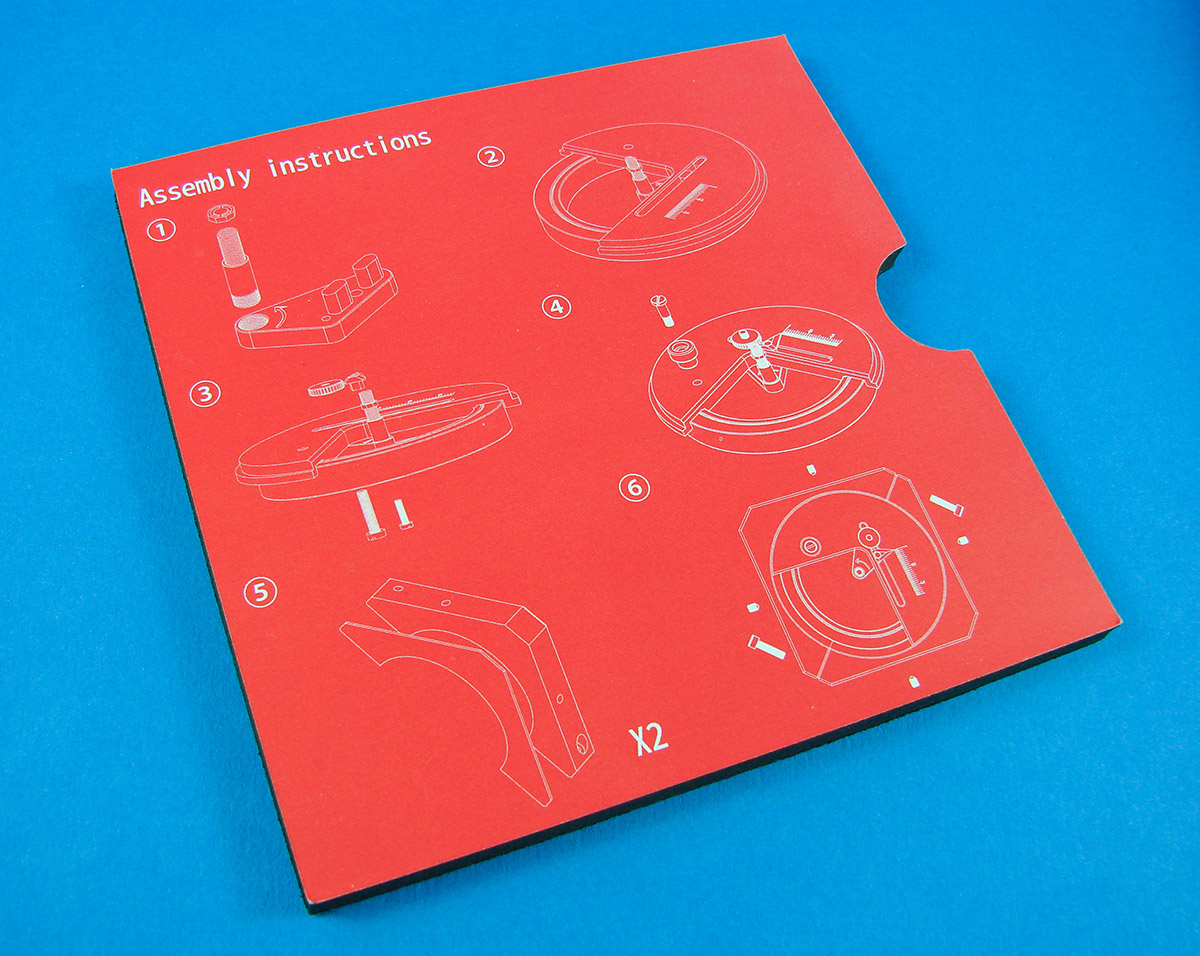
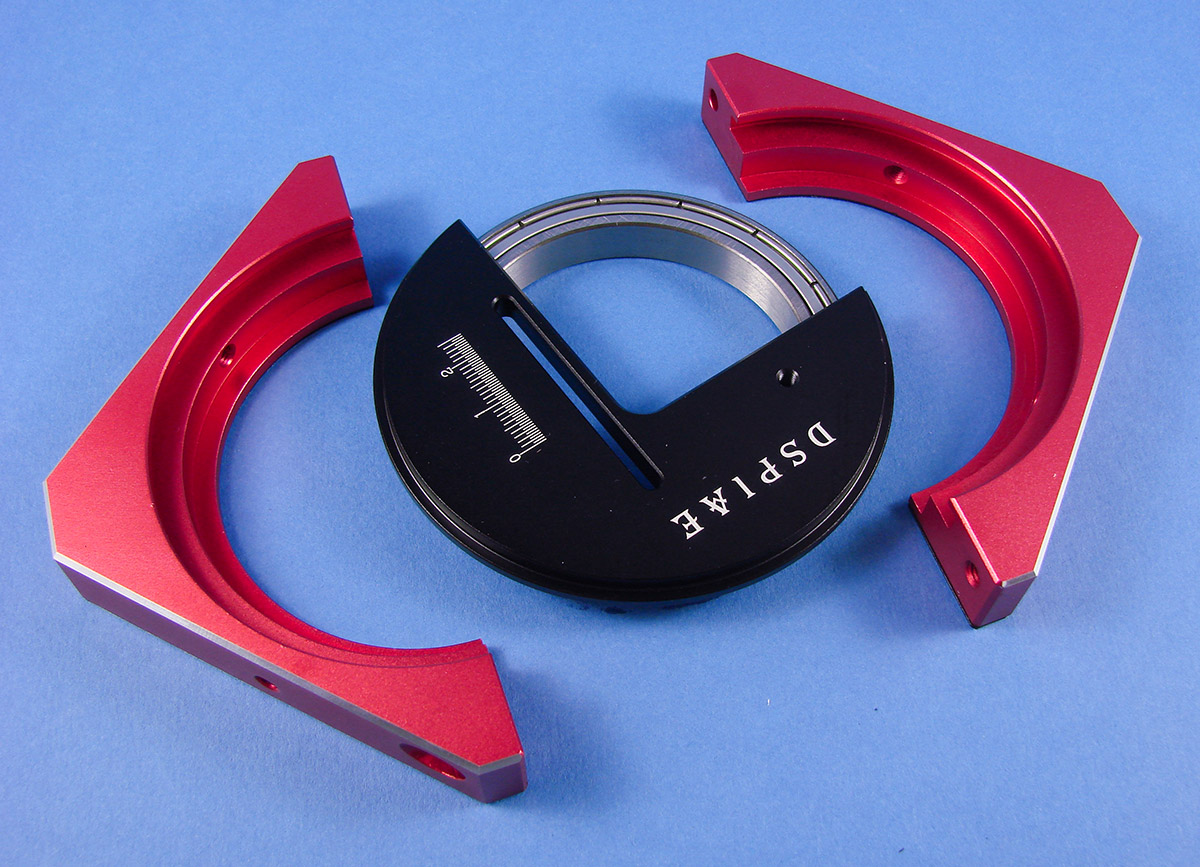
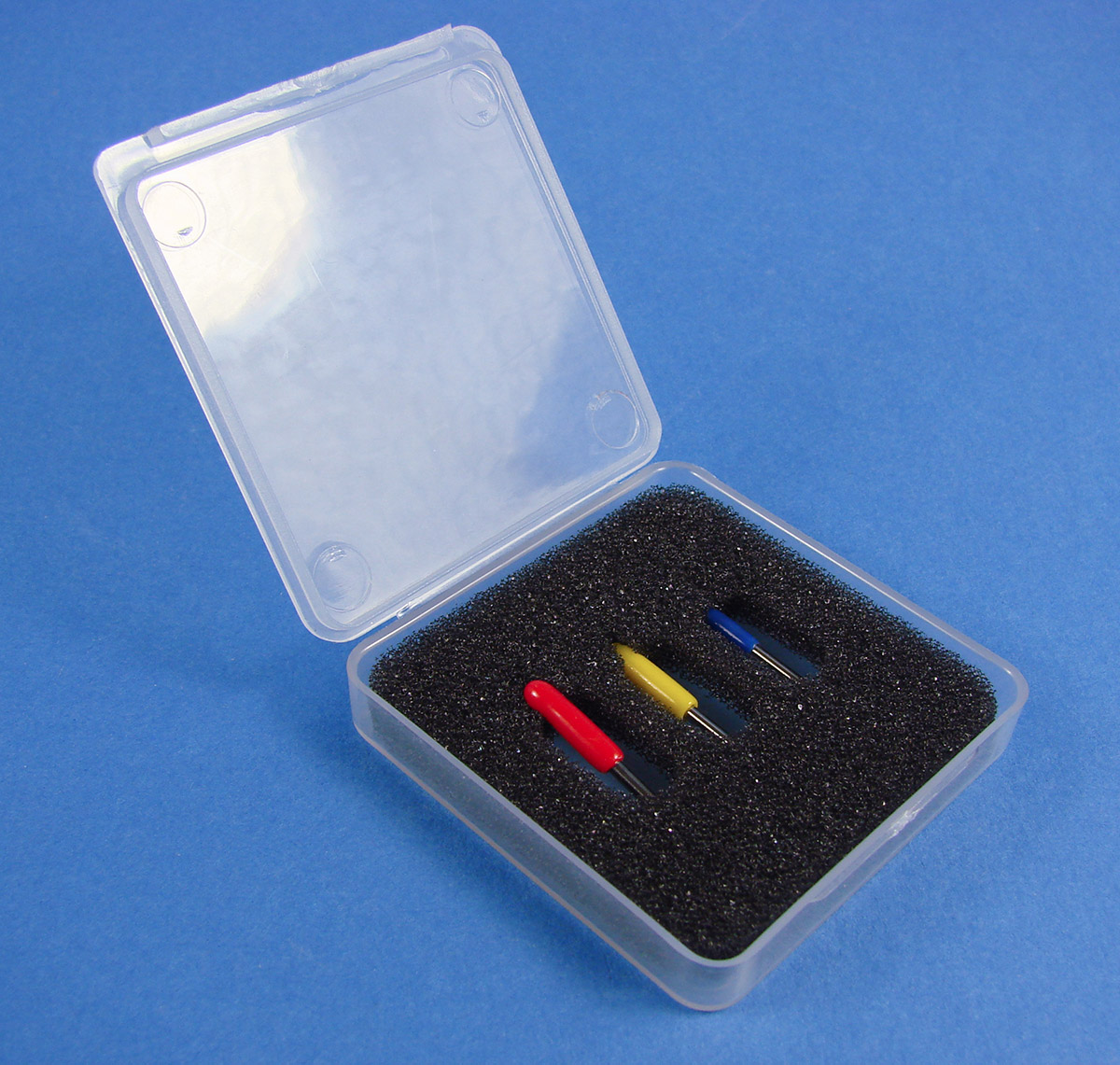
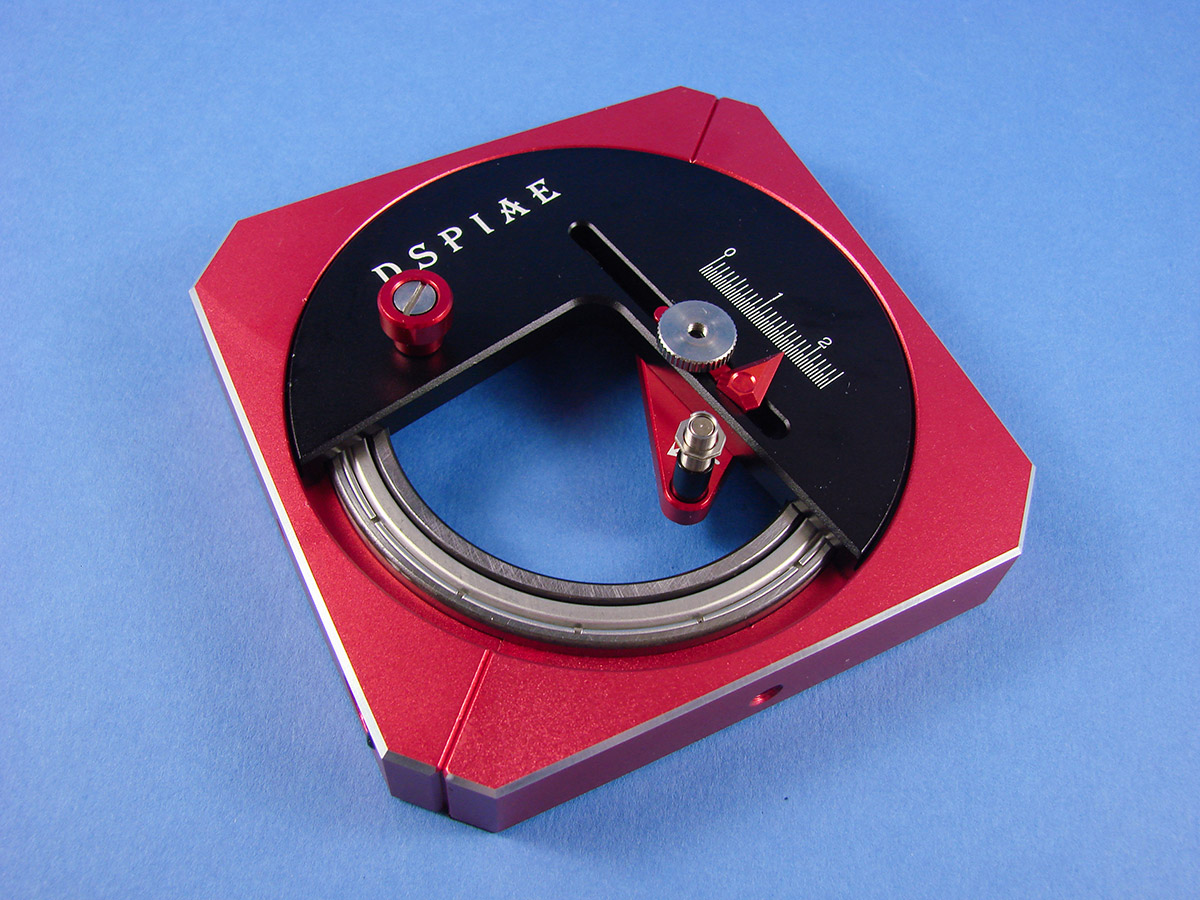
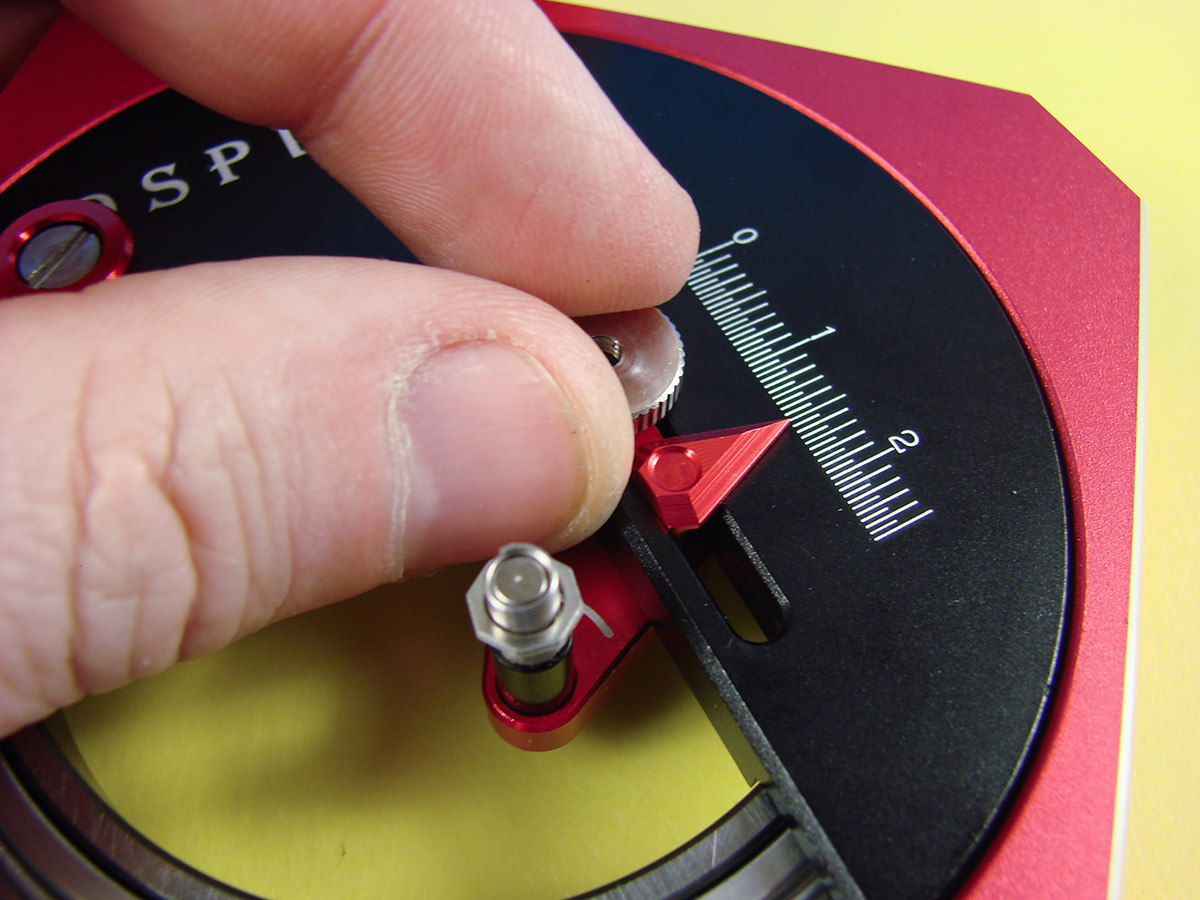
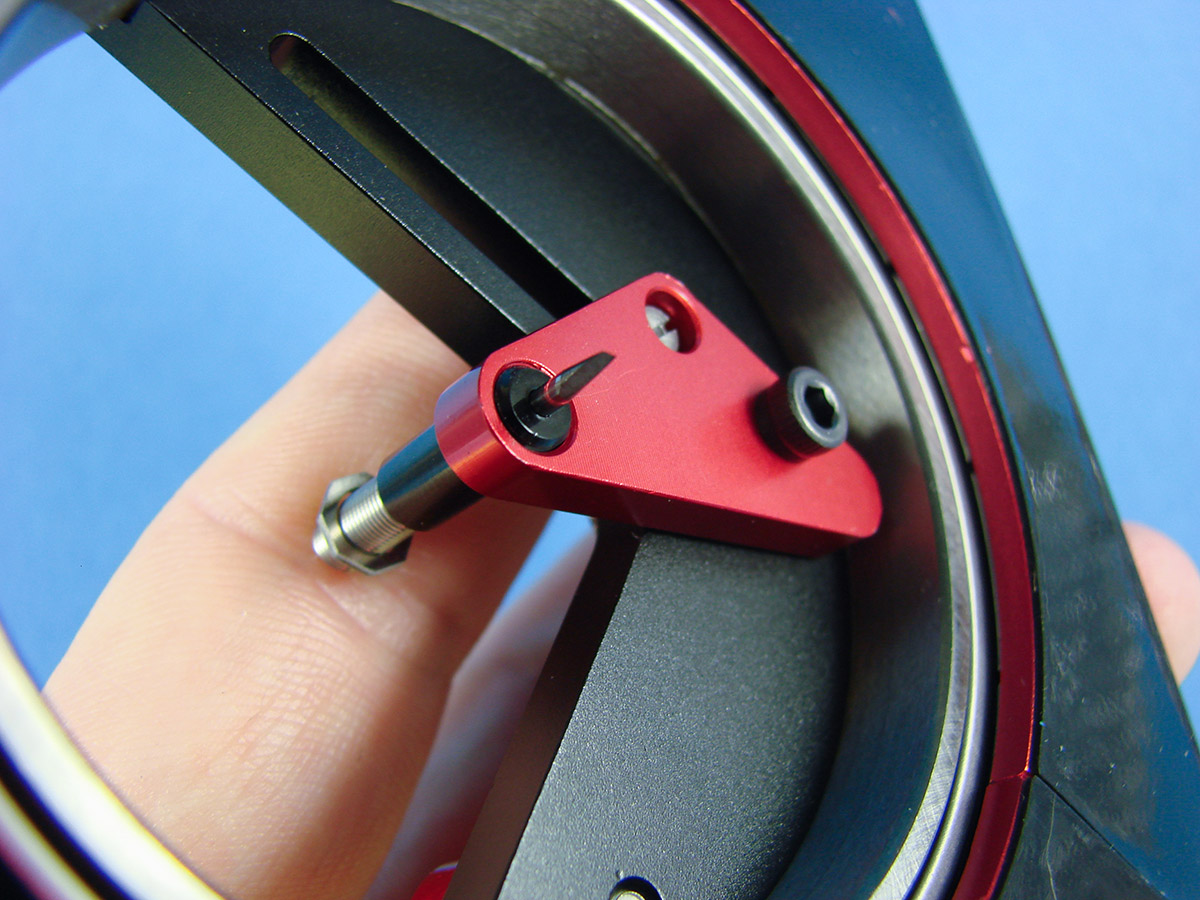
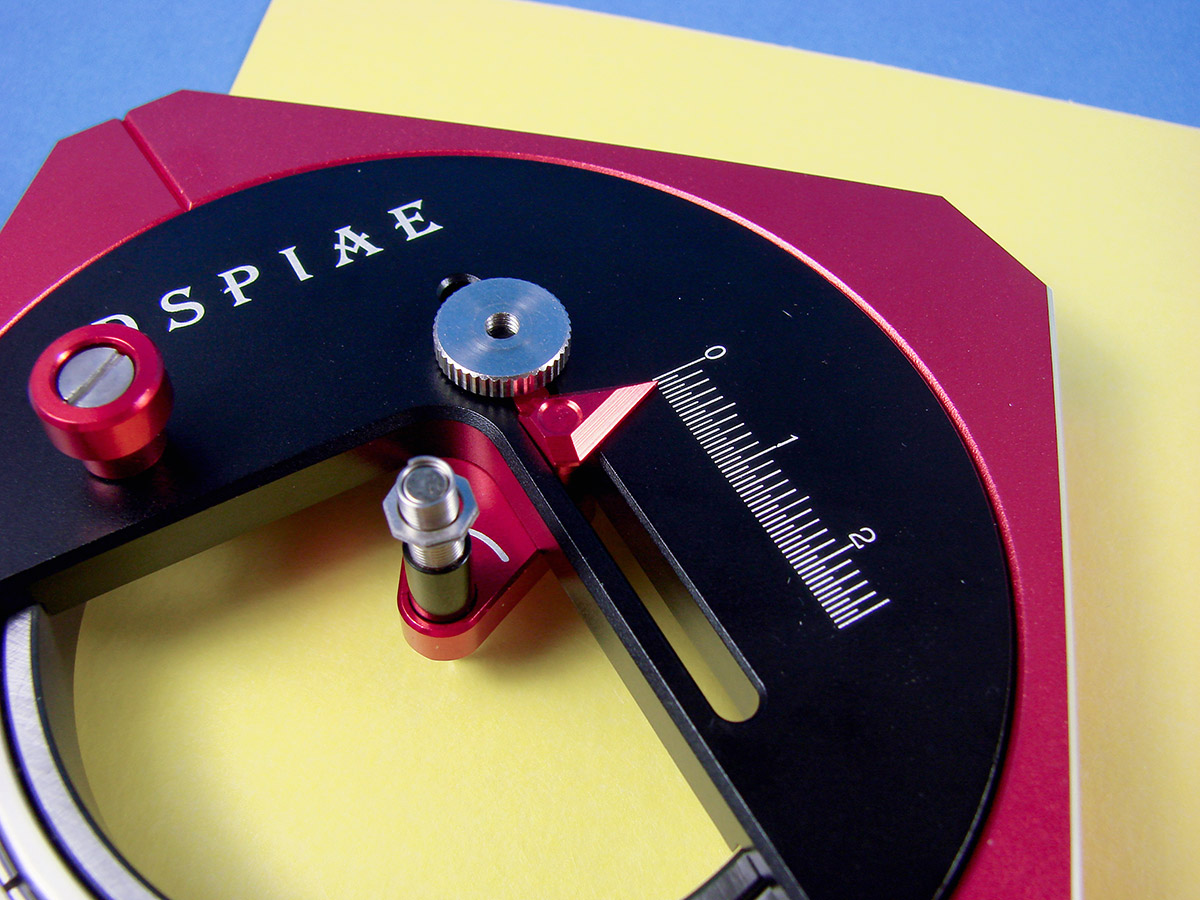
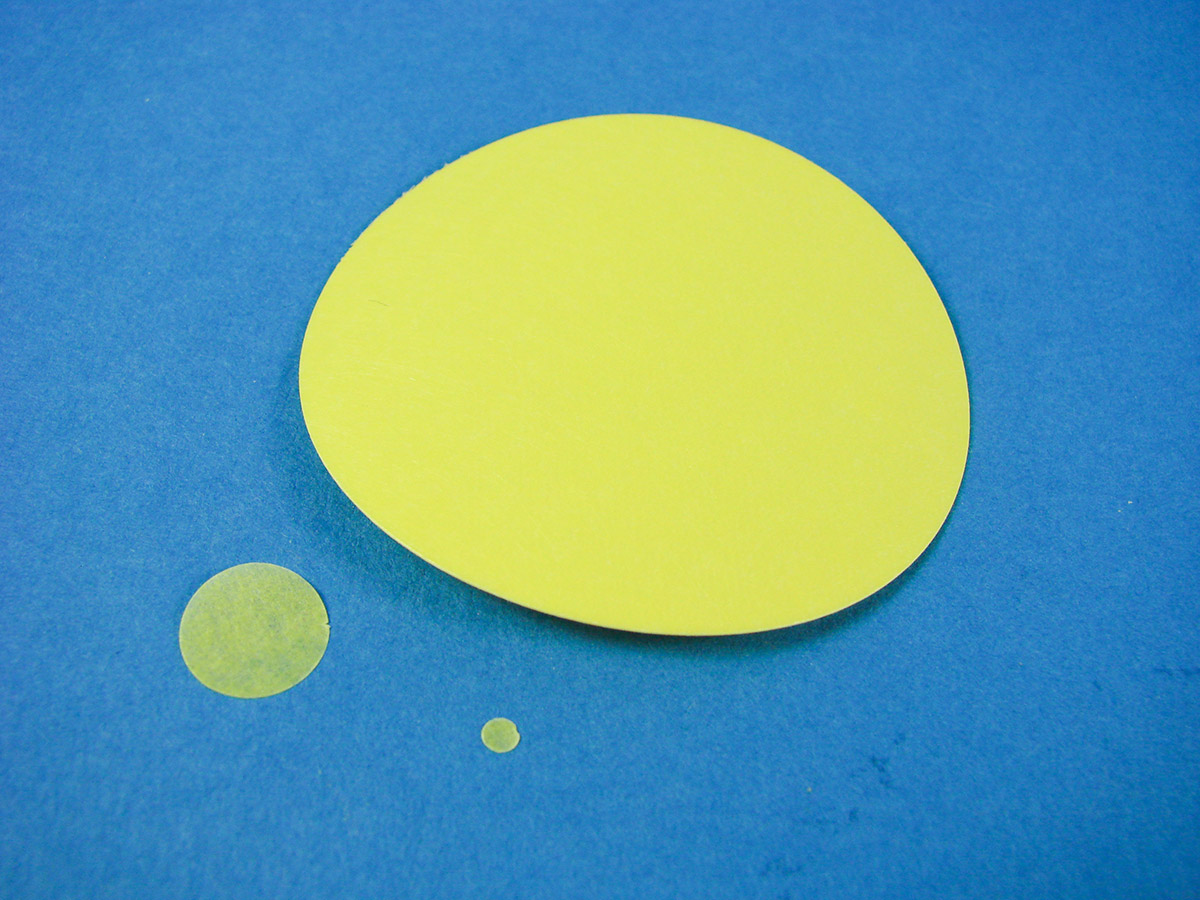
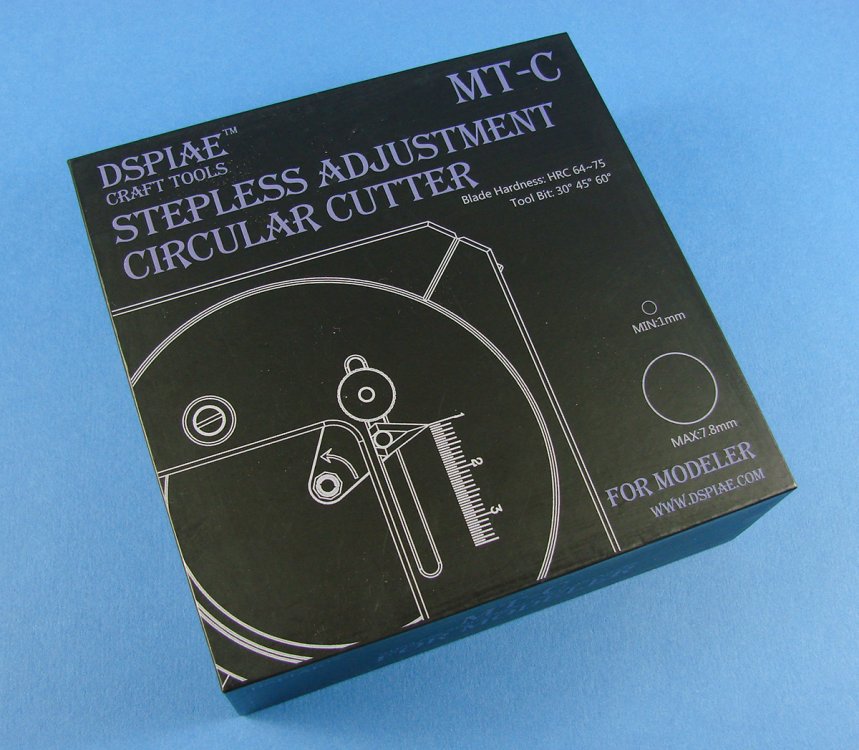
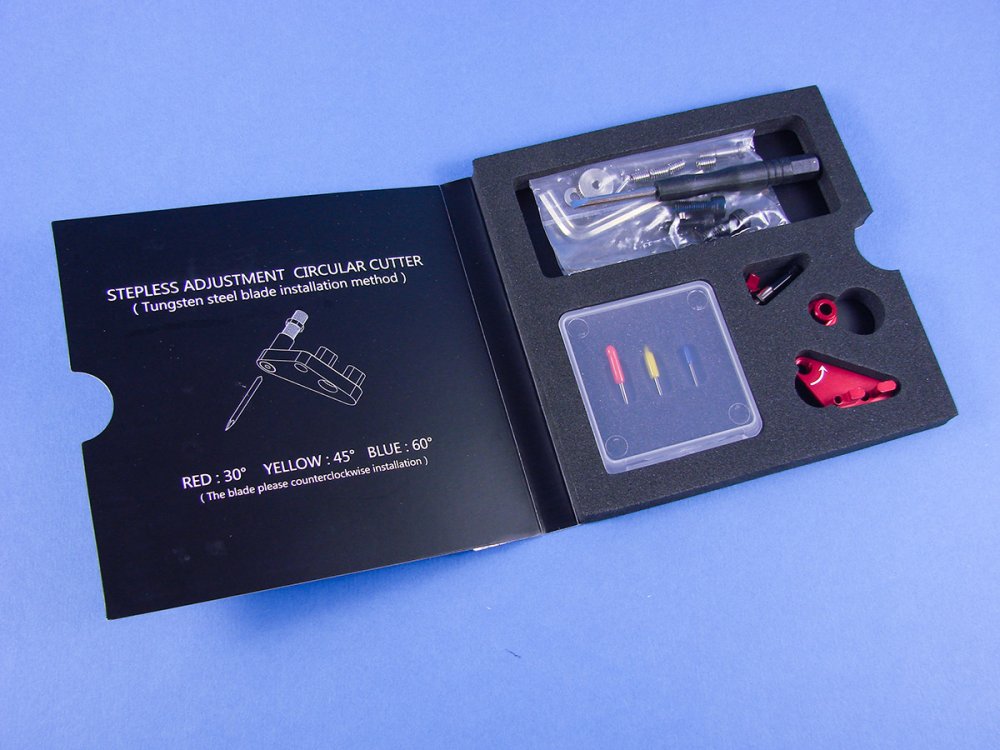
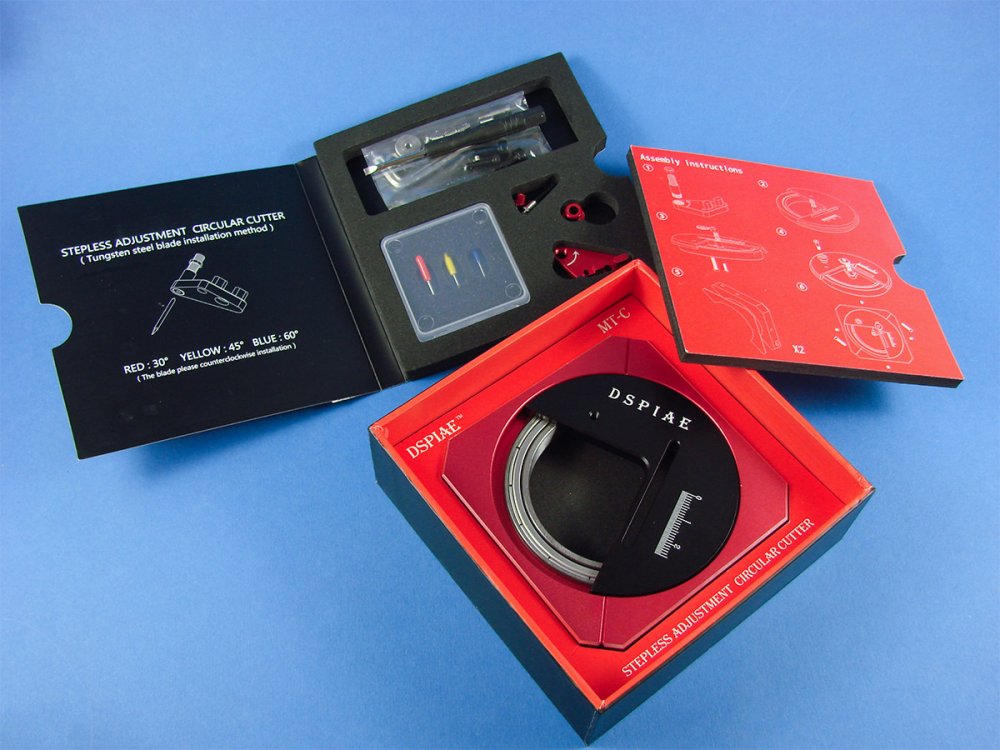
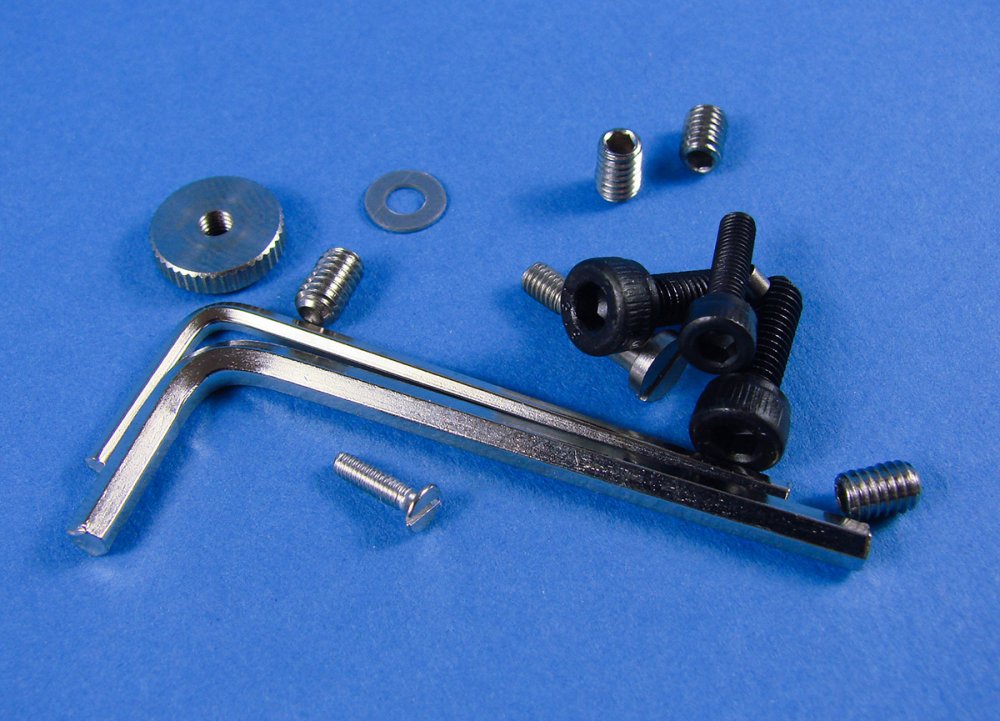
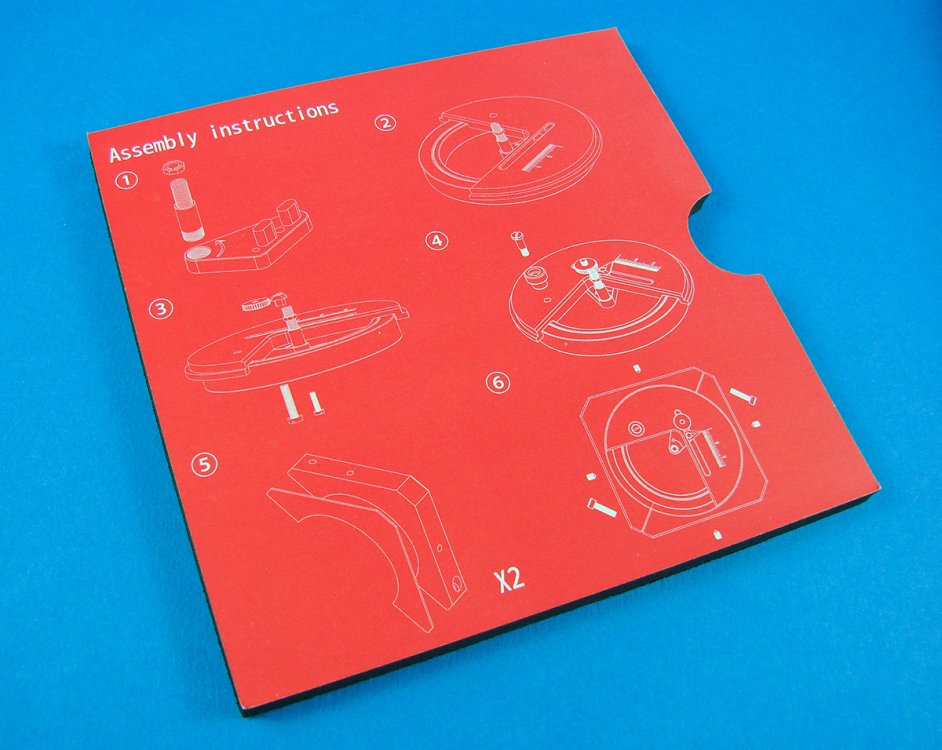
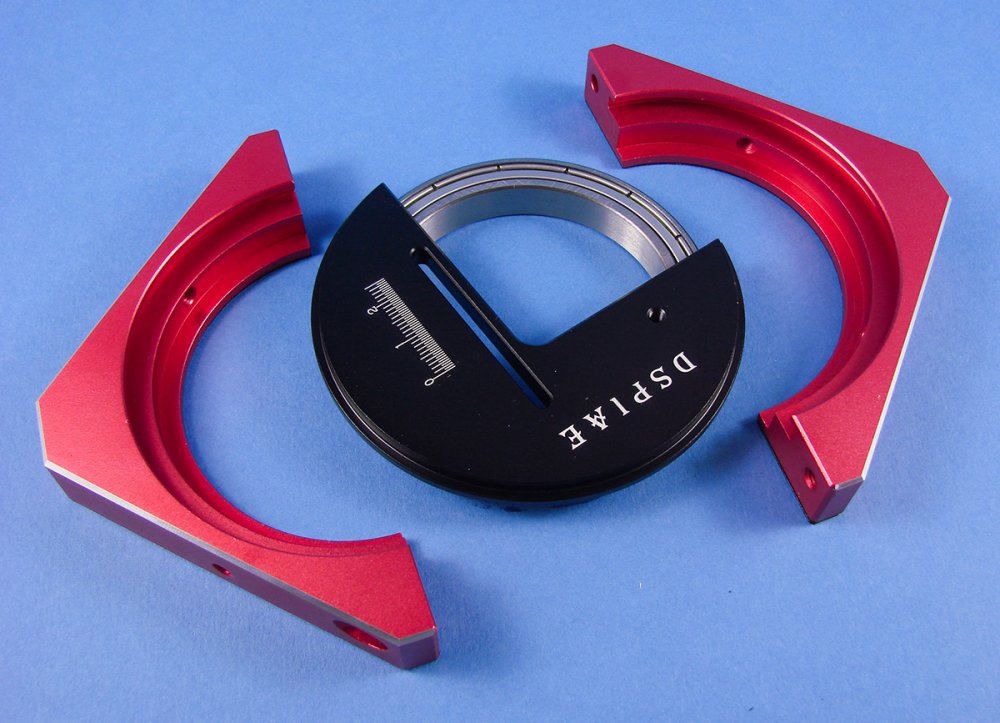
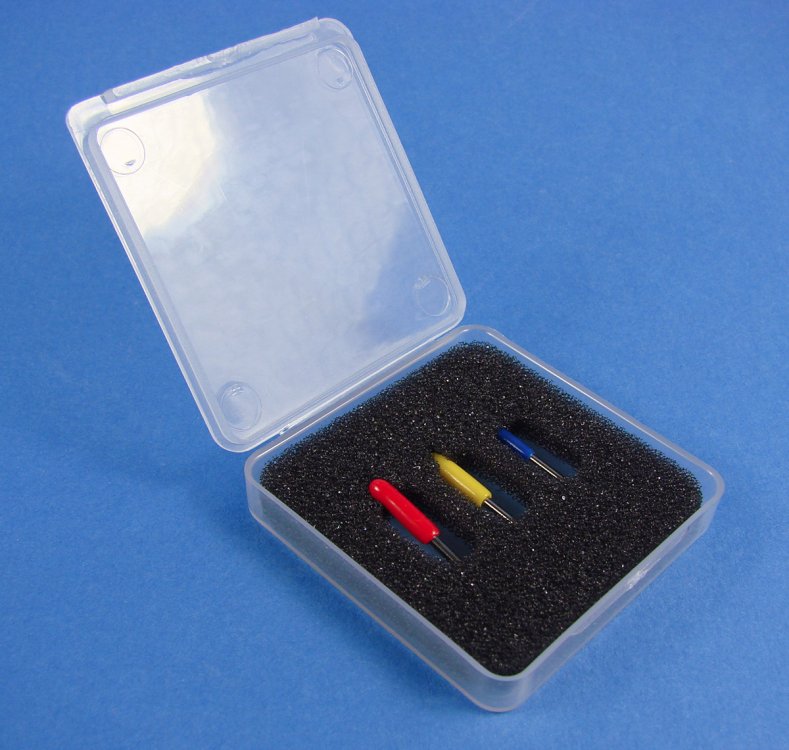
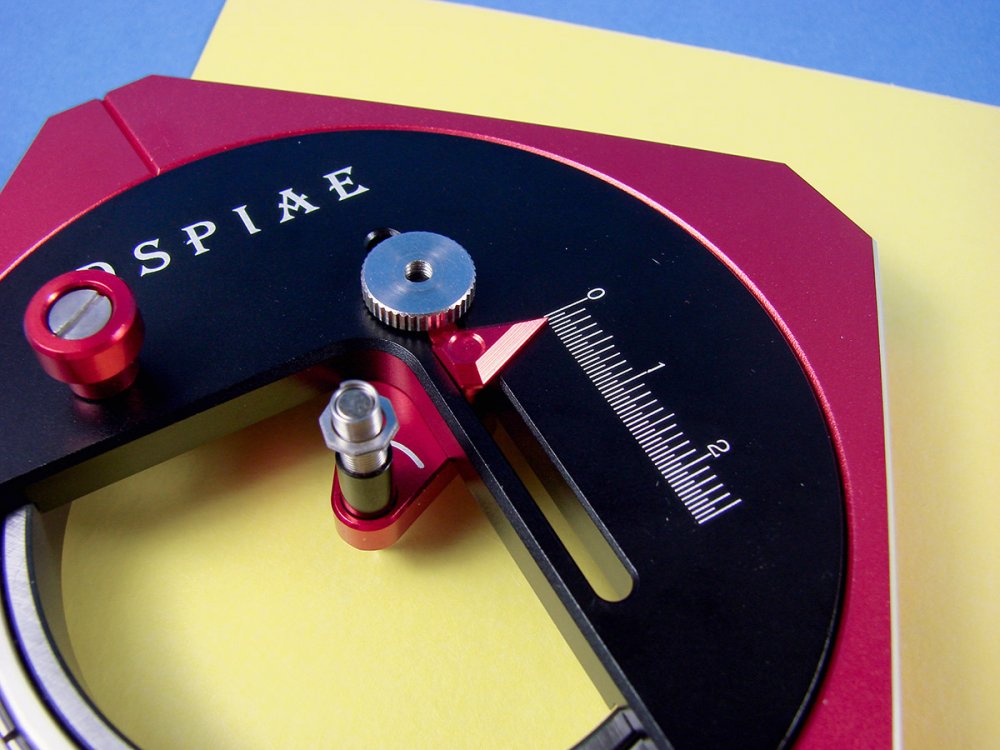
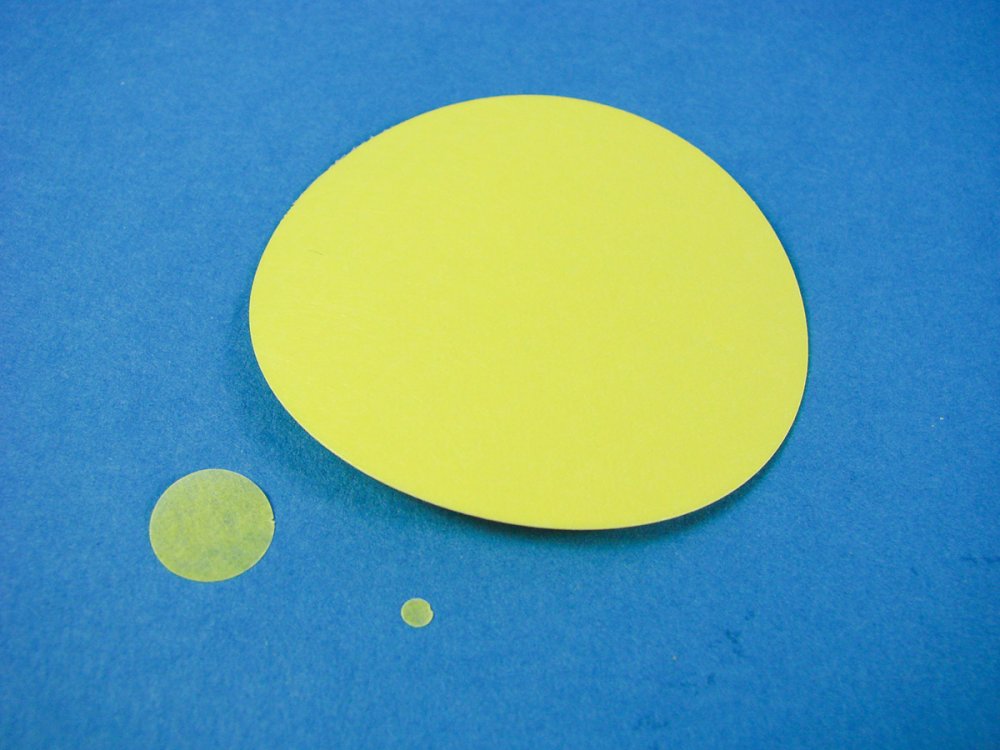
Stepless Adjustment Circular Cutter DSPIAE Catalogue # HRC64~75 Available from Breveco Modelling for €62,50 I was recently lucky enough to be sent the Thinnerline circular cutter for test. If you don’t know what these tools do, then it’s quite simple…they allow the modeller to cut out discs in masking paper and very thin plasticard etc. from around 1mm to 50mm in diameter. Having found the Thinnerline an amazing tool, I couldn’t turn down the offer to try out the brand new DSPIAE tool kindly sent to me for review from the Netherlands, by Corien and Evert from Breveco Modelling. DSPIAE’s new Stepless Adjustment Circular Cutter (long name!) comes in a very attractive, robust and heavy box whose quality is pretty reminiscent of the way Apple packages its products. The box lid contains a line drawing illustration of the circle cutter, and the edge of the box has a unique 16-didgit identifier that you can use to verify that this is a genuine DSPIAE product, and not a counterfeit. Certain elements of our hobby have succumbed to piracy, so this is a very nice touch. The only thing I can pick up on is that the box lid states the minimum size is 1mm, whilst the maximum is 7.8! I am pretty sure that this is more like 50mm. The lid is a seriously snug fit, and once you overcome the suction when you remove it, you’ll find a removable tray with foam cut-outs. This contains three different cutting tools in their own plastic box, tool assembly components and a screwdriver. Yes, you will need to assemble this cutter, but it won’t take more than a few minutes. For information, the tray lid tells you the cutting angle for each blade. These are colour-coded for ease of recognition. Assembly After lifting out the tray, you will find a foam-backed instruction card, with everything clearly shown in line drawing format. The cutter is assembled in six easy stages. Unlike the Thinnerline tool which is essentially based upon a bearing, with internal parts, the DSPIAE tool is also enveloped in an aluminium case that protects the bearing. This is machined in high quality material and has a red/crimson appearance to it, applied probably through anodization. The sharp corners are then machined at 45 degrees, exposing the metal again. Very attractive indeed. The two-part aluminium housing is now bolted to the exterior of the bearing, and tightened with the supplied tools. Four grub screws are now applied, securing the bearing so it doesn’t slide. Don’t fasten these too tight. They only need to nip. Now the adjuster and gauge are fitted. I did find a washer left over and a small neodymium magnet. They aren’t on the instructions. Use After fitting the blade into the tool (yellow 45 degrees) and adjusting its position, I dial the size of circle I want into the cutter, and the cutter is sat on a sheet of masking paper. I then use the small handle to turn the inner bearing and a perfect circle is cut. It really is that simple. The gauge works so that the close to the centre of the bearing you adjust the pointer, the smaller the mask. Move it outwards towards the circumference, and your masks are larger. The cutting tools are amazingly sharp and should be kept in their plastic protectors when not in use. Conclusion Does exactly what it was designed to do, and flawlessly. An amazingly high quality tool for which you will find endless masking applications in your hobby, from wheel hubs to inner radius curves for canopies etc. You really should treat yourself! My sincere thanks to Breveco Modelling for the opportunity to try out this new tool. To buy it directly, click HERE.
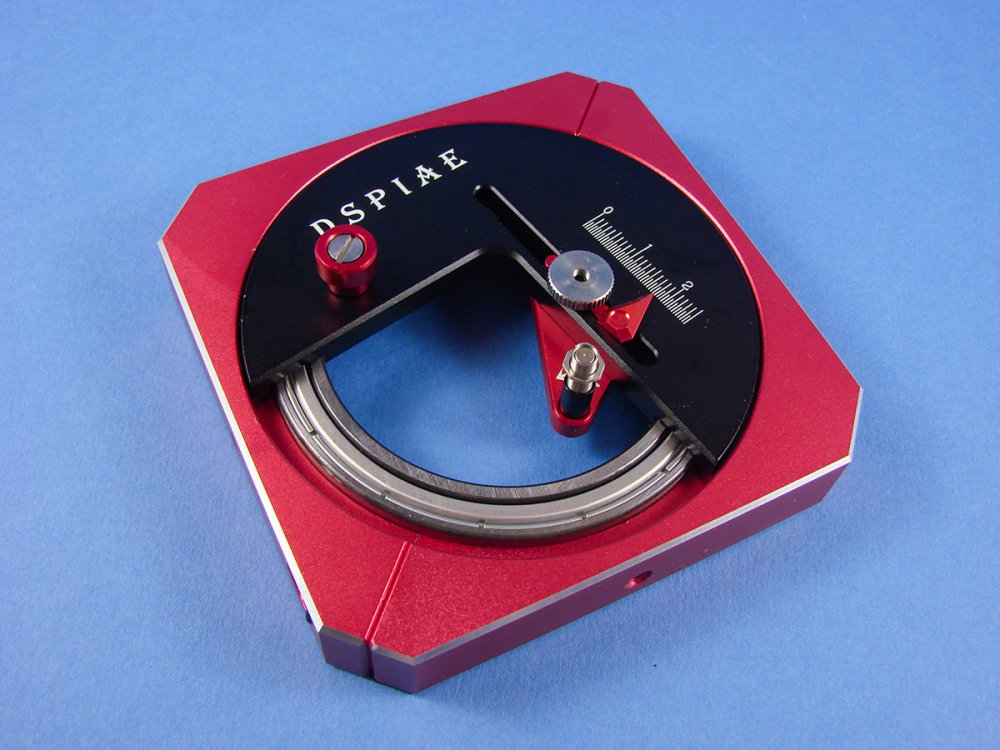
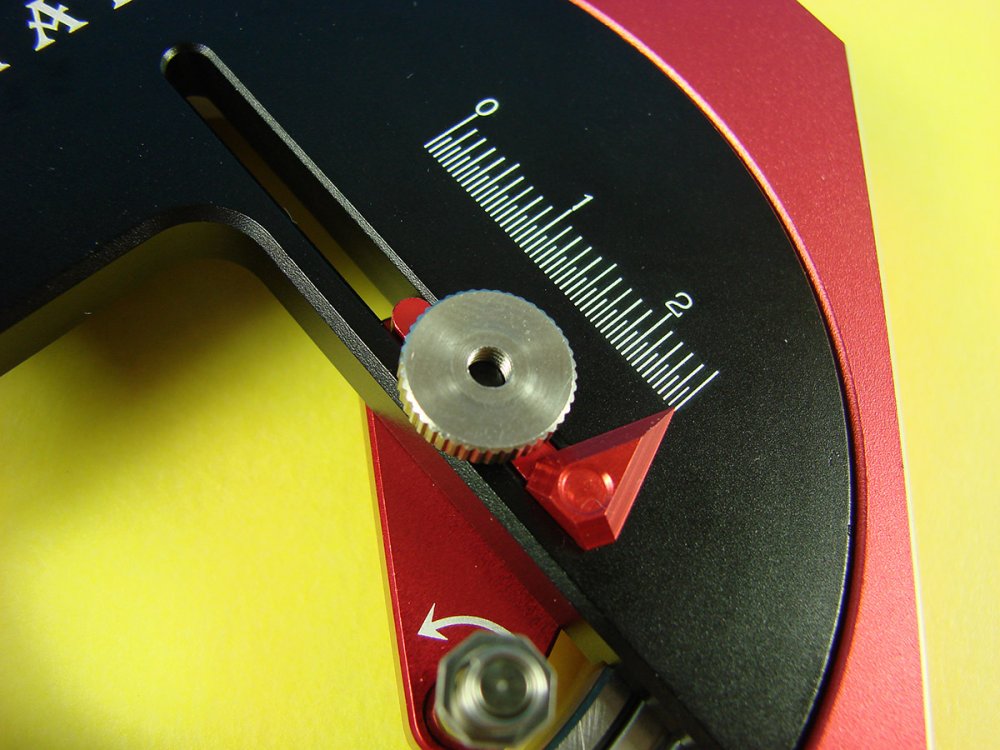
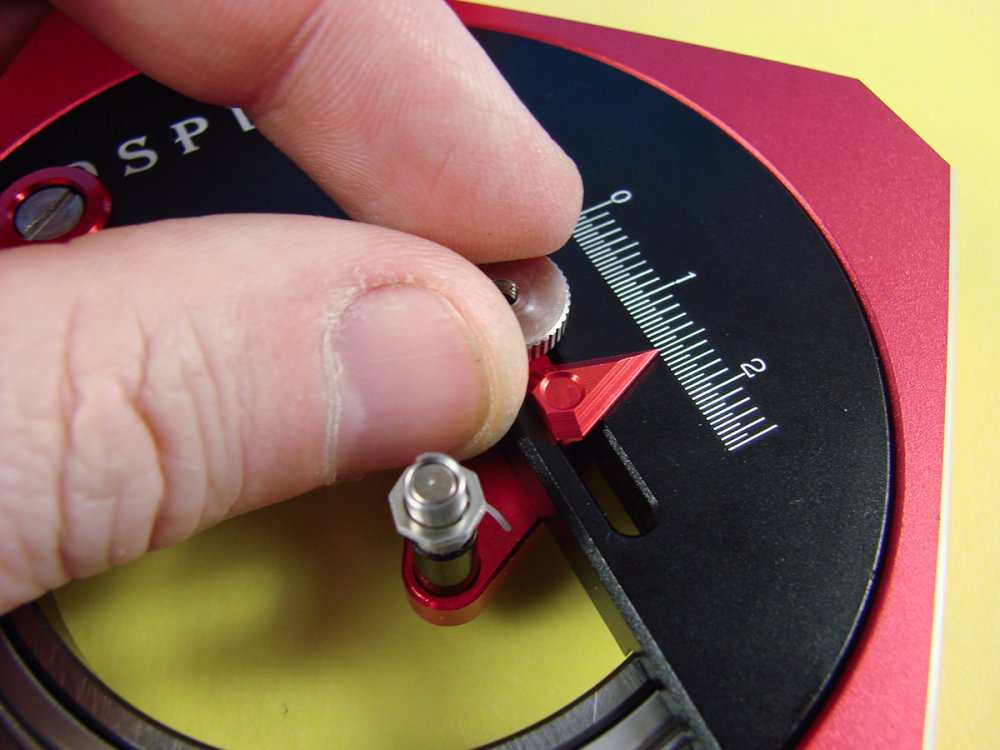
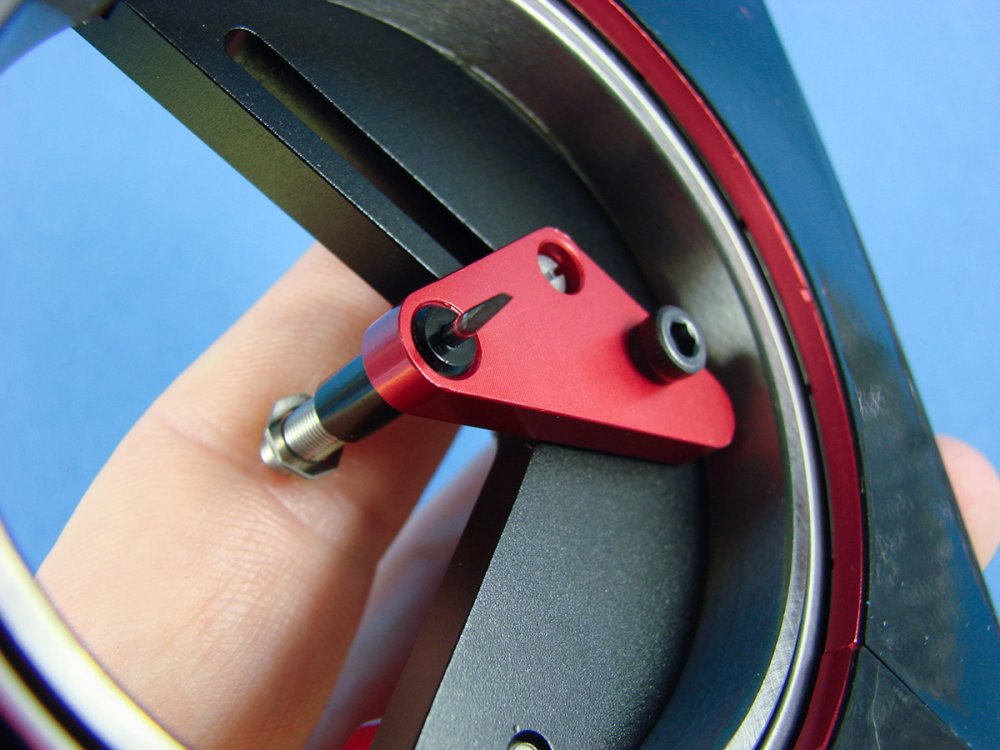
-
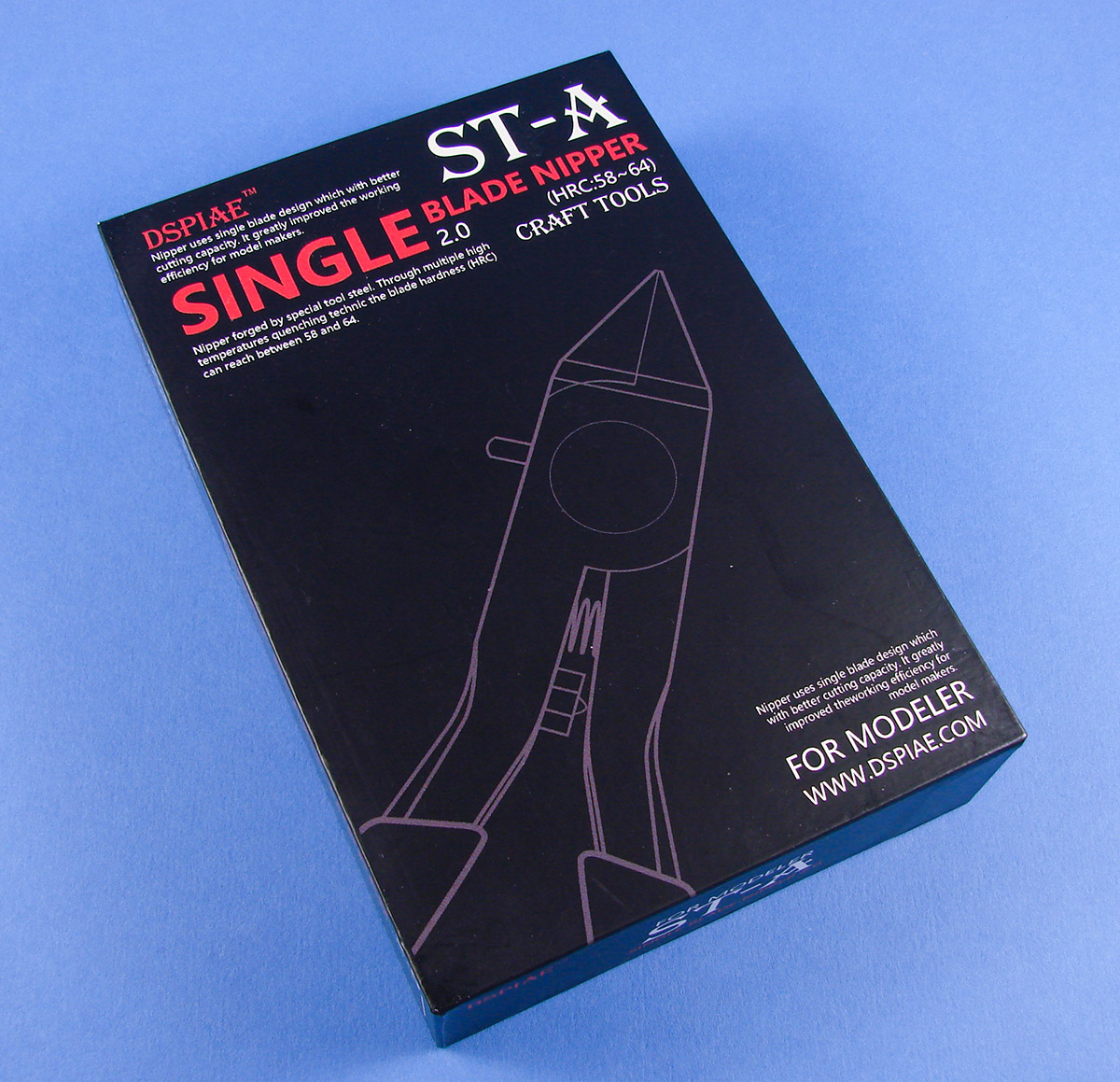
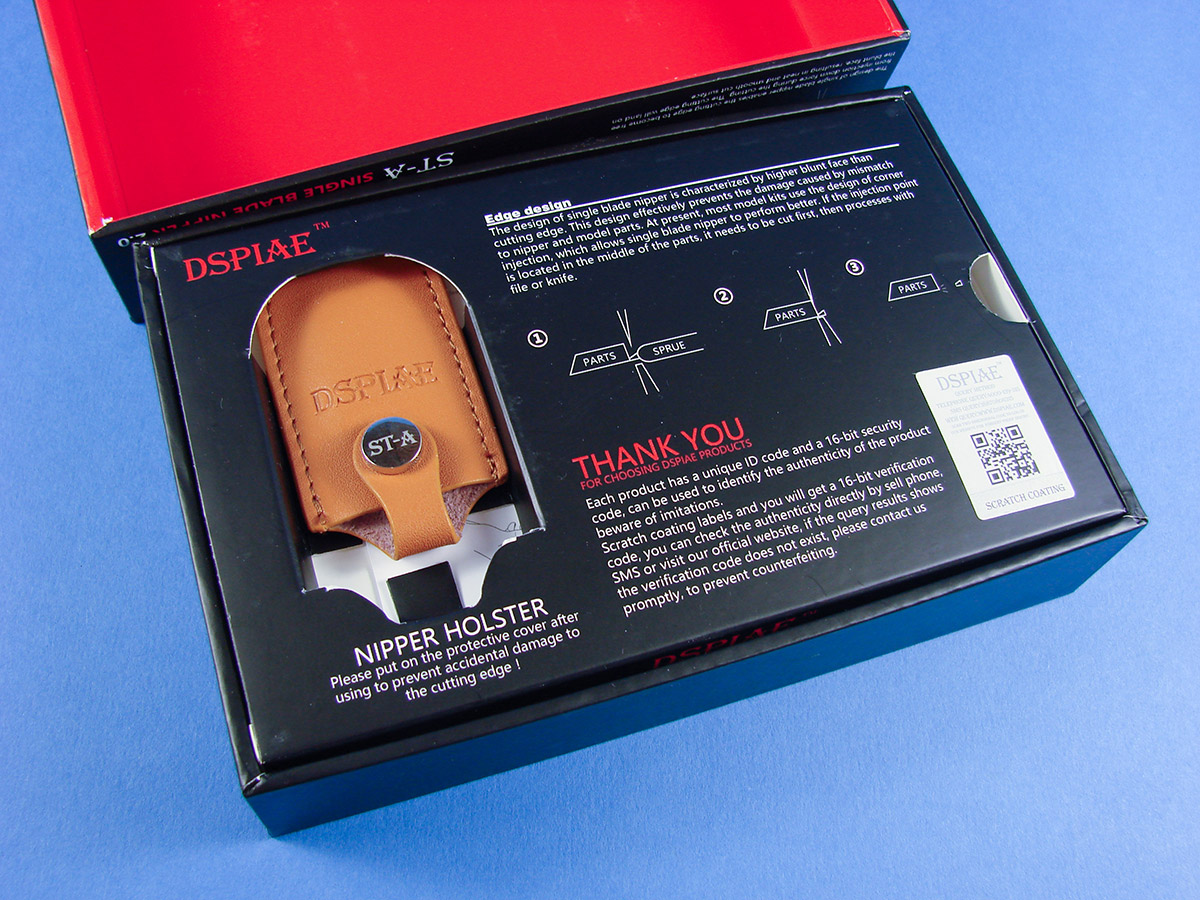
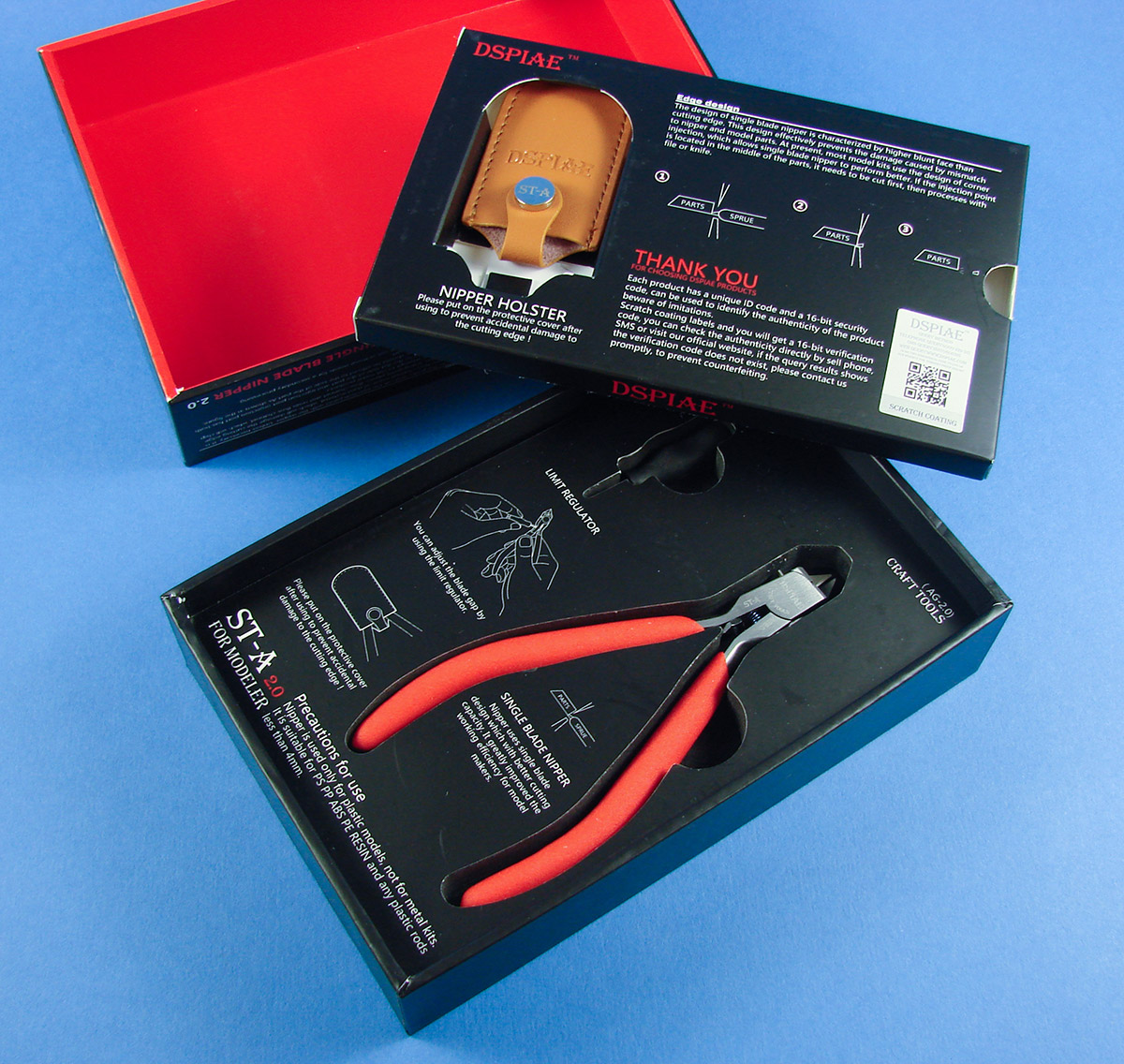
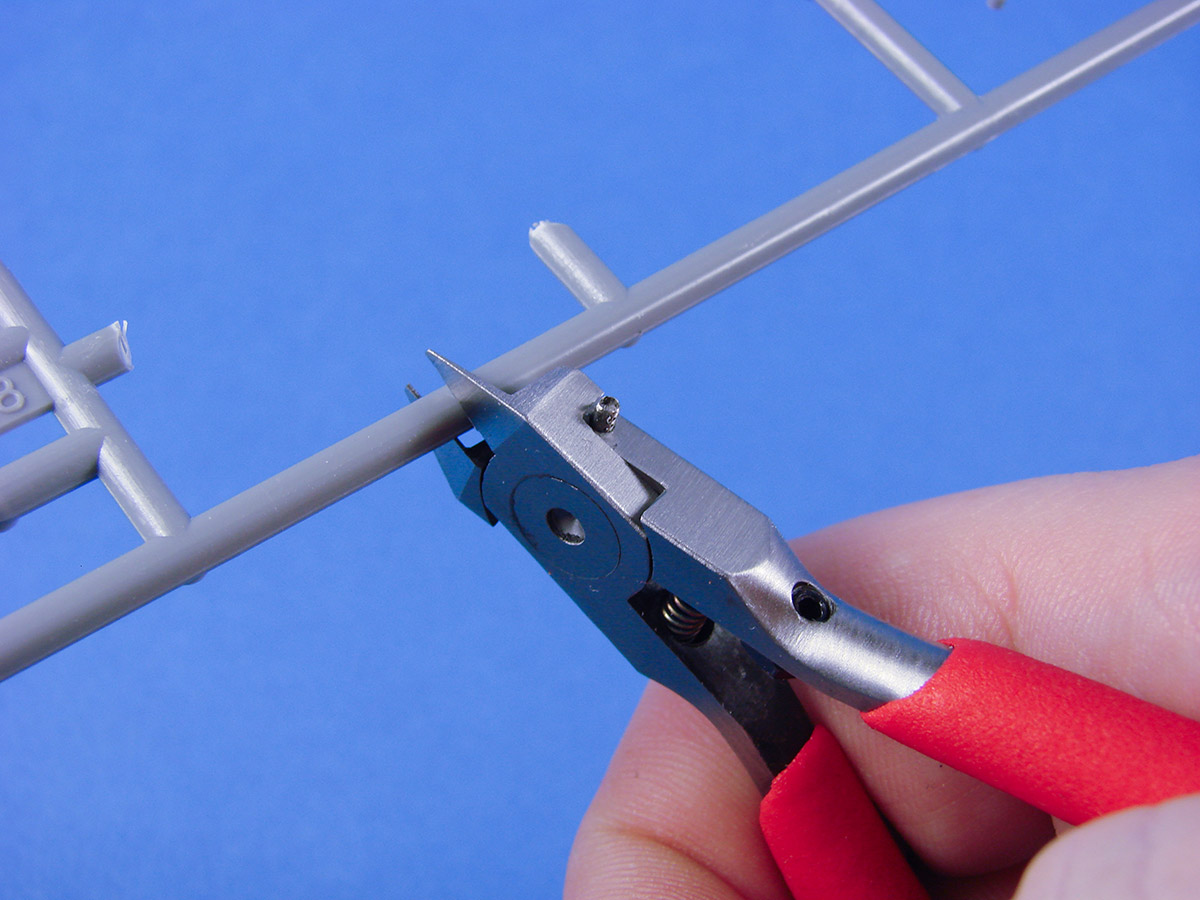
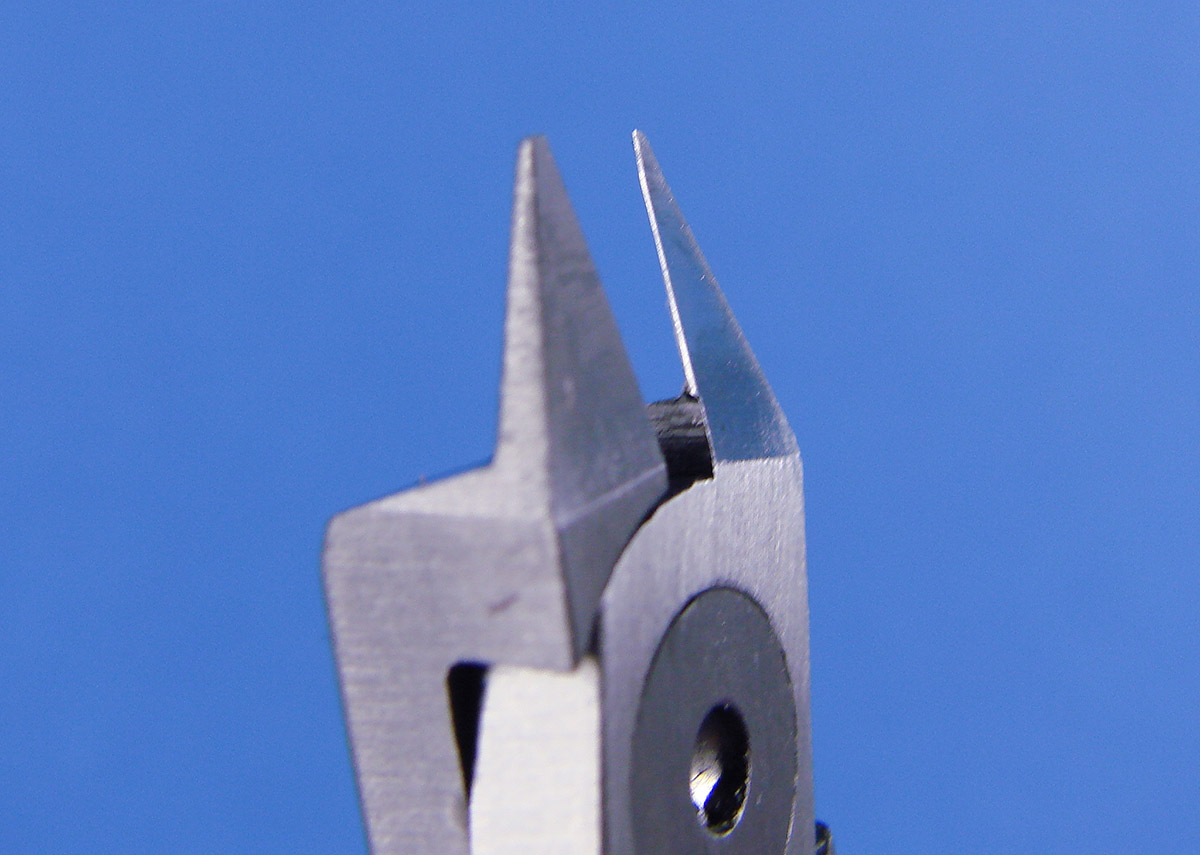
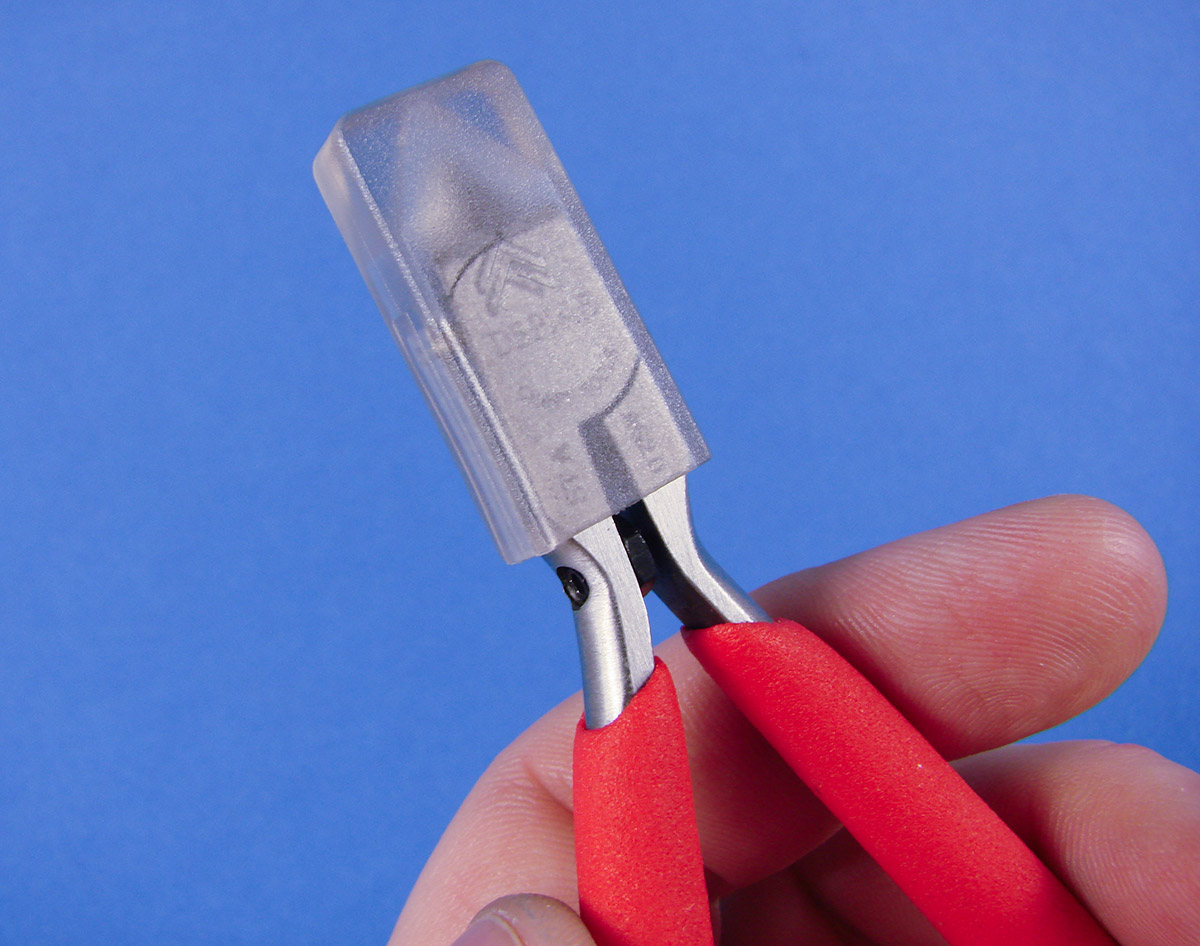
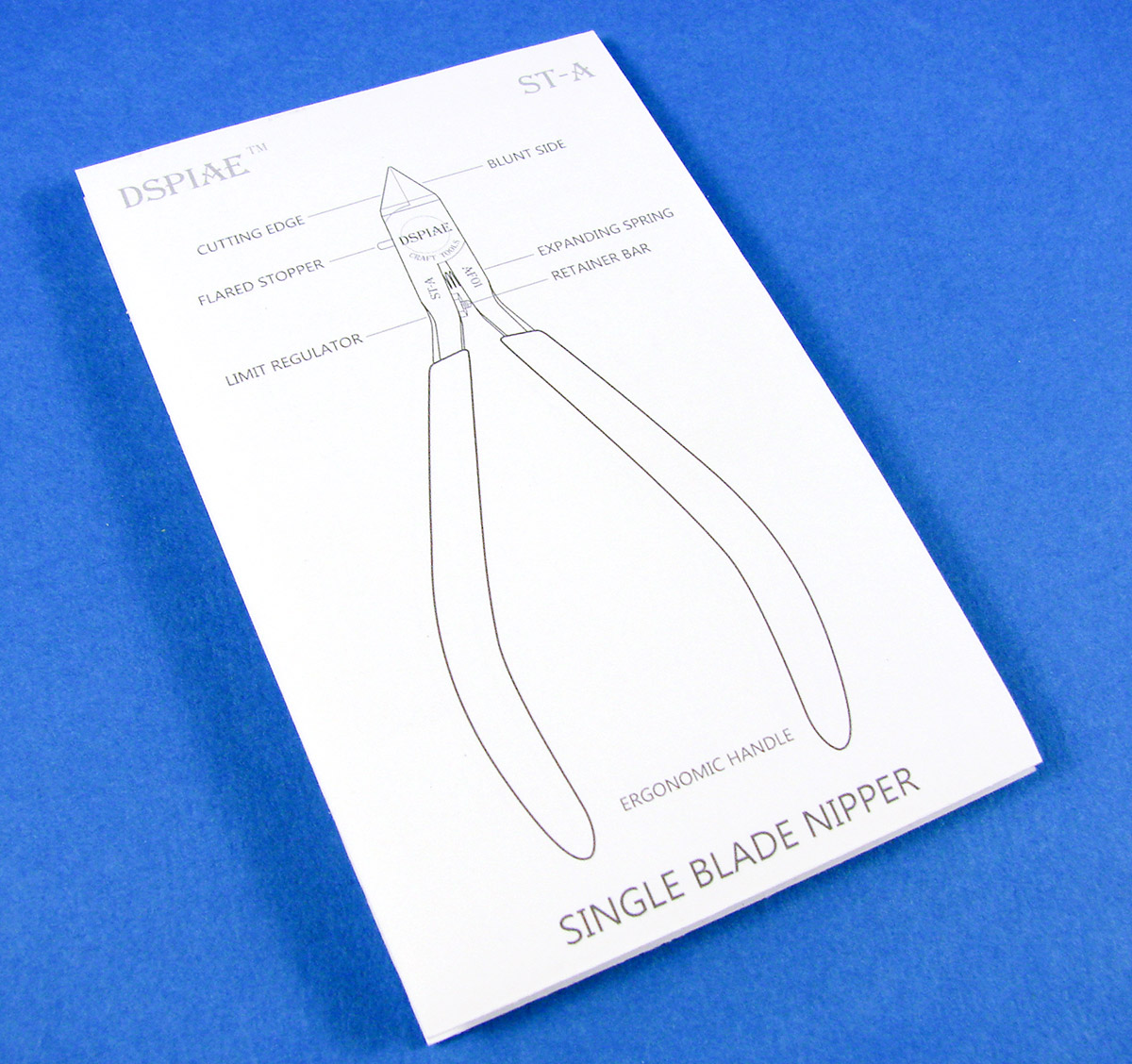
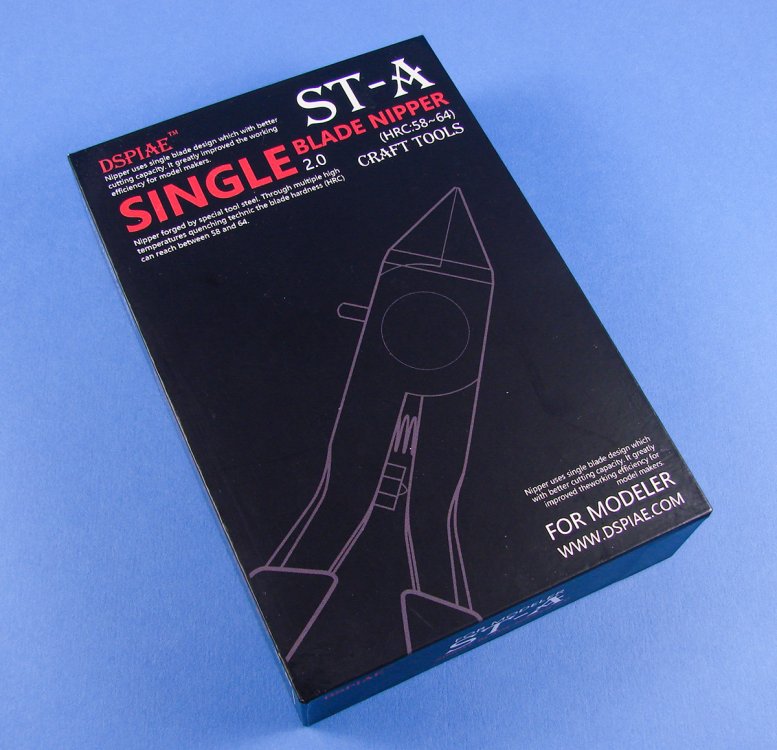
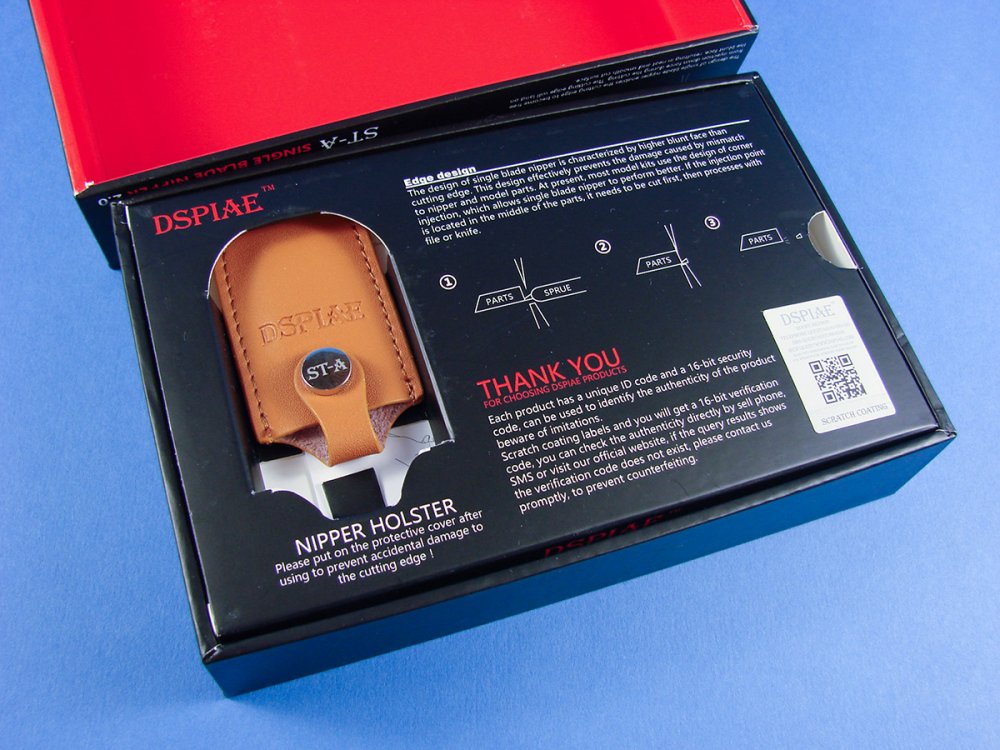
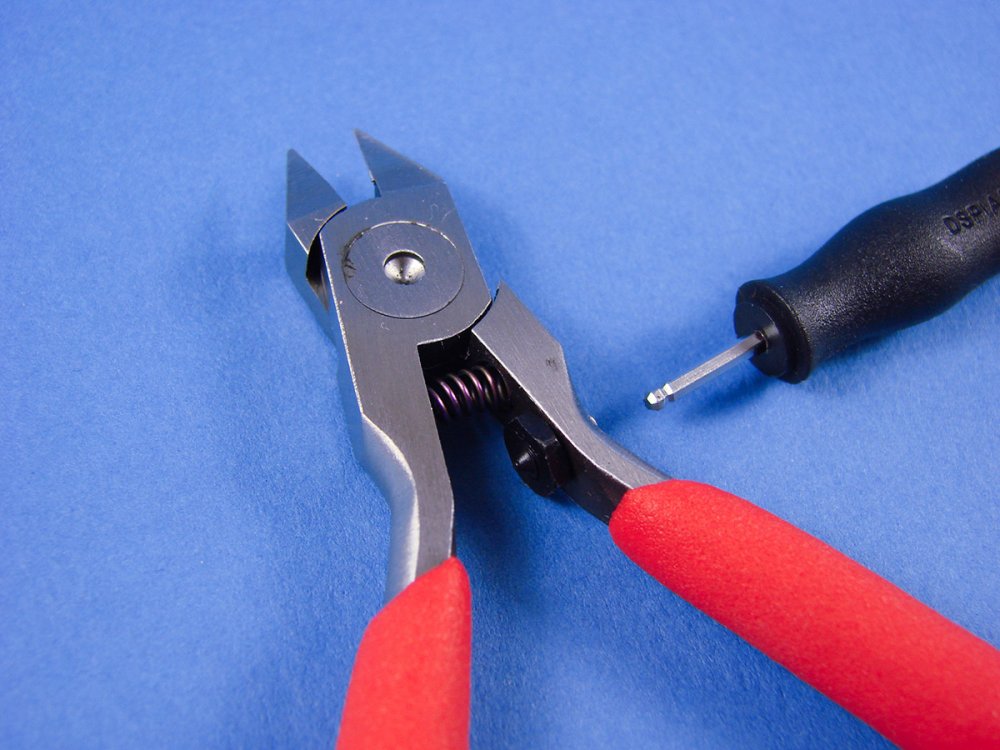
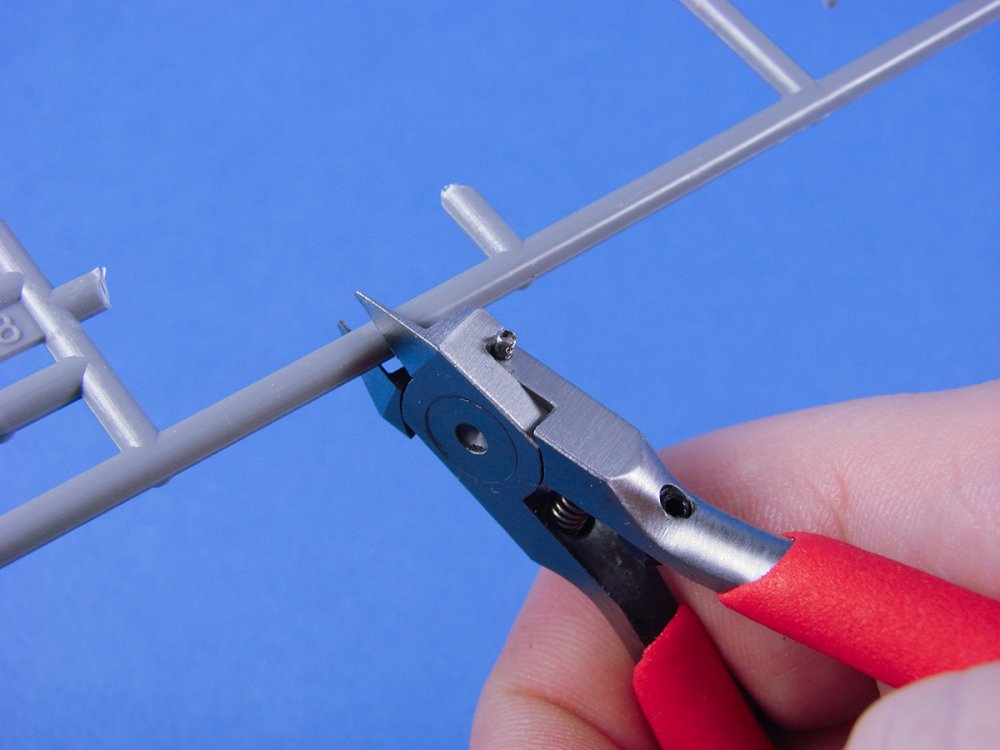
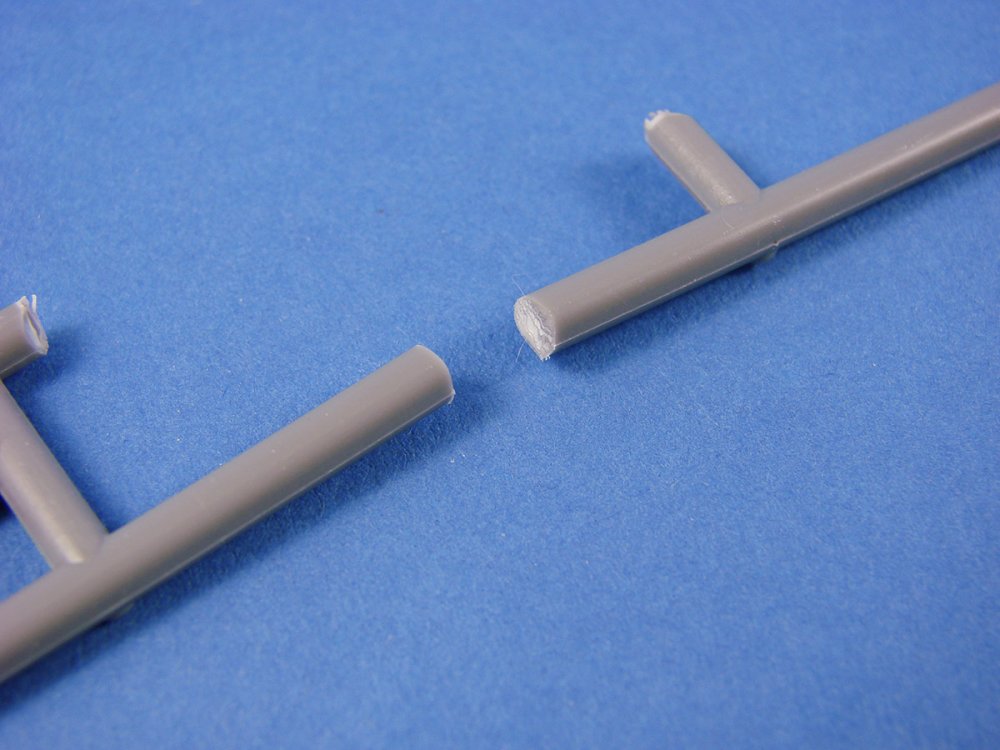
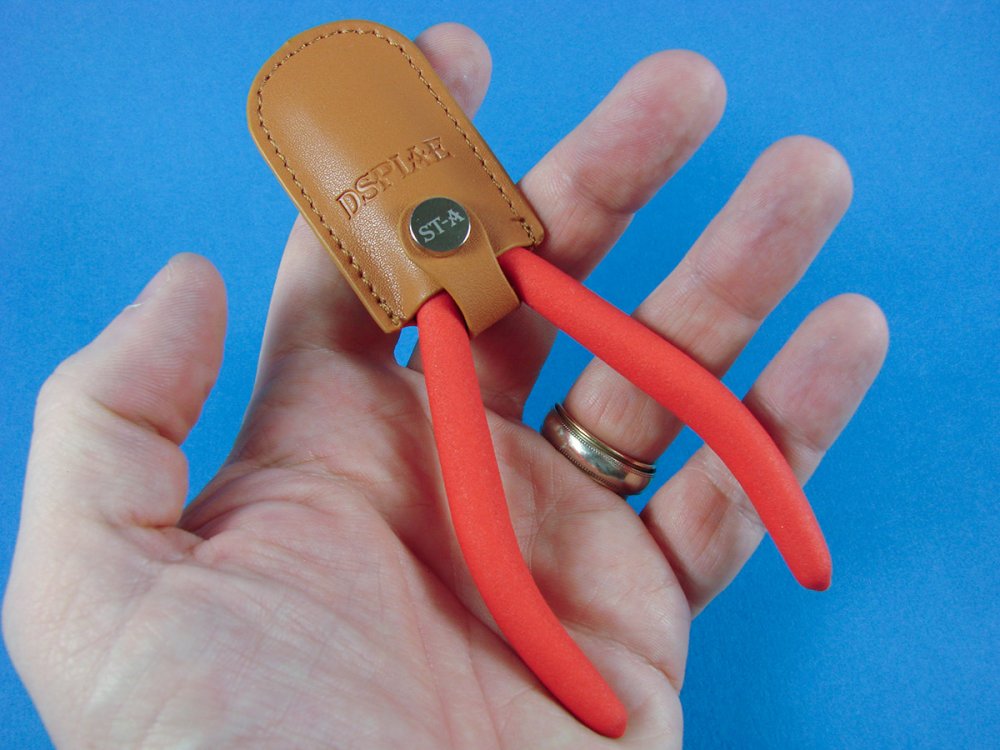
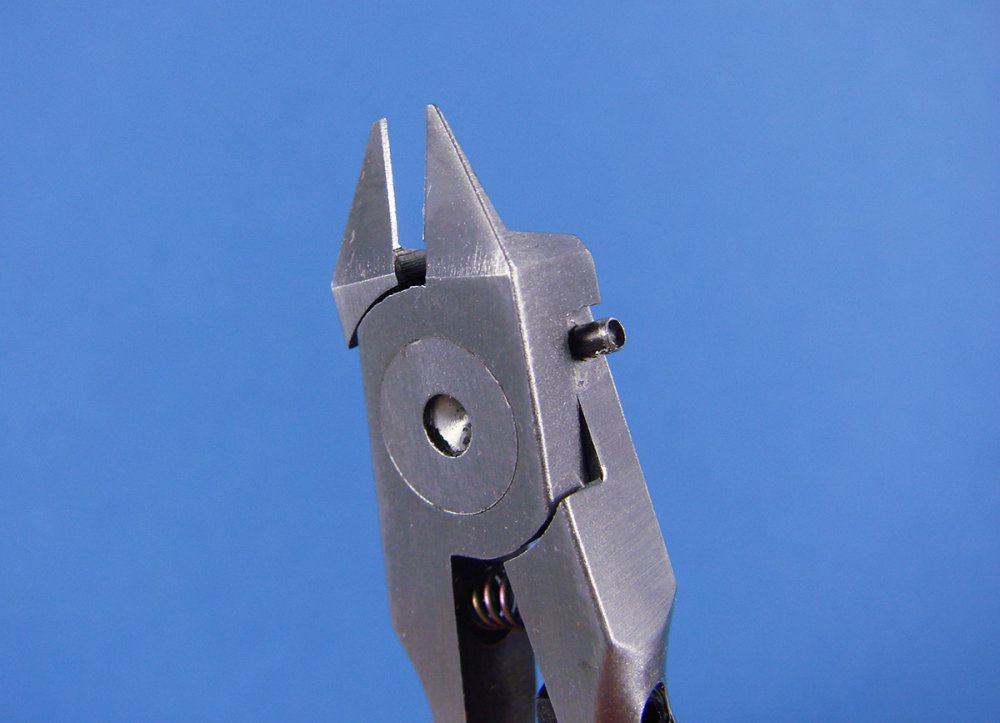
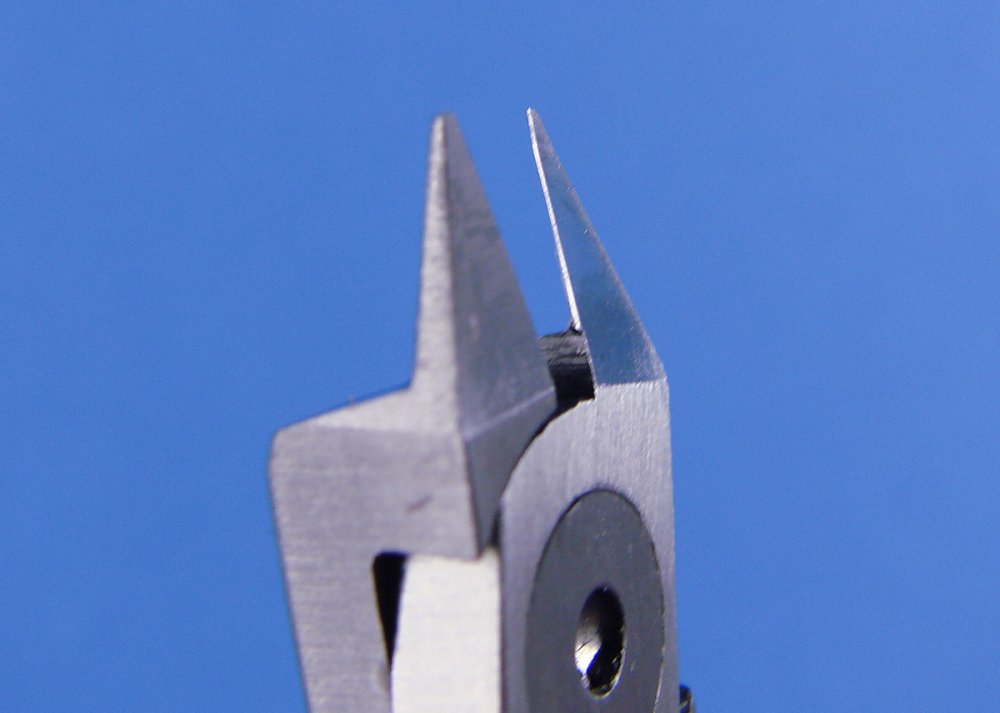
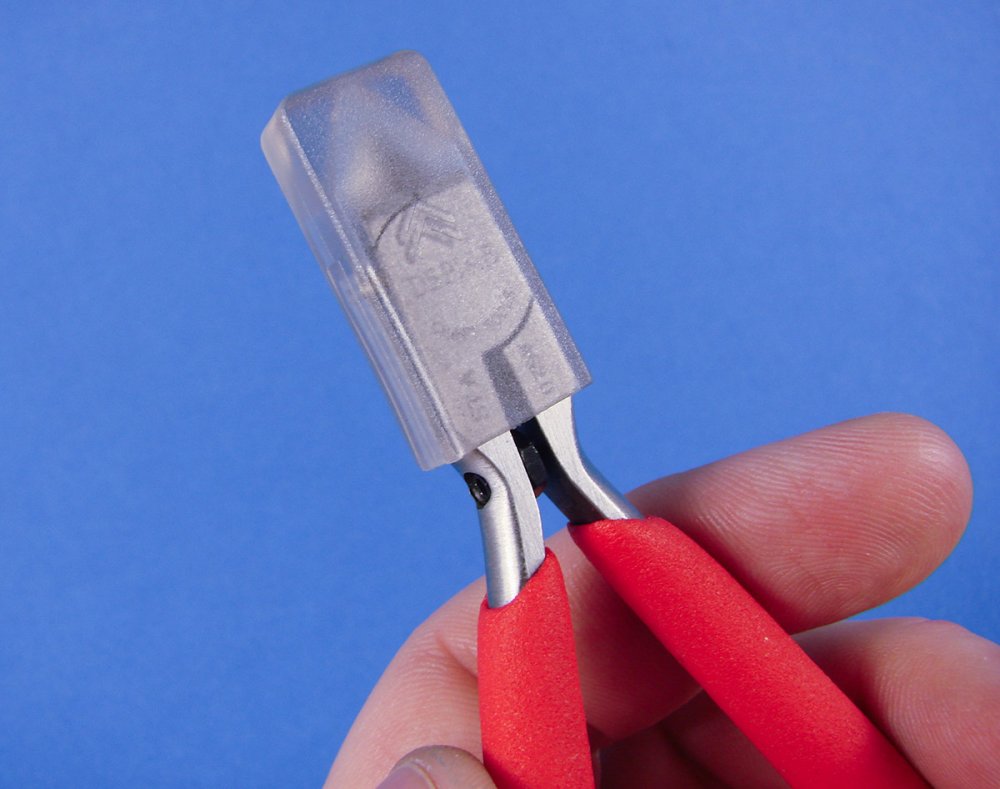
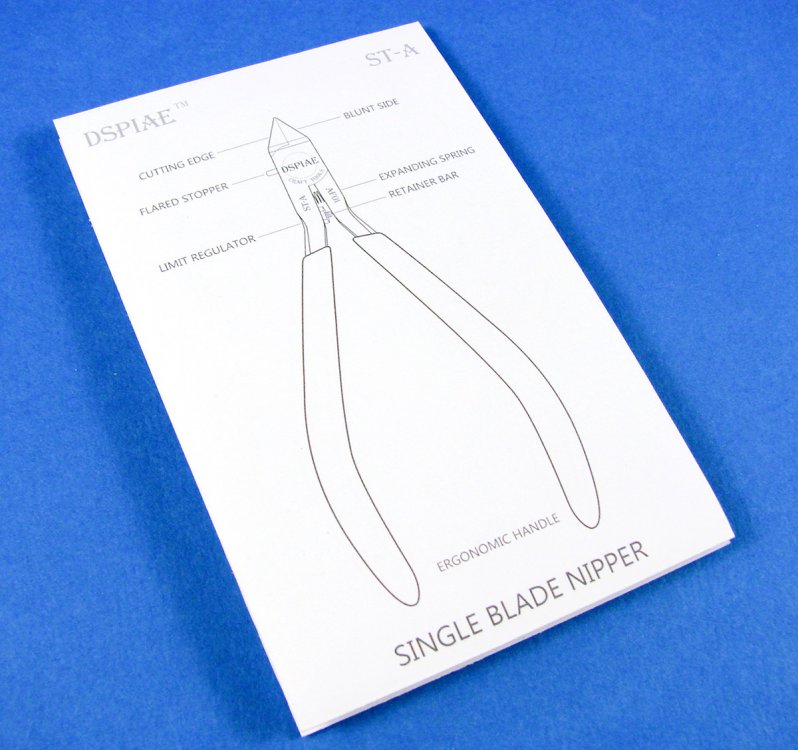
Single Blade Nipper 2.0 DSPIAE Catalogue # HRC58~64 Available from Breveco Modelling for €34,50 Without a doubt, my finest pair of cutters was a 80s pair of Lindstrom electronic side-cutters. These seemed to be built to last an entire lifetime, and their cutting edges, even after time trimming resistor and capacitor legs, were still like brand new. They weren’t cheap either. I remember in the 1990s, these were still around £70. Unfortunately, they now seem lost, and for a while now I’ve been using a Xuron sprue cutter. Very recently, Evert and Corien at Breveco Modelling, asked me if I would like to take the new DSPIAE Single Blade Nipper 2.0 for a spin. I’d heard good things about these in terms of quality and operation, so thought this was a perfect opportunity to lay the ghost of my old lost Lindstrom to rest. This tool comes in a box which I can only say is as good as anything Apple produce, and very reminiscent of the Beats headphones I recently got with my MacBook Pro. Construction of the packaging is hard-core, with an explosion-proof tray with a lid that holds itself almost through air suction! The attractive packaging has an outline drawing on the lid, and an ID number on the side, to indicate this is a genuine DSPIAE tool. When you lift the lid, the first thing you see is a removable tray that contains a holster for the tool. This appears to be leather, or something similar, and it’s embossed with the company name. An explanation is also given for the design of the tool, having only a single blade. More on that soon. This tray also contains an inventory that says there is a cleaning cloth in the packet, although I can’t see one in mine. Also in this tray is a plastic cap for the cutter, presumably in case you don’t use the leather holster. Removing this tray reveals the tool itself, sat neatly into a foam cut-out, plus an adjustment tool. The tool is there so you can a small limit regulator that prevents the user from forcing the cutting edge and cutting face together too hard, and possibly lessening the life of the tool. This is adjusted by holding the tool to the light, and setting the screw so that the blade and face only just come together. One thing that hits you is that the spring on these isn’t particularly high tension, meaning that little force is needed to close the cutter and cut plastic. The handles are also very ergonomic and extremely comfortable to handle, unlike the square appearance of my old Lindstrom tool. As for the cutter part, only one blade is present, and this is super sharp. The opposing face, instead of being another blade, is simply a flat, stopper surface. To test, I cut plastic from various manufacturers. These were Zoukei-mura, Eduard, Hasegawa and Tamiya, and what I found with all of them was an almost zero-resistance result during cutting, even with the low tension spring. Generally, you could barely tell you were cutting through any plastic, and that includes some of the thicker sprue plastic. Removing individual parts, from fuselage halves, down to small detail parts, was less than effortless. Quite remarkable. The cuts themselves are very neat, with no crushing, and if you look at the cut sprue image, you’ll see that both faces are practically vertical, almost as if separated with a razor saw. Of course, you need a clean cut, and this is exactly what this tool delivers. Conclusion You can probably tell that I’m very impressed with these. In fact, I’d say these are the most precise cutters I’ve used in 40yrs of modelling, and it’s actually a total pleasure to use and handle them. If you are doing a lot of parts removal, it could well be worth investing a little time during each session to ensure that the limit regulator is still set correctly so that you can’t force the cutting edges together too hard. I really can’t praise this useful tool highly enough. It really is superb. Very highly recommended My sincere thanks to Breveco Modelling for the opportunity to road-test this cutter. To purchase directly, click THIS link.

-
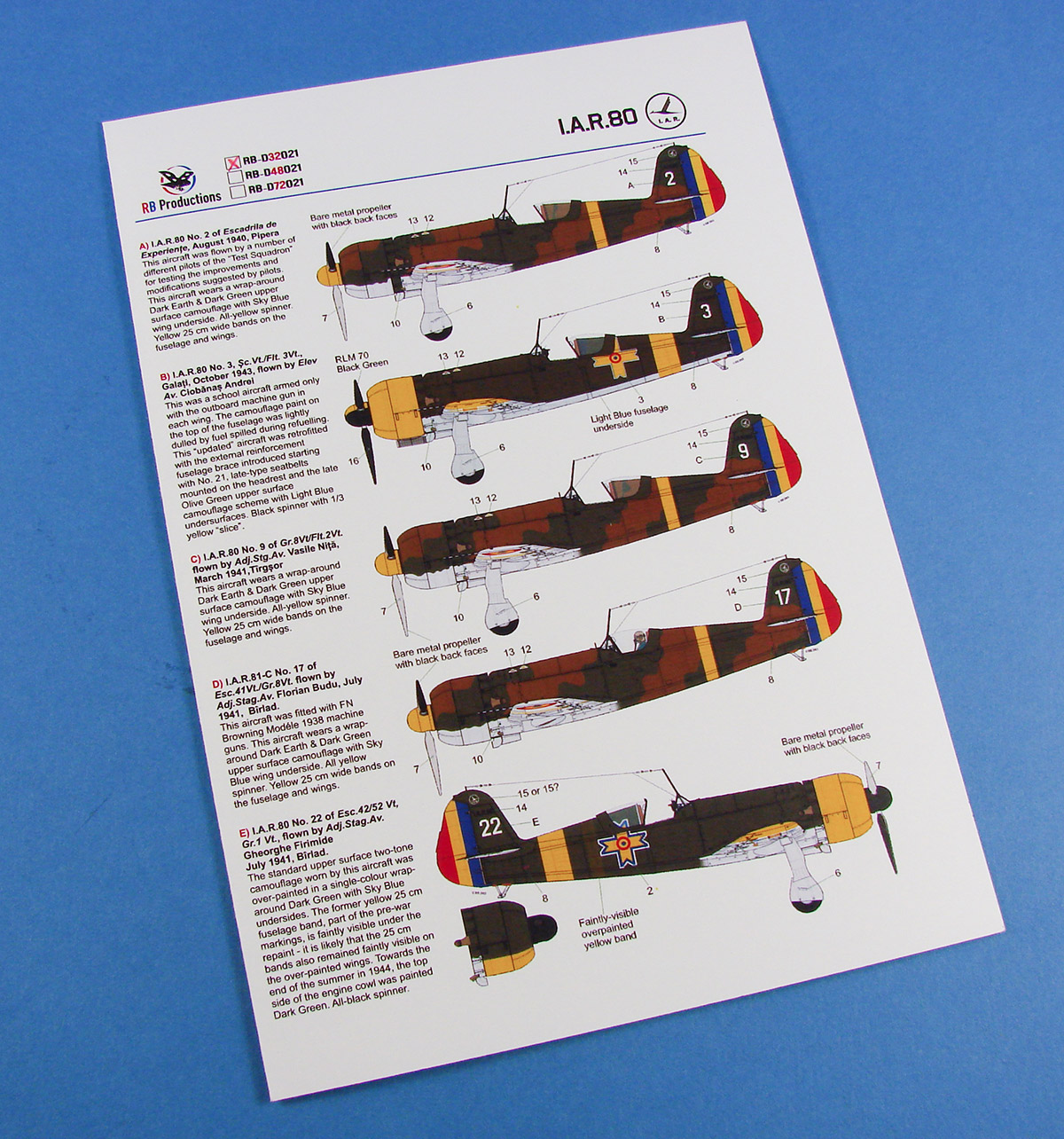
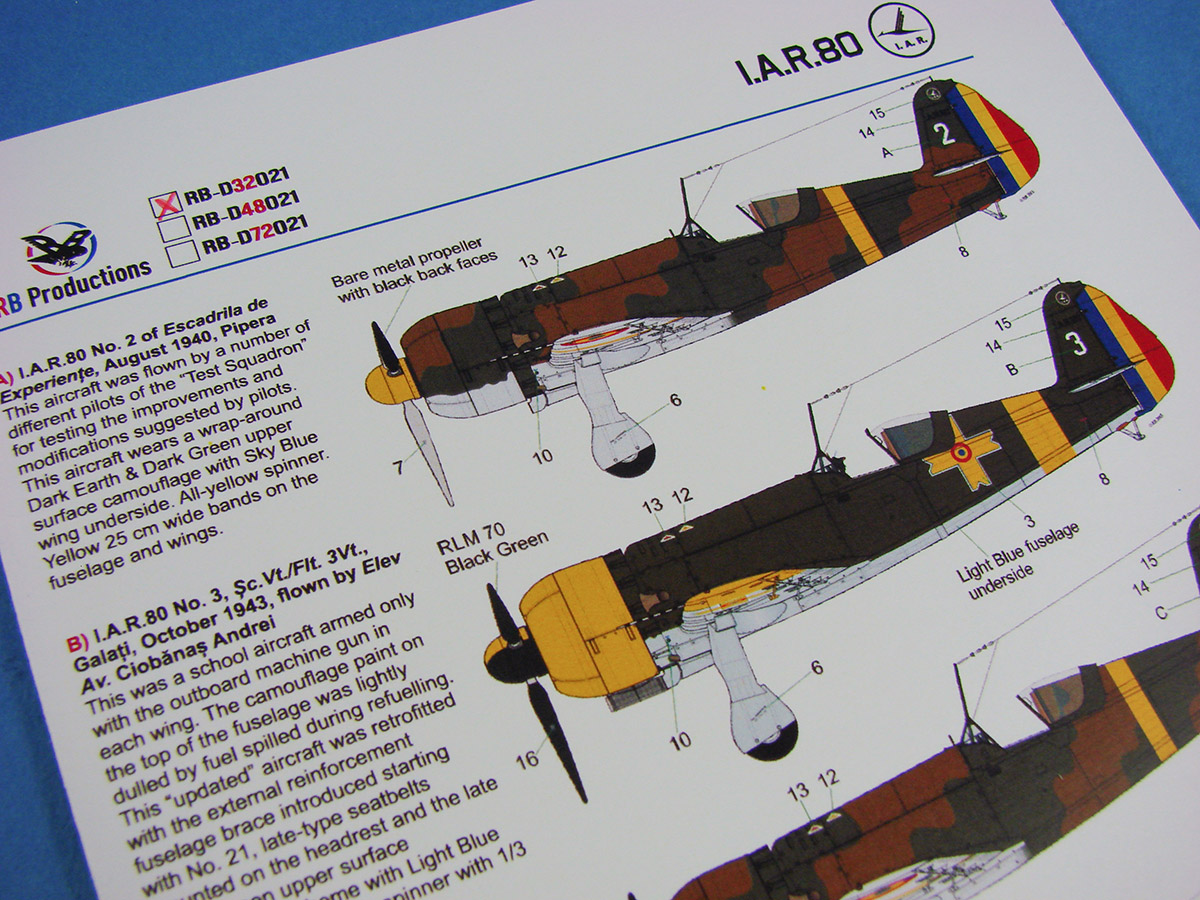
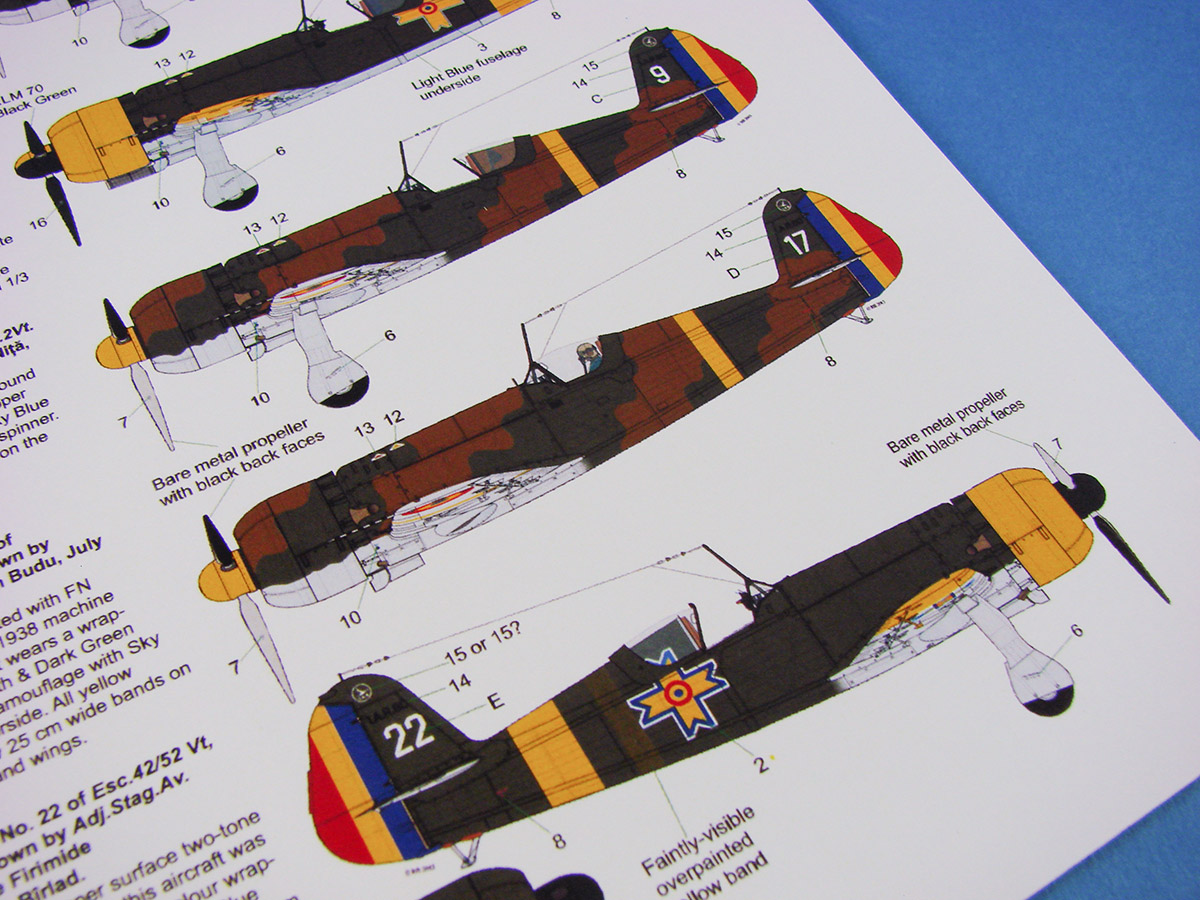
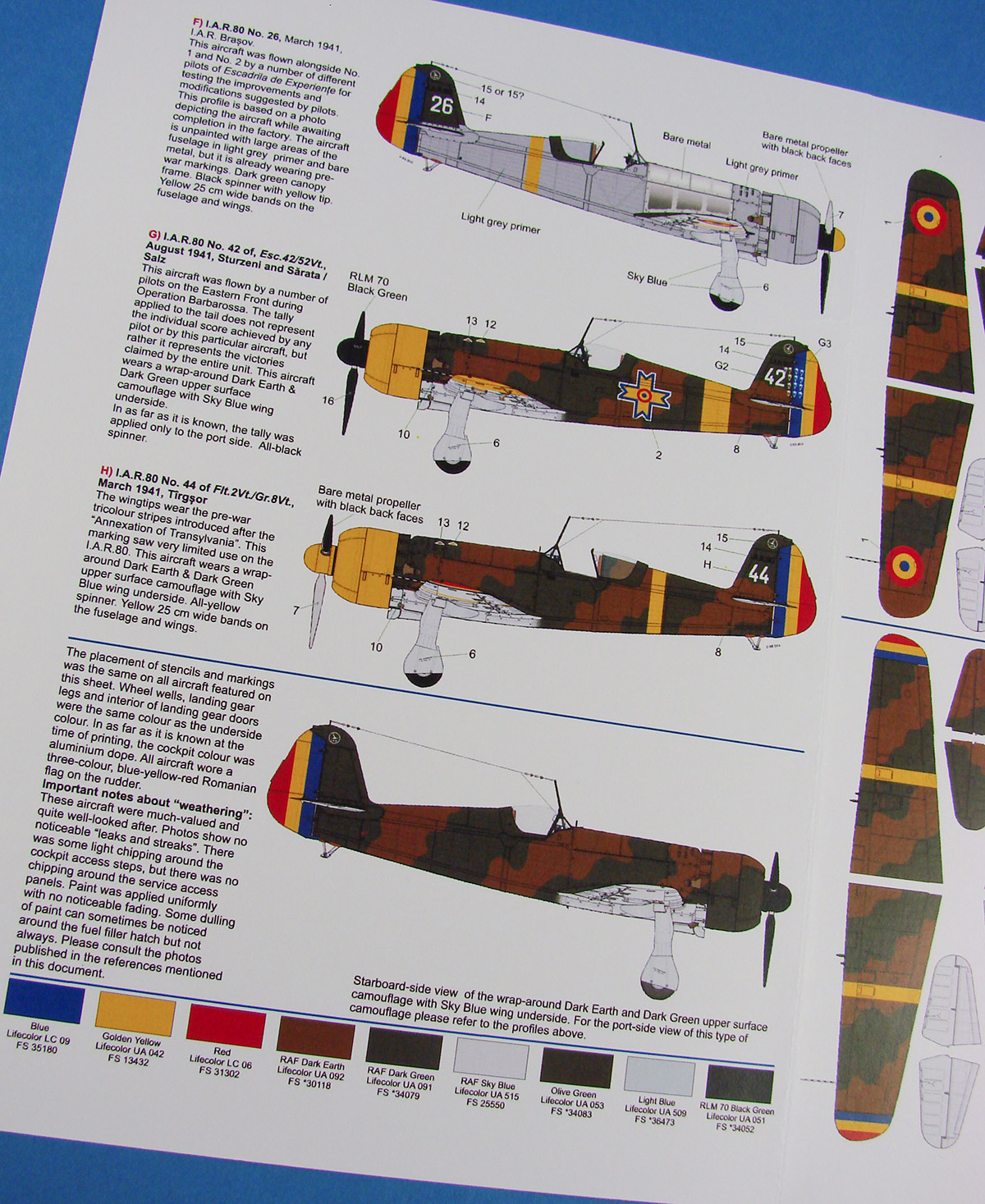
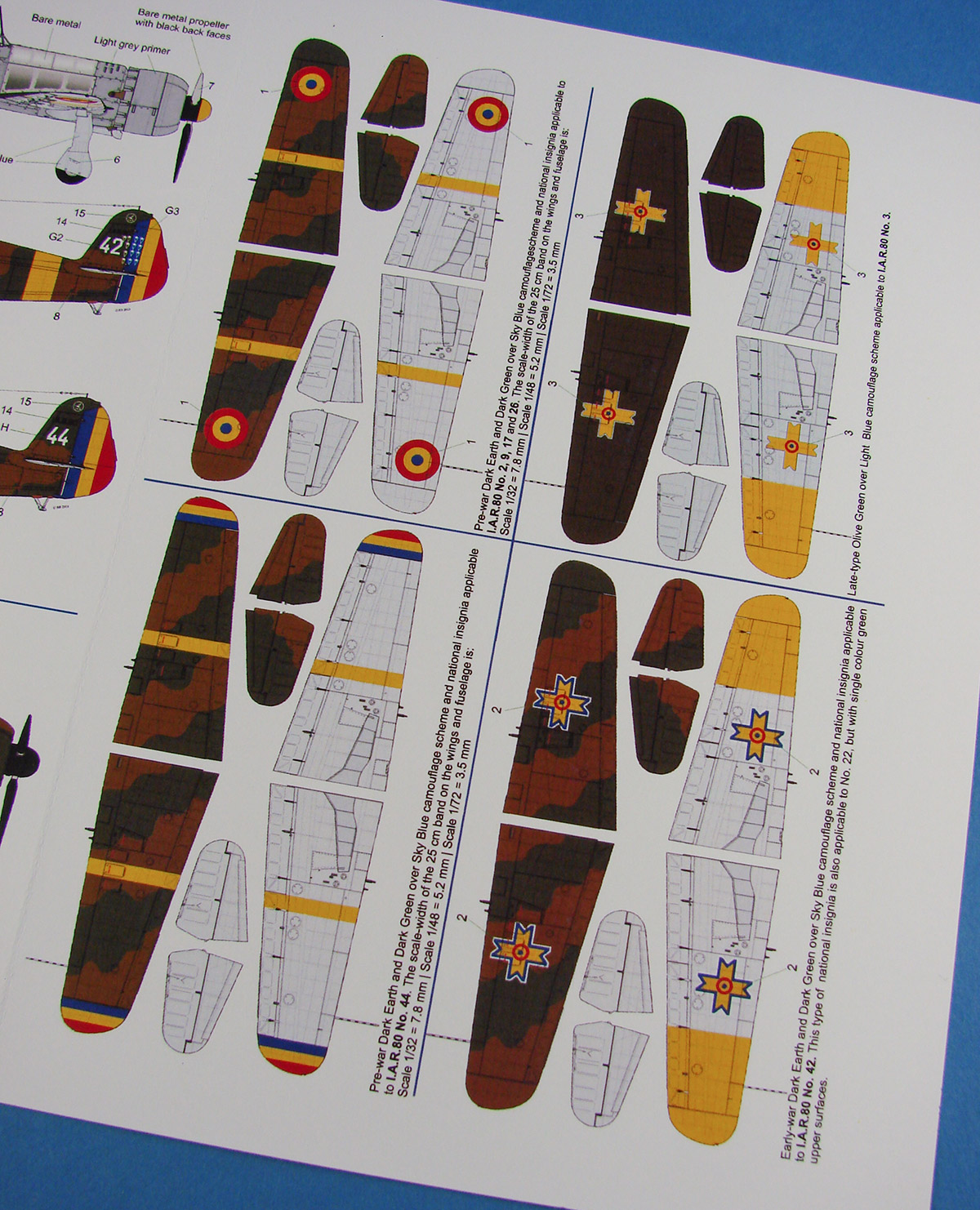
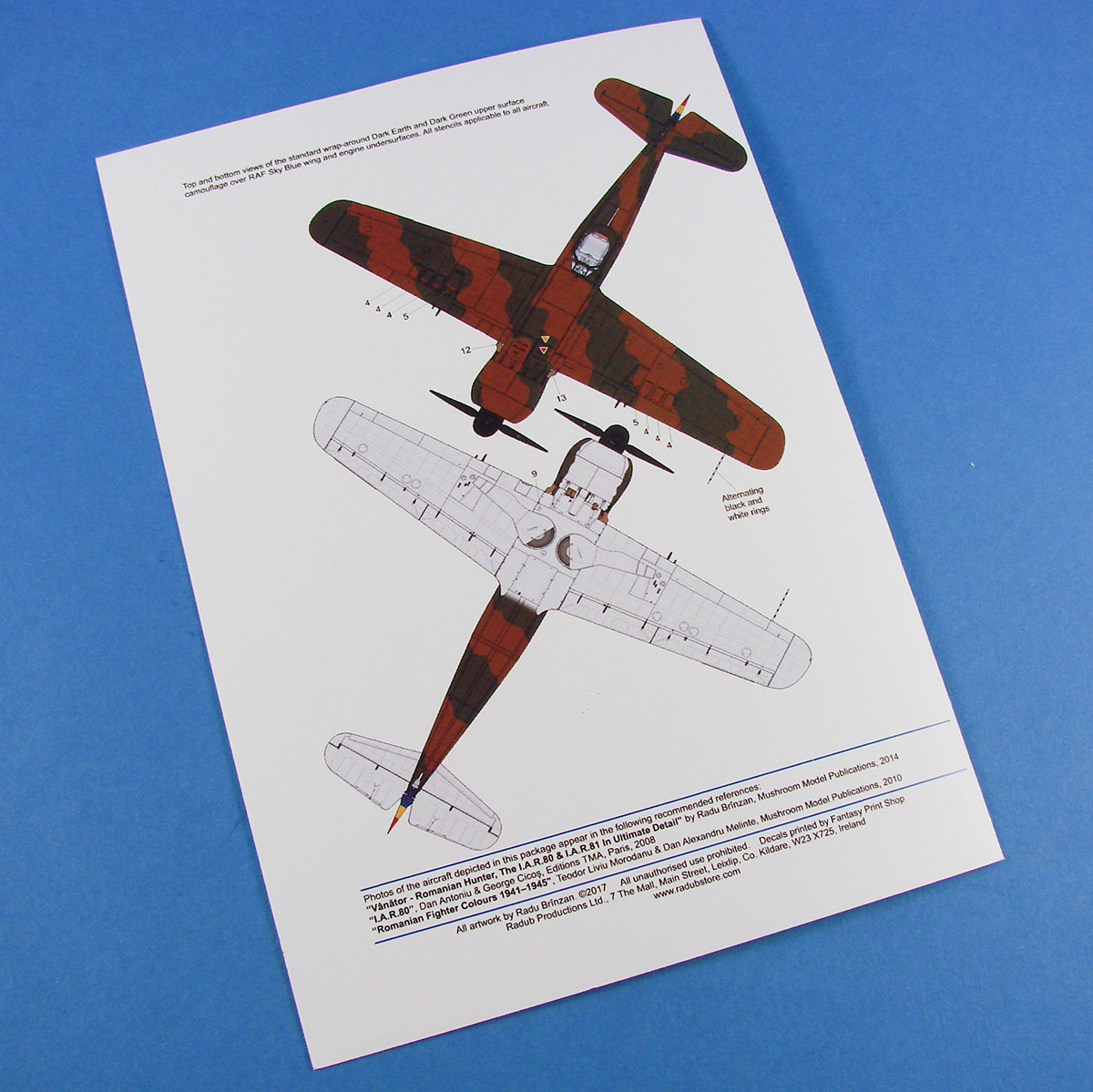
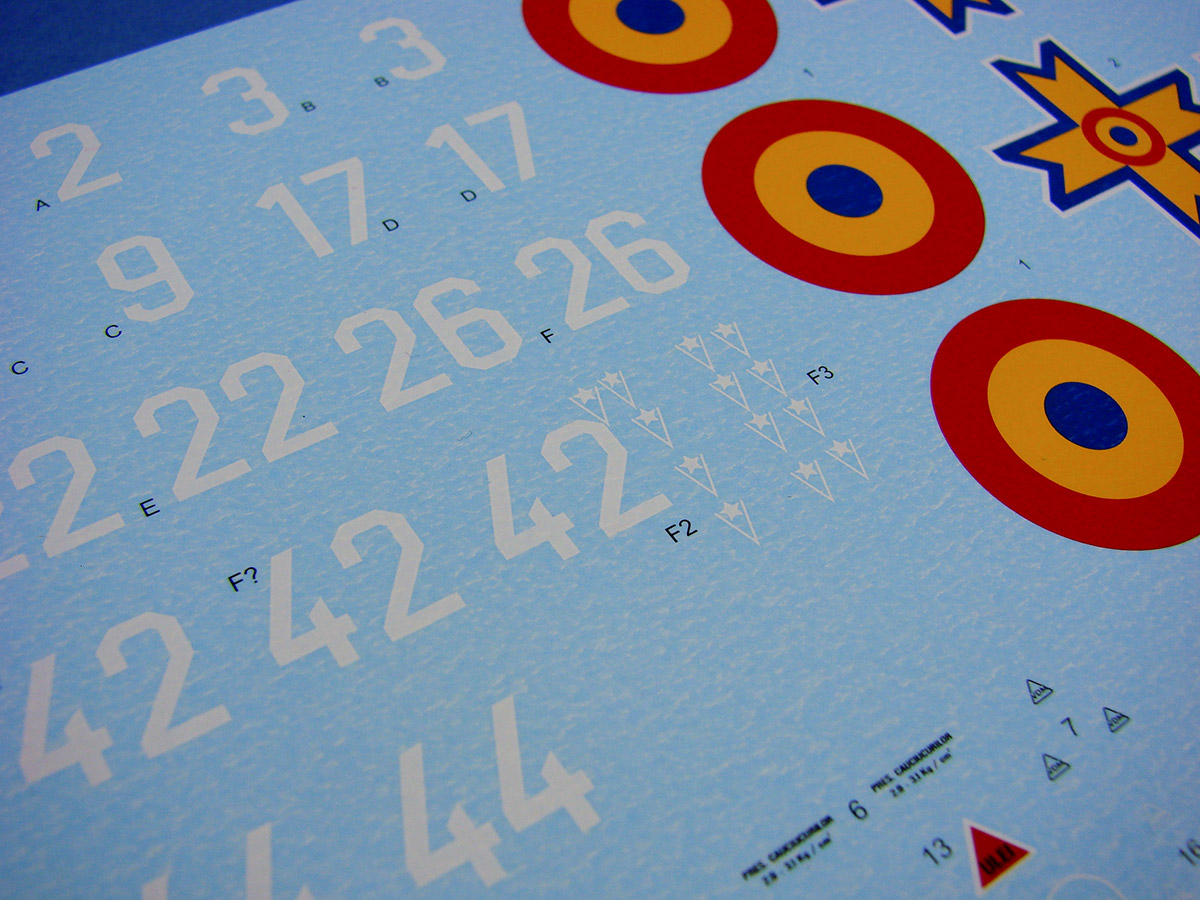
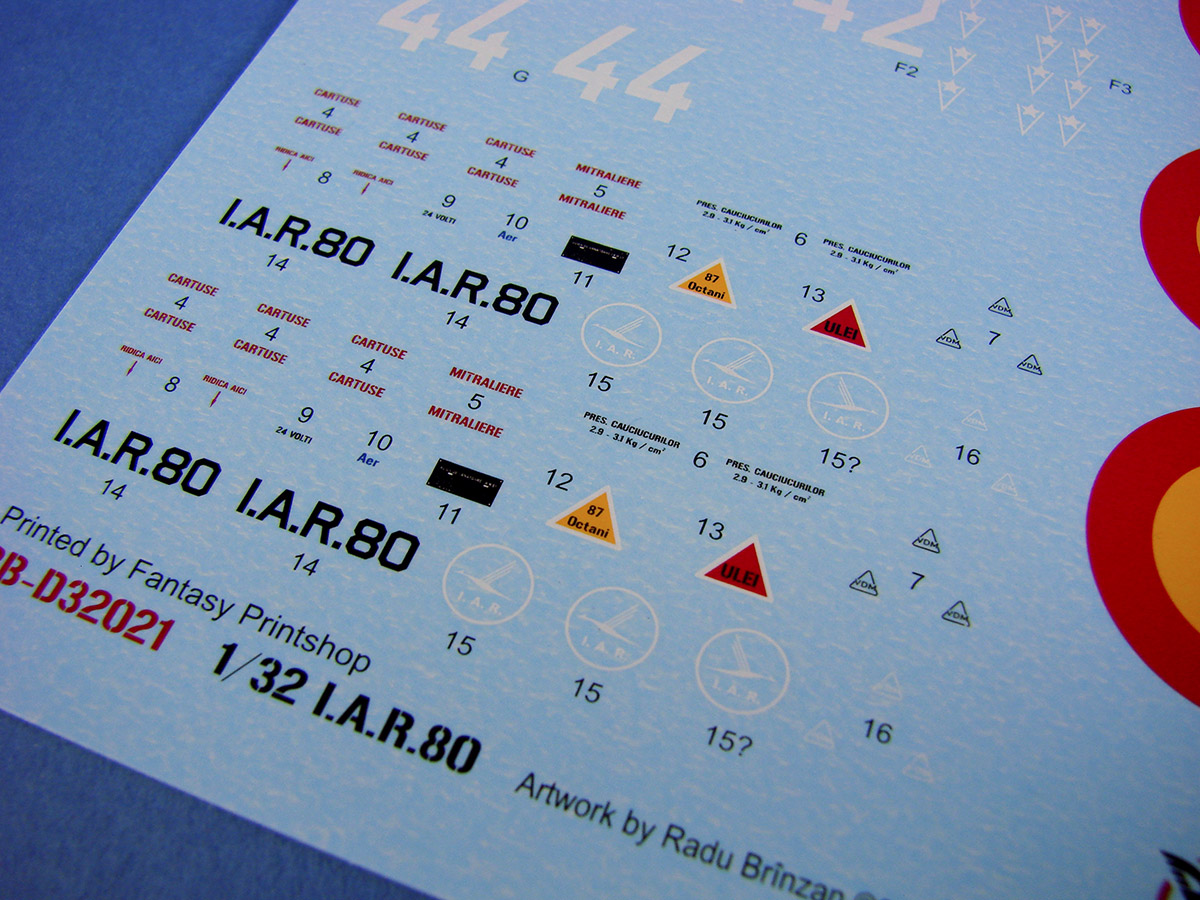
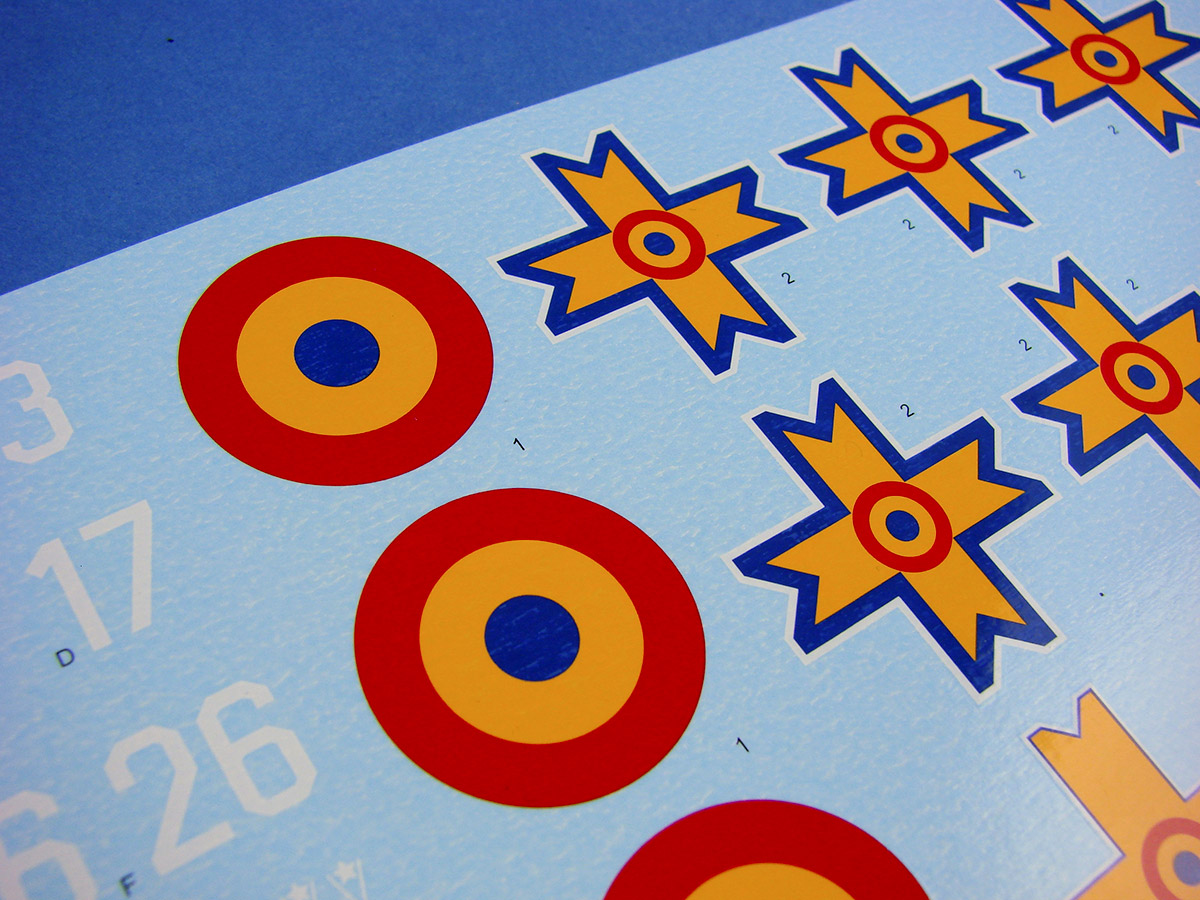
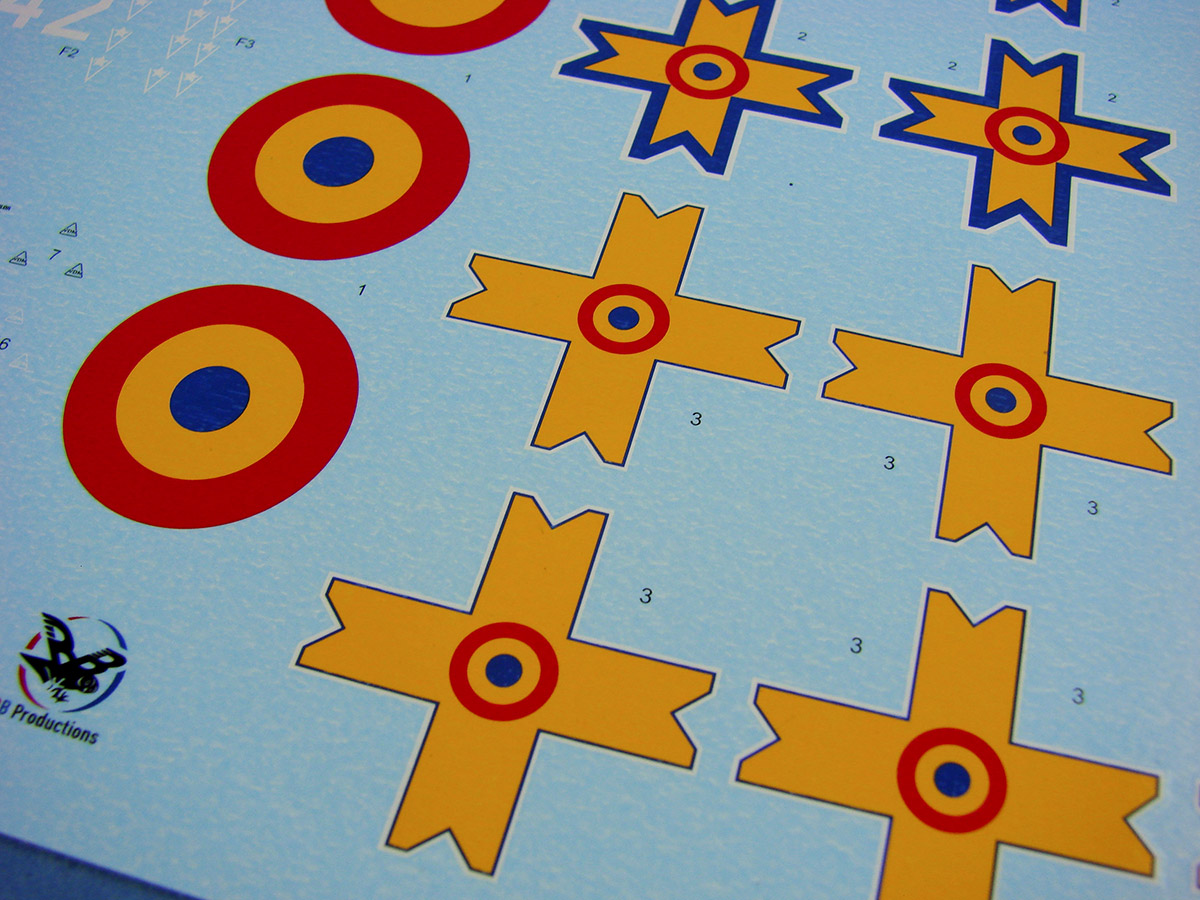
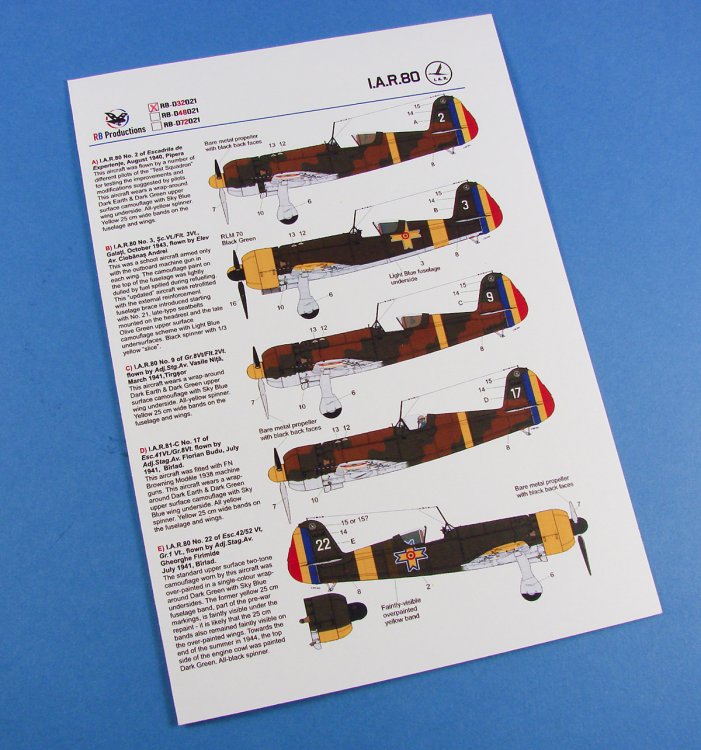
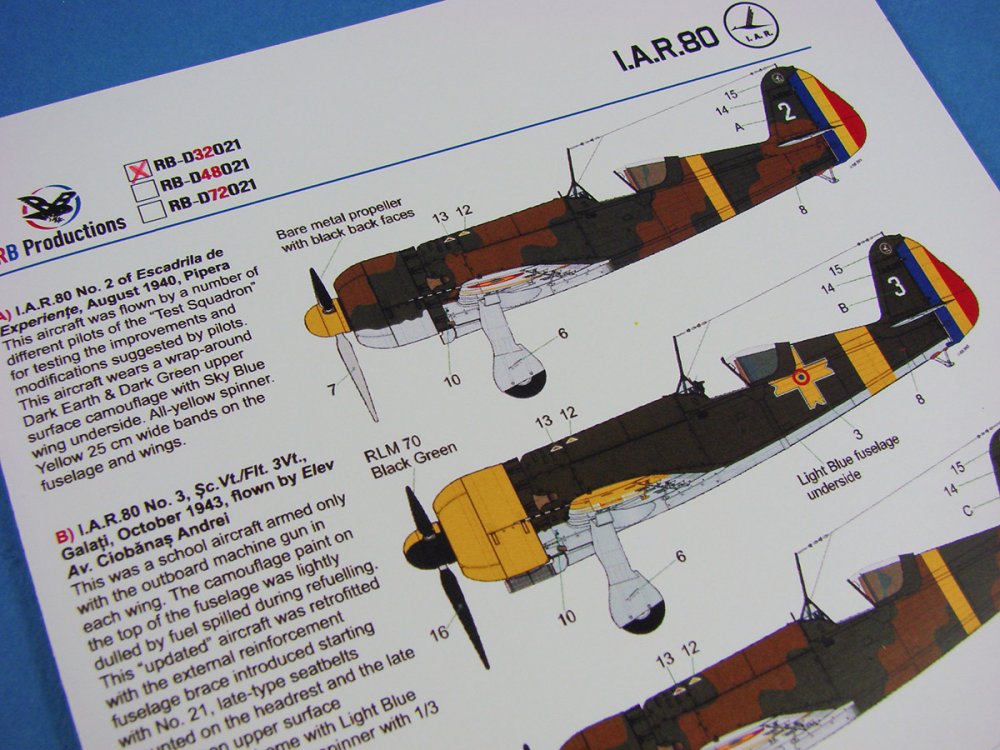
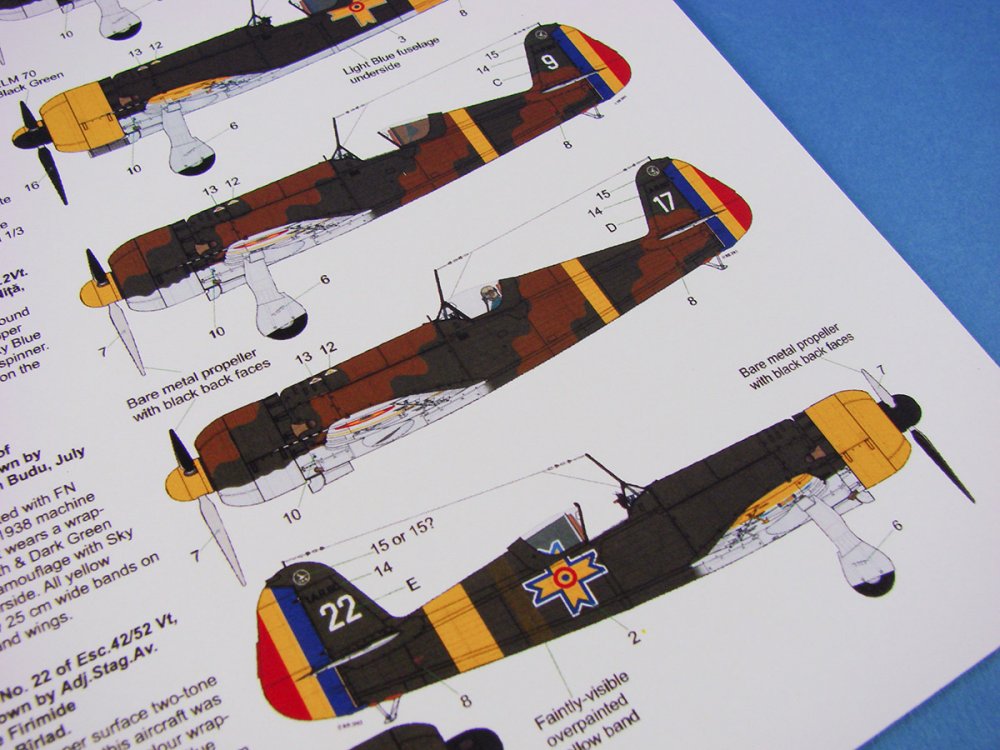
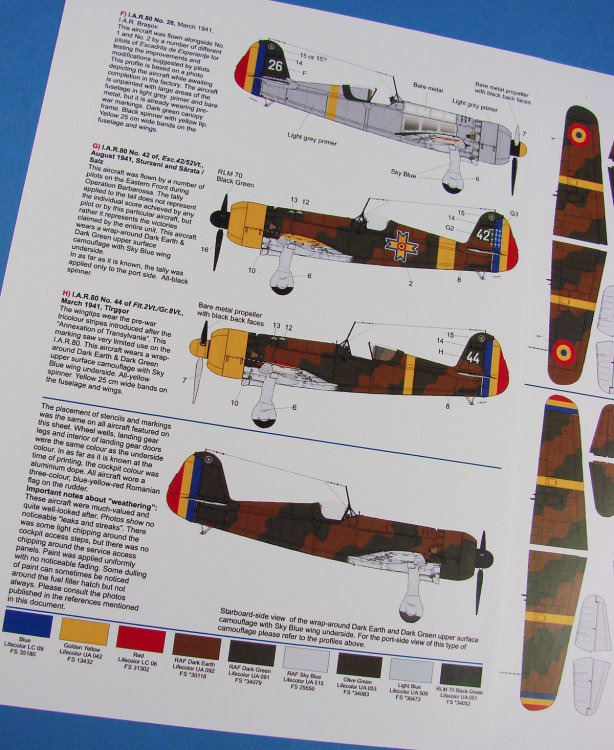
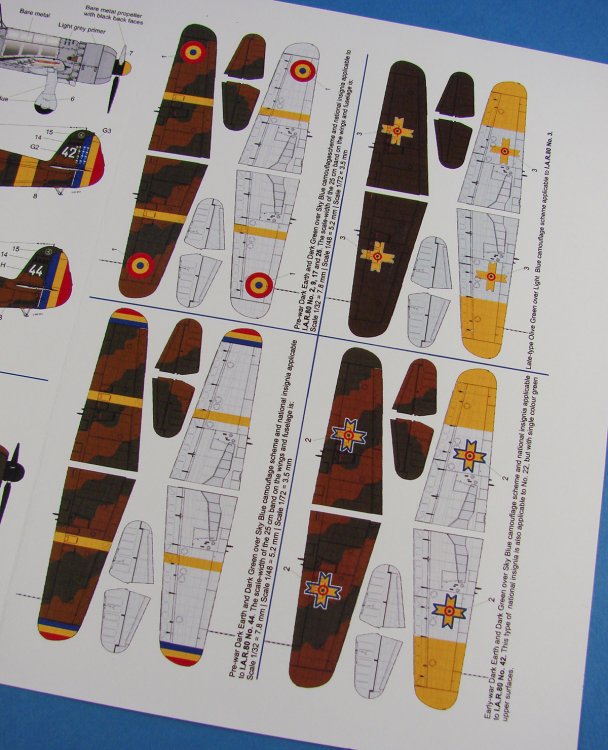
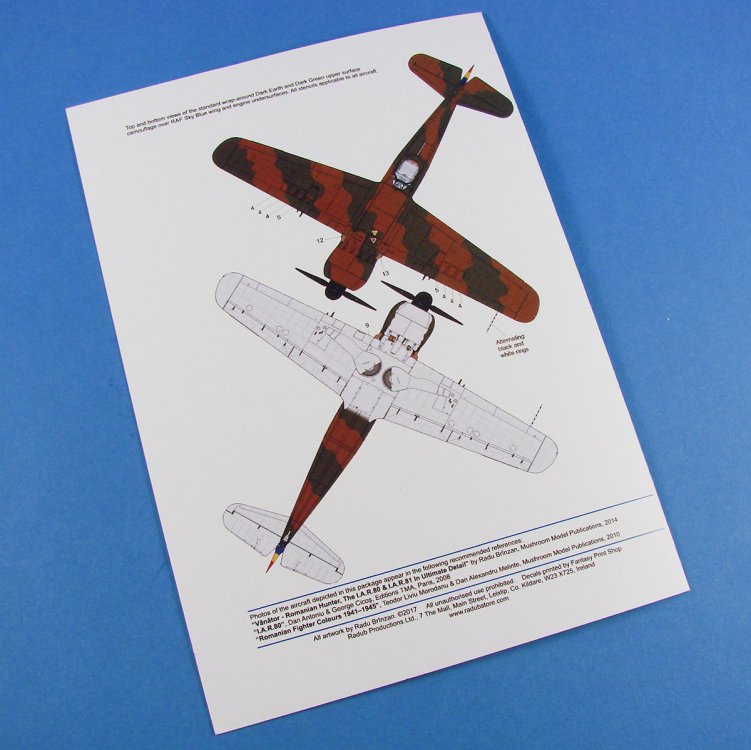
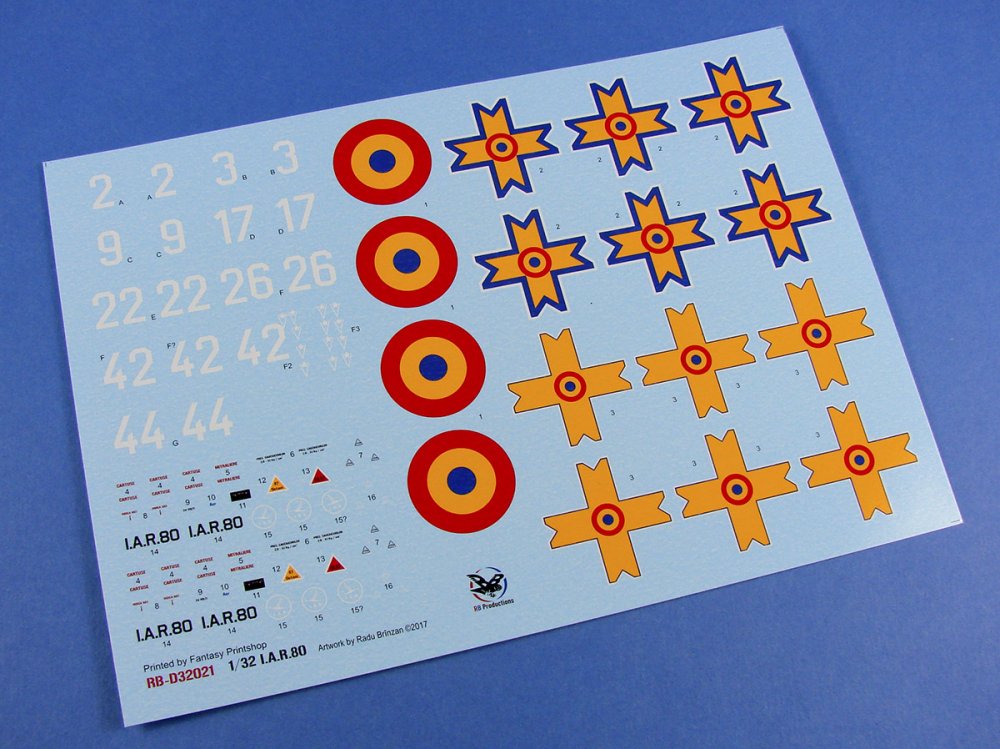
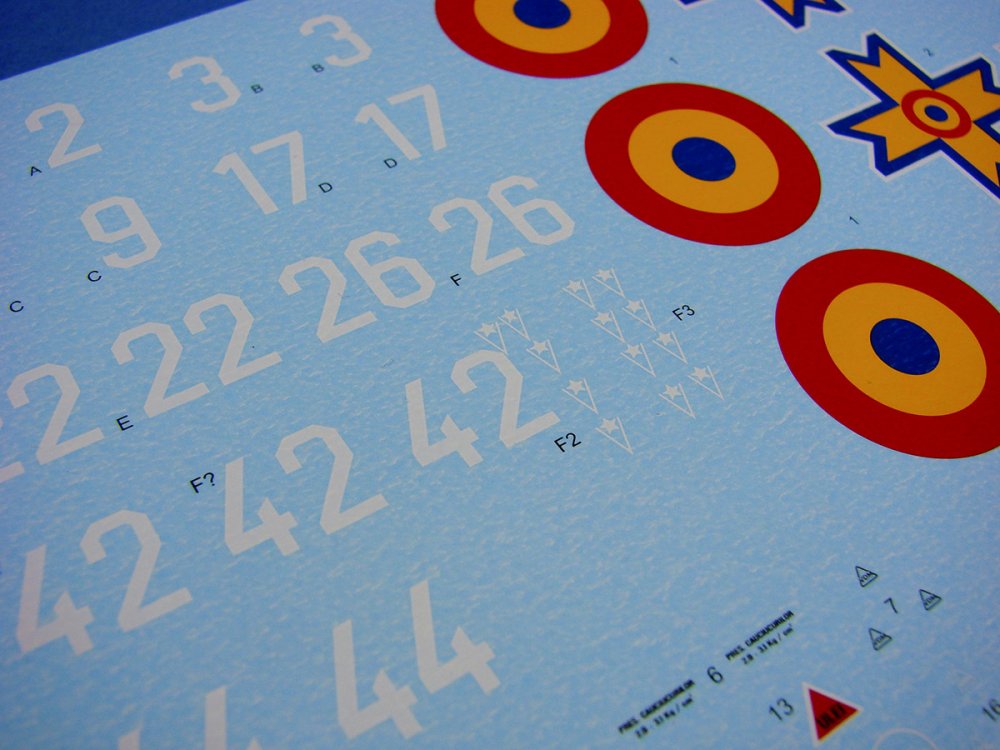
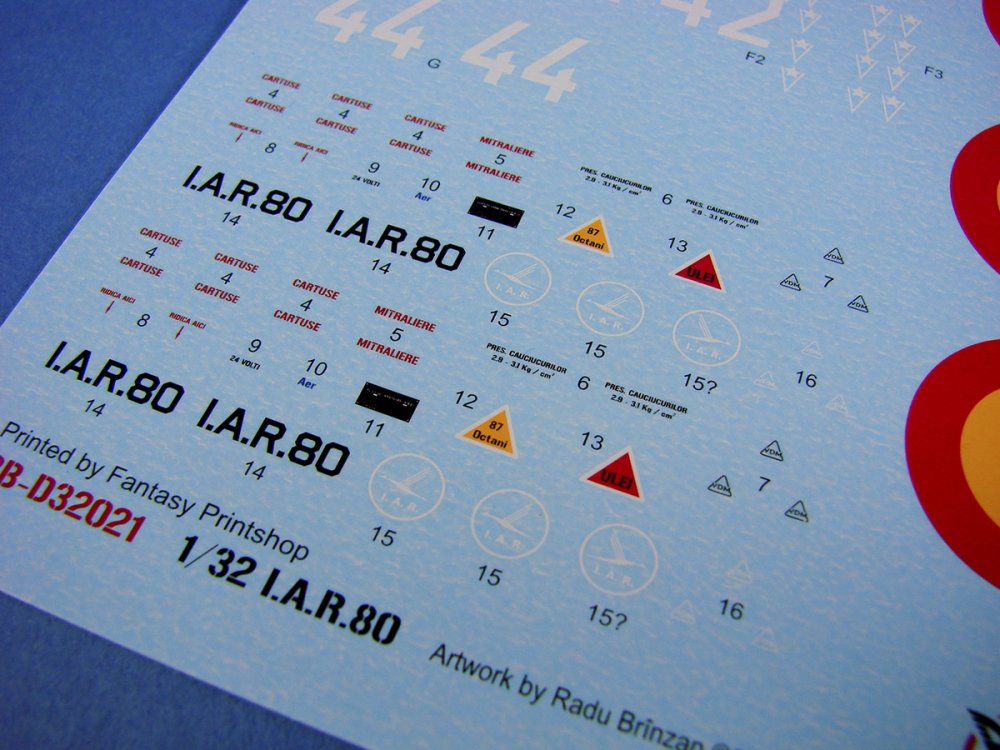
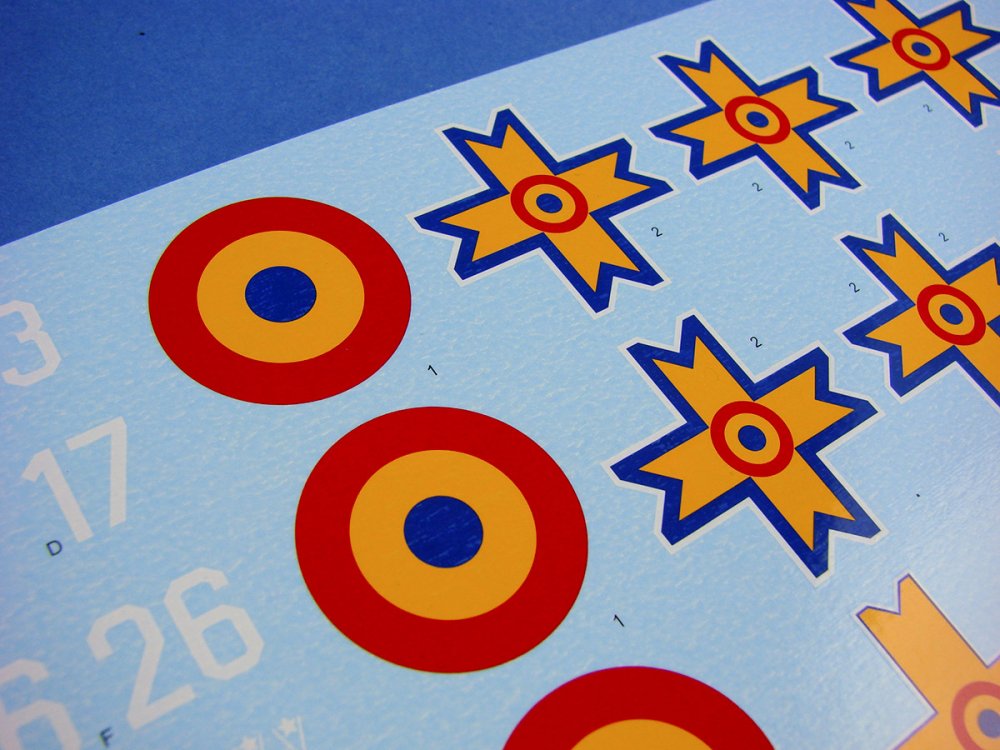
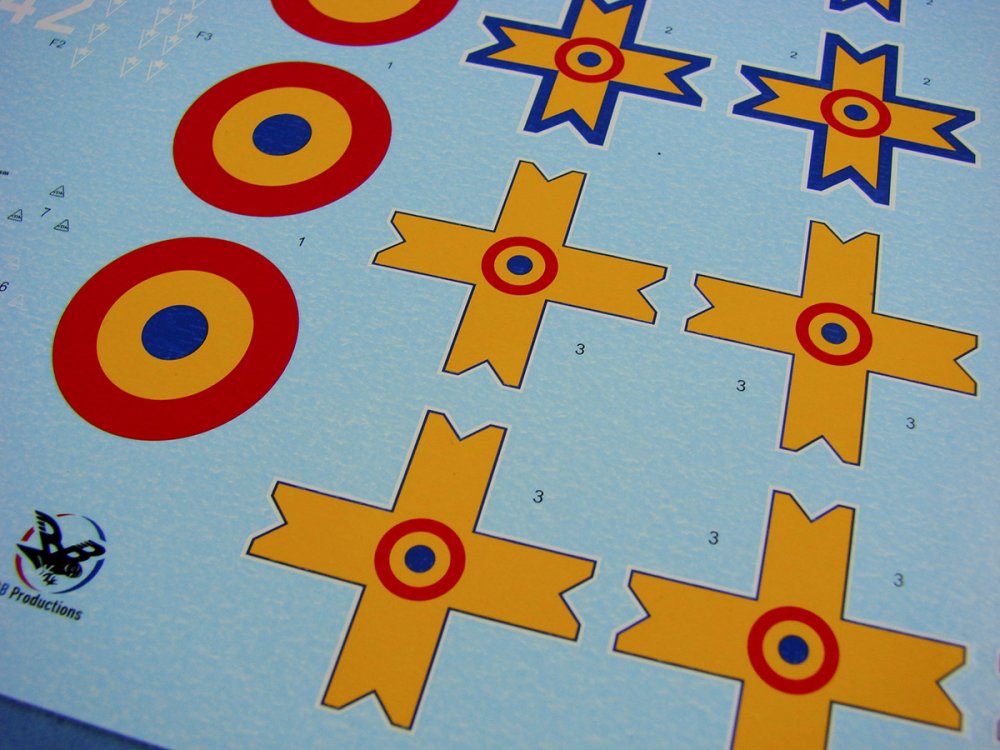
1/32 I.A.R.80 decals RB Productions Catalogue # RB-D32021 Available from RB Productions for €14,75 Romania’s I.A.R.80/81 was certainly as advanced, if not more so, than many contemporary fighter aircraft of that period, yet it is one which I imagine is far less known than those operated by other belligerent countries during that conflict. If anyone is best-placed to research and design a set of decals for the I.A.R.80, it’s Radu Brinzan. Having already written two books on this subject (which are superb, indidentally!), Radu is incredibly knowledgeable about this specific type, and being Romanian himself, it’s most certainly a passion. RB Productions have released decals for the I.A.R.80/81 before, with sets being available for the I.A.R.80-M (modified 80/s1 series machine) in all main scales, but this one concentrates specifically on the I.A.R.80, and what appears to be the earlier machines. Whilst the forthcoming I.A.R.80A to be released by FRROM would be the ideal candidate for the 1/32 version of these decals, you source the initial Azur/FRROM release. To utilise these on the I.A.R.80A though, you would need to make a small modification to that kit. As the I.A.R.80A was fitted with 6 guns, you would need to delete the outboard gun and associated access panels on each wing. NOW you can use this set safely! RB Productions new decal set (available in 1/32, 1/48 and 1/72), comes in a re-sealable clear sleeve, with an attractive, folded A4 sheet with the EIGHT schemes printed in full colour. Print quality is superb, and very sharp, depicting five fuselage profiles on the front, and a further three within. Each of these is provided with a small paragraph of specific information next to the image. Each profile is also annotated with key colour details, as well as the main colours themselves being given in Lifecolor and FS codes. To use other makes, you’ll need to cross-reference. Inside the sheet, a further opposite side profile is given for the standard camouflage application, with notes on stencilling and weathering. Four images are supplied of the upper and lower wings, and you will need (quite easily) to tie the correct one to the specific scheme profile you will choose. Dimensional information is included for wing stripes. The back page shows the camouflage scheme in planform, with the wraparound fuselage paintwork. A single decal sheet is included, printed by Fantasy Printshop in the UK. My experience of their decals is that they are as good as the main contemporary manufacturers, and every bit as good as Eduard’s own in-house production, which incidentally, I very much like. I’ve found they also work well with decal setting solutions, where required. Printing is also flawless, with the decals being nice and thin, and having minimal carrier film. Colour reproduction is excellent and everything is in perfect register. One thing I do know is that Fantasy Printshop are sticklers for quality! As well as the various national marking styles that were applied to these machines, a seriesof stencils is also included. In fact, two sets are included, meaning it’s perfectly possible to build at least two models from this sheet (more, if you don’t count the stencils!). The supplied marking options are: I.A.R.80, No.2 of Escadrila de Experienţe, August 1940, Pipera I.A.R.80, No.3, Şc.Vt/Flt.3Vt., Galaţi, October 1943, flown by Elev Av. Ciobănaş Andrei I.A.R.80, No.9 of Gr.8Vt/Flt.2Vt., flown by Adj.Stg.Av. Vasile Niţă, March 1941, Tirgşor I.A.R.81-C, No.17 of Esc.41Vt./Gr.8Vt, flown by Adj.Stag.Av. Florian Budu, July 1941, Bârlad I.A.R.80, No.22 of Esc.42/52 Vt., Gr.1 Vt, flown by Adj.Stag.Av. Gheorghe Firimide, July 1941, Bârlad I.A.R.80, No.26, March 1941, I.A.R. Braşov I.A.R.80, No.42 of Esc.42/52 Vt., August 1941, Sturzeni and Sărata/Salz I.A.R.80, No 44 of Flt.2Vt./Gr.8Vt., March 1941, Tirgşor Conclusion Radu has chosen some beautifully varied machines here in terms of styles of Romanian markings used, and in colourful terms also. Certainly a very welcome accompaniment to the Azur/FRROM kit. A very well researched product that is printed in superb quality by Fantasy Printshop. There really is nothing NOT to like here! Highly recommended My sincere thanks to RB Productions for the review set seen here. To purchase directly in 1/32, click HERE.

-
Profimodeller Fi103 V1
JayDee replied to JeroenPeters's topic in LSM 1/35 and Larger Work In Progress
Jeroen is my hero. His work is so frickin cool! -
1/32 J2M3 “Rai Den” Zoukei-mura Super Wings No.5 Available from Black Mike Models for £79.95 The Mitsubishi J2M Raiden (雷電, "Thunderbolt") was a single-engine land-based fighter aircraft used by the Imperial Japanese Navy Air Service in World War II. The Allied reporting name was "Jack". The J2M was designed by Jiro Horikoshi, creator of the A6M Zero, to meet the 14-Shi (14th year of the Showa reign, or 1939) official specification. It was to be a strictly local-defence interceptor, intended to counter the threat of high-altitude bomber raids, and thus relied on speed, climb performance, and armament at the expense of manoeuvrability. The J2M was a sleek, but stubby craft with its oversized Mitsubishi Kasei engine buried behind a long cowling, cooled by an intake fan and connected to the propeller with an extension shaft. The first few produced J2M2s were delivered to the development units in December 1942 but severe problems were encountered with the engines. Trials and improvements took almost a year and the first batch of the serial built J2M2 Model 11 was delivered to 381st Kōkūtai in December 1943. Parallel with the J2M2, production of the J2M3 Raiden Model 21 started. The first J2M3s appeared in October 1943 but deliveries to combat units started at the beginning of February 1944. The Raiden made its combat debut in June 1944 during the Battle of the Philippine Sea. Several J2Ms operated from Guam and Saipan and a small number of aircraft were deployed to the Philippines. Later, some J2Ms were based in Chosen airfields, Genzan (Wonsan), Ranan (Nanam), Funei (Nuren), Rashin (Najin) and Konan under Genzan Ku, for defence of these areas and fighting against Soviet Naval Aviation units. Primarily designed to defend against the Boeing B-29 Superfortress, the type was handicapped at high altitude by the lack of a turbocharger. However, its four-cannon armament supplied effective firepower and the use of dive and zoom tactics allowed it to score occasionally. Insufficient numbers and the American switch to night bombing in March 1945 limited its effectiveness. (Edit Courtesy of Wikipedia) The kit As you probably already knew, unless you live in a cave, this kit isn’t a new release. In fact, this kit first hit the market in 2013, having been demoed at Scale Model World, Telford, in November 2012. I was then one of the ZM team who wore their voices out in showing the test-shot to many, many hundreds of people over that weekend, prior to its release a few months later. Despite this, I never actually reviewed this one, having skipped to the later Ho 229. I’m also going to take advantage of the fact that it’s possible that numerous looks at this kit may have prematurely died when Photobucket started to ransom its members and cut off external-linking (LSM hosts its own images). Zoukei-mura’s J2M3 kit comes in a fairly sizeable and attractive box with a pretty atmospheric painting of a J2M3 diving back into night-time cloud cover after a strike on a B-29 Superfortress. Probably one of the most evocative contemporary images of the Raiden that I’ve seen. Congratulations to ZM for using that image. The box sides show various images of the test shot that is oh so familiar to this writer. That lid is also pretty airtight and takes some effort to remove. Inside, we have NINE sprues, moulded in light grey plastic, and TWO in clear. All sprues are separately bagged to prevent scuff damage, and to complete building materials, a single set of vinyl masks is included. ZM kits don’t contain photo-etch parts as standard, with the idea being that the model can be built perfectly well without such extras. Lastly, a single decal sheet is included, as well as ZM’s instruction manual with its historical and informative instructional content. Two plastic sprues are very fragile, and these are the parts which include the canopy glass and separate frames. To protect these further, the lower inside of the box has its own cardboard wrap that separates these from the rest of the parts. Looking at those parts, that was an essential move. Sometimes, I write reviews by looking at each individual sprue, but as this one is quite complex, I’ll look at each area in turn, and the features/options available to the modeller. Engine Construction starts in this area, with quite a remarkable representation of the Mitsubishi MK4R-A Kasei 23a 14-cylinder two-row radial engine that was the beast at the heart of this rather clunky looking aircraft. Both rows of cylinders are separate, with each row being supplied as halves. In line with ZM’s quirky design policies. The inside of these parts has the pistons within. Of course, you won’t see this when assembled, but it’s a nice touch nonetheless. Pushrod rings, intake pipe and collector ring are also separate parts that will need careful alignment in order to progress to later stages. As the engine was sat further back in the nose, presumably to facilitate a correct centre of gravity and the semi-streamlined cowl, an extender shaft had to be fitted to the engine, and this is represented here, along with its housing. ZM has made some extensive and clever use of slide-moulding in this kit, with all of the eight separate exhaust pipes having hollow ends, saving you from having to work on these yourself. With these parts in place, you can start to fit the engine mount and the rather large mount cover, plus ancillary features, such as the carburettor, water injection pump, mixture adjustment valve and fuel injection pump, to name a few. Another real bonus with the tooling of this kit is the single piece main mounting bracket for the engine. Whereas other companies may tool a number of brackets to build this item (the new Revell 1/32 Fw 190A/F series, as an example), ZM has included this as a single part, meaning you won’t have any tricky alignment problems that multipart assemblies can introduce. Parts are supplied to pose the cowl flaps open, as default. If you want to keep these closed, you will need to trim plastic from the actuator arms, as shown in the manual. The flaps themselves are moulded in both open and closed positions. Cowls can be left off the model, so you can display the engine. These have simplistic rivet divots on the outside, and no real representative internal detail. The four-bladed propeller also has some nice hidden detail within the spinner, in the shape of the main fastening nut and the prop pitch counterweights. A nice touch if you plan to pose this with the spinner removed. Cockpit This really is an event with this kit, and also highlights just how spacious the cockpit of the Raiden was. This seems to have even more room than its American namesake, the Thunderbolt. The width of the cockpit floor is impressive! As with the engine, there is plenty of detail here that you also won’t see, unless you start to build this as a cutaway model, such as the underfloor bulkhead, linkages, valves, CO2 and oxygen bottles, and the control stick linkages that are moulded onto the stick part itself. As for the office itself, two versions of the seat are offered, as they did in the later Ho 229. These are for a plain seat, and one moulded with belts in place. Before you think that the latter option is probably terrible, I can tell you it isn’t. It’s actually quite neat, and I used that option on my Ho 229 that I built for Military Illustrated Modeller. The cockpit is built around a solid and detailed floor, highly detailed sidewall frames, a rear bulkhead, and an instrument panel bulkhead. Other parts to cram into this area include a multipart seat adjustment shaft/leaver/support, rudder pedal bar, head rest, oil pump lever, oil pump, landing gear lever, instrument consoles, oxygen bottles, and various avionics panels that fit to the sidewall frames. In all, a very comprehensive effort. Two instrument panel options are given. One of these is the standard grey plastic one with moulded dial detail (yuck!) and the other is a clear panel with bare lenses. I would opt for the latter, and punch out the individual decals for the instruments, from the sheet supplied. A far better option. In order to maintain the finesse of the parts without pesky ejector pin marks, a series of small ejection points are moulded externally to some parts, and you’ll need to clip these off and clean up any remains. This is same tried and tested system that is now seen on brands such as WNW, and indeed ZM put it to good use on the Ho 229 release, with its numerous tubular frames. With the tub complete, a forward firewall will fit to the cockpit, complete with a fuel tank and an oil tank. The completed engine assembly will eventually mount to this firewall. Another cockpit assembly area concerns the radio turtle deck behind the pilot. This includes the radio itself, rear bulkhead, roll bar and even the antenna which does appear to require installation as this stage. When I mentioned the clever use of slide-moulding, the radio set is an example of this, with the unit being moulded as two parts, and the joints being hidden around the edges of the unit. The moulding here allows for two faces to be moulded with full detail, at right angles to each other. Fuselage interior and exterior detail Behind the cockpit, there is a vast area of emptiness that has been detailed with internal fuselage constructional elements, such as the tail wheel linkage. I’m a little bit at a loss here as to why ZM didn’t also include the elevator and rudder pushrods too. It makes sense if they are going to include the one supplied. Still, there’s plenty of scope to do that if you wish to go that route. There are a few ejector pin marks inside the rear fuselage, and these look easy to remove, if you are that way inclined. With the fuselage assembled and the cockpit installed, there is a whole raft of detail underneath the cockpit floor, and this corresponds with detail that is fitted within the wing section. ZM has moulded the forward wing fillets as separate parts. Whilst I found this problematic on their Ta 152 kit, completed models of the Raiden show this to be a better fit. There are slots on the wing to allow correct placement of these parts. Externally, the fuselage is quite sparse, apart from neat panel line and port access detail, a ‘la Hasegawa’s style. I quite like a riveted surface and would look at adding this detail with a flush rivet tool. Japanese aircraft were known for their flaking paint, and of course, this would also centre around rivet lines, so these are a must for me. MDC’s flush rivet tool is perfect for this. The rudder is moulded separately to the fuselage, as are the elevators to the stabilisers. With a little bit of work, they could be made poseable too, by removing the square plug that they would fit together with. Please note that the lower, rear fuselage is also separate to the main fuselage, much in the same way that Airfix did their 1/24 Typhoon kit. This joins along a panel line, and from the finished thing, this appears to work very well. Internally, that lower part has the same internal, constructional details as the main parts. Wings There are only two main wing parts; full span single piece upper and single piece lower panels. Ailerons are separate parts, and the gun bays are moulded with the panels off, allowing you to pose them and display the detail within. Work begins by gluing in a full span main spar into the lower wing part, followed by a small series of ribs that form the lower part of the cockpit tub. More linkage detail is to be fitted, as well as port and starboard wing fuel tanks. Again, you’ll not see the latter unless you cut panels away. The weapons bays are formed around more spar and rib details, along with some beautifully moulded Type 99 20mm machine guns. These have nicely detailed recoil springs etc and it wojld be a shame to close those bays up and ignore this detail. Of course, the guns also have their ammunition magazines and feed belts. Multipart wheel well walls help to create this area, along with a very nicely detailed gear bay roof that is moulded onto the underside of the top, full span wing panel. Before you can finally glue the upper and lower panels though, the oil cooler needs to be installed. Wing external detail is commensurate with the fuselage styling, and again will benefit from some work with a riveting tool. You will be able to pose the landing flaps too. They are moulded with a series of plugs that are suitable for the default down position, and you will need to snip them off for raised. The instructions have this the wrong way around, so beware. A correction sheet is included, but as this kit is now 4yrs old, I’m surprised ZM hasn’t corrected the manual itself. A very nifty bit of slide-moulding has been used to mould the machine gun ports into the upper wing panel. This negates having to use a separate leading edge insert for this purpose. Undercarriage No provision is made for a model with a retracted gear, so if this is what you want, you will need to do some work. I think the one thing that annoys me here is that the wheels aren’t weighted. Not a problem really, but if you wanted them weighted, you’d need to fork out more money for their own resin wheel set. Wheels are moulded as halves, complete with separate hubs. The struts are crisply moulded as single pieces, with a two-part oleo scissor to attach. Brake cables are also supplied, and the undercarriage doors are superbly detailed. Wheel door actuators are supplied for the inboard doors, with clean and positive placements provided for these. Canopy Two options are provided here. A standard set of clear parts are included, whereby you mask the panels as per usual, and then paint. The other contains the glass and separate frames, which are incredibly fragile. This is quite an attractive proposition, but I still feel you would need to mask the canopy as normal, as it’s pretty common to fit the glass before you paint the airframe. I’ll have to work out how I approach this. If you want to pose the canopy in a closed position, then the standard canopy parts supply a single piece hood and rear canopy for this purpose. This option isn’t available in the separate glass/frame style. Masks A single sheet of green vinyl is supplied, with sharply cut masks for the canopy only (traditional style), and not the wheel hubs. That’s a shame. My experience of this masking material from other ZM kits is that you really need to make sure it’s firmly applied as it can lift in places. Decals All decals for the two schemes are printed on a single sheet. These seem to either be in-house, or from somewhere in Japan maybe. They certainly aren’t Cartograf. I find ZM’s decals to be a little disappointing in that they have poorly defined details and are fairly thick. That applies here too, although they aren’t unusable. Maybe think of doing the markings with aftermarket decals or masks. Stencil and instrument details are also included here. The two schemes on offer are the same as those in the Hasegawa kit, so nothing original in the slightest. Thankfully, separate numbers are included to change the serial for one of the options. These two schemes are: J2M3 Jack, 352nd Naval Air Group, 3rd Divisional Officer Lt. JG Yoshihiro Aoki, March 1945, Ohmura AB, Nagasaki J2M3 Jack, 302nd Naval Air Group, 2nd Divisional Officer Lt. Susumo Ito, April 1945, Atsugi AB, Kanagawa Instruction Manual ZM has their own style of manual, in the same way that WNW has their specific approach. For ZM, it’s all about educating the modeller as to the internals of the aircraft, and the design. A history of the J2M3 is included, followed by a treatise on the Raiden, along with a sort of X-ray of the aircraft. Each chapter deals with a specific constructional section of the model, with more SWS explanations throughout, along with some superb illustration that should make assembly straightforward. Colour references are made throughout for both Gunze and Vallejo paints. The last pages are taken over with the two schemes, printed in colour. These are rather dark and murky in places, but easy to overcome. Decal placements suffer a little from the gloom too, so use any references you have. A parts plan is also included. Conclusion Has this kit withstood the last 4 years in terms of approach? Yes, without a doubt. This is most certainly the best J2M3 in any scale, and most certainly in 1/32. Some details are quirky, but that’s the name of the game when it comes to Zoukei-mura’s SWS approach. I think that the engineering approach to this is sensible, and a little novel in places. This certainly isn’t a perfect kit, but can you name one that is? I’m a little disappointed about the lack of weighted wheels, especially for a premium product, and the rather substandard decals. However, this is still a gem of a kit, and one I’d been chasing down for a little while now. I really can’t wait to crack this one open and commit some glue and paint. Highly recommended My sincere thanks to Duncan at BlackMike Models for getting this out to me so quickly. To purchase, head over to their website.
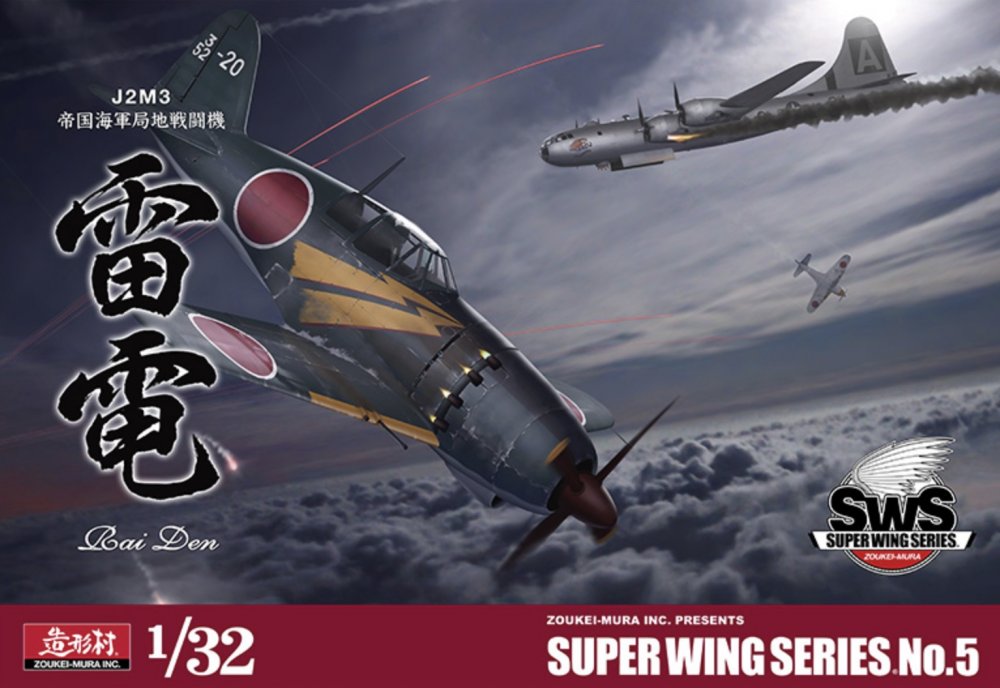
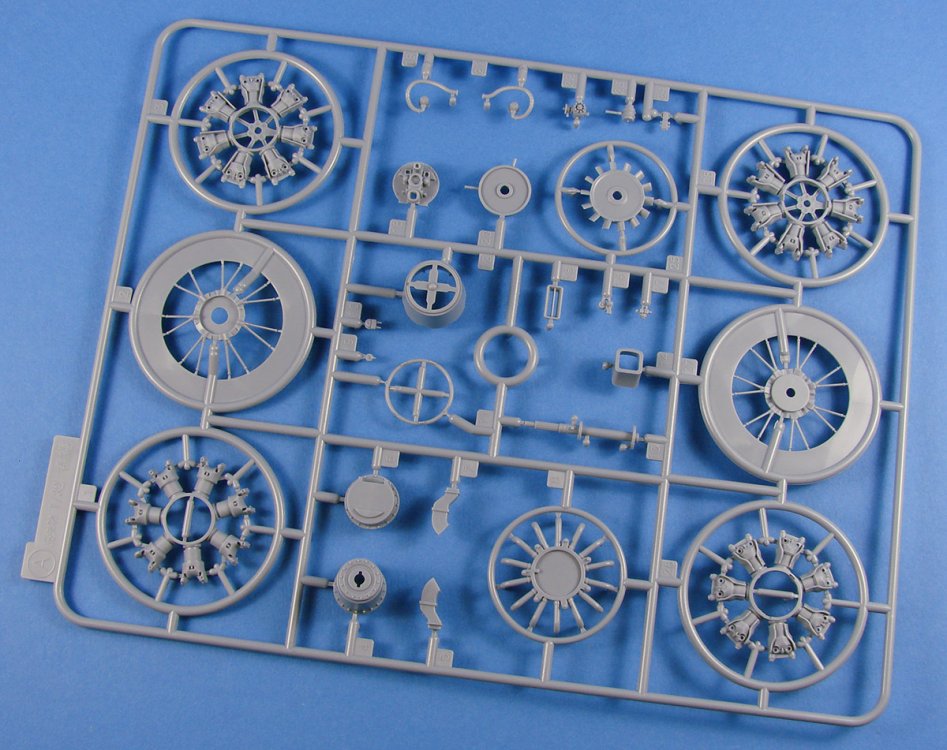
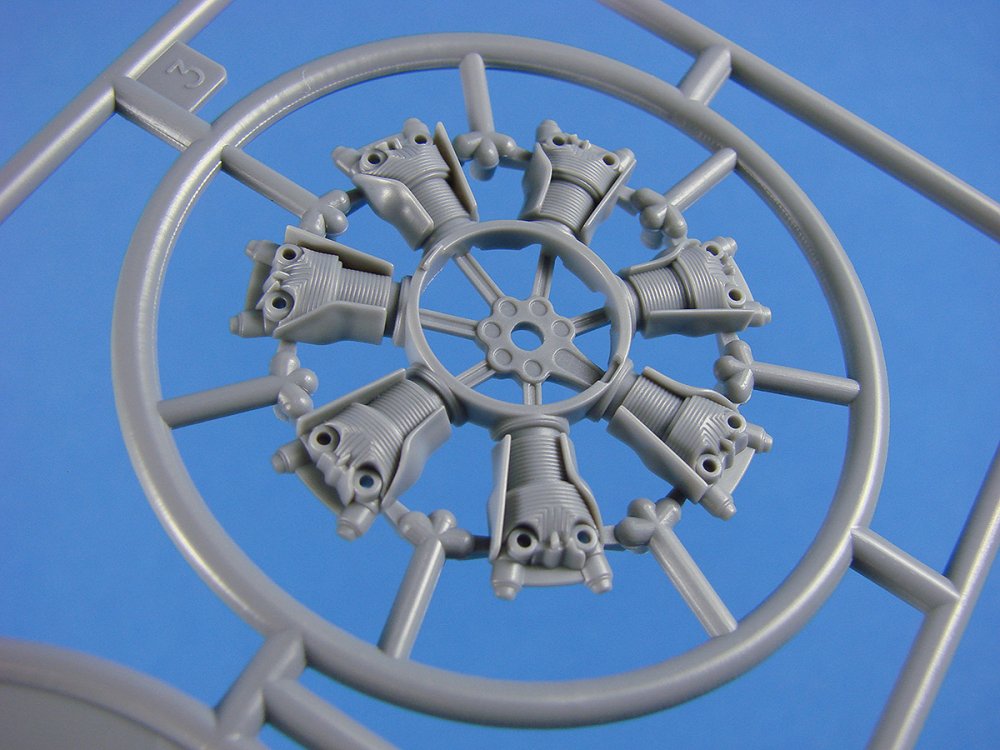
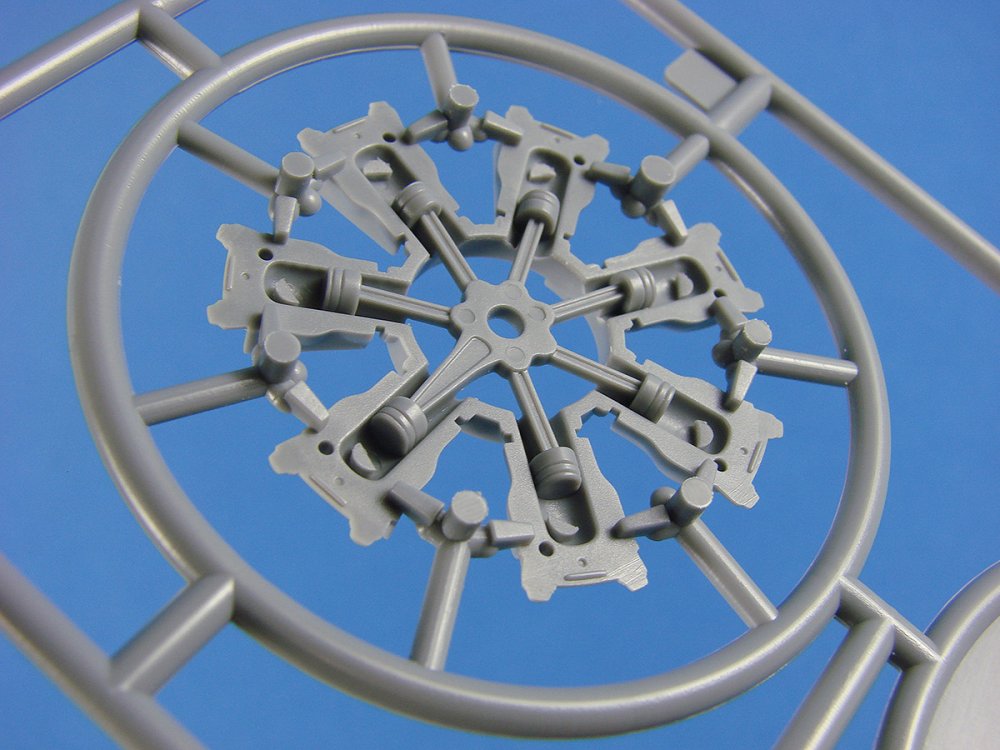
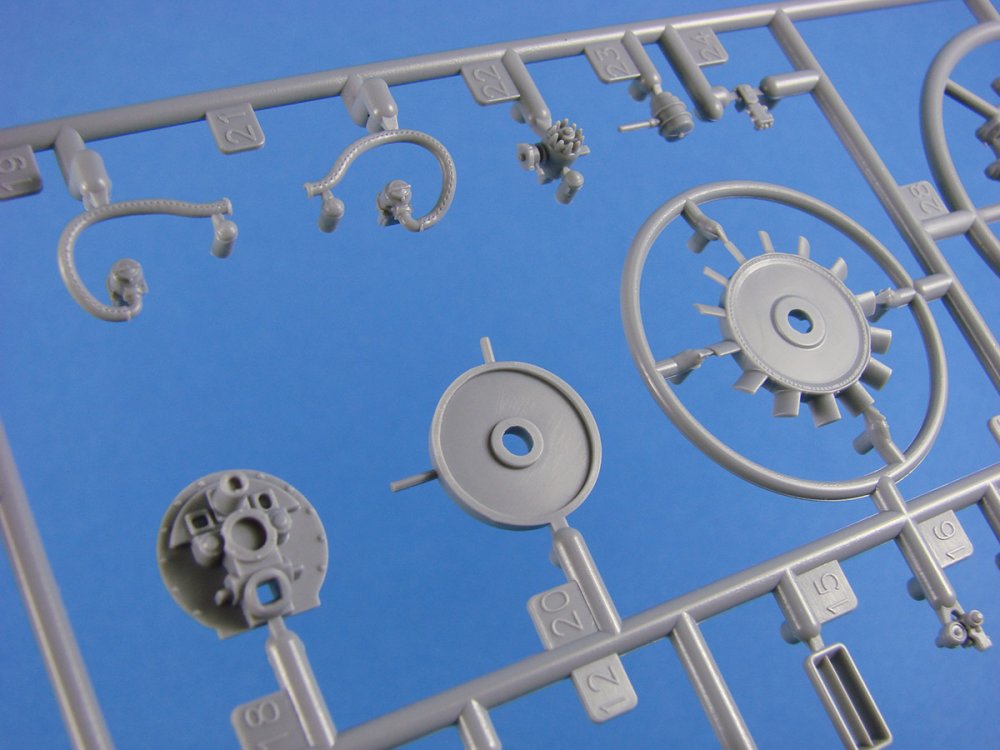
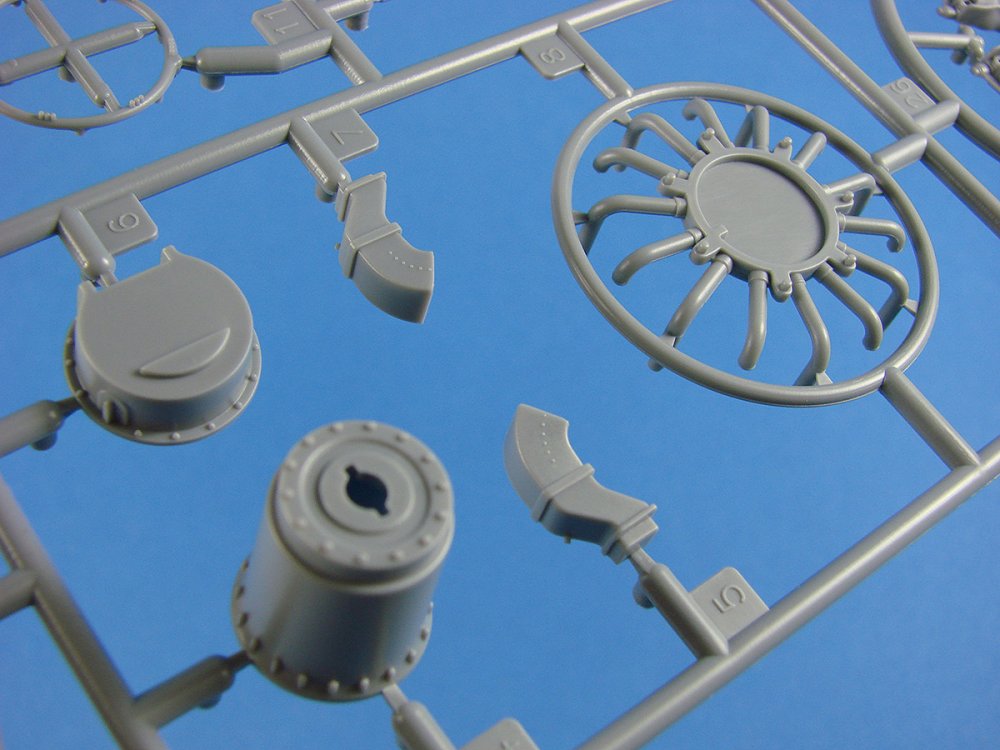
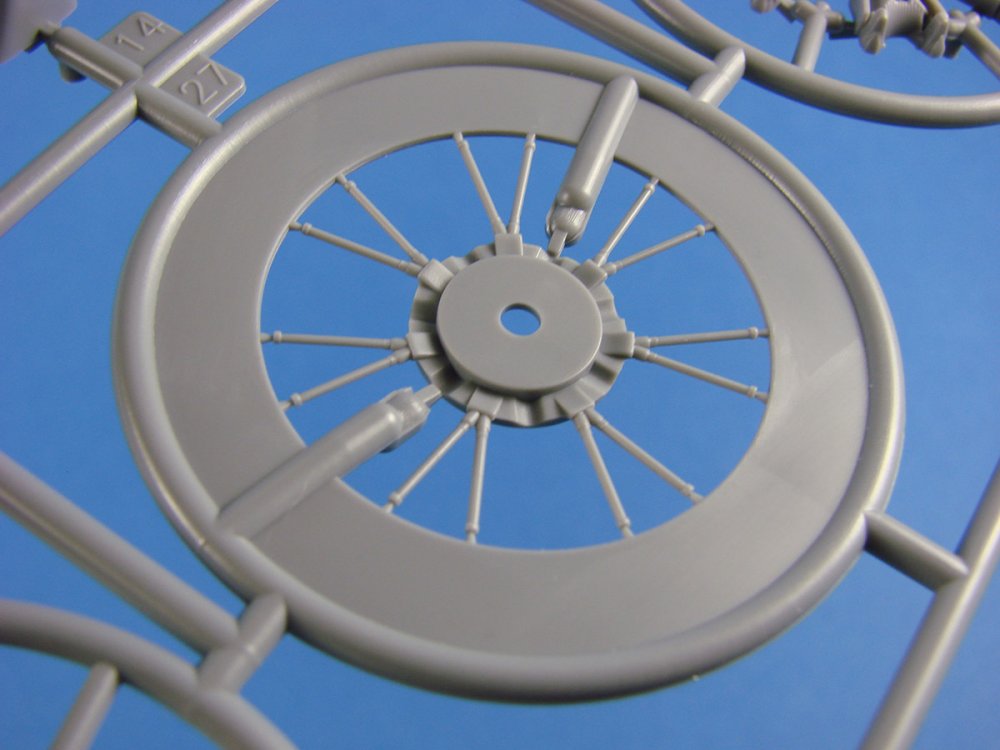
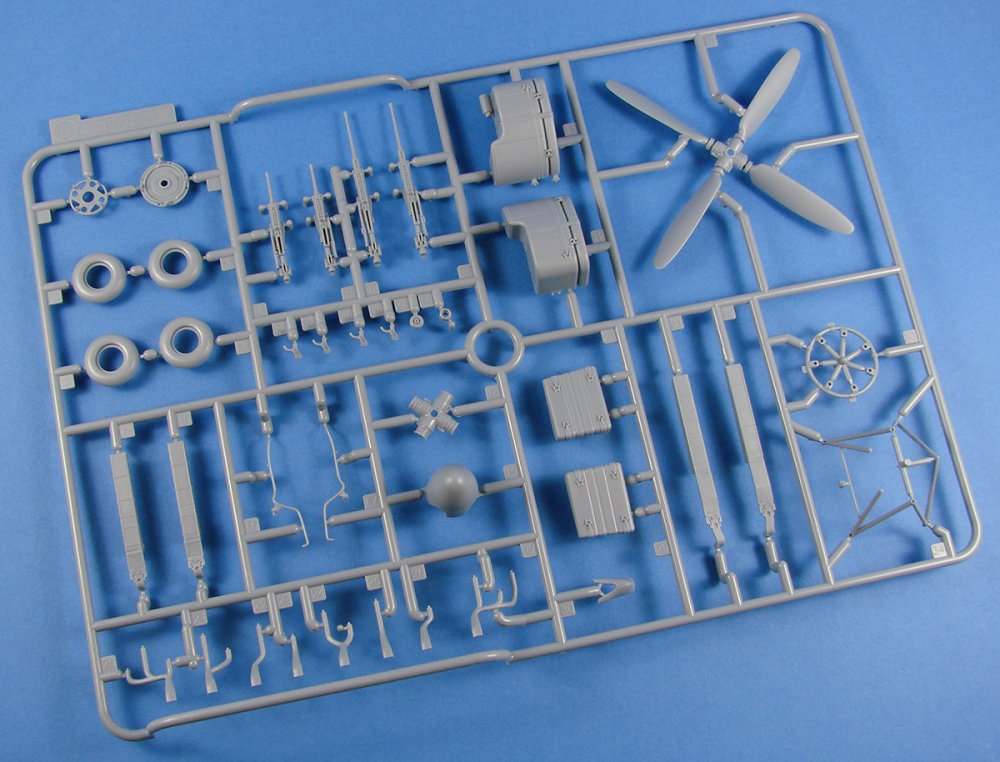
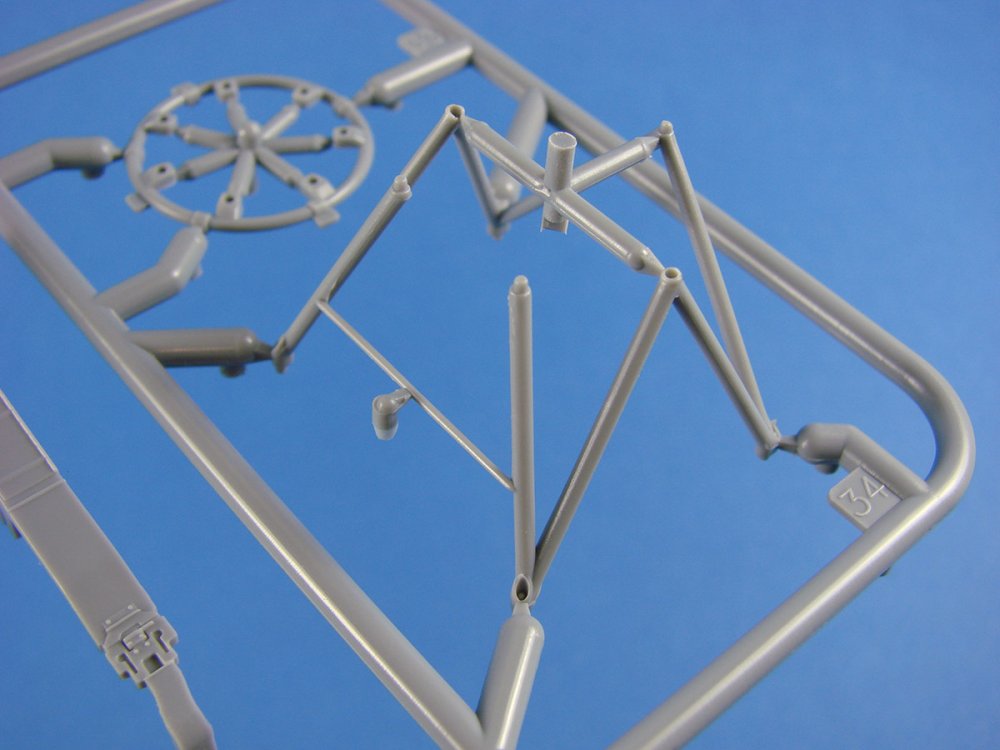
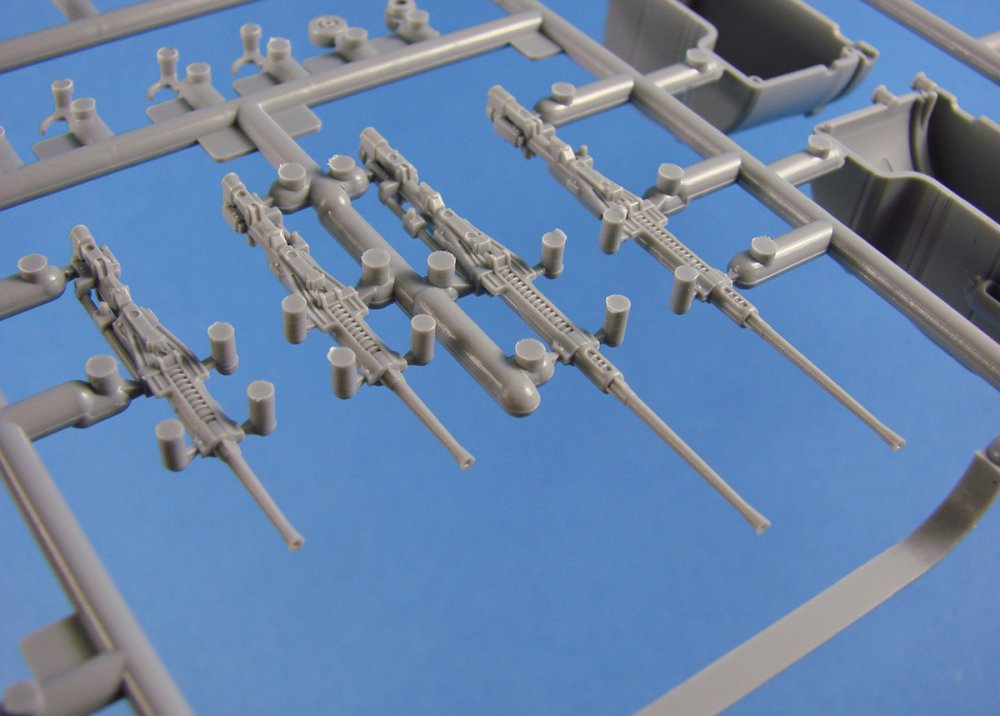
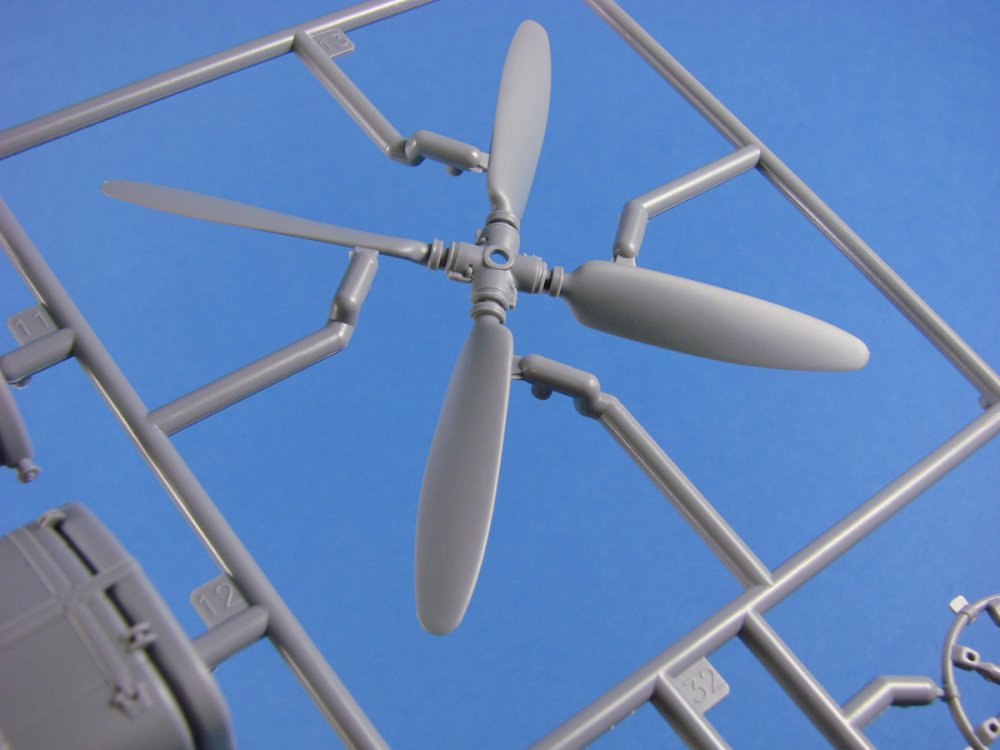
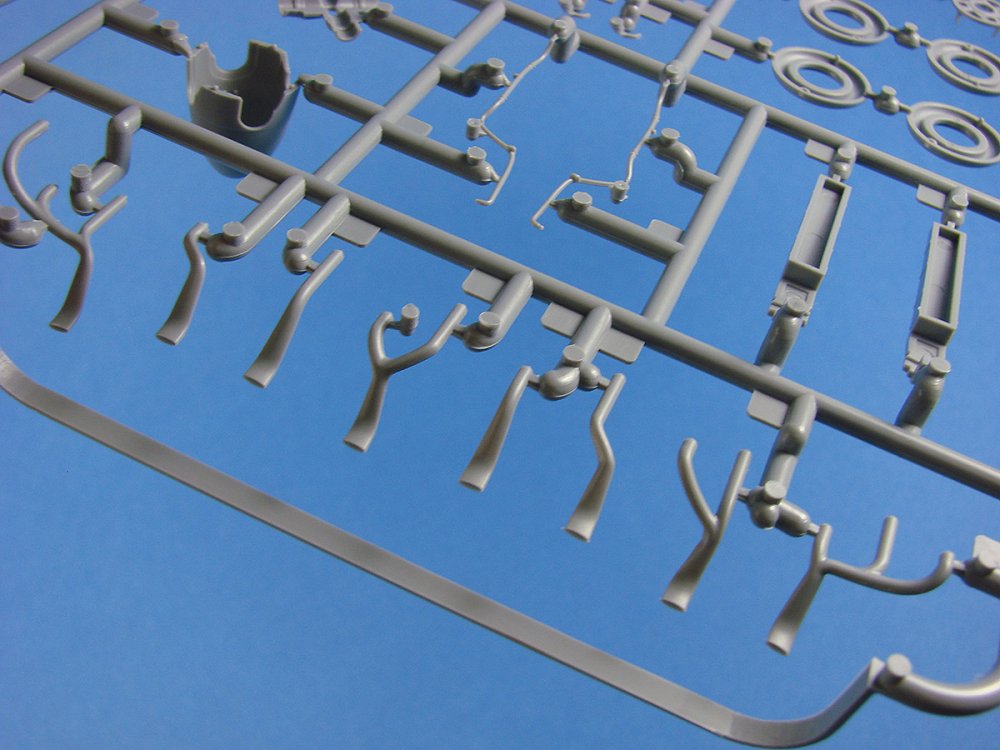
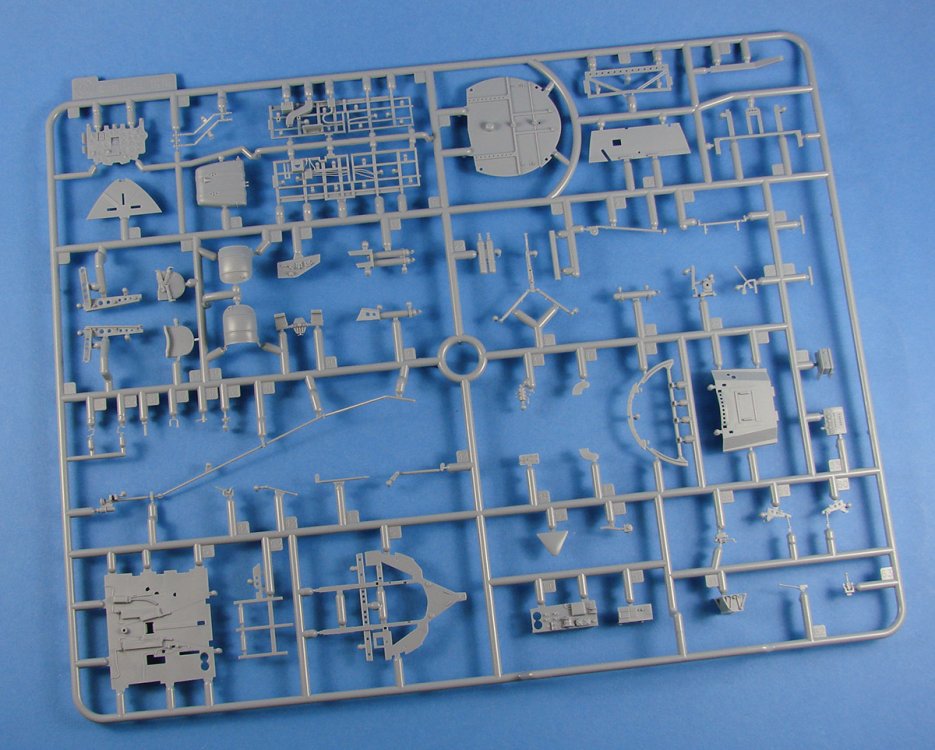
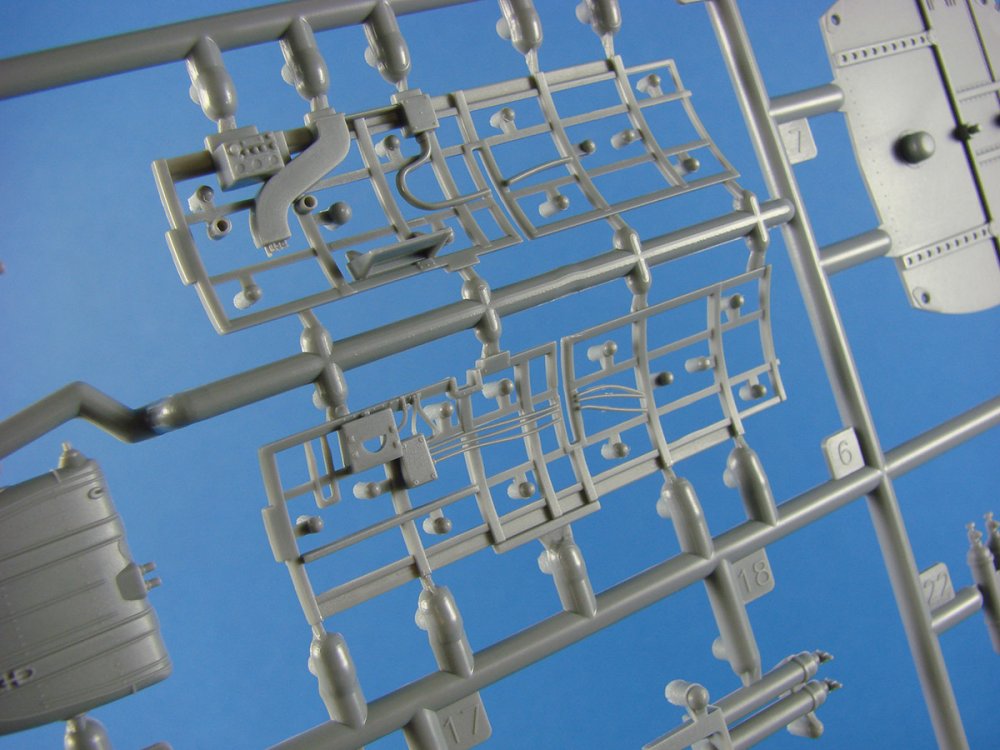

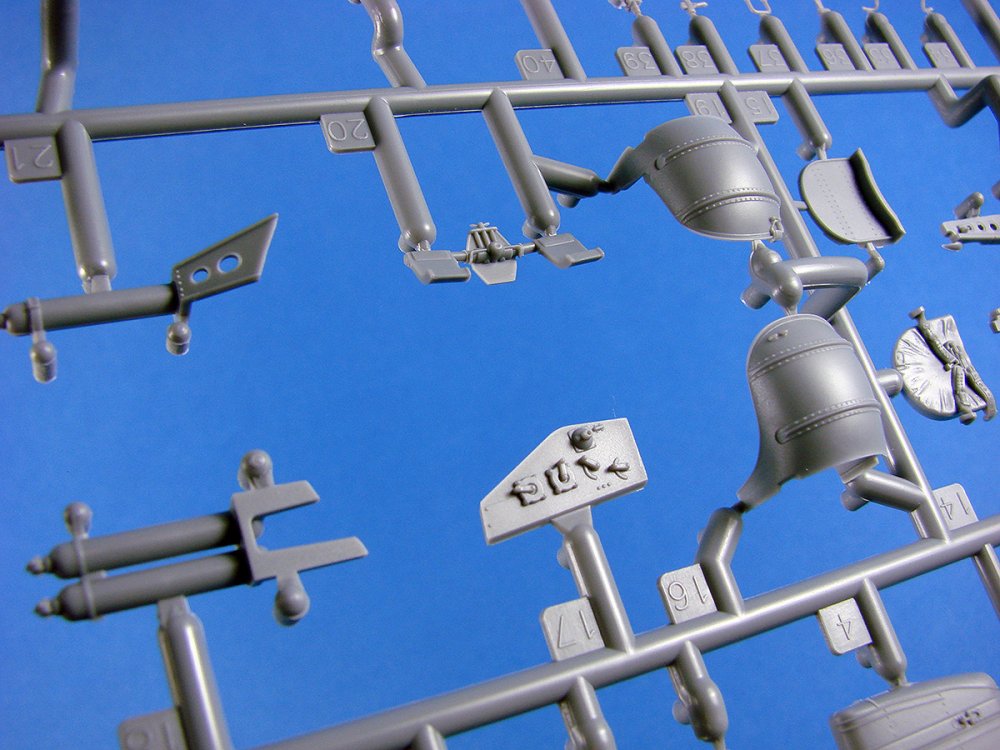
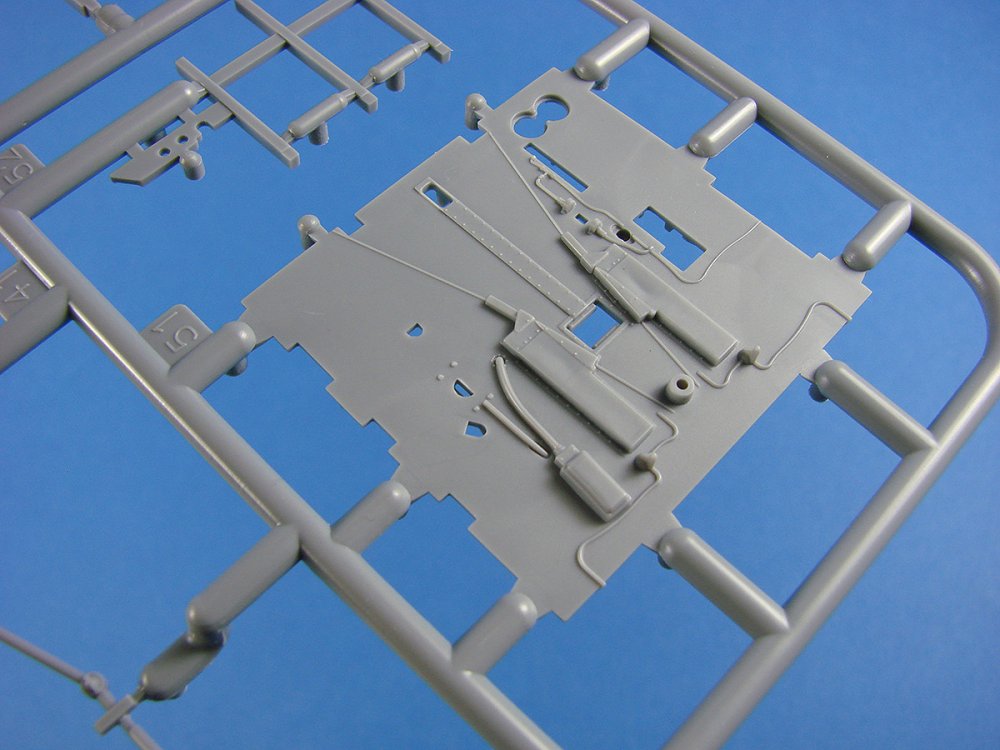
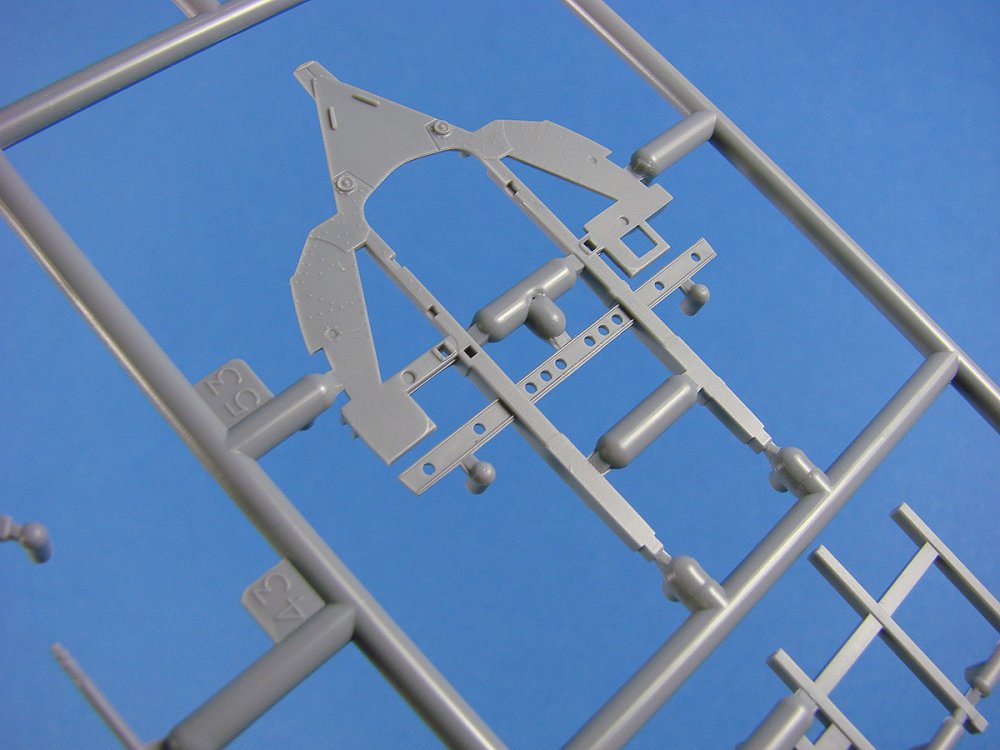
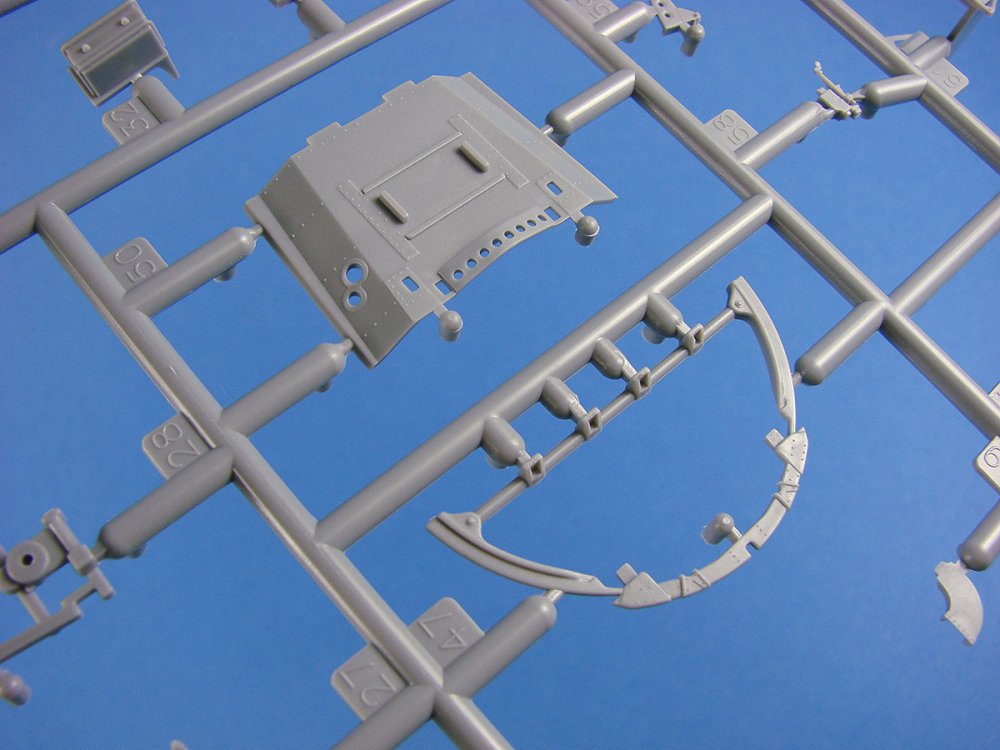
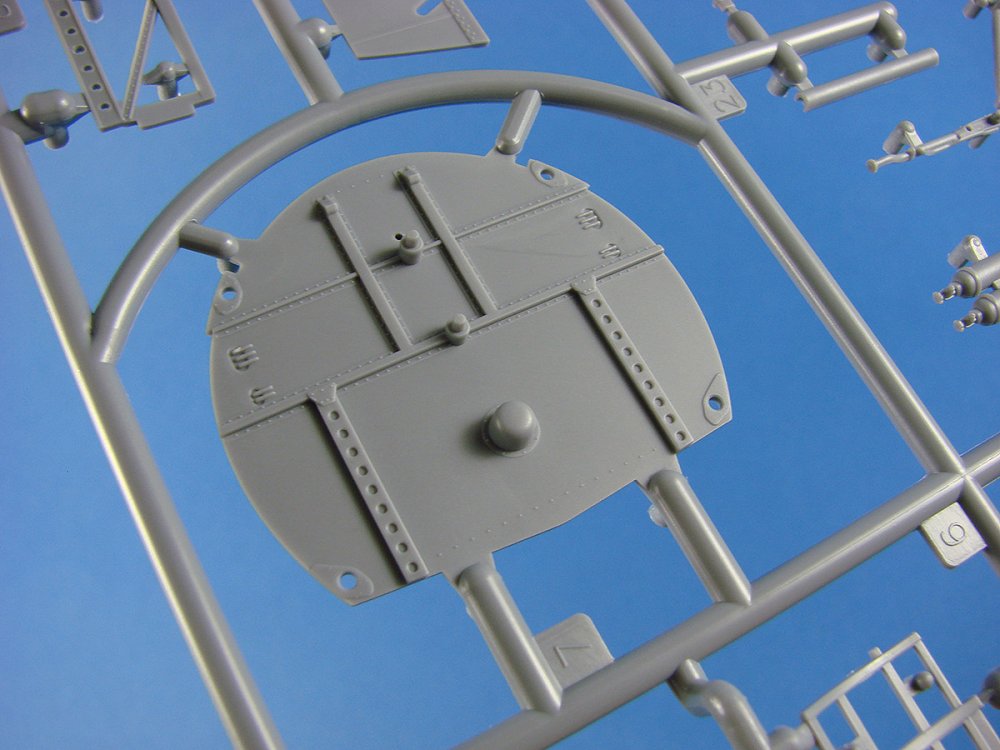
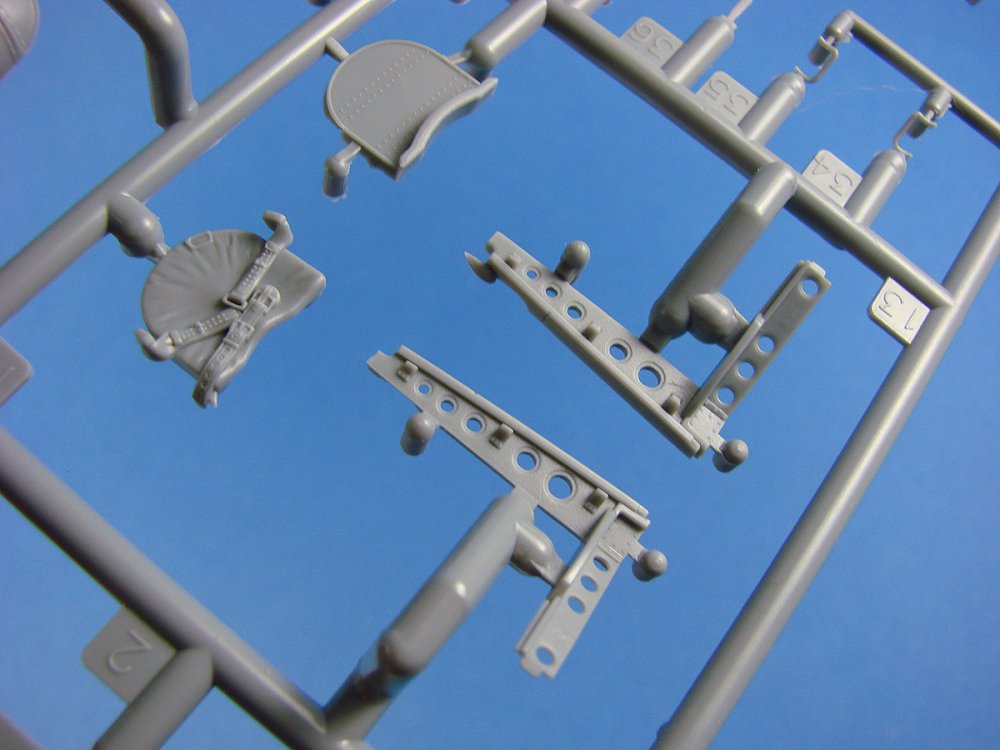
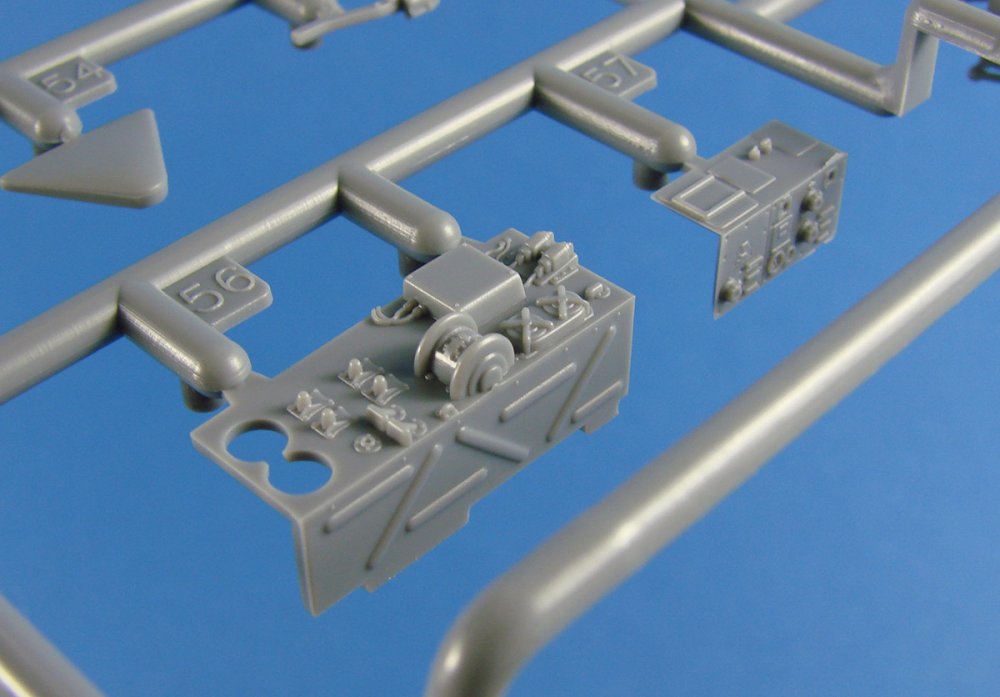
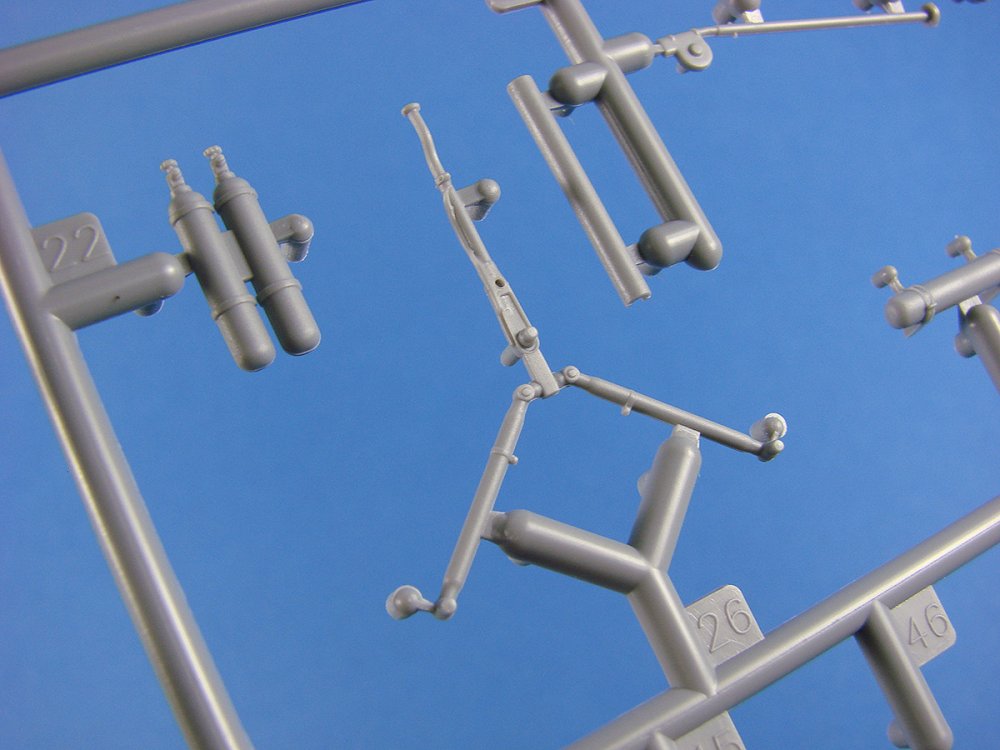
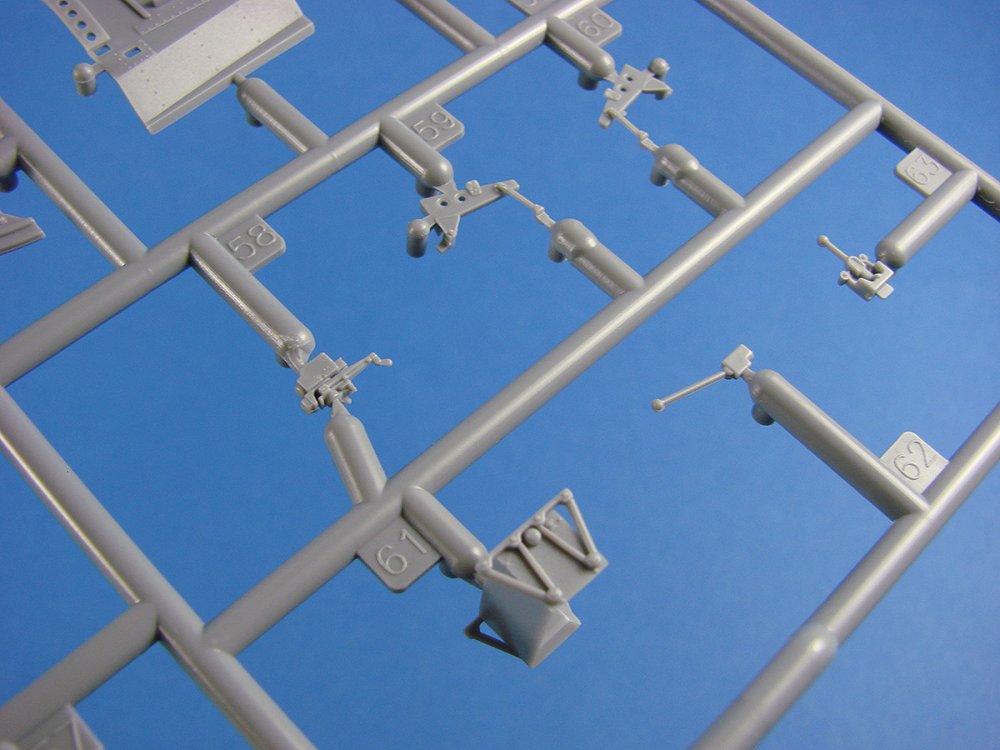
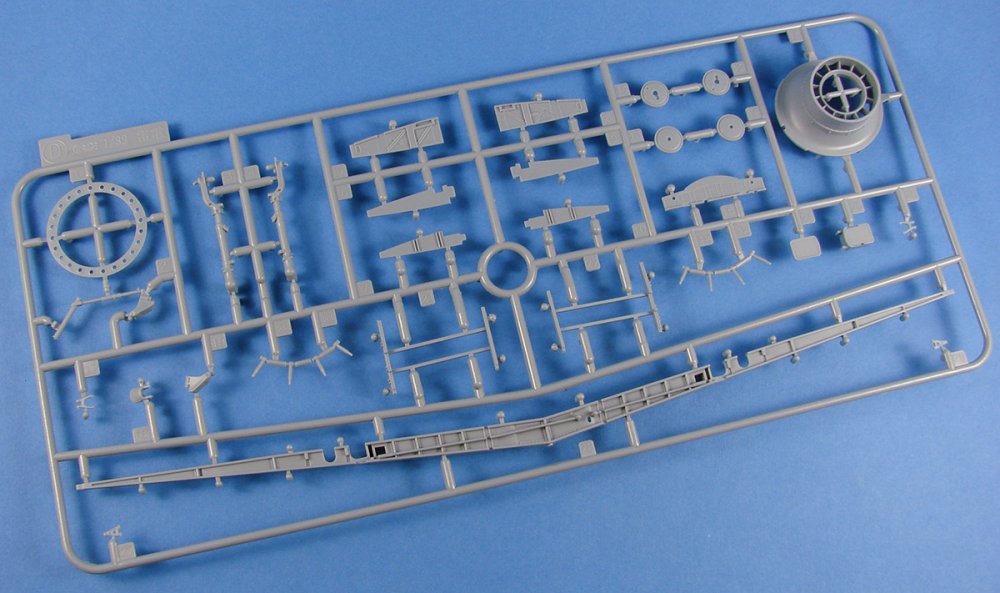
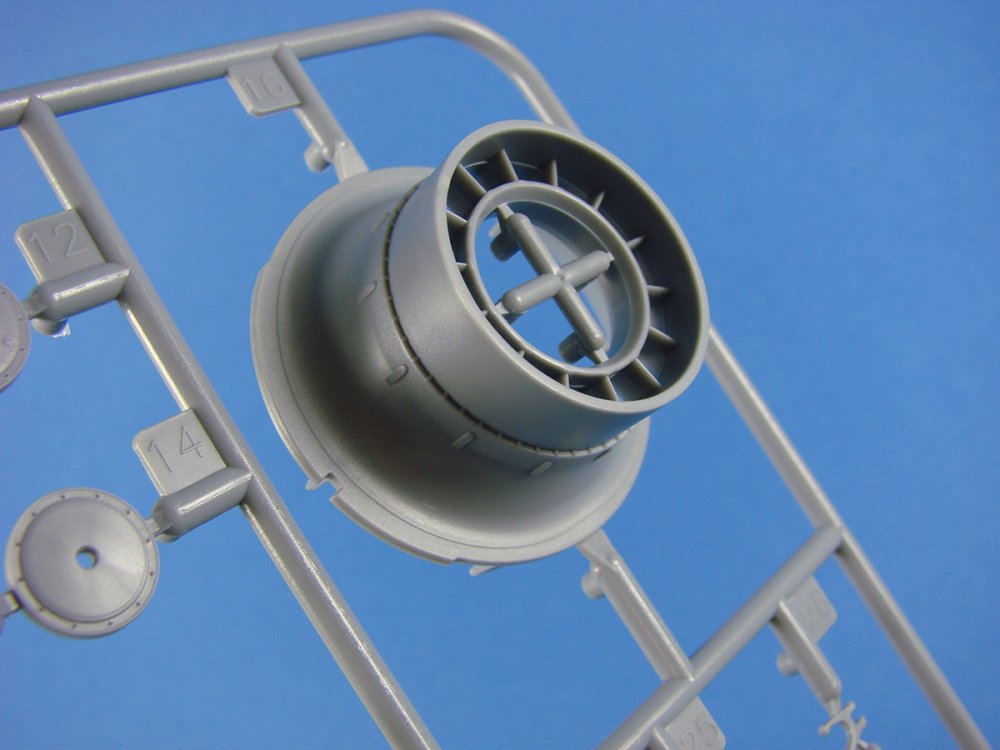
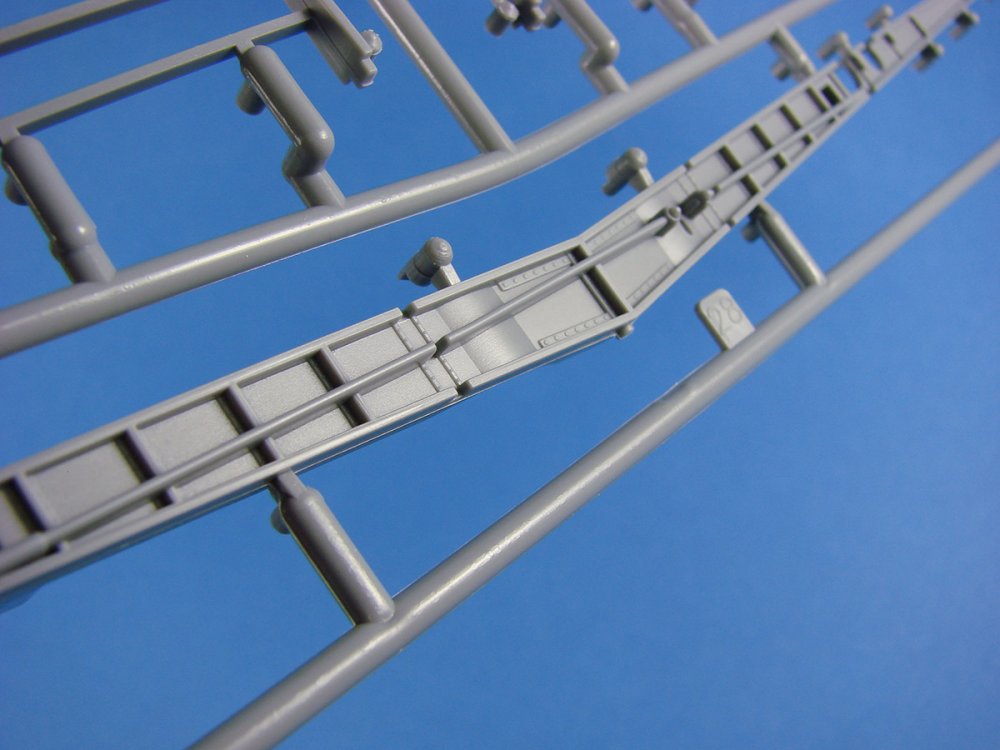
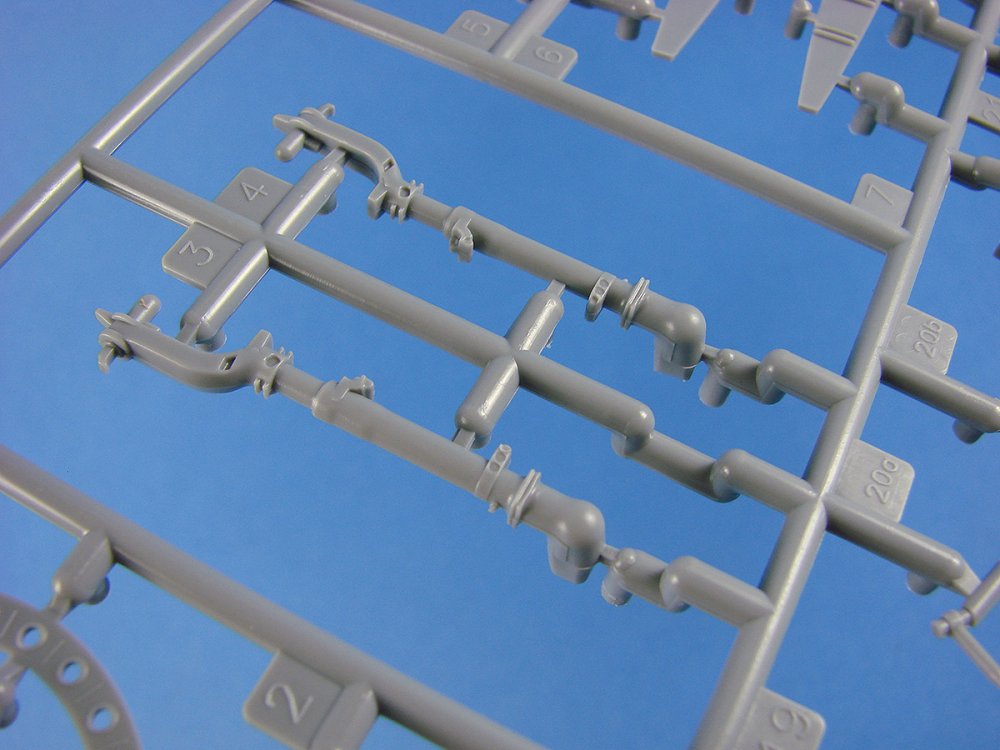
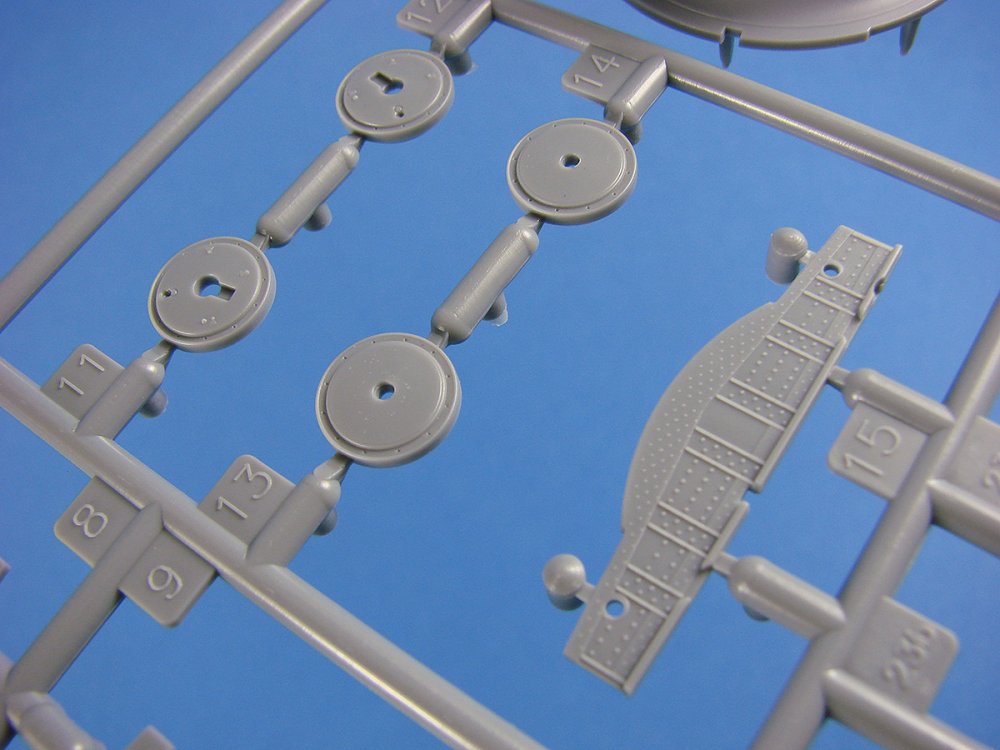
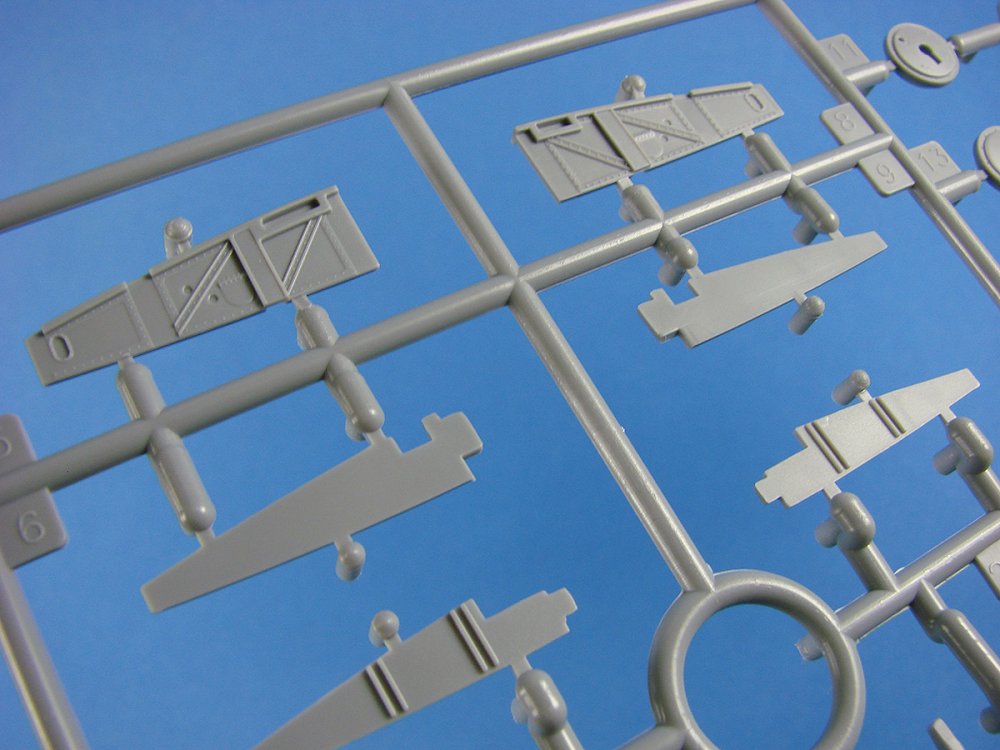
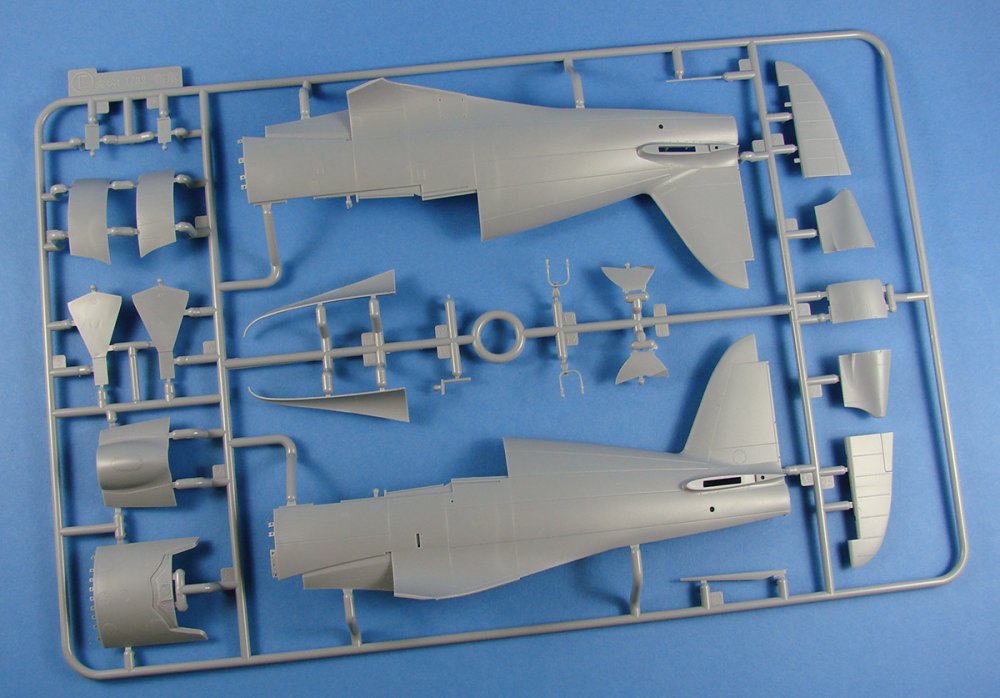
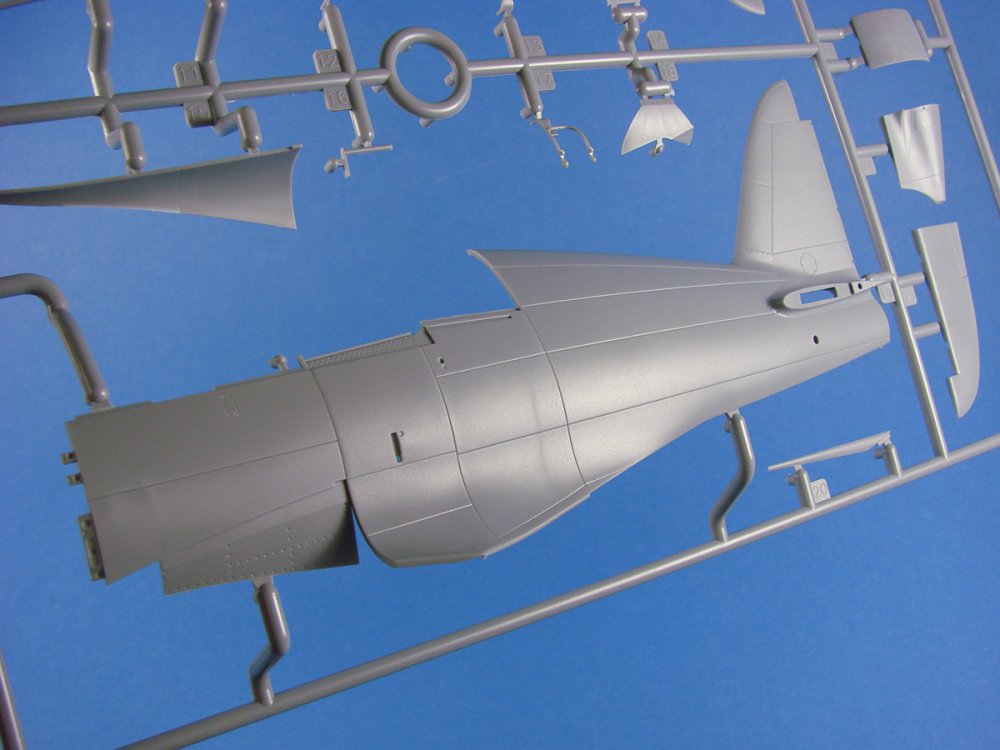
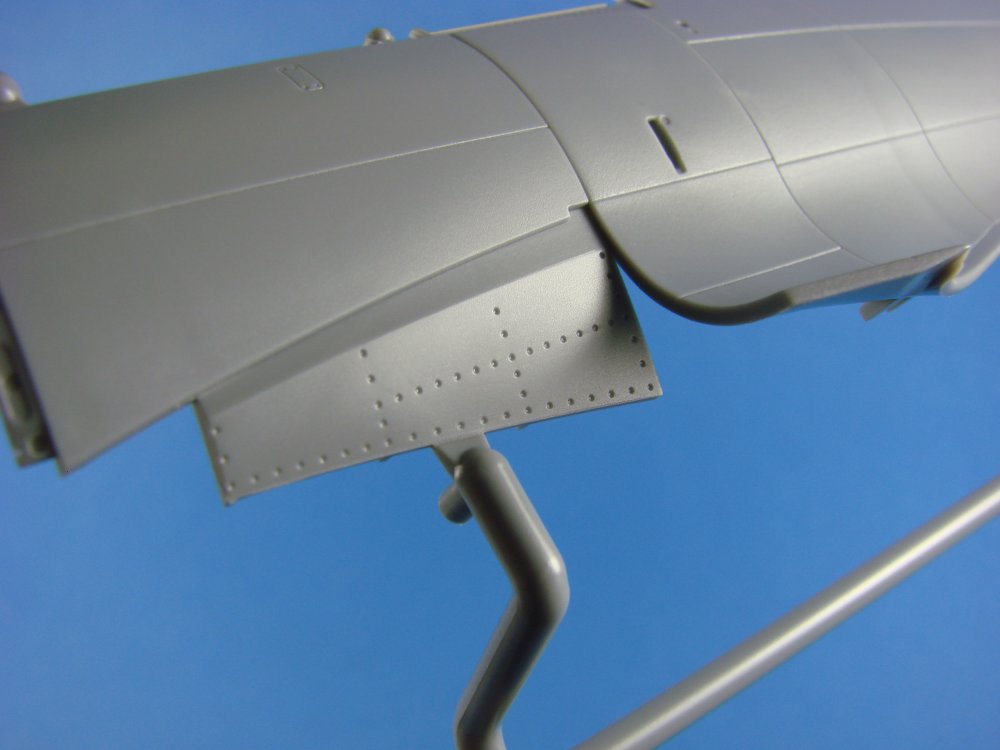
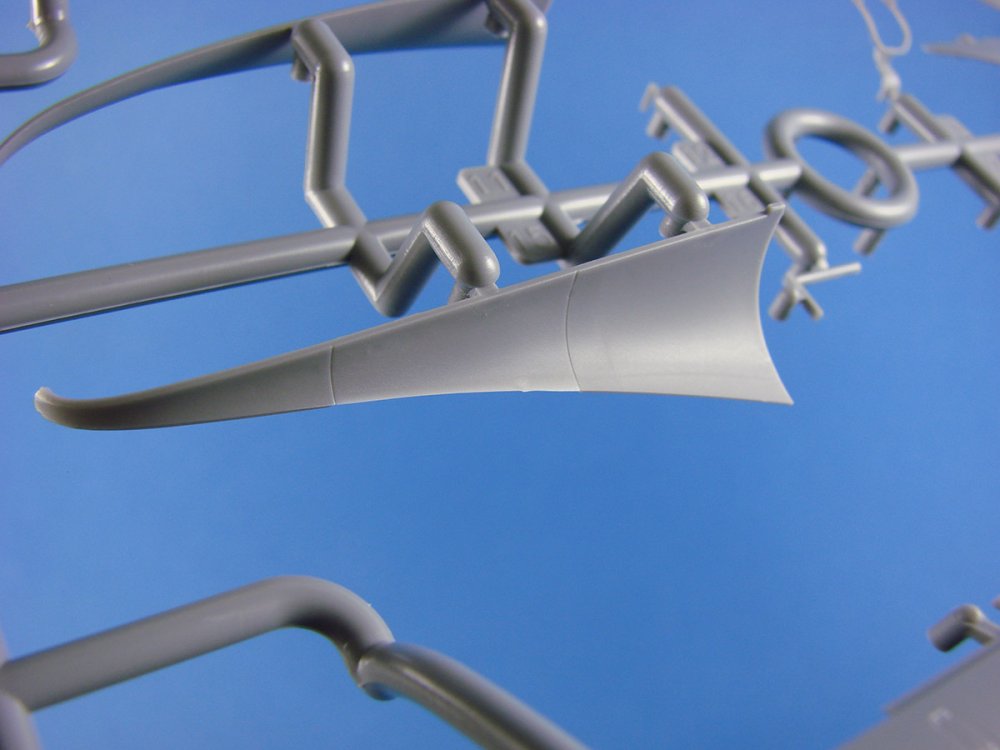
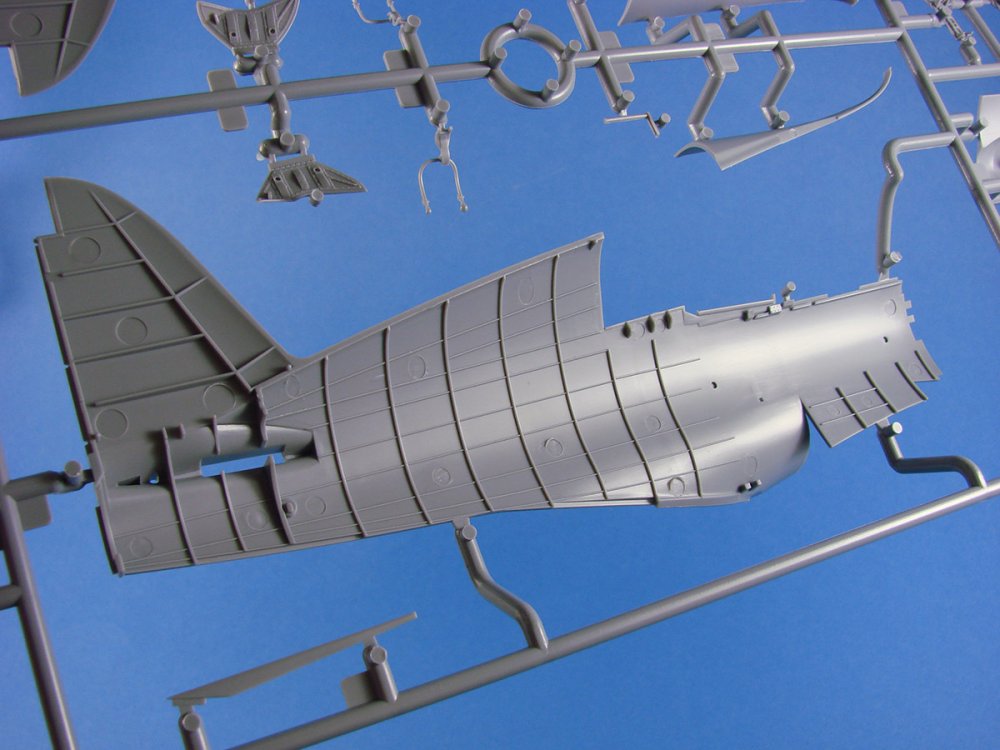
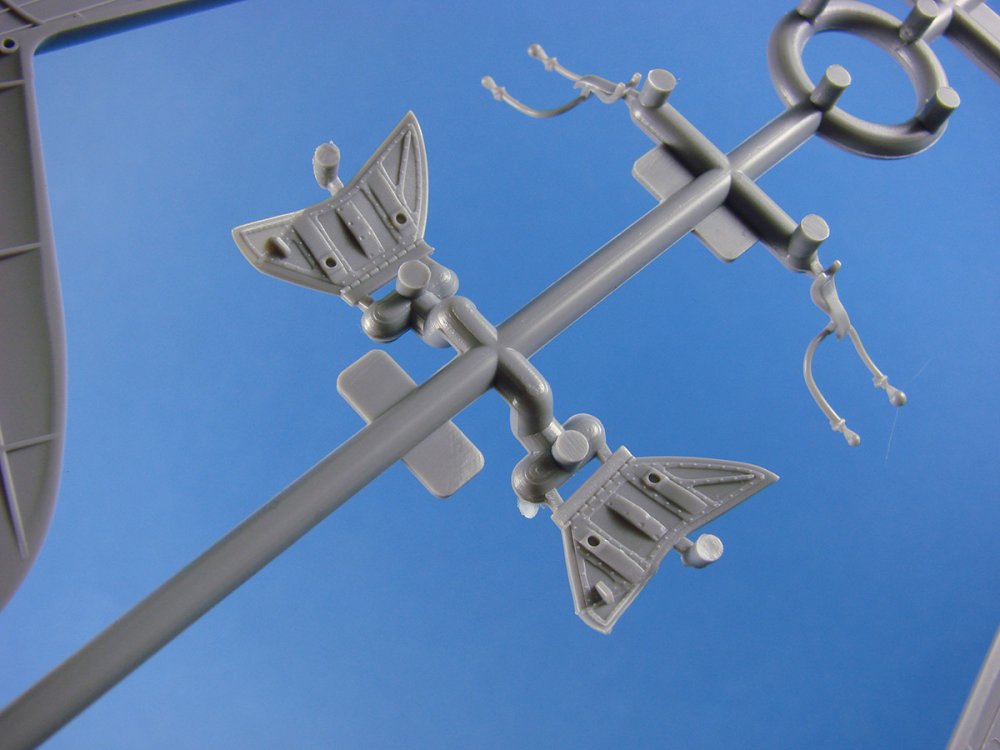
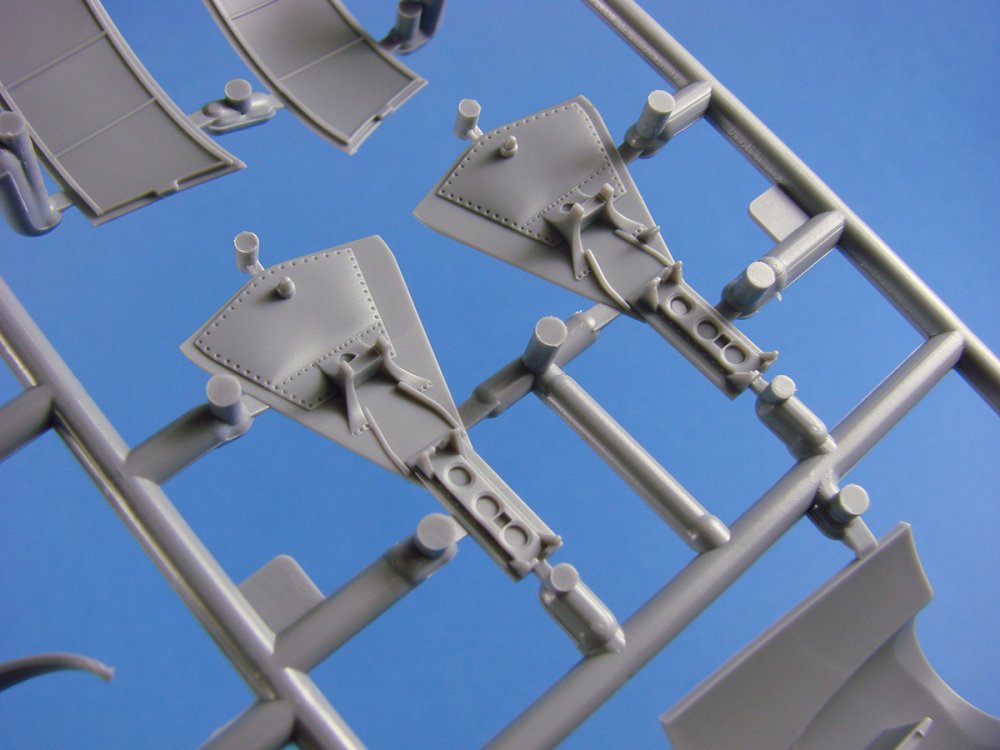
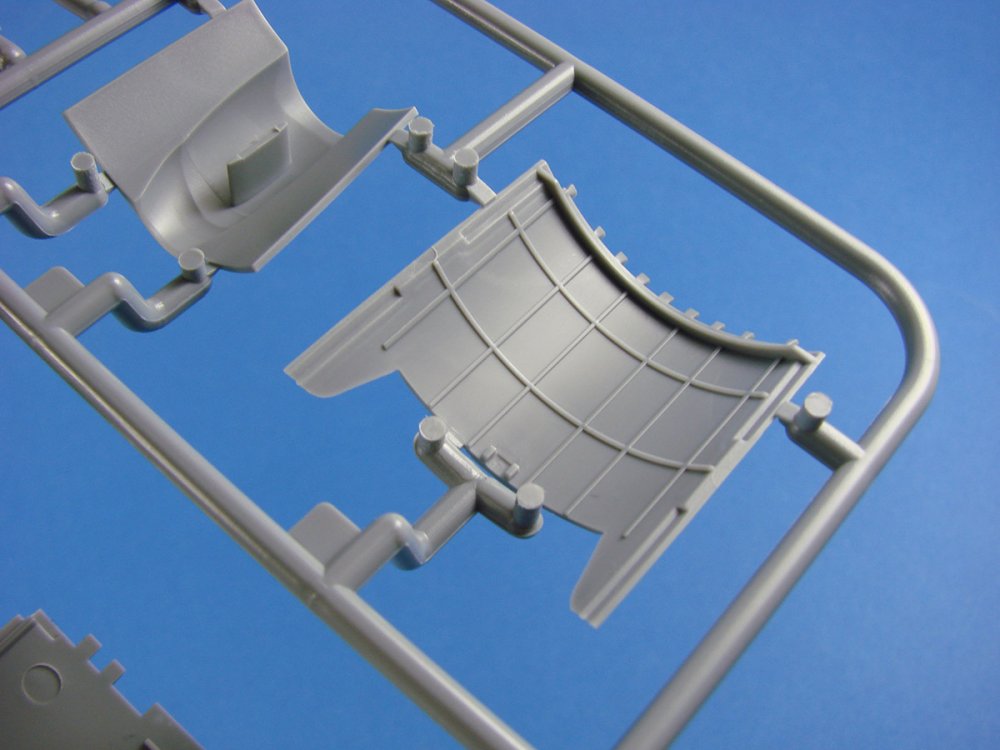
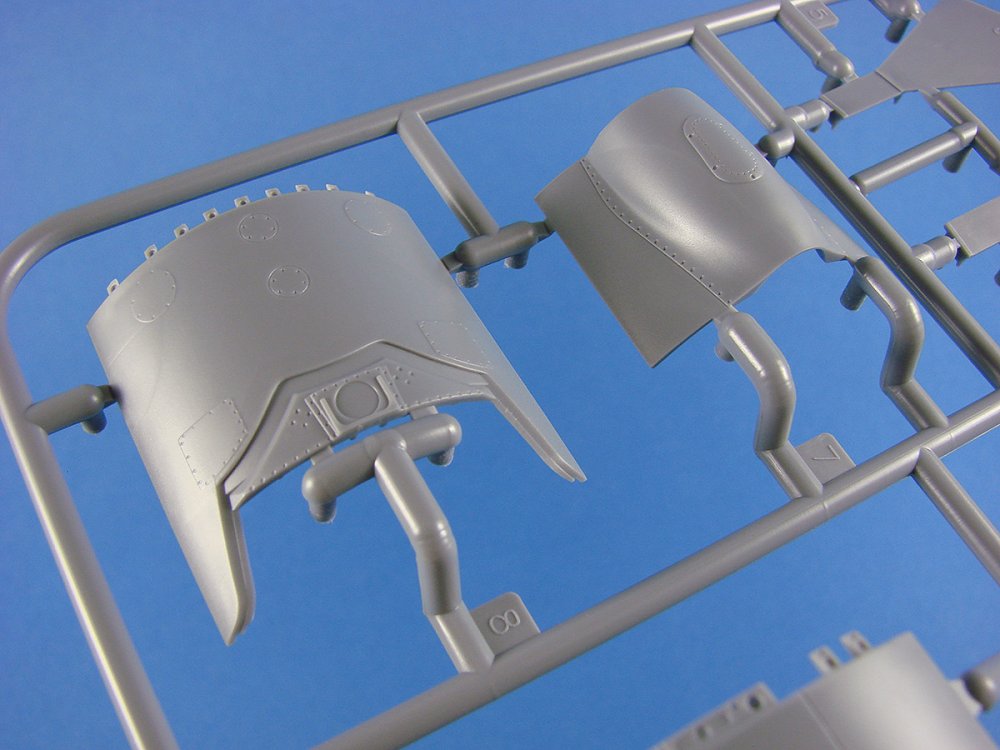
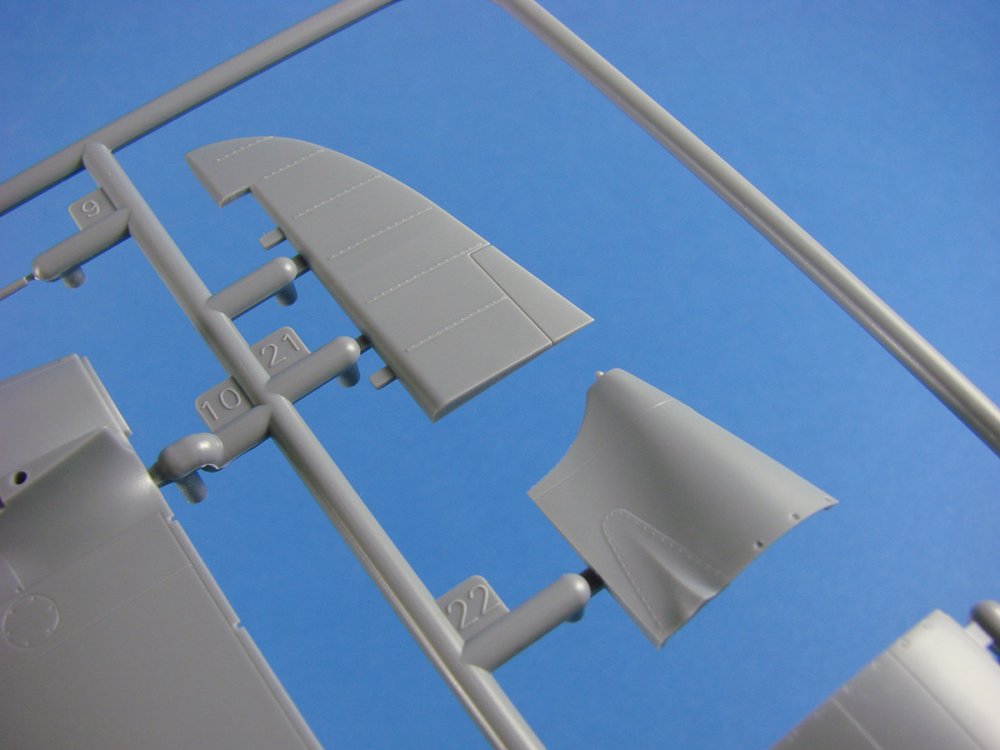

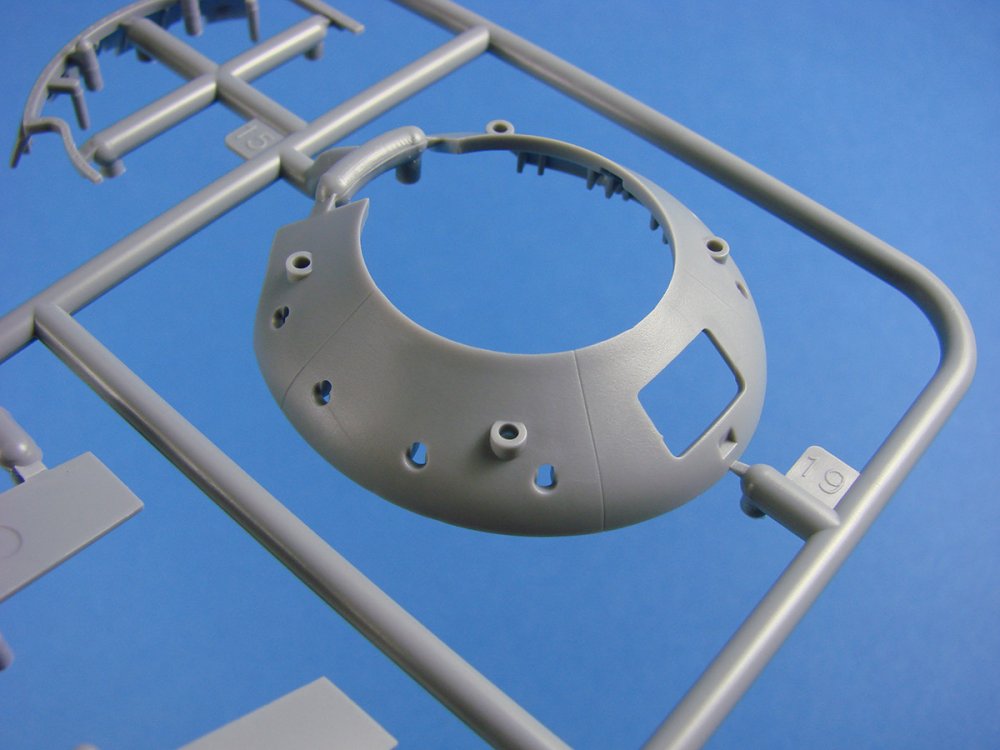
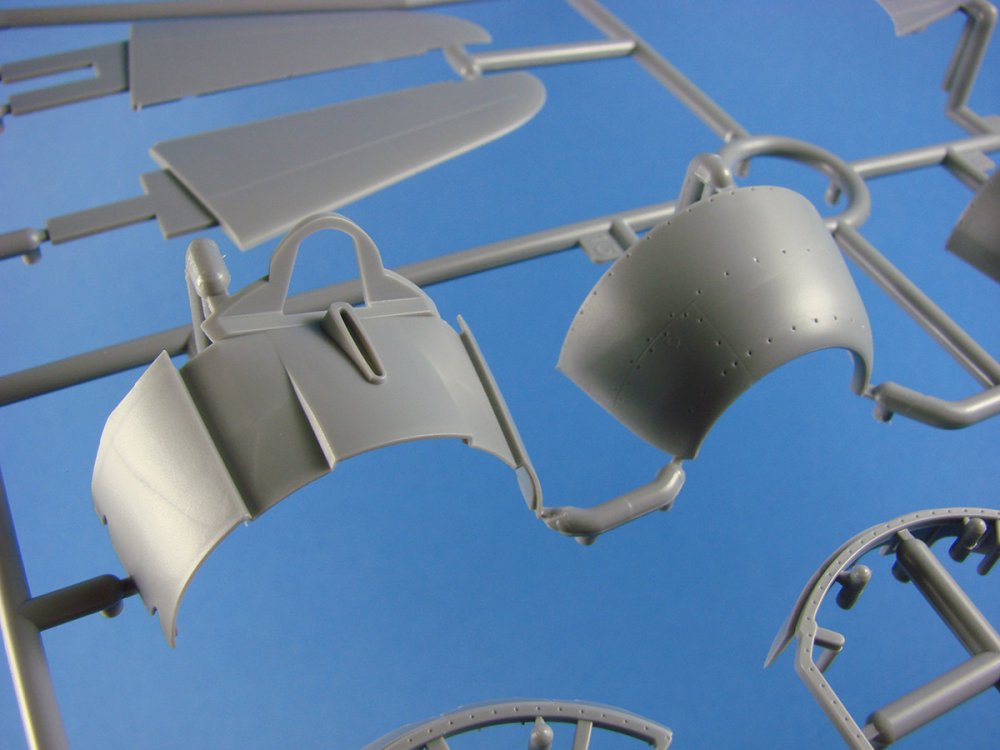
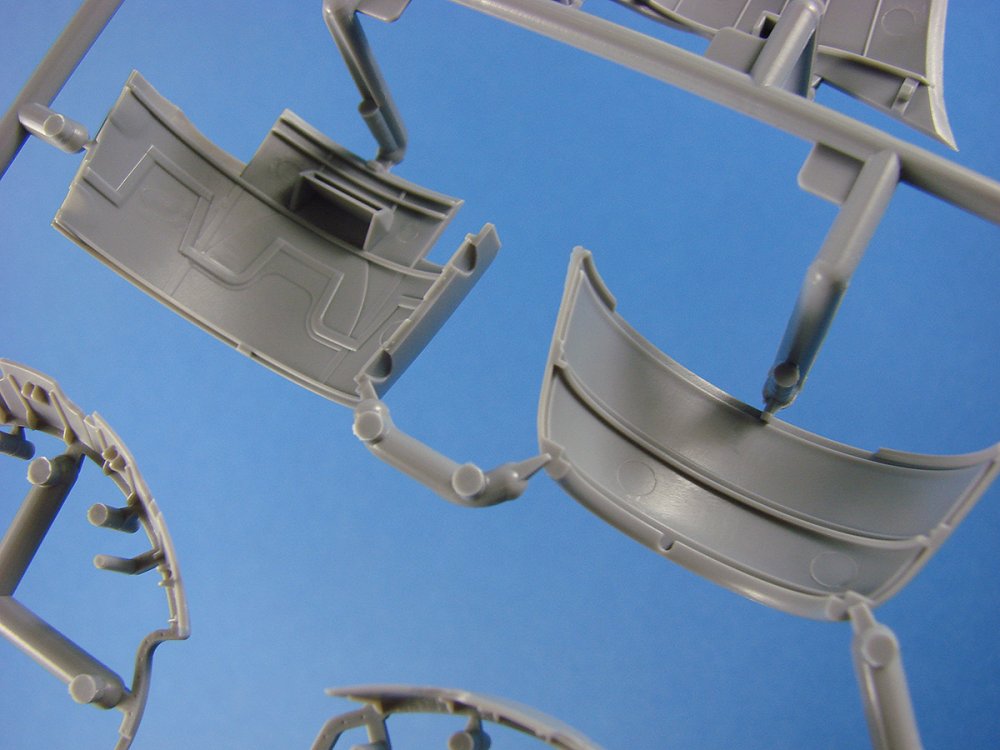
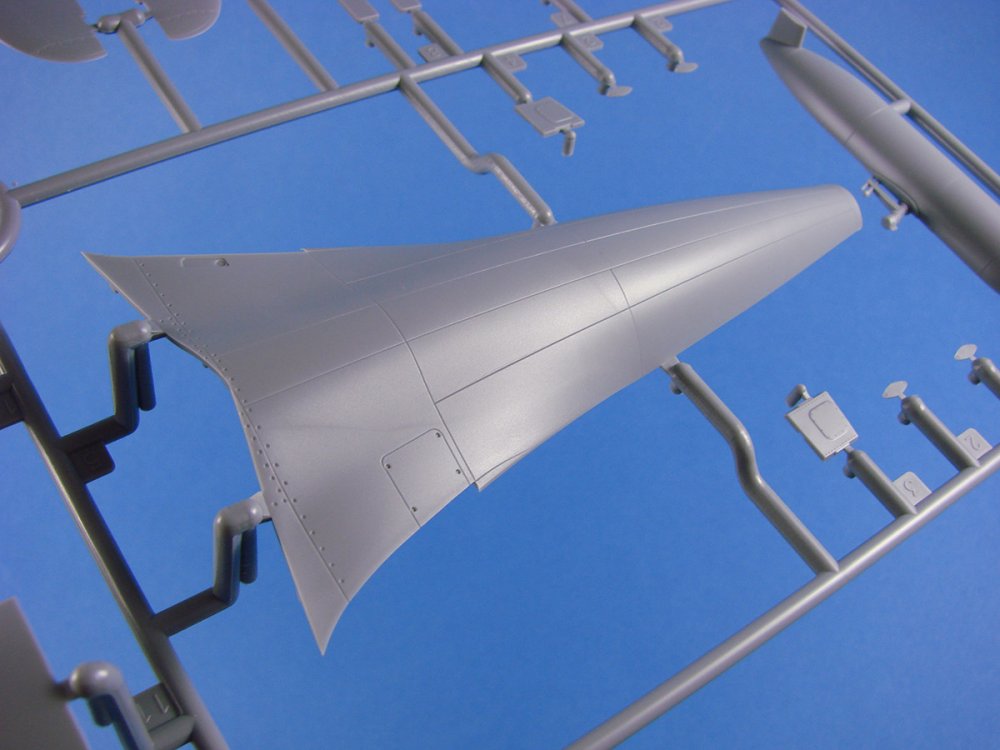
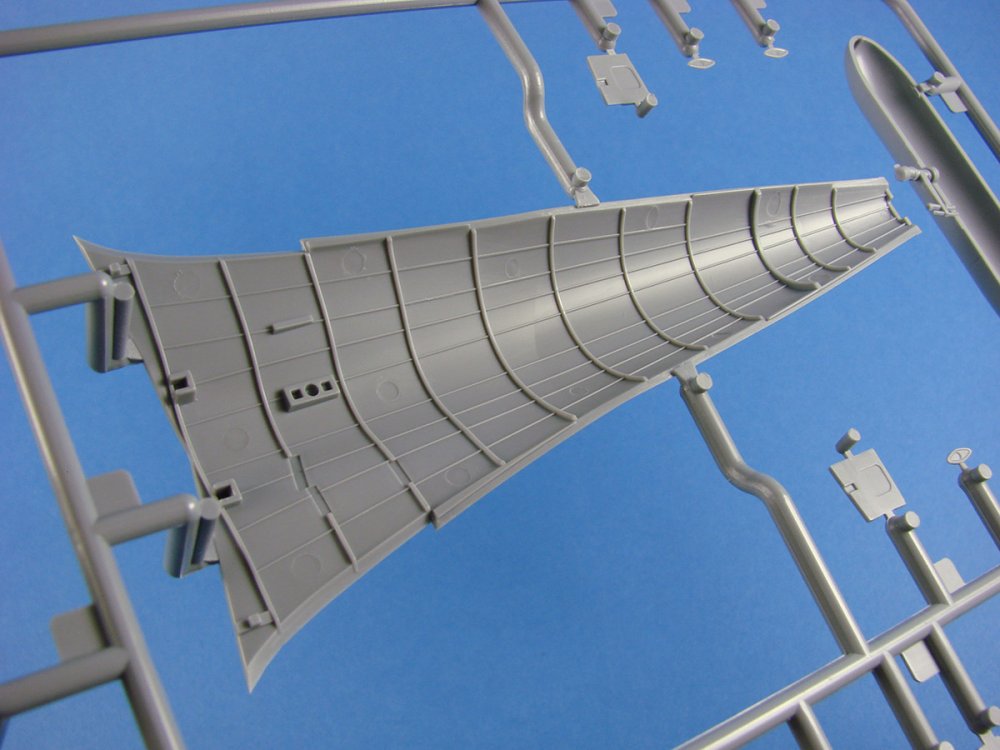
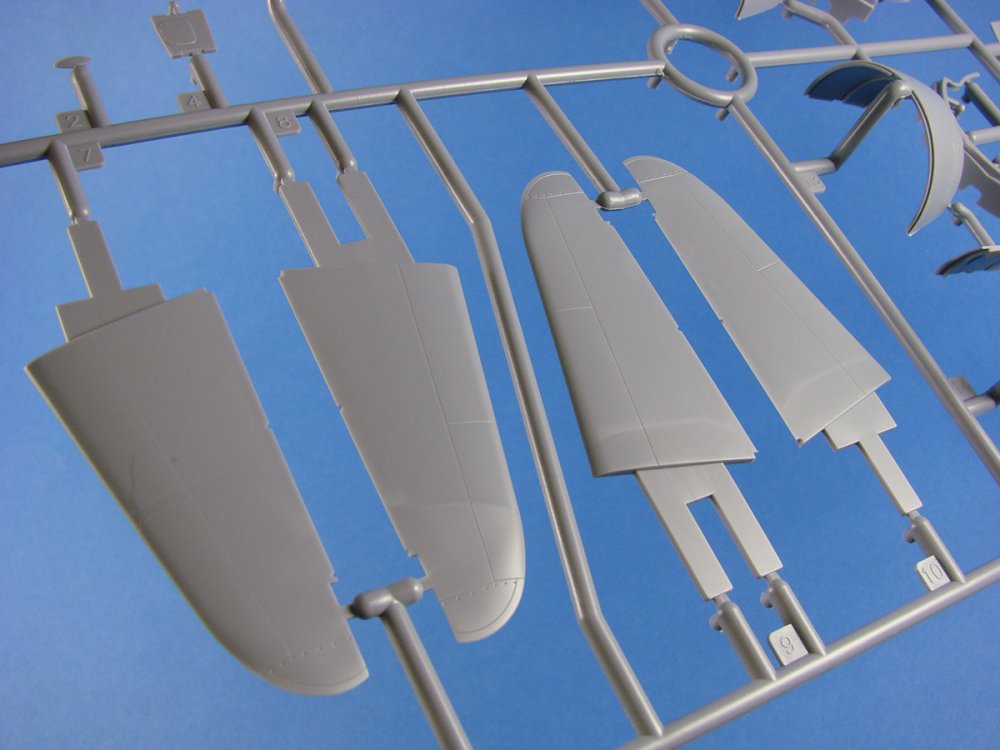
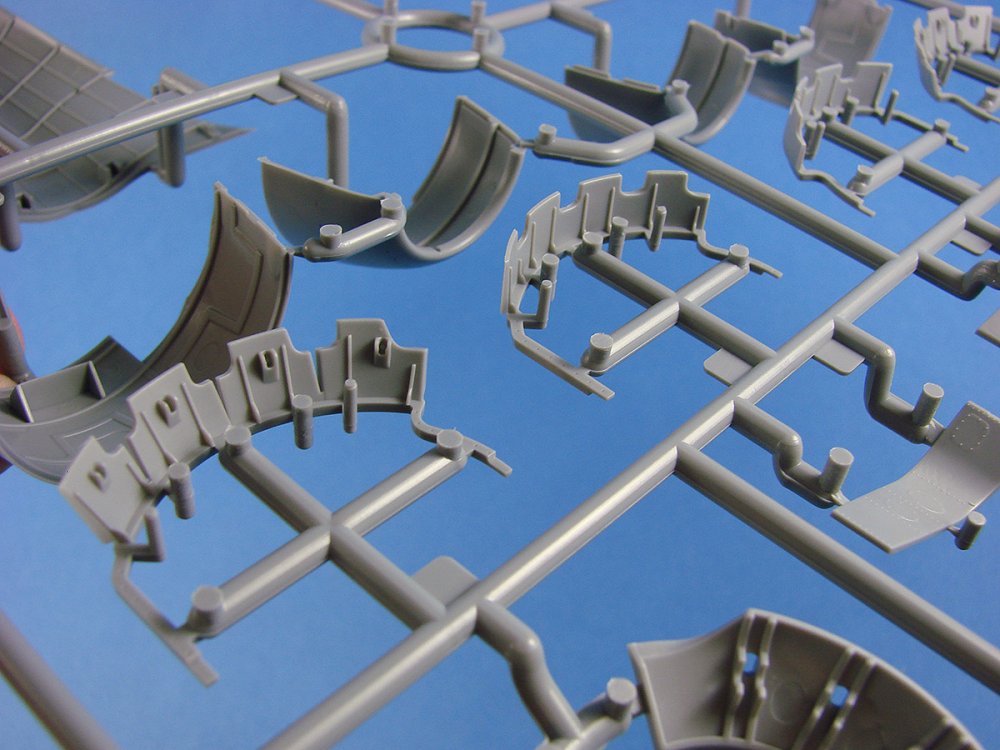
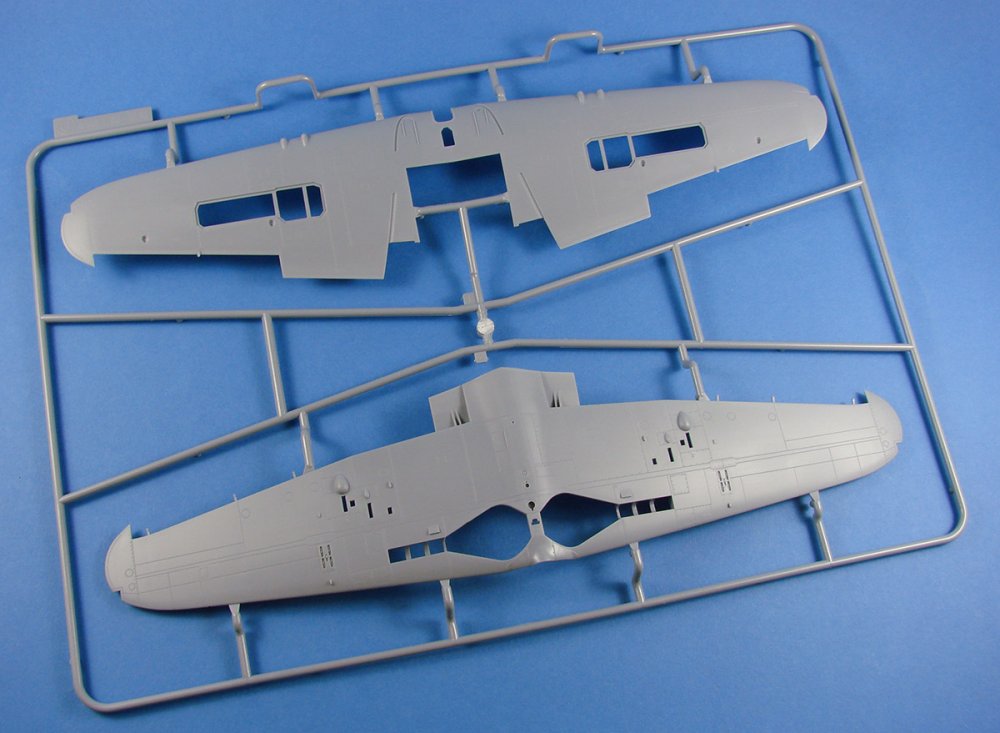
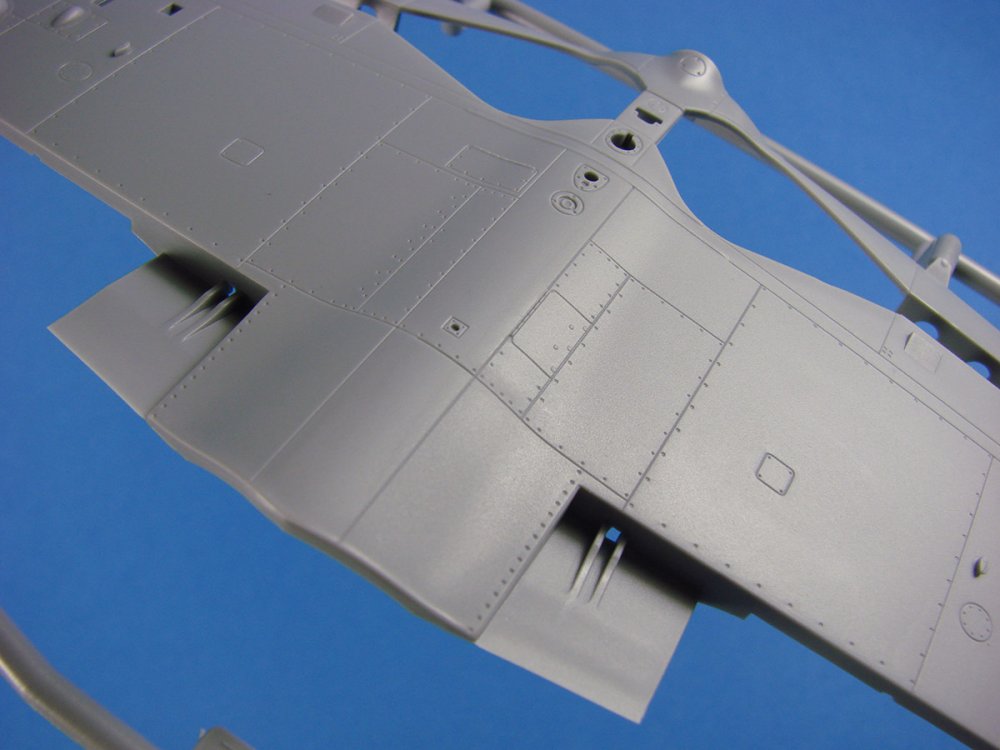

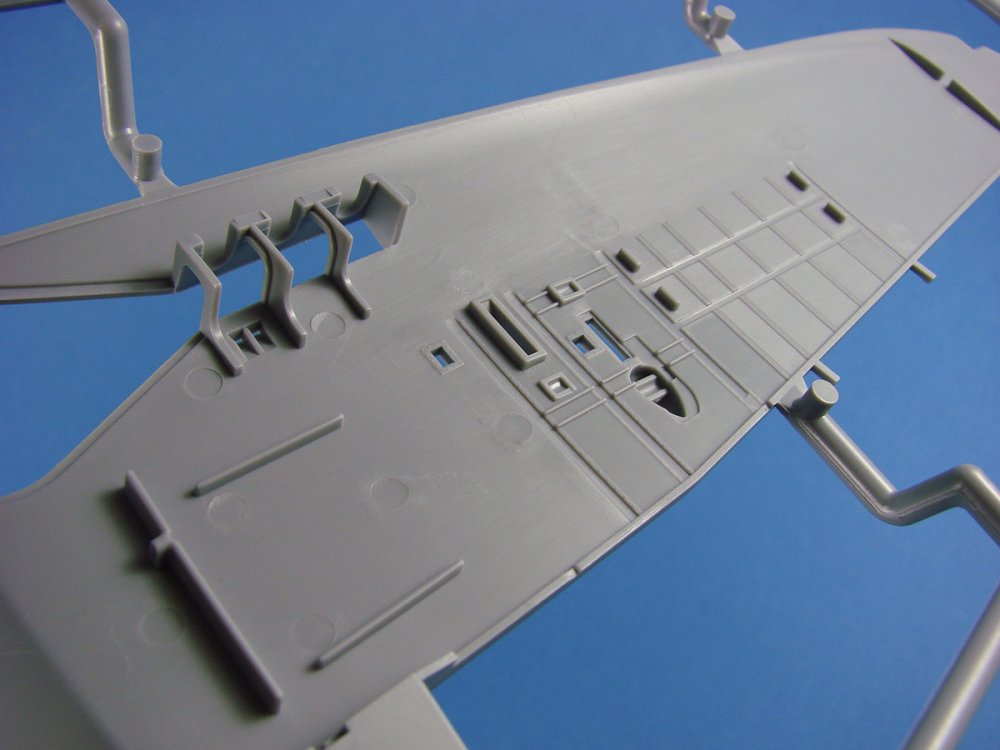
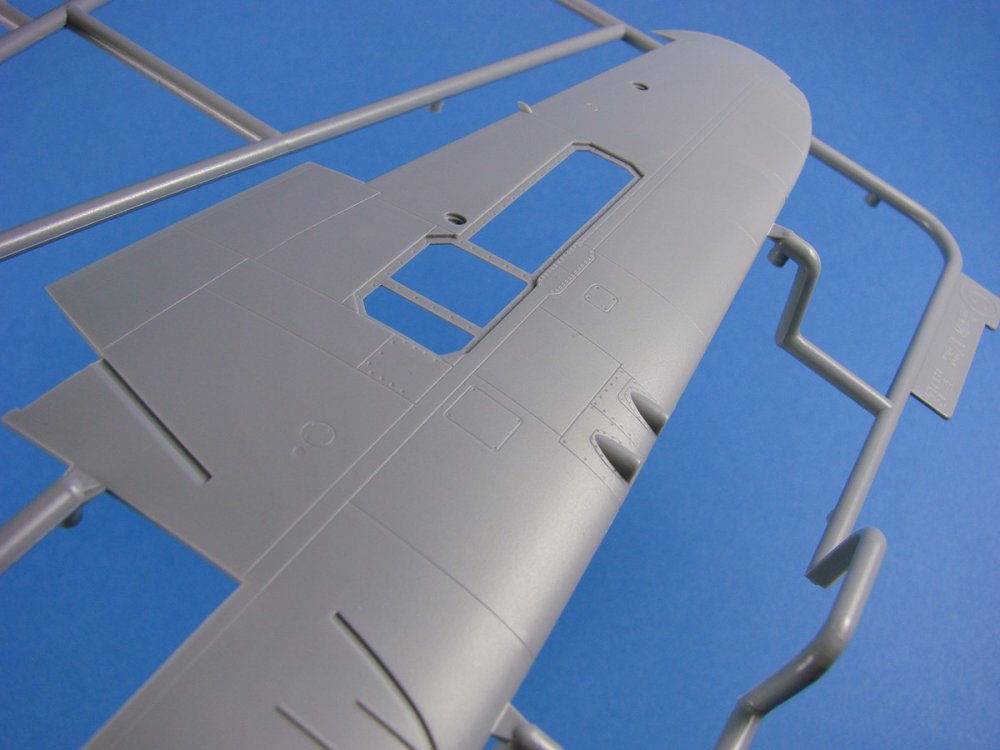
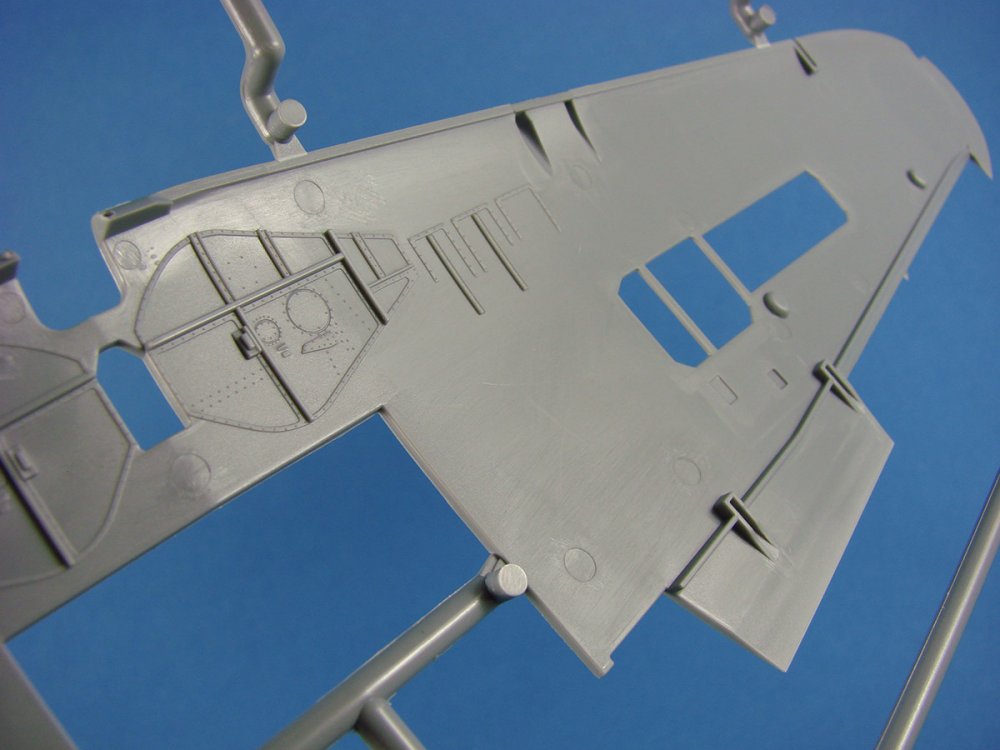
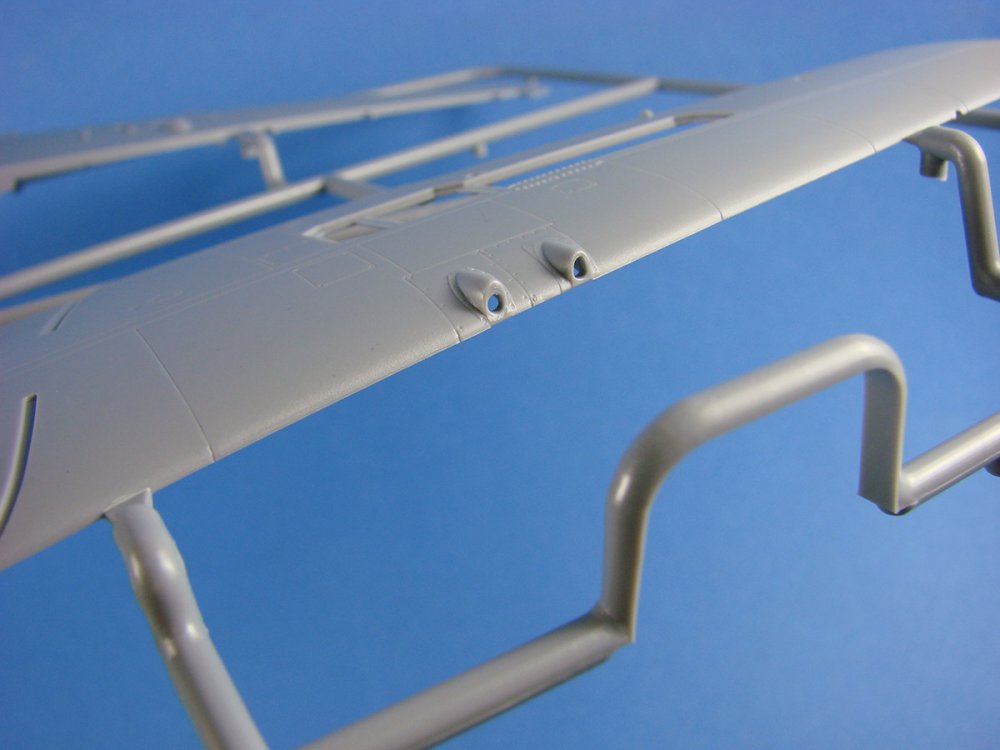
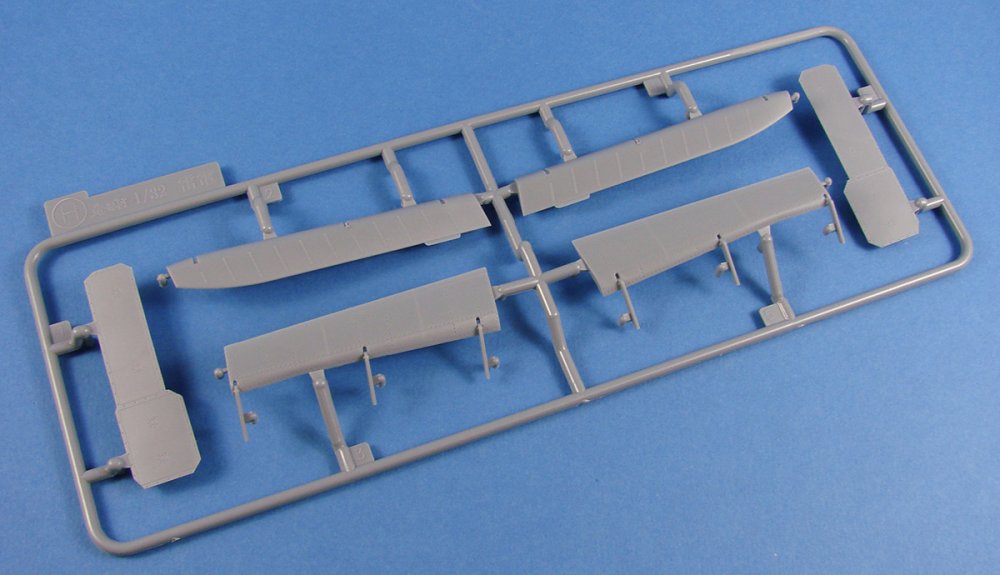
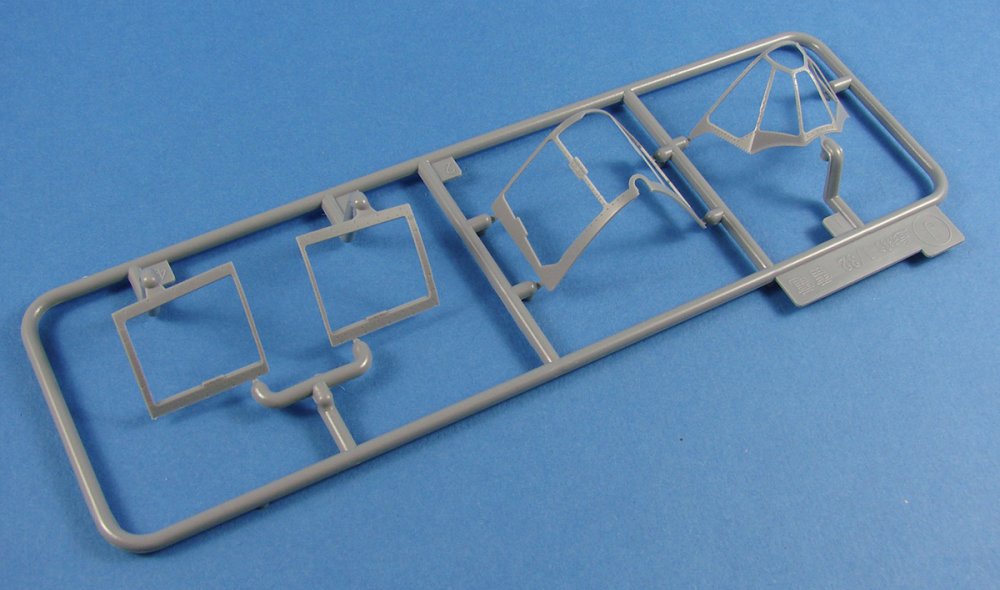
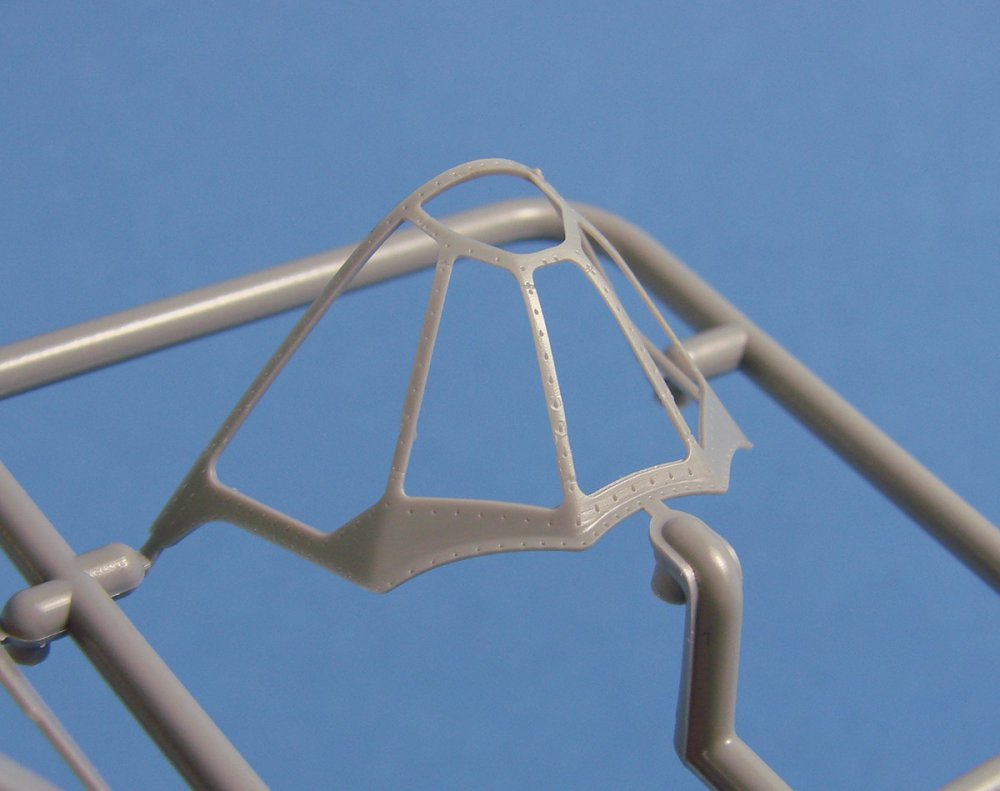
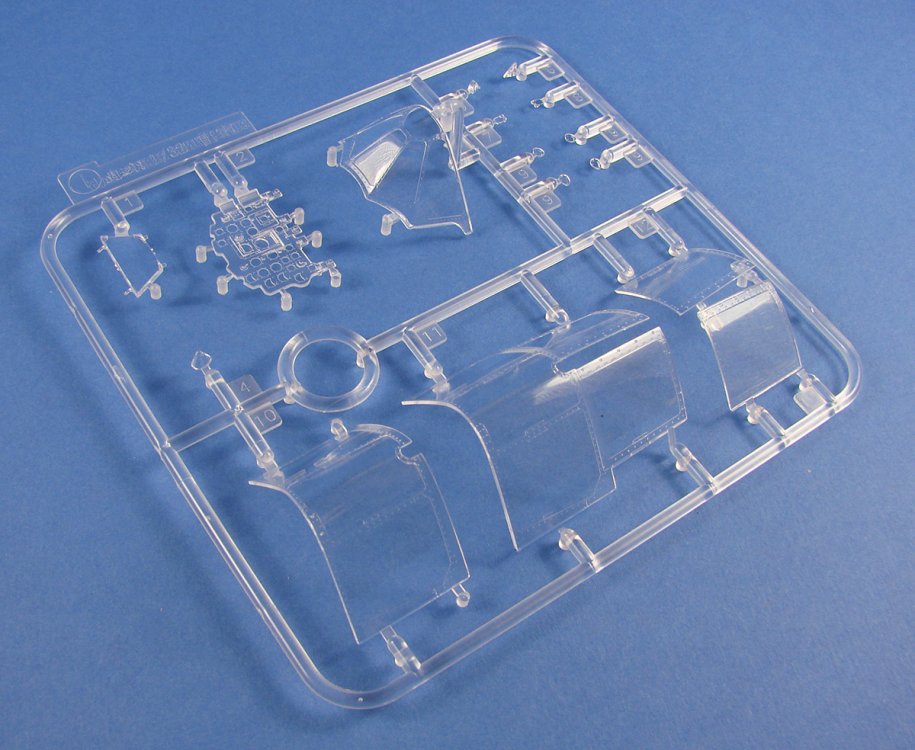
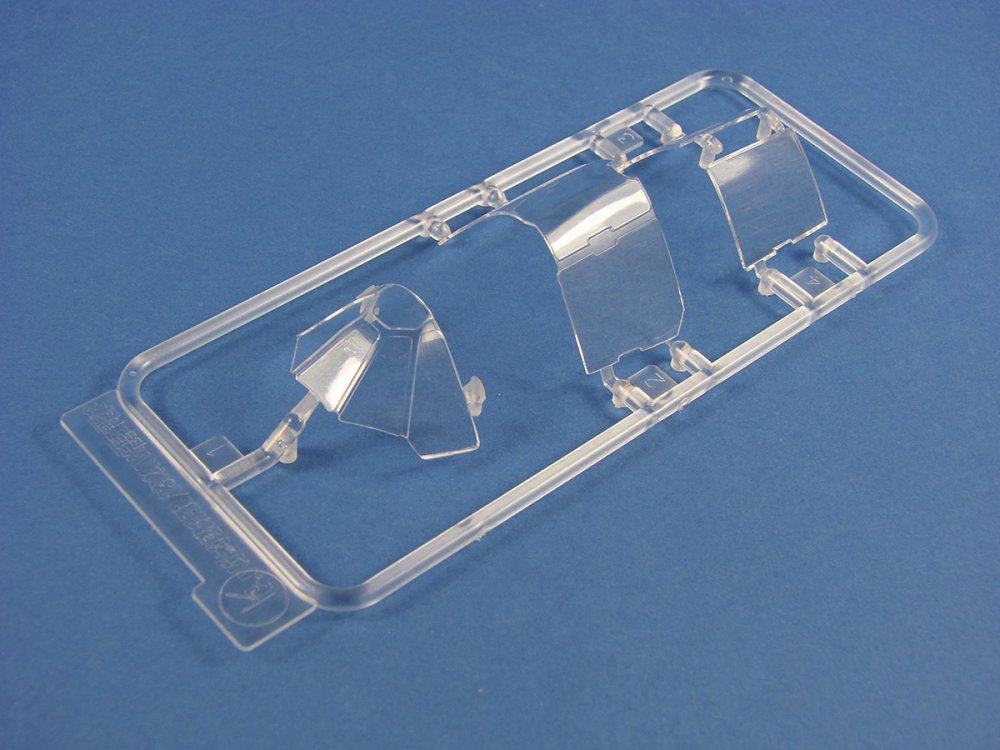
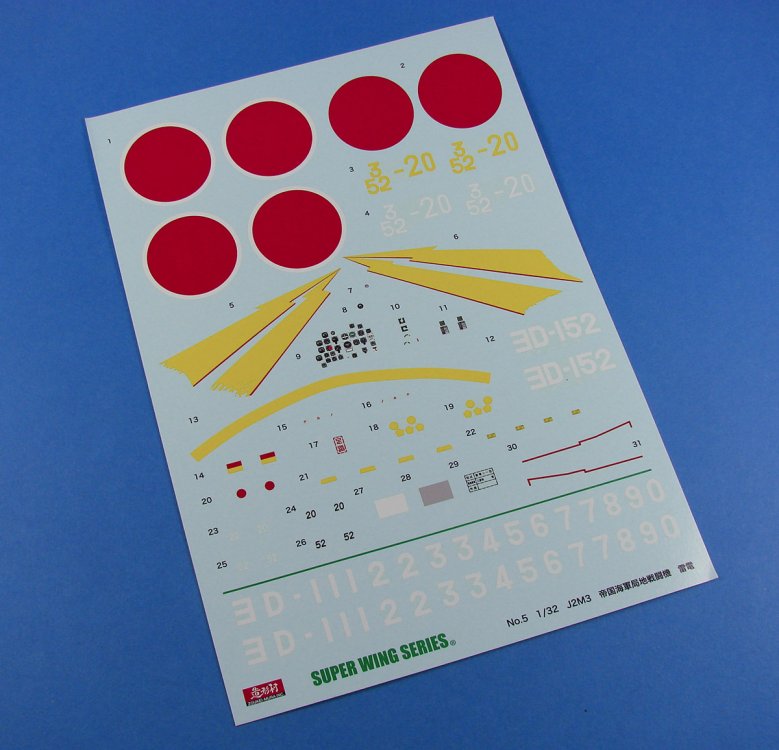
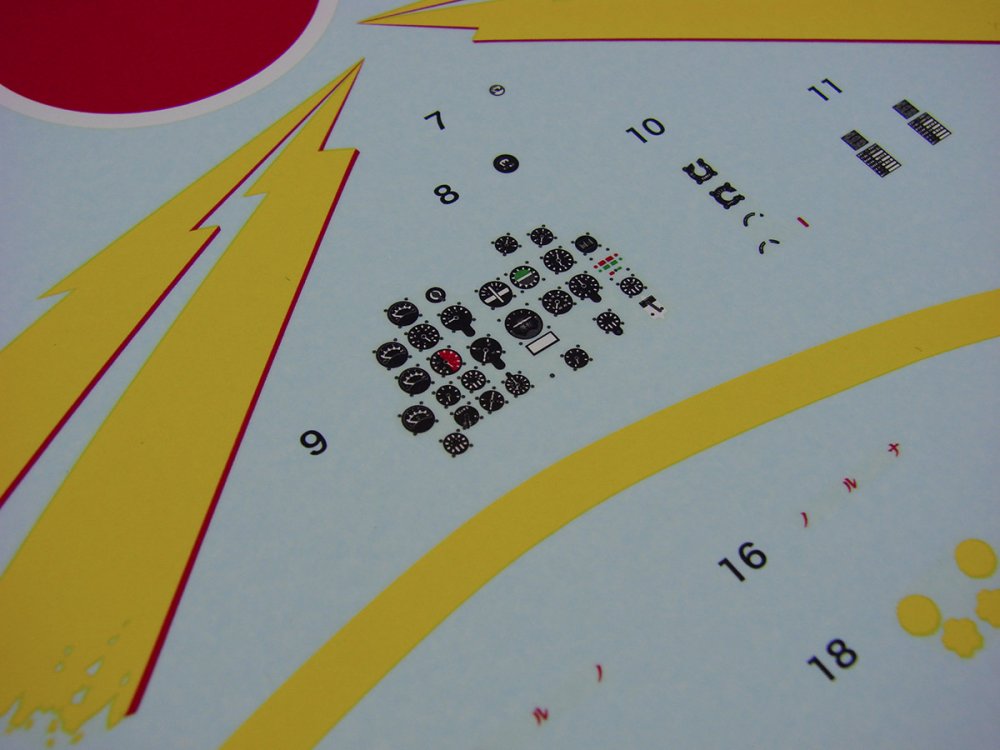
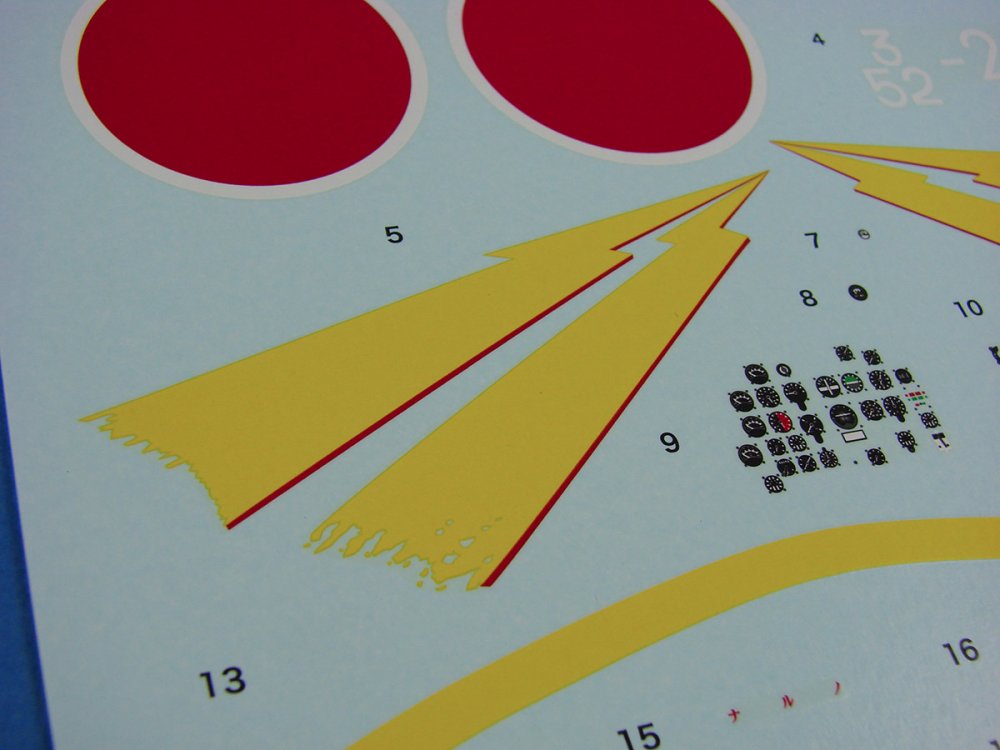
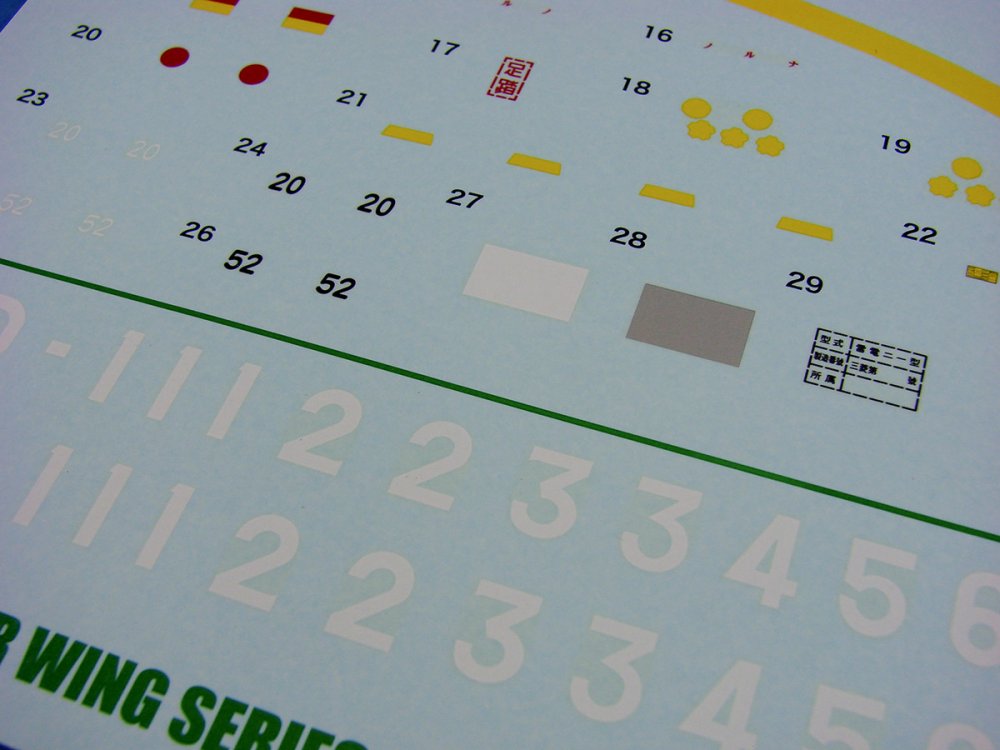
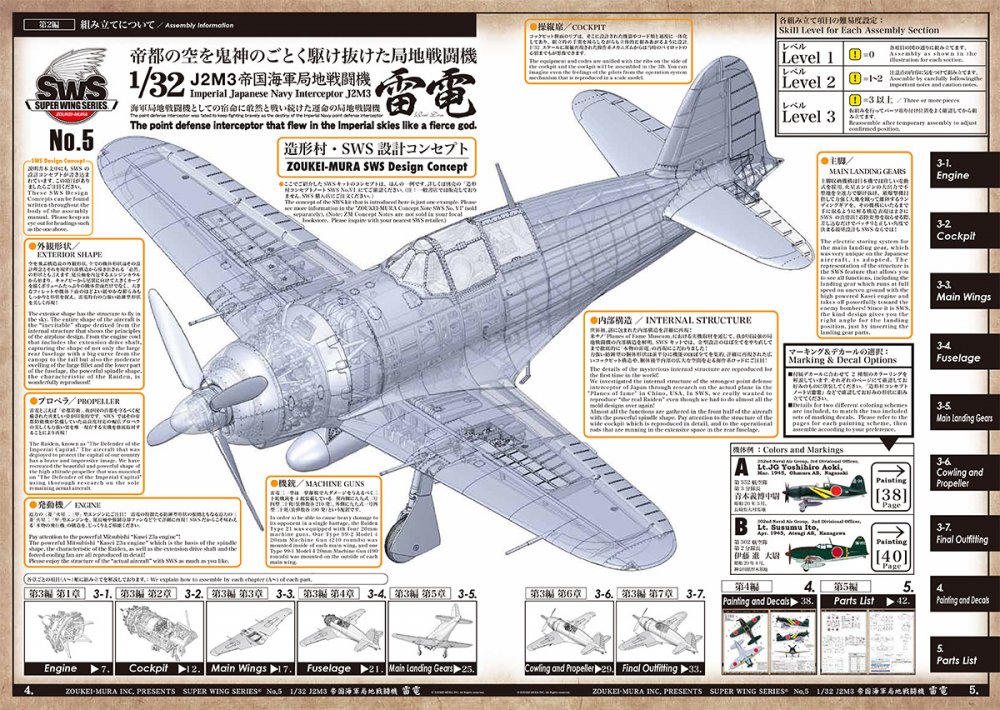
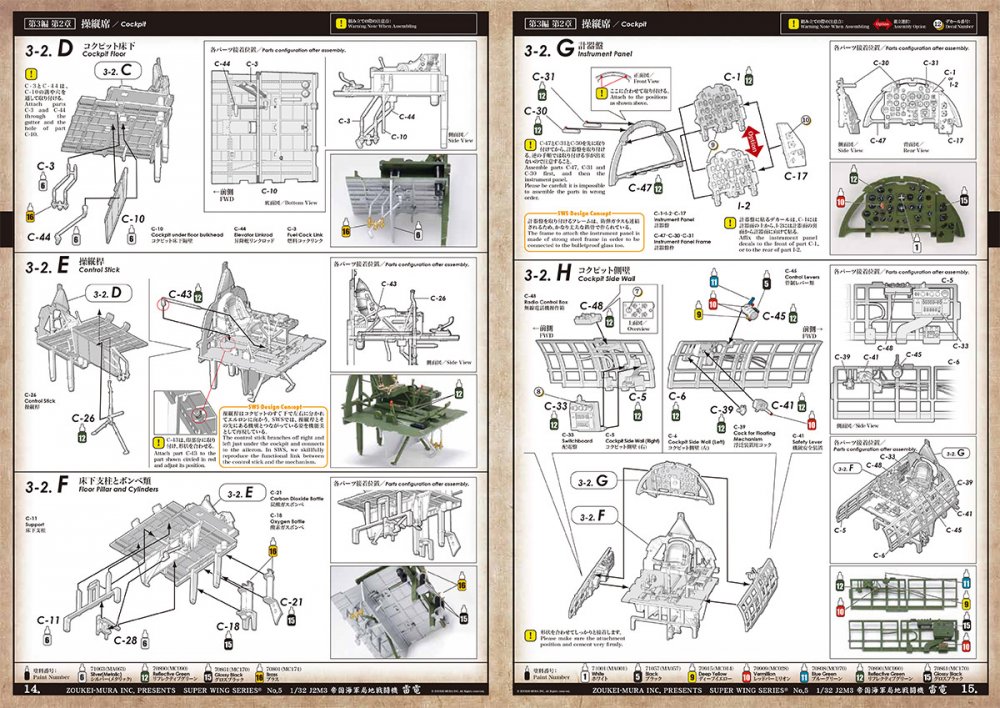
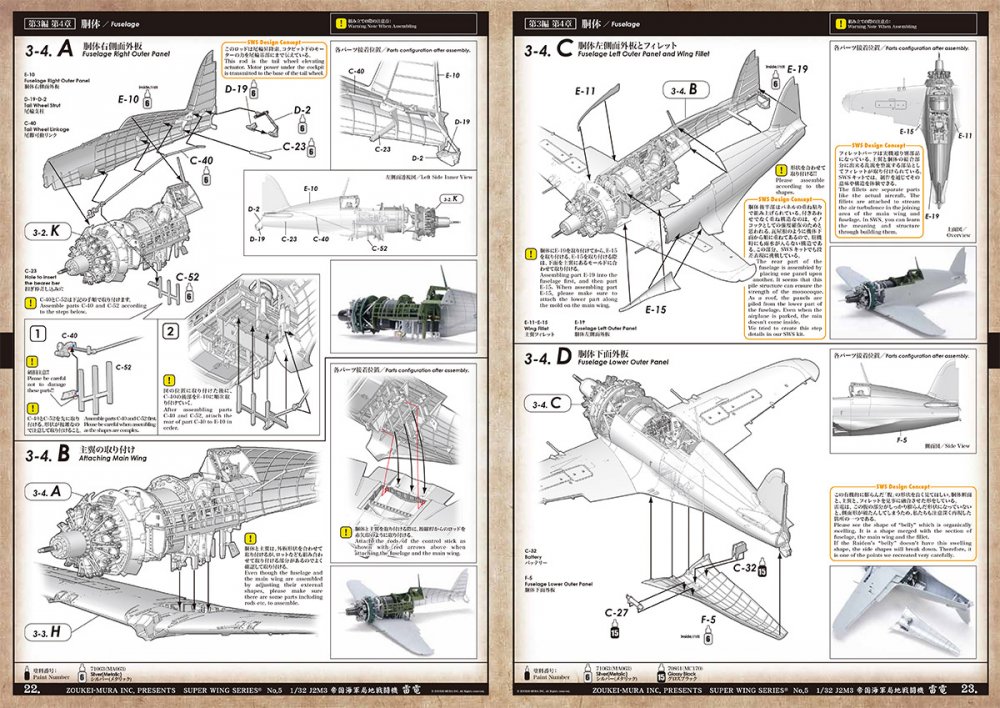
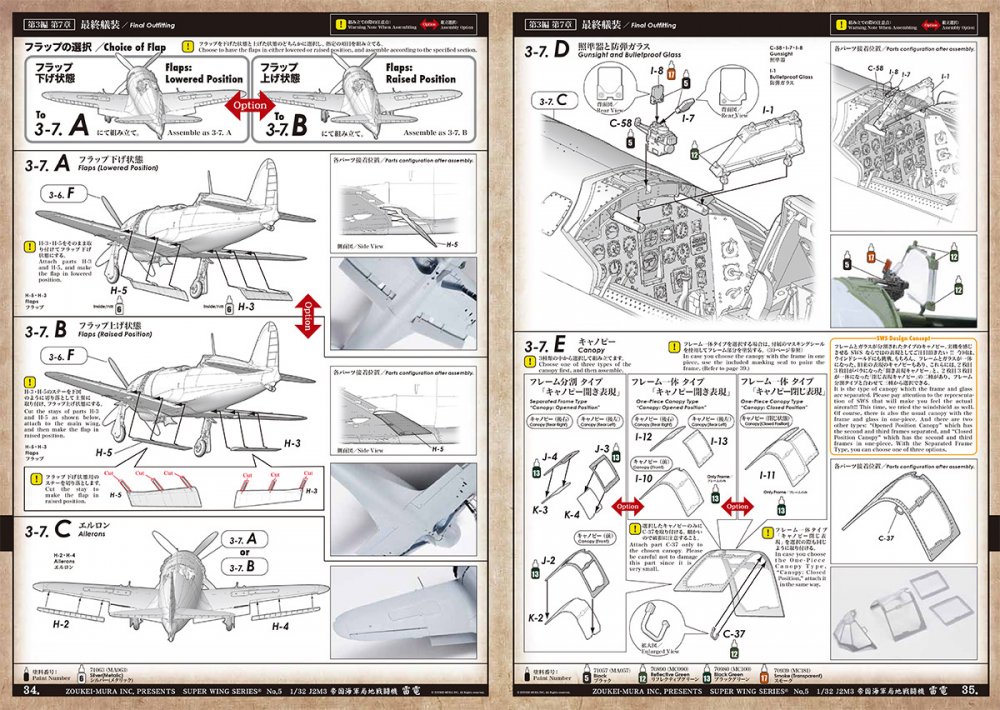
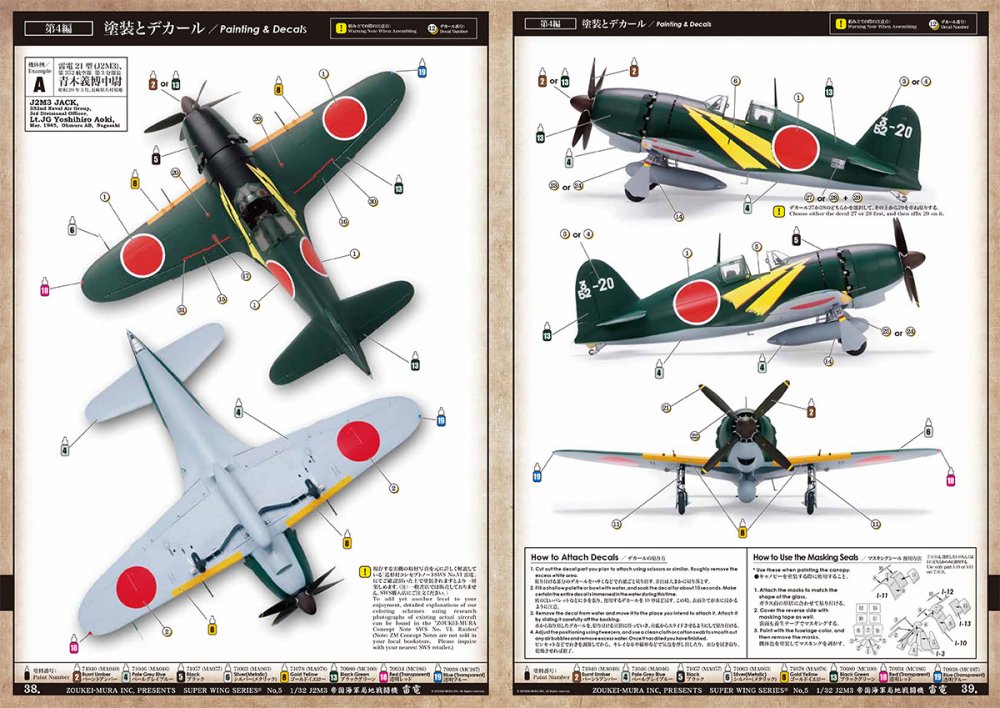
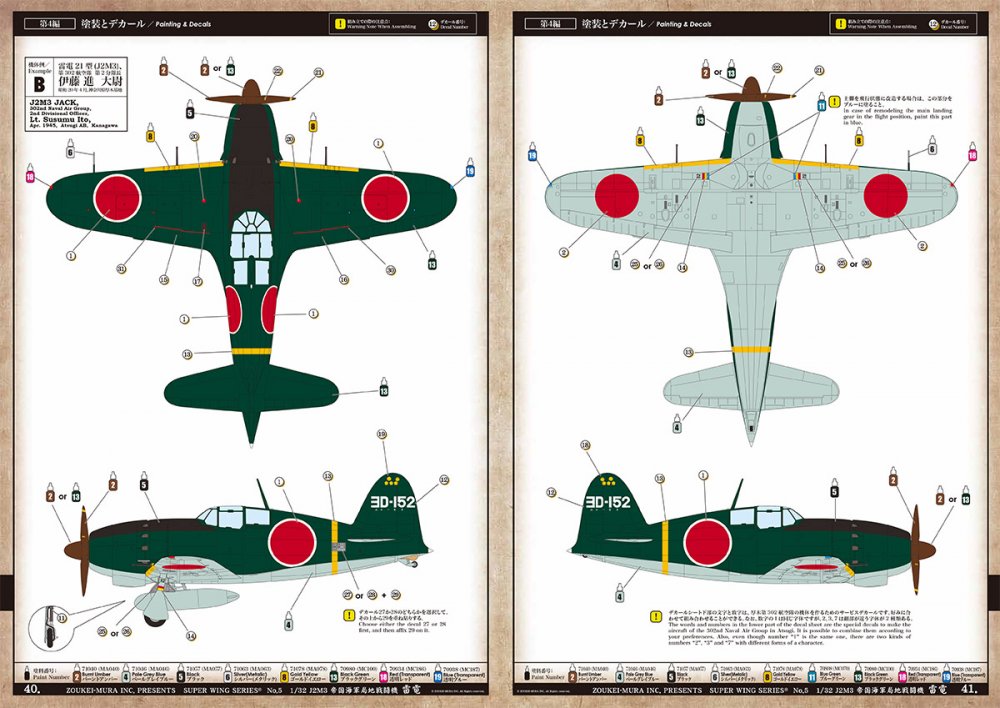
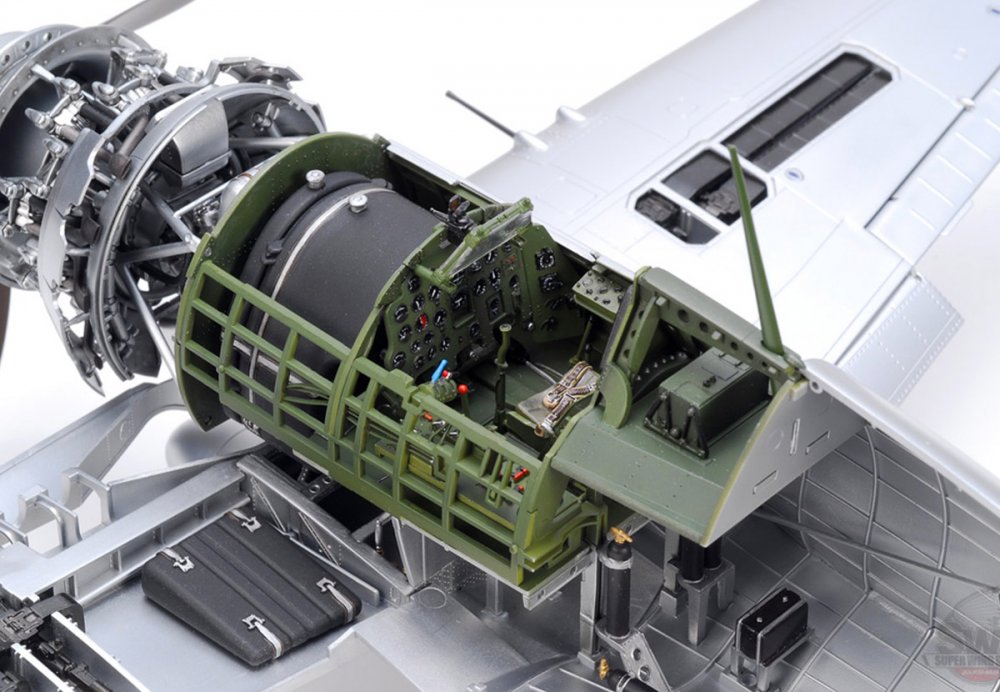
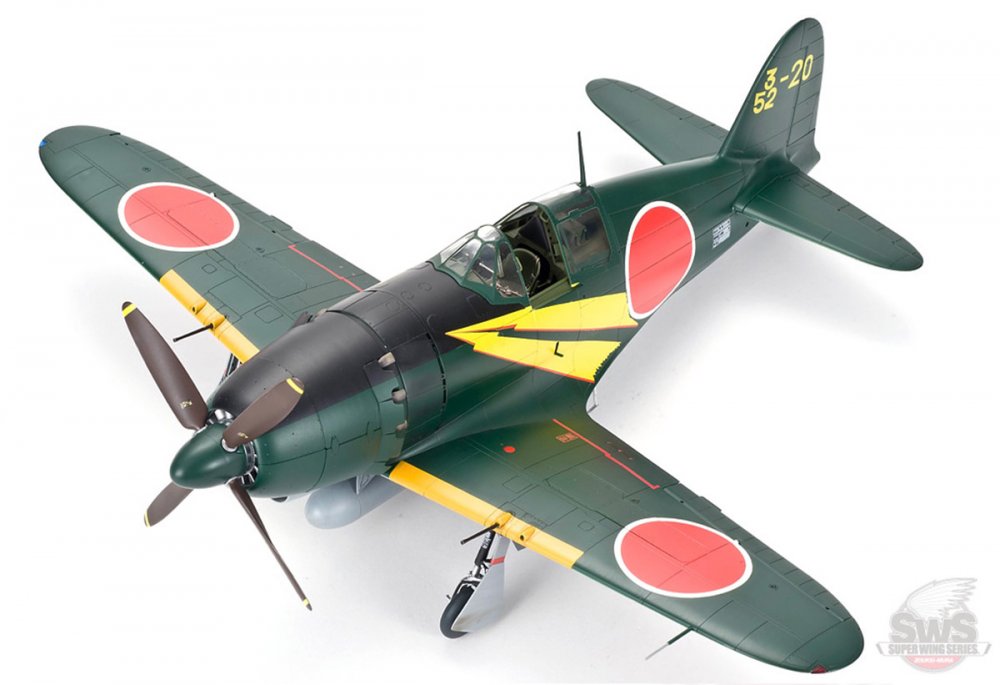
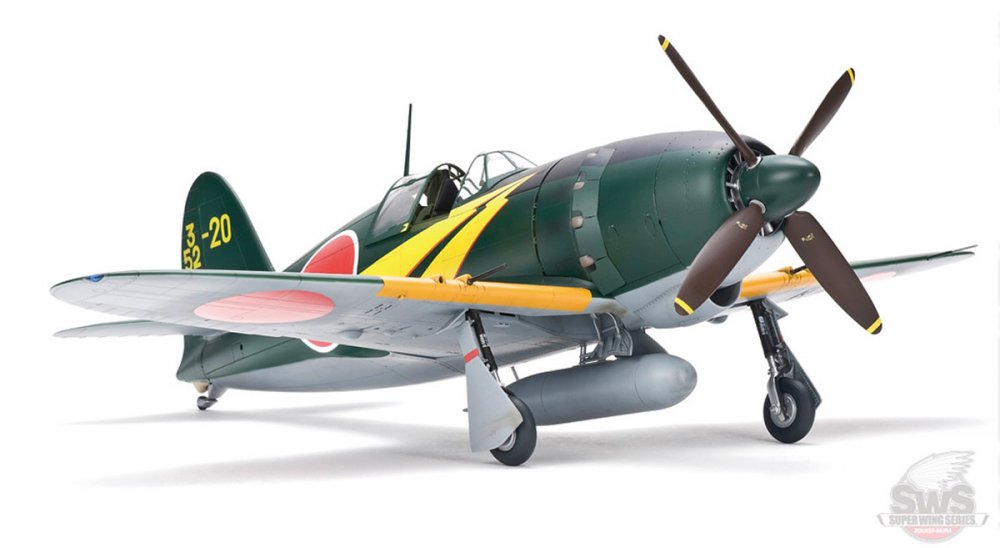
-
Profimodeller Fi103 V1
JayDee replied to JeroenPeters's topic in LSM 1/35 and Larger Work In Progress
That looks better. Far more natural. When do you glue the wings on? -
RPToolz. All you will ever need. http://rptoolz.unas.hu/en/
-
hkm Meteor T.7, G-BWMF
JayDee replied to JayDee's topic in LSM 1/32 and Larger Aircraft Ready for Inspection
This is only a post-restoration primer coat, and it did test fly in that before being shipped off to a paint shop where she was given a silver overall scheme and reverted to military serial of WA591. WA591/G-BWMF is the oldest flying jet aircraft.- 6 replies
-
- 1
-

-
- meteor
- hong kong models
- (and 2 more)
-
Hi all, This is my HK Models Meteor F.4, converted into a T.7 using the Fisher Models resin set, incorporating the narrow chord intakes that are specific to the majority of T.7 aircraft. I've also added a smattering of Eduard stuff around this build, for landing flaps, seatbelts, wheels and mudguards etc. It's a little worrying when you hack off huge sections of your expensive model kit with a razor saw, but this one built up just beautifully. I've used MRP (Mr Paint) for all colours, such as Sulphur Yellow, Basalt, White Aluminium, Lemon Grey and Syrian AFV Yellow-Brown etc. Also some nice Airscale bezels and decals on the instrument panels. Watch out for this one in the November edition of Military Illustrated Modeller (No.79), due out around mid-October 2017.
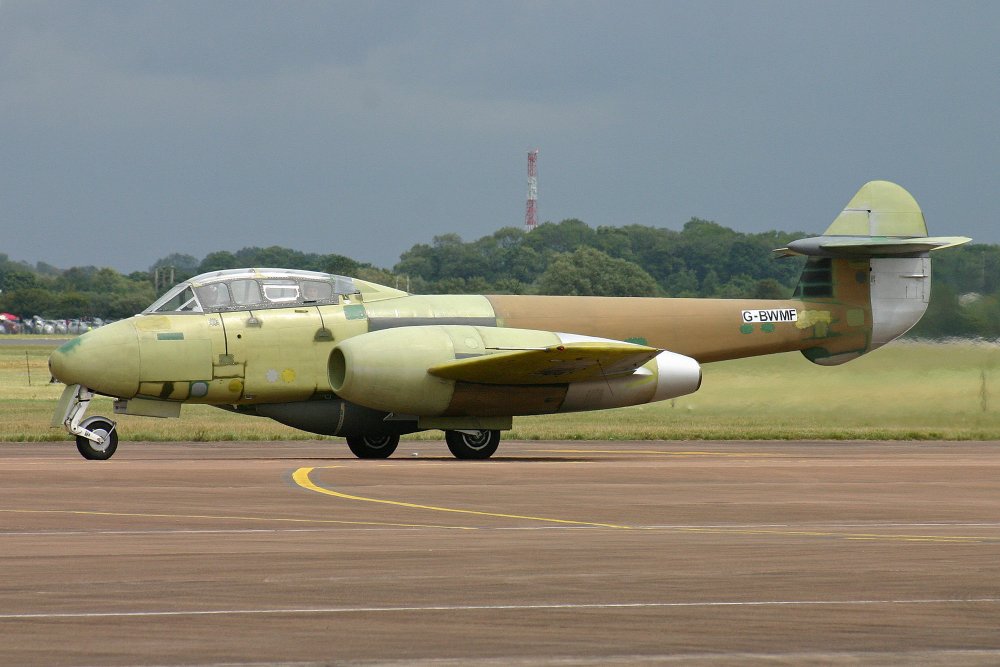
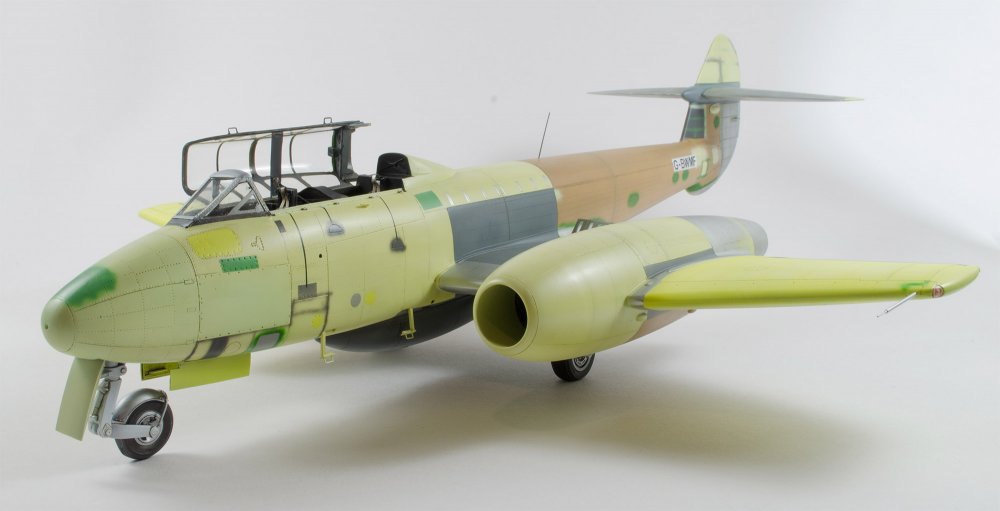
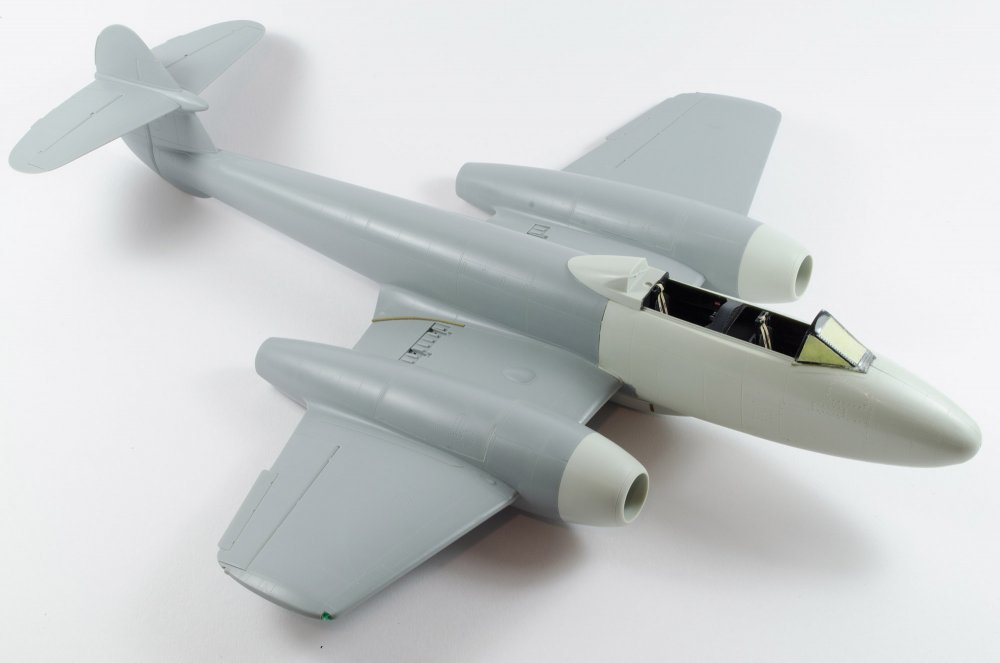
- 6 replies
-
- 8
-
-
- meteor
- hong kong models
- (and 2 more)
-
Hi all, This is my recently finished Fokker Dr.I in the colours of August Raben's bird. The decals are Eagle Editions and the paint is MRP. Some use of Aviattic rib tape and fabric decals, as well as some Uschi wood decal. Guns are MASTER, and the prop is from a WNW Fokker D.VII kit. Used ammo chutes are also from the WNW Fokker D.VII kit. For this build, I used the Roden F.I kit, but used the parts for the production Triplane version. As well as some of the Encore PE extras, I also used stuff from the PART PE set, such as the ammo bins etc. Quite a lot of thinning of the upper cockpit deck and modification to comfortably use the new ammo bins. Watch out for this build in the next issue of Military Illustrated Modeller, available at all good newsagents and the online store!
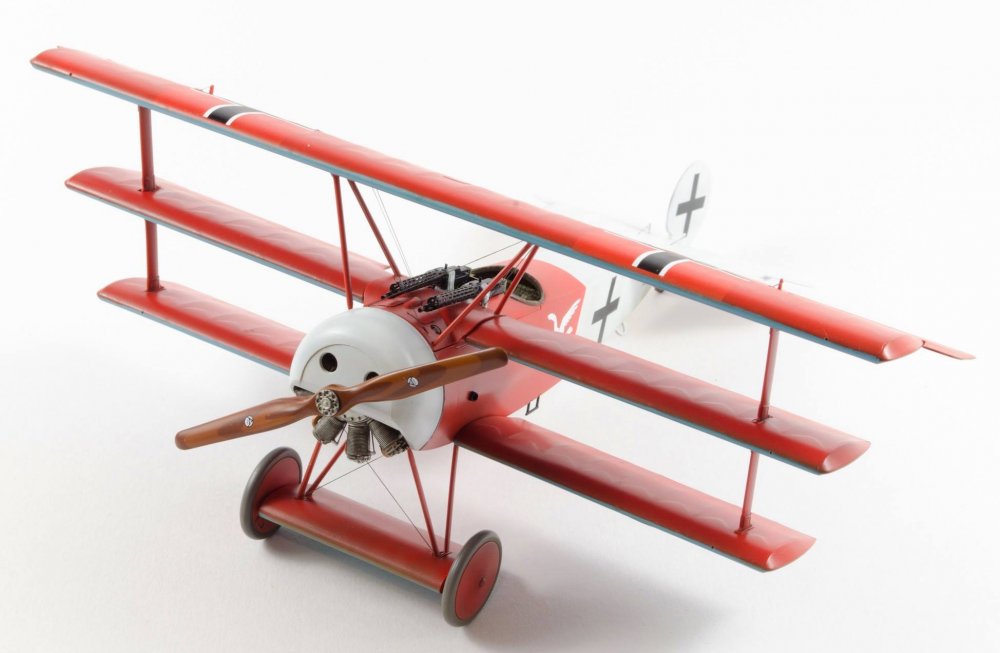
-
1/32 Tempest Mk.V “HI-TECH 2” Special Hobby Catalogue # SH32070 Available from Special Hobby for approx. 79,00€ Unlike Spitfire development, where even major airframe revisions saw the type keep its original name, Hawker’s Typhoon project was different. The Typhoon wasn’t without its problems, such as a seemingly unstoppable leaking of carbon monoxide gas into the cockpit, and of course that tail unit which had broken away completely on some aircraft, ending with a series of reinforcement straps that were designed as a simple fix for this. Like the Hurricane, the Typhoon also had a thick wing section that provided the machine with enough space for heavy armament, fuel tanks and resulted in a steady gun platform that could be used for low-level operations. Unfortunately, the thick wing was responsible for high levels of drag that slowed the aircraft at certain altitudes, and affected climb rates. To fix these problems needed a number of radical solutions which resulted in Sydney Camm and his team taking the Typhoon literally back to the drawing board. The resulting aircraft was sufficiently different enough to the Typhoon, as to eventually merit a name change, and in keeping with Hawker’s use of severe storm condition names for its range of fighters, ‘Tempest’ was chosen. Originally, the type was to have been called Typhoon II. Six prototypes were built, using different engines, resulting in not just the large-intake Typhoon style machine being built, but also a radial machine and a sleek-cowl Griffon-engine Tempest. Other variables including bubble canopy and car-door style canopy (á la early Typhoon), were included. The small tail fin surface of the prototype machines was eventually enlarged too, and the recognisable filleted fin introduced into production machines, as well as the wider span horizontal tail-plane that was seen on later versions of the Typhoon. A wider track landing gear helped with higher landing speeds. What made the Tempest radically different to the Typhoon was the design of a sleeker, laminar flow wing that was designed by NACA in the USA, and implemented on the new Mustang design. The Tempest Mk.V, which is the subject of this kit release, was fitted with a Napier Sabre IIa/b liquid-cooled H-24 sleeve-valve engine, and had wingspan of 41ft, length of 33ft 8in, and a maximum speed of between 432 and 435mph at 19,000ft. Armament was typically Mk.II/V Hispano cannon (x4), and rockets and bombs could be carried externally, as could droptanks for increased range/operational time. The Tempest went through various incarnations, and the later Sea Fury was a development of this, through the Tempest II family, retaining the later Bristol Centaurus engine. The Kit This isn’t the first time that Special Hobby has released the Tempest Mk.V in its flagship HI-TECH format, with the original kit being released only in 2016. Since then, there has been a standard edition, as well as the Centaurus-powered Mk.II kit that we also reviewed here on LSM. Along with these releases has been a flurry of their own aftermarket sets, such as the weapons bays and strengthened resin struts etc. However, the demand for the first HI-TECH release was so high that Special Hobby decided to reintroduce it, but with some changes that would set this aside from the original. This includes not only FIVE new marking schemes, but also a brand new resin Napier Sabre engine. This is cast as the upper section with the complete cylinder blocks and ancillary equipment. We’ll look at this in a while though. Special Hobby’s Tempest kit is packed into quite a large, standard type box with a removable lid (take note, Revell!), and adorned with an attractive artwork showing a Fassberg-based Tempest II taking off. No other profiles are shown on the box lid, but there are some renders of the included resin parts and other items supplied in this HI-TECH boxing. Lifting the lid is difficult due to the tight fit, but once off, you’ll see EIGHT sprues of medium grey styrene, packed into a single clear sleeve, A cardboard bridge straddles the sprues, and this has the decals and clear parts stapled to it, plus a package with the masks and photo-etch parts. A large colour-printed instruction manual lies at the bottom of the box. Also in this release is a large yellow CMK box that contains THREE bags of resin parts. SPRUE A Only two parts here, but pretty key ones; both fuselage halves. As Special Hobby has utilised some of this tooling for releasing the Tempest II and future Mk.6, the nose is moulded separately, allowing this tooling to be good for all versions. The kit shows just how far this company have come in the last years, with regards to both moulding, tooling and detailing. You would be hard pressed to differentiate the Tempest from a kit made by a whole multitude of more mainstream manufacturers out there, such as Hasegawa, Revell, Airfix etc. Surface detailing is excellent, with restrained, even rows of rivets, and lots of extremely fine panel lining and port/panel access plates. Edges are sharp where the wing will meet the fuselage etc. and the parts have a nicely polished finish to them that wouldn’t look out of place on a Tamiya release. The rudder is separately moulded, and where the nose cowl parts will fit, the forward fuselage has a moulded bulkhead that will provide rigidity to the proceedings. Internally, those high standards of detail are also evident, with stringer and former representation being both refined and sharp, and with associated rivet detail included. Only one ejector pin mark exists in this area, and this is on the area adjacent to the instrument panel. As no other detail is in the vicinity, removing this will be easy. Some detail is also included around the area of the retractable tail wheel, using the same level of refinement seen in the cockpit area. Note also that this model has locating pins too, unlike some of the other less mainstream model kits. I have to say here too that Special Hobby is NOT a Limited-Run company, but fully mainstream. SPRUE B Wings, glorious wings. These are supplied as a single span lower part, and upper port and starboard panels. Note that the inboard leading edge is a separate part, accommodating the future kits that will have intakes in these places. I have to say that each time I take a look at this kit, I like it more and more. Surface detail is commensurate with that of the fuselage, incorporating full rivet detail (plus double rows, where applicable), finely engraved panel lines, fastener detail, access panels and nicely shaped cannon blisters. All control surfaces are integrally moulded, so can’t be posed without taking a saw to the model. Ailerons are moulded along with very fine actuator arms that really do look very good. Cannon shell ejection chutes are also finely moulded. One thing I like here are the tabs that protrude from the upper panels, and provide a support for the wing to fuselage connection. Actually, there is another purpose for those tabs. If you flip the wing parts over, you will see they form the roof of the main gear wells. These areas contain rib and stringer detail, along with rivets, and this will be detailed further with various rods, pistons etc. All of this will be framed by the gear bay walls that are supplied as separate parts that will be fitted into the recessed area in the upper wing panel. Cannon fairings are separate parts too, and the wing has a small bulkhead within that stops them from being inserted too far within. SPRUE C You will be able to pose the elevators dynamically, as these are moulded separately to the stabilisers. All parts here are the traditional upper and lower halves, and external detail is of the same high standard that we have seen so far, including rivet and fastener detail and trim tab actuators/actuator fairings. Other parts included here are for external drop-tanks and bomb bodies. Bomb fins are separately moulded. Bombs and tanks are moulded as halves also, and with the latter, you will of course need to reinstate any panel line detail that may be lost from seam eradication. The fuel filler cap is nicely engraved, but I think the detail to the rear of this is supposed to represent a pipe, and is instead moulded as a fillet. If this is the case, cut away and replace with a little length of bent, rigid wire. SPRUE D This sprue looks very Eduard-ish in design, with its large radius corners. Here we have the fabric covered rudder, complete with its rib tape detail and metal trim tab. This is the only fabric covered area on the Tempest, and I do like the representation here. The multiple undercarriage door parts are just beautiful…both inside and out, with some great detail there, and no pesky ejection pin marks to worry about. Small tags have instead been placed externally to the main doors, and these just require snipping off, followed by a quick swipe of a sanding stick. Et voila! Other parts here include the upper, chin intake wall and the bomb release fairings. SPRUE E For the first time, the instructions show parts here that won’t be used on this build. Here, that is for a second set of propeller blades. Engine cowl halves are moulded here, as are a number of parts that form the flap section and intake outlet to the rear of the main intake. The exhaust attachment boxes can be found here, and these will just glue internally. A two-part spinner is included, with the back-plate including channels that will precisely angle the propeller blades. There is a little flash on the spinner, but nothing to be concerned about. One thing to note is that the fuselage decking to the rear of the pilot, is included here as a separate part. That’s a nice touch as there is a lot of detail in this area, and removing a seam would have been a pain in the arse. Other notable parts here are the upper and lower parts for the wing leading edge inboard areas, where future kits will have the intakes attached. SPRUE H Quite a few parts here are shown as not for use on this release. These include two sets of balloon tyres, several intake parts, leading edge intake parts, and also a seat back etc. What can be used here are the various undercarriage parts, including well detail, walls and the struts, pistons and rods themselves. Looking at how refined much of the detail is here, I’m going to stick my neck out and say it’s Tamiya-esque. Simply gorgeous details that you’ll bury away in those gear bays. Even the sprung-loaded rods look very authentic and filigree. I am particularly impressed with the gear struts and the detail definition here. Please be careful with the removal of parts from this sprue, as so many of the landing gear parts have some very fine detail protrusions. If in doubt, use a razor saw. Note also the forward cockpit bulkhead and the armoured frame onto which pilot’s seat will fit. SPRUE I A small sprue, but one with perhaps more parts on it than any other. One area that features heavily here is the cockpit. For me, a nicely detailed cockpit is the very heart of a satisfying project, and this cockpit it certainly better than most I’ve seen in quite a long time. Two detailed tubular side frames are adorned with various fixing plates and panels and brackets, and there are numerous console parts, throttle, spacers, torsion rods and linkages etc. The main instrument panel is moulded in three parts; central panel and two angled panels that fit to its sides. Be careful here as there are two different sets of side panels. The instructions clearly show what you should not use. Here you will also find the canopy rails and three different types of joystick grip, although none of these are shown as for use, with resin parts favouring these all along the way. Presumably these, like the seat and other parts, will be used in any future, standard boxing that isn’t classed as ‘HI-TECH’ The plastic parts are actually still very nice, as are the cannon fairings that will also be ditched in favour of the resin extras here. Again, watch out for the numerous parts that won’t be used here, and there are a fair few of them. SPRUE J The last grey styrene sprue. Another bulkhead is supplied here, for the rear of the cockpit, and the exhausts are included as halves. It’s a little disappointing that Special Hobby didn’t include the resin ones they now sell, as part of this HI-TECH offering. I would’ve preferred those to the cockpit seat, for instance. It will take some careful seam removal work on these parts. More wheel well parts are found here, as well as the three-part assembly for the tail wheel, again with some very nice structural detail included. More unused seat parts can be found, so some nice parts for the spares box. Several intake parts are moulded here, as are the bomb sway braces and fins and tail wheel strut. The most obvious part though, the radial engine of the Centaurus, is from the Mk.II release, and not for use here. SPRUE K The clear sprue. Of course, you will find the main canopy parts here, with their nicely-defined framing lines which will make things easier for masking. A number of other parts here are drop tank fairings that I think were made from clear acetate or similar. Nice to see these, and they’ll certainly show off that wire modification I mentioned earlier, for the drop tank itself. Finally, note the various wingtip, fuselage, tail and wing-underside lenses for the various lights that were fitted to the Tempest. Clarity is very good, with no flaws at all present. Plastic Summary This kit is almost flash and seam free, with nice tight sprue gate points that are generally well placed so as not to cause problems. I can’t see any sink marks either, except for a couple on the reverse of a part, so they don’t count. Ejector pin marks; there’s only two I can see that need removal, and that will take just a few minutes. Plastic quality is excellent, and the quality of the mouldings are very high quality. Resin parts Unlike the two bags of resin included with the original HI-TECH release, there are now THREE bags, packaged into one of CMK’s yellow resin accessory boxes that they use for the more comprehensive sets. In these bags, you will find: Napier Sabre engine and ancillary equipment and plumbing Detailed engine firewall with fittings Hollow stub exhausts Thin, three part engine cowls with internal details Two sizes of main gear wheels (weighted) Anti-shimmy tail wheel Cockpit components (seat, tread boards, pedals, throttle quadrant/levers, control stick/grip, seat, trim wheel, internal windscreen frame) Cannon fairing stubs These parts are also very high standard, with fine detailing. There are a total of 63 resin parts in this release (with one shown as not for use), cast in a combination of light and medium grey resin. Casting blocks will generally be easy to remove too, and there shouldn’t be any nasty surprises here. The engine is mounted on a resin plinth that sits within the cowl area. No chin radiators are included with this release, but I have seen something on Special Hobby’s Facebook page which shows a complete Napier Sabre with the radiator fitted. Maybe a release we’ll see soon. Photo Etch Only a small fret here that includes parts for the fabric seat belts, control grip trigger, whip aerial and mount plate etc. This small stainless fret also contains a small notch that you need to align on the ailerons, and use as a scribing template for the small trim tabs. Seatbelts These are produced by HGW, from their microfiber material, and should need no introduction. Being laser-cut and pre-printed, all you need to do is to snip and assemble. Just remember to peel the backing paper from them first! Masks A small sheet of vinyl masks is included, for the canopy, lights and wheel hubs. These are sharply cut and exhibit no shrinkage. Decals THREE sheets are supplied here, printed by Eduard. The largest contains roundels and fin flashes. A slightly smaller sheet holds the various serials, codes, emblems, kill markings, and instrument dials for the cockpit. The latter is printed in banks of instruments, and I would be tempted to punch these out to remove their carrier film. Their definition is excellent and they can certainly be used without having to resort to an aftermarket product. The last sheet is mainly stencils, plus the rivet banding for the drop tank acetate covers. Printing is excellent throughout, with minimal carrier film, solid colour and perfect register. The schemes offered are: SN222, JF-E, “Le Grand Charles”, No.3 Squadron, Fassberg (B.152), Fl/Lt. Pierre Clostermann, Late April – Early May 1945 EJ750, JBW, No.122 Wing, Wg/Cmdr. J.B. Wray, Volkel (B.80), late 1944 (this machine shot down an Me 262!) EJ762, JJ-F, No.274 Sqn, F/L D.C. Fairbanks DFC and Two Bars (12.5 victories), Volkel (B.80), October 1944 SN206, 5R-B, No.33 Sqn, F/O G.A. Rens, Quackenbrück (B.109), May 1945 SN330, J5-H, No.3 Sqn, Sqn/Ldr Robert Cole DFC and Bar, Wunstorf, British Occupation Zone, Germany, 1946 Instructions This is printed in a glossy A-4 format, similar to that of Eduard, with a profile on the front page, and a history of the type given in both English and Czech. There are then over two pages dedicated to a parts map, which is useful for knowing the parts not to use, and then we are into the construction. A series of excellent line drawings are annotated with splashes of colour to signify paint and other nomenclature, such as drilling and mask use etc. Illustrations are very clear, and should present no problems. Colour call-outs are supplied throughout construction and refer to both Gunze and Alclad II paints, and the last pages of the manual are given over to the 5 schemes, with each being shown in all 4 planforms. Conclusion I didn’t think the original HI-TECH release could’ve been matched by Special Hobby, but then again, I wasn’t expecting them to release this kit with this superb resin engine. As they saw this as a new release now, and not a reintroduction, this is why they went further and replaced the marking schemes too. A superb kit with nicely moulded plastic and fine details, along with a whole box of resin goodies that will keep you at your bench for more hours than you are probably allowed! Add to this the PE and fabric seatbelts too. The only way I can see this being bettered is if you add the CMK and their ‘Quick & Easy’ edition aftermarket stuff too, such as the weapons bays, struts, leading edge cannon fairings etc. Example of engine from Special Hobby Facebook page Recommended? Without a doubt. Get one whilst you can! My sincere thanks to Special Hobby for the review sample seen here. To purchase direct, click THIS link.
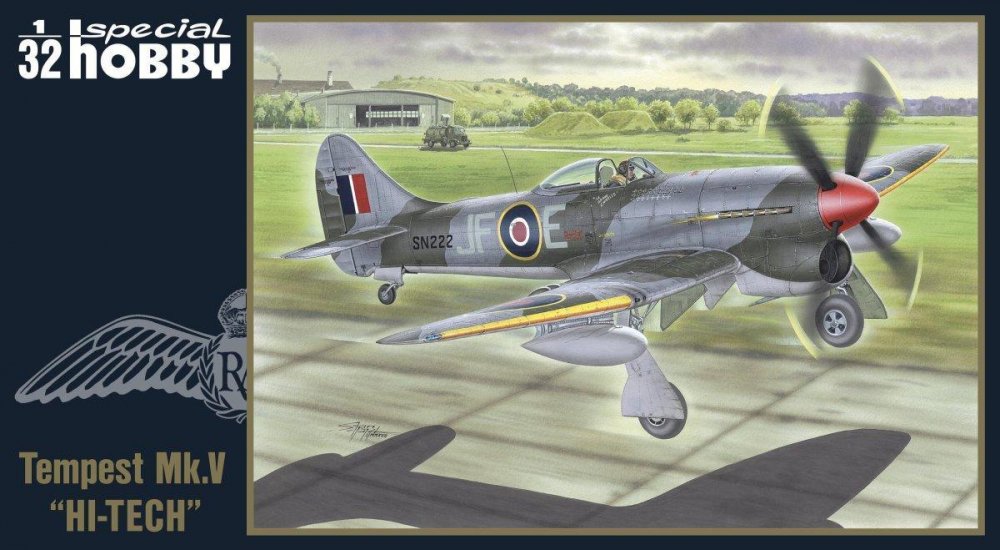
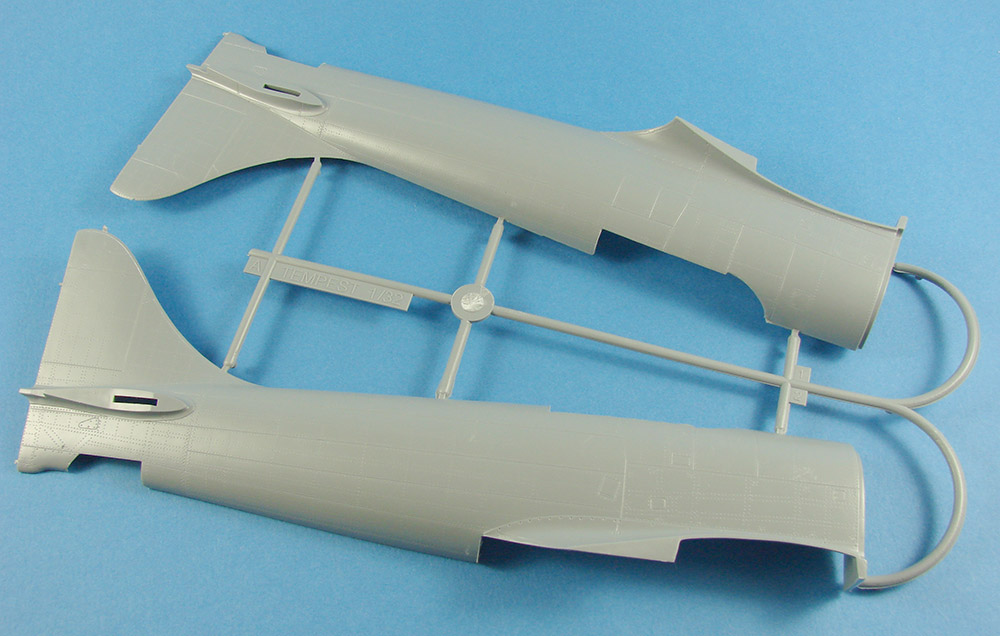
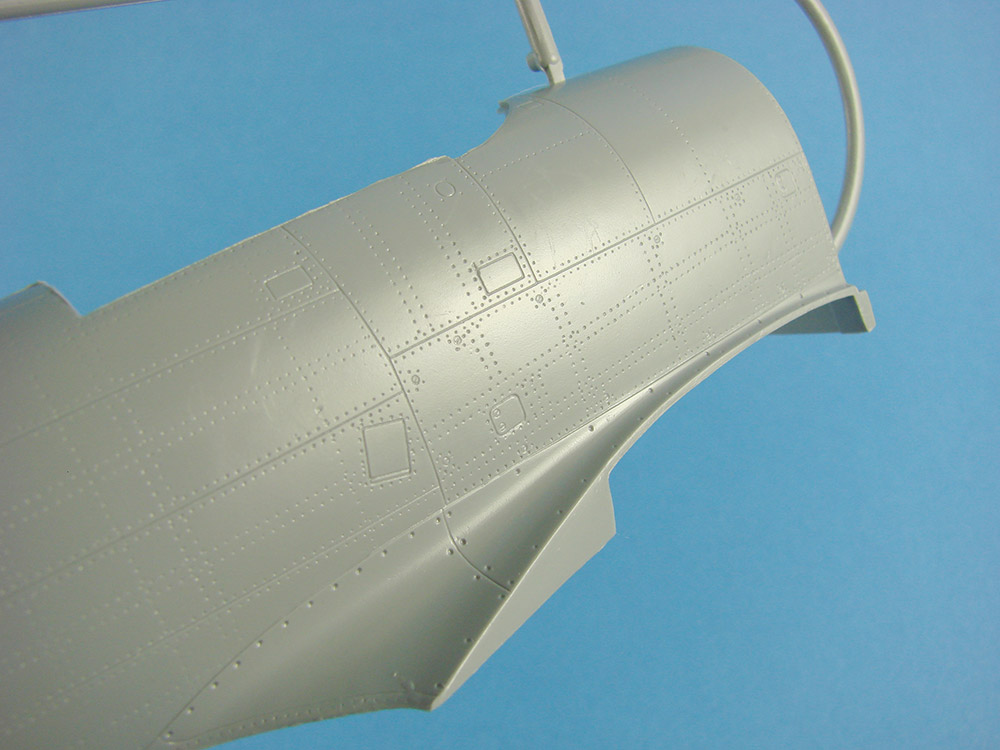
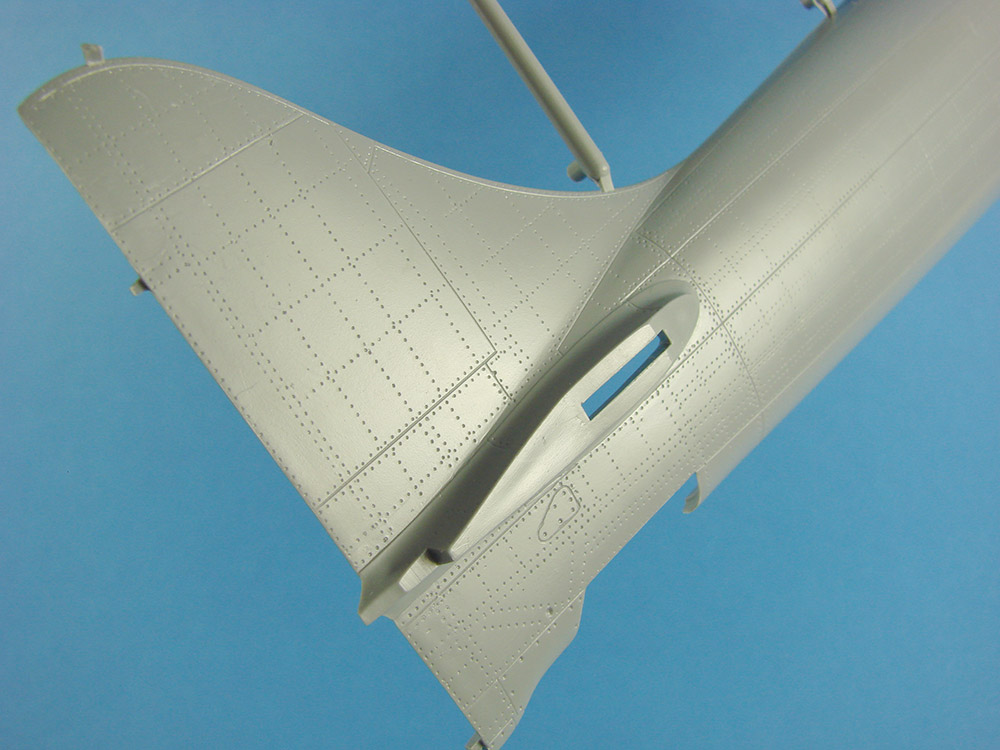
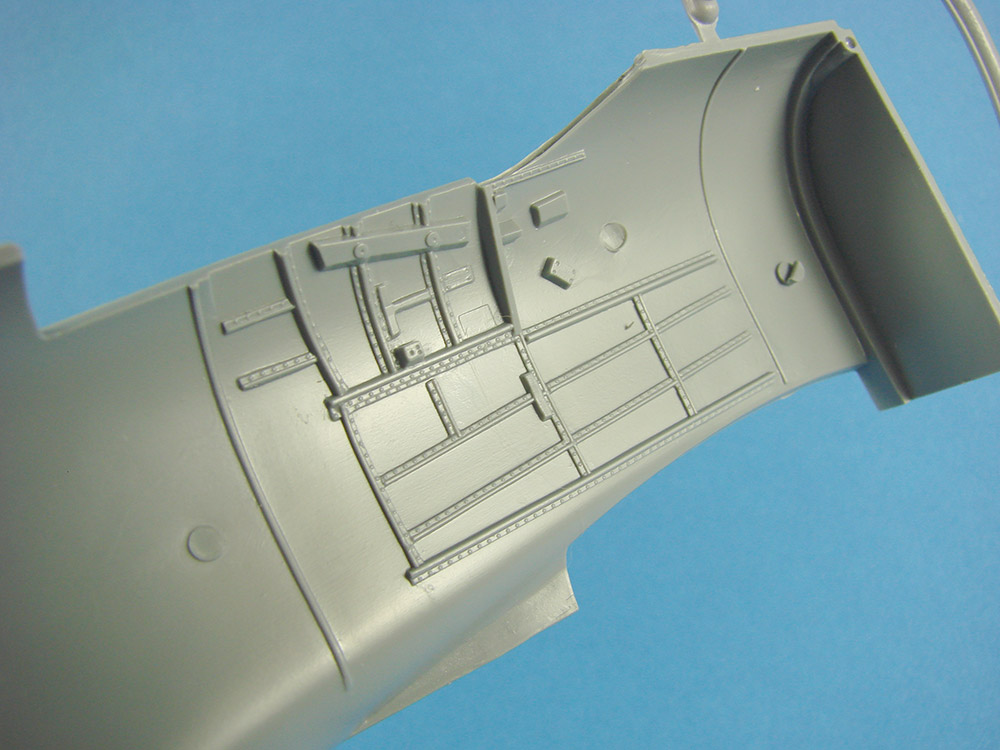
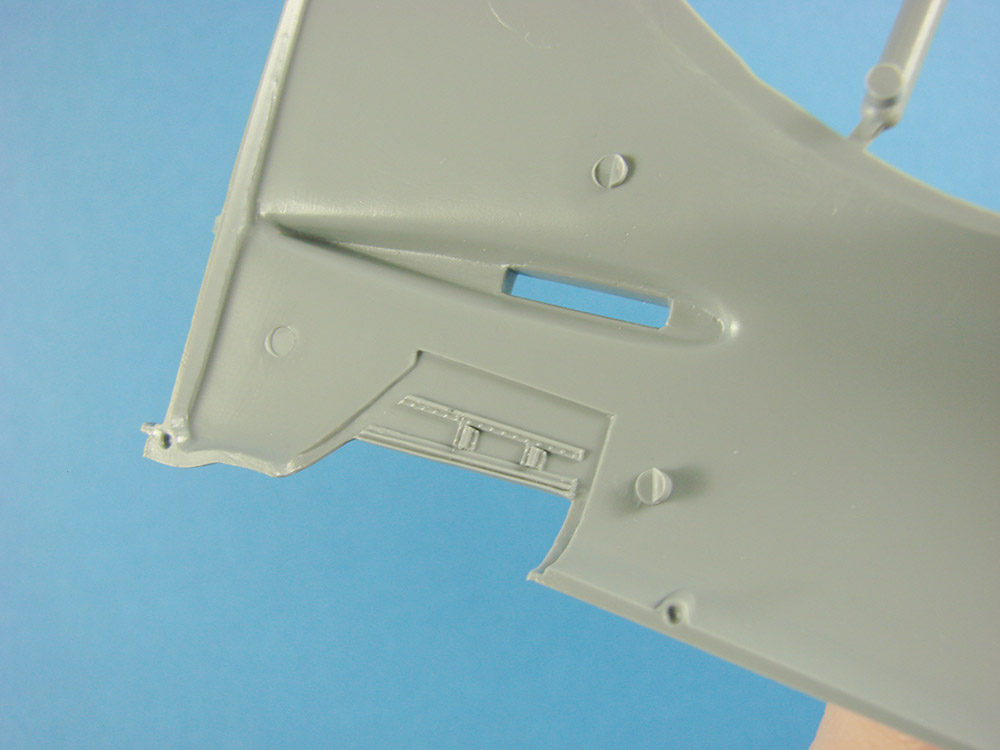
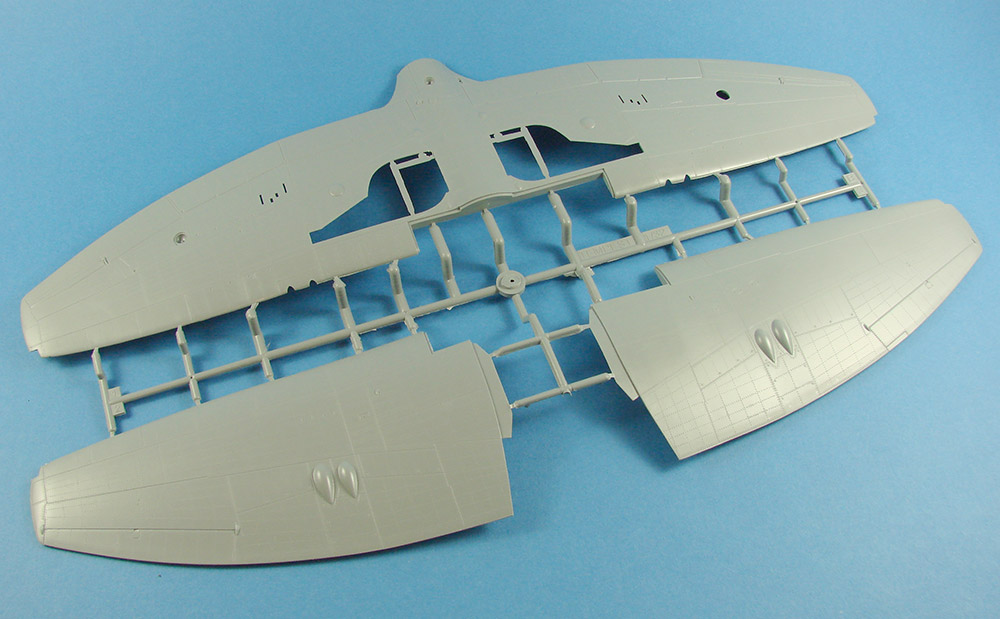
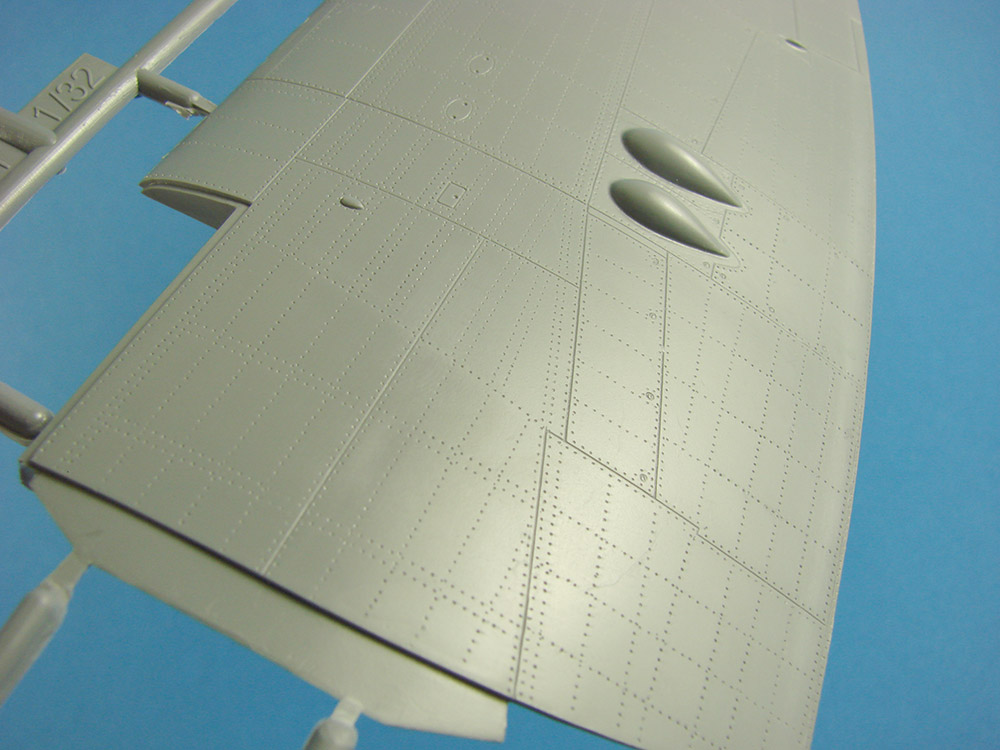
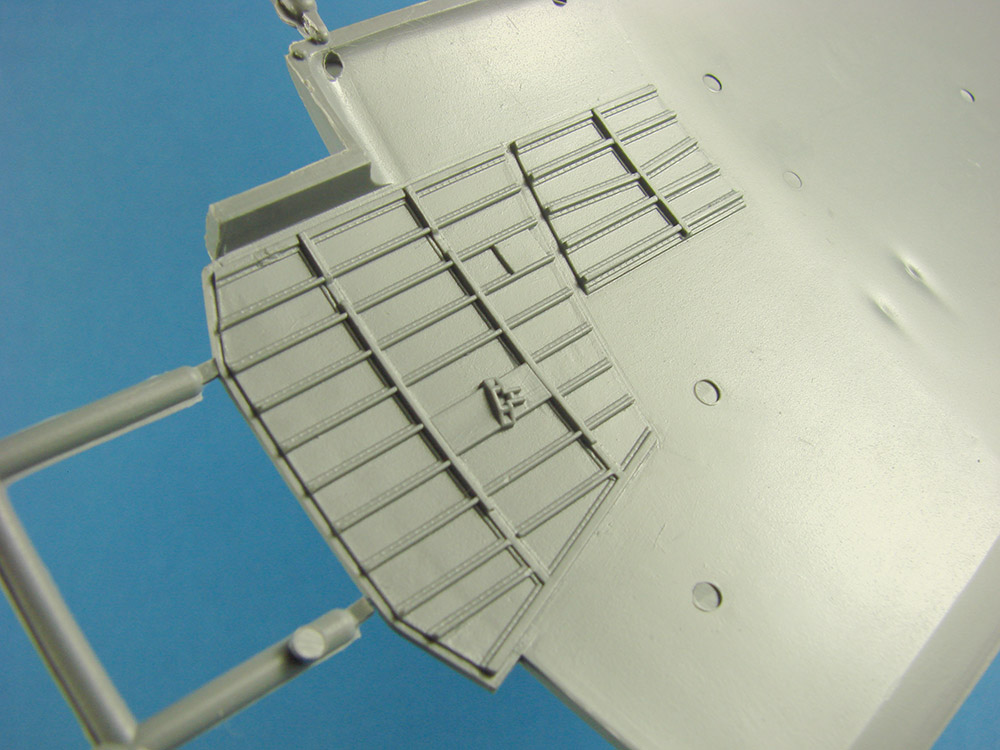
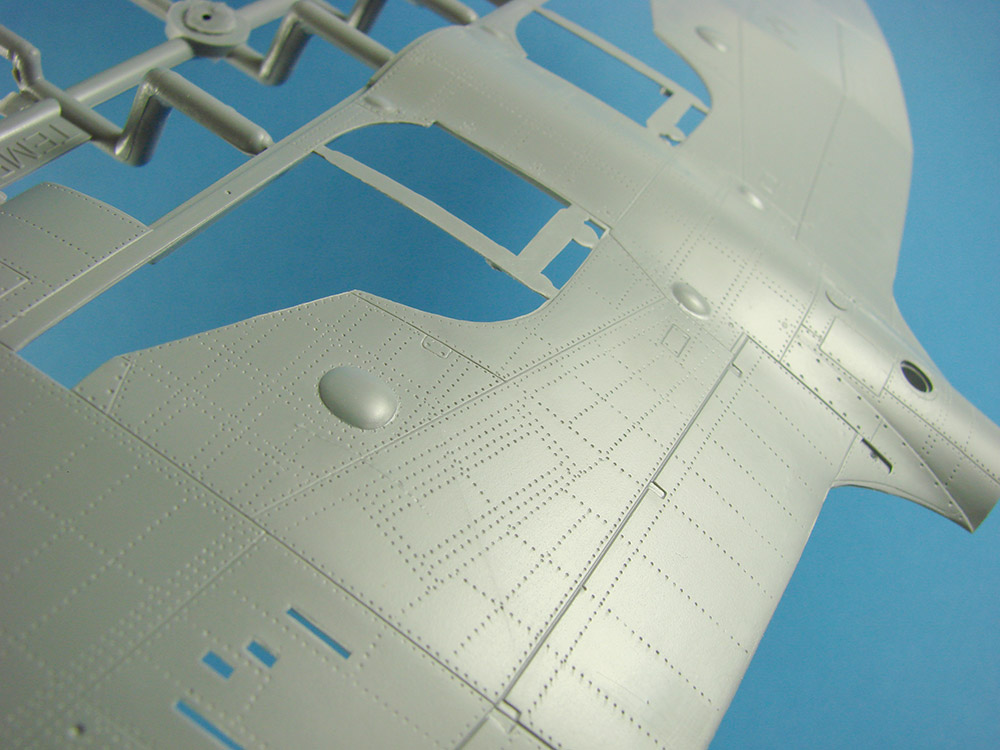
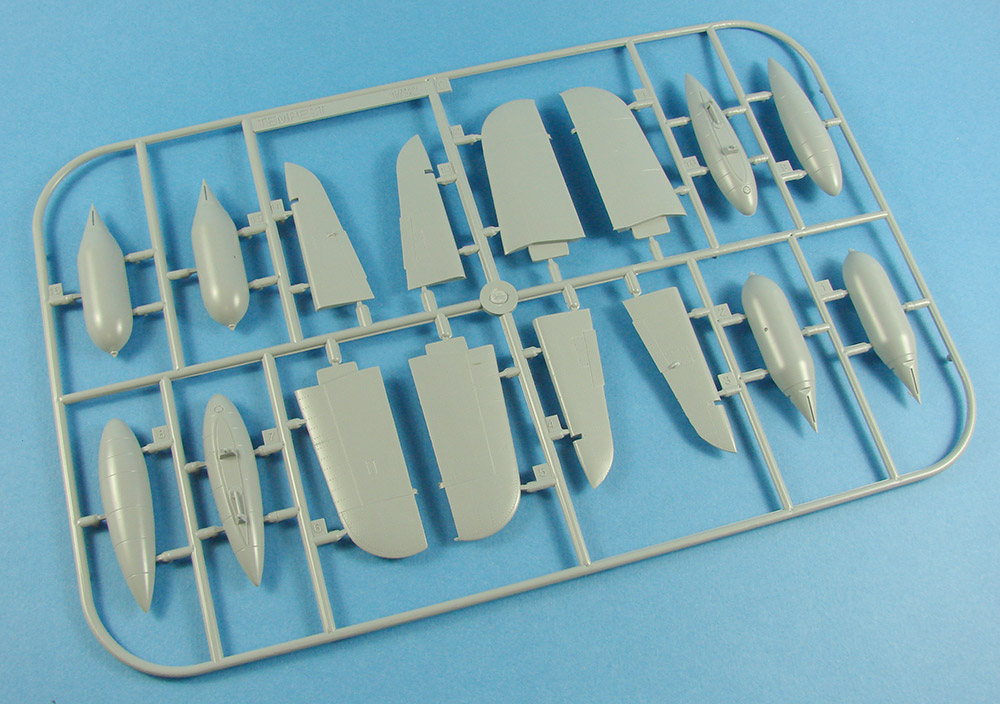
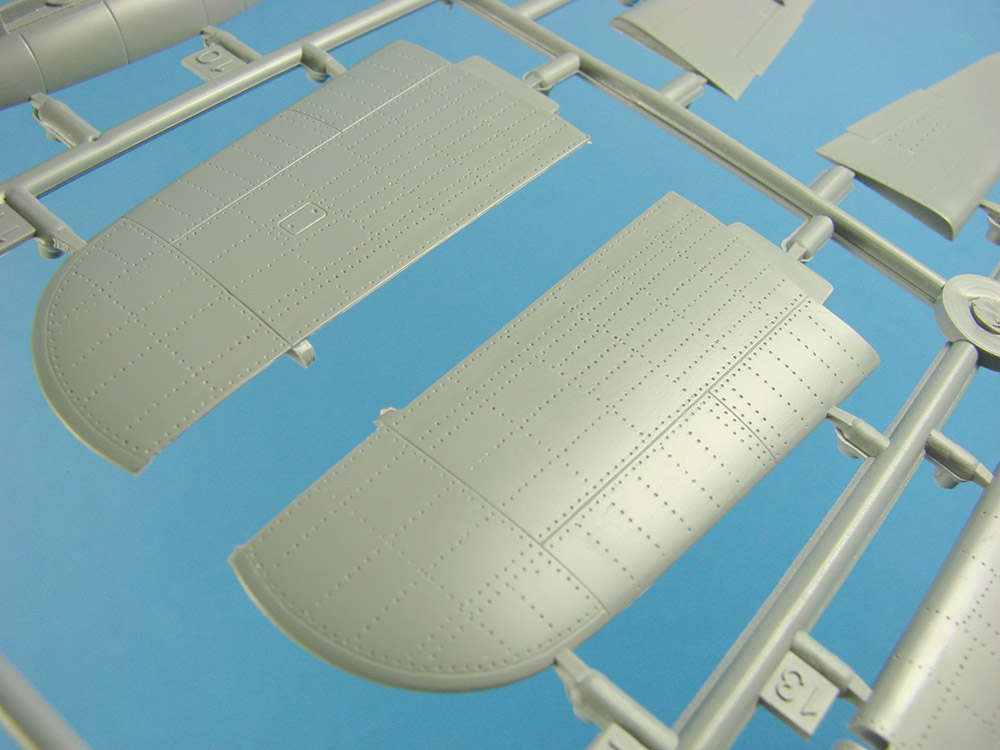
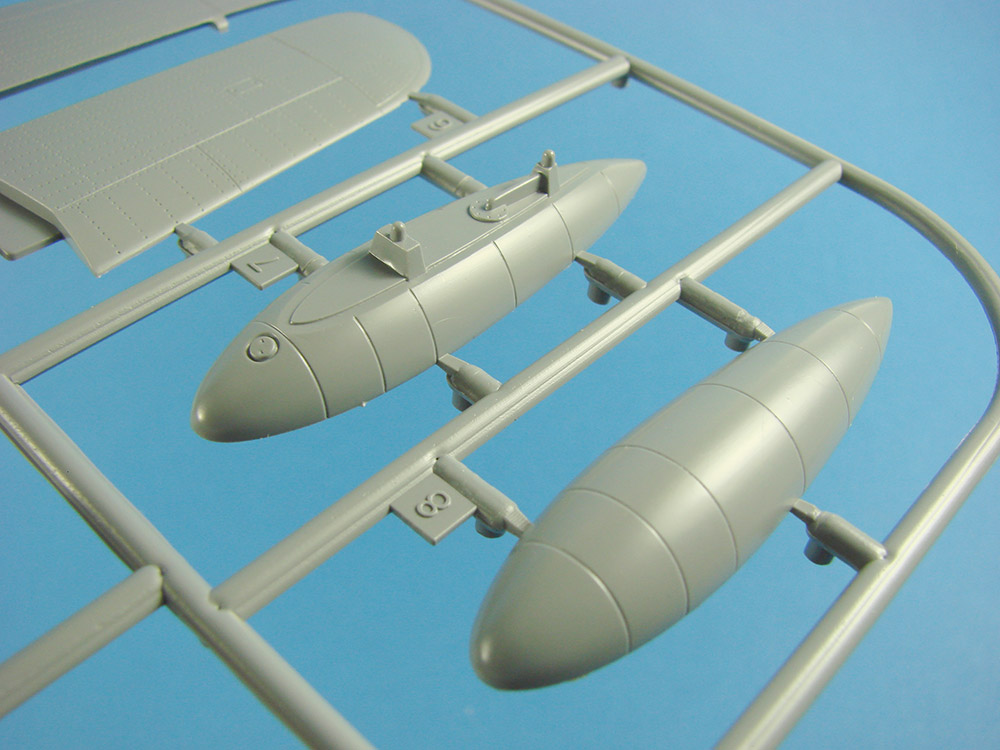
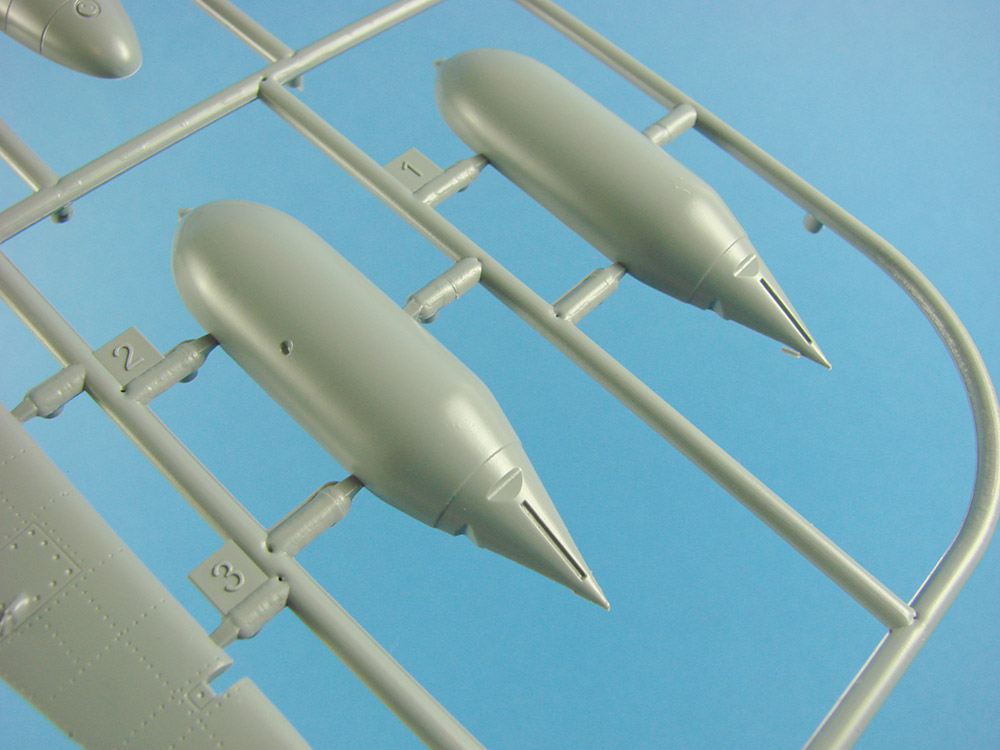
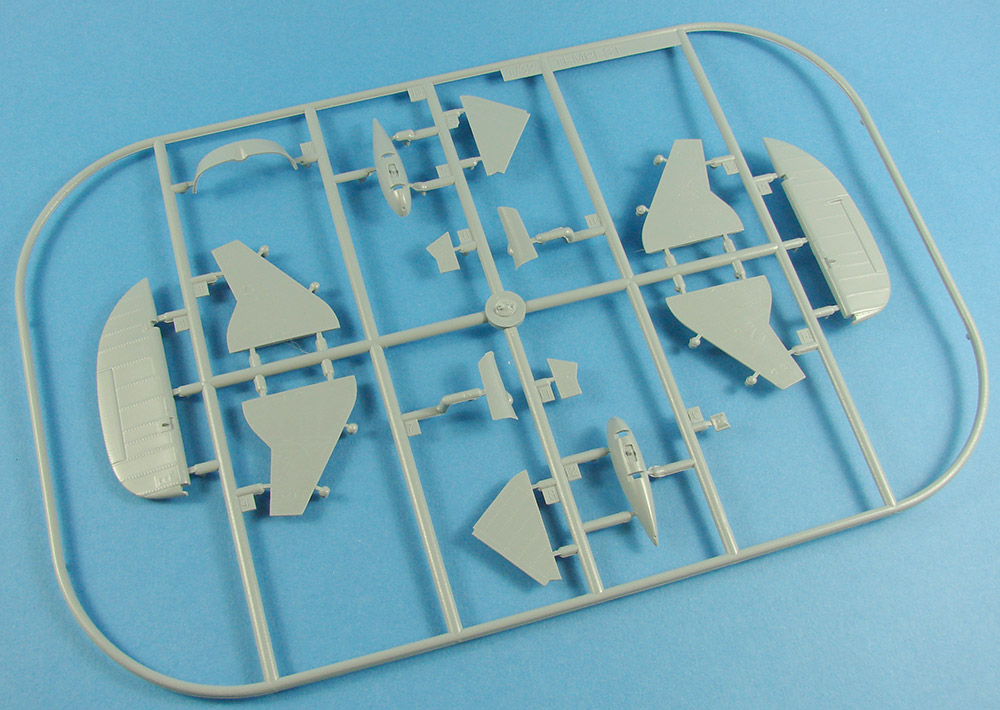
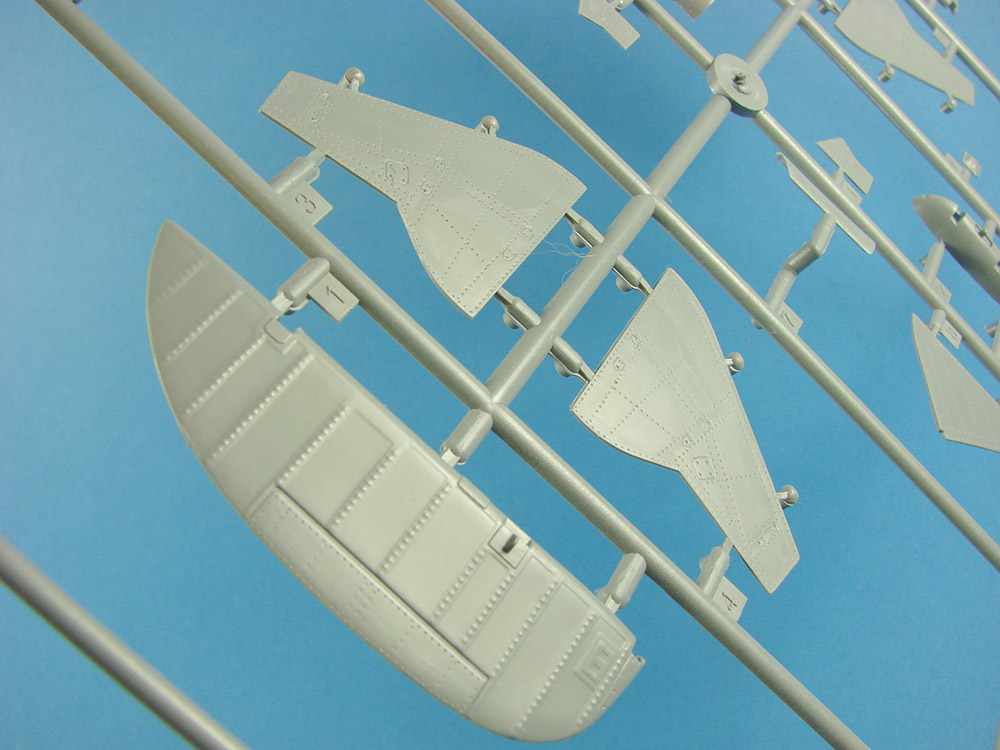
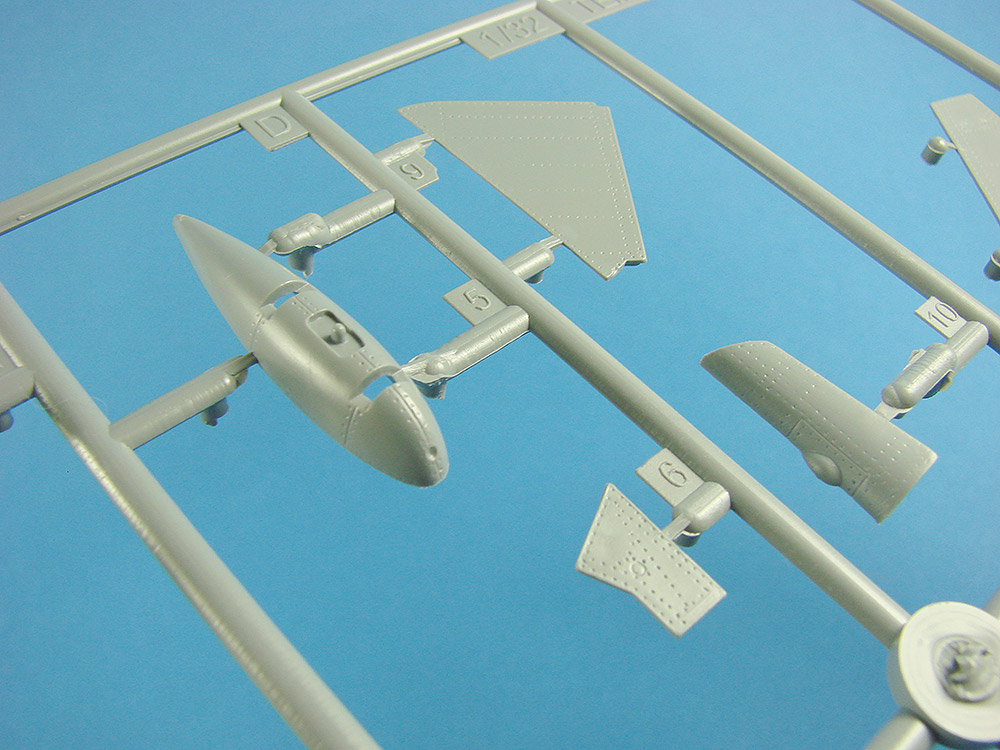
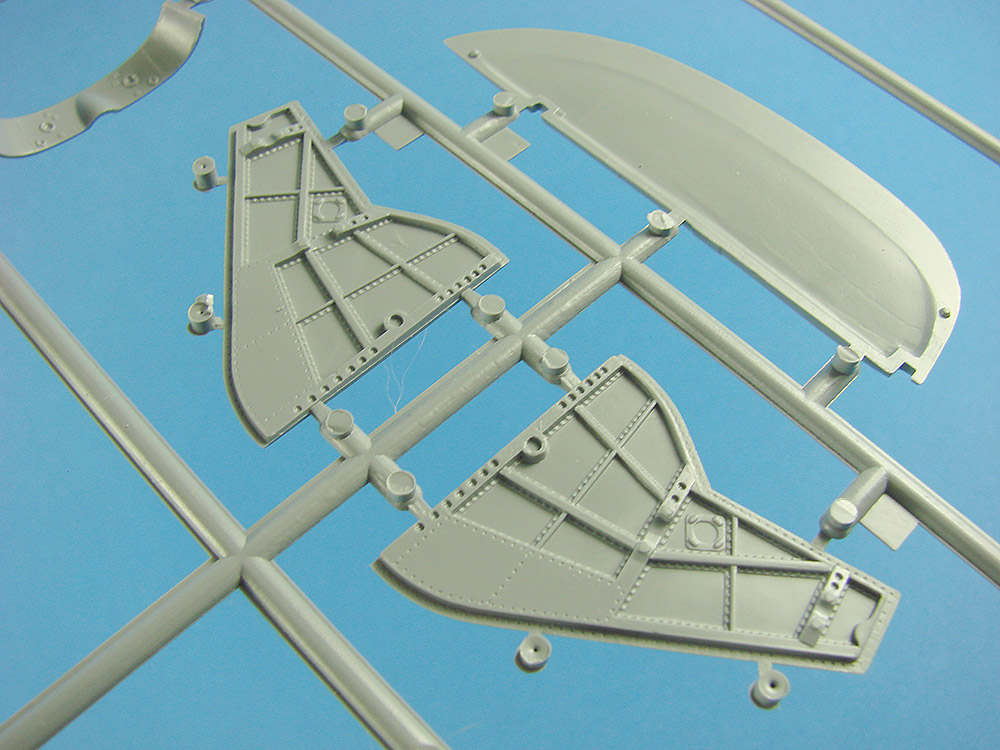
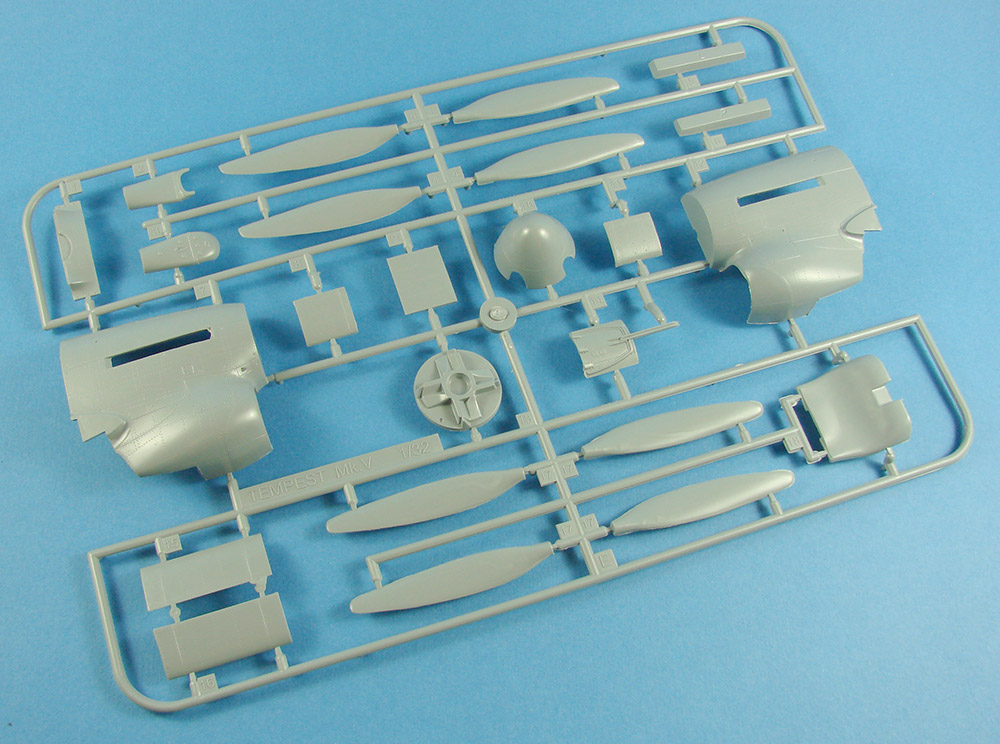
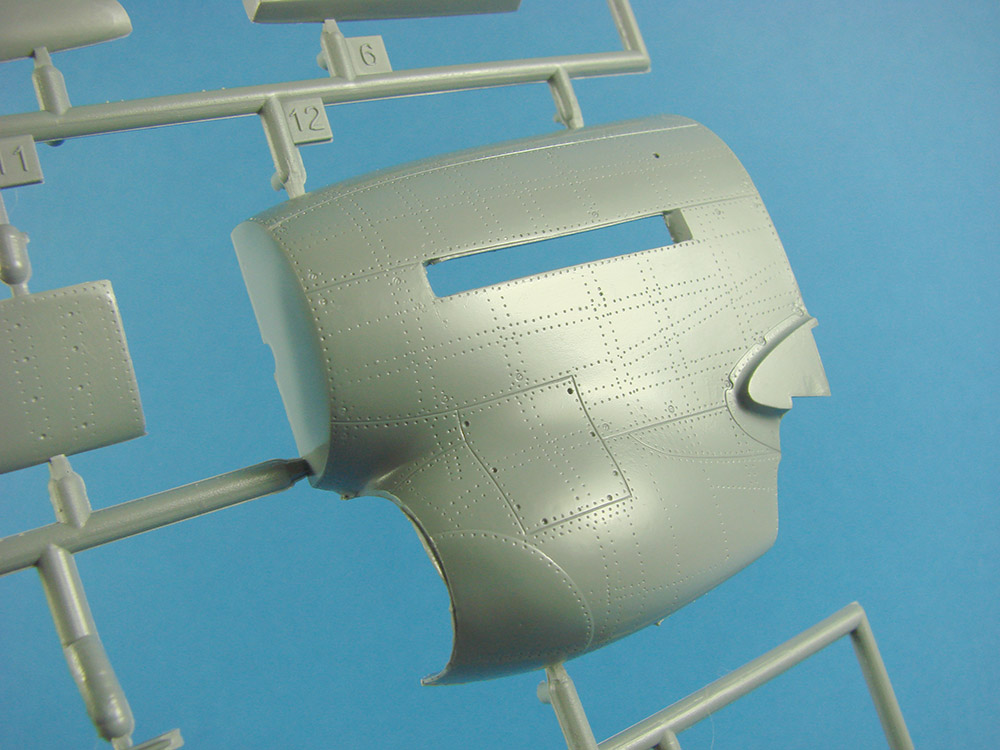
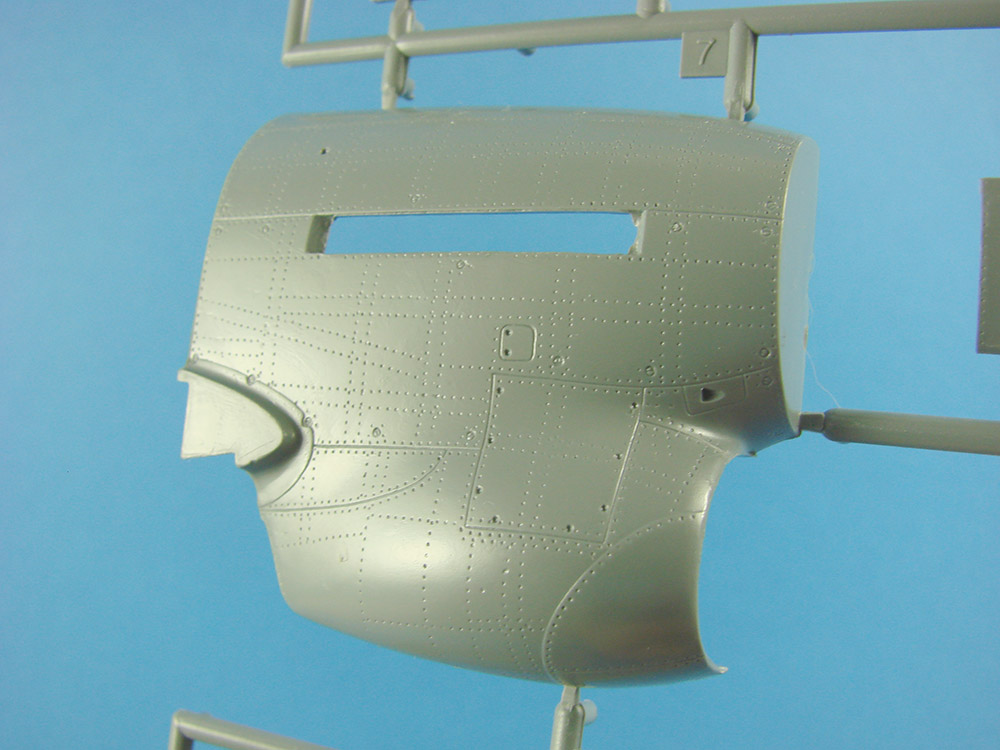
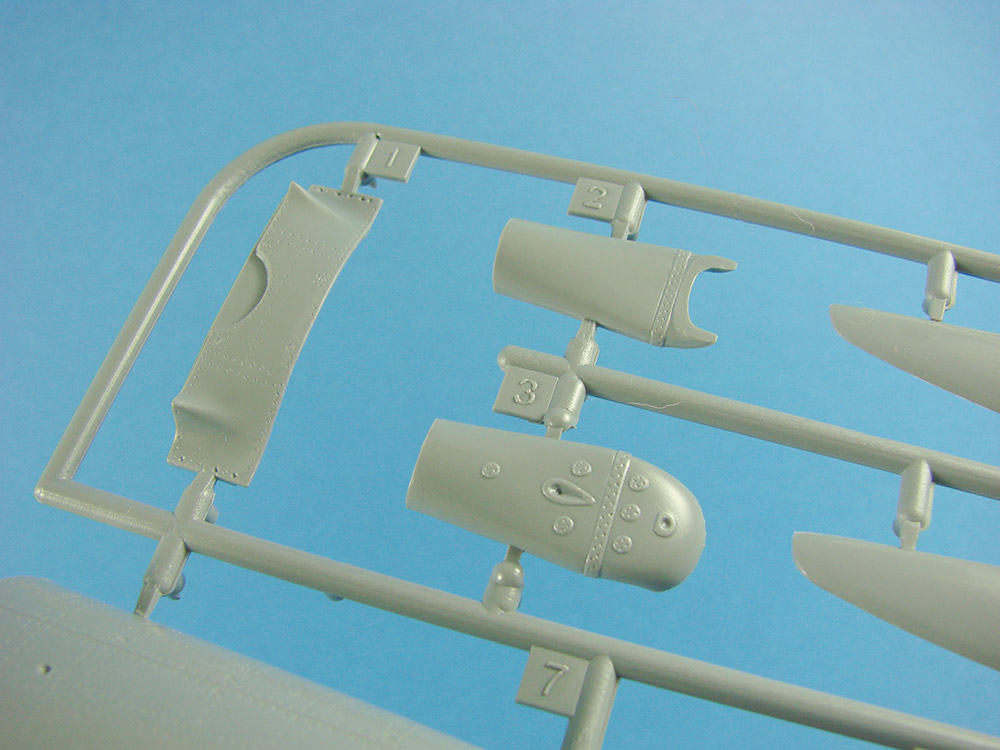
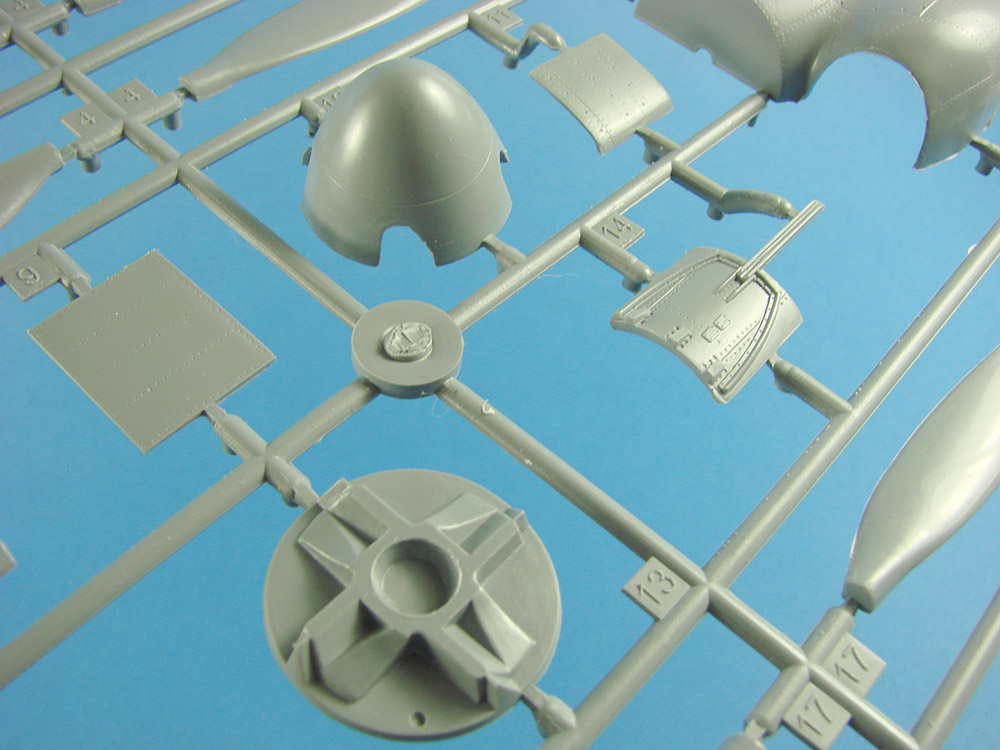
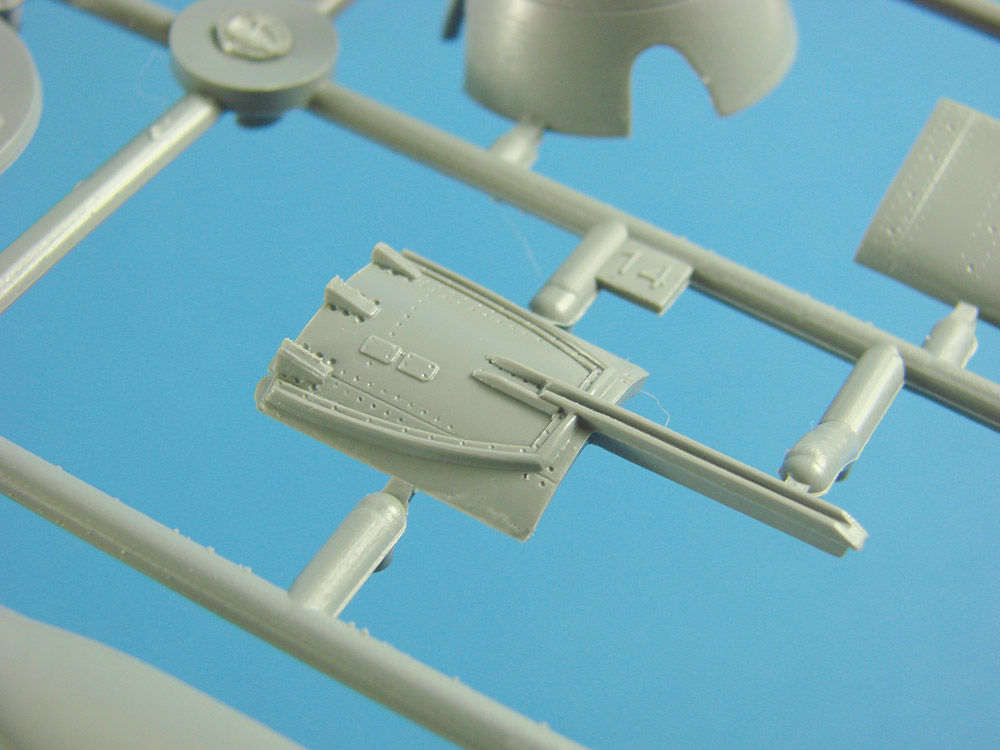
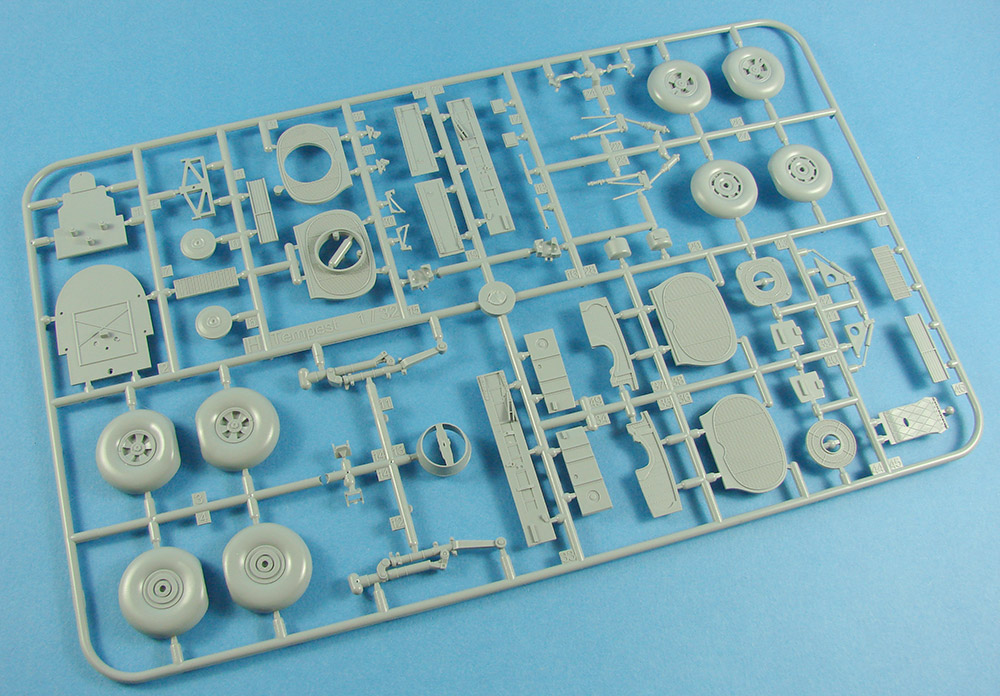
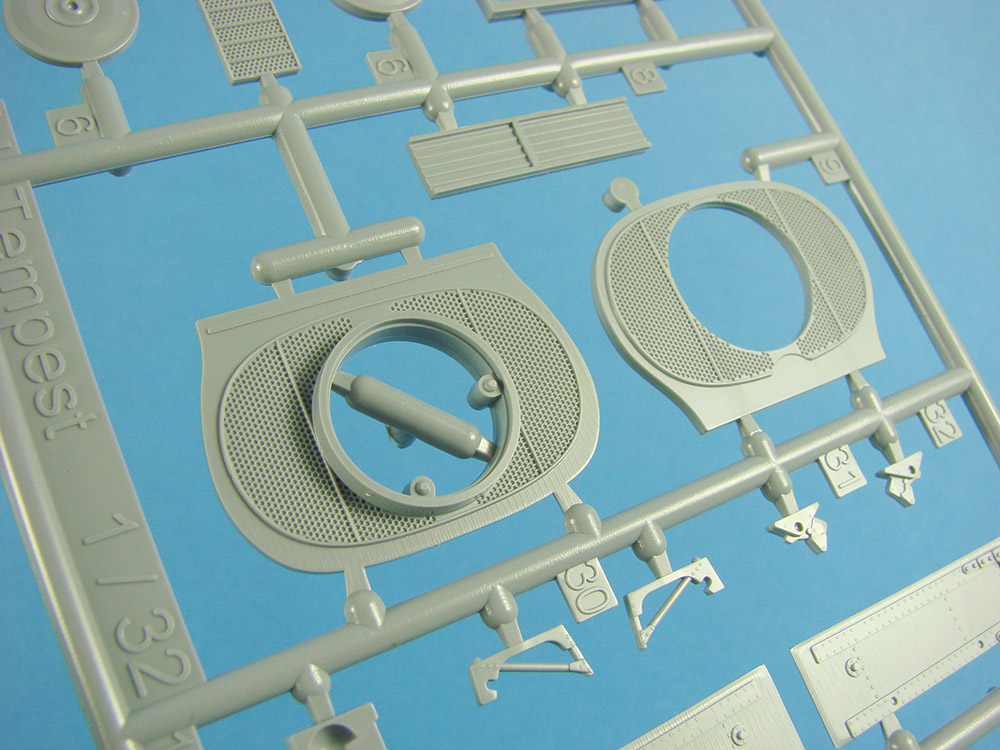
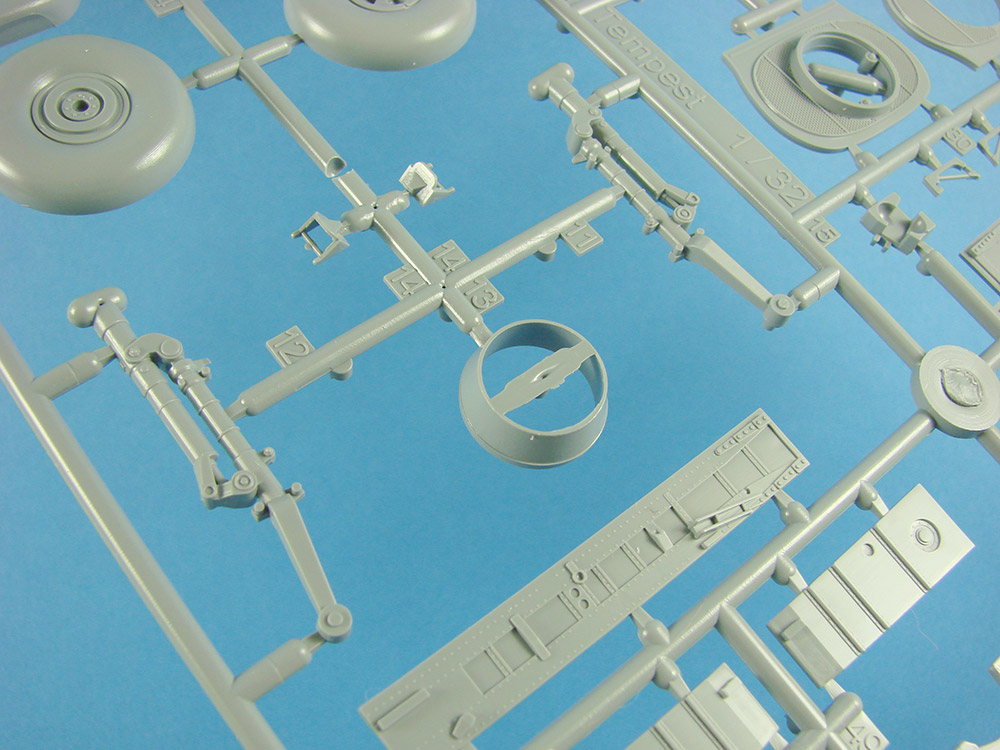
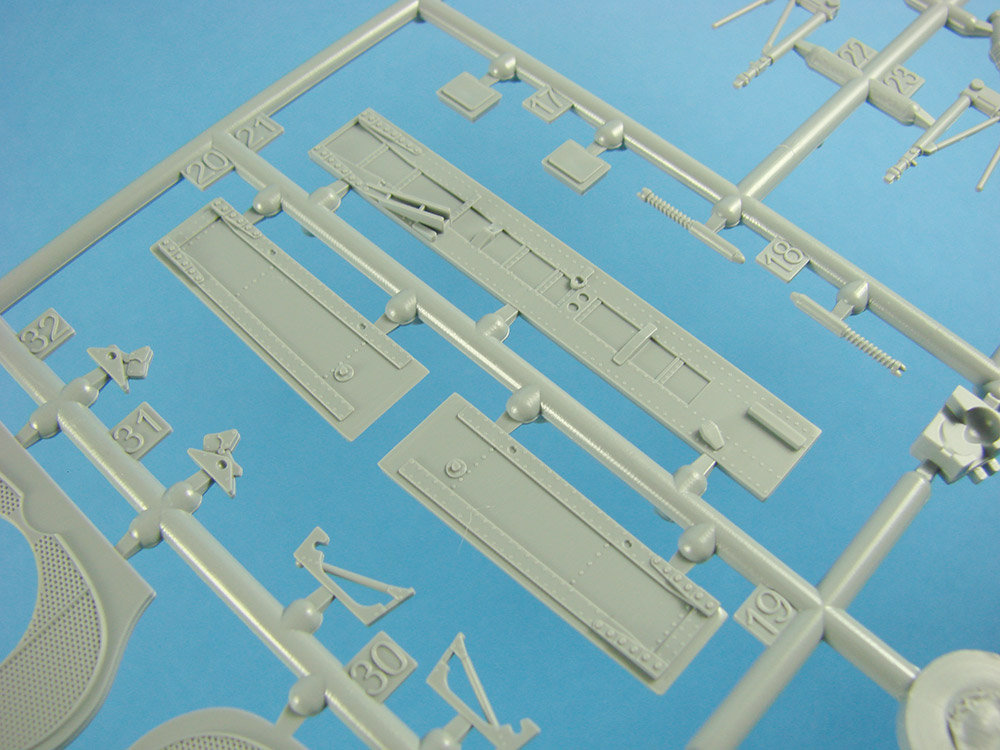
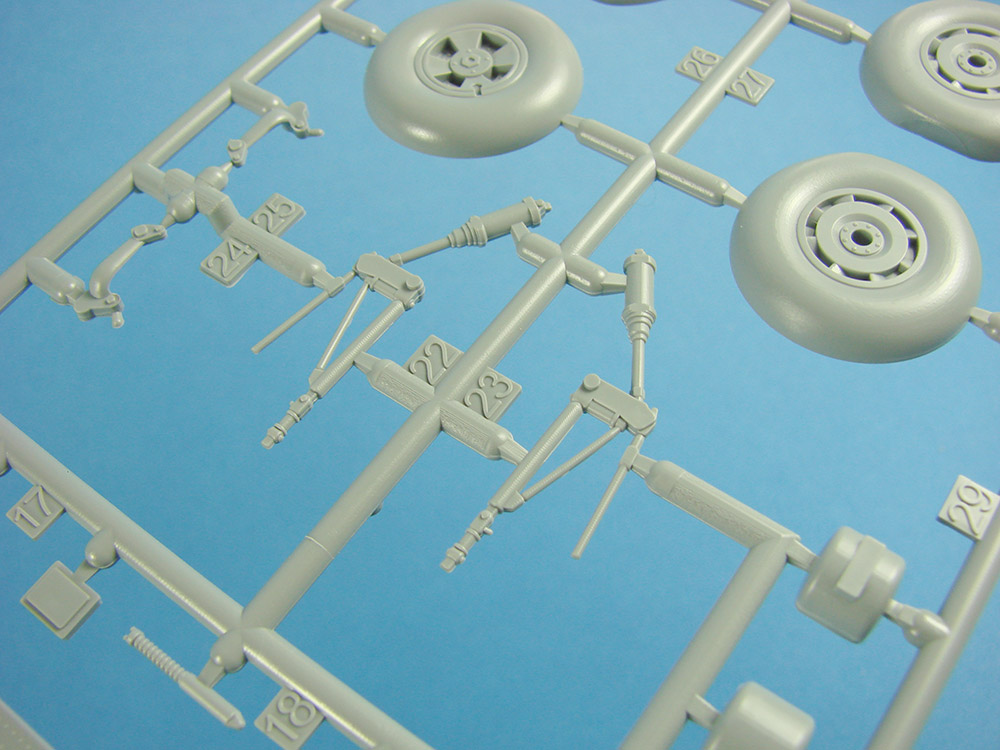
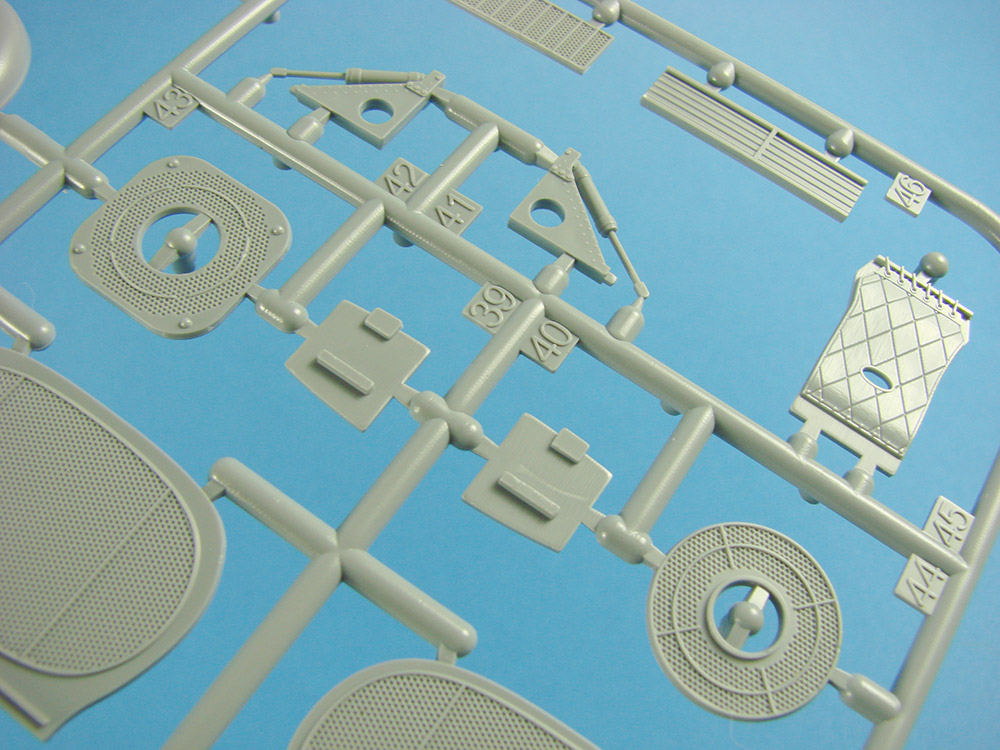
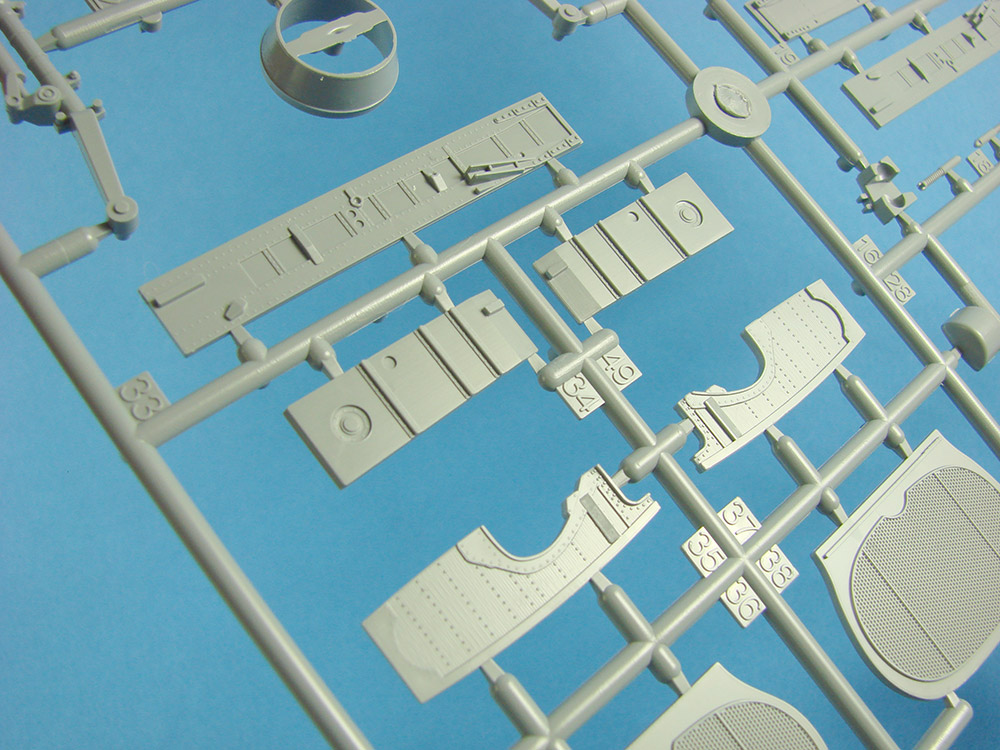
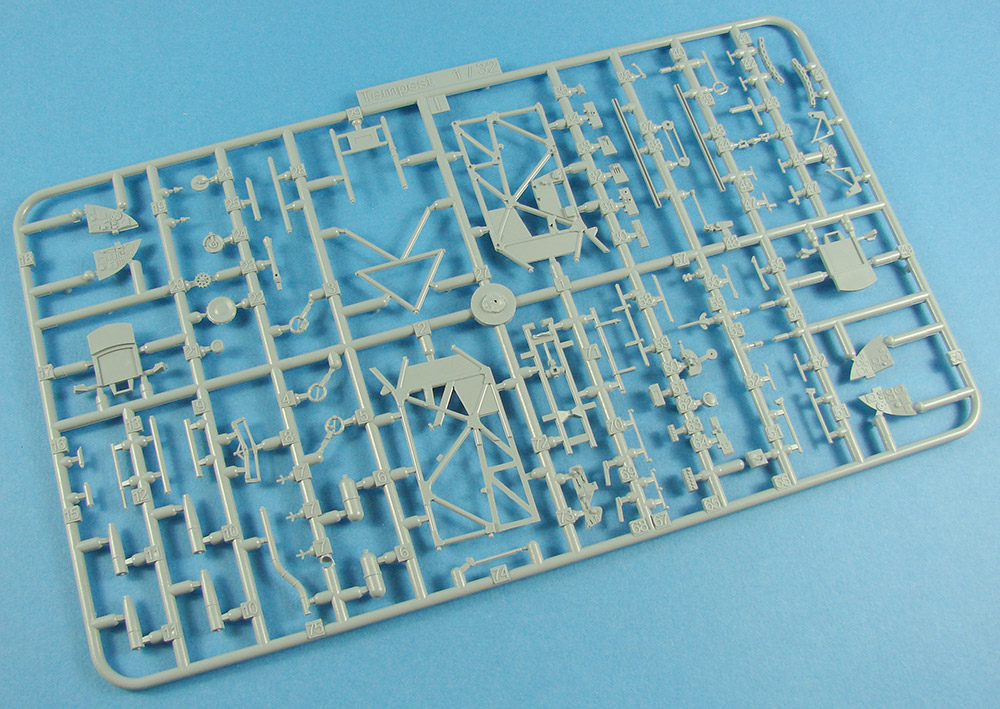
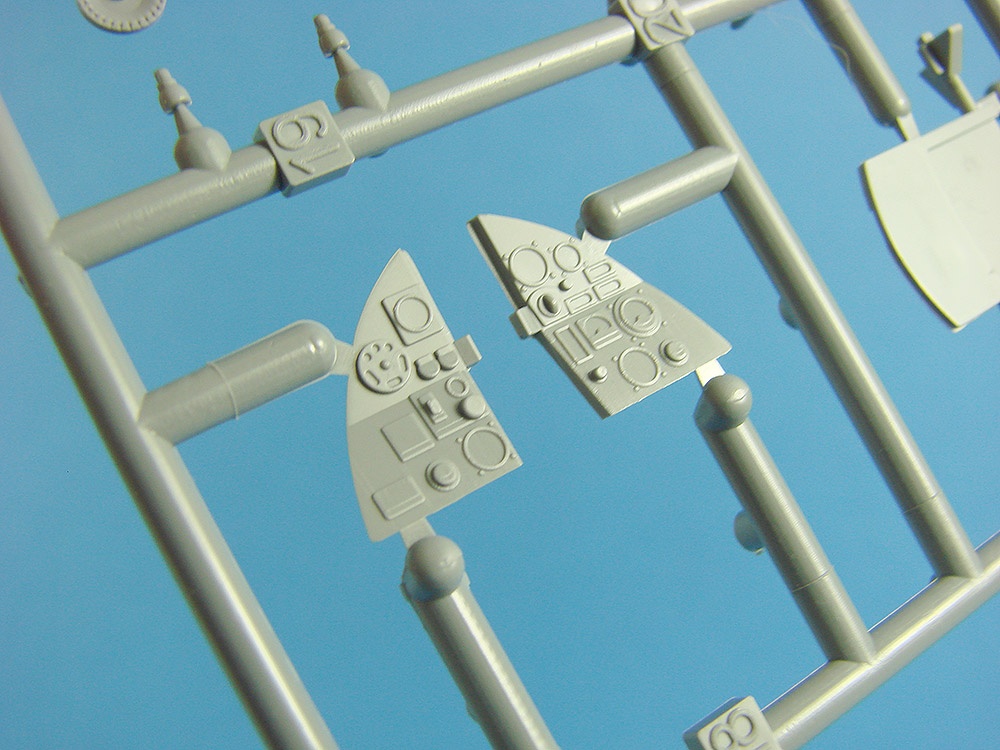
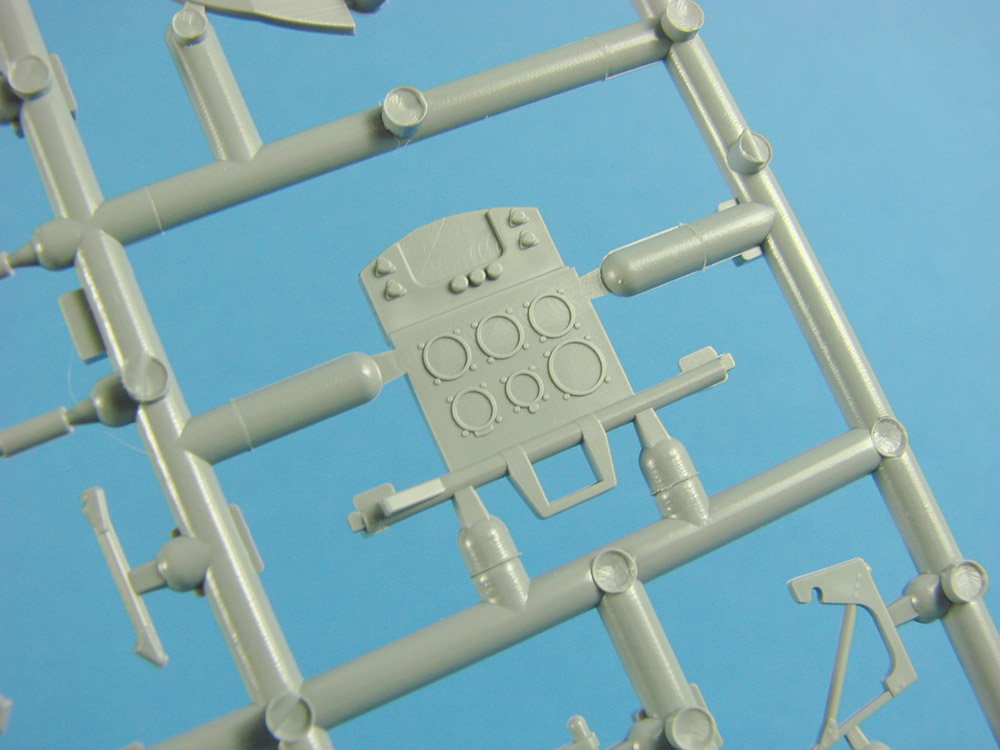
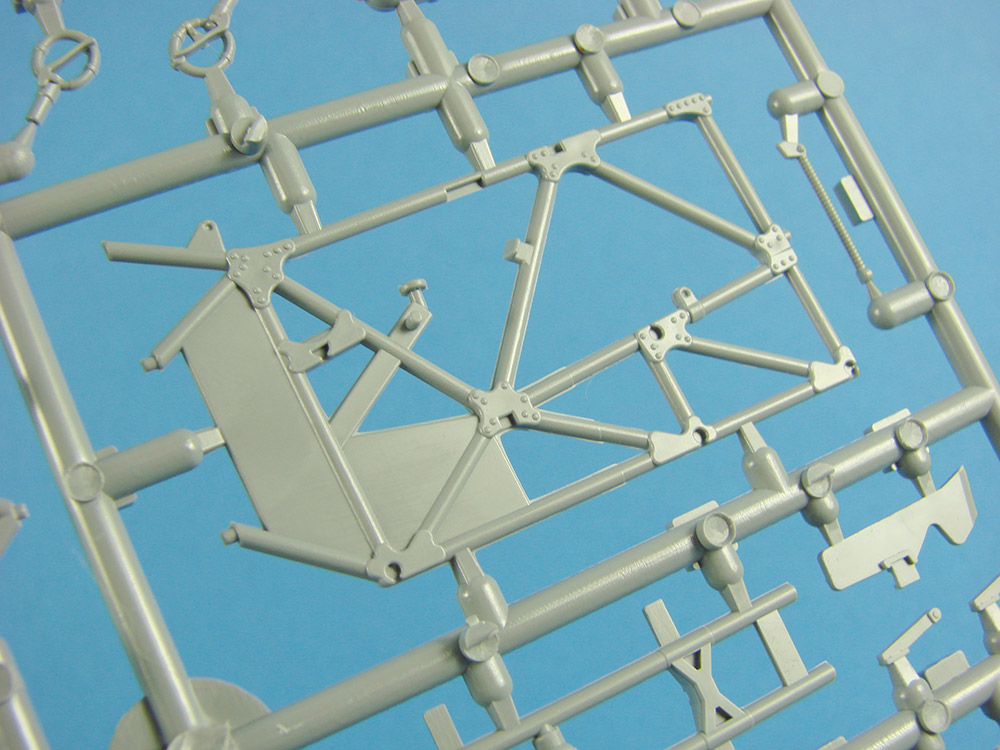
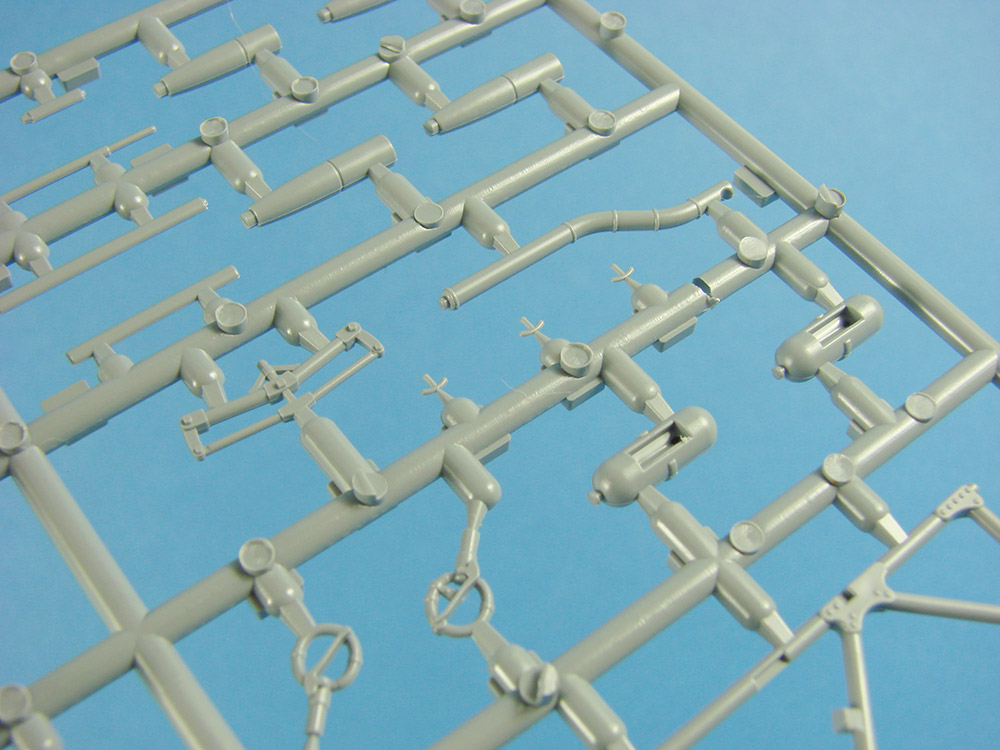
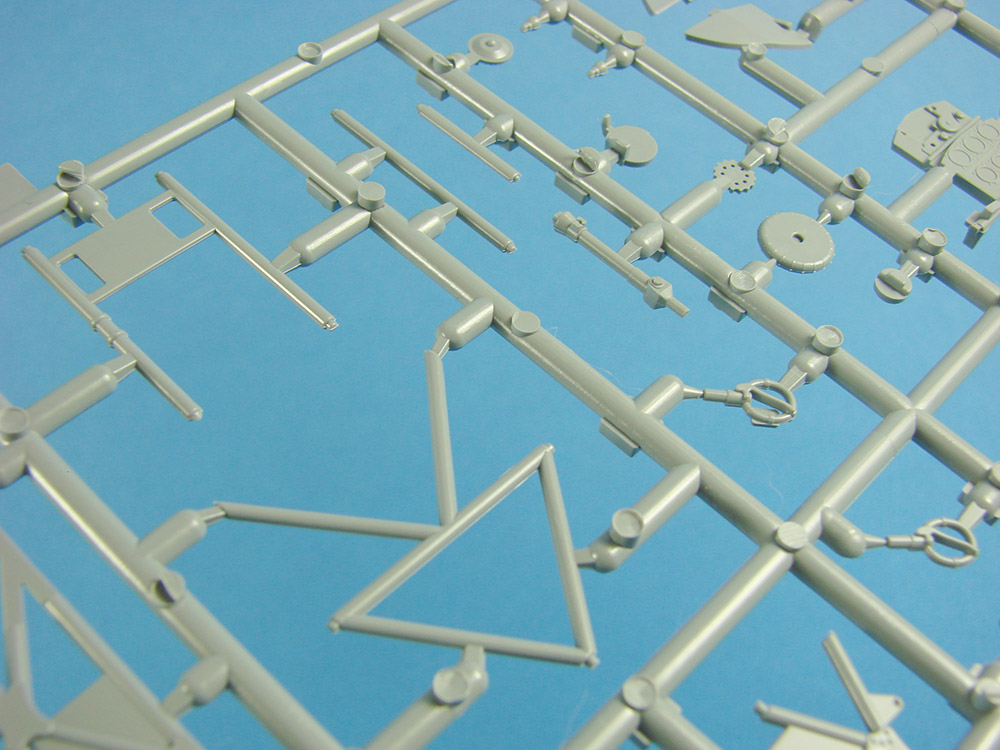
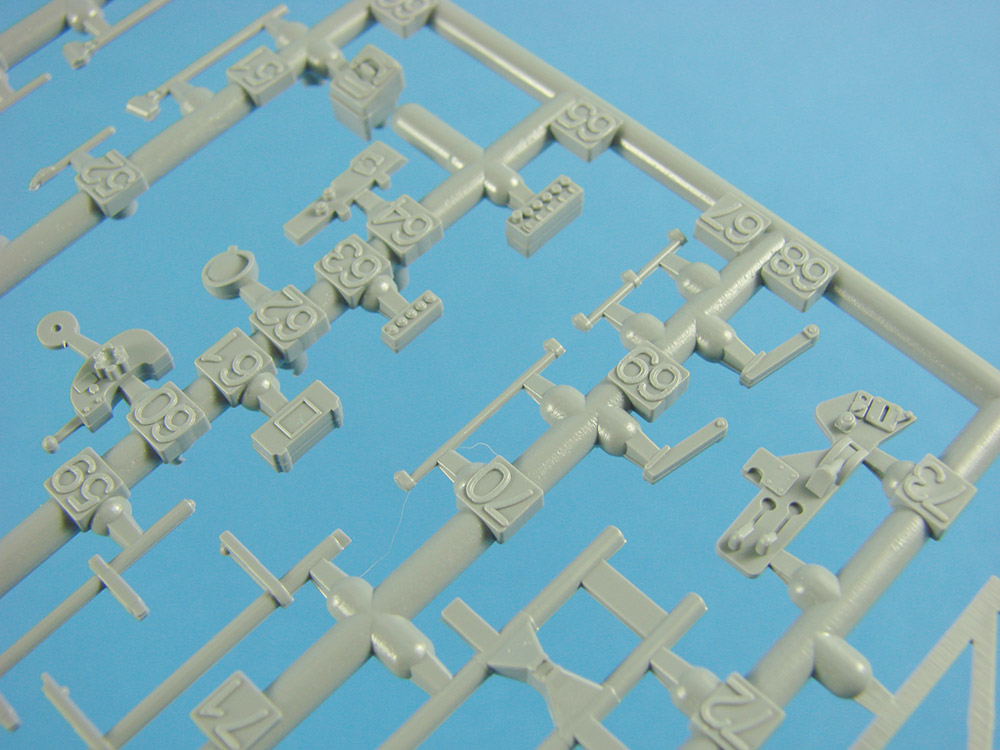
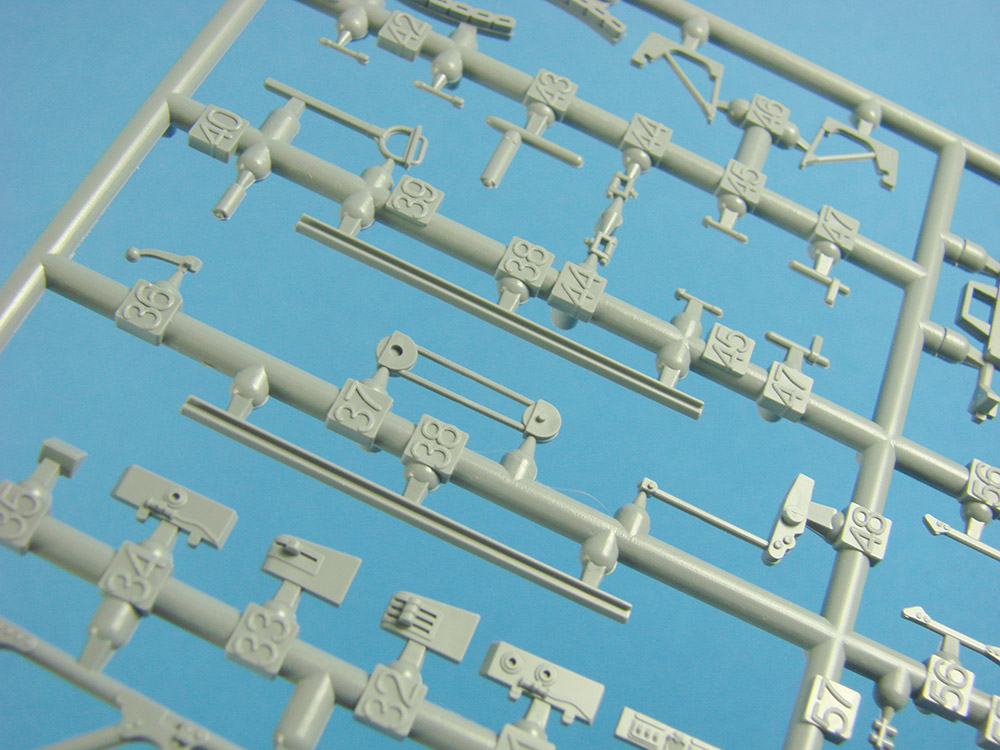
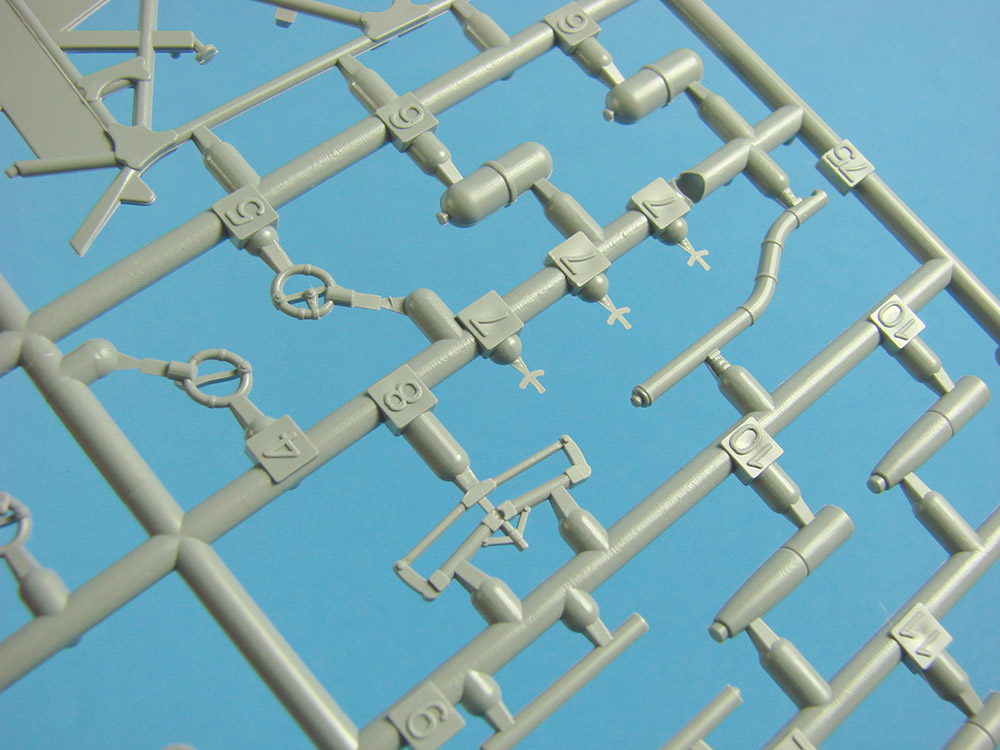
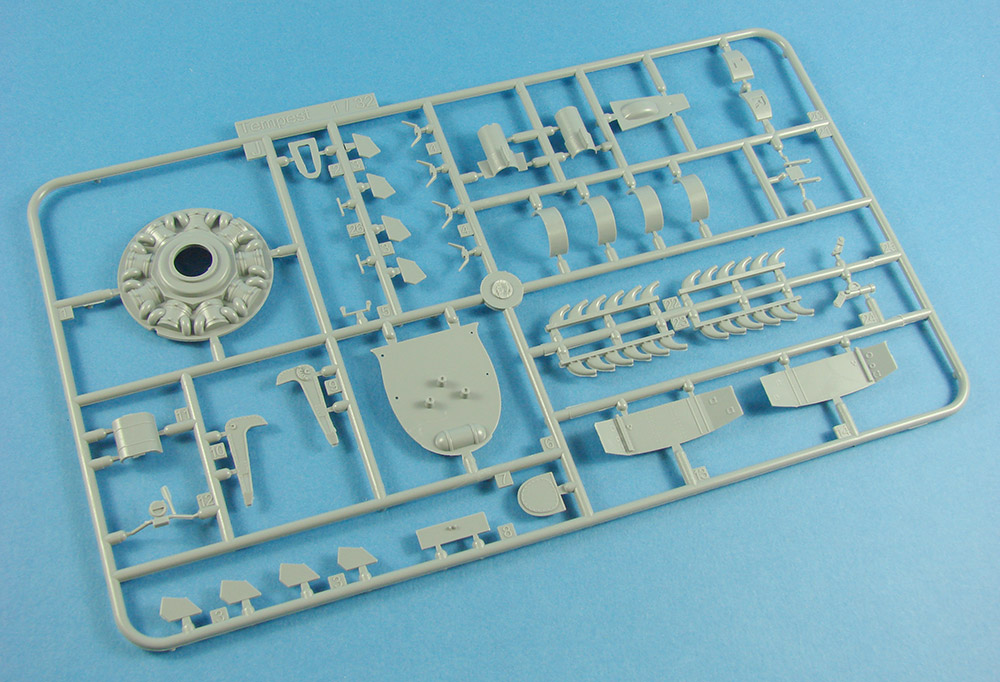
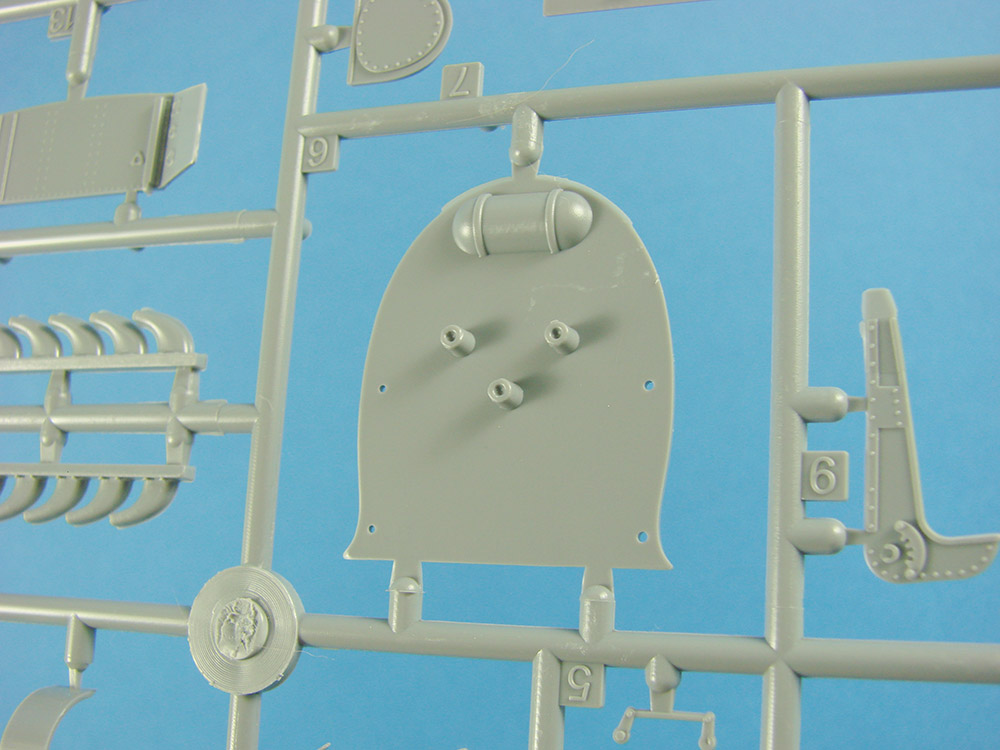
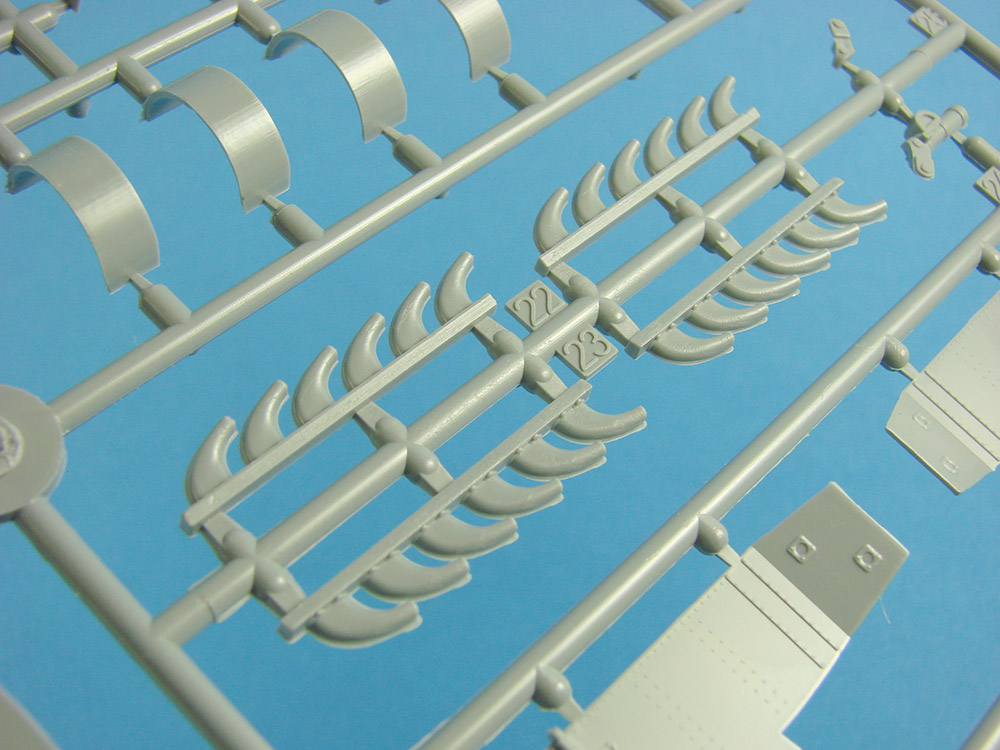
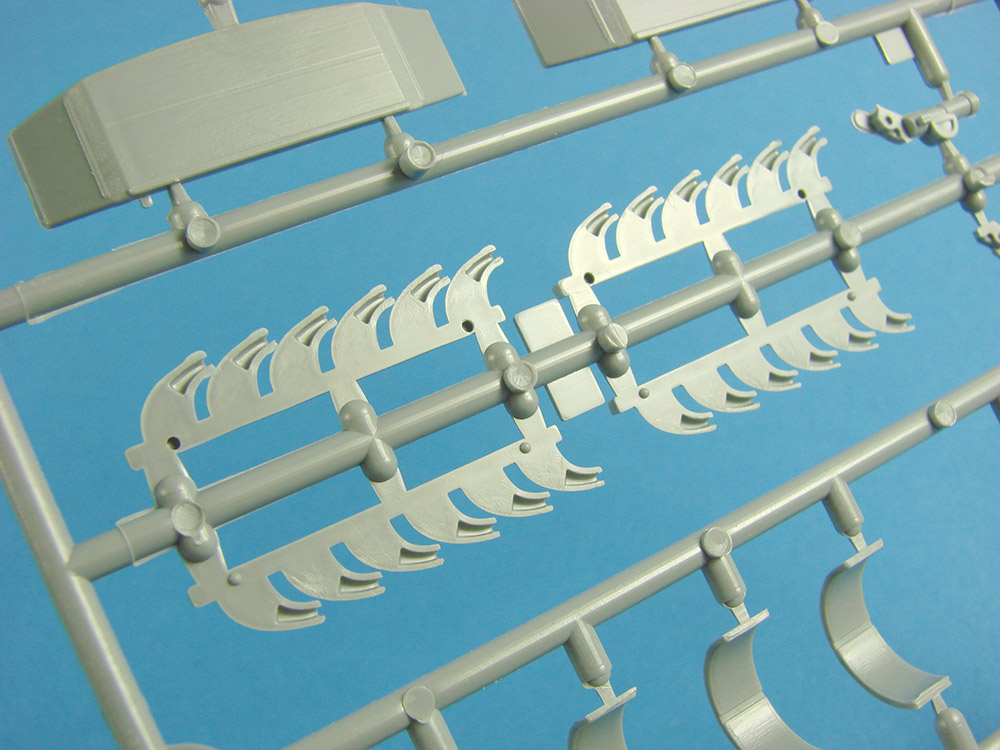
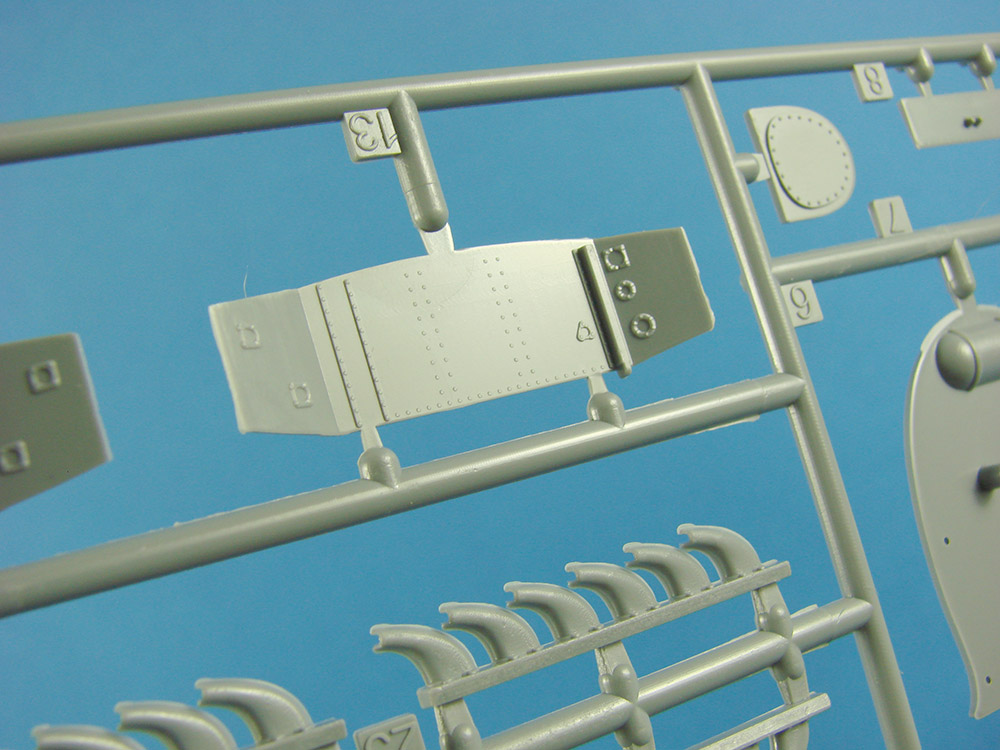
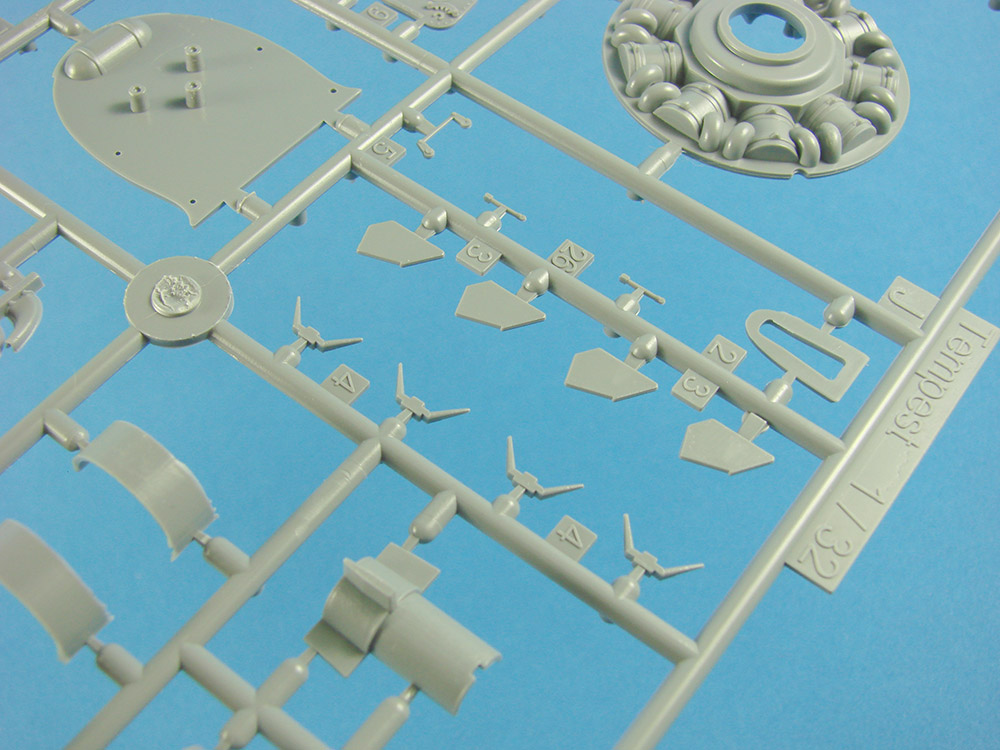
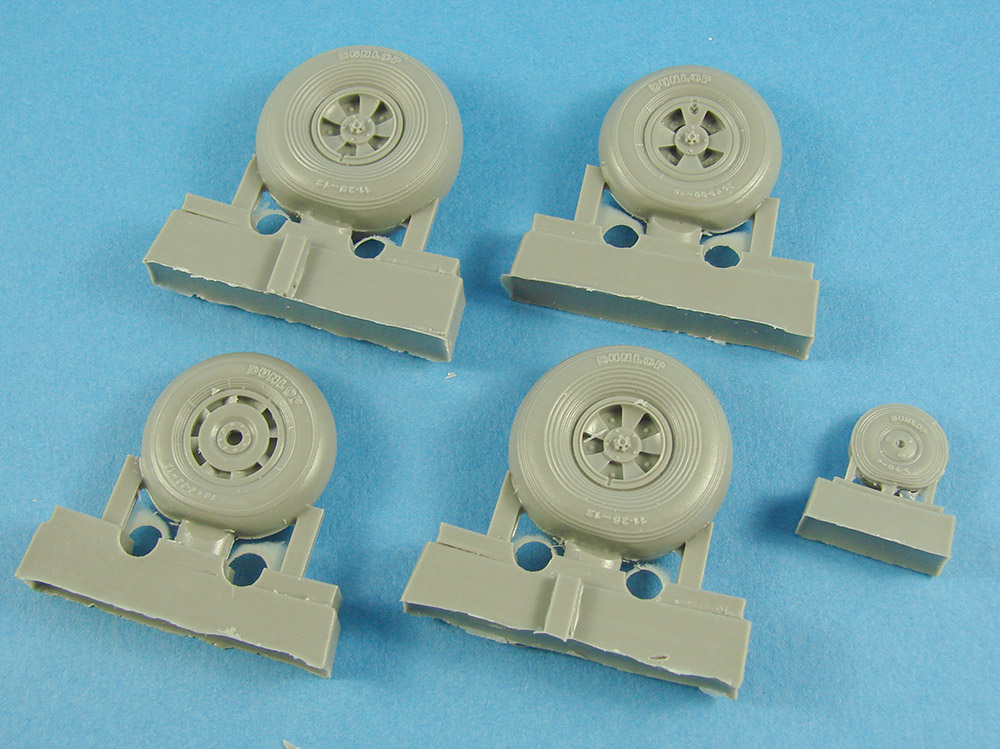
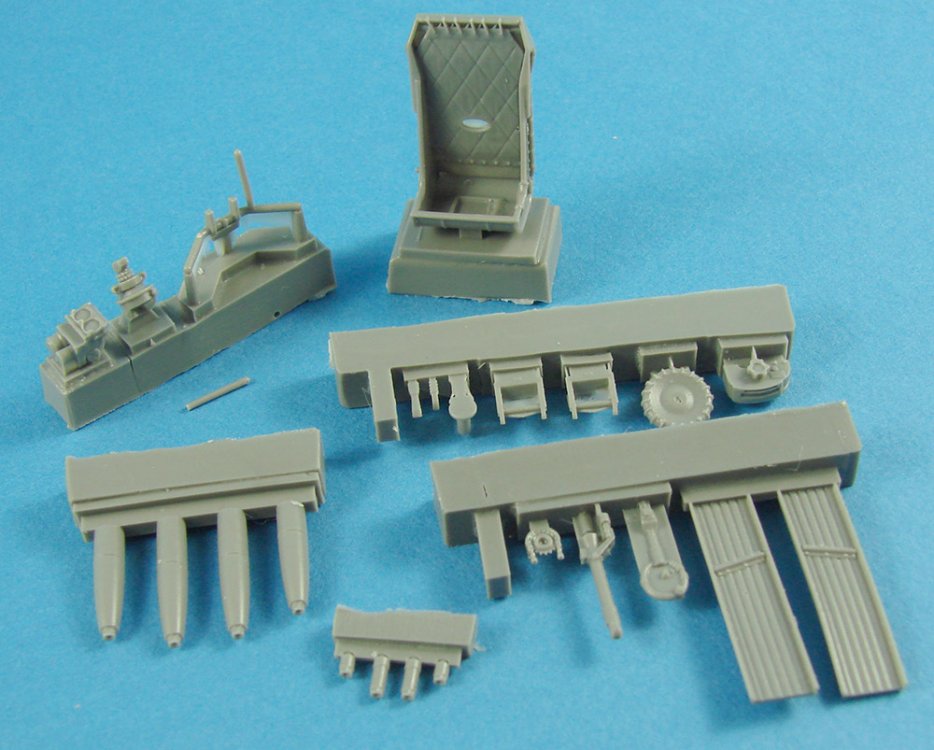
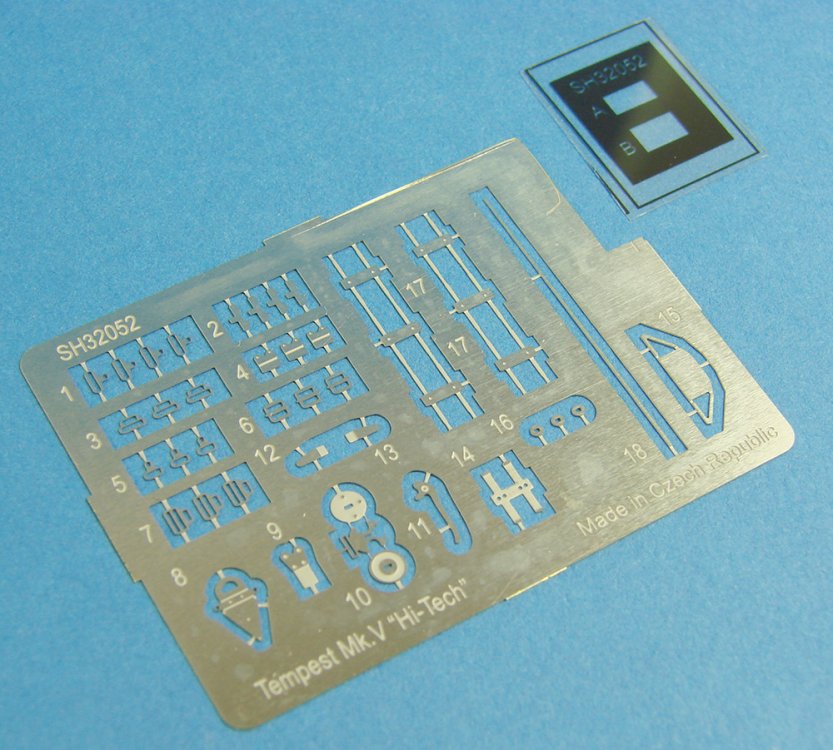
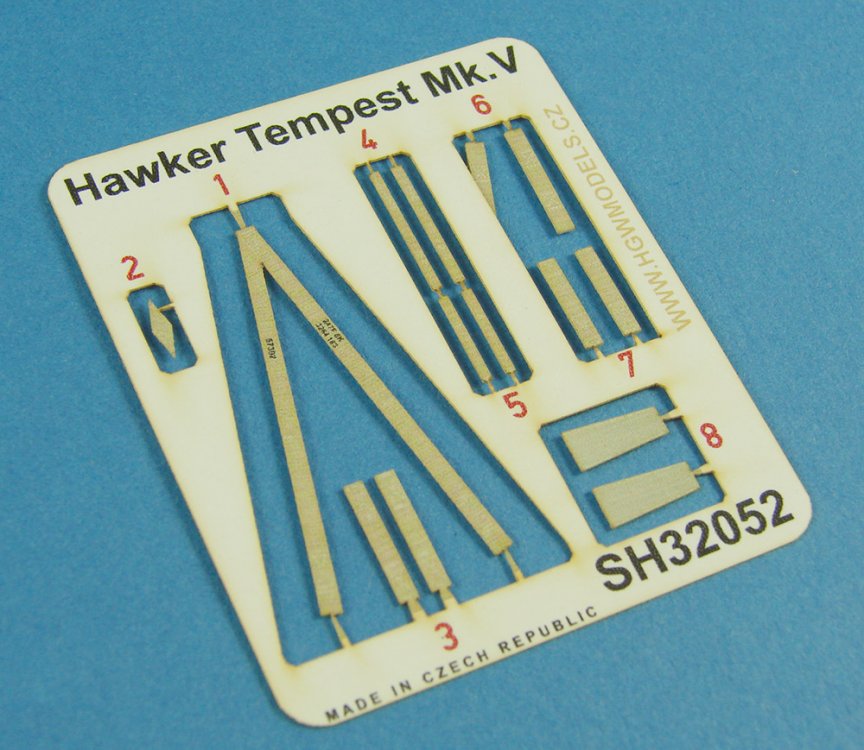
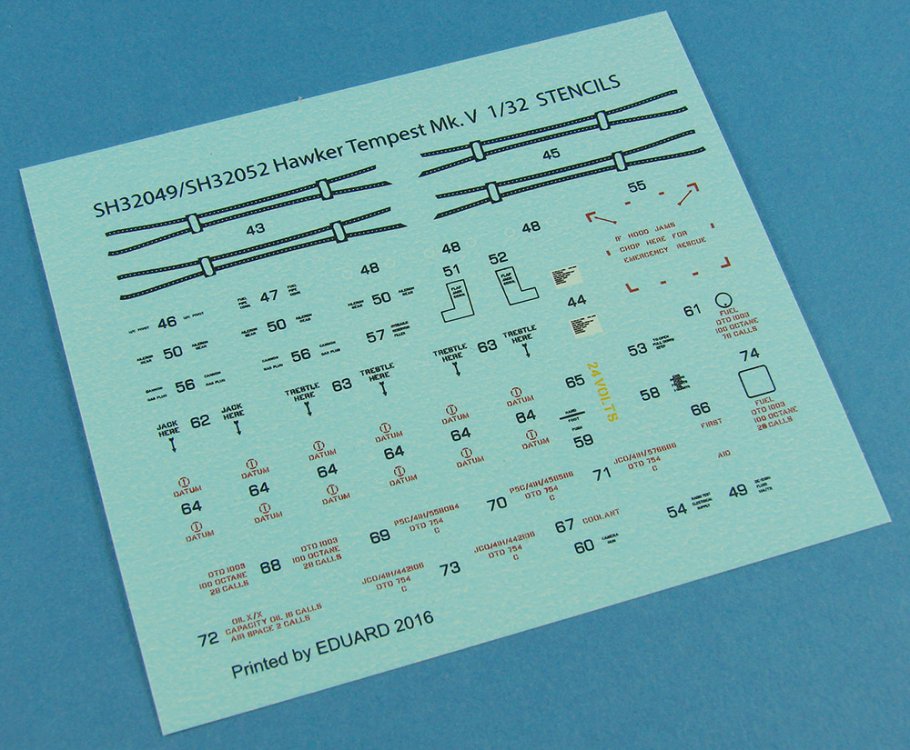
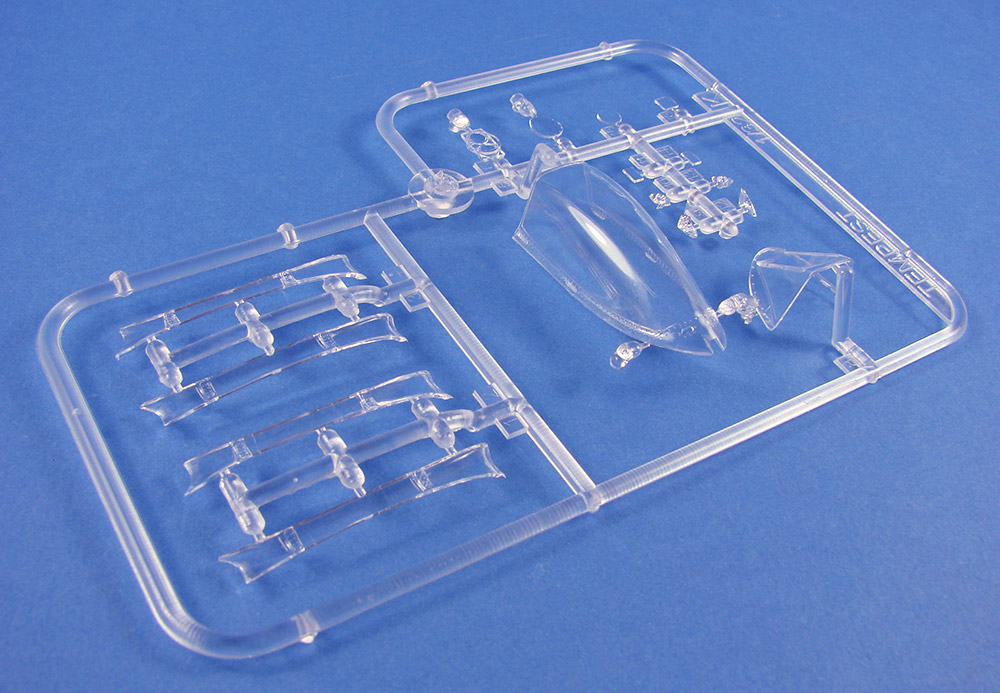
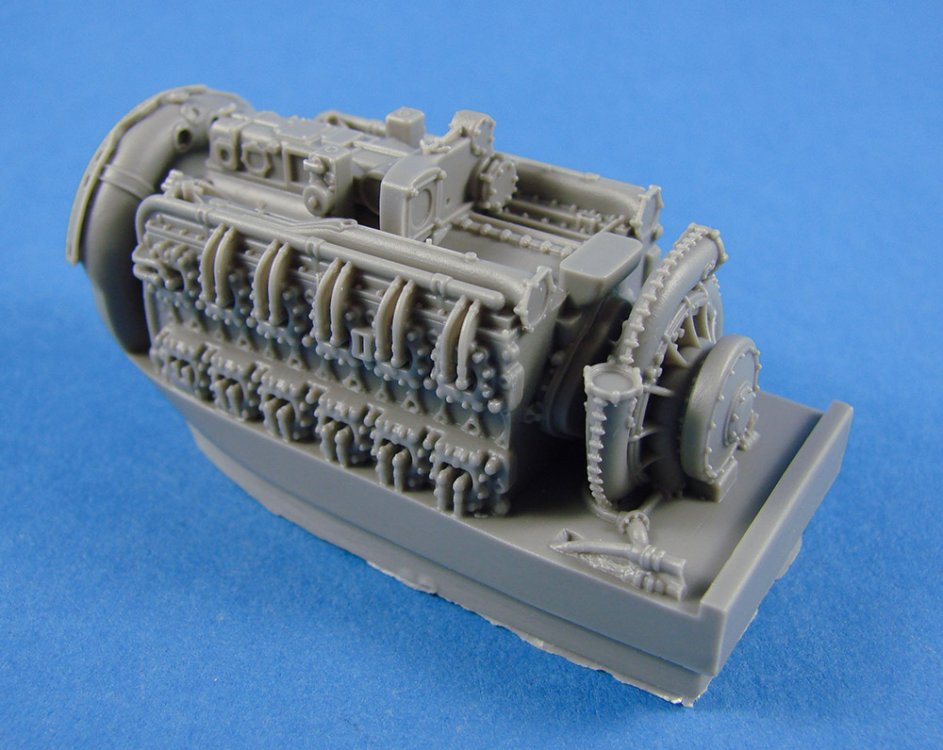
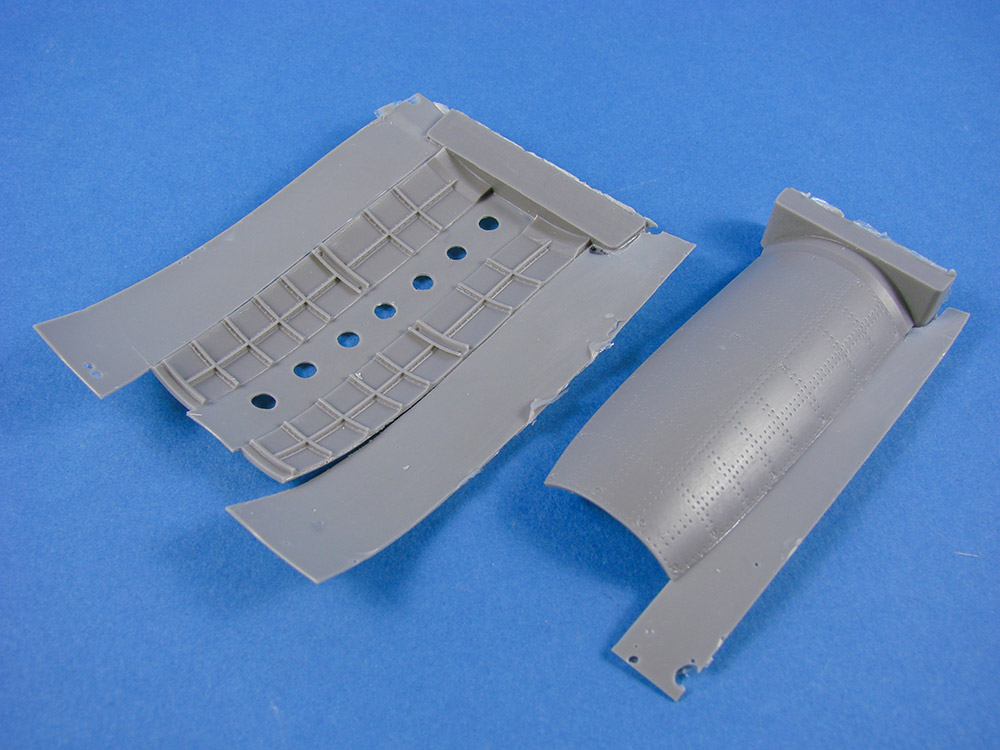
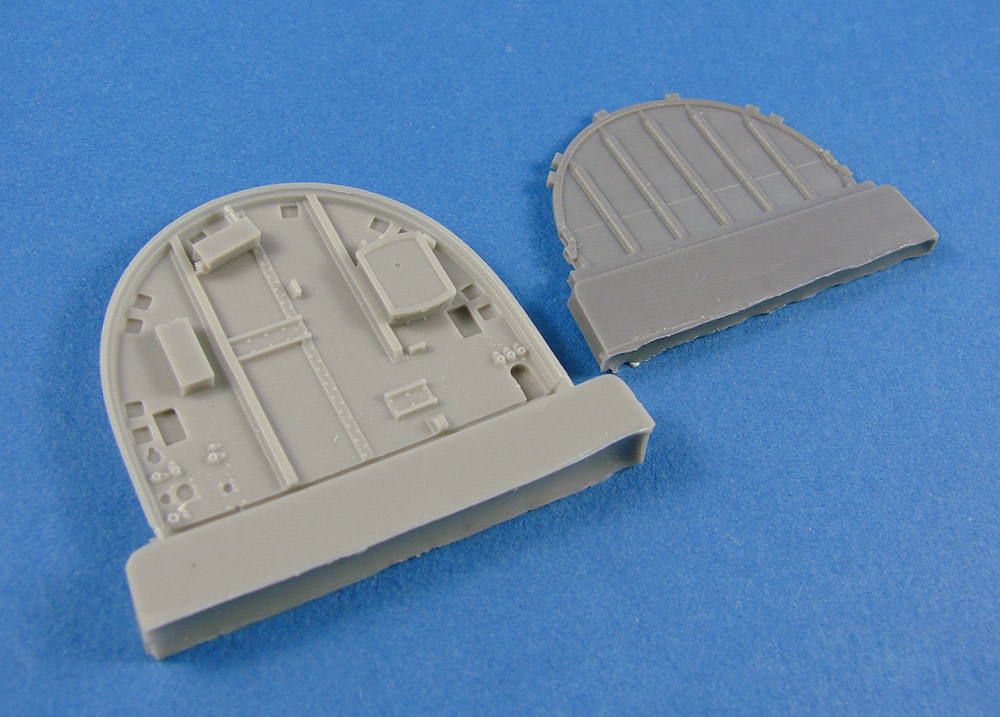
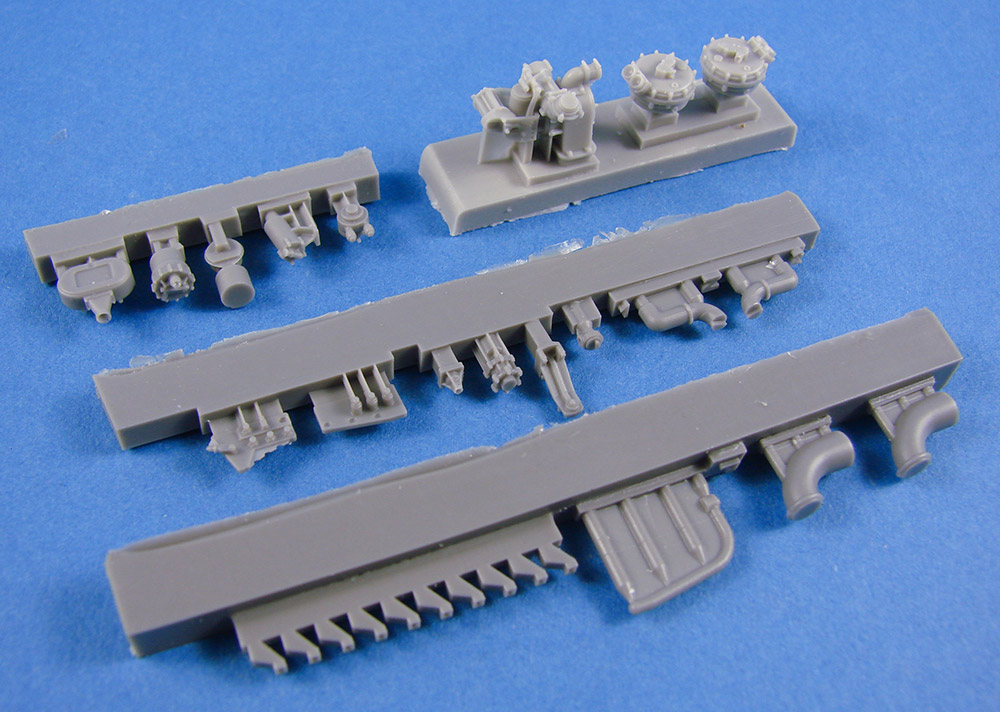
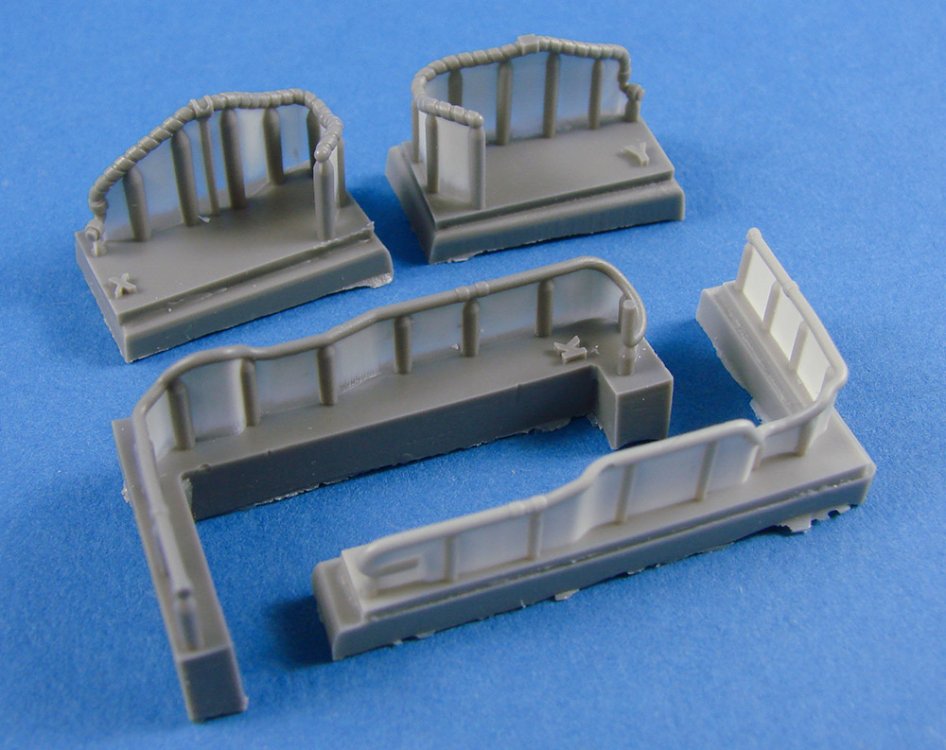
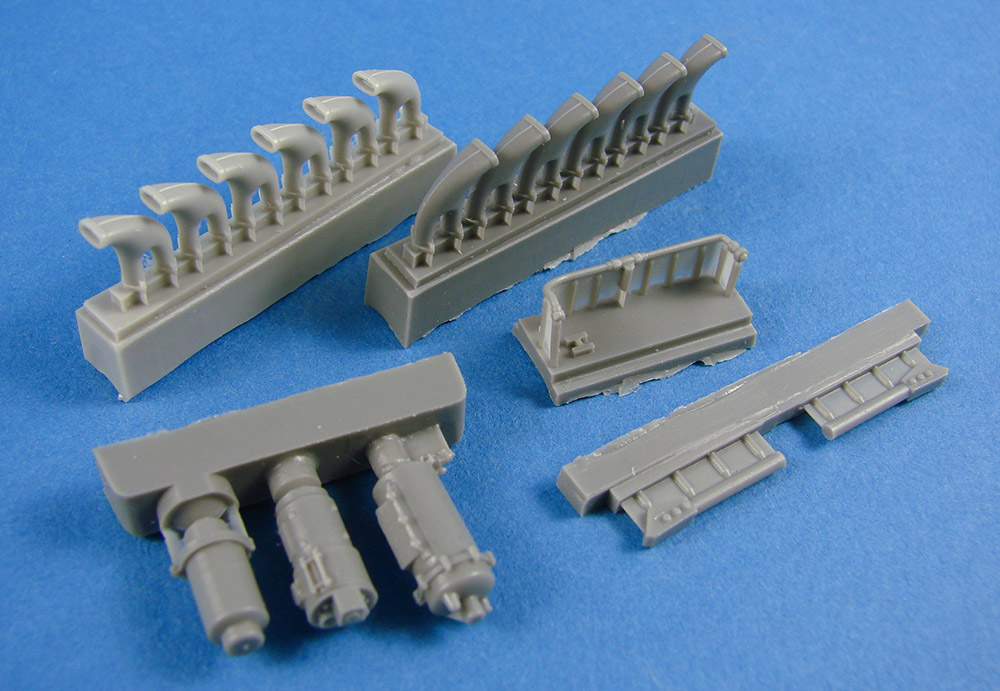
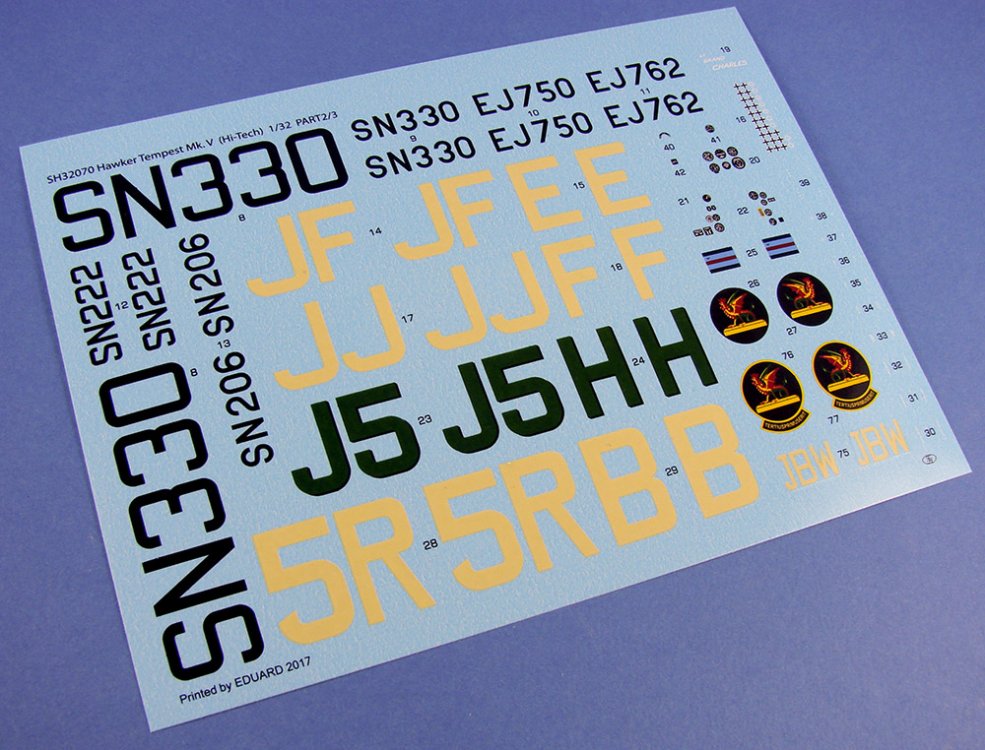
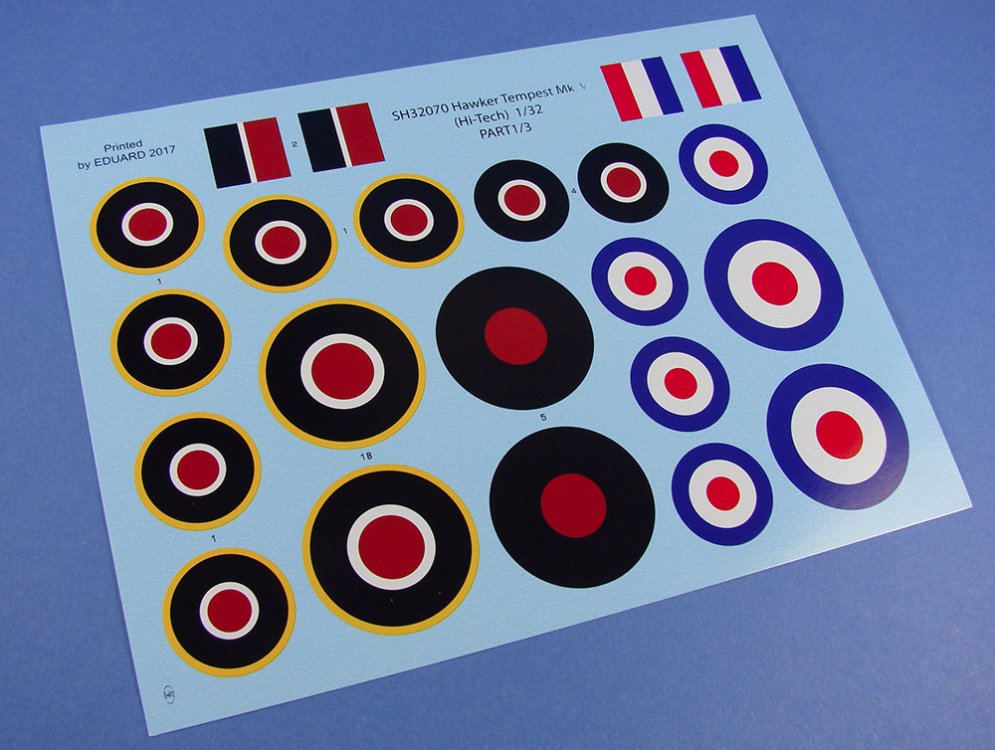
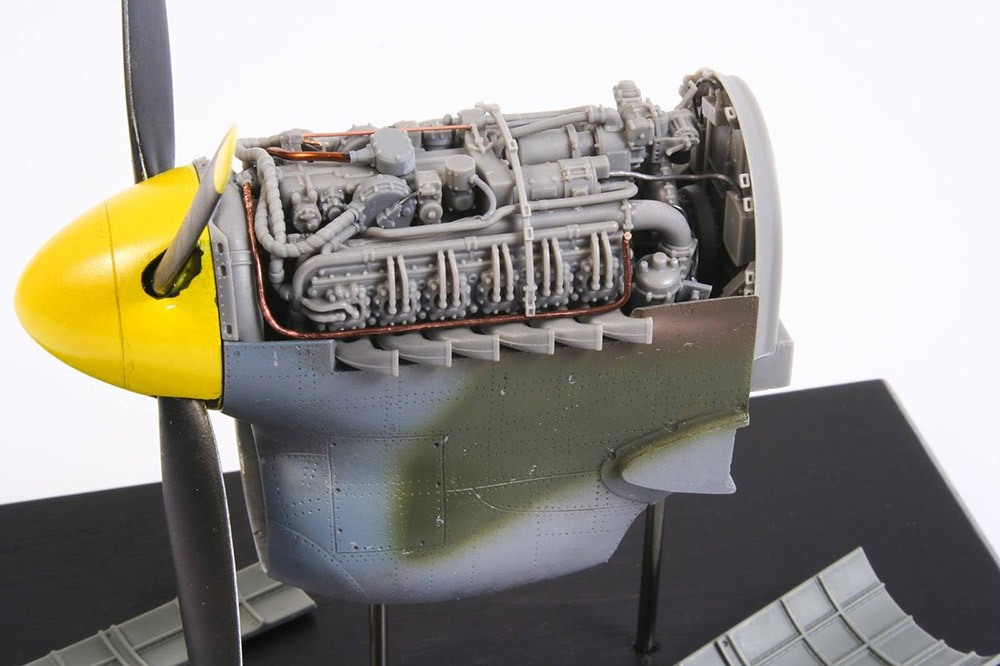
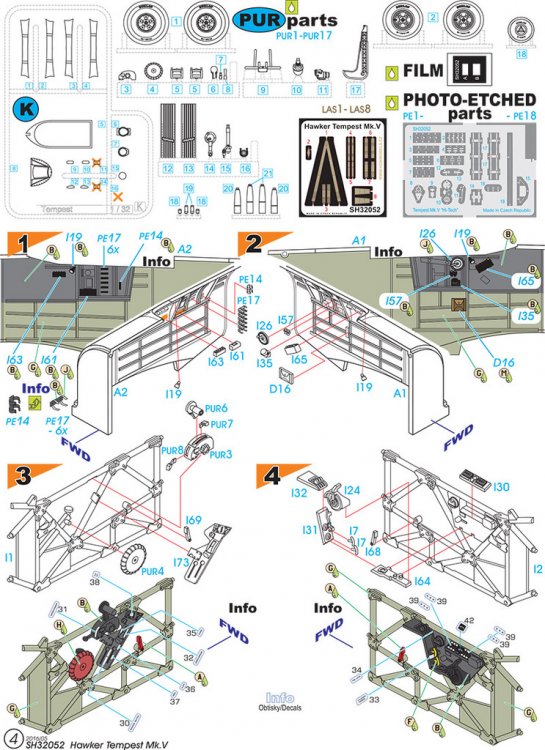
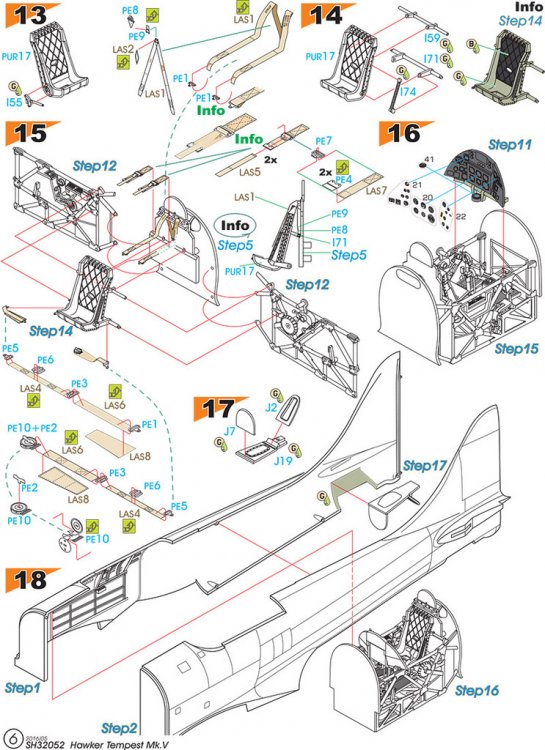
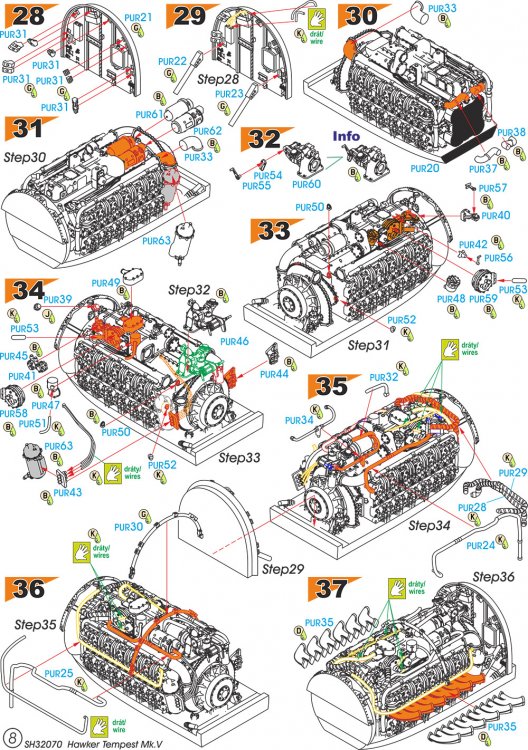
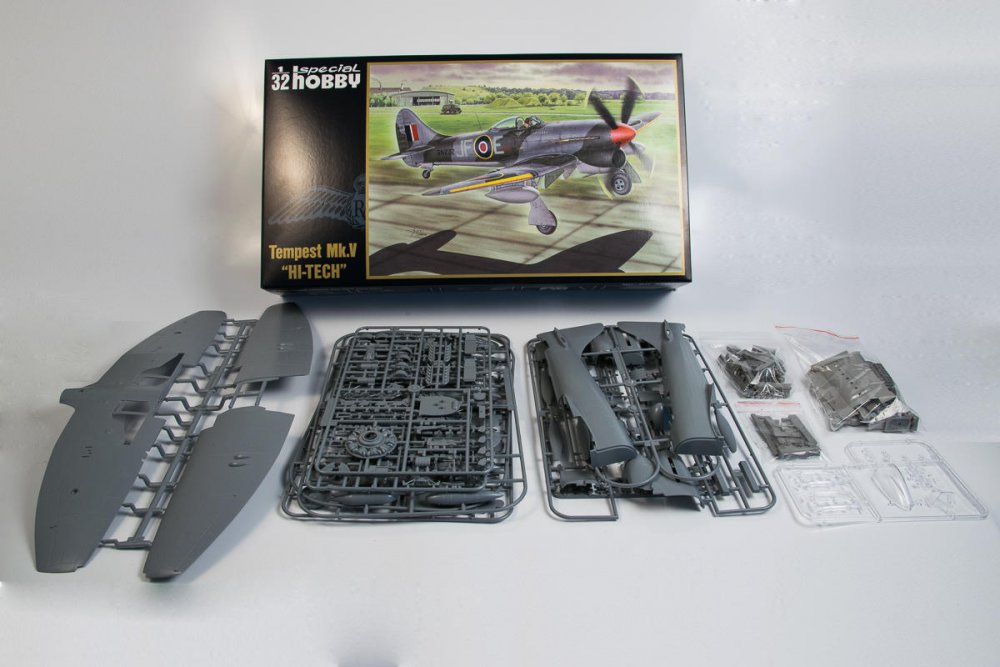
-
THIS! The IAR will soon be with Jeroen.
-
That turned out beautifully!
-
1/32 Warhawk ‘EduArt’ Eduard Catalogue # 11104 Available from Eduard for 123,75 € The Curtiss P-40 Warhawk is an American single-engine, single-seat, all-metal fighter and ground-attack aircraft that first flew in 1938. The P-40 design was a modification of the previous Curtiss P-36 Hawk which reduced development time and enabled a rapid entry into production and operational service. P-40 Warhawk was the name the United States Army Air Corps and after June 1941, USAAF-adopted name for all models, making it the official name in the U.S. for all P-40s. The British Commonwealth and Soviet air forces used the name Tomahawk for models equivalent to the P-40B and P-40C, and the name Kittyhawk for models equivalent to the P-40D and all later variants. P-40s first saw combat with the British Commonwealth squadrons of the Desert Air Force in the Middle East and North African campaigns, during June 1941. No. 112 Squadron Royal Air Force, was among the first to operate Tomahawks in North Africa and the unit was the first Allied military aviation unit to feature the "shark mouth" logo, copying similar markings on some Luftwaffe Messerschmitt Bf 110 twin-engine fighters. The P-40's lack of a two-speed supercharger made it inferior to Luftwaffe fighters such as the Messerschmitt Bf 109 or the Focke-Wulf Fw 190 in high-altitude combat and it was rarely used in operations in Northwest Europe. However, between 1941 and 1944, the P-40 played a critical role with Allied air forces in three major theatres: North Africa, the Southwest Pacific, and China. It also had a significant role in the Middle East, Southeast Asia, Eastern Europe, Alaska and Italy. The P-40's performance at high altitudes was not as important in those theatres, where it served as an air superiority fighter, bomber escort and fighter-bomber. Although it gained a post-war reputation as a mediocre design, suitable only for close air support, recent research including scrutiny of the records of individual Allied squadrons indicates that this was not the case: the P-40 performed surprisingly well as an air superiority fighter, at times suffering severe losses but also taking a very heavy toll of enemy aircraft. The P-40 offered the additional advantage of low cost, which kept it in production as a ground-attack aircraft long after it was obsolete as a fighter. The Warhawk was used by most Allied powers during World War II, and remained in frontline service until the end of the war. It was the third most-produced American fighter, after the P-51 and P-47; by November 1944, when production of the P-40 ceased, 13,738 had been built, all at Curtiss-Wright Corporation's main production facilities at Buffalo, New York. The kit The first thing that surprised me is just how big the box is for this kit, and how heavy it is too. Adorned with one of Romain Hugault’s beautiful lady-inspired artworks that is the raison d'être for this release from Eduard’s new ‘EduArt’ range (following on the heels of the recent P-47 Dottie Mae), we finally see more P-40N plastic on the market. Note the saucy ‘Oops! It Slipped!’ on the bomb that the lady is sitting upon. Can’t beat some nice innuendo in our hobby! Whilst it is still possible to buy other variants of the P-40, the ‘N’ variant hasn’t been available for some time now, and it seems that this is the one that modellers are wanting to see. I suppose from that angle, Eduard’s new Warhawk release is a canny move on their part. Be warned though, only 3000 of these kits are available, and the Overtrees sprues have already sold out. Inside the box, all sprues are bagged into two sleeves, with the three sprues of clear parts being separate to protect them from scuffing. Most of the grey sprues are interconnected. I would’ve liked to have seen all sprues and sprue groups individually packed, but there is no real evidence of scuffing on my parts. Also within the bag is a little packet of polycaps. As this is an Eduard re-pop though, there are of course some of their extras to adorn this model. These take the shape of TWO PE frets (one printed in colour), set of correct resin wheels with appropriate ‘N’ type hubs, fishtail exhausts, clear acetate for the gunsight, and a set of masks for both canopy options. What is this ‘EduArt’, I hear you say. Ok, the rather stunning lid box art is included TWICE inside the box. One of these takes the form of a rolled-up A2 size poster, and the other is a new addition to the range, namely a beautifully printed reproduction of the box art, on an embossed metal plate, so you can feel the various relief, and it should of course catch the light nicely too. More of that later though. A small criticism here as to how this plate is packed. I found mine was sitting directly on top of all the sprues, including the clear one, and although the plate is nicely packed itself, I wasn’t keen on that weight bearing down on my plastic parts in case it deformed them. Top tip….remove from box as soon as you receive it. The majority of this kit has seen action with previous Hasegawa P-40 releases, with the exception of the N version tail parts, cut-down rear cockpit area and the new canopy parts to suit, and the wheels with the specific hubs. This release does include two schemes which will use the high back cockpit and the older style canopy too. As an added, unlisted bonus, the earlier, shorter fuselage tail section is also included amongst the parts. It isn’t even down on the parts plan, and is certainly not slated for use in this specific Warhawk release. This opens up more options for the modeller. Construction typically starts with the cockpit, and even without Eduard’s touch, the office in this release is actually very good, taking into account that this is a kit that was still only tooled in 2008. However, this fully-featured office now has two coloured, multi-layer instrument panel options as well as decals for the standard plastic part, colour-printed seatbelts and numerous other instrument consoles and placards on offer, to supplement the already excellent detail in this area. Also included is a rear mirror (fluffy dice optional!). Two seat options are included. A small number of PE options are provided as decals too. It goes without saying that there will need to be some surgery to perform if you want to implement Eduard’s PE sets, but it is fairly minimal, and includes shaving some sidewall details, and removing the raised detail from the instrument panel. You’ll also have to bend a few metal parts for items such as the map case replacement. Nothing too onerous though. Leaving the cockpit, the PE parts also include the circular intake grilles, aerial mast attachment point, canopy fastening latch, and numerous other external details such as surface panels, trim tab linkages, a small selection of undercarriage bay parts, fuselage fuel tank/bomb rack mounting point, and completely new PE underwing bomb attachment parts. The included Brassin wheels also have photo-etch for the optional external hub disks. One area of contention with modular fuselage design is how you seamlessly fit items such as the separate tail unit. Hasegawa’s instructions called for this to be plugged in after joining the main fuselage. Eduard has recognised the general folly of this and indicated that you need to join the tail halves to the fuselage before you bring the fuselage together finally. That’s pretty sensible and how I approach this in general. The rudder is a separate part, meaning it can be posed dynamically, if you trim back the location tabs. Looking at the fuselage parts shows how nicely refined the external detail is, and makes me wonder why I haven’t built one of these before. Fine panel lines and port access details are the order of the day, with everything looking suitably scale to my eye. Being ex-Hasegawa, there is of course no major riveting to be seen, so if you want a little extra visual interest, you’ll have to dust off Rosie, or even better, use a beading tool. Some key rivet lines exist, but that is all. Ventilation plates, exhaust panels and rear cockpit are separate to the main fuselage halves, in true modular style. The wing is a simple affair to build, with a full-span lower piece, and port/starboard upper panels. Ailerons are integral, as they tend to be with Hasegawa. Surgery will be required if you want otherwise. This also applies to the stabilisers, with integrally moulded elevators. The multipart main gear bay is based around a single spar and is simply sandwiched between the upper and lower wing panels. Separate inserts are included for the Browning machine gun leading edge panels. Detail-wise, there isn’t anything you really need to add here as the plastic parts are very good. Moulding quality is excellent throughout, with no visible defects or badly placed ejector pin marls to suck away the fun. Four clear sprues are included. One of these contains the common windscreen which is moulded along with the external fuselage adjoining panel. This neat idea means you won’t need to worry about gaps being present between the windscreen and fuselage. Another windscreen is supplied, but again, it’s not for use with this release. Main hoods for both the early machine and the cut down fuselage version, are supplied, along with their respective rear canopy sections. Hood parts are included for both open and closed versions of both style of hood. Frame lines are well-defined and the parts are crystal clear. One sprue contains smaller clear parts for landing lights etc. The photo-etch parts are typically superb, as is the norm, with the printing being very good. With some colour PE, I’ve been left disappointed due to ink pixilation, but these are very good, and under a coat of matt varnish, they should look just perfect. Attachment gates are nice and thin and should present no problem. There aren’t too many resin parts in this release, but Eduard has made them count. First up are the replacement wheels with their separate hubs. Not having to remove seams automatically makes these a better option, but the detail is also far nicer and more comprehensive. Secondly, fishtail exhausts are included. Each side is cast in three banks of two manifolds, and they are handed, meaning you will not only need to get them in the correct order, but also on the appropriate side of the cowl. They are easy enough to identify, so there shouldn’t be a problem. Casting quality is flawless. Eduard’s wheel hubs always take a little sawing to free them from their blocks, but the wheels come away from them quite easily and clean-up is quick too. A single sheet of Kabuki masks is included, with parts for both canopy options (obviously!), and also wheel hub masks. Cutting is sharp and you should have no problems. The decals are provided on a single, large, Cartograf-printed sheet. Colour is solid and authentic, with minimal carrier film, thinly laid inks and a nice glossy surface. Registration is also perfect. Those markings which contain the white bars have those printed here too, but I’d probably opt to mask and airbrush these. Still, the option is there. Stencils and cockpit decals are also included. The five schemes available in this release are: P-40N-5 s/n 42-105128 flown by Lt. P. S. Adair, 89th FS, 80th FG, Nagaghuli, India, February 1944 Kittyhawk IV (P-40N-1), NZ3148, No. 18 Squadron RNZAF, Ondonga, New Georgia, November 1943 P-40N-1 flown by Lt. G. L. Walston, 16th FS, 51st FG, Kunming, China, 1944 P-40N, 7th FS, 49th FG, Cyclops Airfield, Hollandia, New Guinea, May 1944 Kittyhawk IV (P-40N-20), NZ3220, No. 18 Squadron RNZAF, Bougainville, 1944 Extras It’s the embossed metal plate that is the real showstopper here. Romain’s box artwork has been transposed to a quite weighty, fairly thick gauge metal plate, and the various relief has been stamped into this, giving a semi-3D sort of feel to the item. The printing is great too! Holes are provided for handing this on your workshop wall, so you won’t need to damage the plate to do this yourself. The same art is provided on a rolled-up A2 size poster too. You can never have too many copies of Romain’s work Conclusion This isn’t a cheap kit, but it’s certainly one I’m pleased to see on the market, especially in this gorgeous EduArt format! There are plenty of options in this release, both official and unofficial, and the schemes themselves are excellent. It’ll still be tempting to do the shark mouth machine, so I must resist. I do feel that Eduard could’ve included the PE with the landing flaps etc. This is now available as an upgrade to this kit. All in all, a very attractive and welcome package that I really can’t wait to get to the bench. Doubtless the most accurate P-40N on the market. Watch out for my build soon in Military Illustrated Modeller. Highly recommended My thanks to Eduard for the review sample shown here. To purchase directly, click THIS link.
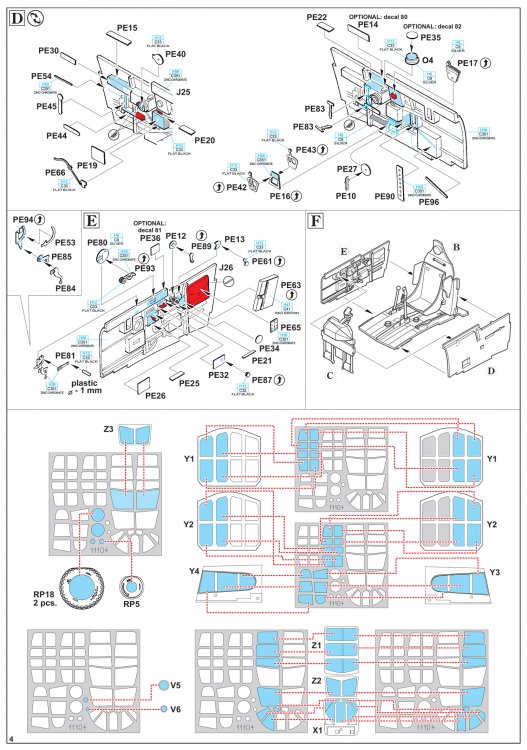
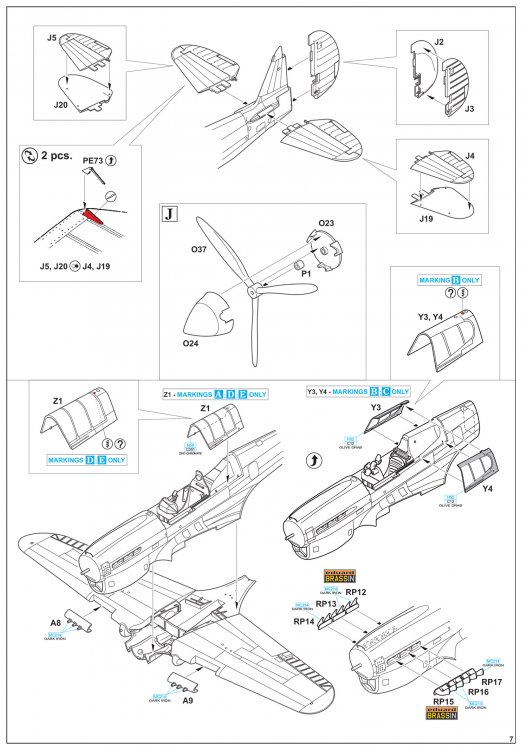
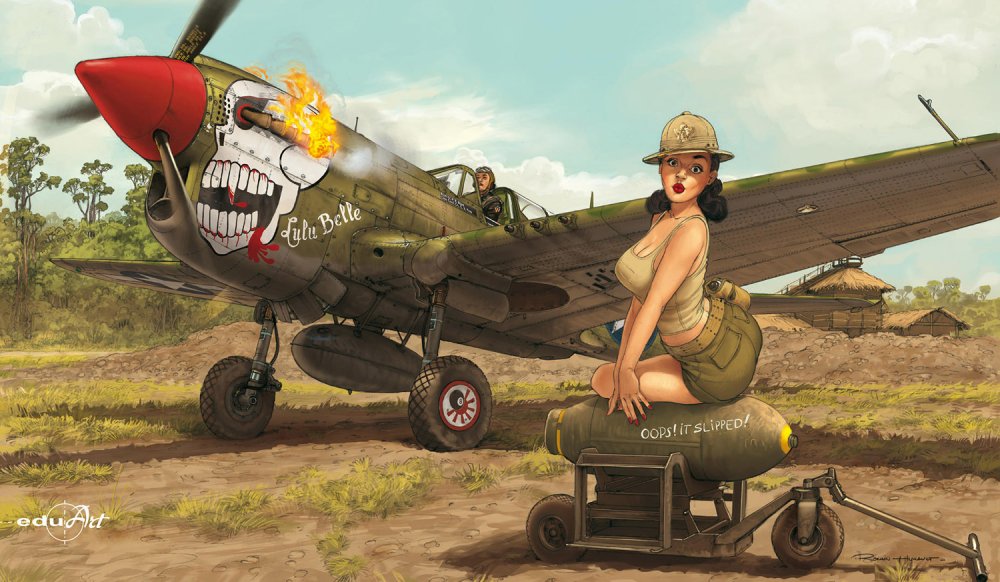
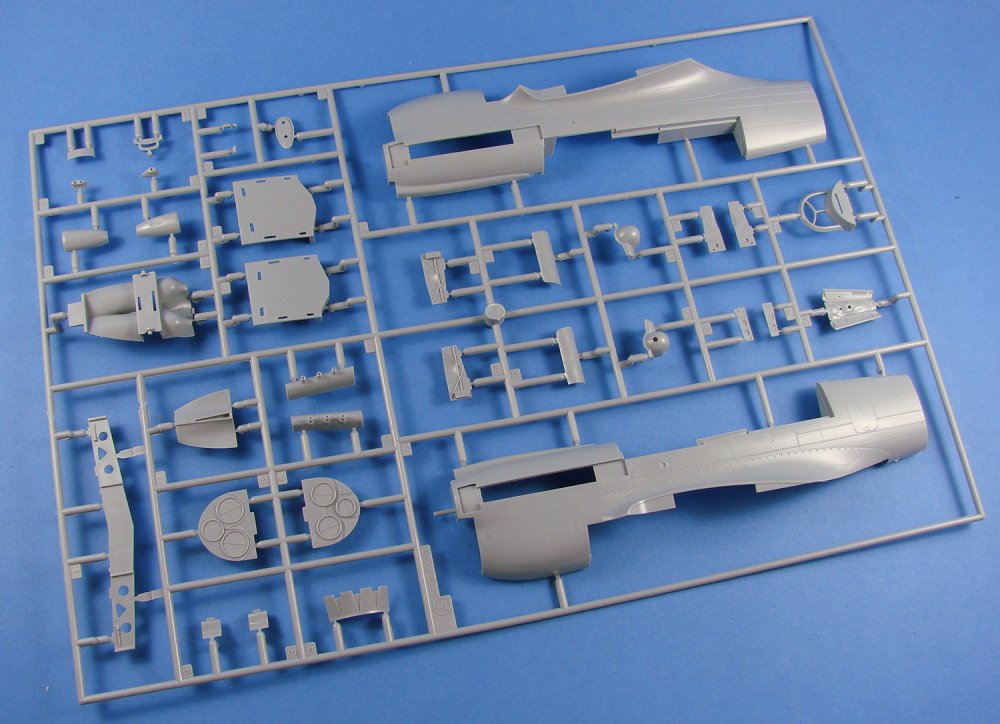
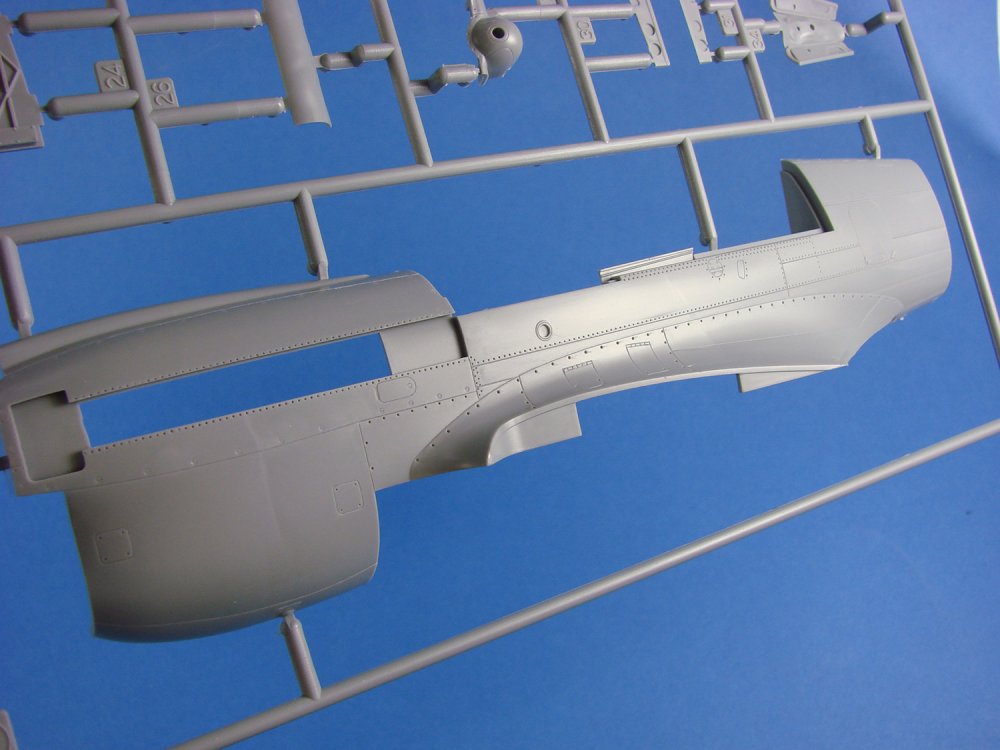
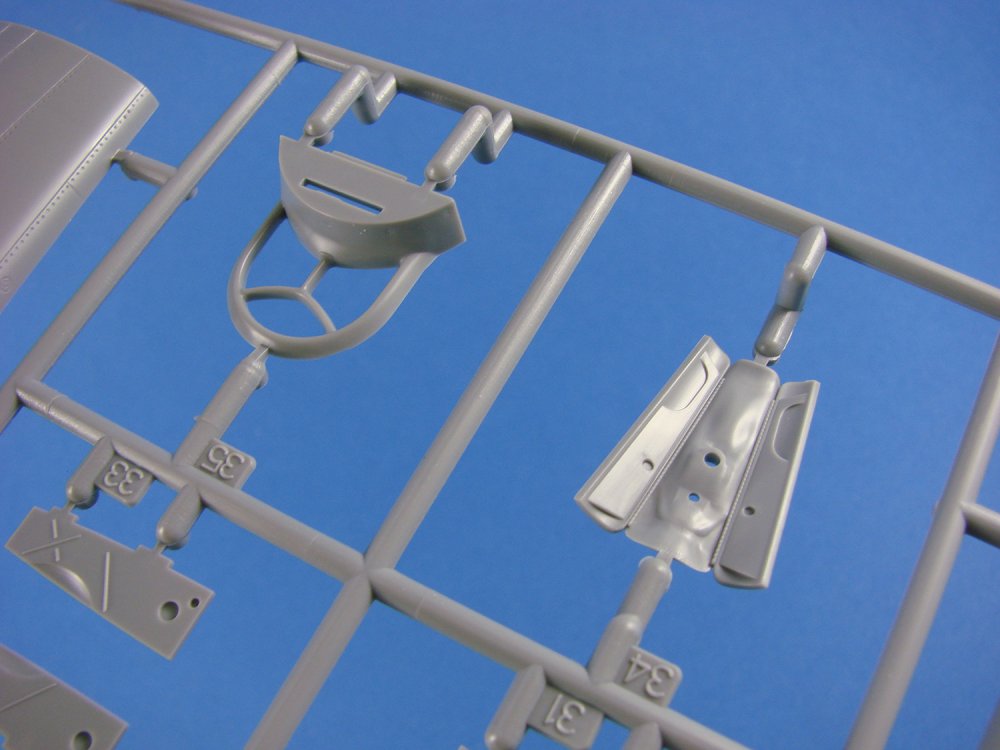
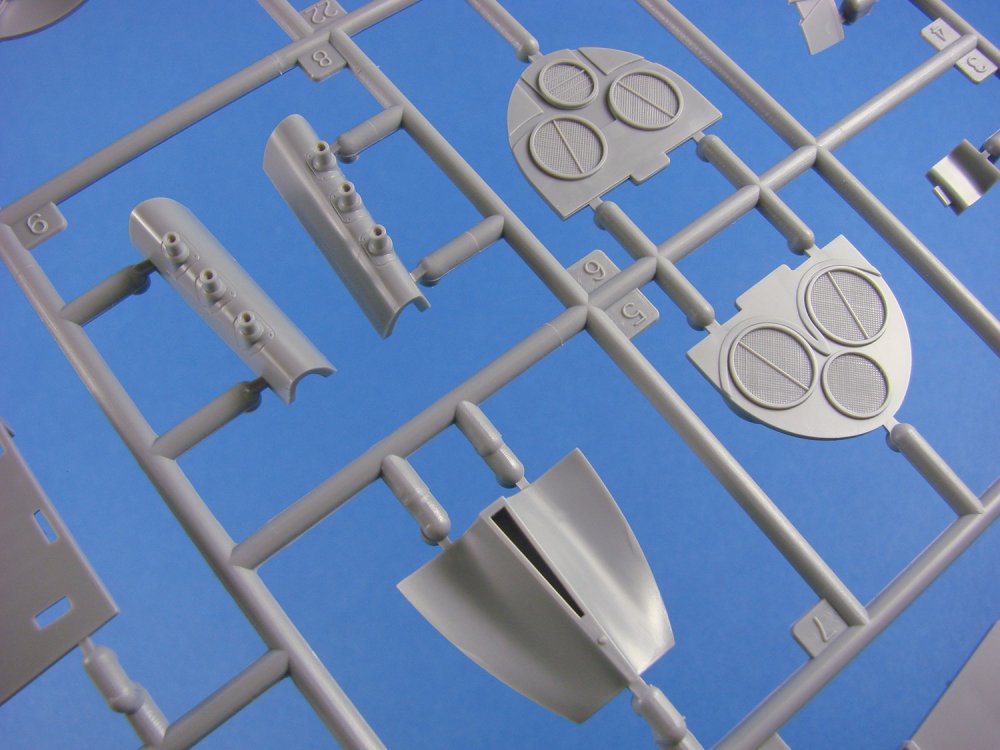
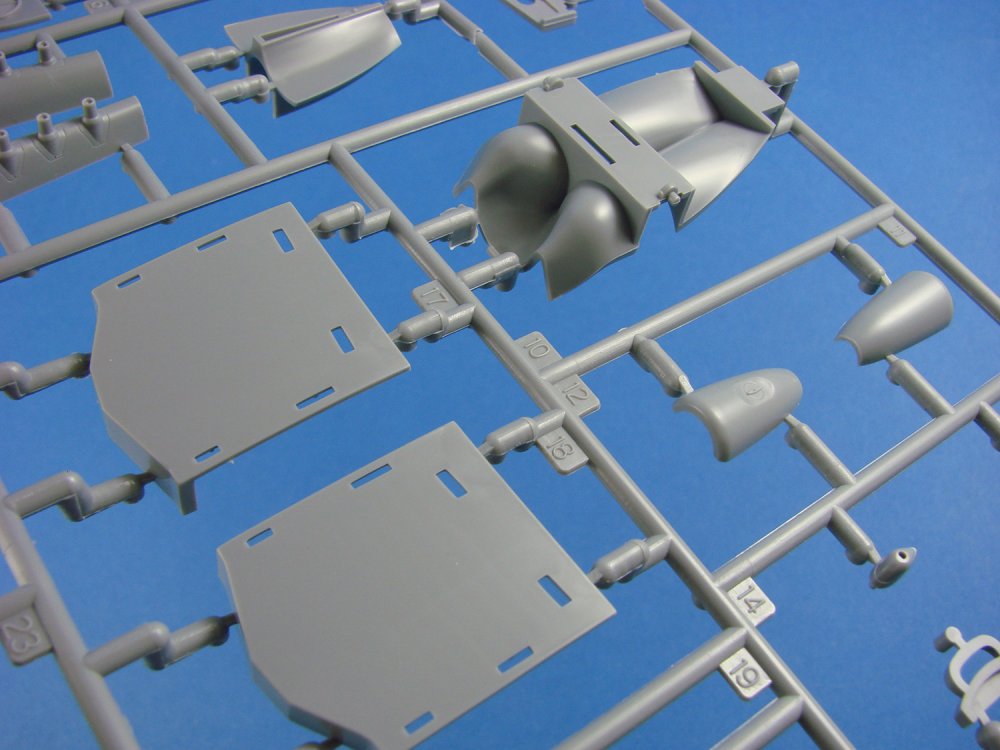
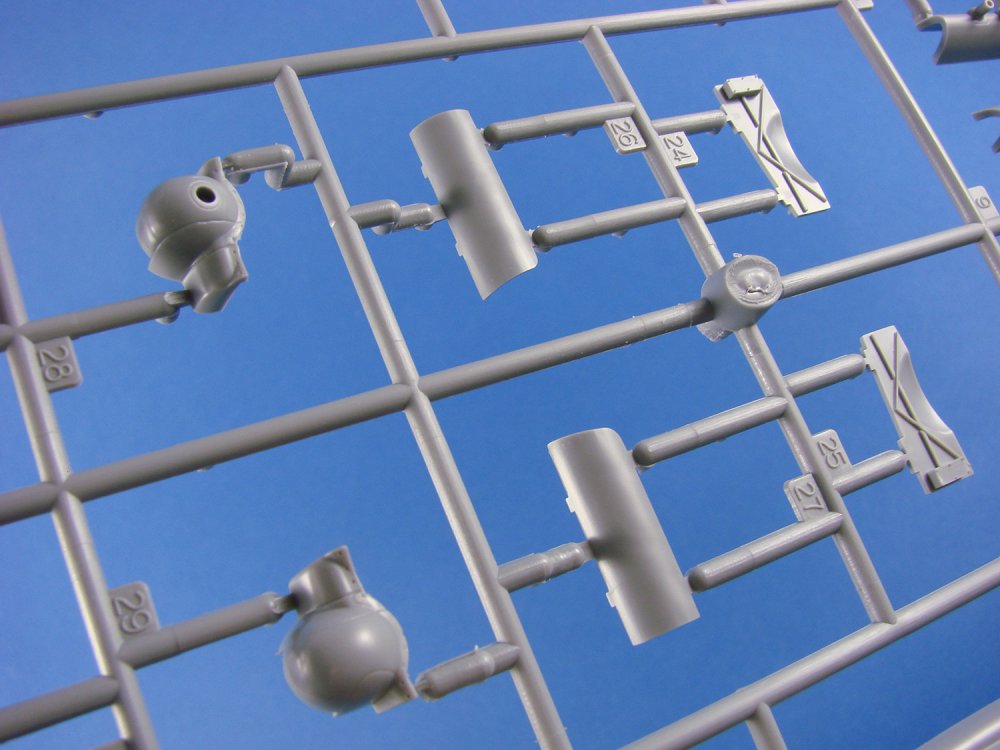
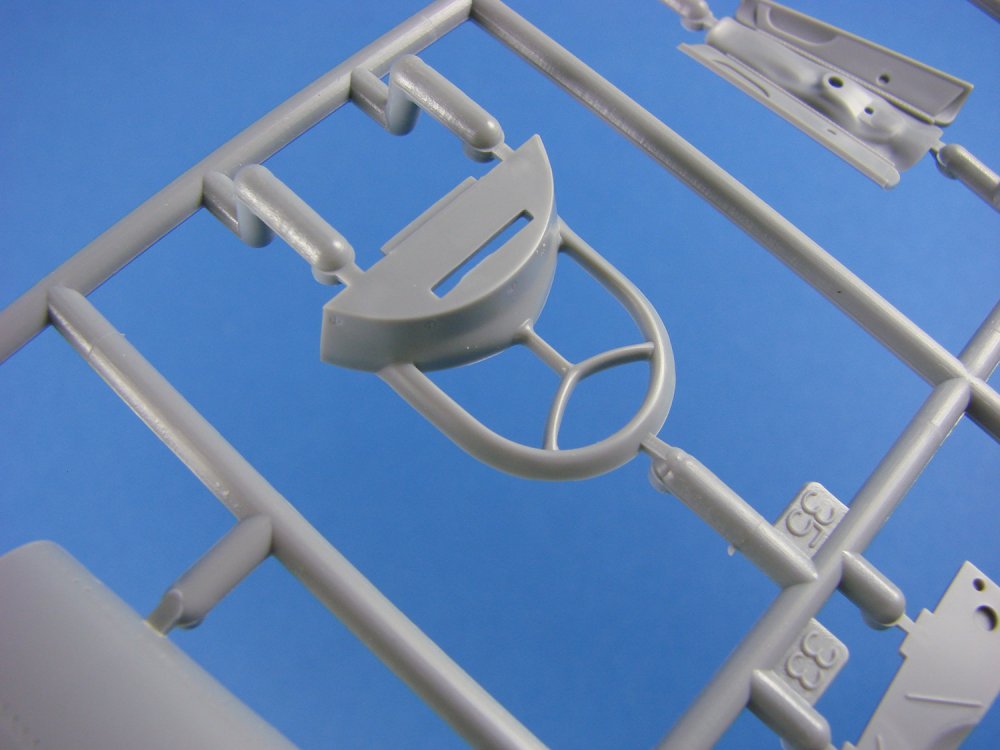
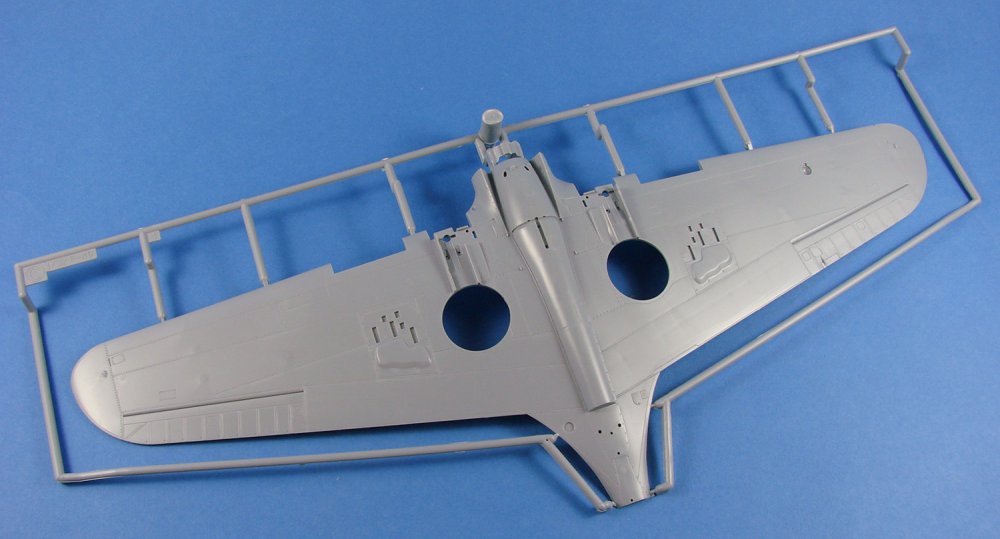
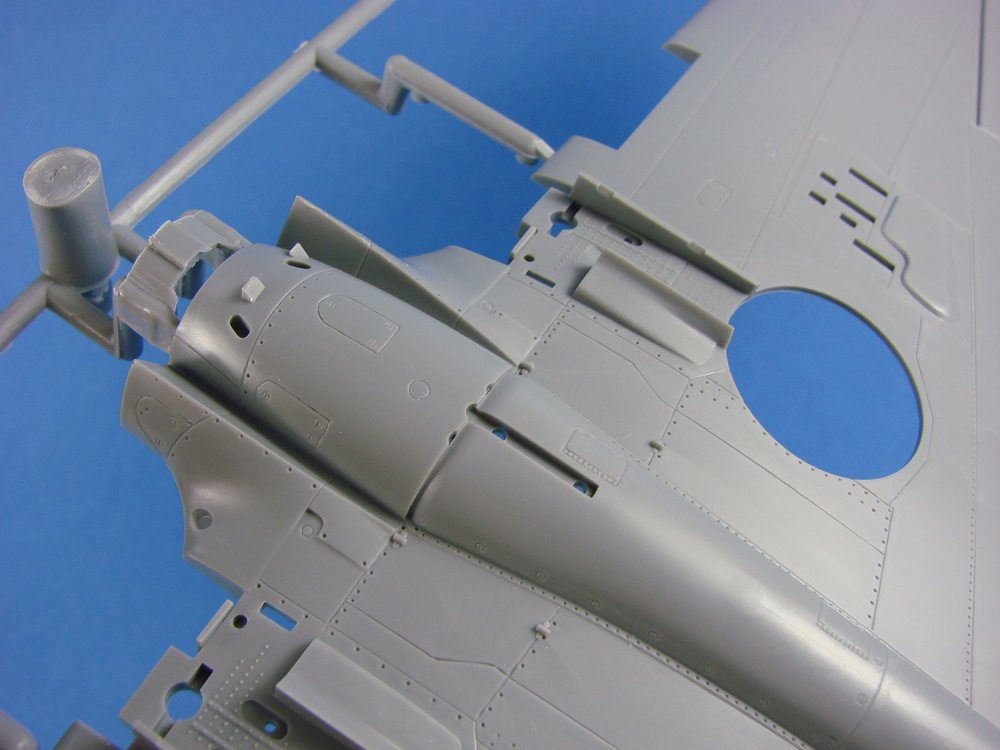
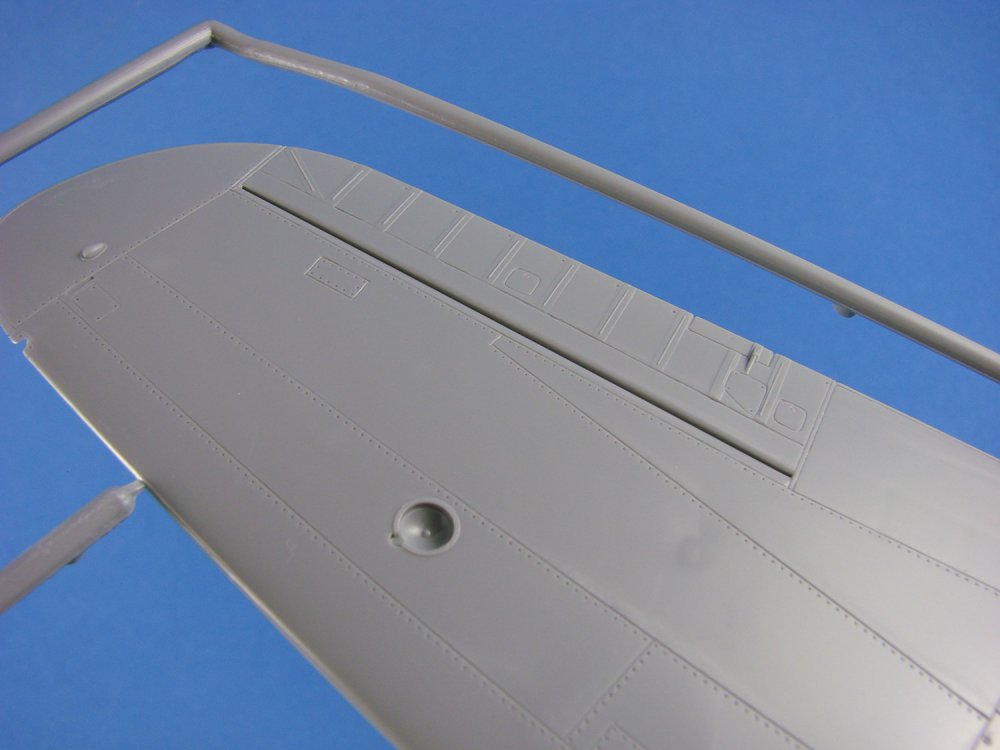
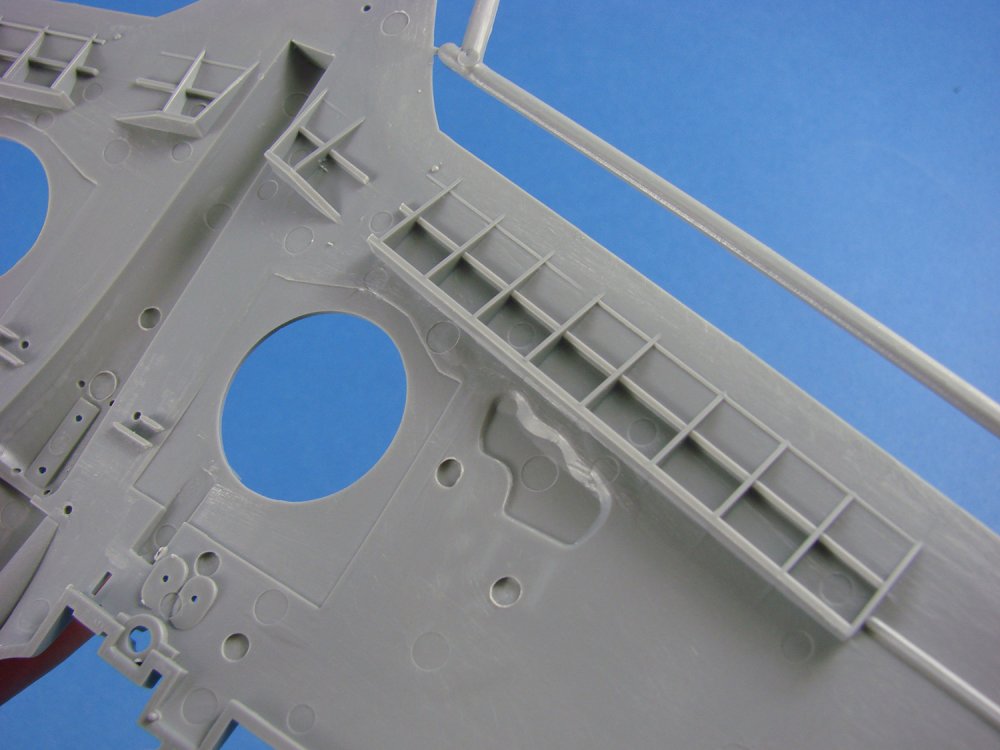
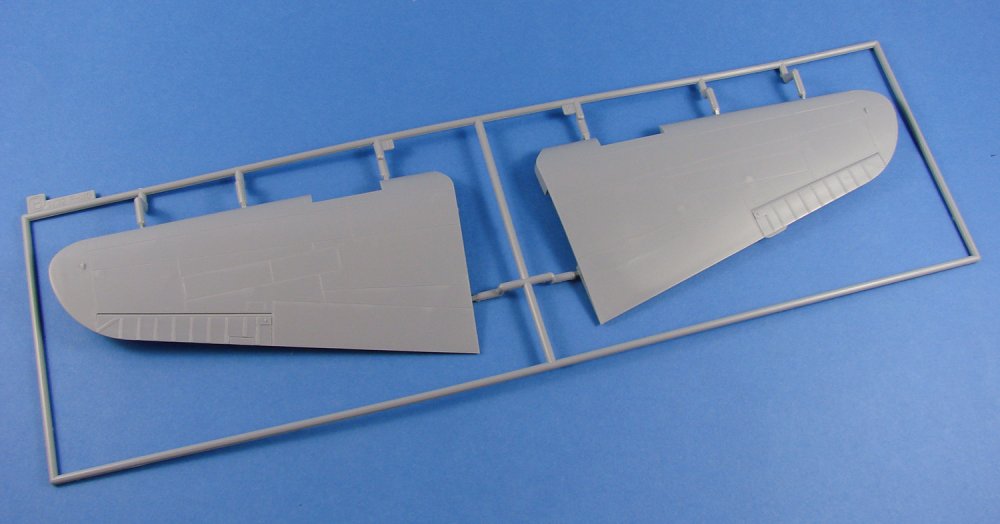
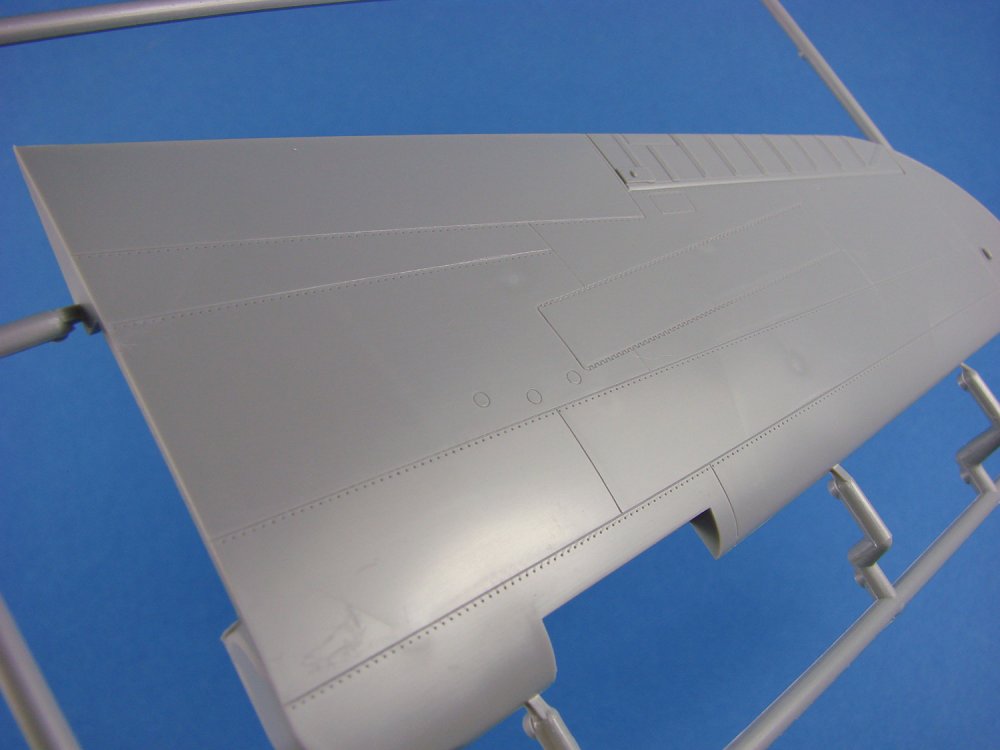
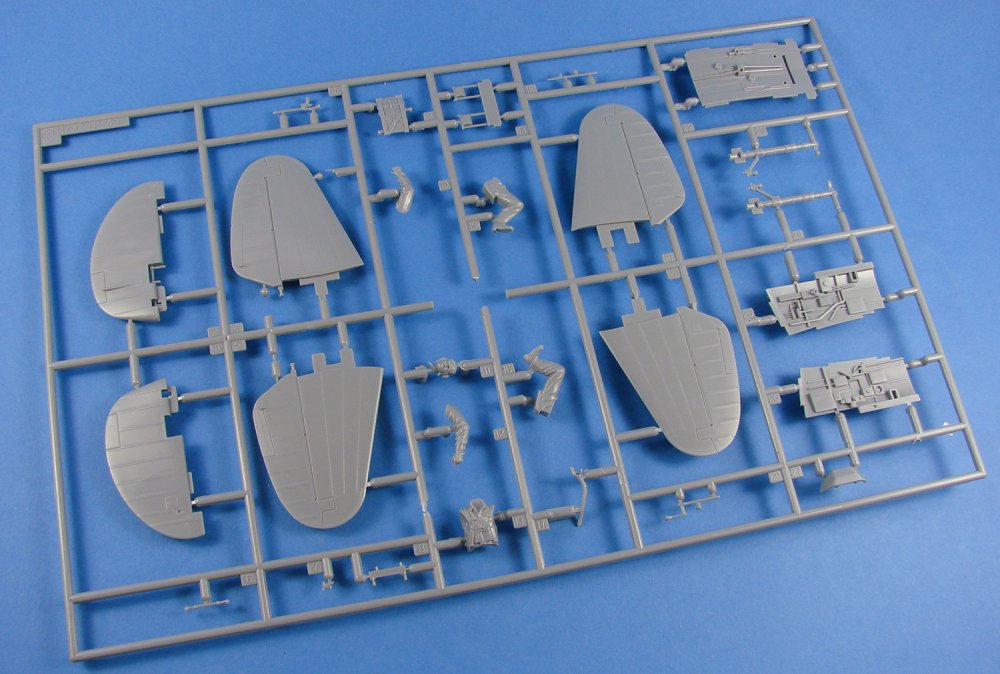
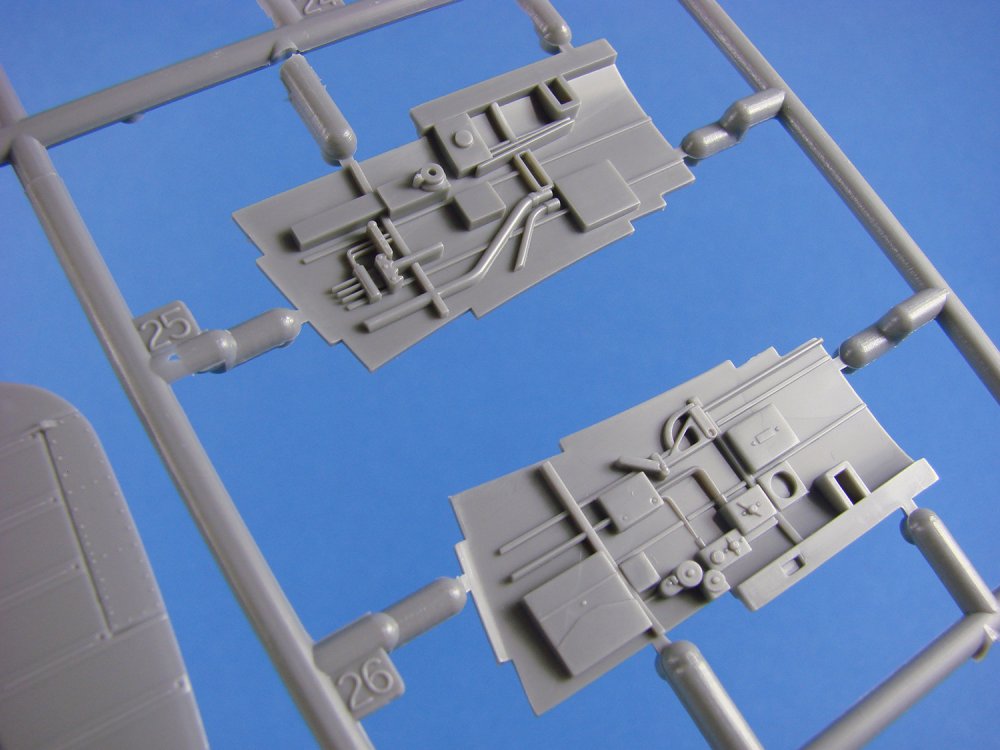
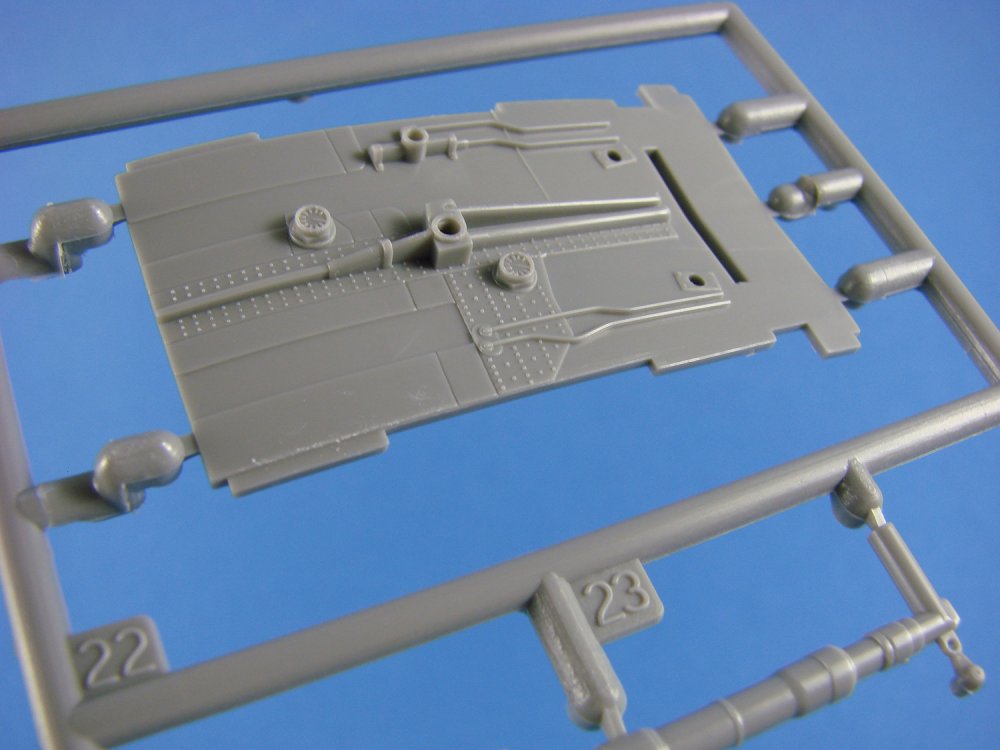
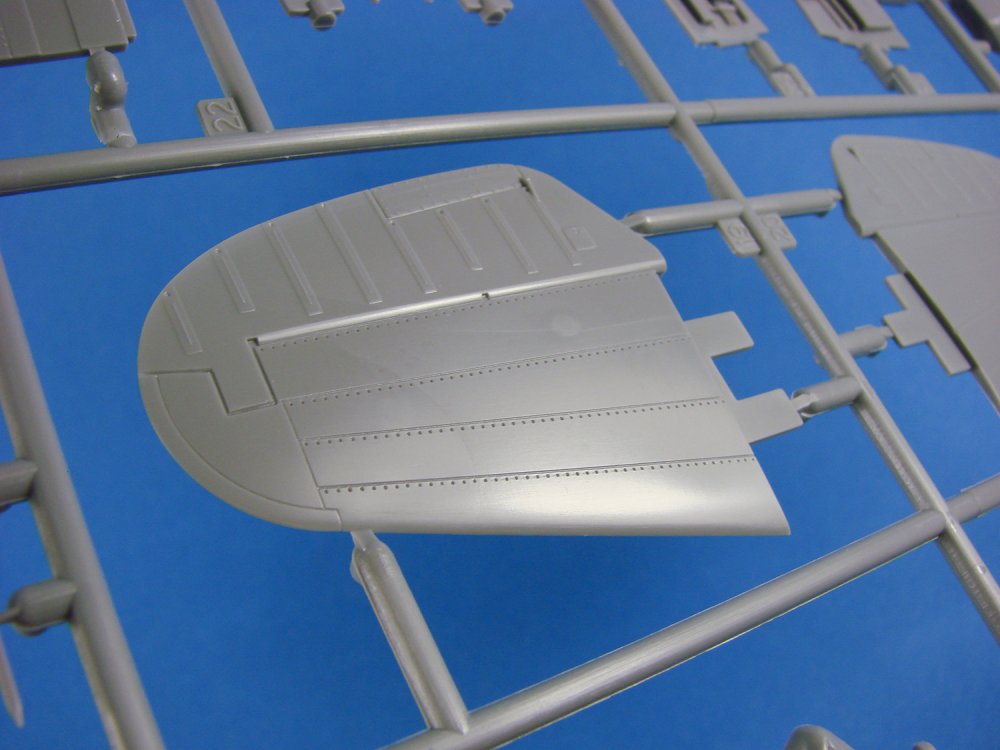
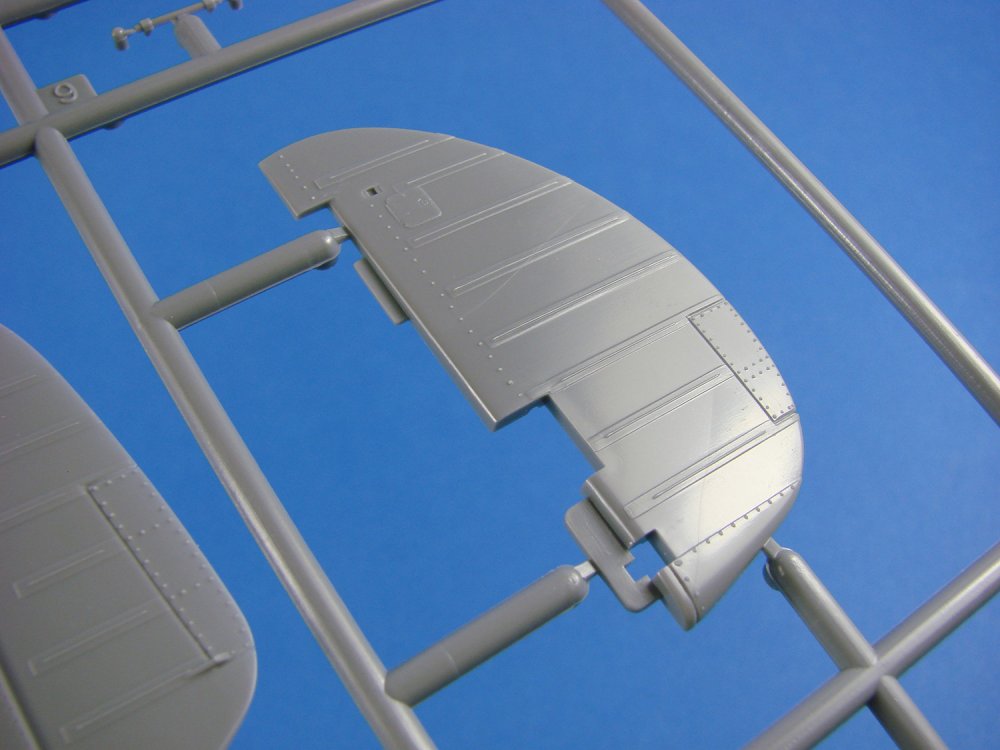
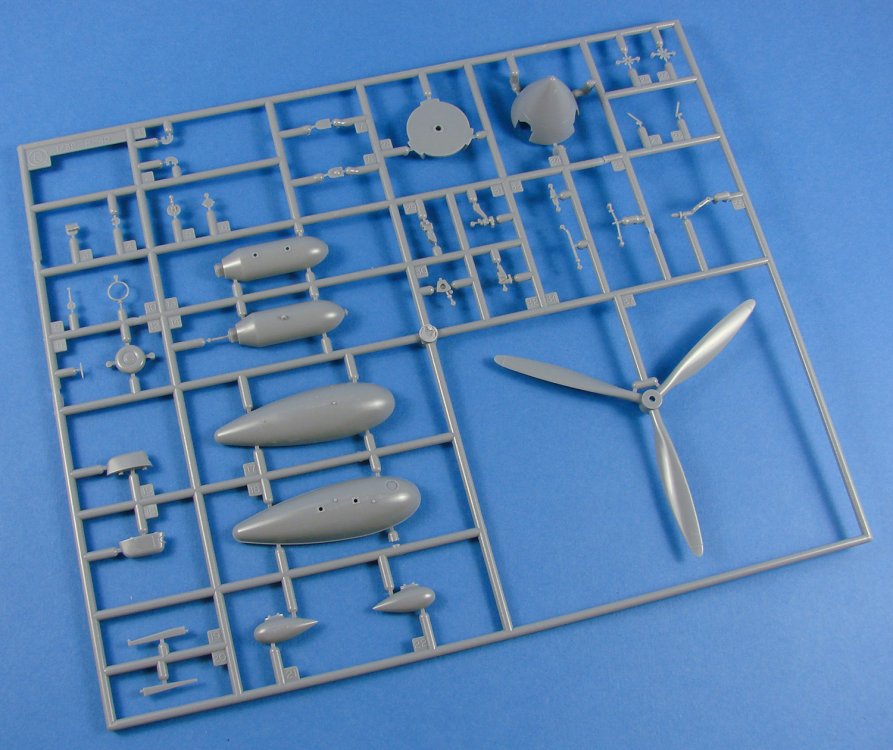
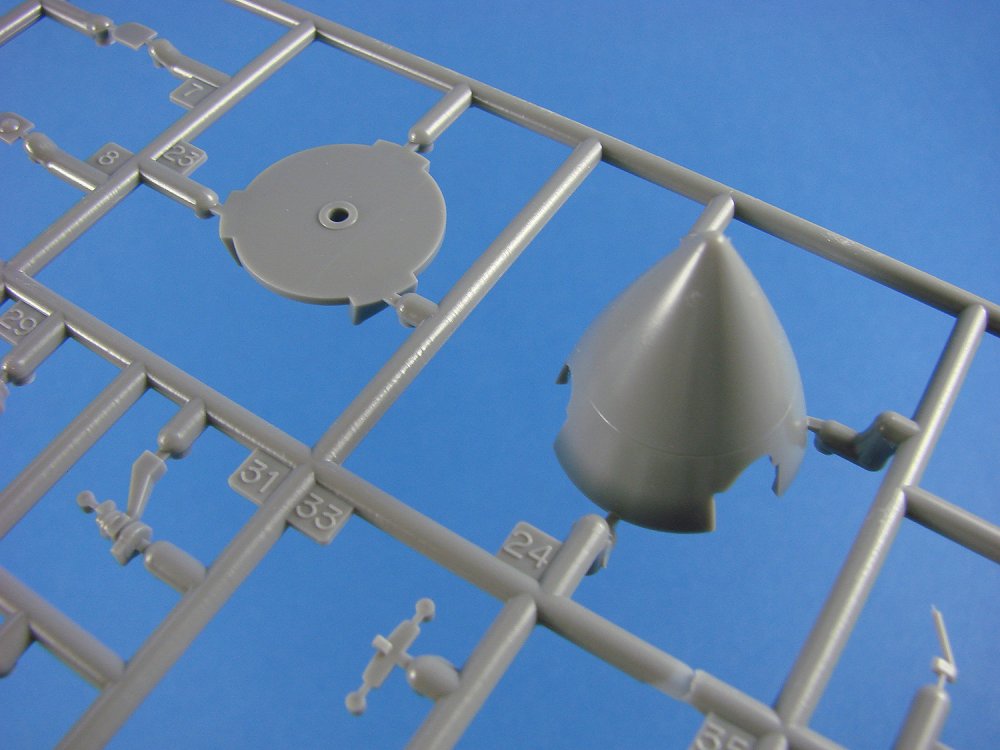
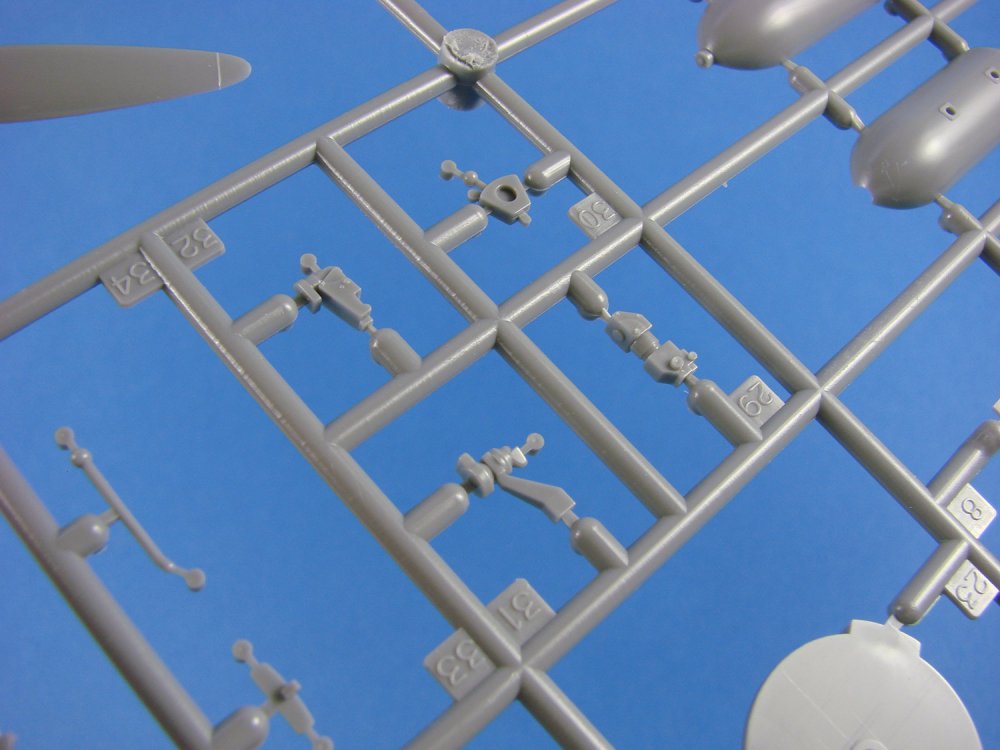
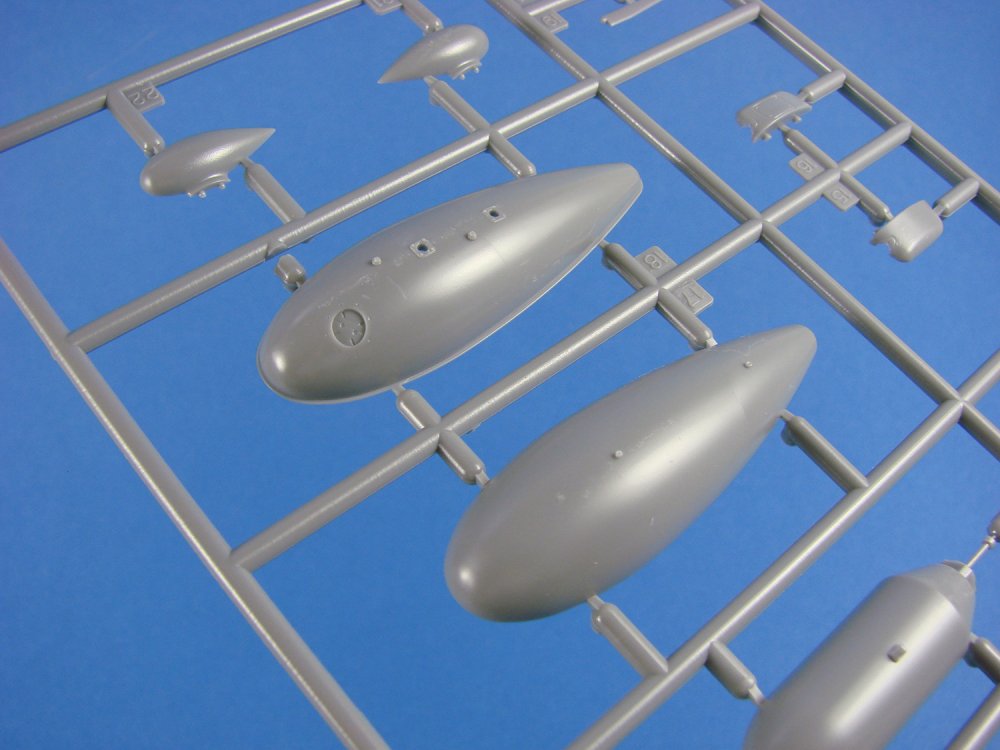
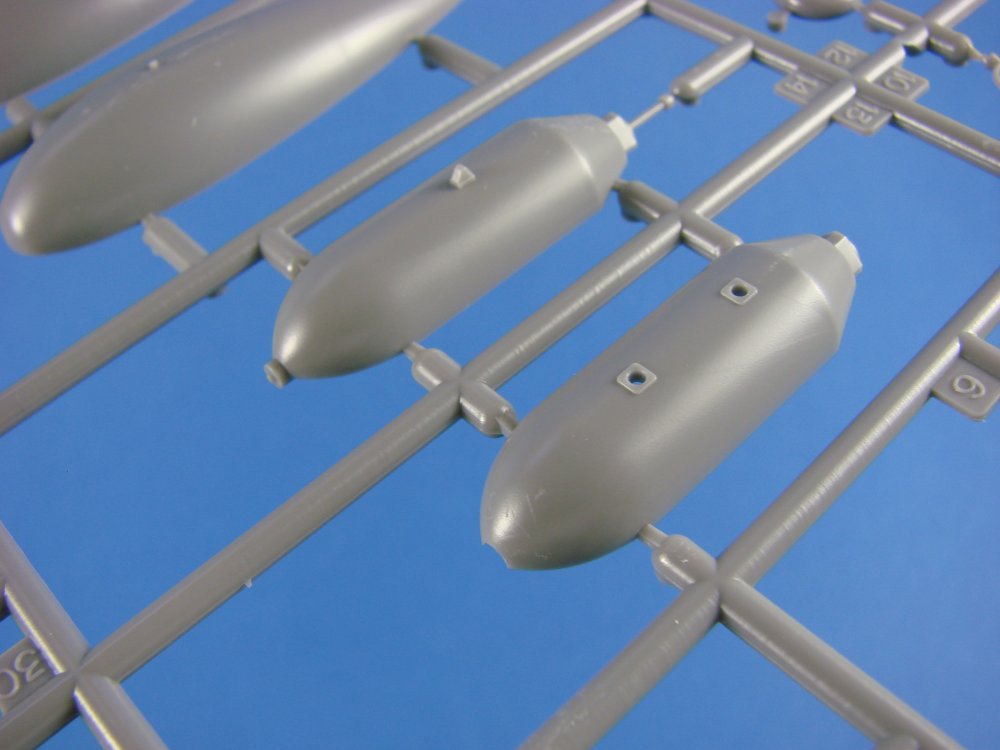
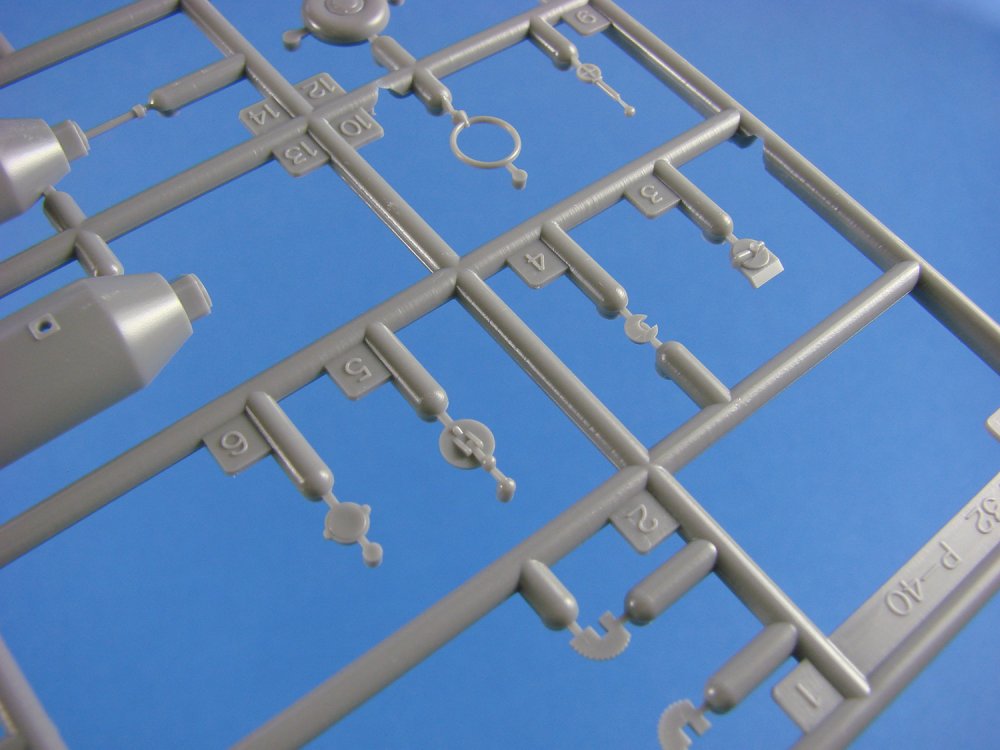
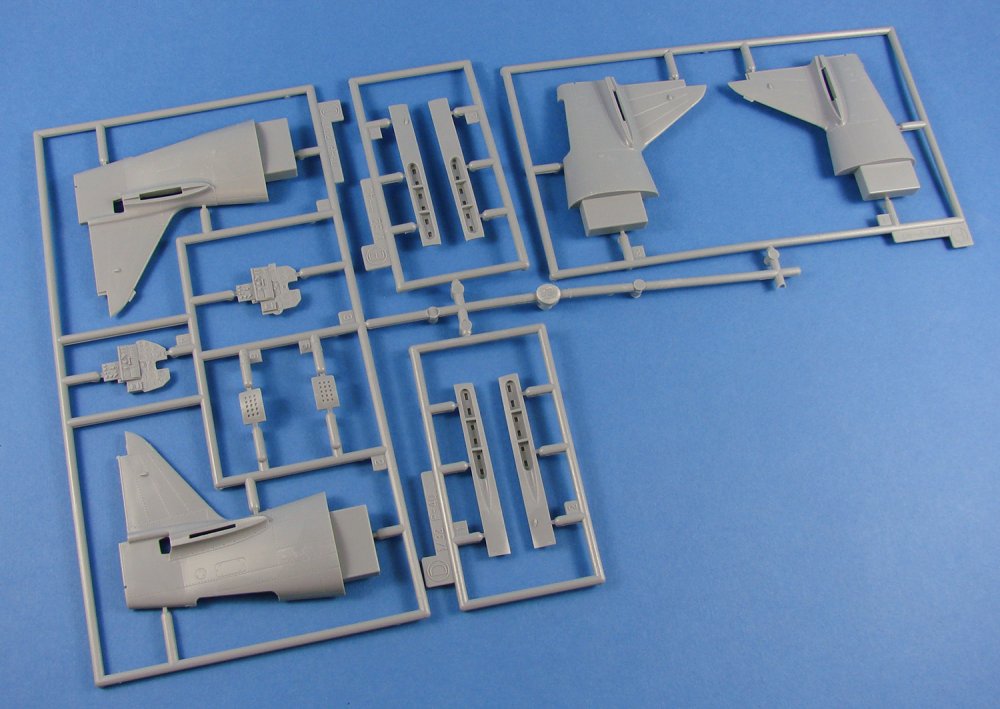
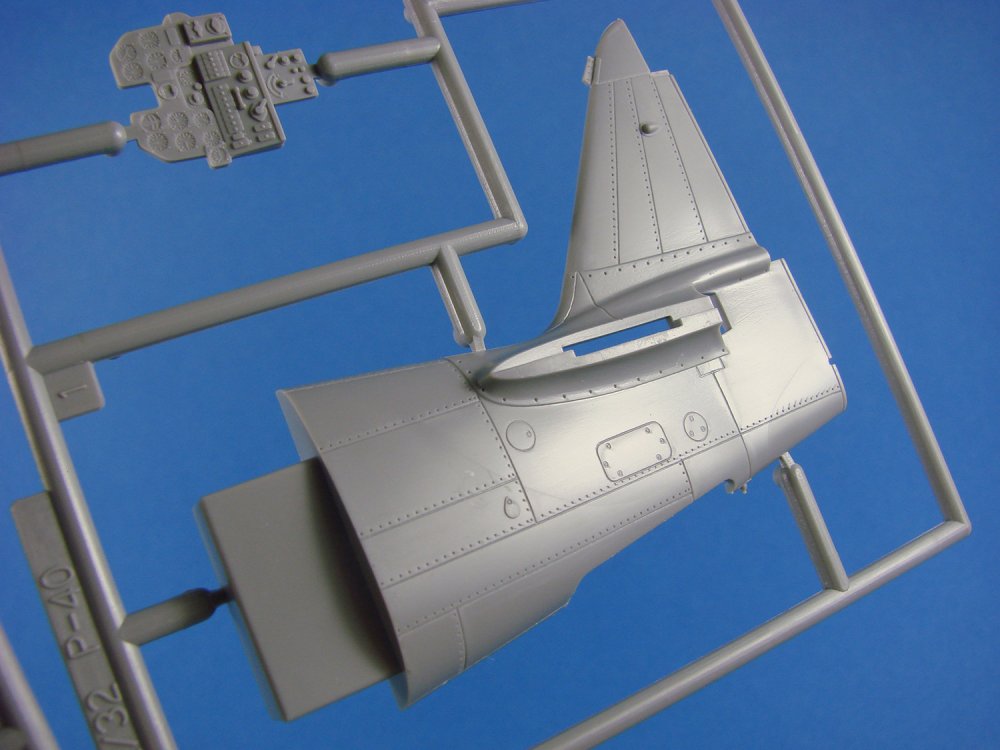
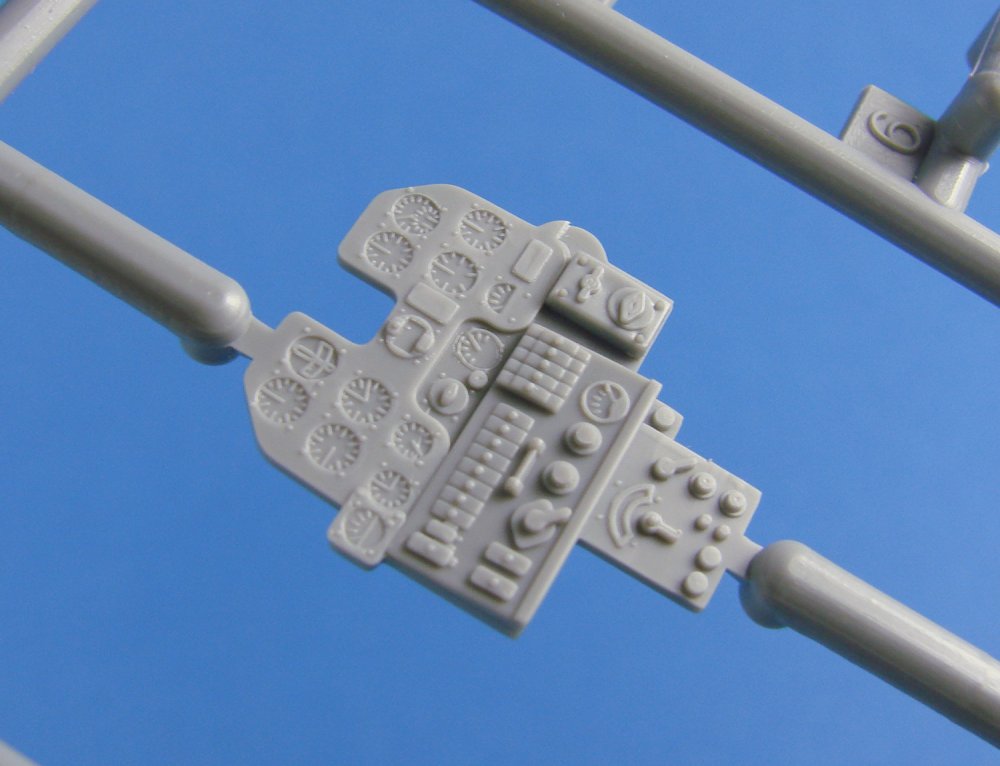
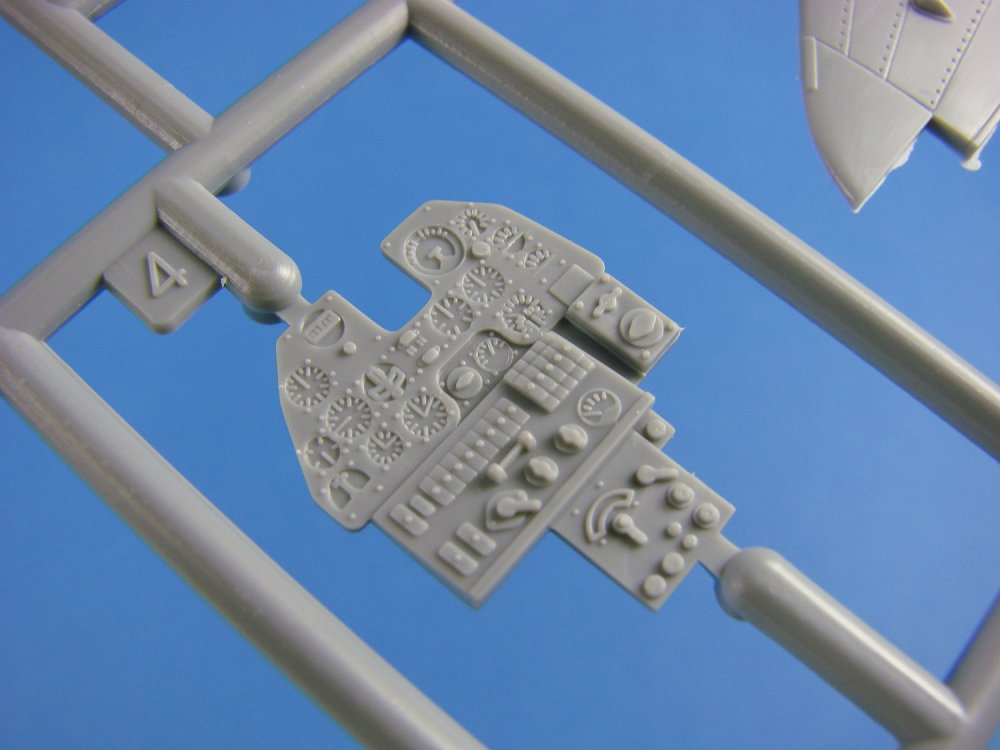
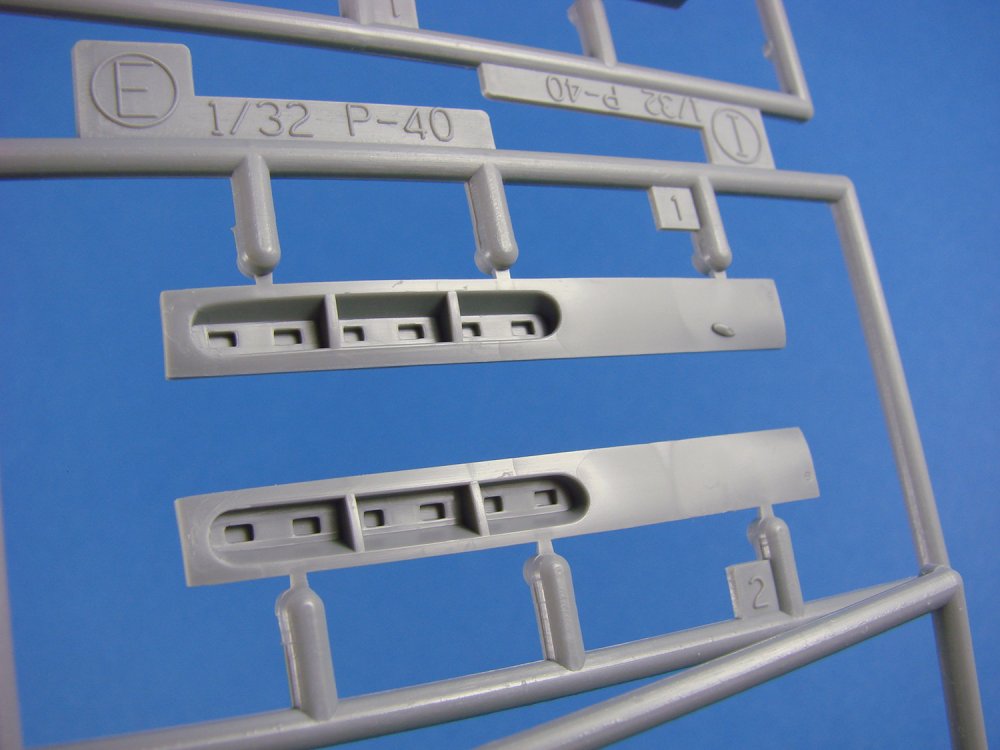
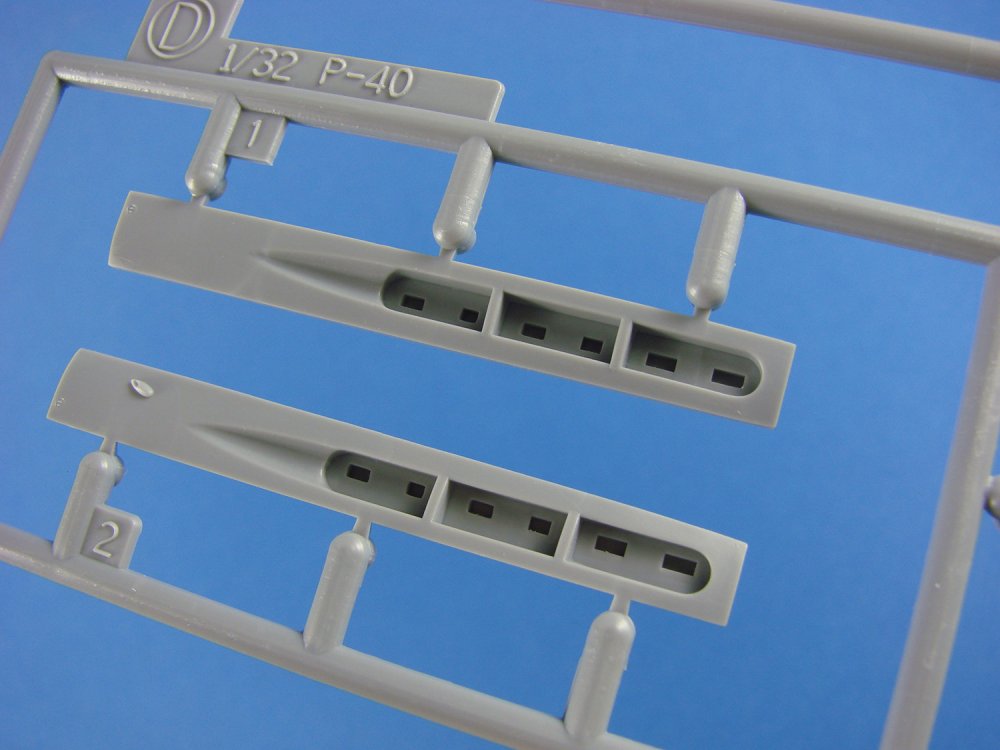
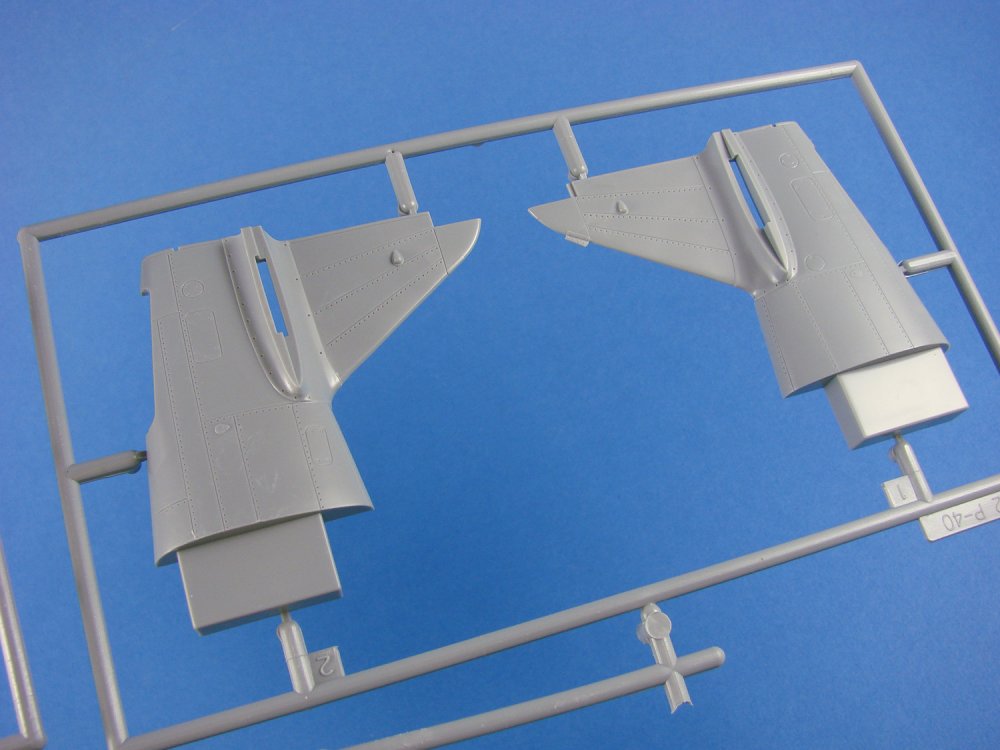
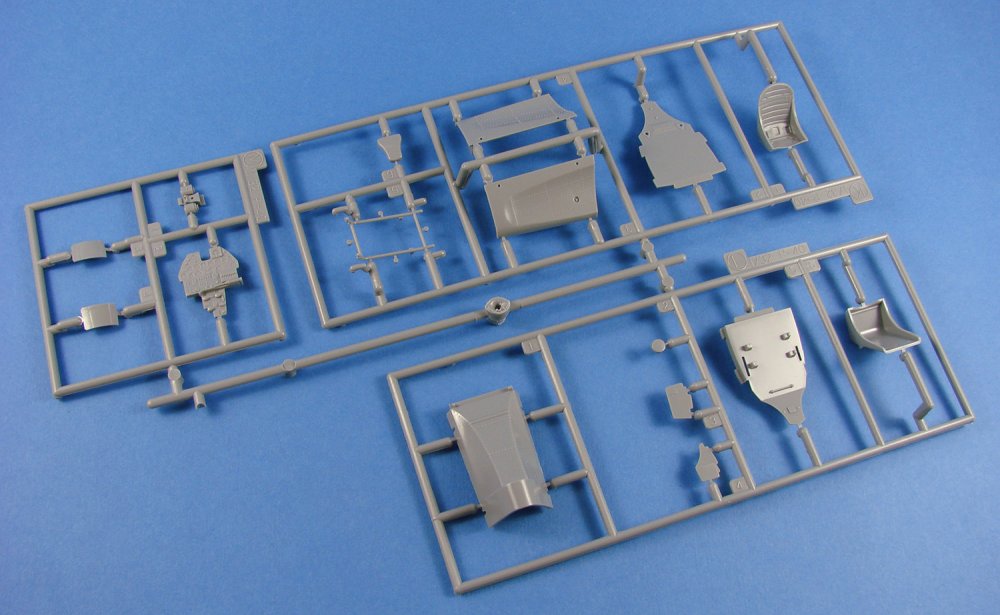
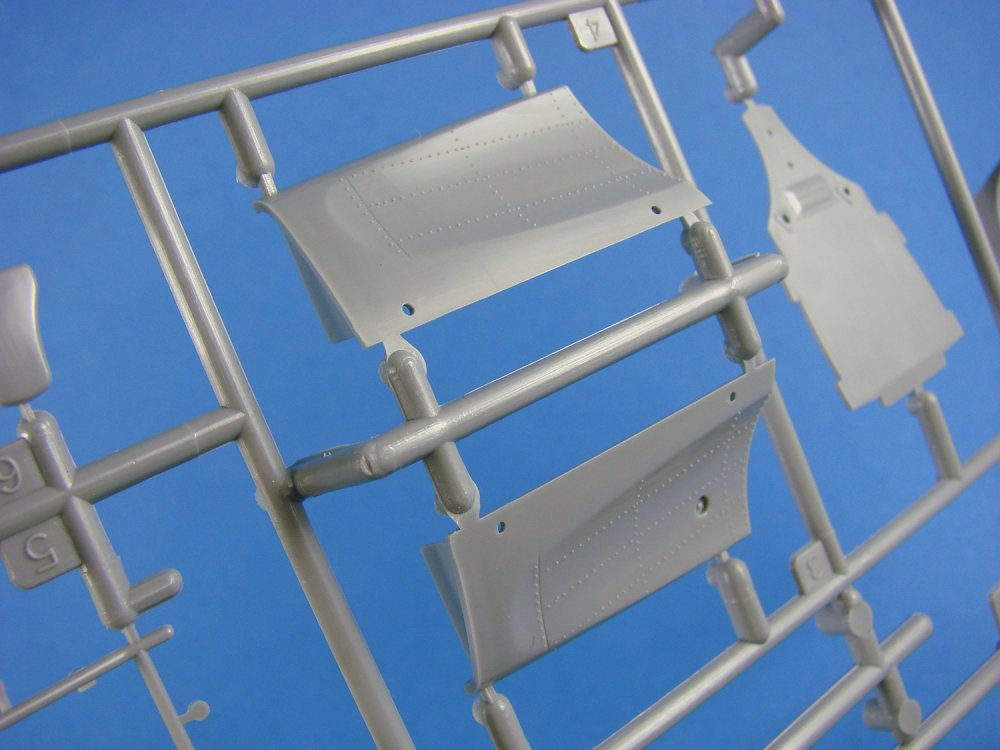
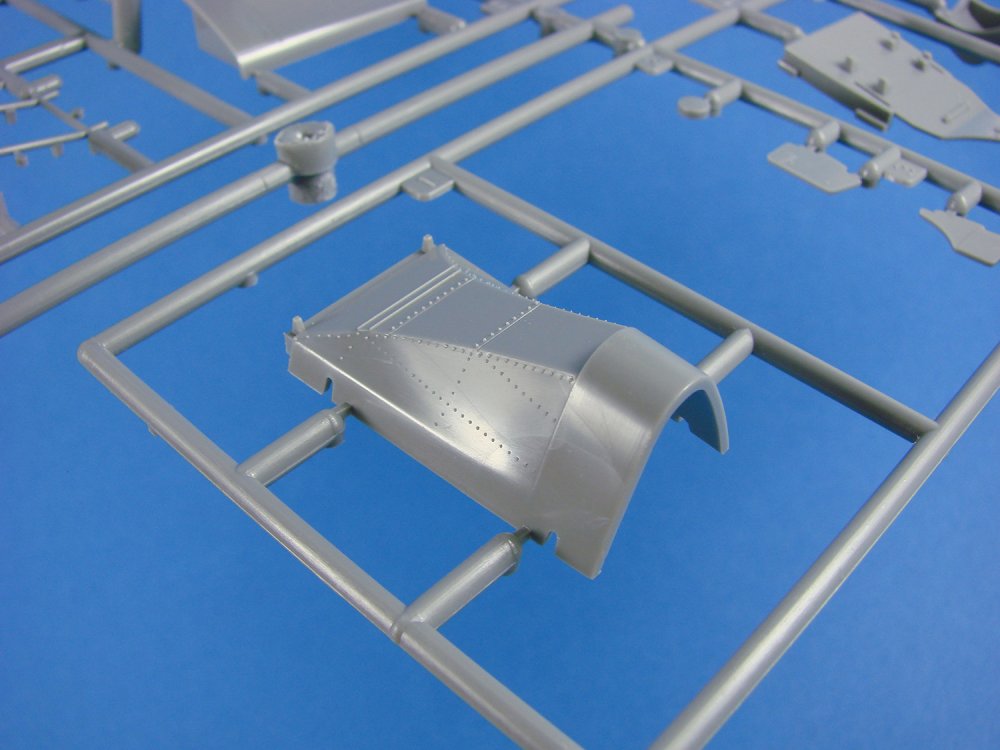
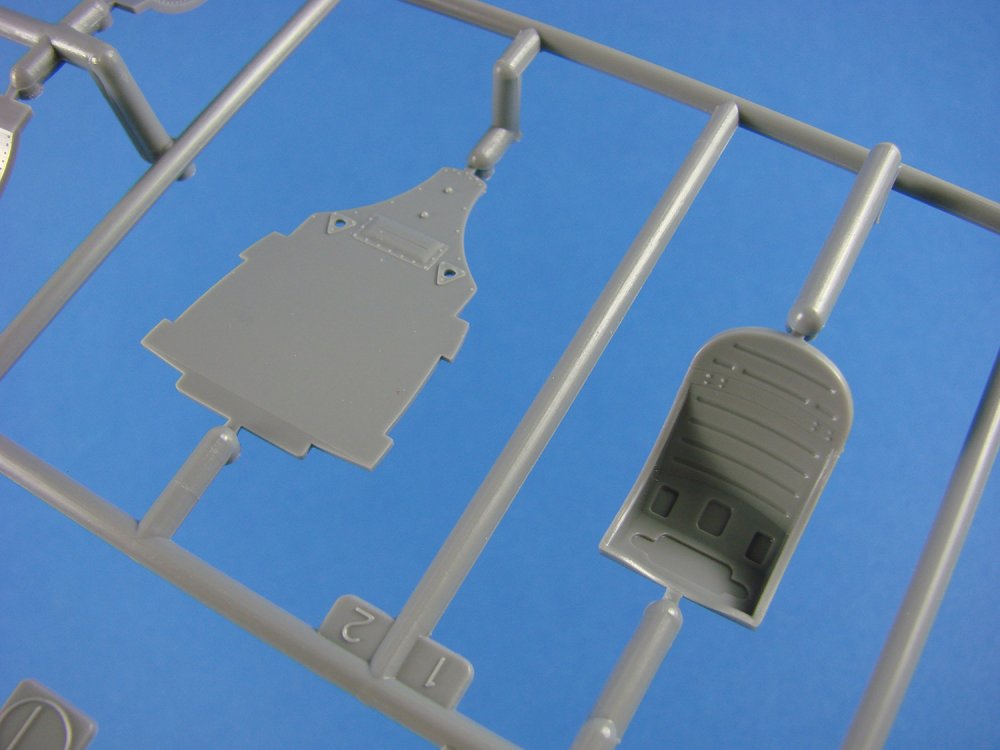
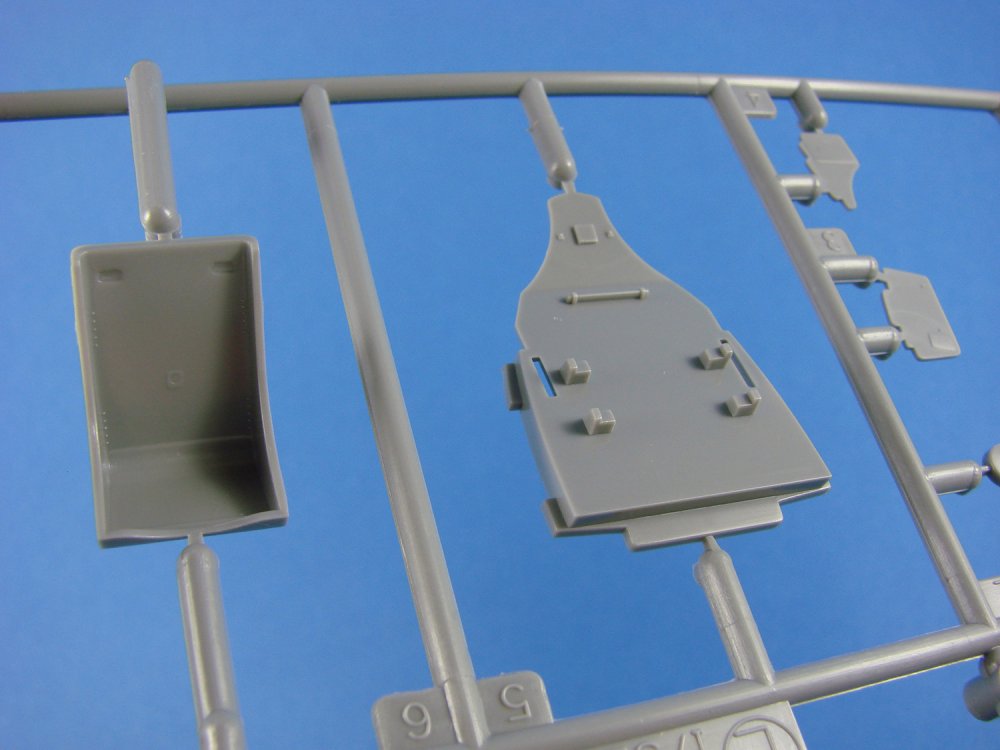
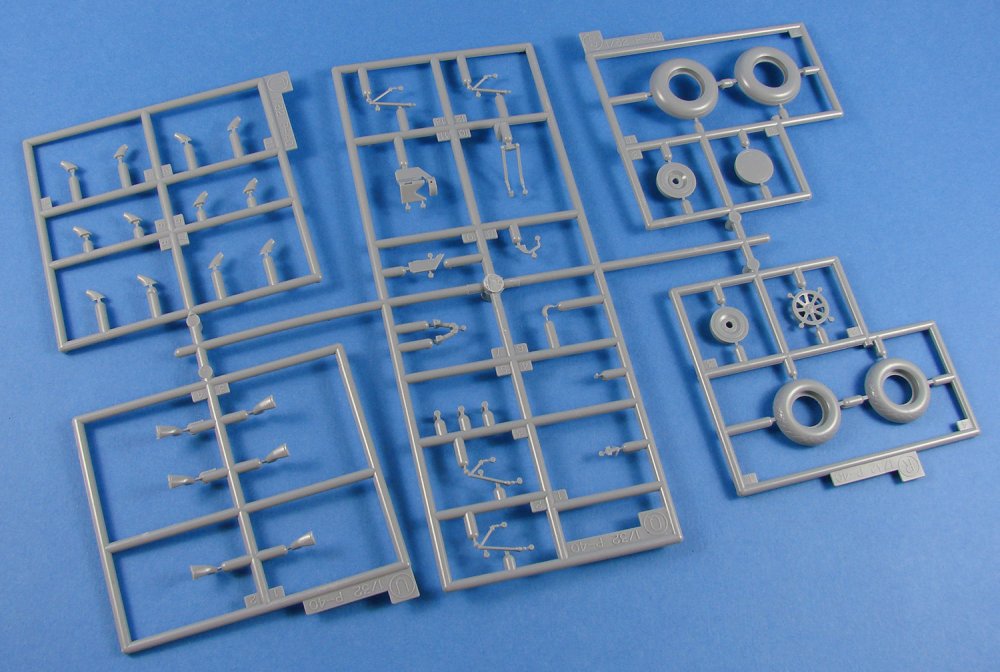
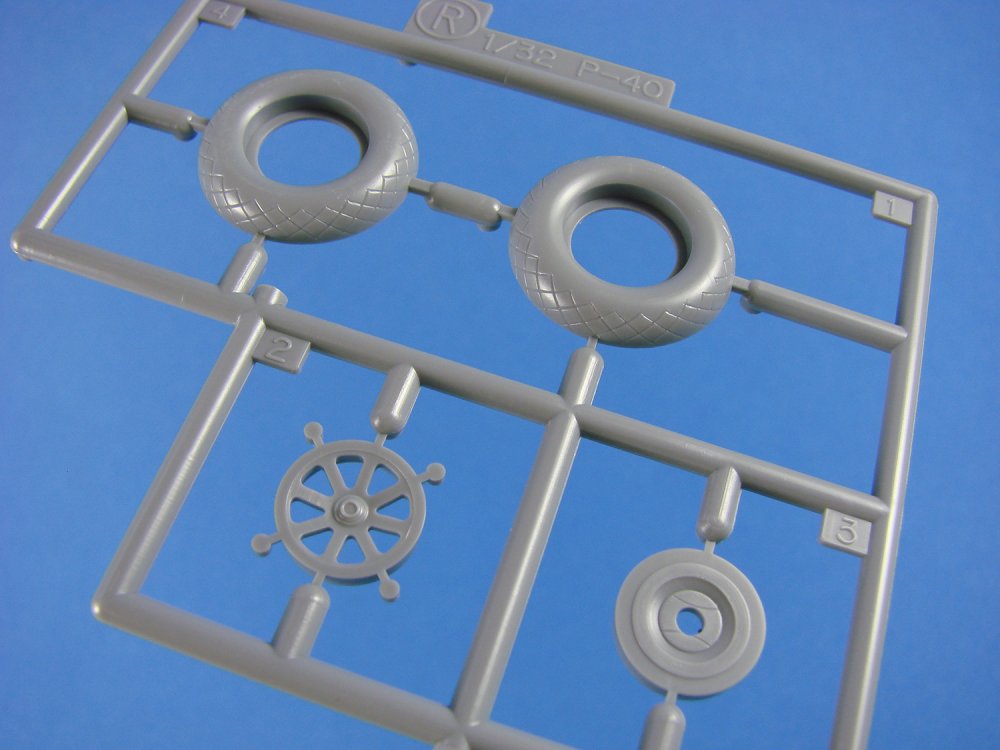
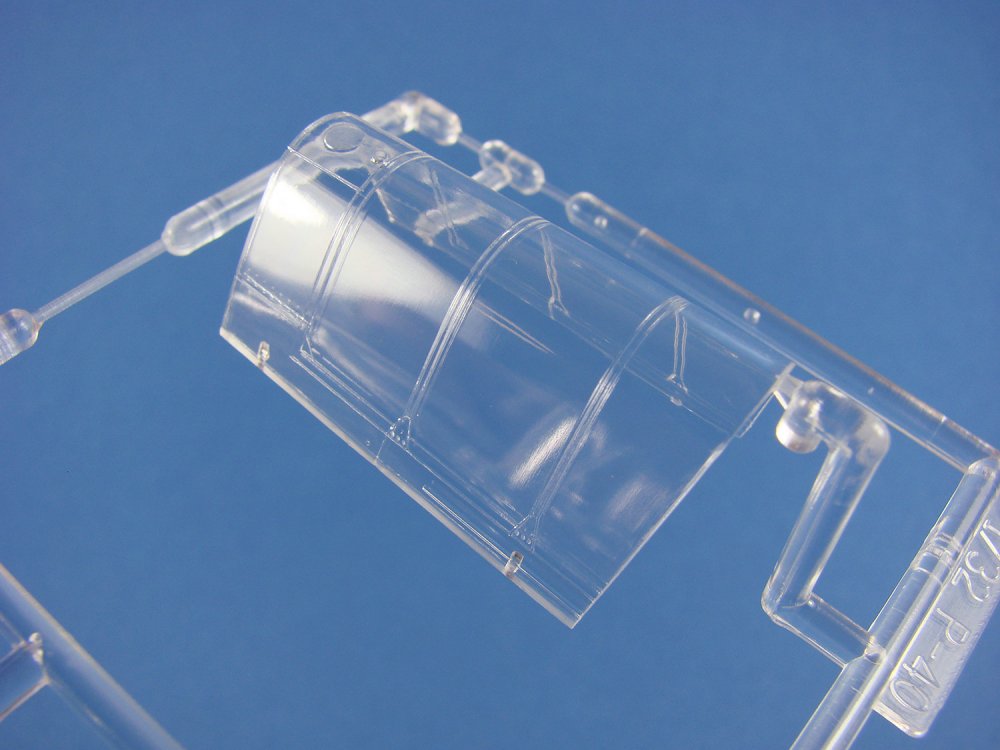
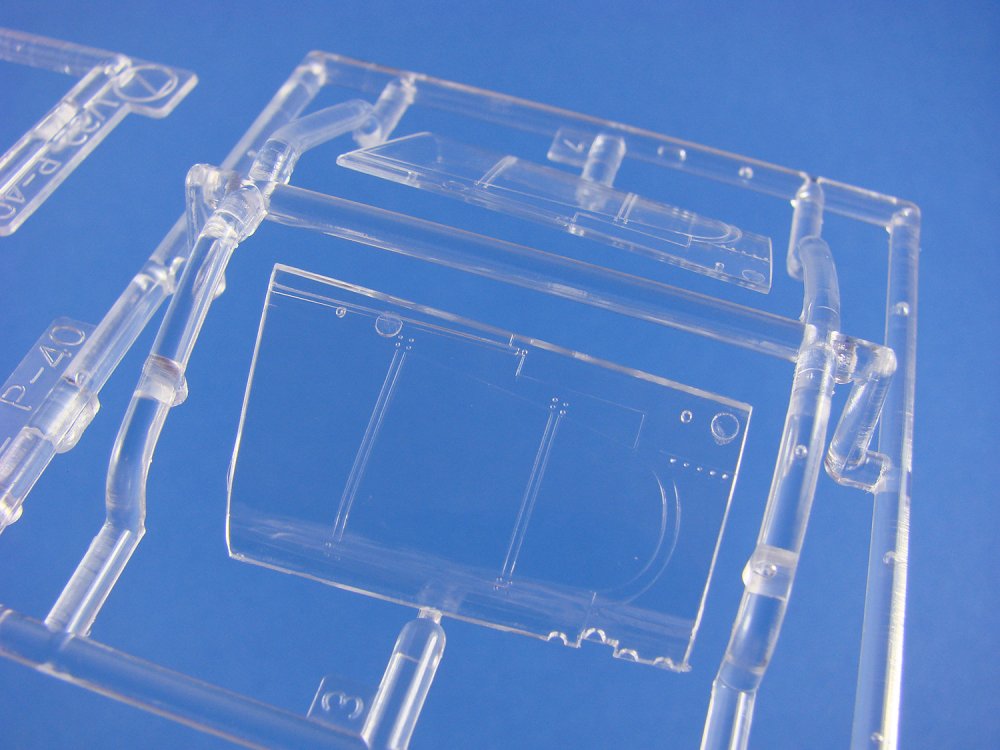
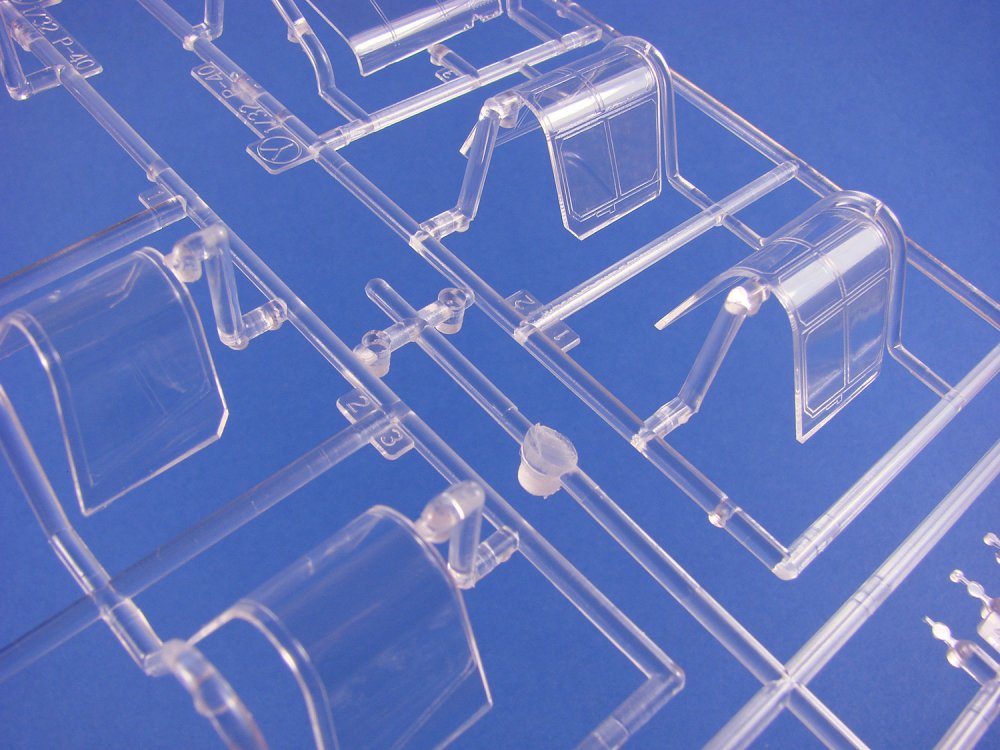
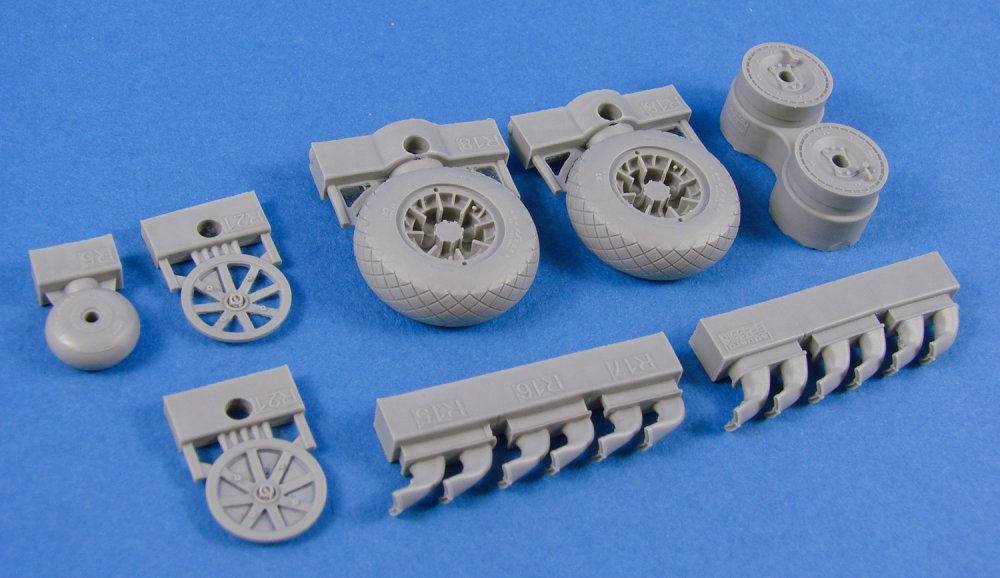
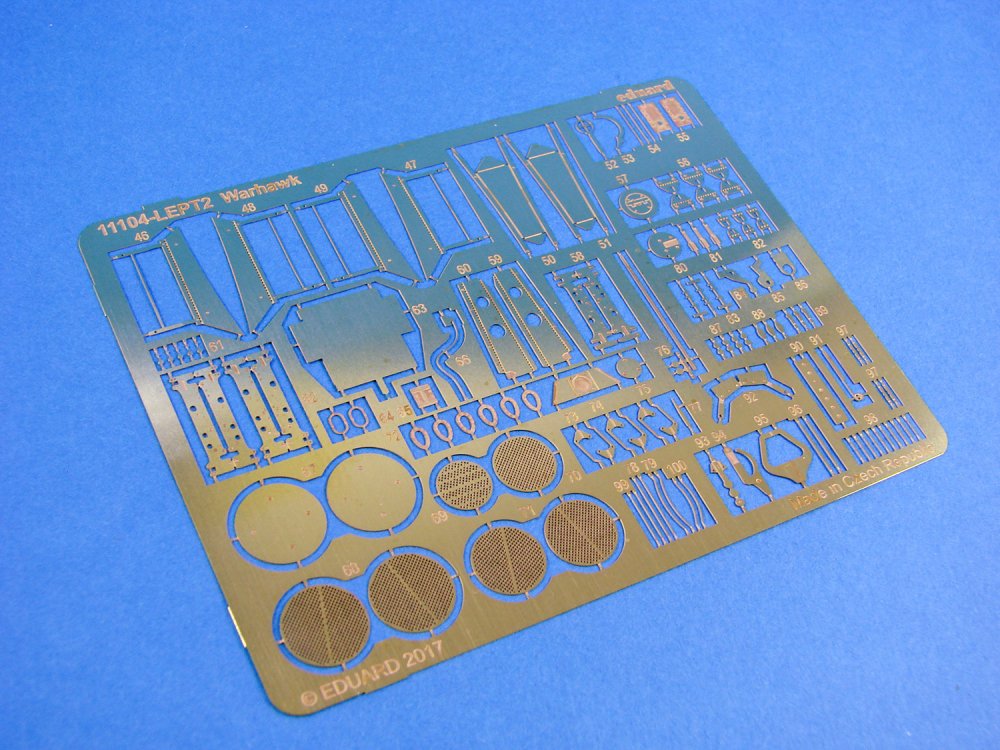
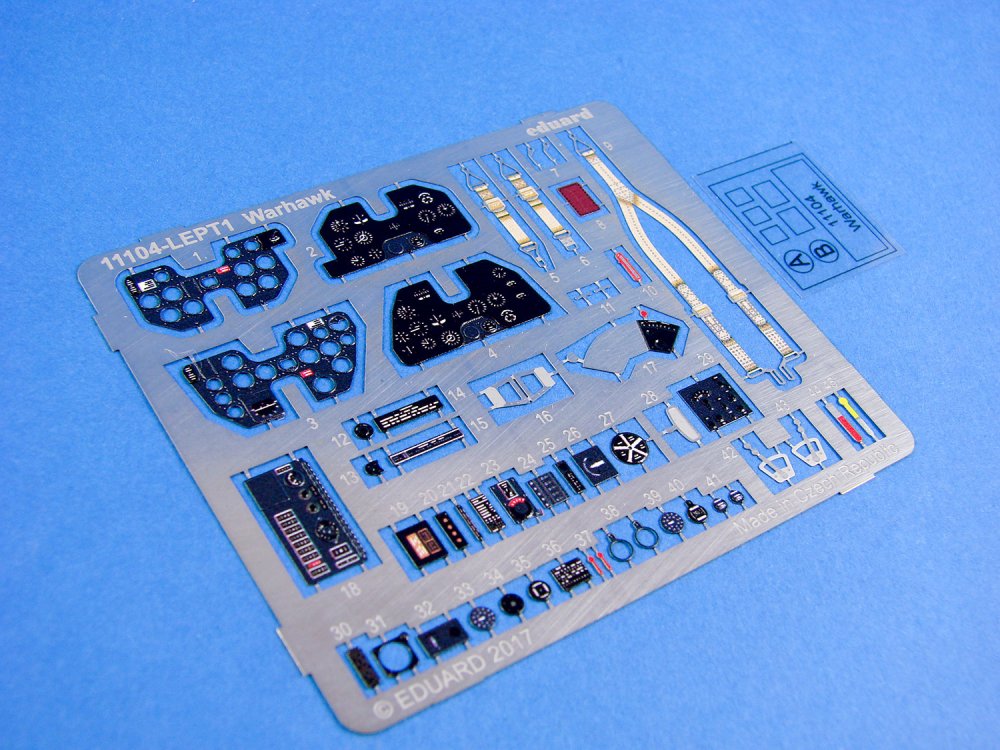
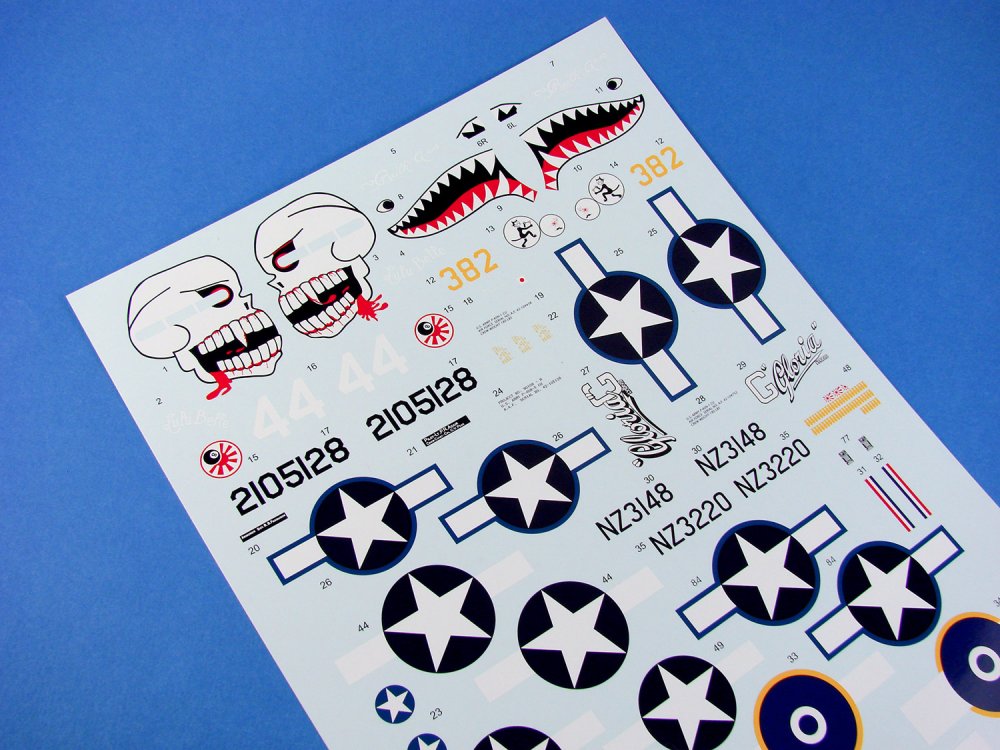
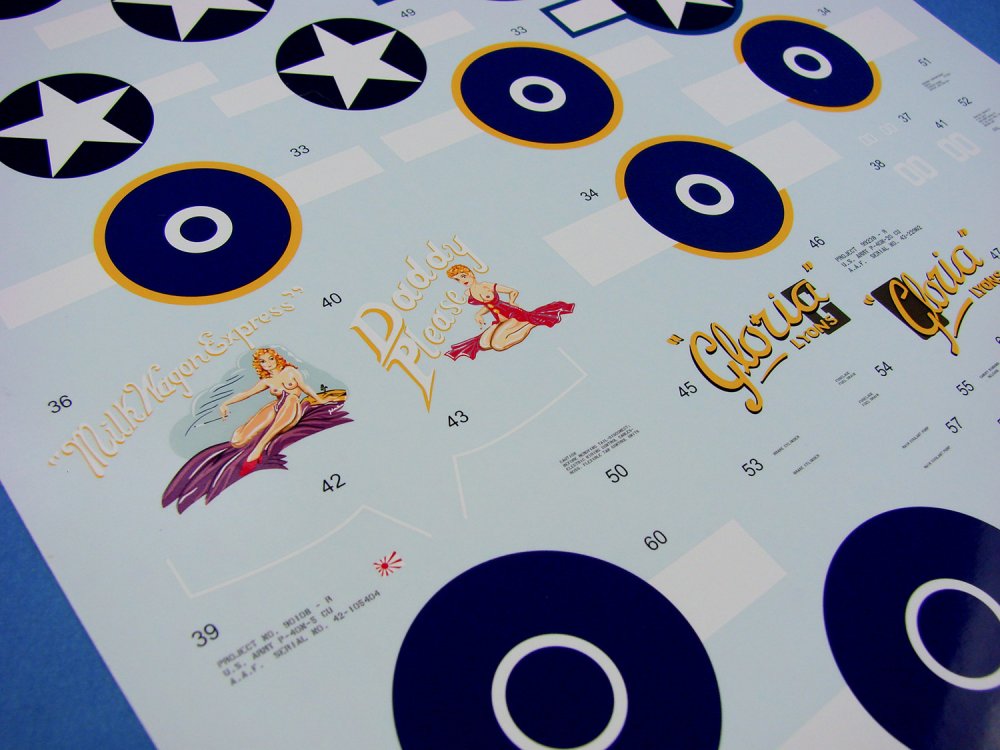
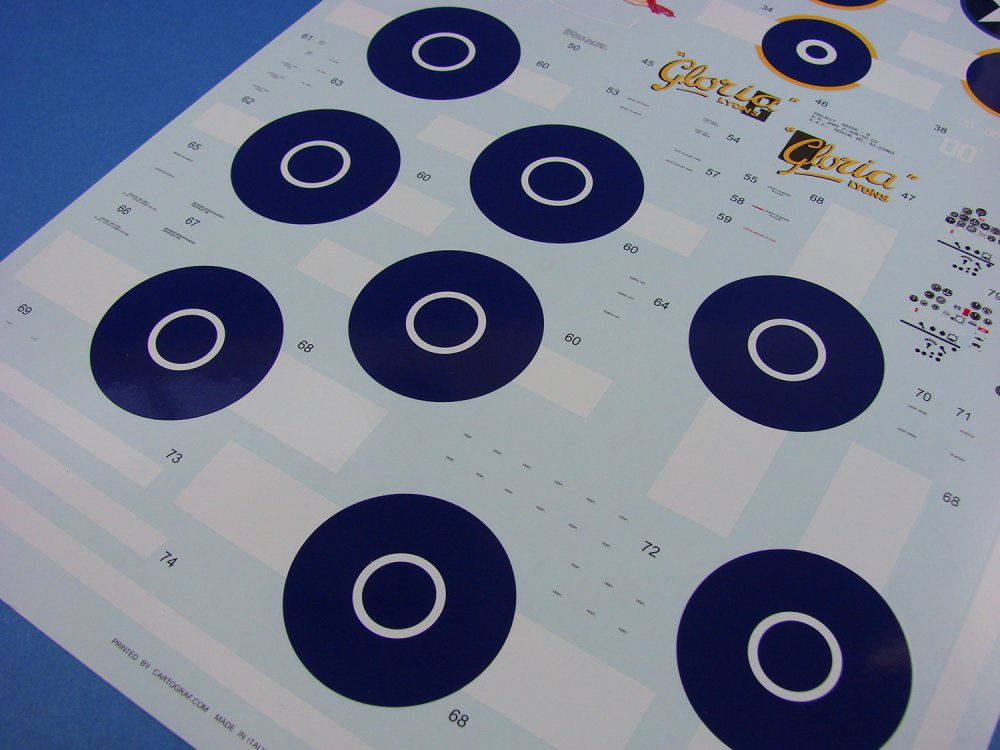
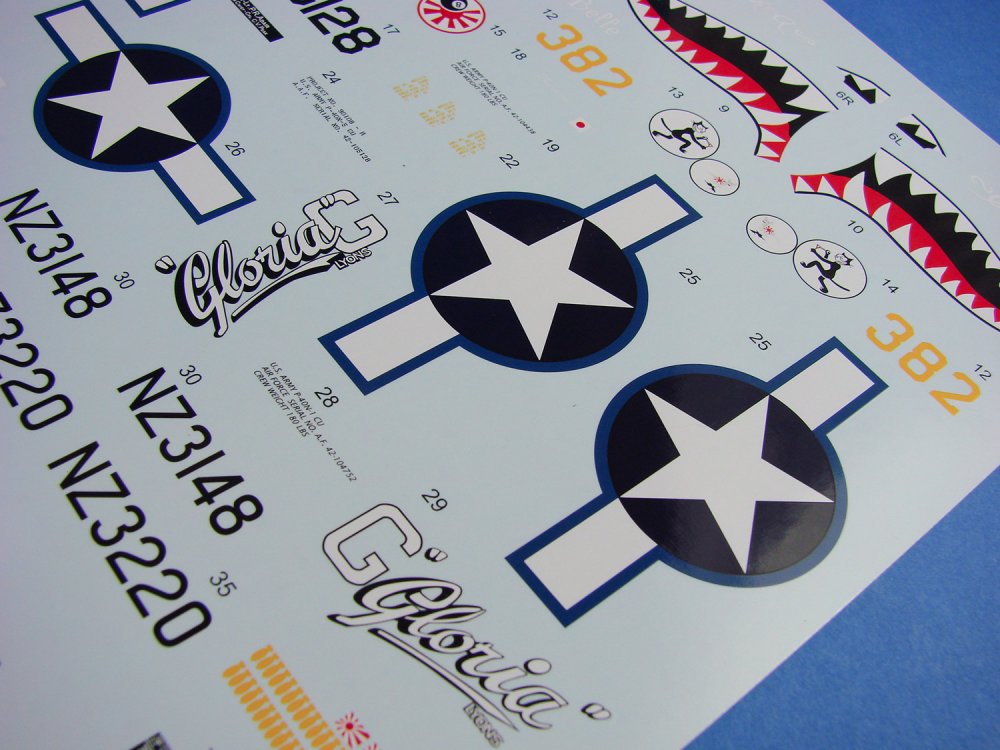
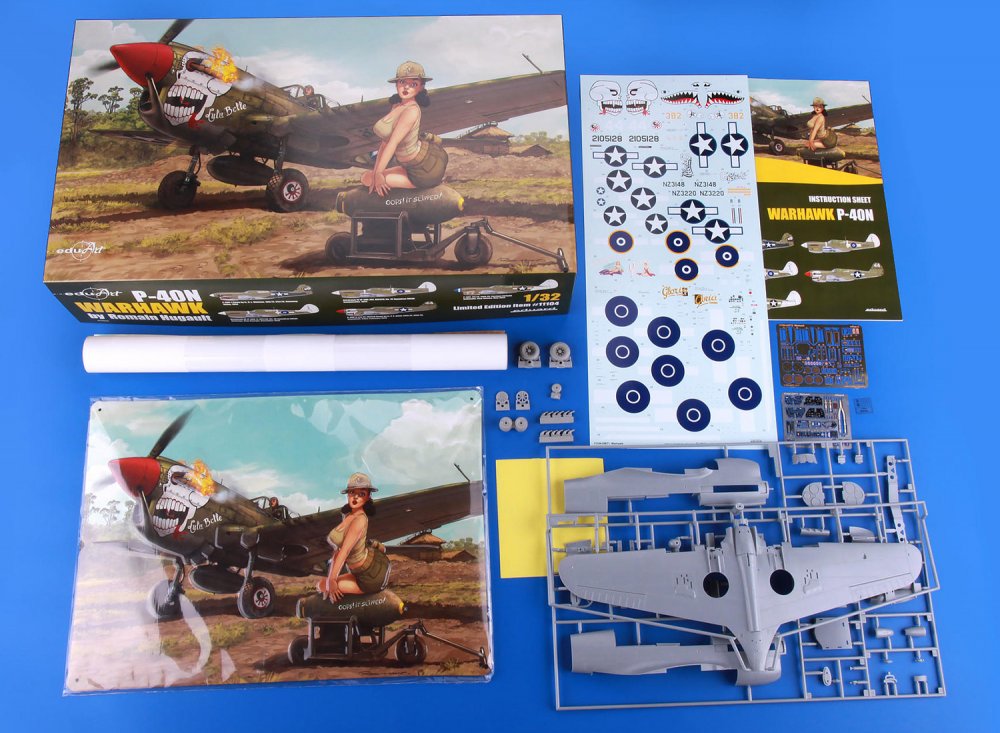
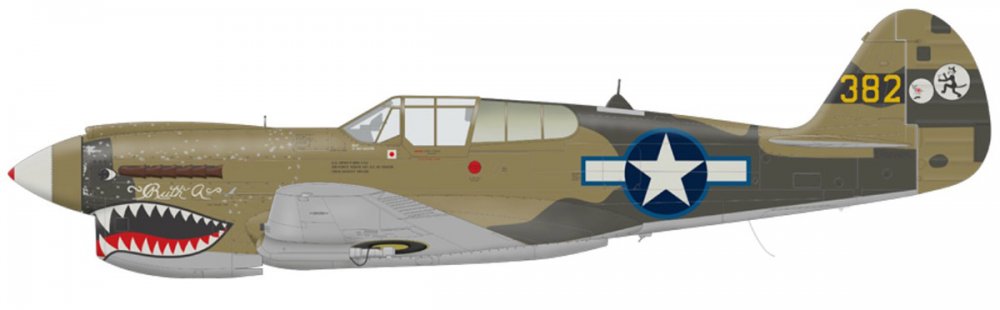
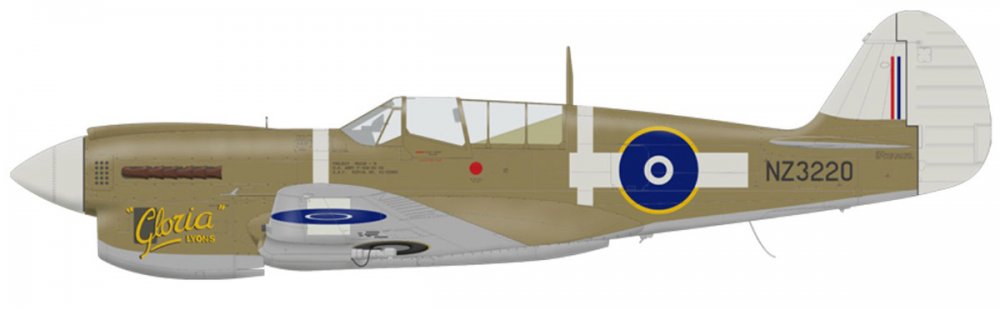
-
1/32 de Havilland Mosquito B Mk. IX / B Mk.XVI Hong Kong Models Catalogue # HK01E16 Available from MJR Hobbies for £139.50 The Mosquito was probably one of the RAF’s most versatile aircraft designs, and indeed, an aircraft that we may never have had at all if it wasn’t for the perseverance of its designer, Geoffrey de Havilland. It was actually the simplicity of de Havilland’s design that could well have seen the project being stillborn. To meet Air Ministry requirements for a high-speed bomber, de Havilland proposed a new airframe, composed mainly of non-strategic materials, and powered by twin Rolls Royce Merlin engines. Unlike designs which were submitted by other manufacturers, de Havilland envisaged that his machine would be fast enough to be totally unarmed, and with a smooth, aerodynamic exterior. For the Air Ministry, this perhaps seemed a little too much like a flight of fancy, and de Havilland was asked to simply act as a contractor for designs from other manufacturers. Undeterred, Geoffrey de Havilland took on his design under a private venture arrangement, using a small design team led by Eric Bishop, and work began under strict secrecy at Salisbury Hall, Hertfordshire, in October 1939. The aircraft was to be designated ‘DH.98’. Even though de Havilland’s proposal was for an unarmed bomber, his team created a design, which would allow the installation of four, forward firing cannon that would sit in the forward belly of the aircraft, and fire through blast tubes. With the war now in full swing, and changes in Air Ministry requirements, which saw a general acceptance of the DH.98 for a reconnaissance role, a full size mock-up was inspected by the Air Ministry in December 1939; only 2 months after the project began in secrecy. The foot was now firmly in the doors, and from this point, the Air Ministry made demands of the DH.98 which saw it being developed for a high-speed bomber and also fighter role. The Mosquito, as it soon came to be known, was one of the most versatile airframes in frontline service, with it eventually being used for roles such as night-fighter, long-range fighter, photo-recon, fast bomber, and maritime strike aircraft. No potted history of the Mosquito can be complete without a few words about its construction. The main airframe itself was composed of wood, with the fuselage being formed over a concrete buck, as halves, using a sandwich of balsa in between birch layers. These rigid shells required no internal framework, and once fitted out, were glued together and strengthened by simple bulkheads. The wings were also all-wood, being constructed from spruce and plywood, mainly. This highly successful design was also operated by the US, as well as Canada, Australia, China, France and New Zealand etc. and nearly 8000 had been built by the time production ceased in 1950. The kit This is of course HKM’s second incarnation of the Mosquito, with this particular kit version, the Mk.IX and Mk.XVI differing from the original release, mainly due to being fitted with the two-stage Merlin engine. This B Mk.IX was derived from the PR Mk.IX machine, and there are parts in this kit, albeit unused, for such a machine. I’m pretty sure that type could be cobbled together with relative ease. There are TWENTY-FOUR sprues of light grey styrene, all individually wrapped, a further THREE slide moulded main parts (wing, forward fuse, rear fuse), and THREE sprues of clear styrene. If you like a nice part’s count, despite some of the single piece parts included, then you won’t be disappointed. A total of 375 plastic parts are included, with options for both standard and bulged (cookie/blockbuster) bomb bay. These are supplemented by TWO frets of PE parts, and a single decal sheet from Cartograf. Tomek Wajnkaim’s atmospheric box art is superb and would certainly catch my eye if I was in the local hobby store. At this point, I do have to state that I have had an input on this kit, as with the previous Mosquito release, and this extends to a few design touches and also work on the manual. My extended team at LSM has also contributed with the box art and box design, instruction illustration and decals. The box carries the LSM logo too, stating our input. I don’t want anyone to be of the impression that I will write my article based on something I hadn’t declared. This kit, as with any other, isn’t perfect. No doubt about that. I will also state from the outset that there has been no re-tooling of either the wing (intake shape), or the nose section. These remain the same as the original release, along with any respective clear parts. For an review of the previous release, take a look at Jason Gill’s article HERE. Ok, onto business. Many a paragraph has been written about the previous release, both in modelling communities and on social media. Instead of doing an entire review for this new kit, I’ll do an overview, and describe the differences that are to be found with the B Mk.IX and B Mk.XVI. This is perhaps the first kit where I have seen slide moulding being used so widely, and for main parts. A full span wing is included again, and this incorporates both the upper and lower panels as a single piece. That’s certainly a very advanced way of using slide moulding, and definitely the most impressive. All there is to do to complete the basic wing structure is to add the trailing edge spars and wingtips. As far as clean-up goes, a faint moulding line exists around the leading edge, and that’s it. A few swipes with a sanding sponge, and its history. Wing detail is excellent, with not only the various filler and access panel details on the underside (remember that this was a wooden-skinned wing), but also the extremely fine laser-etched wing panel tapes. You’ll need to tread carefully with paint, or these will disappear. HK has also moulded the stabiliser as a full span part, with the same sort of trailing edge spar insert. In fact, all of the control surfaces and fin are also hollow and have a simple mould seam to remove only. I did say that slide-moulding was extensive. Surface detail on these parts is limited, by very nature, but what there is, is beautifully rendered. With the wing being a single part, if you wish to fit the underwing tanks, you will need to actually mark the locations yourself, and then drill holes. A plan is included to show you exactly how to do this. When you open the box, it’s hard to ignore the two fuselage sections, moulded as front and rear, and connected along the fuselage stiffening joint that runs circumferentially around this area. This perfectly hides any connection you will make. As with the wing, very faint moulding seams exist, and these will just need a few seconds to eradicate them with a sanding sponge. These parts are very impressive in their execution, with the minimal external details being nicely applied. The cockpit entry door and the equipment port in the lower rear fuse, are separate parts, and the side walls that sit underneath the wing, are also separate. This is to facilitate the fit of the wing to the fuselage, as per the real aircraft. Assembly at this point is not too dissimilar from that in the de Havilland factory! A detailed bomb bay is included, and two different styles of bomb door are available. These are the standard, straight doors, and the bulged doors for the cookie-carrying machine. Front and rear fairings are included for these, and these fit beautifully (speaking from previous experience). Of course, there is a major change in this kit, and that is inclusion of the two-stage Merlin engines. To accommodate these, longer nacelle panels have been included, as well as newly-tooled parts for the upper cowl, that plug into the upper wing. The new engine parts are moulded onto two identical sprues that also hold the longer engine bearers, glycol tank and supercharger etc. Detailed engines are supplied for both nacelles, as are two versions of the propeller. The exhaust sprue is the same as in the previous release, but this time, we build it as a 6 stub version, and not the 5 stub. All new sprues for this release concern the engine area. A total of six newly-tooled sprues account for this part of the build, and help to produce that recognisable nacelle profile. Photo-etch louvres are supplied for the side of the lower intake cowl. As far as I can tell, there are no cockpit changes in this release. Having built this one for the box art model on the previous release, I can say that the cockpit it very nice out of box, but would benefit from Eduard’s detail set, or the Profimodeller PE release. Some lead wire for wiring also wouldn’t go amiss. PE seatbelts are included too, but you might hanker after the textile ones from HGW. You’d have to go a long way to beat those for realism. Looking at the instructions, you are advised to install the bomb bay door actuators around the time you build the cockpit. My advice is NOT to do this, but to wait until the model is more or less complete, otherwise you will bend or snap them whilst handling the Mosquito. In fact, I would attach them after painting, at the same time you fit the bomb bay doors. If you want to see what can be done with the HKM kit, take a look at this link on The Modelling News. Probably one of the finest cockpits I’ve seen, albeit with a lot of dedication from the builder. I quite like the undercarriage on this kit. Looking at the real thing, HK has produced a superb replica, and it does actually articulate when built…..right up until the point where you have to install it to the model. Removing the seams on the wheels is a little tedious, but isn’t it always, unless you fit a nice resin replacement, such as Eduard’s Brassin parts. The undercarriage bays are highly detailed, with nice constructional detail and some wiring/plumping. A little extra wiring would be good to add, but the bays are quite narrow, and vision will be limited. Gear bay doors have the correct internal detail representation. The last newly-tooled sprue in this release concerns the canopy. This sprue holds just two parts which are for the side panels. All clear parts fit around an internal framework, and they do fit just great. Clarity is superb, and the frame lines are nicely defined. I would use Eduard’s masks for this canopy though. When I originally built the prototype, I had no such luxury, and it took hours. There will be a small change in the masks to represent this kit, but nothing too different. Two PE frets are included, with parts for the louvres, intake grilles and seatbelts. There isn’t anything to tax you too much here, and PE quality is very good. If you, like me, want to add some extra detail, then of course it would make sense to change the belts, as previously mentioned. There are three schemes for this release. These are: B Mk.IX, ML897/D, No.1409 Met Flight, Wyton, late 1944 B Mk.IX, LR503/F, No.105 Squadron, Calgary, May 1945 B Mk.XVI, MM199/M5-Q, No.128 Squadron, Wyton, December 1944 A single, large Cartograf-printed decal sheet is included. Printing is superb, with decals being nice and thin, with minimal carrier film, authentic colour, and perfect register. They are also glossy, which is preferable to matt, as I find they conform far more easily. The glossy A4 instruction manual is printed in greyscale, but it easier to follow that the early HK manuals, with shading being used on solid areas. Construction takes place over 44 easy to follow stages, with some sub-stages included. Parts options are clearly shown and paint call-outs are supplied in Gunze, Tamiya and AK codes. This kit is a partnership between AK, LSM and HKM. The latter pages of the manual have profiles for all three schemes, from multiple angles. These are printed greyscale too, and I admit that I would have liked to have seen these in colour. A profile is included for stencil placement too. Conclusion Whilst not a perfect kit (is there one?), I do profess a love for this one, ever since I saw it on the Pocketbond stall at Telford in 2014. That was when I was working with HKM, along with the other LSM team, and I took the prototype home to build for a magazine, and the box art. There is a respectable parts count, some nice engineering, and a finely detailed kit to be had with this release, and no doubt we’ll see more sets released to coincide with this hitting the shelves. Being the B Mk. IX / B Mk.XVI variant, this of course opens up more neat options schemes. I wonder when we’ll see the PR version… My thanks to Hong Kong Models for the sample seen here. To purchase directly, check out your preferred hobby store. In the UK, MJR Hobbies will sell this for £139.50. Click here to hit their page. Completed model of previous HKM Mosquito kit, built by author
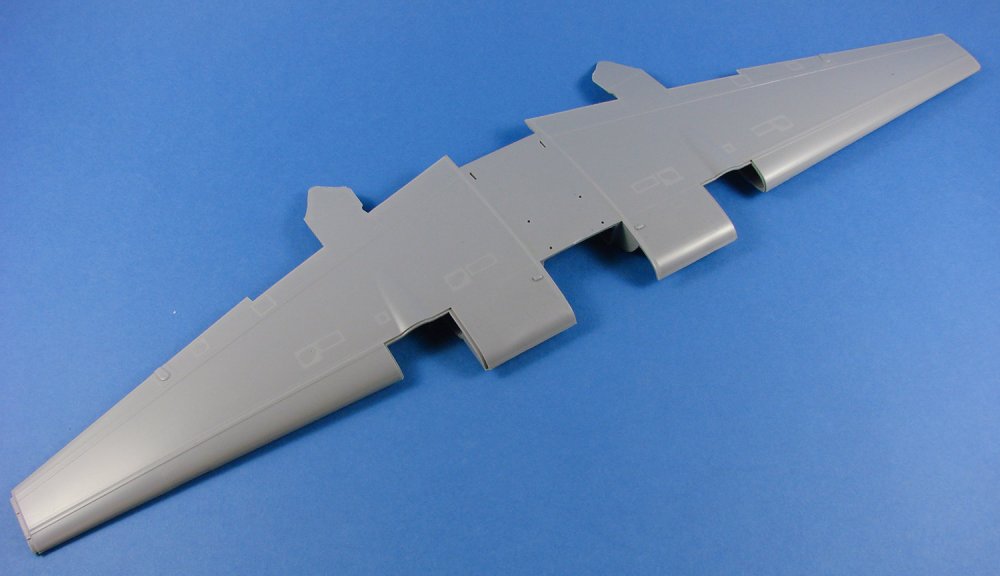
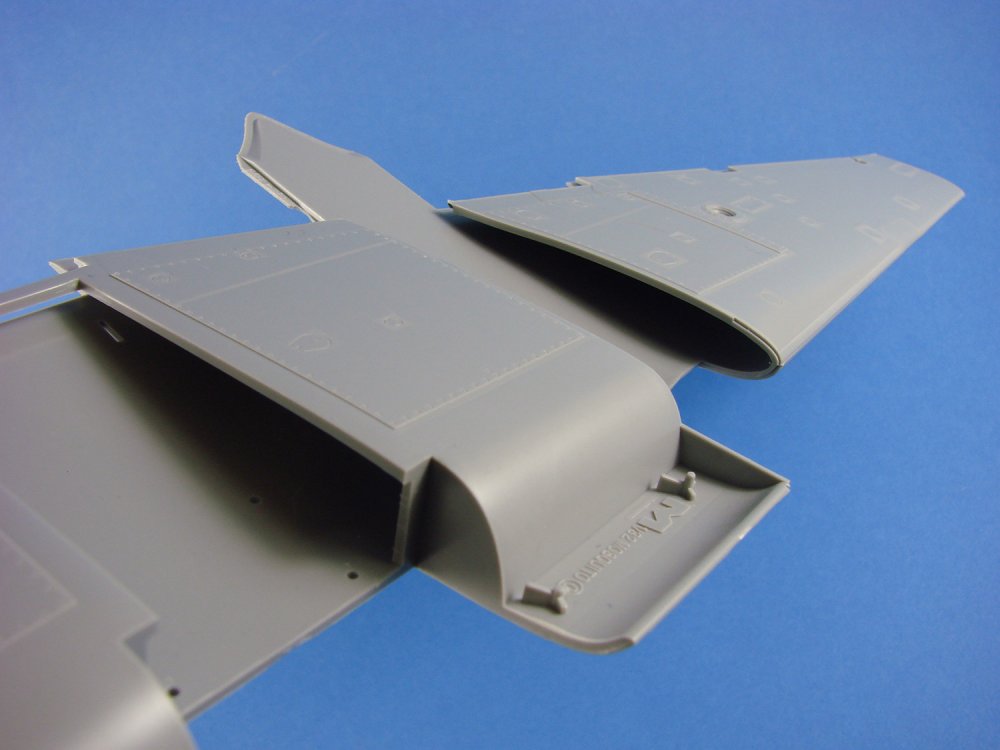
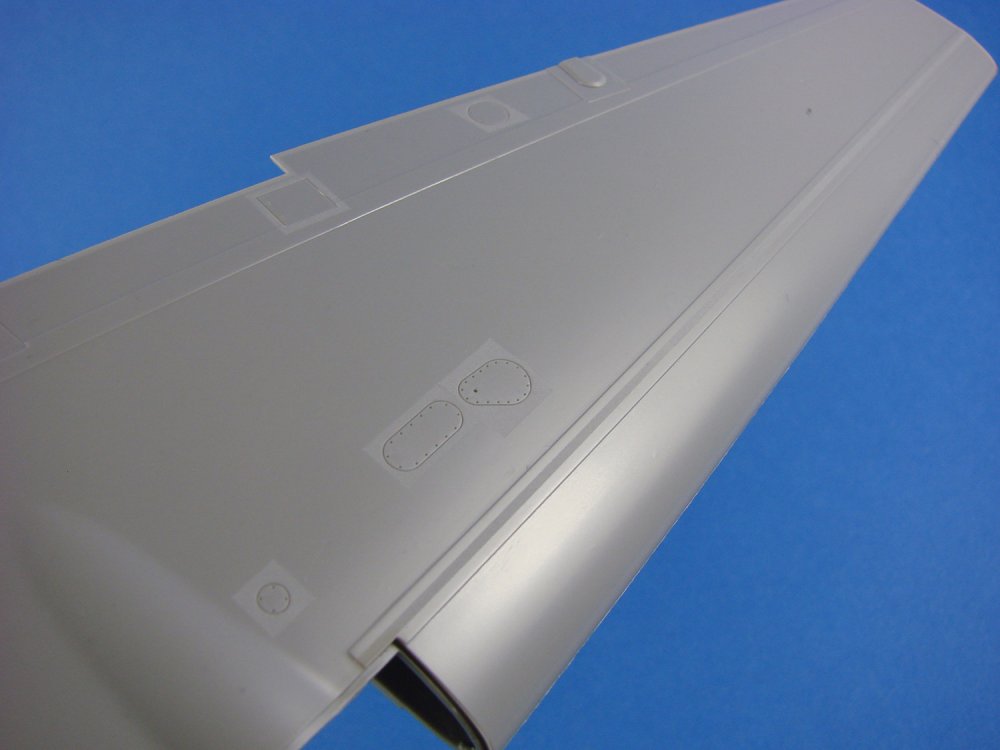
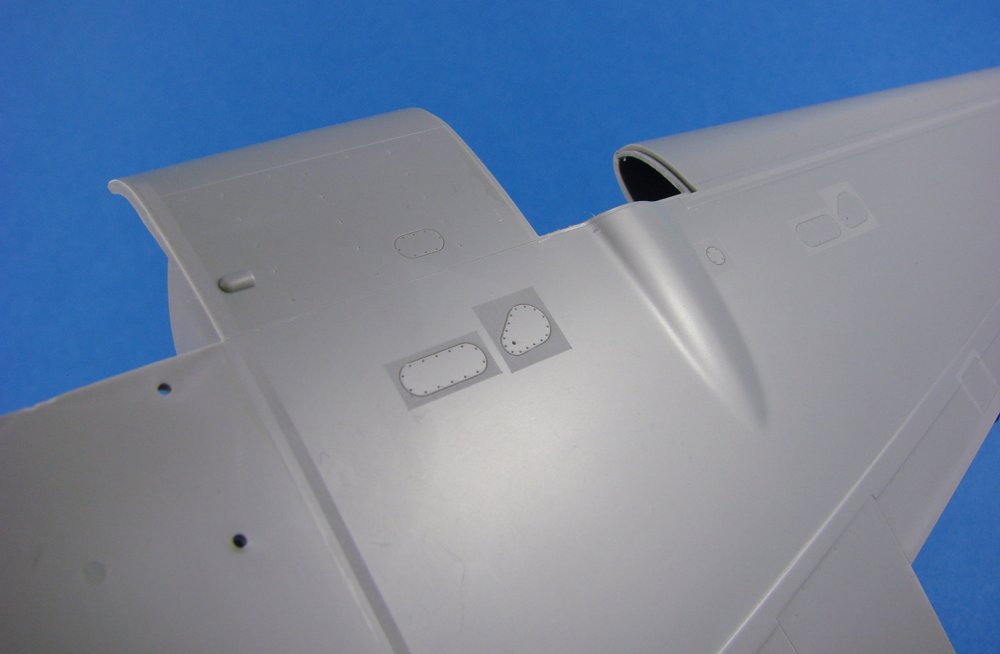
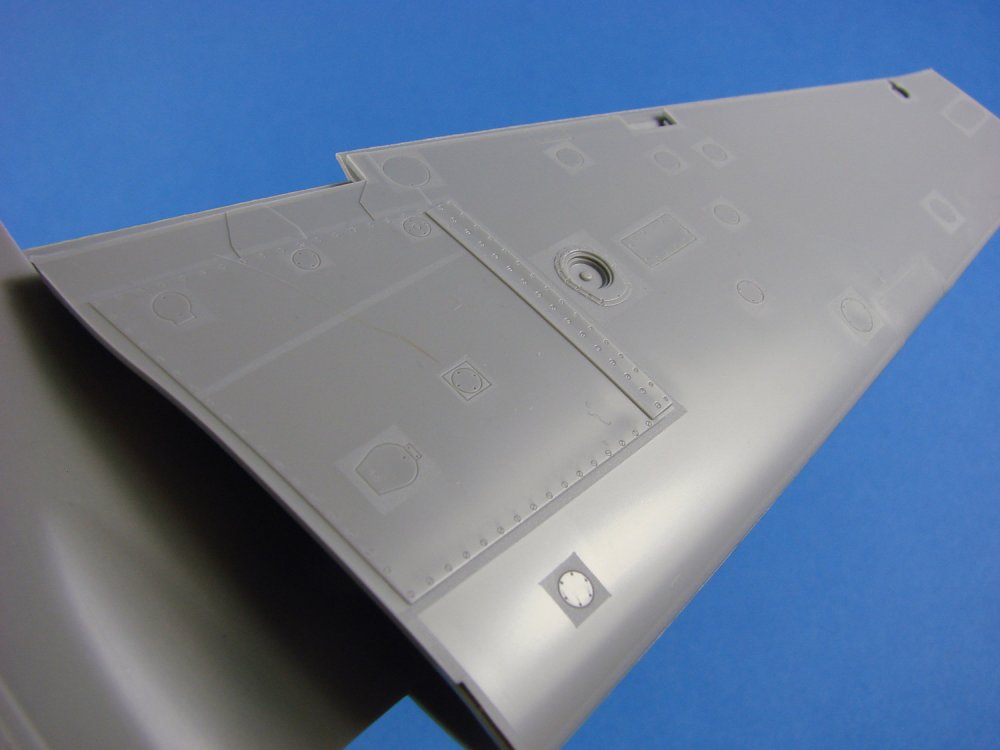
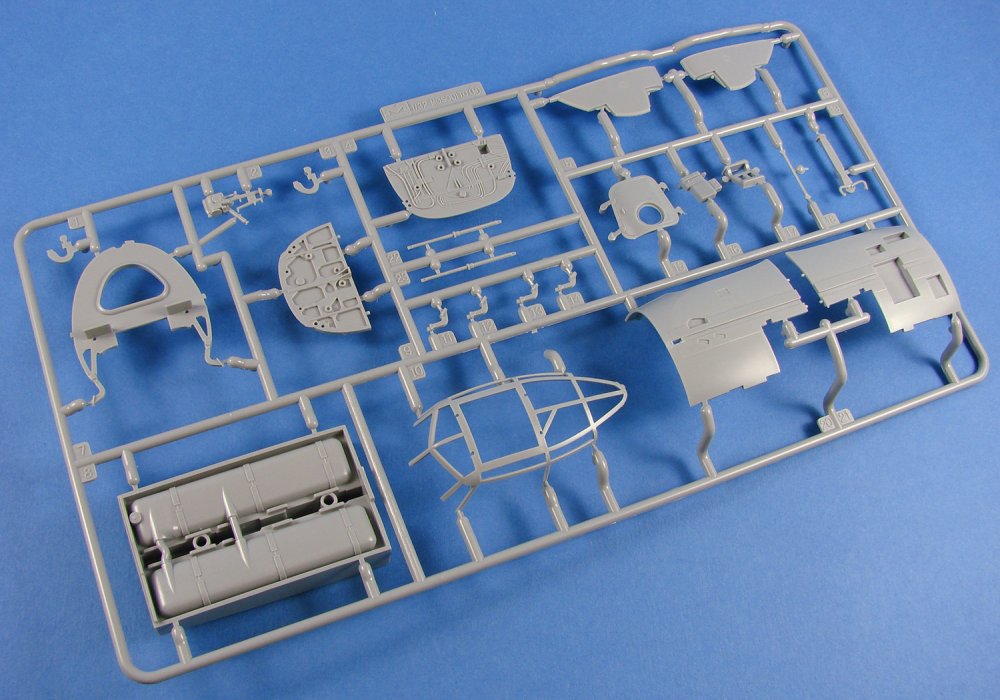
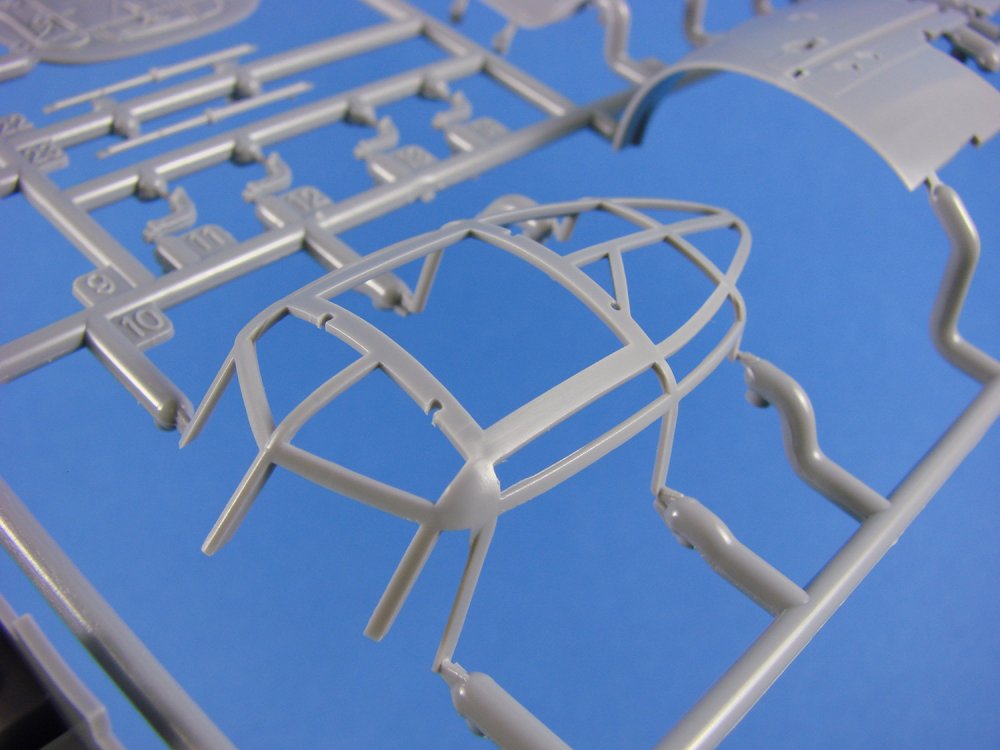
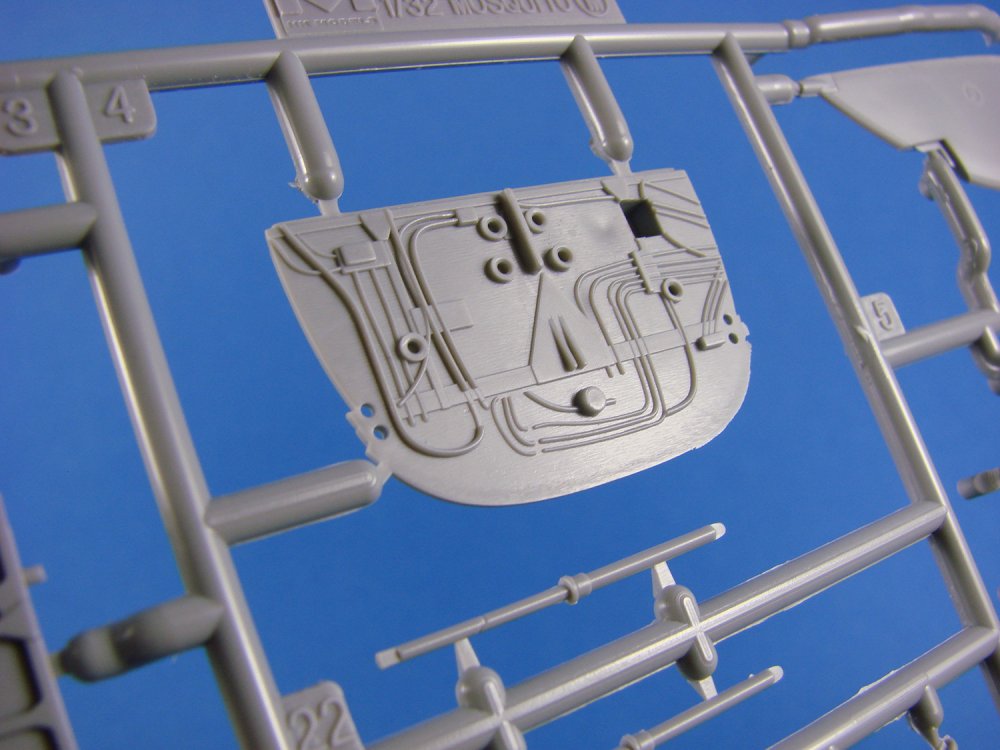
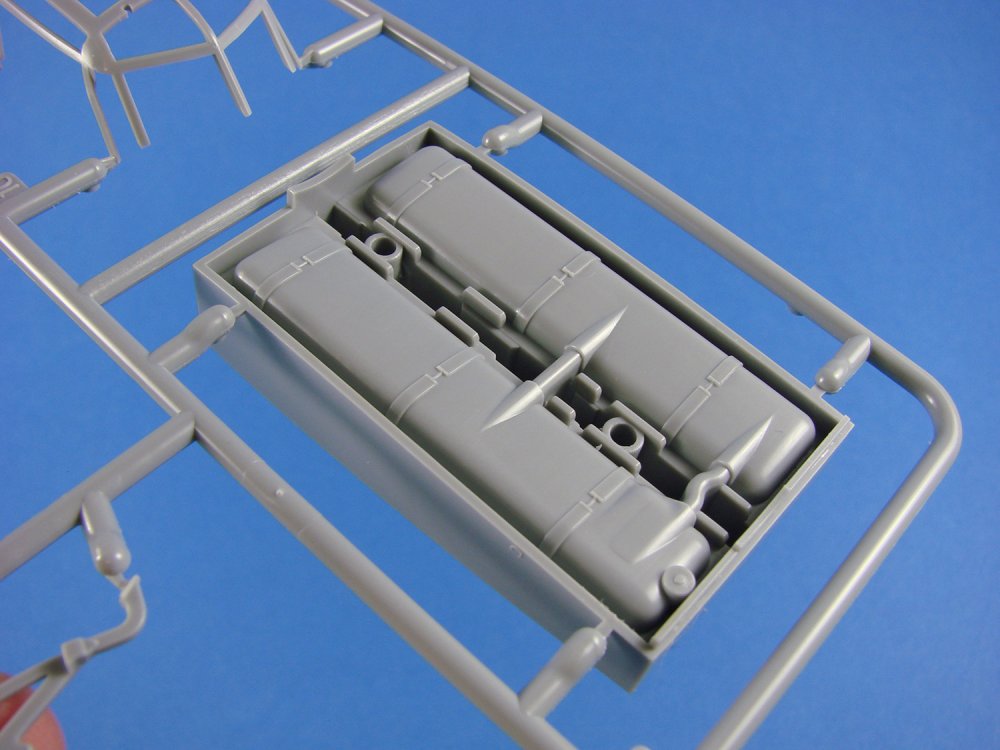
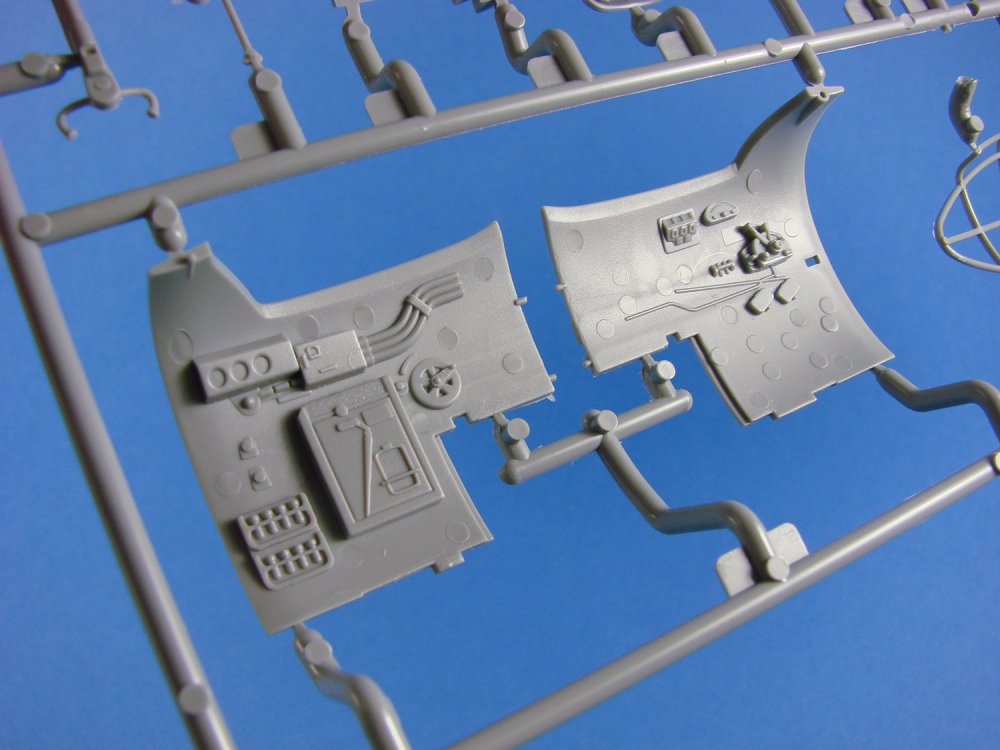
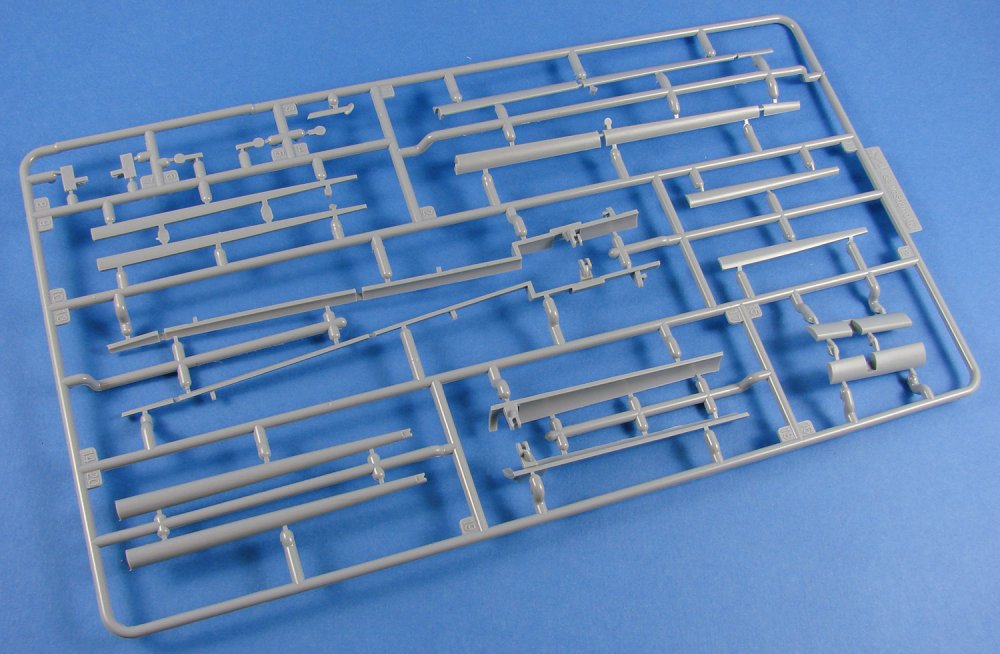
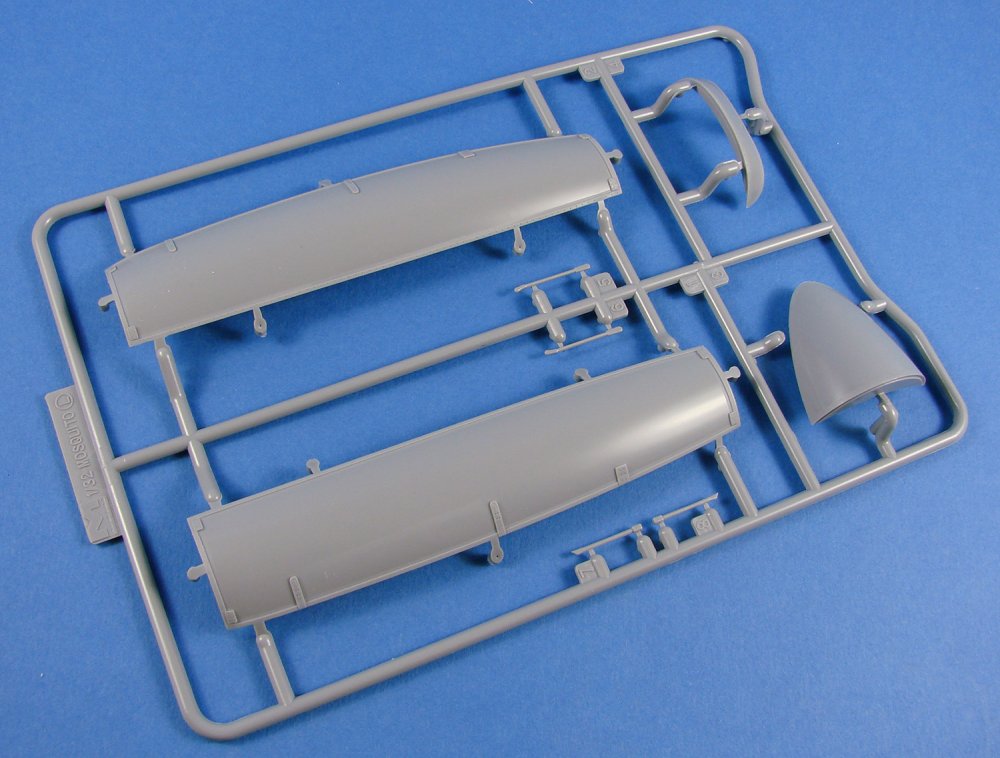
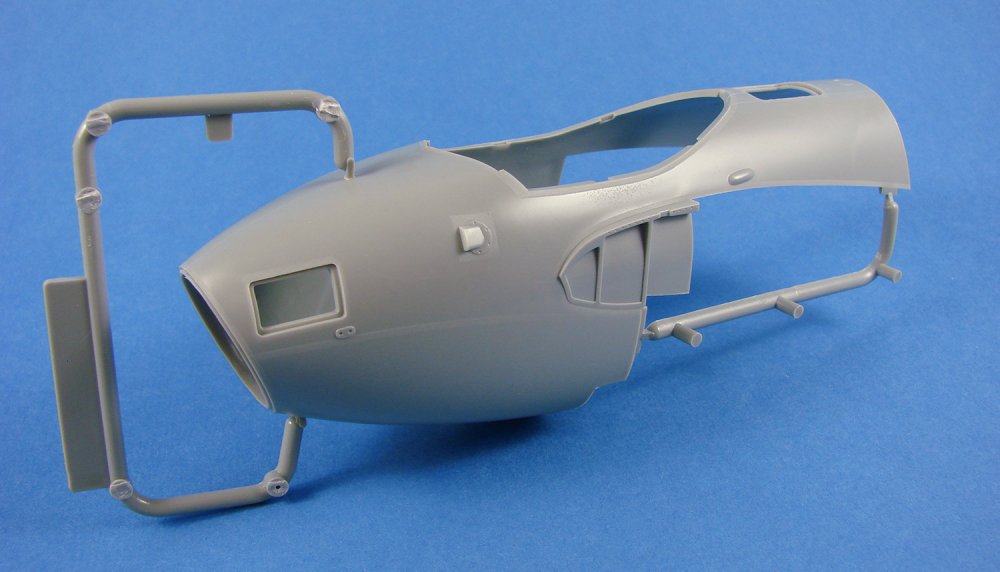
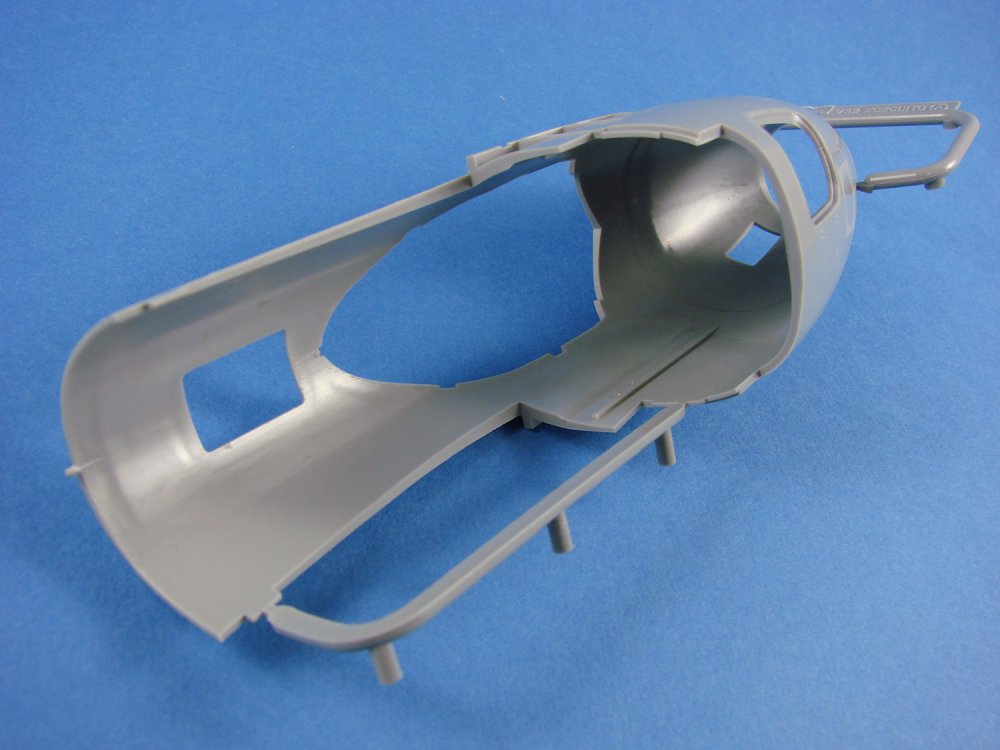
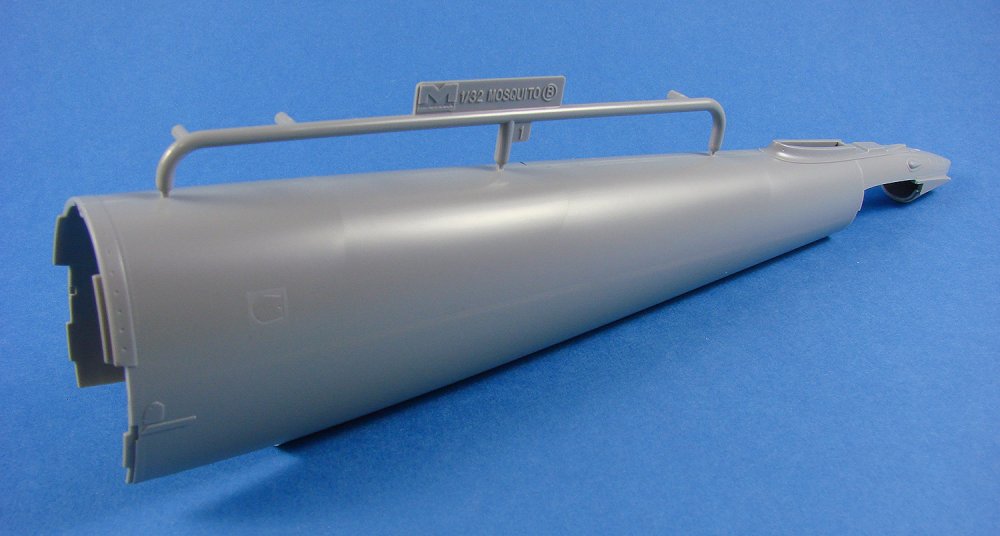
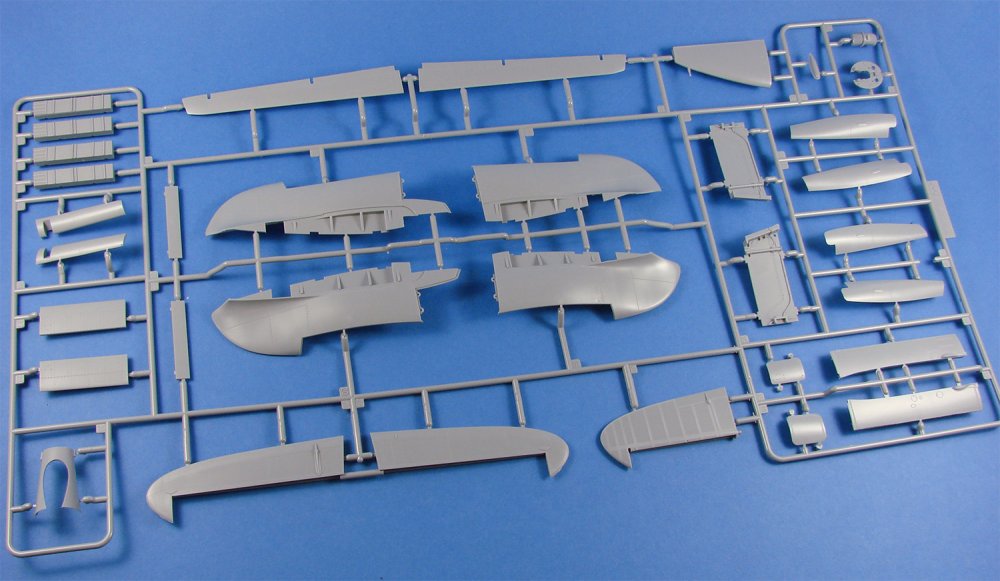
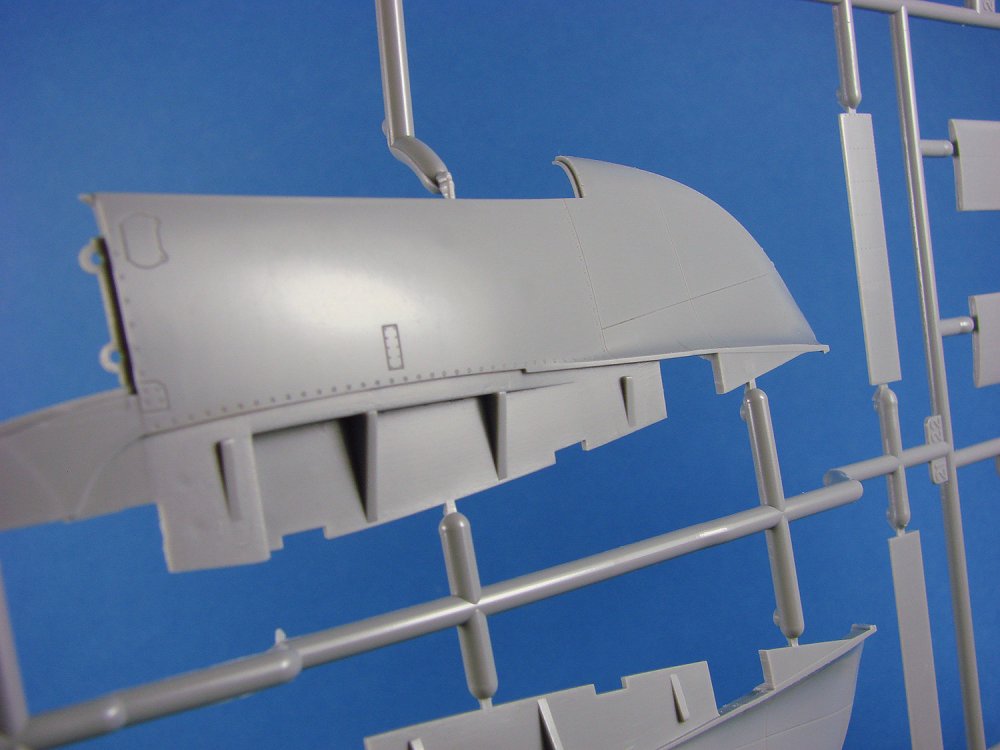
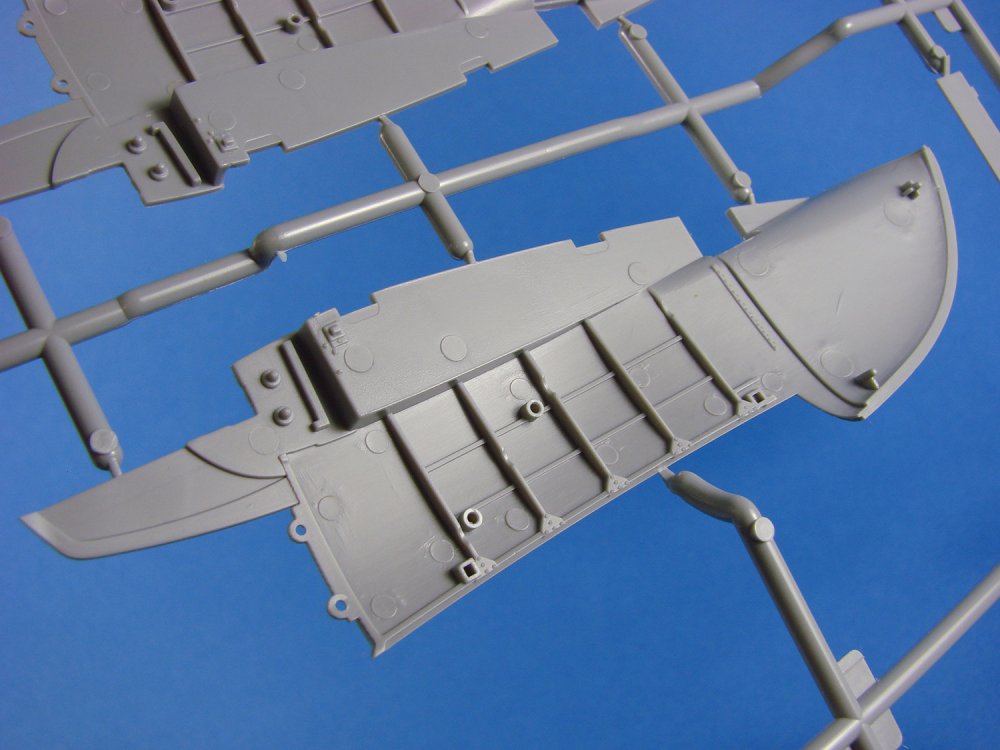
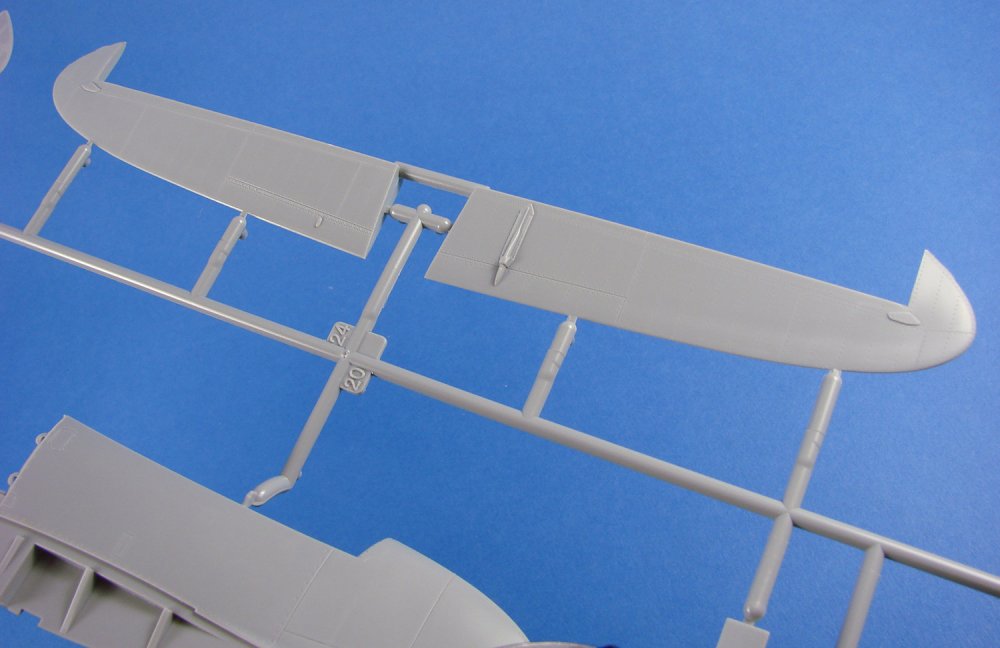
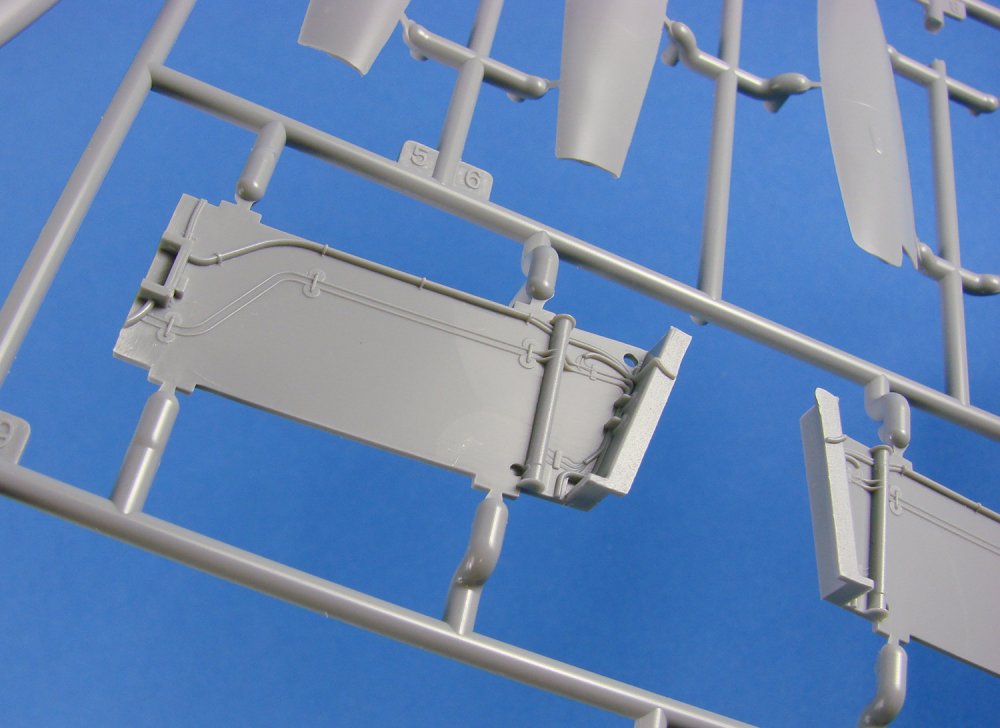
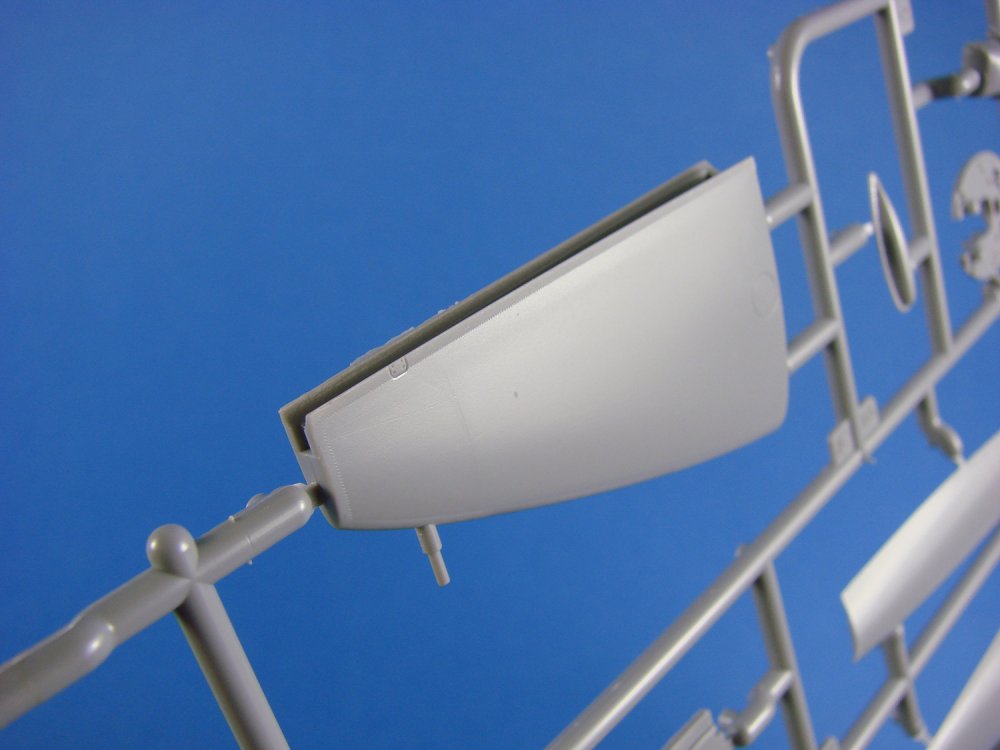
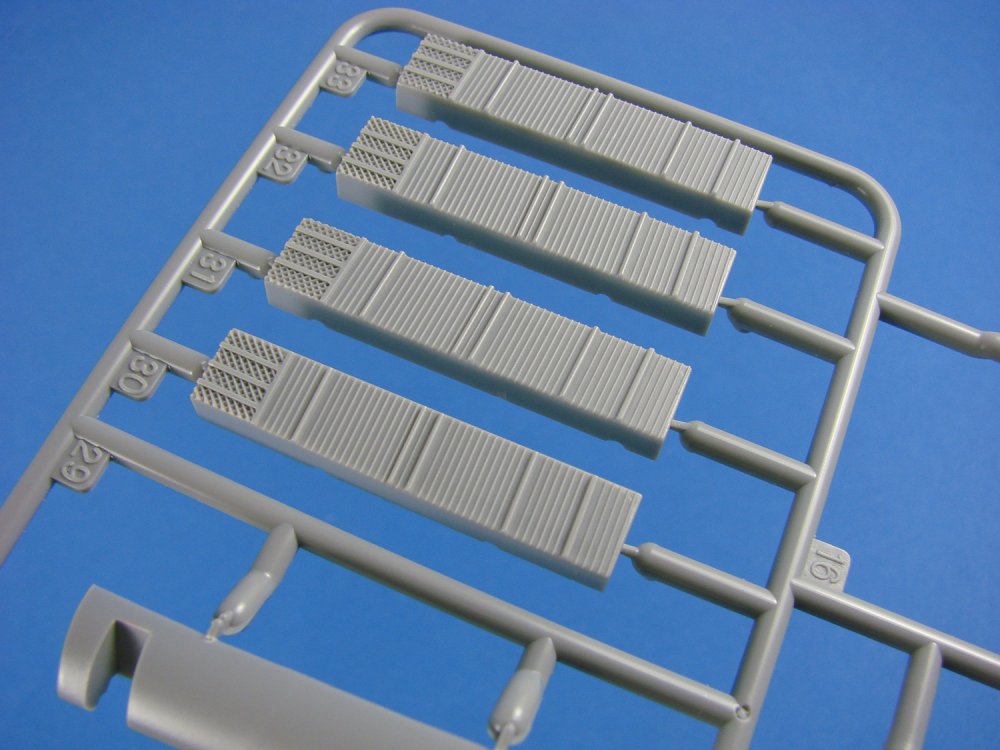
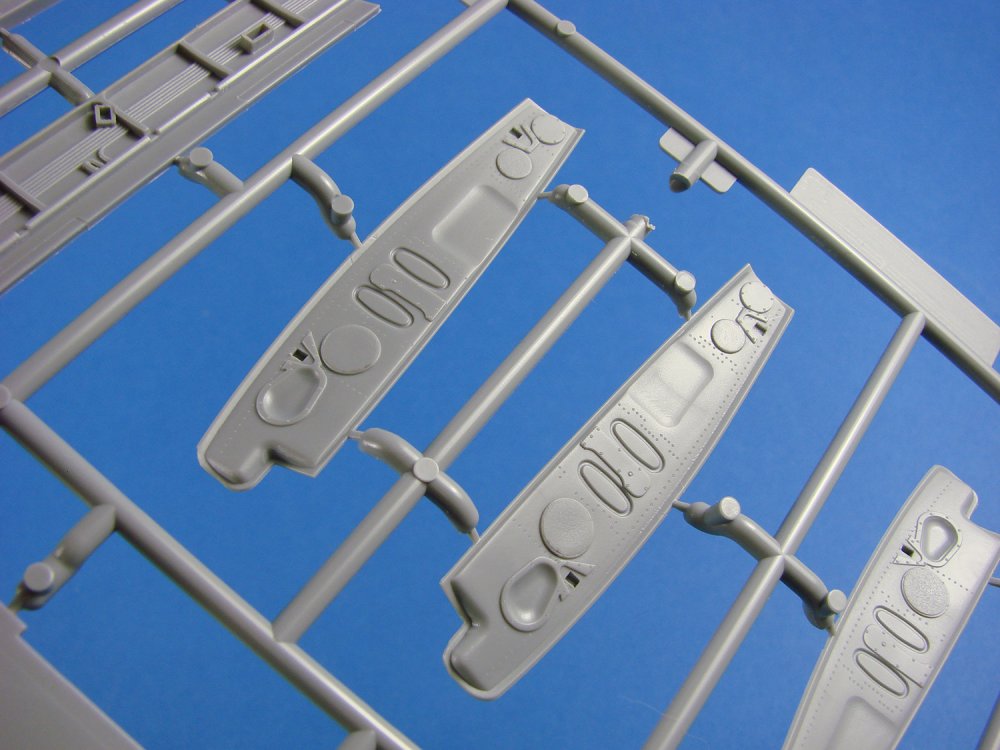
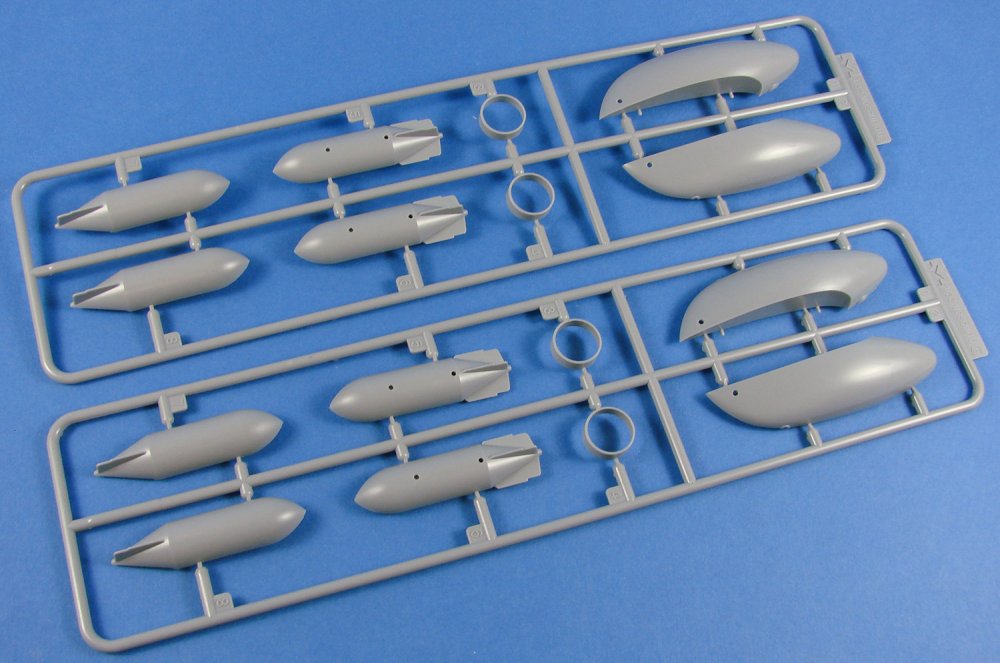
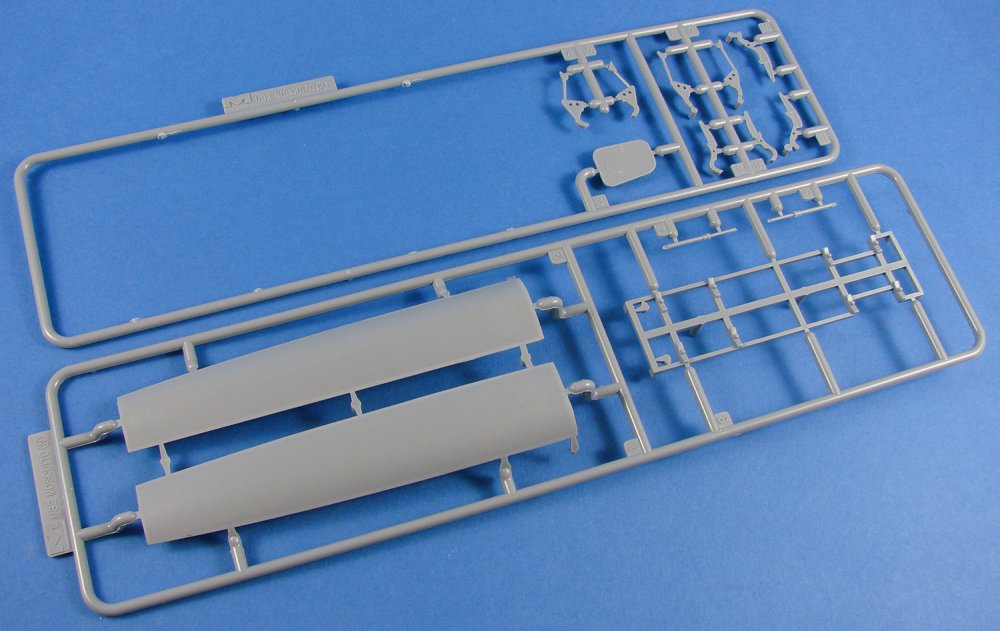
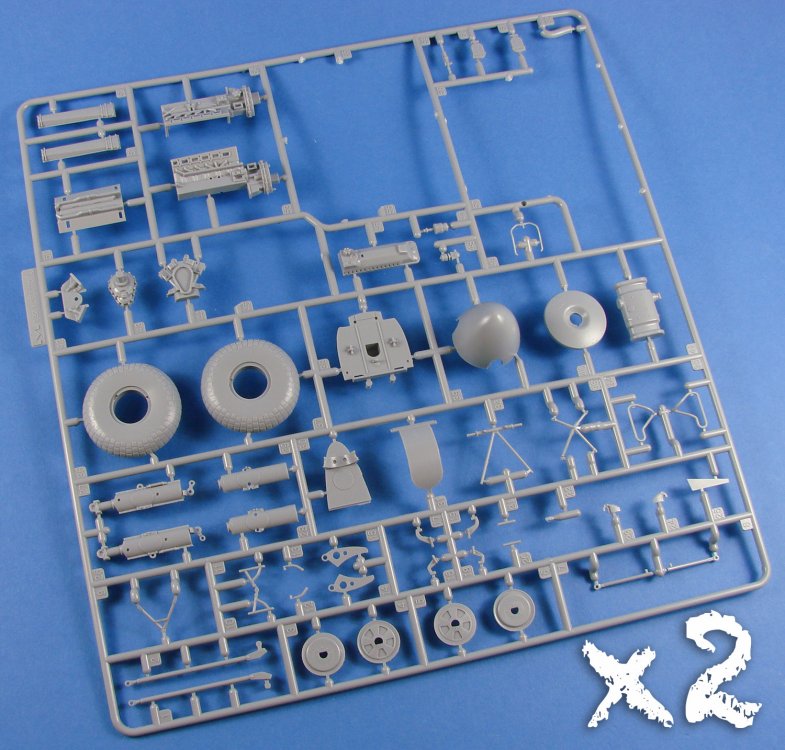
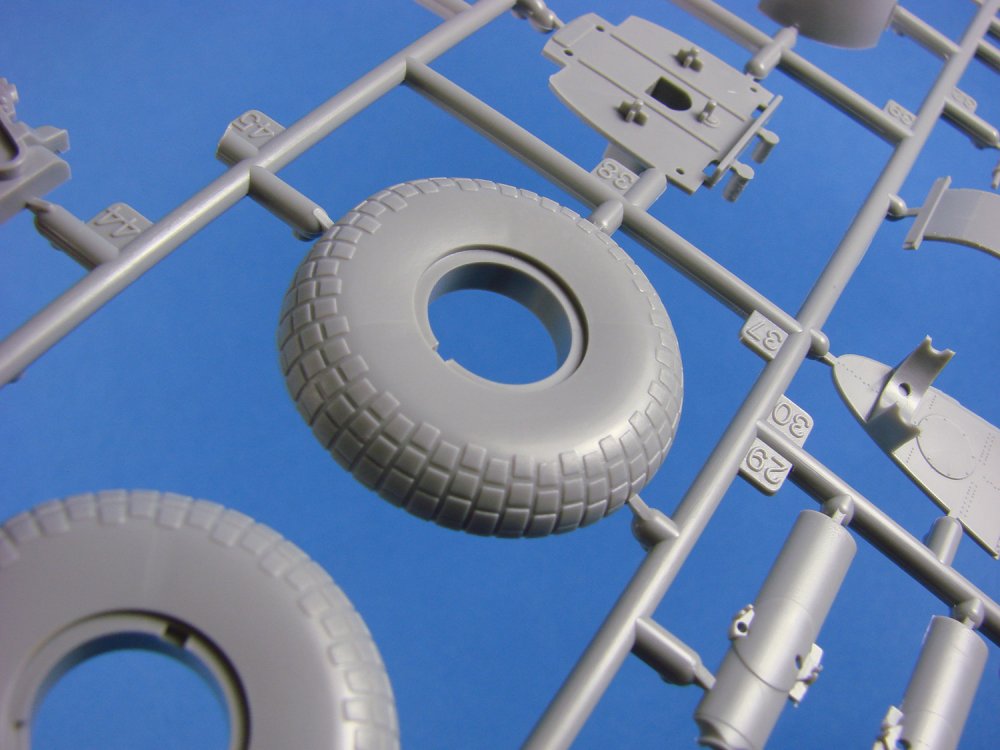
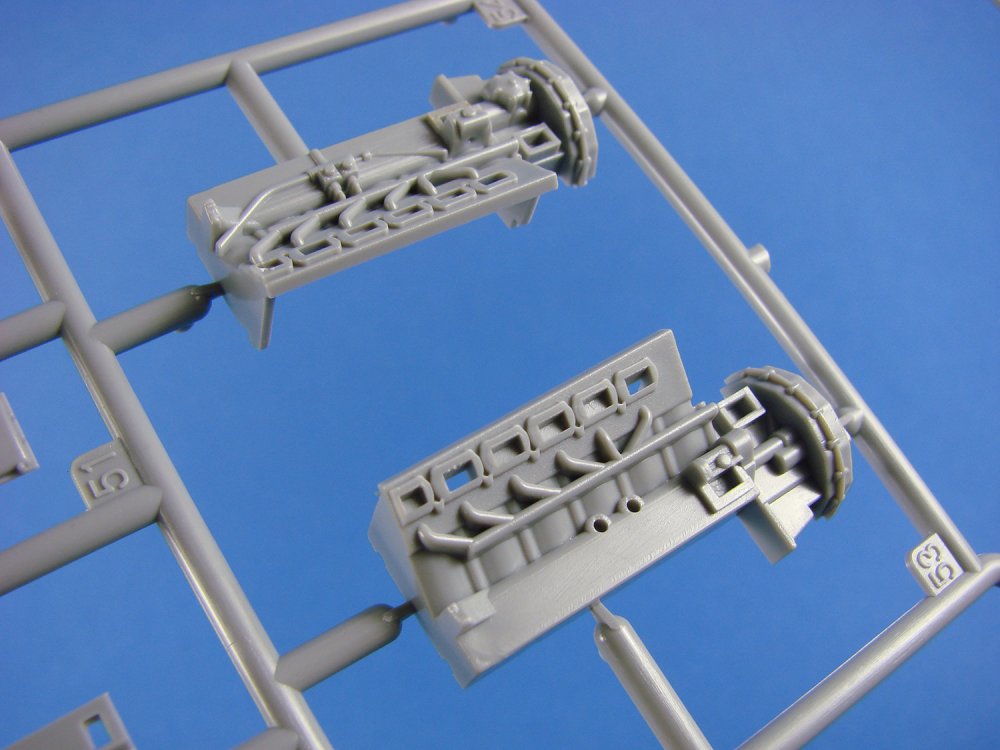
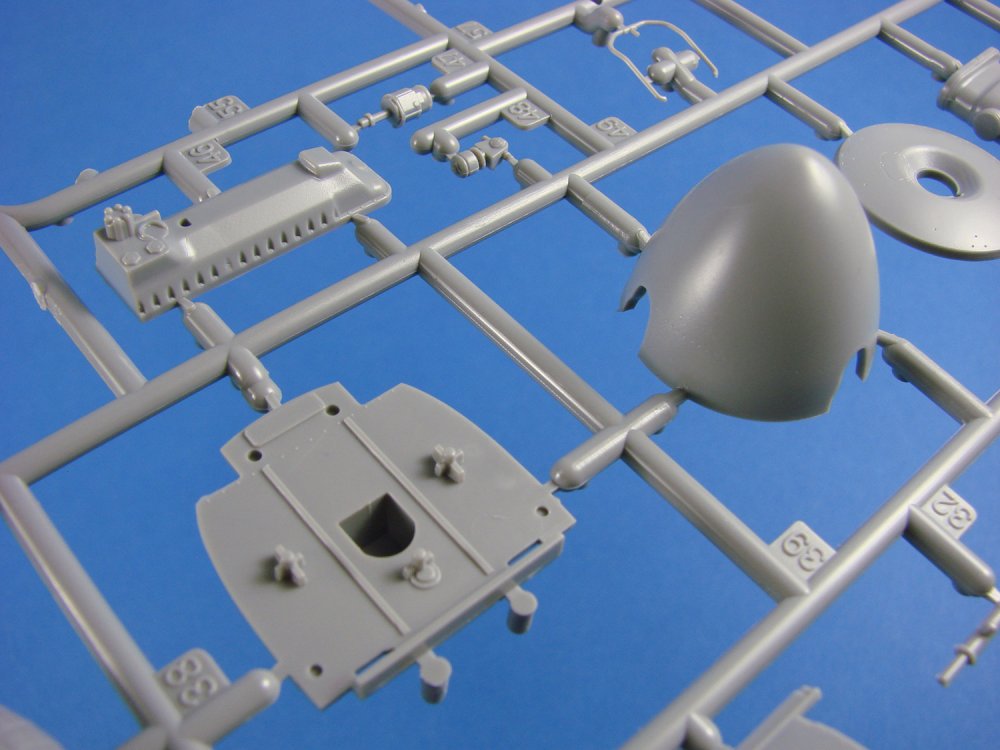
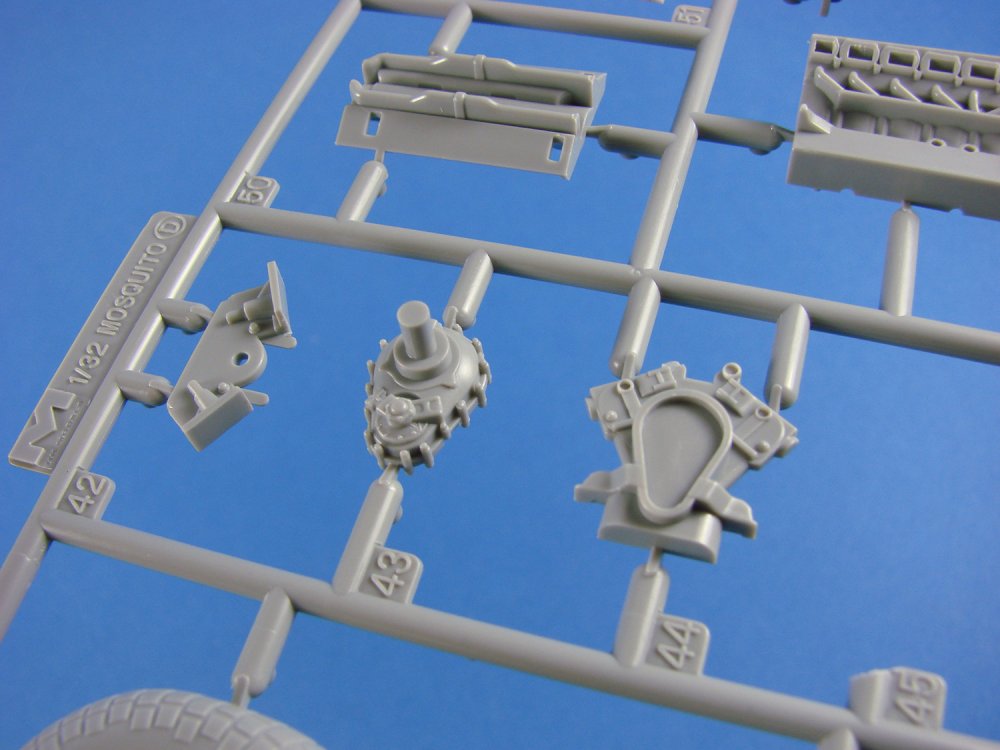
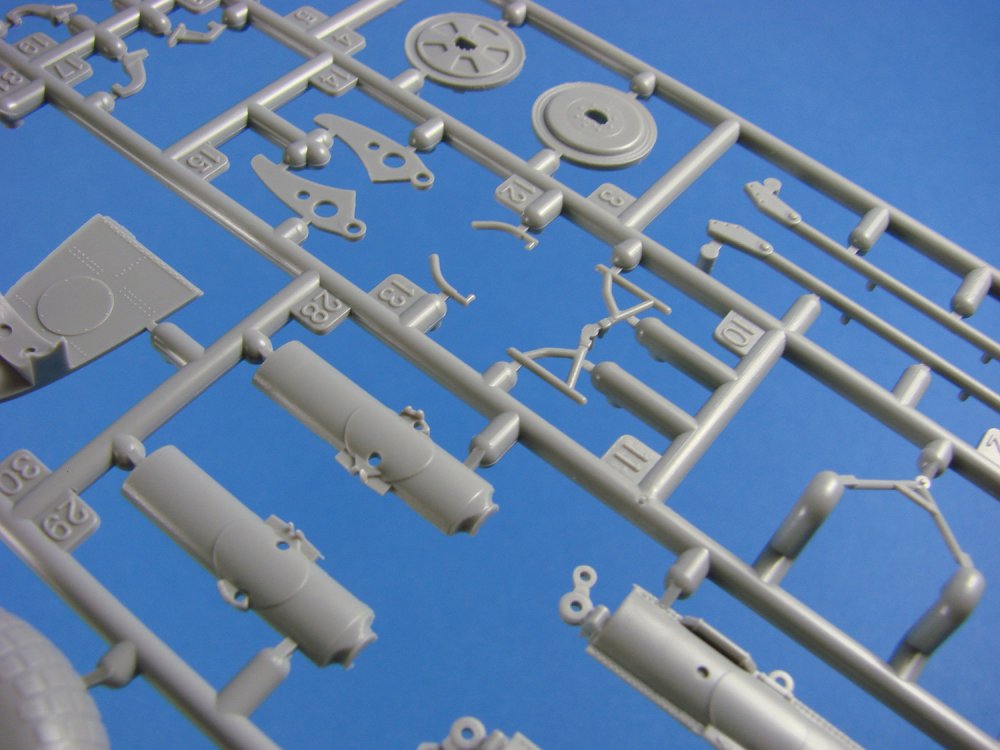
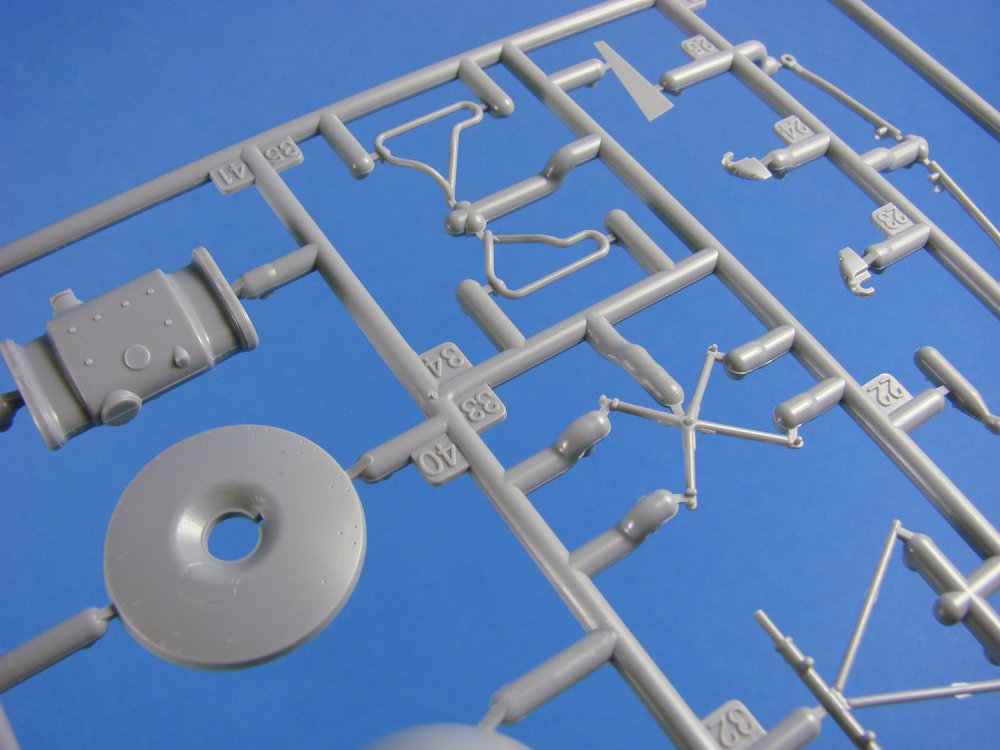
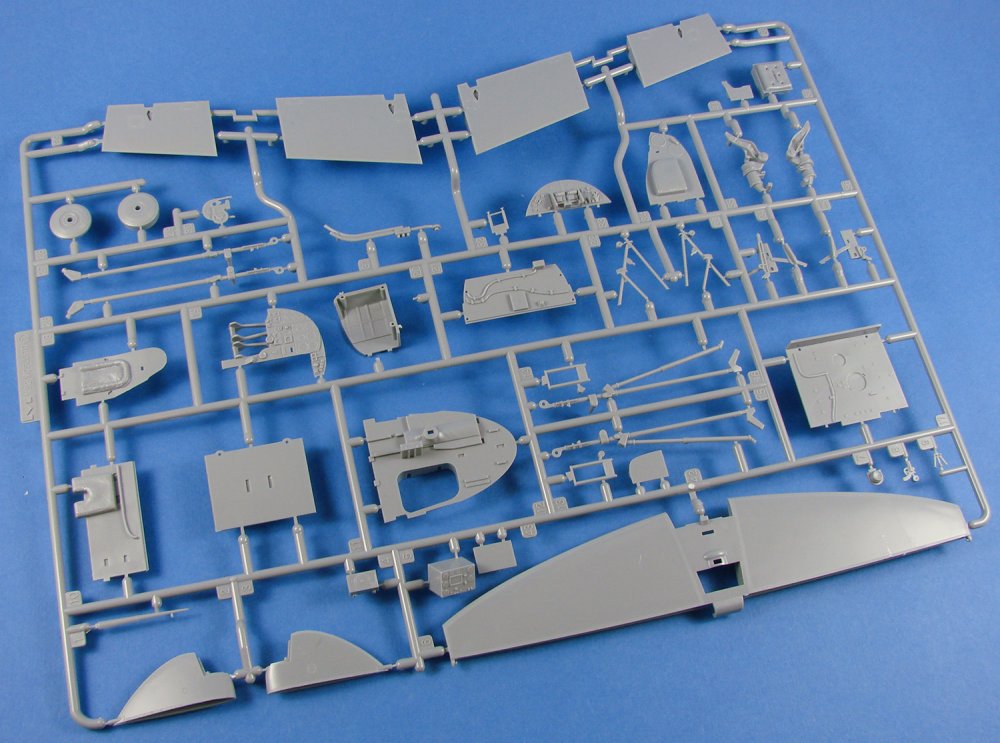
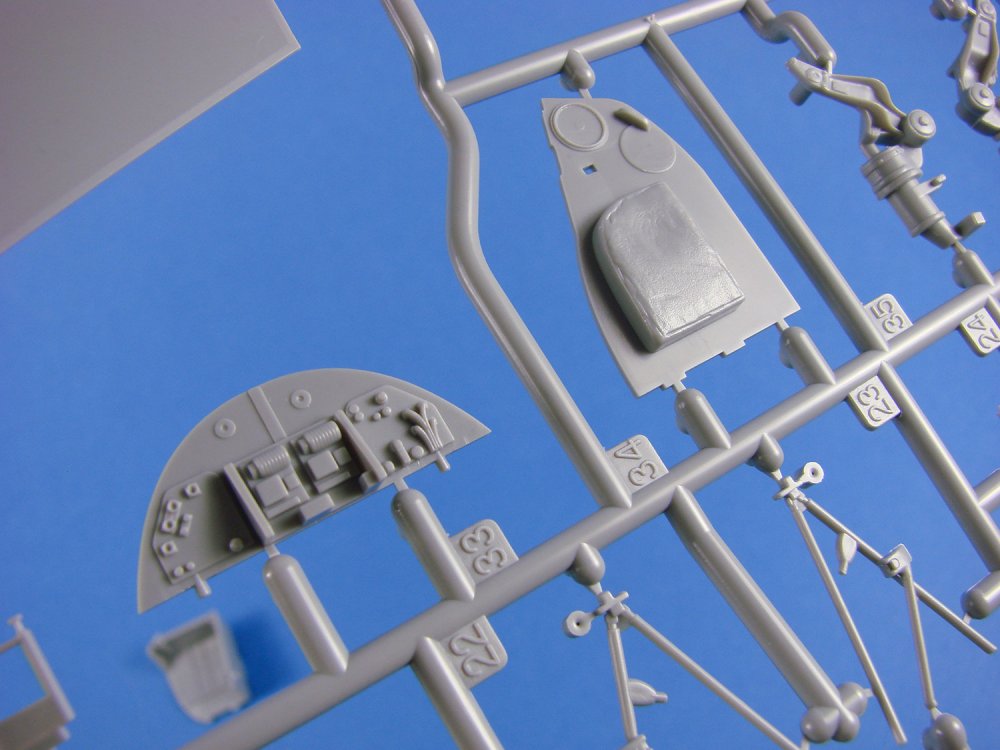
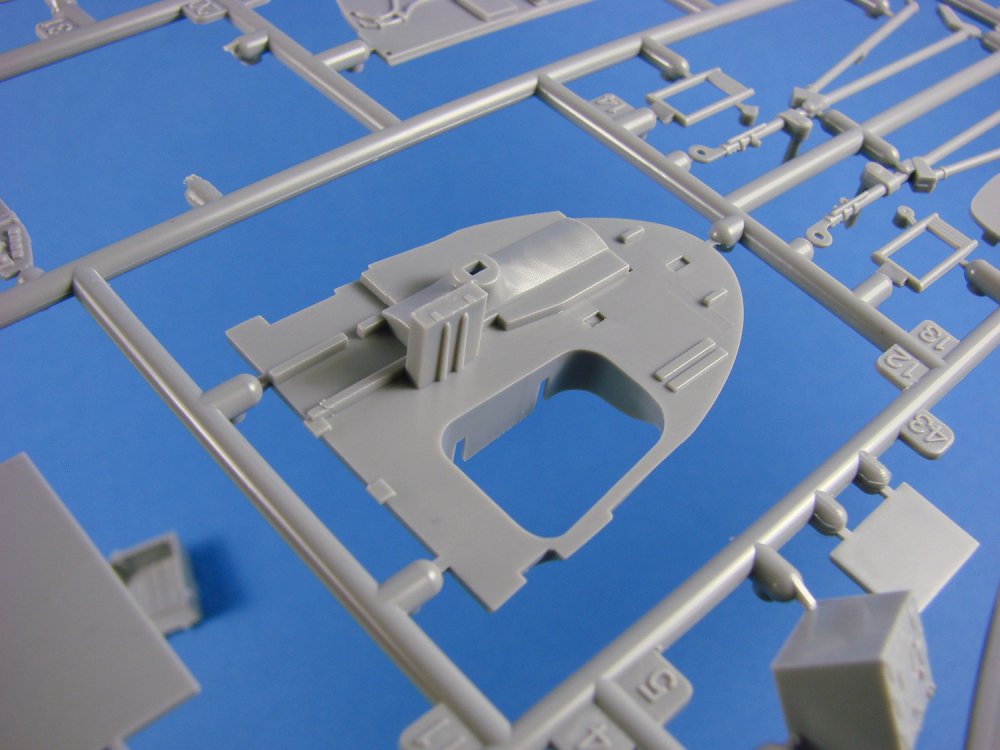

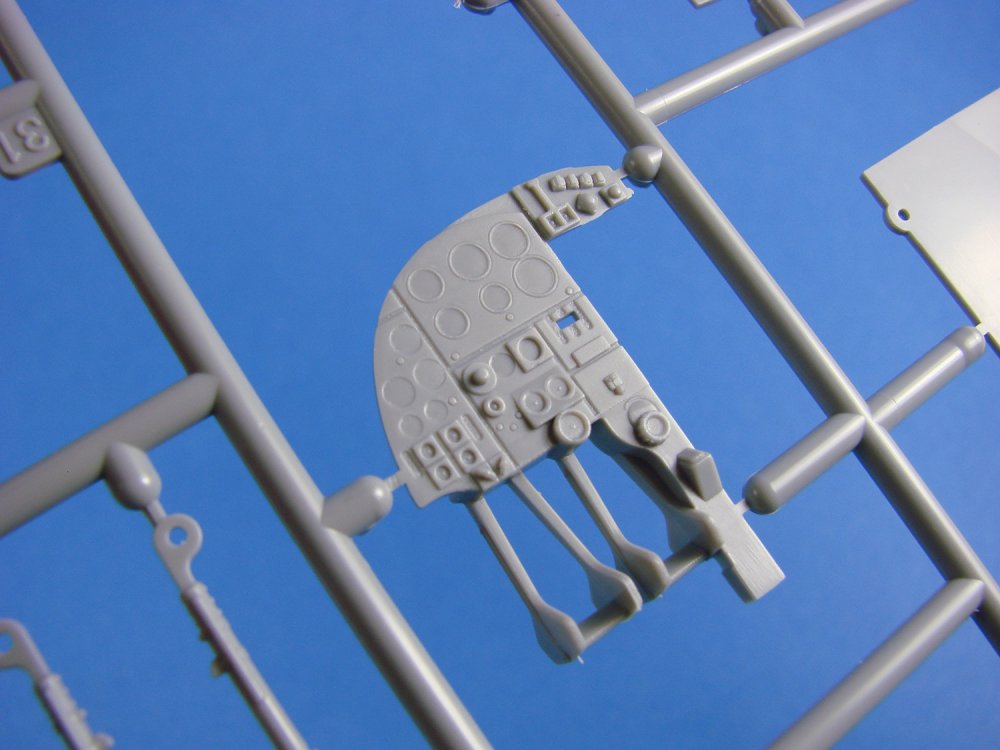
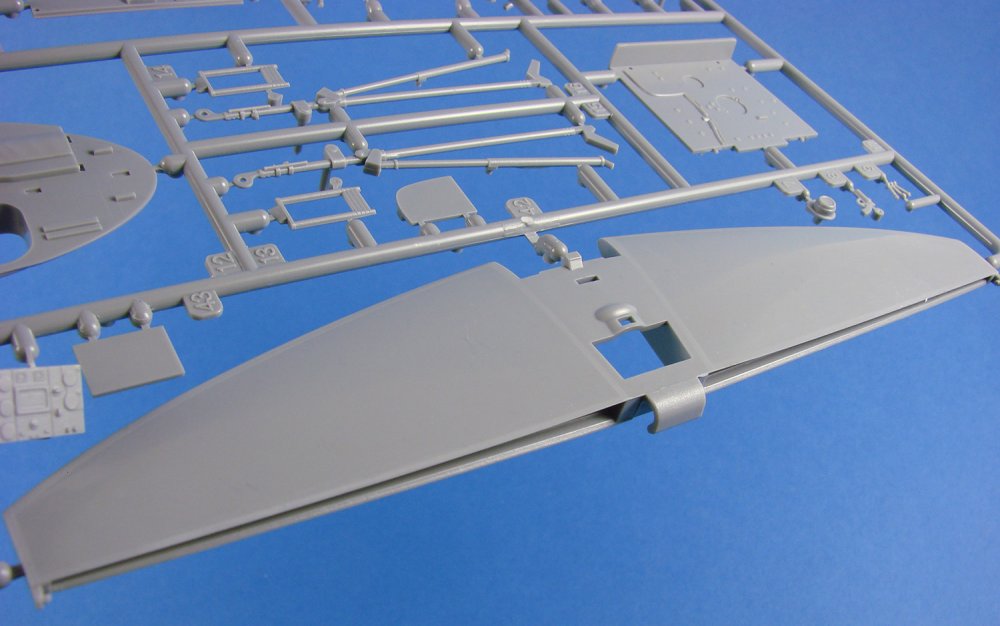
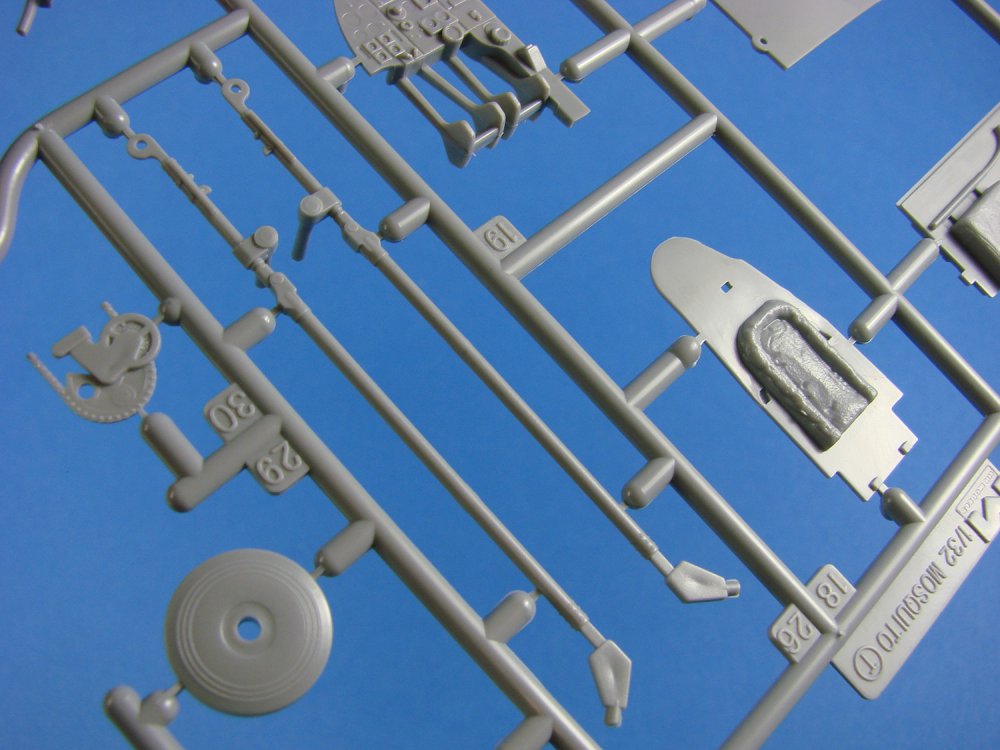
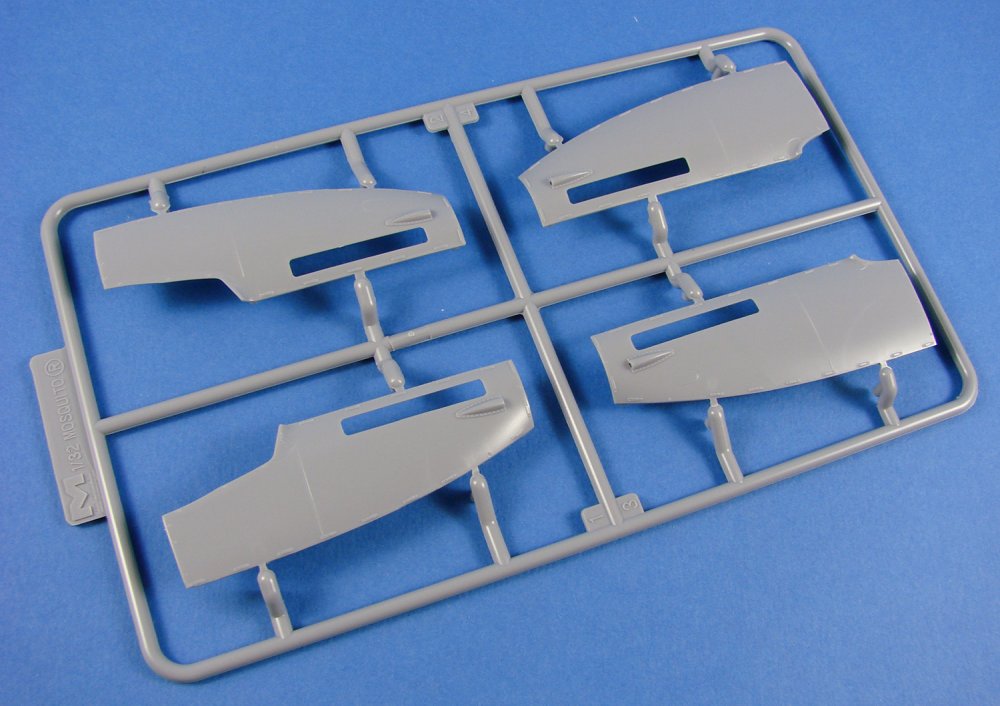
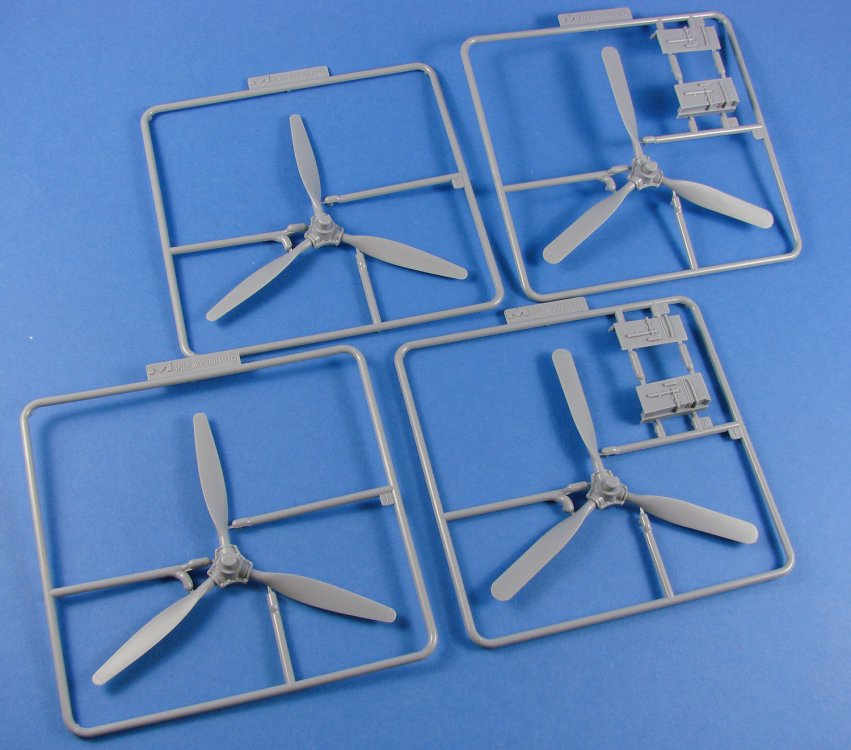
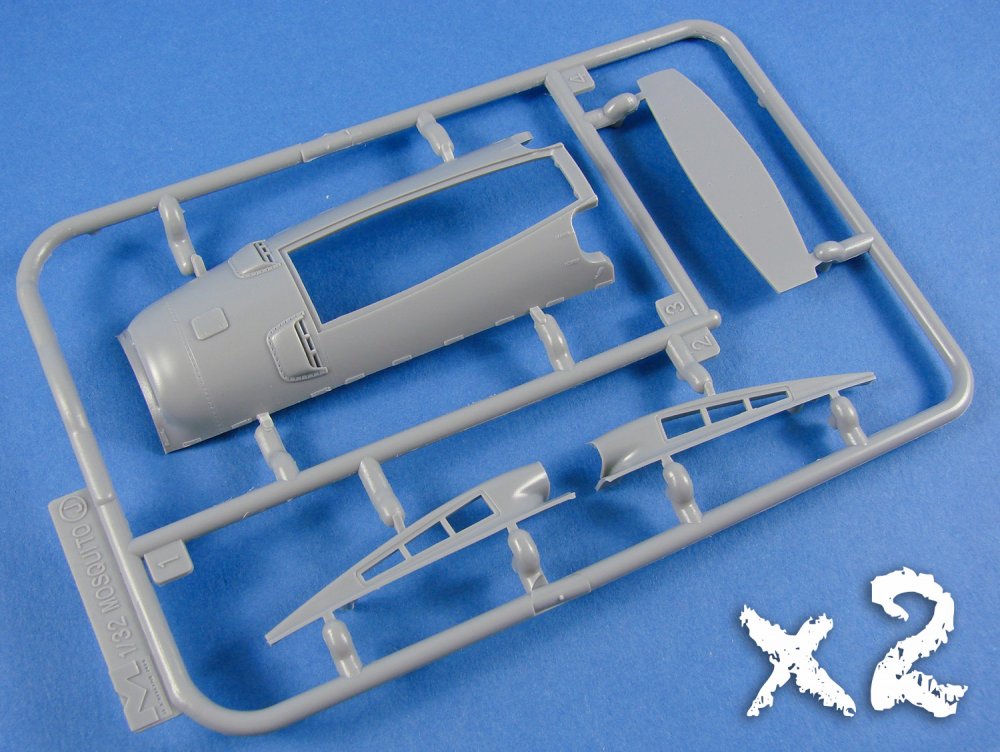
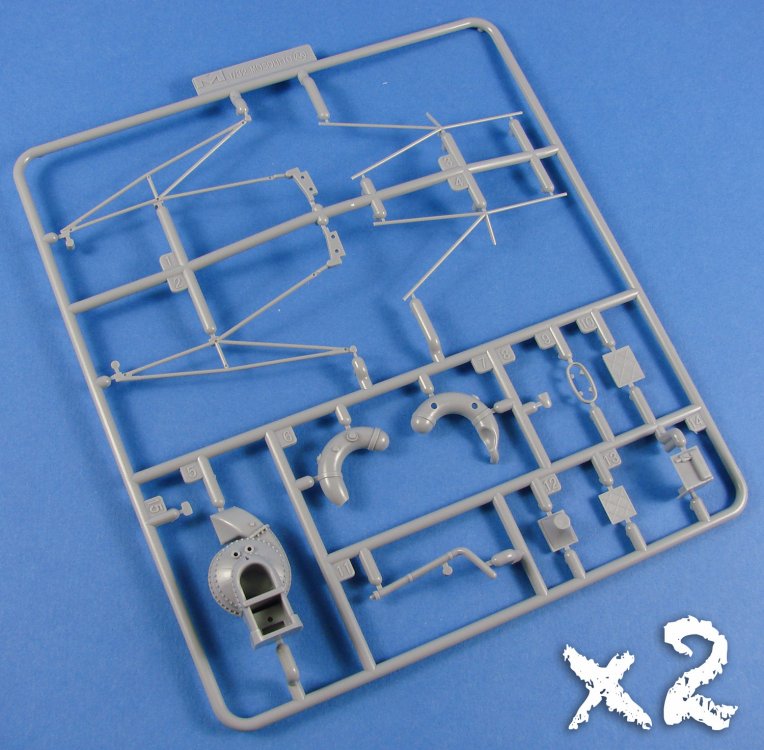
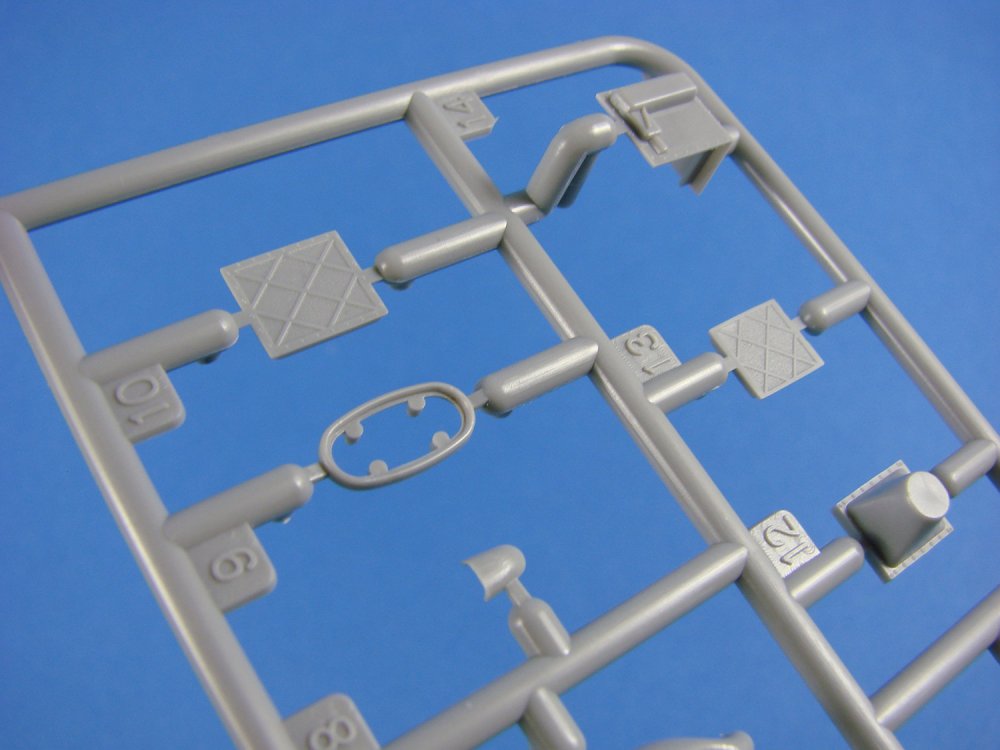
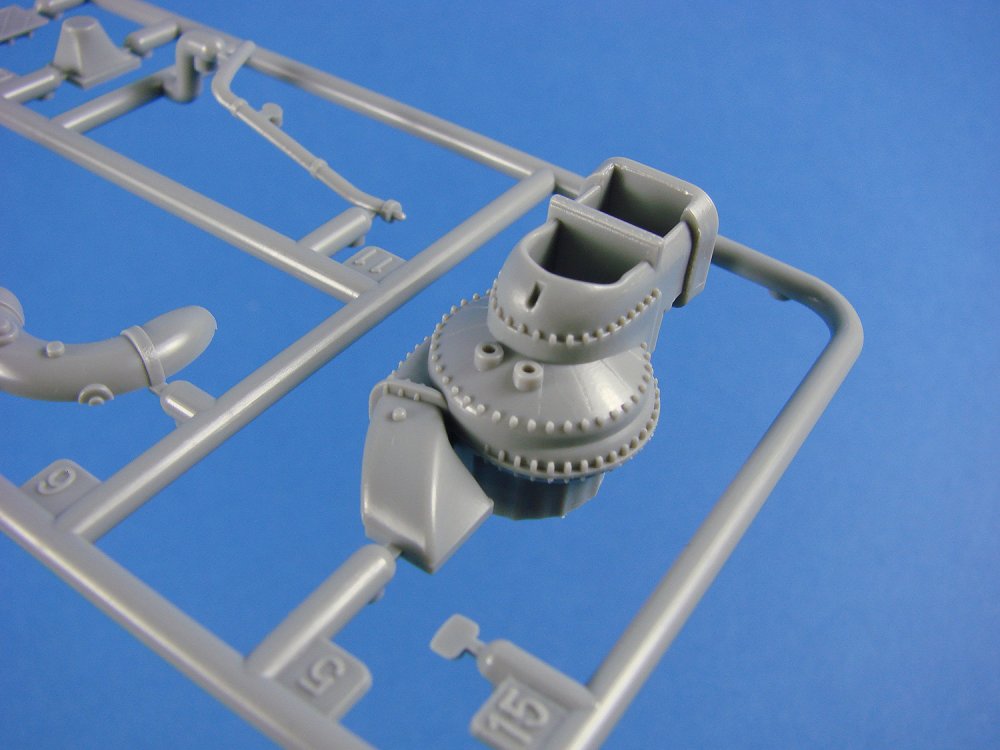
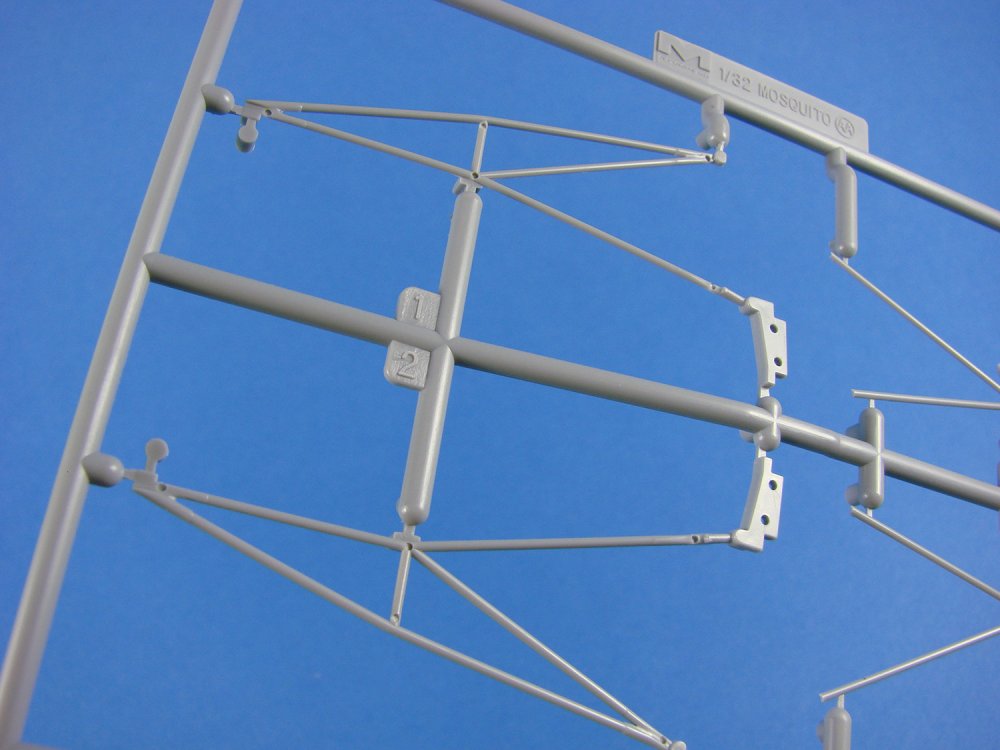
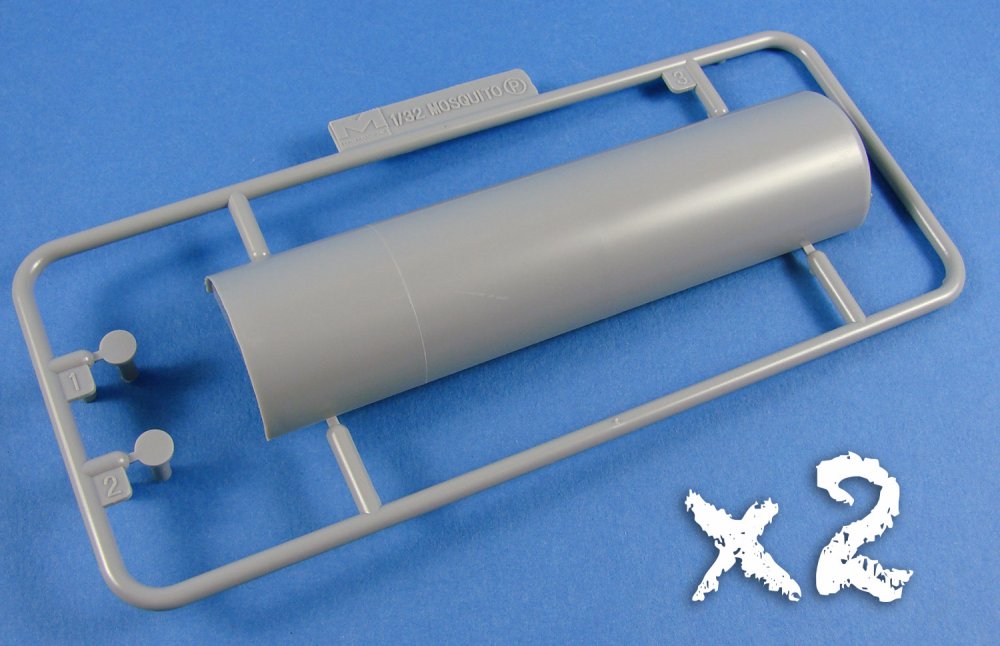
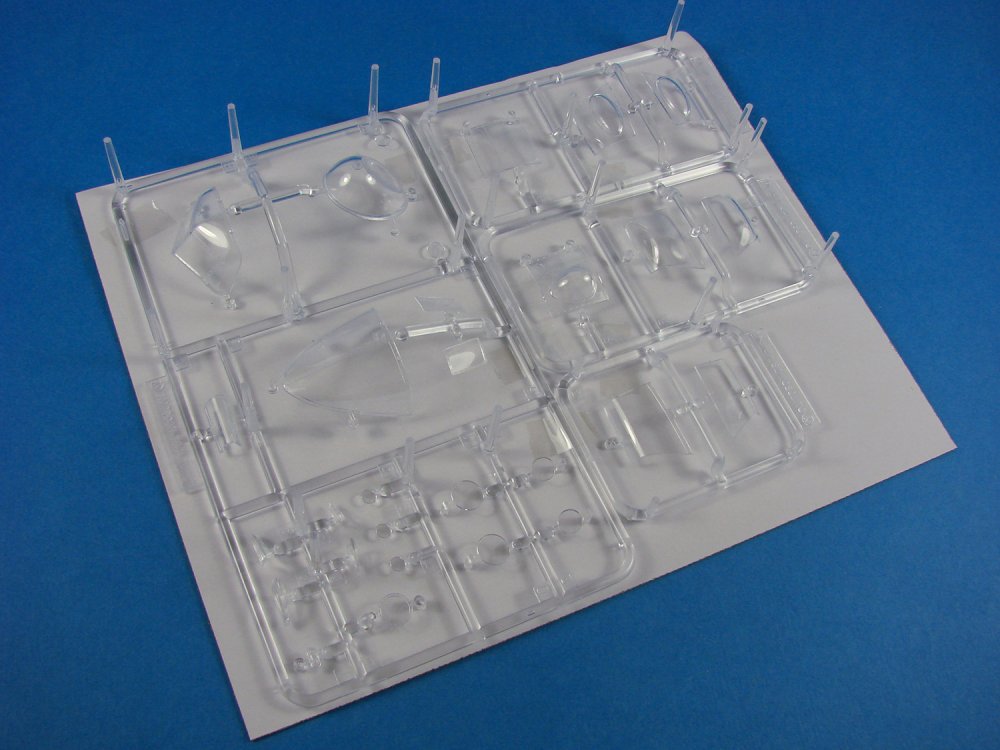
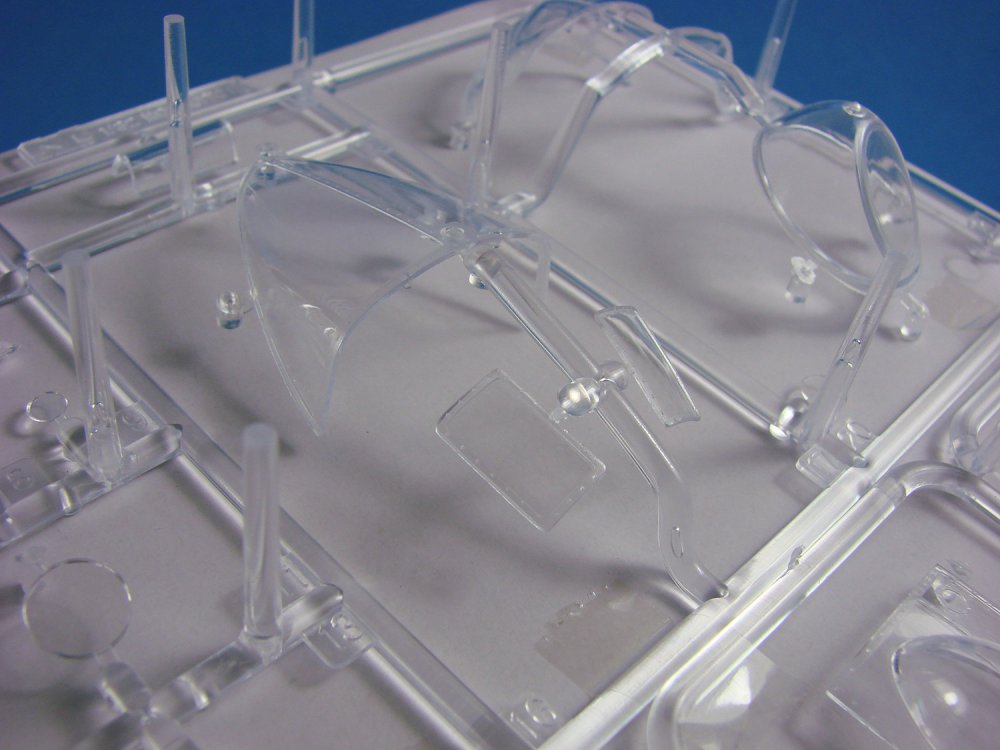
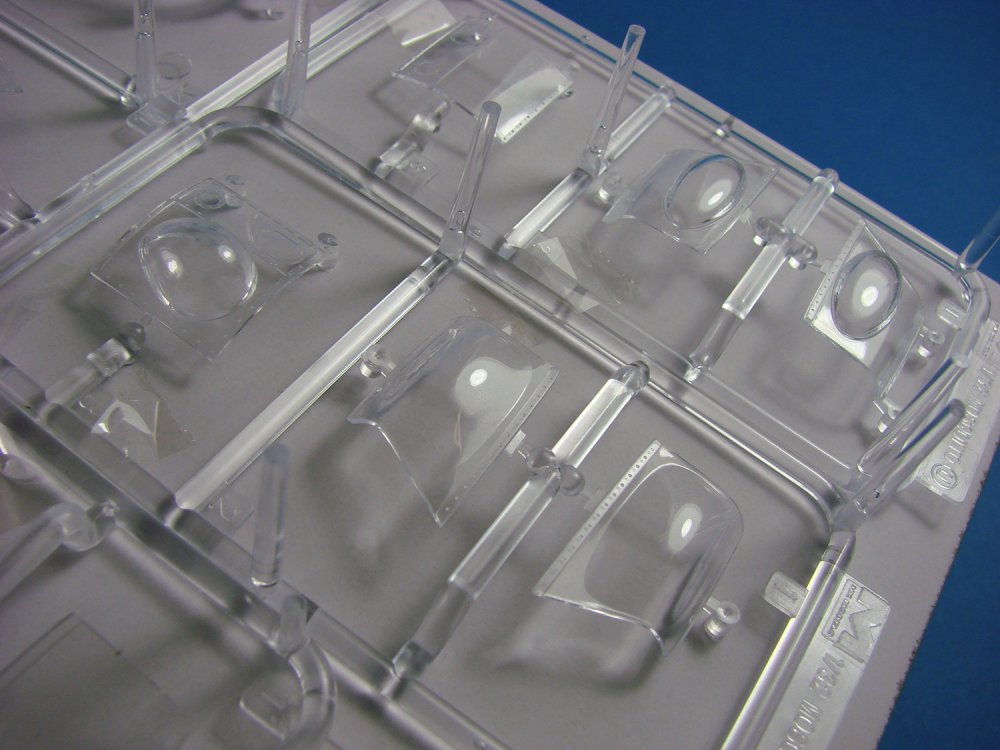
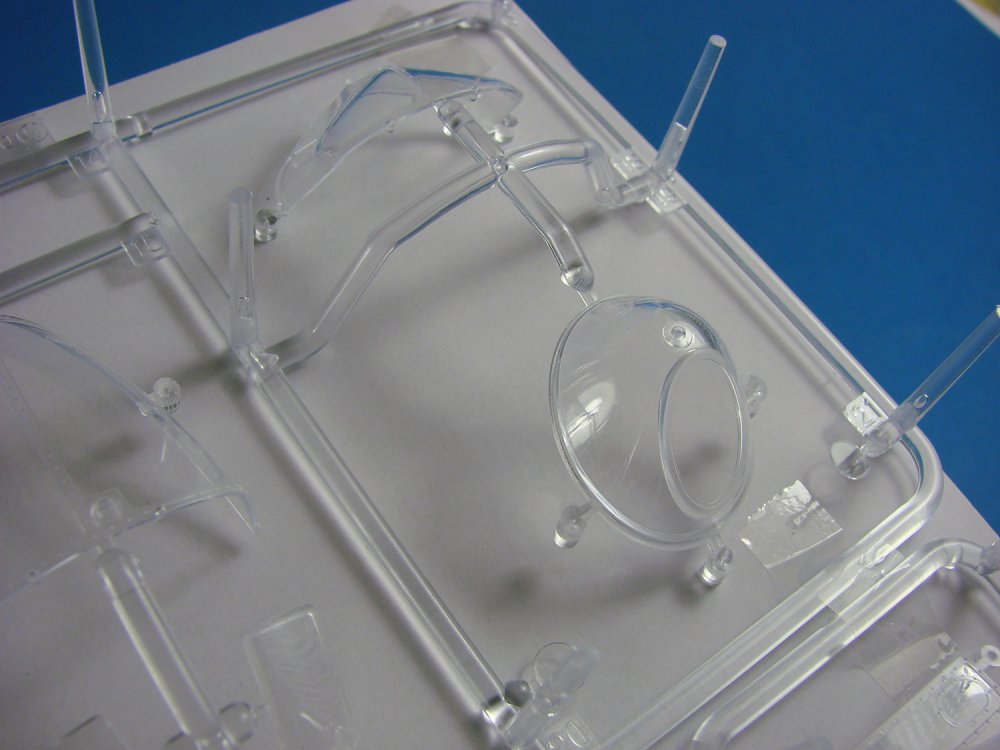
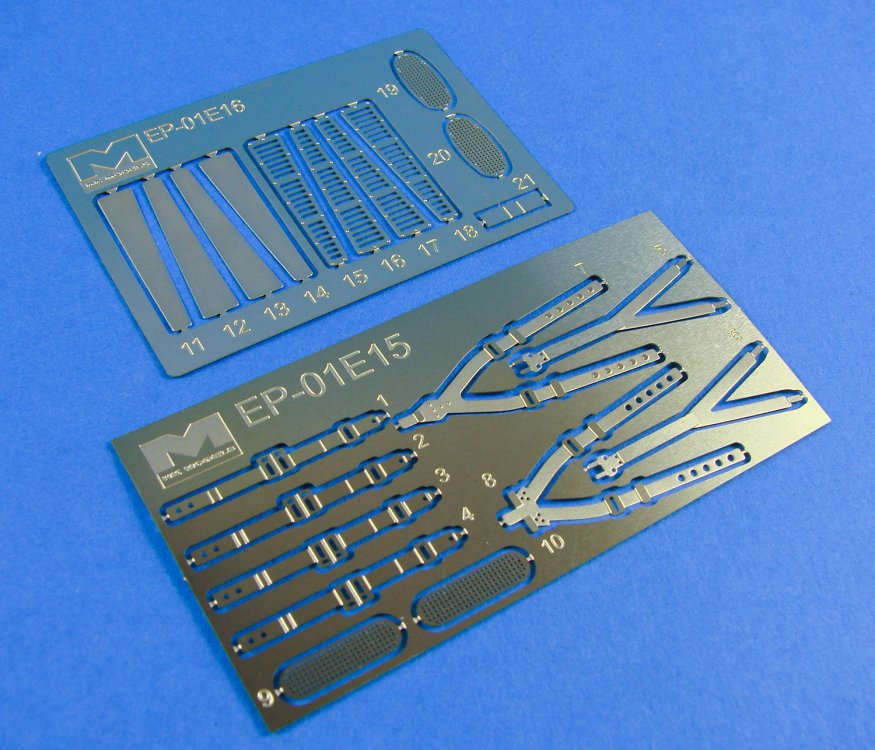
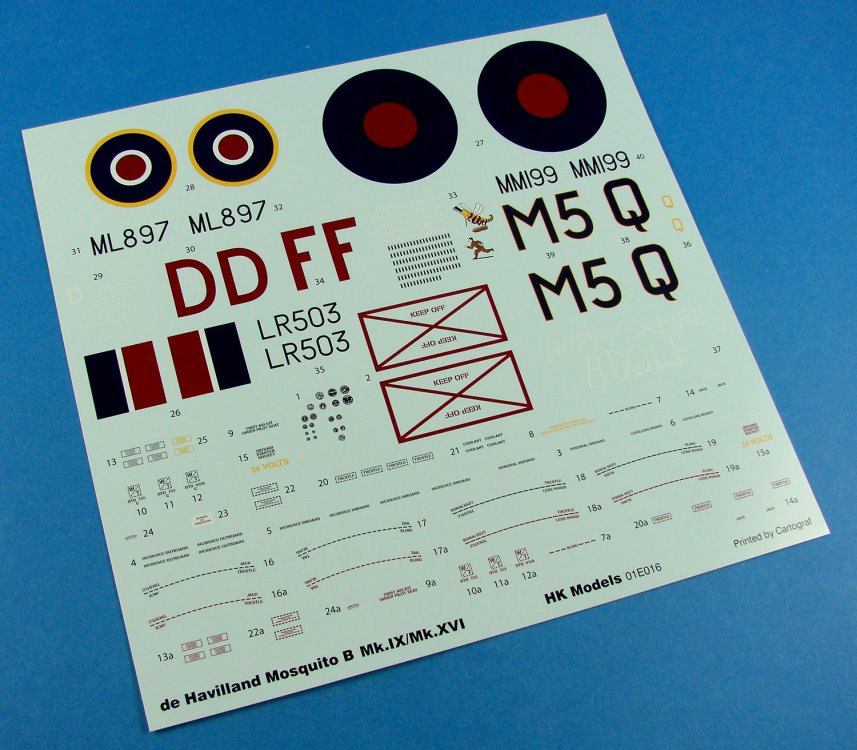
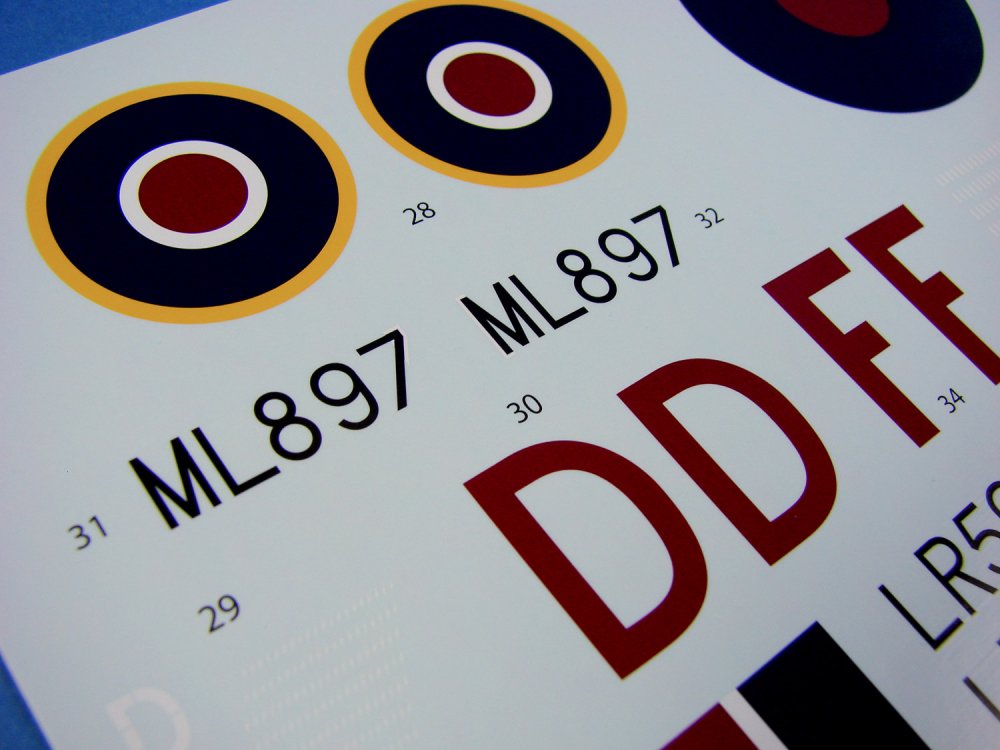
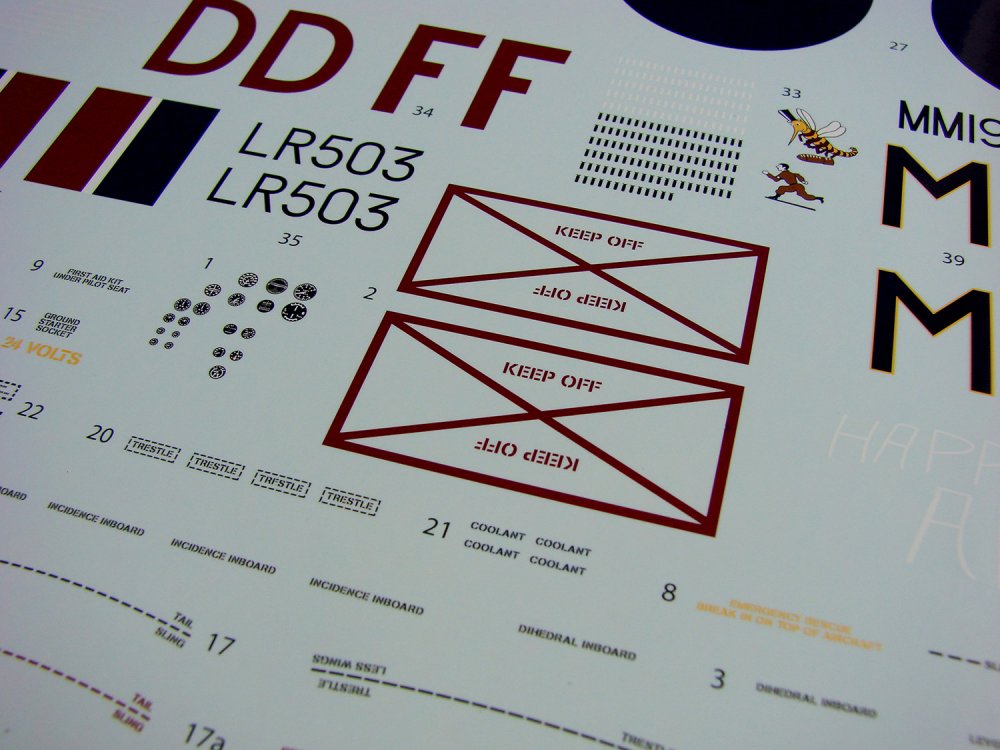
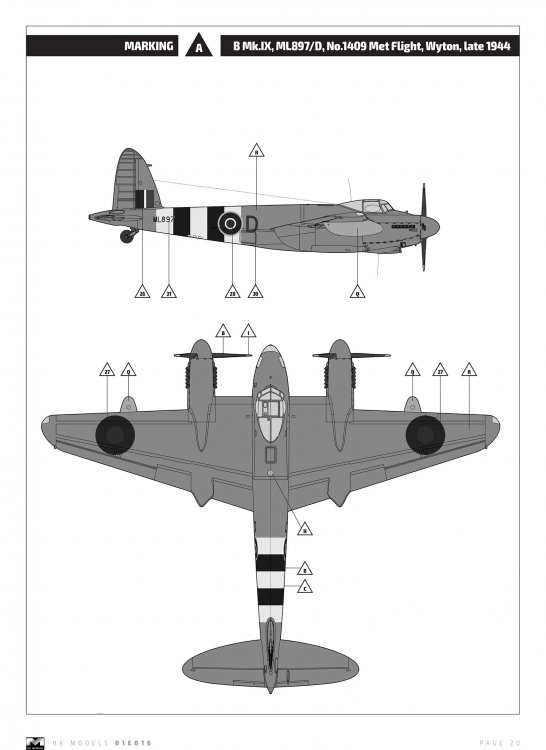
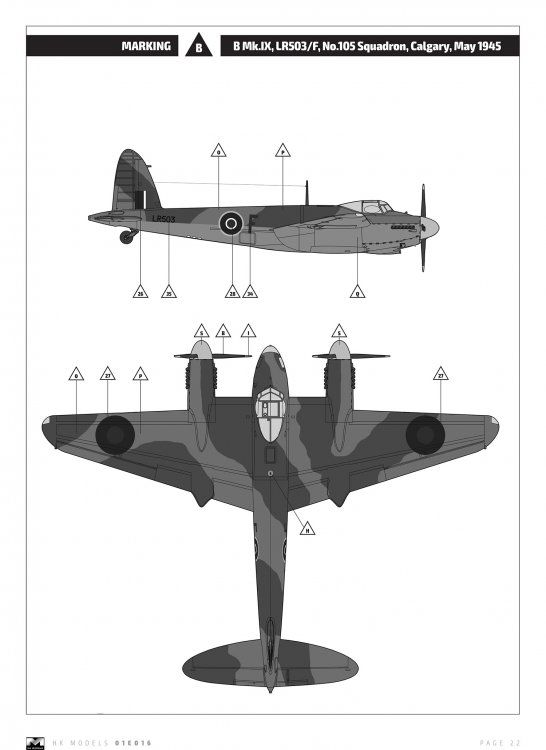
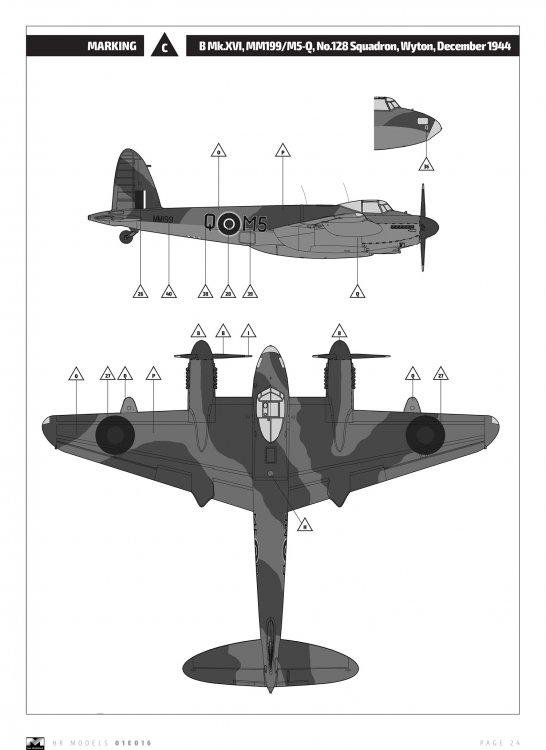
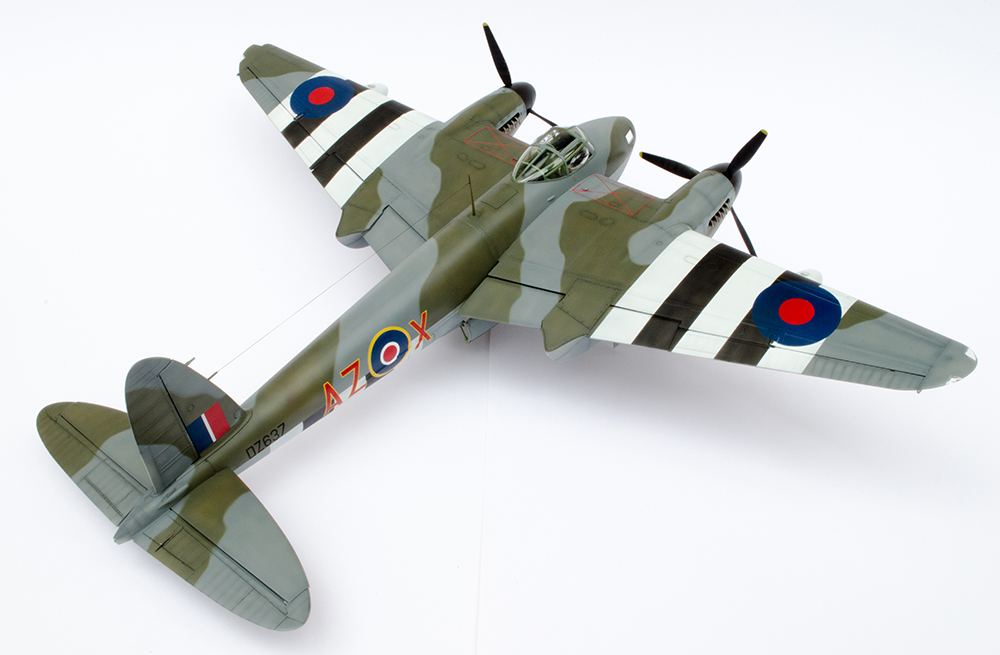

-
- 4
-